Hampton Court Palace, London: Tickets and Info
This website offers official tickets for this venue. Please note, however, that it is not the official website of the venue.
Smartphone tickets
Why wait?
Instant confirmation
Flexible cancellation


Hampton Court Palace, Gardens & Maze Tickets
Highlights
Experience the grandeur of Henry VIII’s former residence.
Enjoy guided audio tours available in multiple languages.
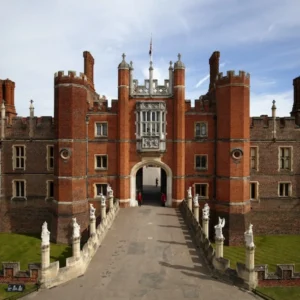
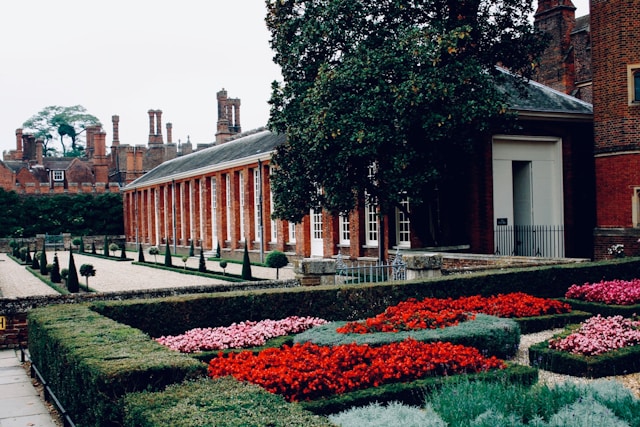
Wander through vast Tudor and Baroque architecture.
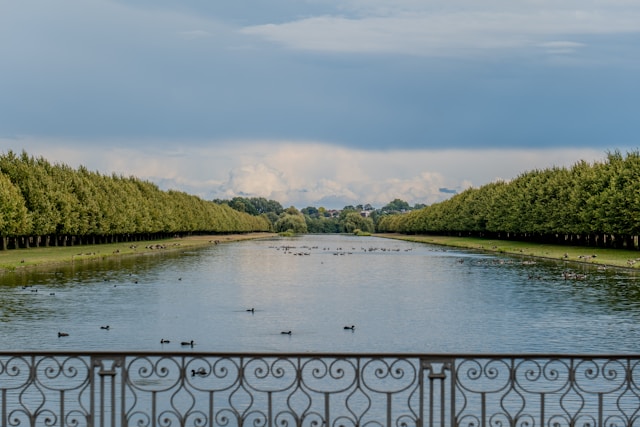
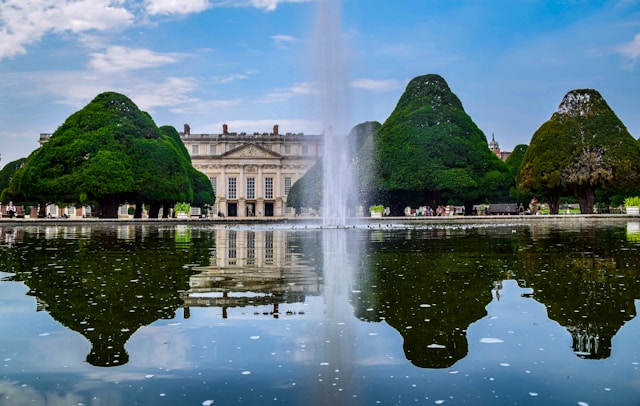
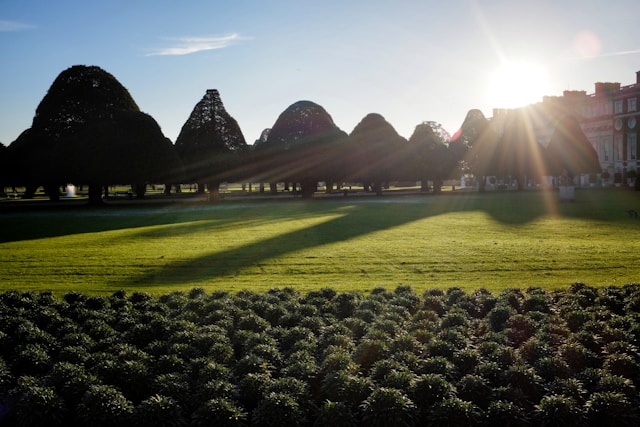
Explore over 60 acres of beautifully maintained gardens.
Challenge yourself in the palace’s historic maze designed in the 1700s.
Good to Know Before Visiting Hampton Court Palace
Tickets should be booked in advance online to guarantee entry and avoid long queues at the palace ticket office.
The palace is a cashless site, so ensure you have a valid debit or credit card for all on-site purchases and dining.
Security bag searches are conducted at the entrance, which may result in short delays during peak arrival times.
Large suitcases and bulky luggage are not permitted inside the palace and cannot be stored in the on-site cloakrooms.
Photography for personal use is allowed in most areas, but the use of flash, tripods, and selfie sticks is strictly prohibited inside the buildings.
Commercial photography and the filming of interior spaces require prior written permission from the palace press office.
Comfortable walking shoes are highly recommended as the site covers over 60 acres and features uneven historic flooring and gravel paths.
While the palace is an all-weather attraction, many of the highlights are outdoors, so bringing waterproof clothing or an umbrella is advised.
Re-entry to the palace and gardens is permitted on the same day provided you retain your ticket for scanning.
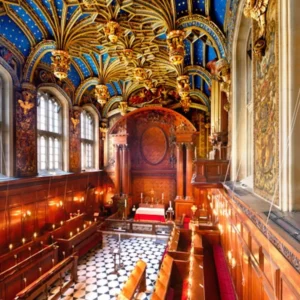
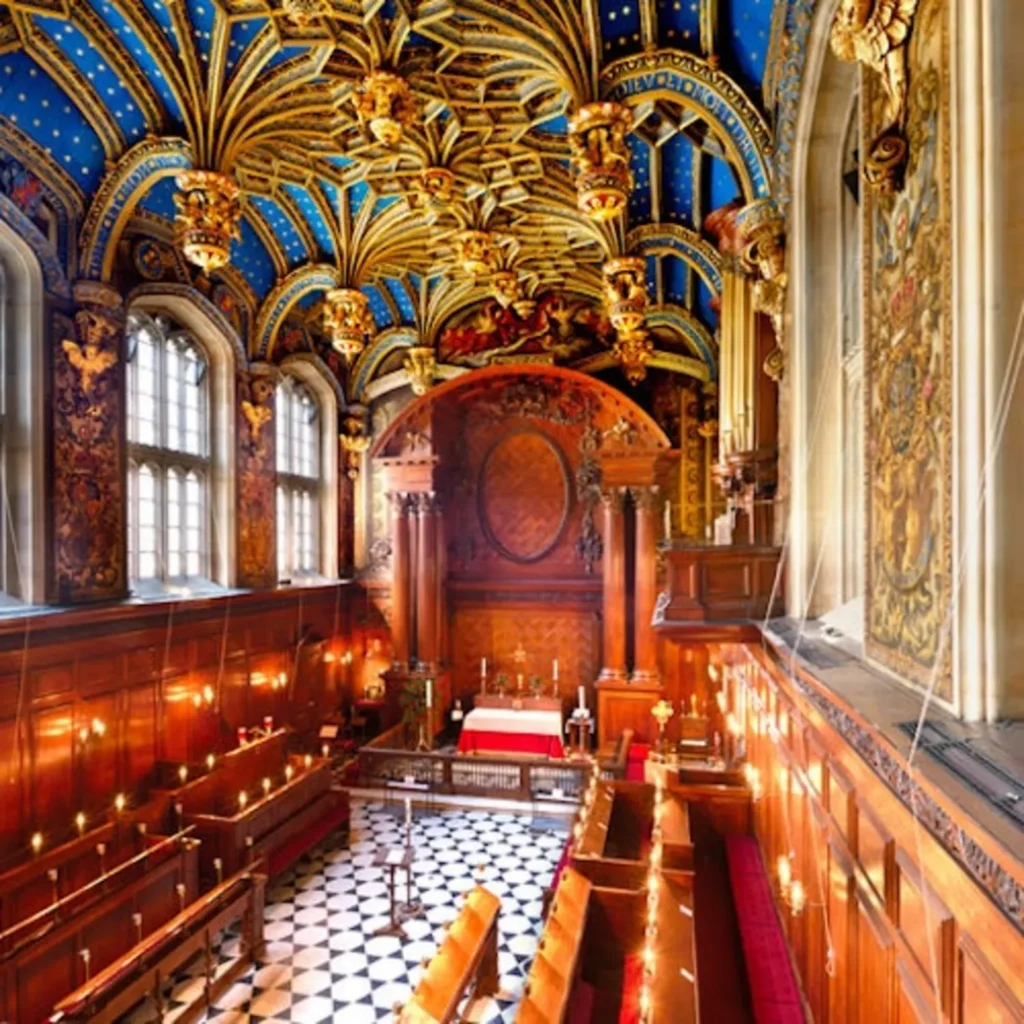
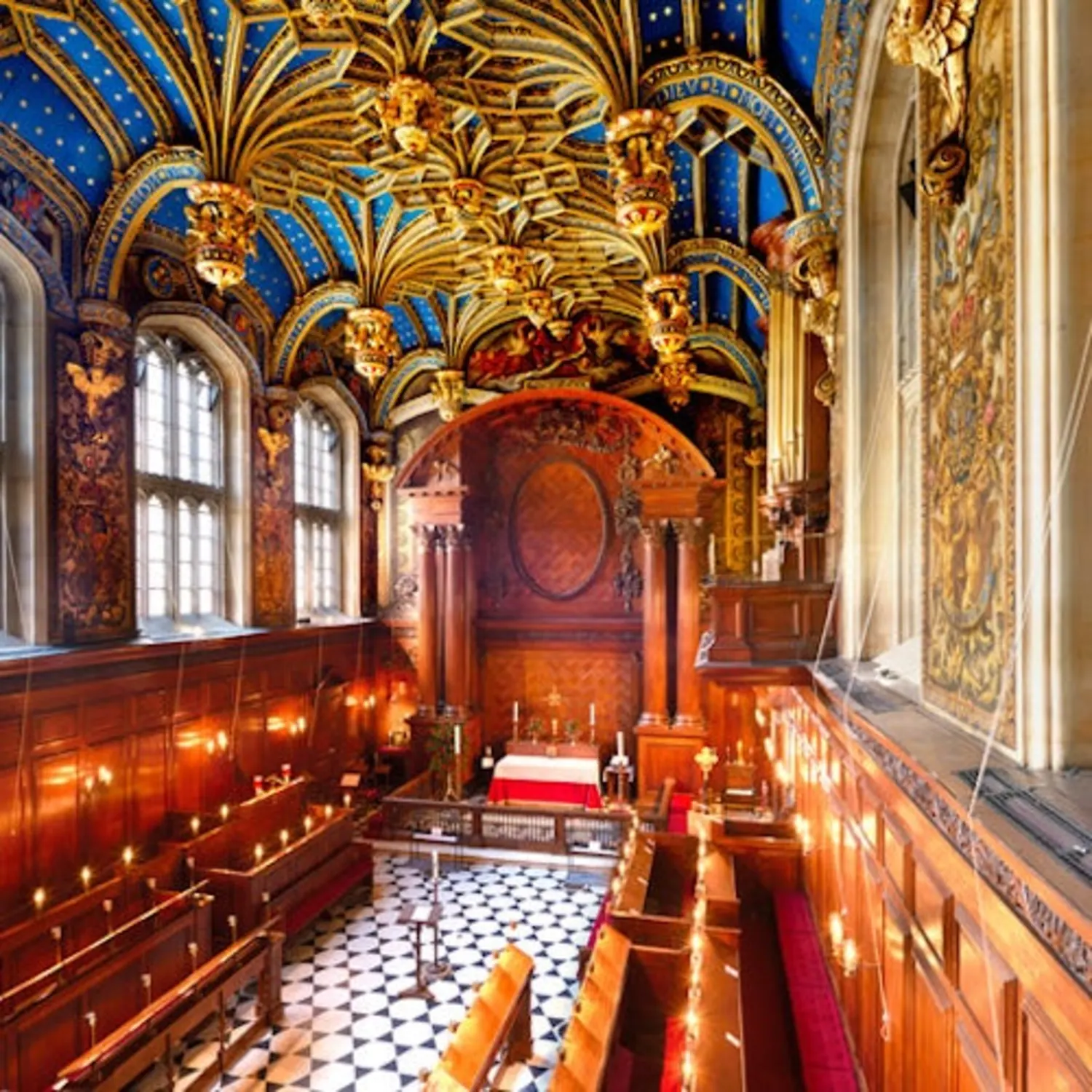
The Chapel Royal is an active place of worship, and access may be restricted during scheduled services or private events.
Essential Visitor Info
- Timings
- Address & Directions
- Facilities
- Accessibility
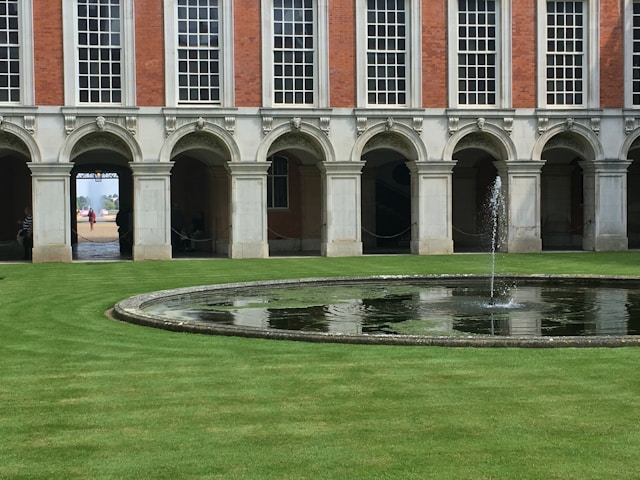
Hampton Court Palace and its formal gardens operate on a seasonal schedule.
During the summer season (30 March to 26 October), the site is open daily from 10 AM to 5:30 PM.
In the winter months (27 October to 29 March), the palace typically closes earlier at 4 PM.
Last Admission
The final entry to the palace and gardens is strictly one hour before closing time. It is recommended to arrive well before this cut-off to ensure you have adequate time to clear security and enter the main buildings.
Recommended Visit Duration
To see the main Tudor and Baroque apartments, the kitchens, and a portion of the gardens, visitors should allow at least three to four hours.
Those wishing to explore the full 60 acres of grounds, including the Maze and the Magic Garden, may find that a full day is required to experience the site without rushing.

Hampton Court Palace is located in East Molesey, Surrey, approximately 12 miles southwest of central London.
Address:
Hampton Court Palace
Hampton Court Way
East Molesey
KT8 9AU
By Train
The most direct way to reach the palace from central London is by South Western Railway. Services run approximately every 30 minutes from London Waterloo to Hampton Court station.
The journey takes about 35 minutes, and the palace entrance is a 2-minute walk across the bridge from the station. The station is located in Travel Zone 6, and you can use Oyster cards, contactless payment, or standard rail tickets for this route.
By Bus
Several bus routes serve the palace directly, stopping just outside the main gates.
From Kingston: Take the 111, 216, or 411.
From Richmond: Take the R68.
From Hounslow: Take the 111.
By Car
The palace is situated on the A308 and is well-signposted from major local roads. If you are traveling from the M25, take either exit 10 (A307) or exit 12 (A308).
By Boat
For a more scenic approach, seasonal riverboat services operate between April and October.
Thames River Boats run services from Westminster Pier, a journey that takes approximately 3 to 4 hours.
Turks Launches offer shorter services from Kingston and Richmond, taking between 45 and 90 minutes.
By Cycle
Hampton Court Palace is located on the National Cycle Network Route 4. Cycle racks are provided near the main entrance; however, please note that cycling is not permitted within the palace courtyards or formal gardens.

Visitor services are concentrated around the Base Court and the entrance areas to ensure convenience upon arrival.
These include a primary ticketing office, information kiosks, and a dedicated cloakroom where small bags and coats can be stored. Public restrooms, including baby changing facilities, are located at various points throughout the site, notably in the Base Court, the Fountain Court, and near the Wilderness garden.
For families, the Magic Garden provides a dedicated play area based on Tudor themes, while the wider estate offers ample space for exploration. It is important to note that the palace operates a strictly non-smoking policy across all indoor areas and certain outdoor courtyards. Free Wi-Fi is accessible in most of the main visitor hubs, though signal strength may vary within the thicker stone walls of the Tudor Kitchens.

Hampton Court Palace is a historic building with some unavoidable architectural constraints, but significant measures are in place to ensure access for all visitors.
The majority of the palace is accessible to wheelchair users, with lifts available to reach the State Apartments on the first floor. A limited number of manual wheelchairs are available for loan at the Information Centre on a first-come, first-served basis. For those using mobility scooters, these are permitted in the gardens and the ground floor of the palace, but size restrictions apply for the lifts; please check dimensions before arrival.
The formal gardens and the Wilderness have gravel paths which can be challenging for some manual wheelchairs, though many of the main routes are firm and level. The Maze is accessible to narrower wheelchairs, but the viewing platform is only reachable via stairs. For visitors with sensory requirements, the palace can be very busy and noisy during peak periods; the Tiltyard Café and the Wilderness are generally the quietest areas for a retreat.
For the D/deaf and hard of hearing, British Sign Language (BSL) digital tours are available, and induction loops are fitted at most ticket counters and information points. Visitors with visual impairments can request large print guides or Braille maps at the Information Centre. Assistance dogs are welcome throughout the palace and gardens, and water bowls can be provided upon request at the café areas.
About Hampton Court Palace

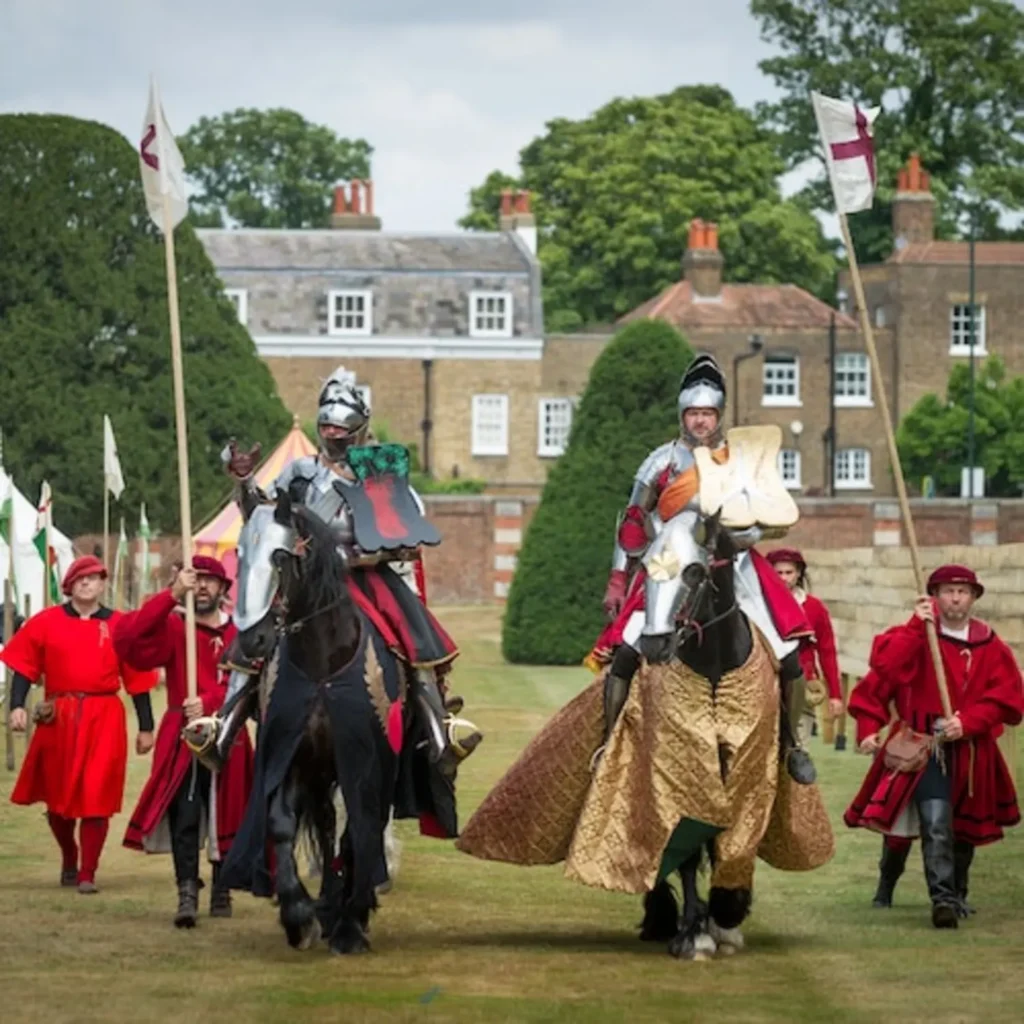
The story of Hampton Court Palace is essentially a tale of two distinct architectural eras merged into one massive estate. The original Tudor palace was begun by Cardinal Thomas Wolsey in 1514 before being acquired and expanded by Henry VIII, who used its sprawling rooms to host lavish banquets and house his extensive court. By the 1530s, it had become a center of political power and a primary residence for the King and his six wives, featuring the iconic Great Hall and a massive kitchen complex designed to serve over 1,600 meals a day.
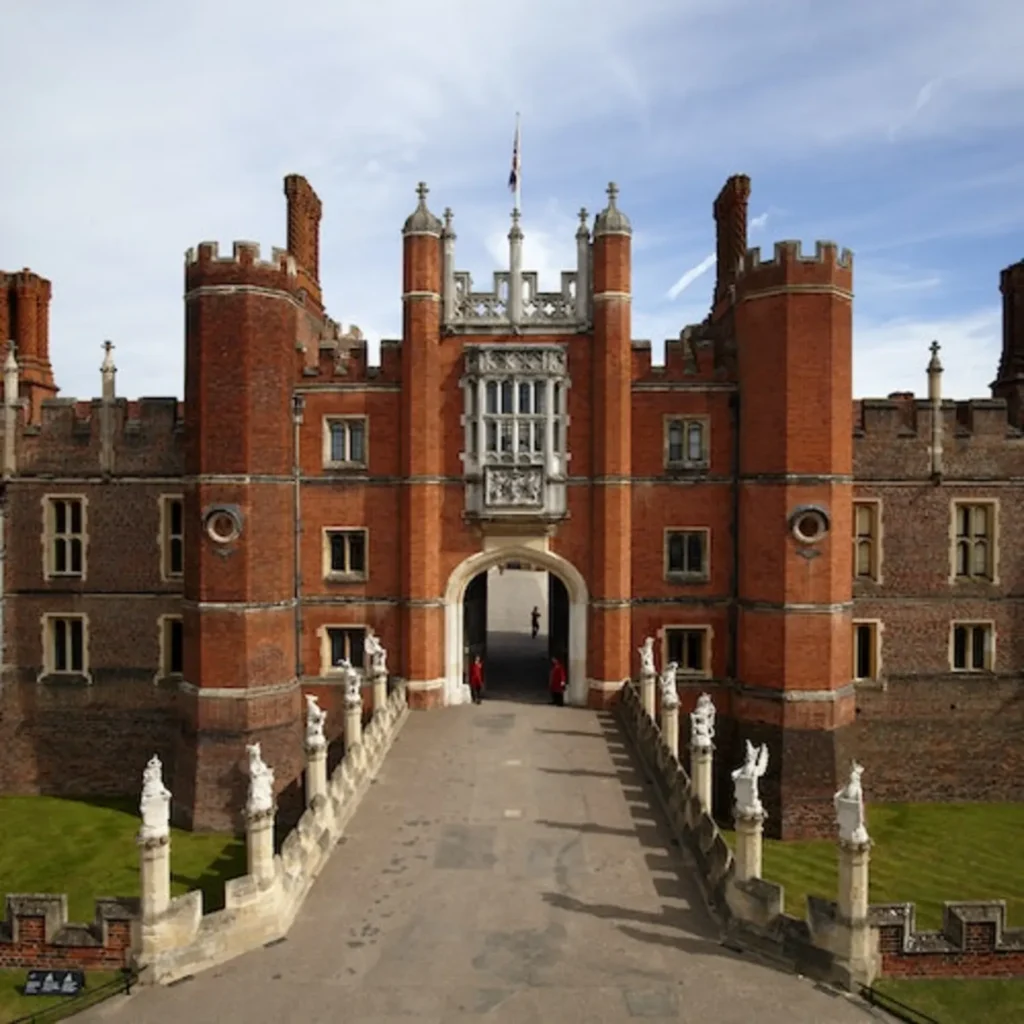
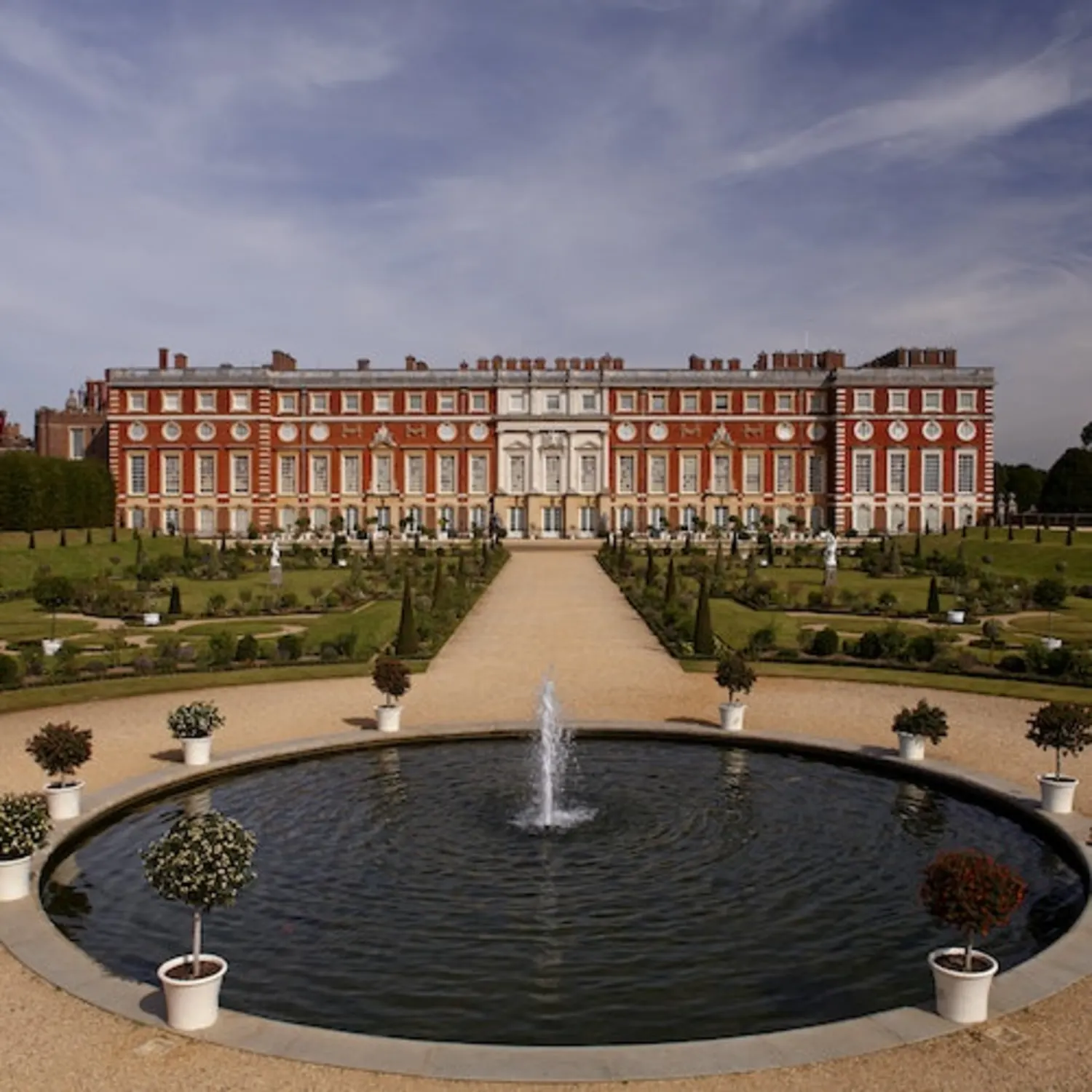
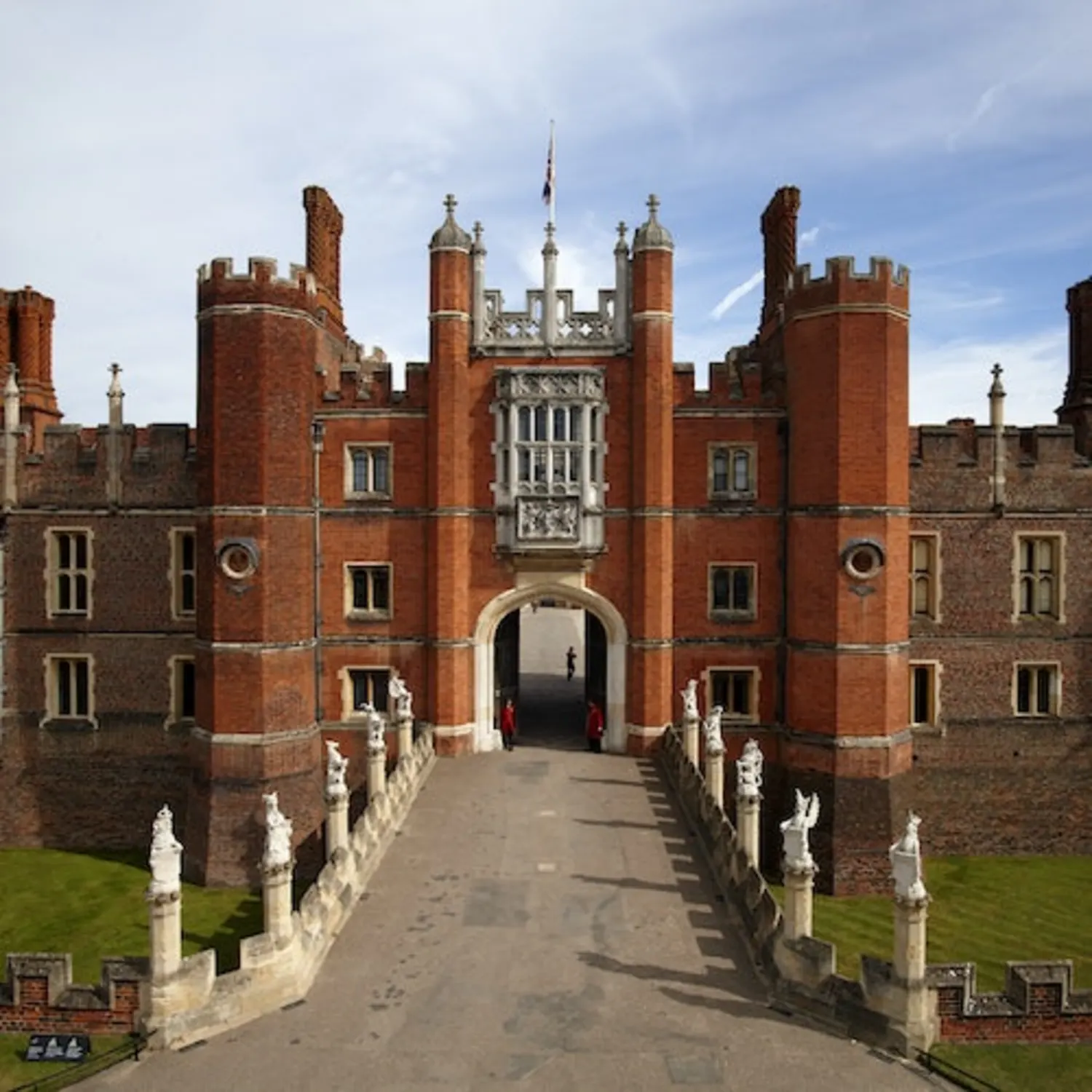
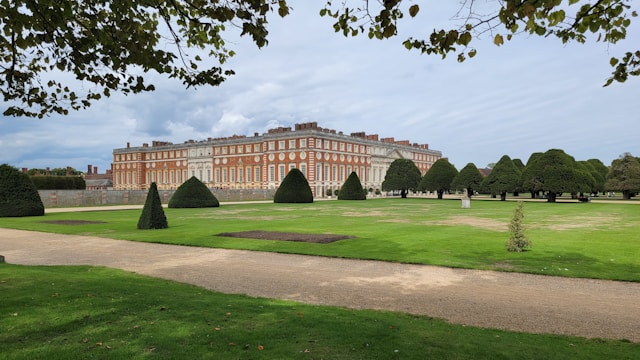
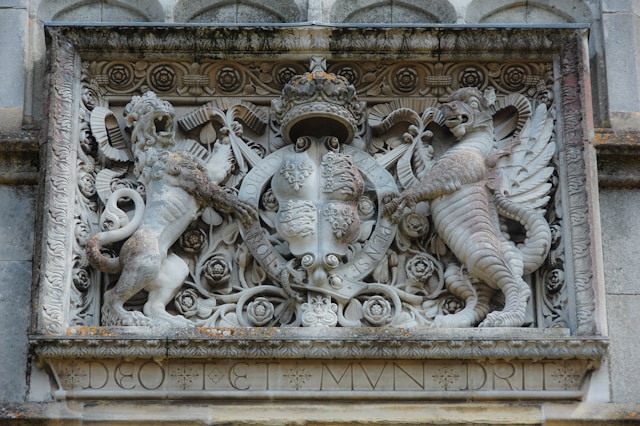
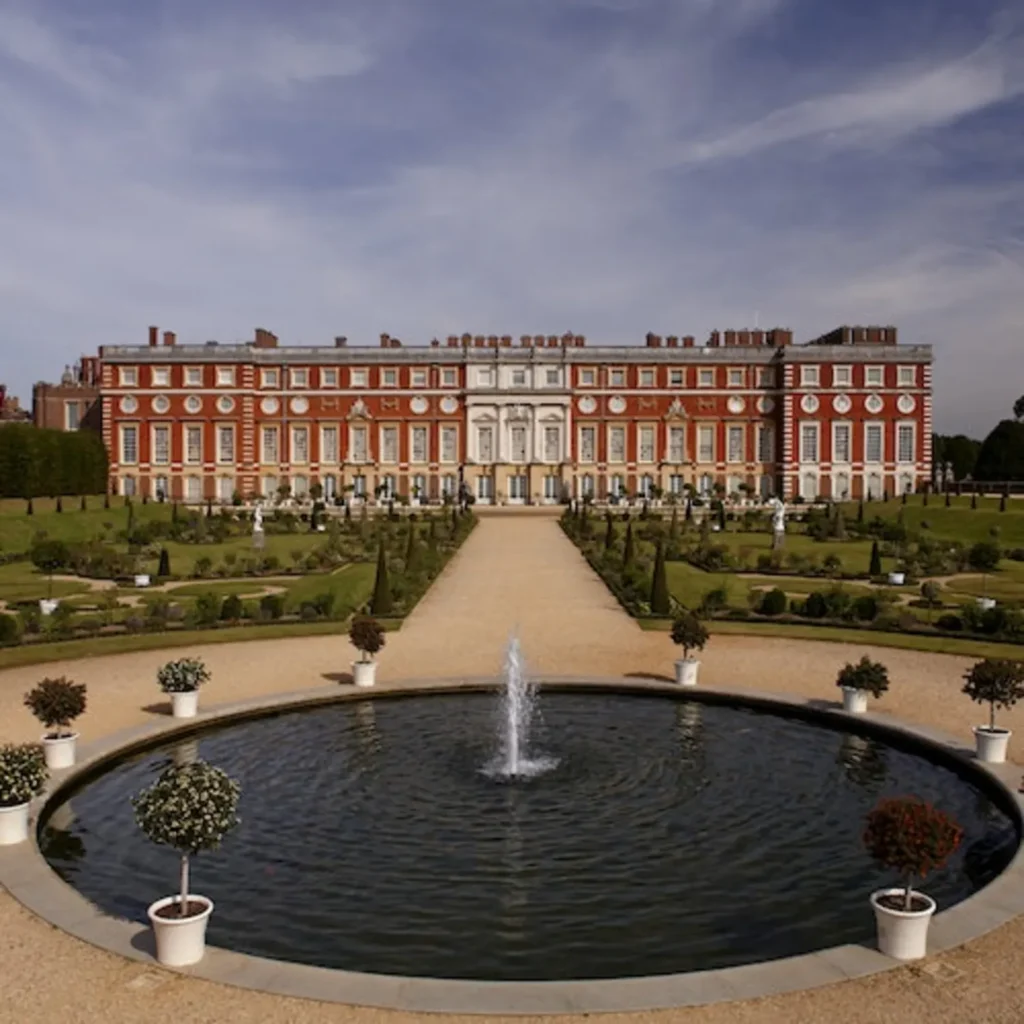
Nearly two centuries later, the palace underwent a dramatic transformation under the joint reign of William III and Mary II. They commissioned the architect Sir Christopher Wren to demolish parts of the Tudor structure and replace them with an elegant Baroque palace inspired by Versailles. This resulted in the striking visual contrast seen today, where the red-brick Tudor gatehouses transition into the classical proportions and ornate stone carvings of the 17th-century East Front. Today, the palace is maintained by the independent charity Historic Royal Palaces and serves as a public museum showcasing the Royal Collection and centuries of British heritage.
Total Area: 60 acres of formal gardens and 750 acres of royal parkland
Number of Rooms: Approximately 1,390
Founded: 1514 (by Cardinal Thomas Wolsey)
Listed Building Status: Grade I
Annual Visitors: Approximately 1 million
Why Visit Hampton Court Palace?
The Tudor State Apartments
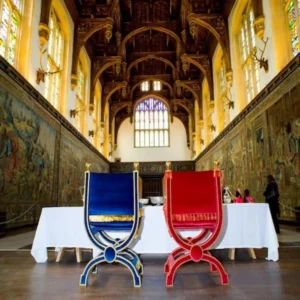
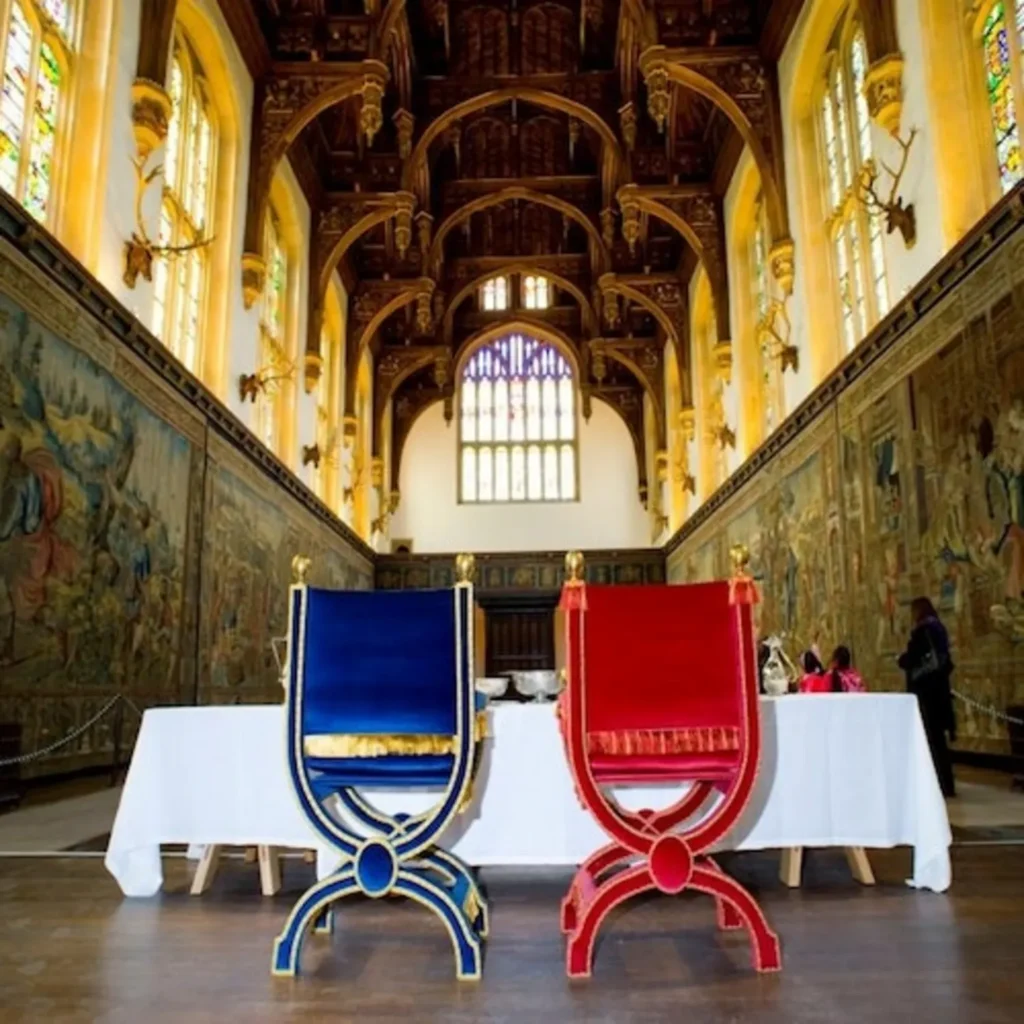
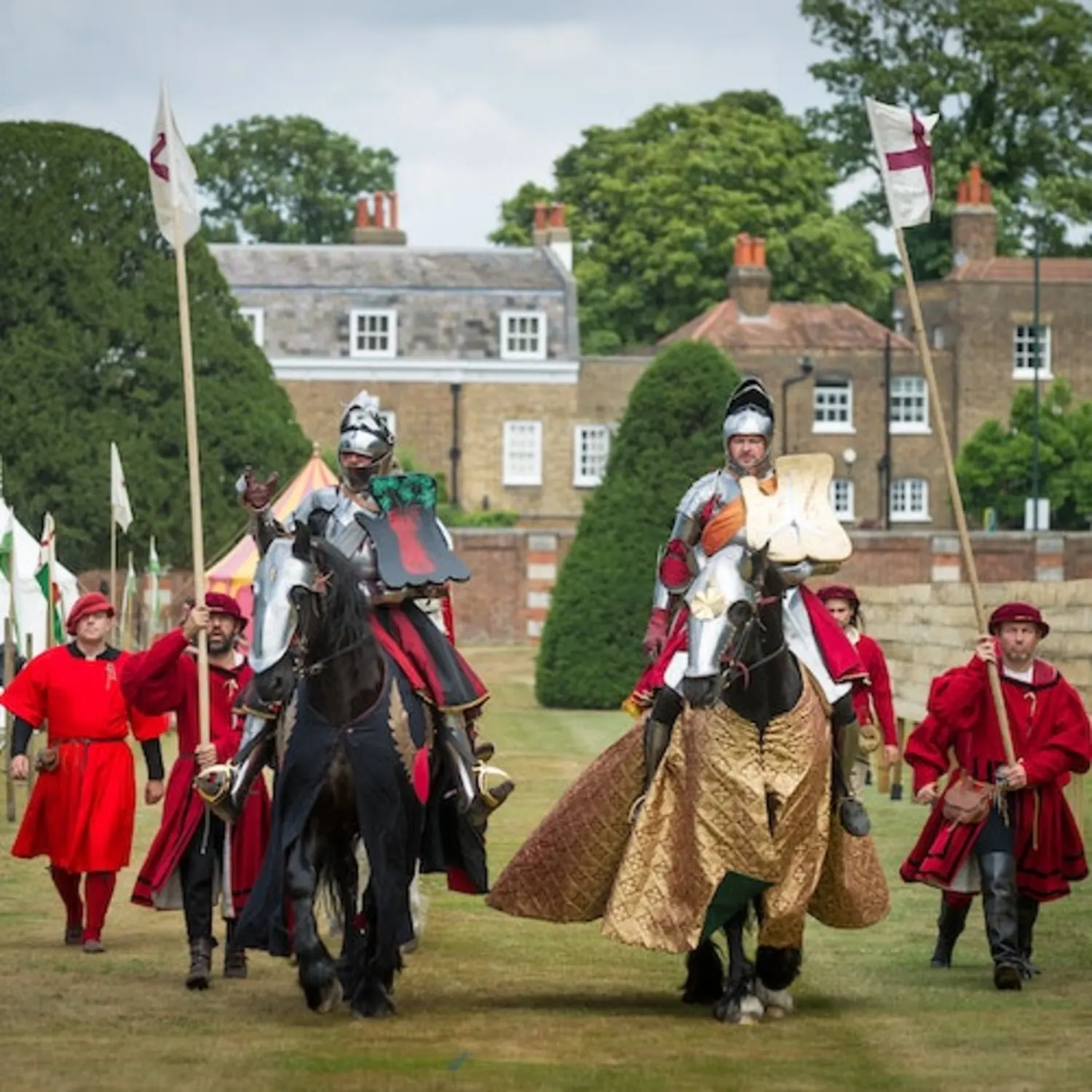
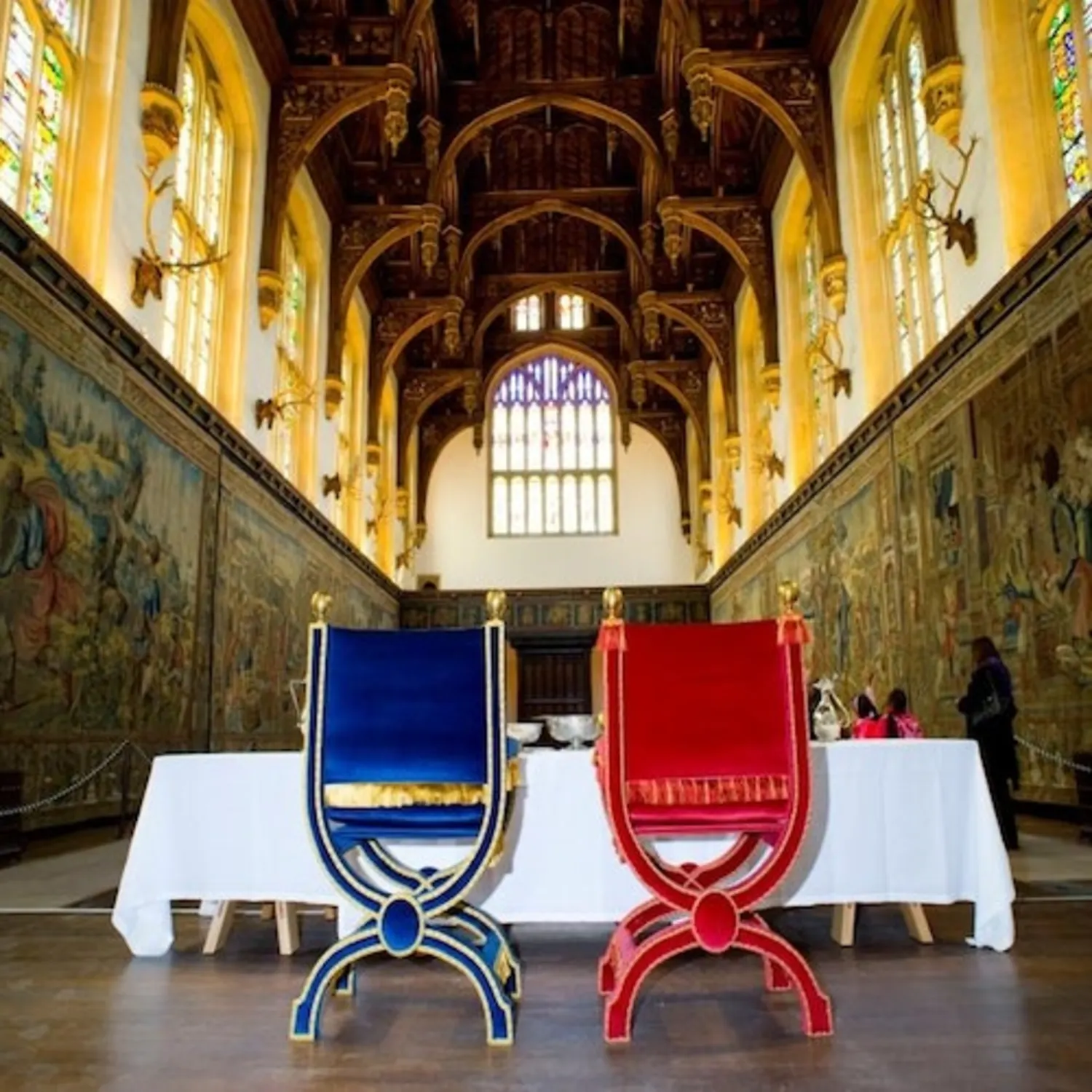
Step into the world of Henry VIII and experience the grandeur of the Great Hall, adorned with original Flemish tapestries. These rooms served as the heart of the Tudor court, providing a direct look at the politics and pageantry of the 16th century.
The Baroque Palace of William and Mary
Contrast the medieval architecture with the elegant 17th-century additions designed by Sir Christopher Wren. These refined apartments showcase a different era of royal history, characterized by classical proportions and the ornate King’s Staircase.
Sixty Acres of Formal Gardens
The palace grounds are home to some of the most famous horticultural displays in the world, including the Great Vine and the Privy Garden. Visitors can explore a diverse landscape that ranges from meticulously manicured lawns to the wilderness of the Home Park.
The World-Famous Hedge Maze
Commissioned around 1700, this is the UK’s oldest surviving hedge maze and remains a highlight for visitors of all ages. Navigating its winding paths offers a practical and entertaining connection to the history of royal leisure and garden design.
The Tudor Kitchens
Designed to feed the hundreds of people who made up the royal court, these kitchens are a remarkable example of large-scale Tudor engineering. The space provides insight into the daily logistics and culinary traditions required to maintain the King’s household.
Hampton Court Palace – Additional Info
- Dining
- Souvenir Store
The Tiltyard Café is the primary dining location on-site, situated between the palace and the gardens. It serves a variety of hot meals, seasonal salads, and sandwiches, with an emphasis on locally sourced ingredients.
The café provides both indoor and outdoor seating, making it a suitable stop regardless of the weather.
For a lighter option, the Privy Kitchen Coffee Shop, located within the palace walls, offers hot drinks and cakes in a historic setting. During the summer months, additional pop-up kiosks often open near the Wilderness and the Magic Garden, providing ice cream and refreshments to those exploring the furthest reaches of the grounds.
Indoor and outdoor picnic areas are also available for visitors who prefer to bring their own food.

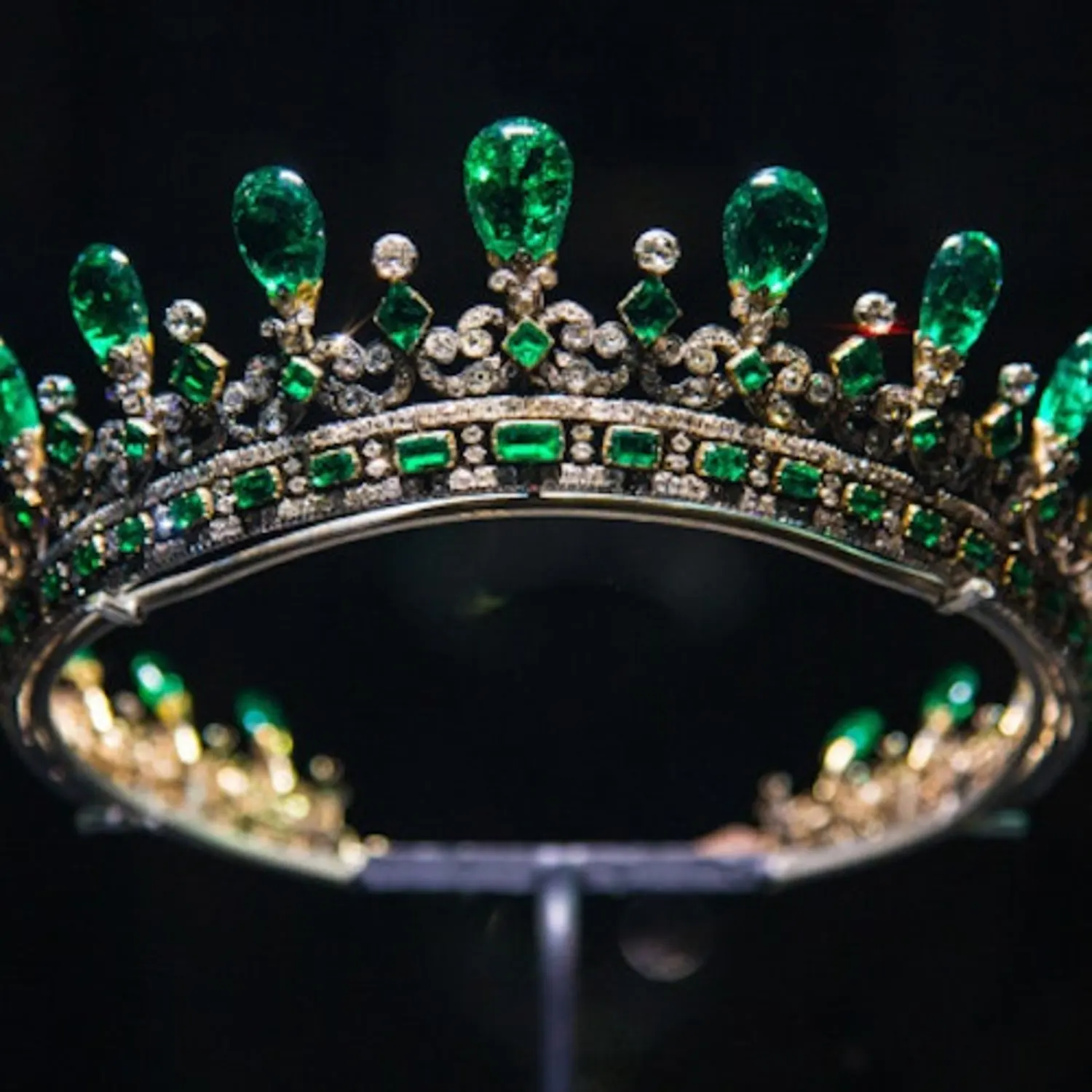
The Palace Shop, located near the main exit, offers a wide selection of merchandise inspired by the history of the site. The inventory includes traditional Tudor-themed gifts, such as replicas of Henry VIII’s crown and jewelry inspired by Anne Boleyn. There is also a range of high-quality homeware, tapestry reproductions, and books covering the diverse architectural and social history of the palace.
A secondary Garden Shop is situated near the East Front, specializing in botanical gifts and items related to the estate’s horticultural heritage. Visitors can purchase seeds, gardening tools, and artisanal products, many of which reflect the specific plant varieties found within the Great Vine and the Privy Garden.
Interesting Facts about Hampton Court Palace
Hampton Court Palace contains the only surviving authentic Tudor kitchens in the world, which were once capable of producing over 1,600 meals a day.
The Great Vine, planted by Lancelot ‘Capability’ Brown in 1768, is the largest grape vine in the world and still produces an annual harvest of Black Hamburg grapes.
King Henry VIII did not build the palace from scratch; he pressured Cardinal Wolsey into gifted it to him after the Cardinal fell from royal favor.
The Haunted Gallery is allegedly home to the ghost of Catherine Howard, Henry VIII’s fifth wife, who was arrested there for high treason.
The Great Hall features a magnificent hammer-beam roof and was the venue where William Shakespeare’s company, the King’s Men, performed for King James I.
The palace is actually two palaces in one, consisting of a Tudor castle merged with a 17th-century Baroque palace designed by Sir Christopher Wren.
The Hedge Maze, planted around 1700 for William III, is the UK’s oldest surviving hedge maze and covers a third of an acre.
The Royal Tennis Court, built for Henry VIII in the 1530s, is one of the oldest sporting venues in the world still in use today.
The Astronomical Clock in Clock Court, made for Henry VIII in 1540, displays the time, date, phases of the moon, and even the time of high water at London Bridge.
The palace has not been inhabited by a British monarch since King George II in the 18th century.
Beneath the Tudor kitchens lies a complex system of brick drains that was a revolutionary feat of sanitary engineering for the 16th century.
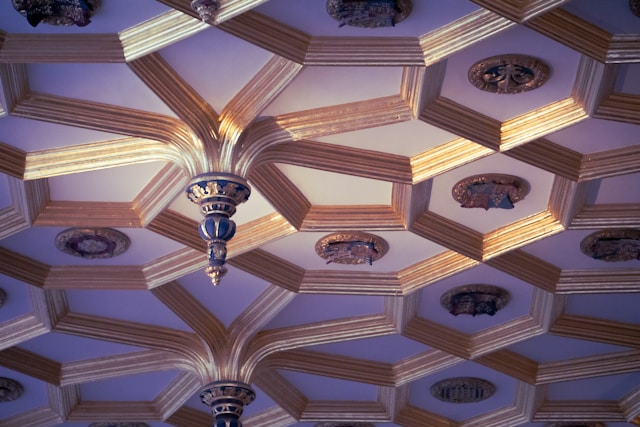
The Chapel Royal features a stunning blue and gold vaulted ceiling that has remained largely unchanged since its installation in the 1530s.
During the Victorian era, Queen Victoria opened the palace to the public, which transformed it into one of London’s first major tourist attractions.
The palace grounds are home to a herd of descendants of the original fallow deer that Henry VIII hunted in the 16th century.
Abraham Lincoln’s family has a surprising connection to the palace, as his ancestors were once the keepers of the North Garden.