
Royal Observatory, Greenwich: Tickets and Info
This website offers official tickets for this venue. Please note, however, that it is not the official website of the venue.

Smartphone tickets

Why wait?

Instant confirmation

Flexible cancellation
Royal Observatory Greenwich: Admission Ticket
Highlights
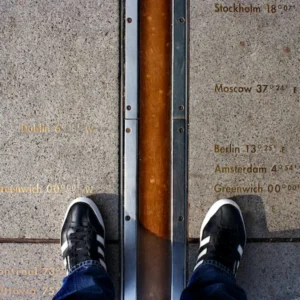
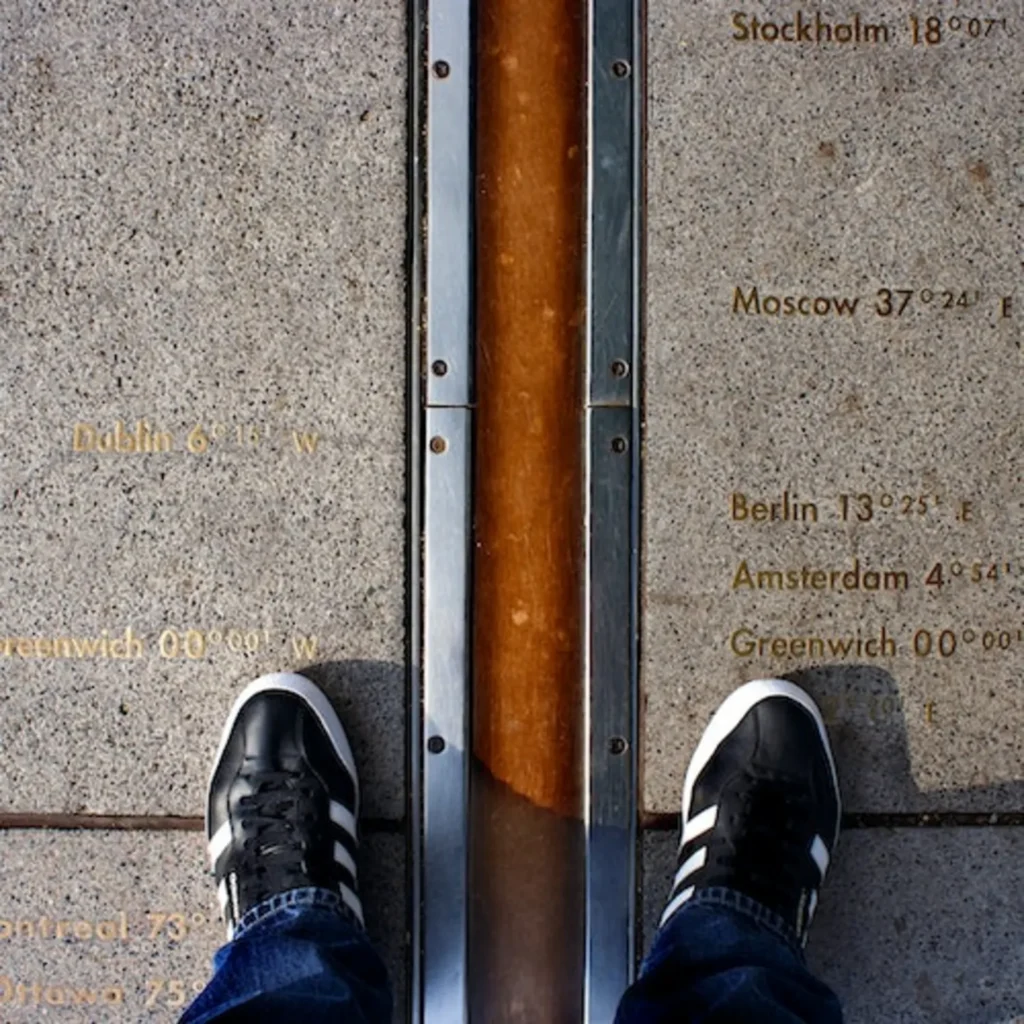
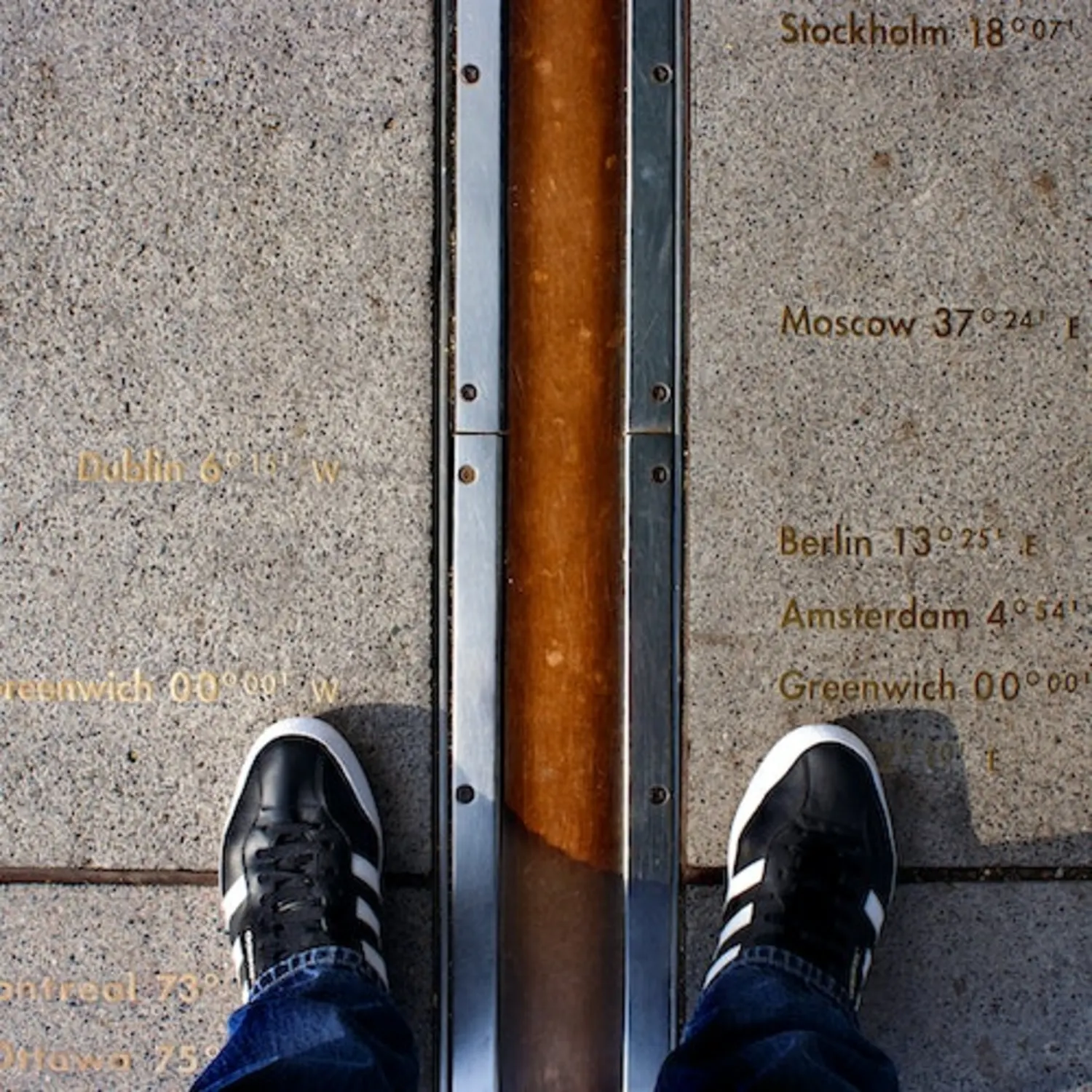
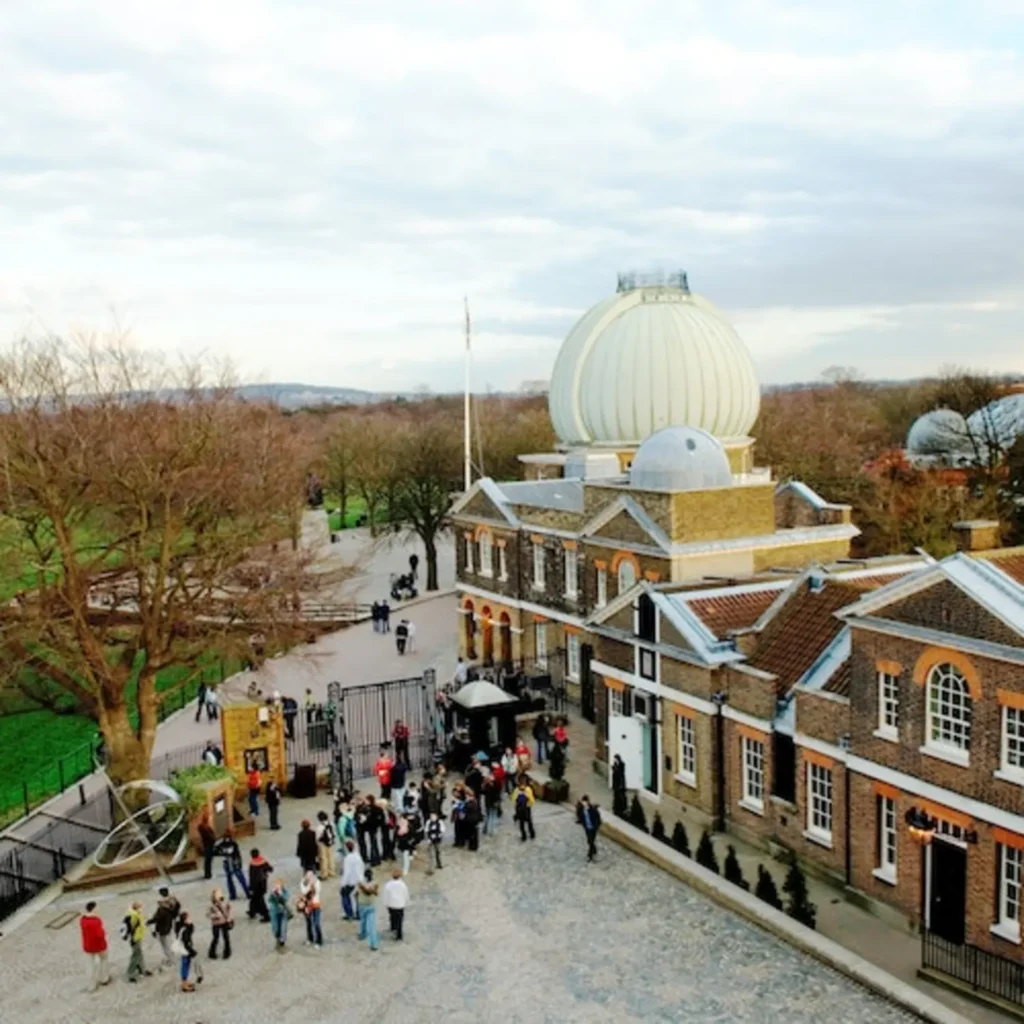
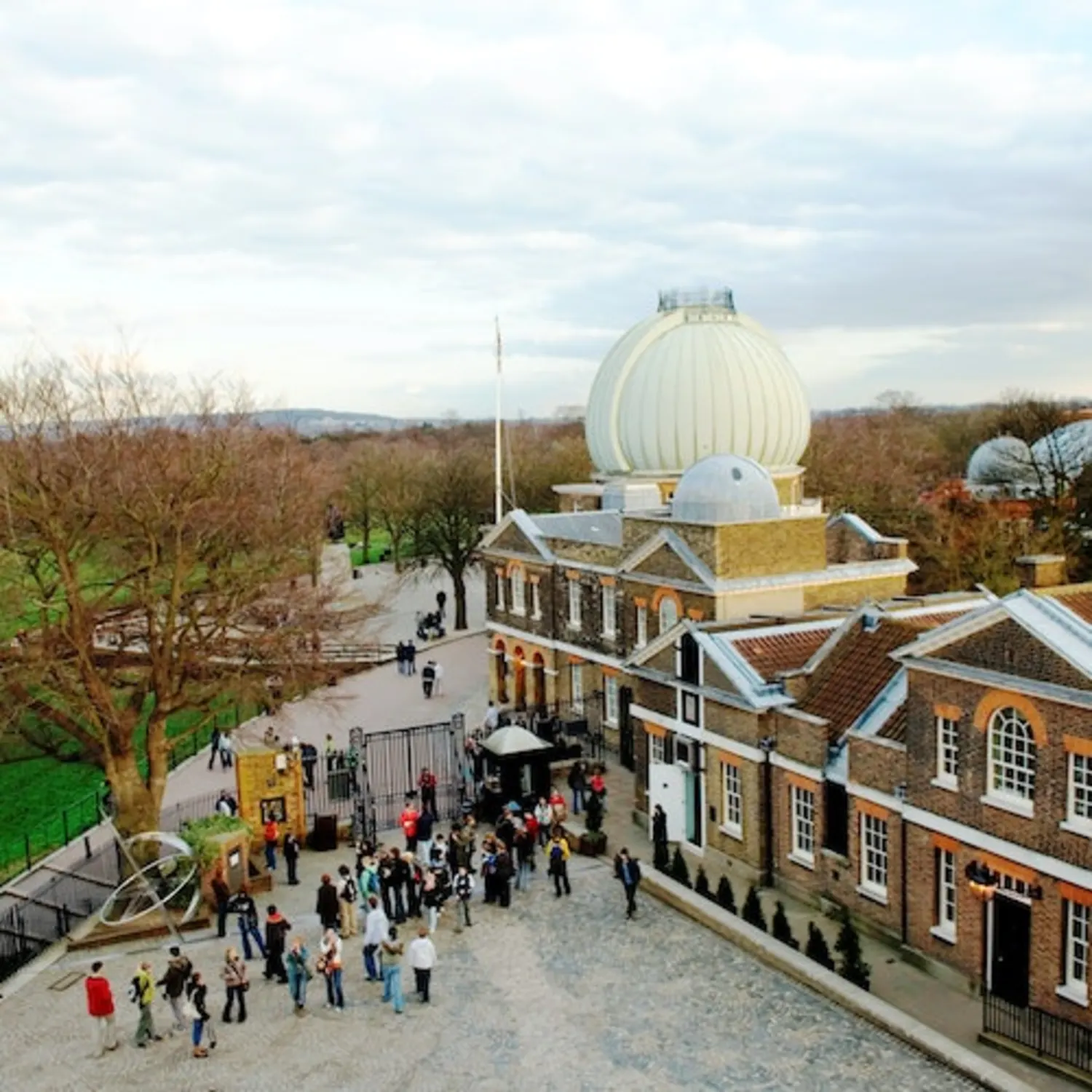
Experience standing on the Prime Meridian, dividing eastern and western hemispheres.
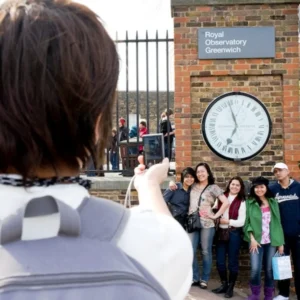
Discover the rich history behind Greenwich Mean Time (GMT) established here.
View remarkable astronomical instruments and exhibits including John Harrison’s timekeepers.
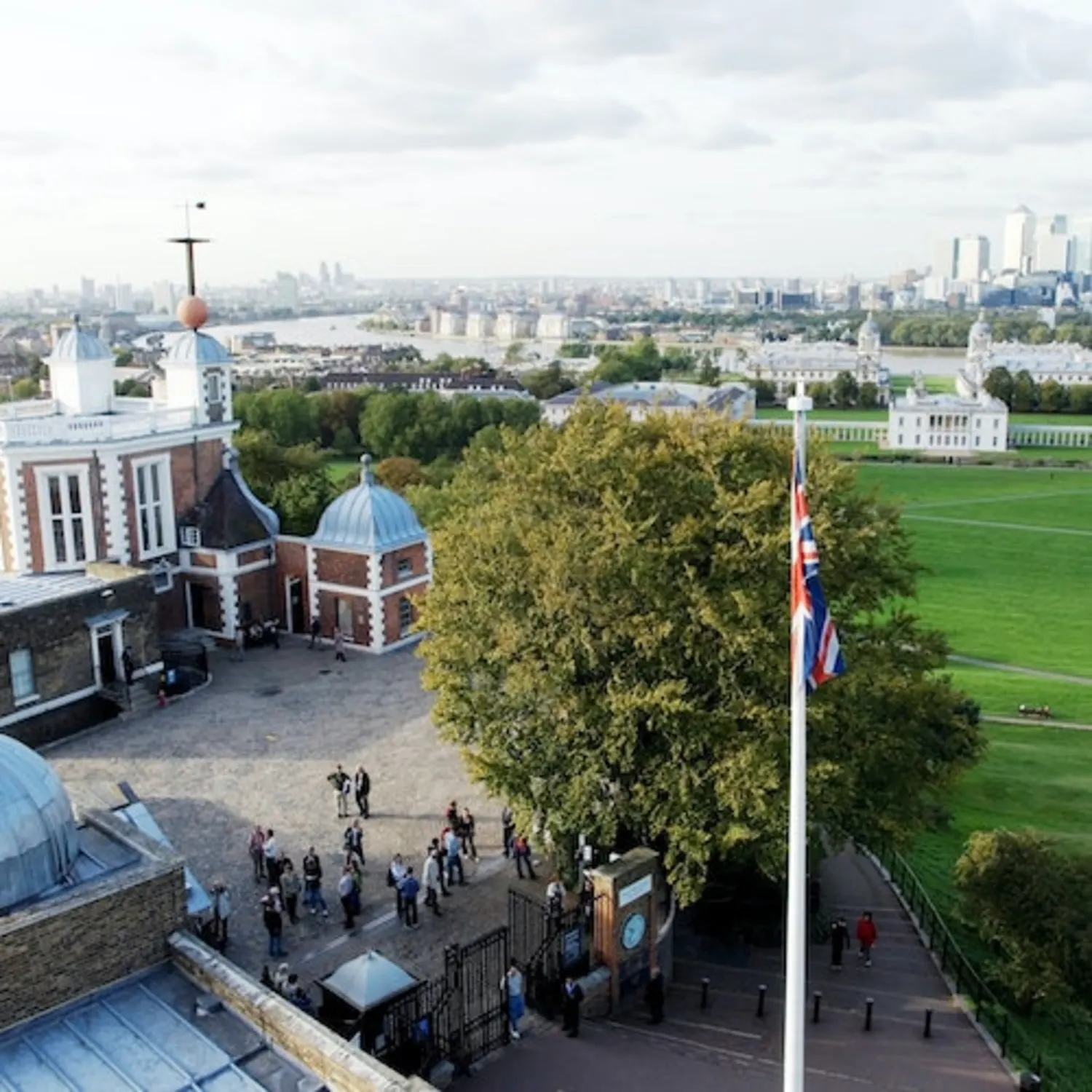
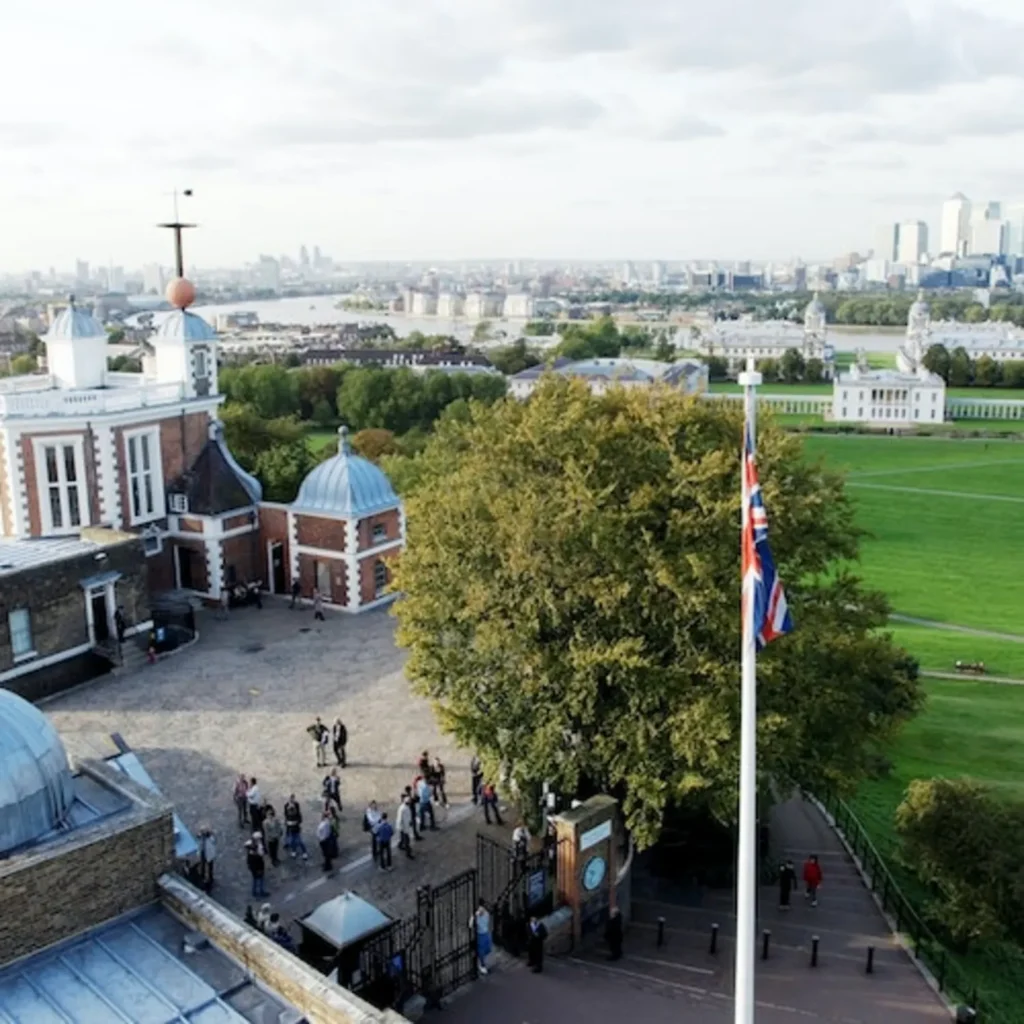
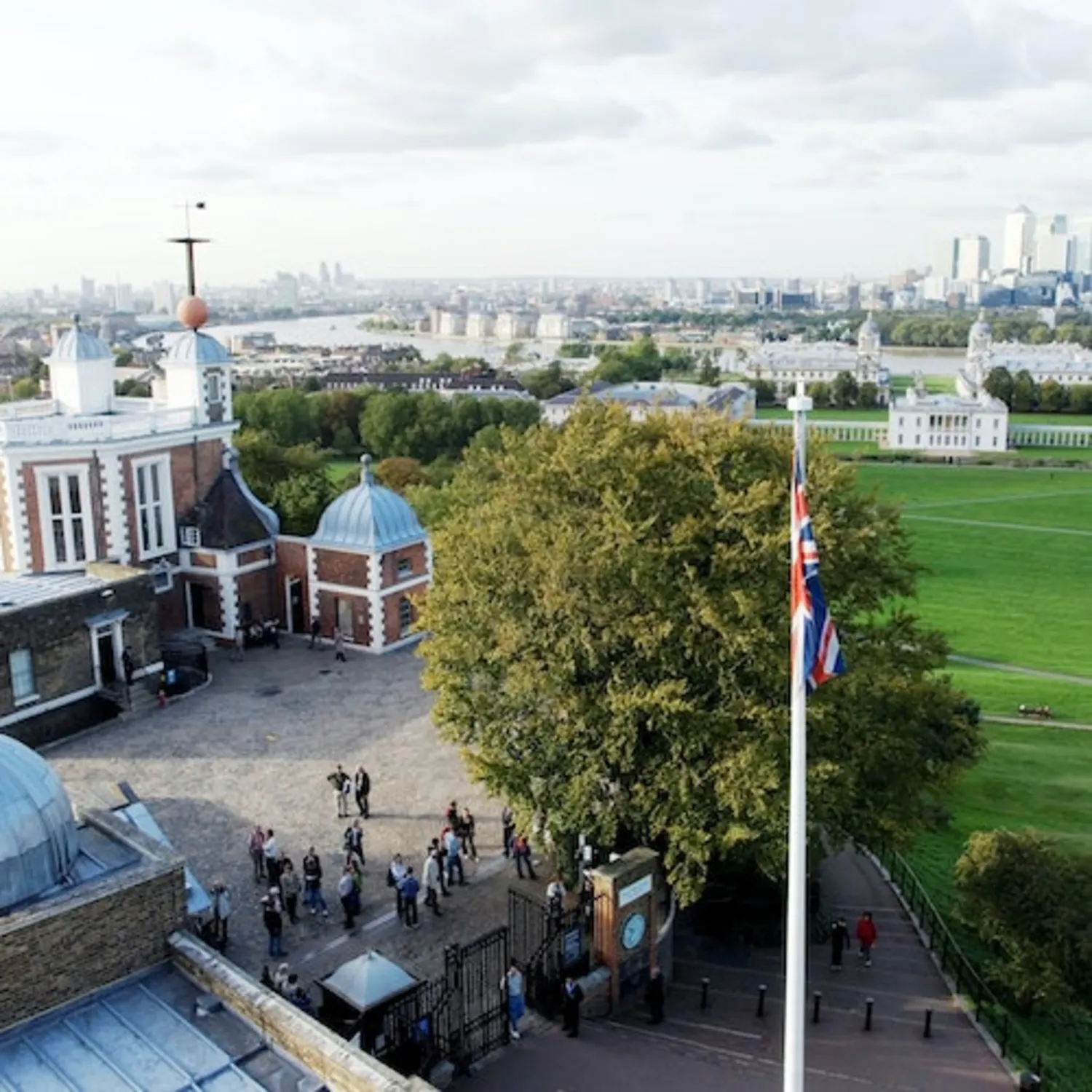
Time your visit to see the Time Ball drop, a historical time signal at 1 PM daily.
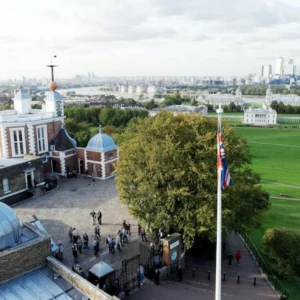
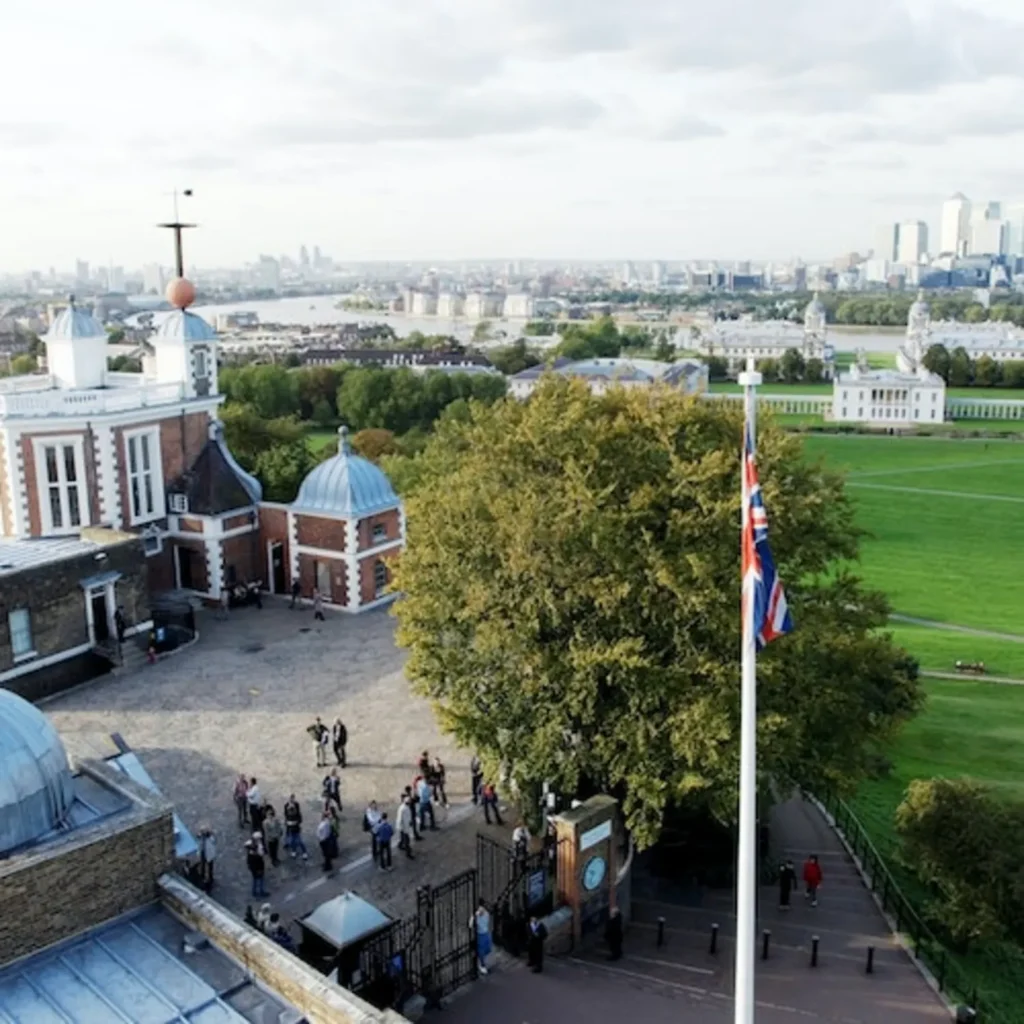
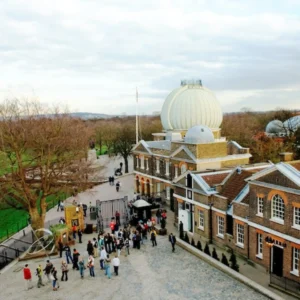
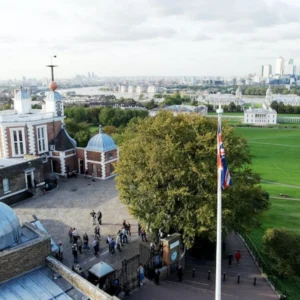
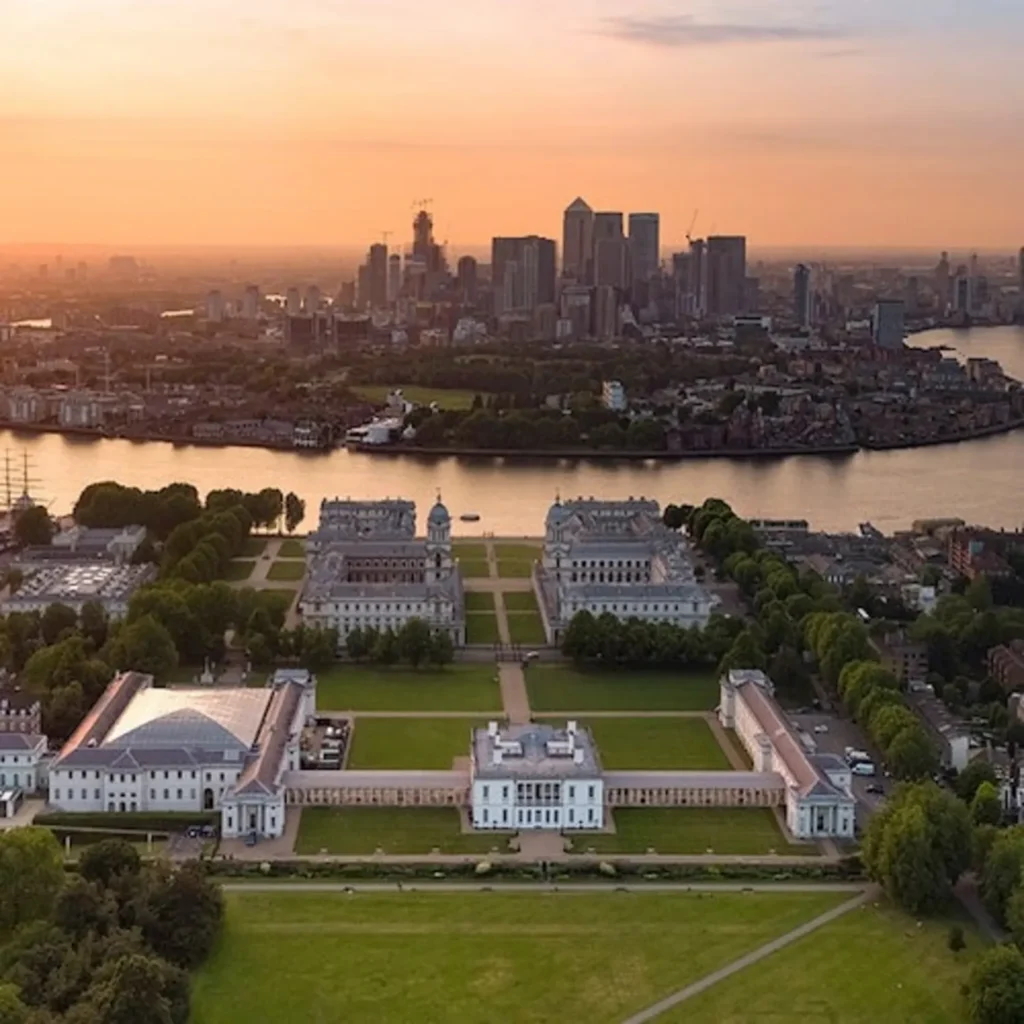
Enjoy panoramic views from this iconic observatory site overlooking Greenwich.


Royal Museums Greenwich Day Pass
Highlights
Entry to four iconic attractions in London’s Greenwich area.
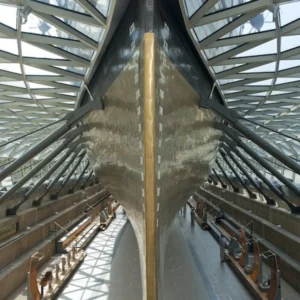
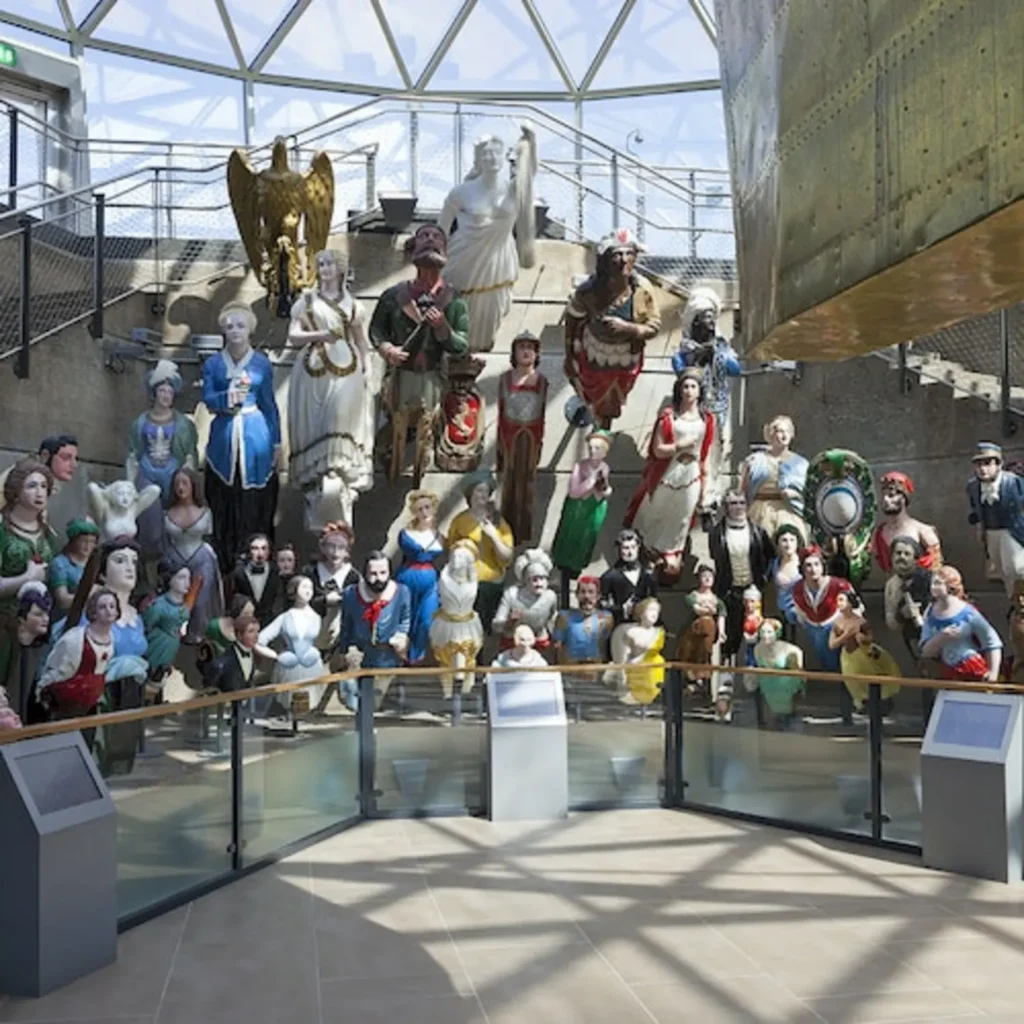
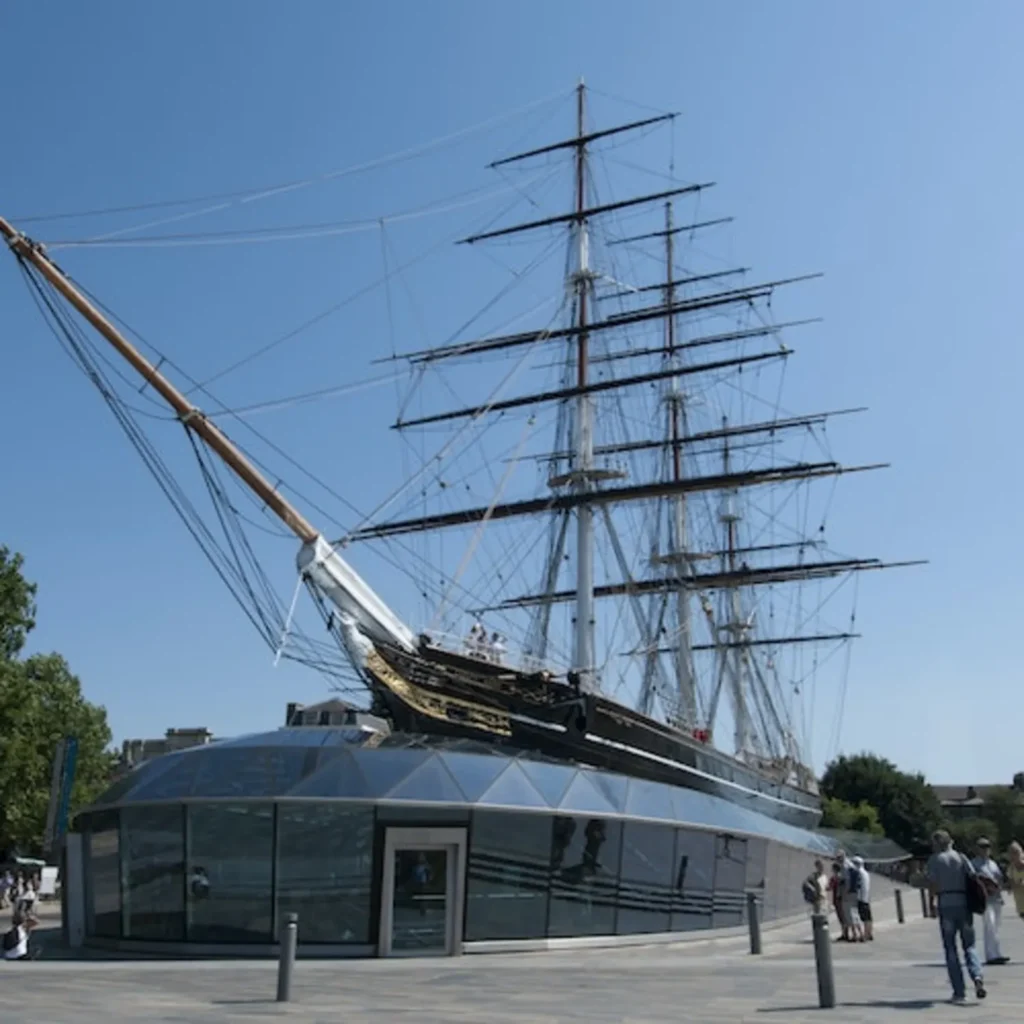
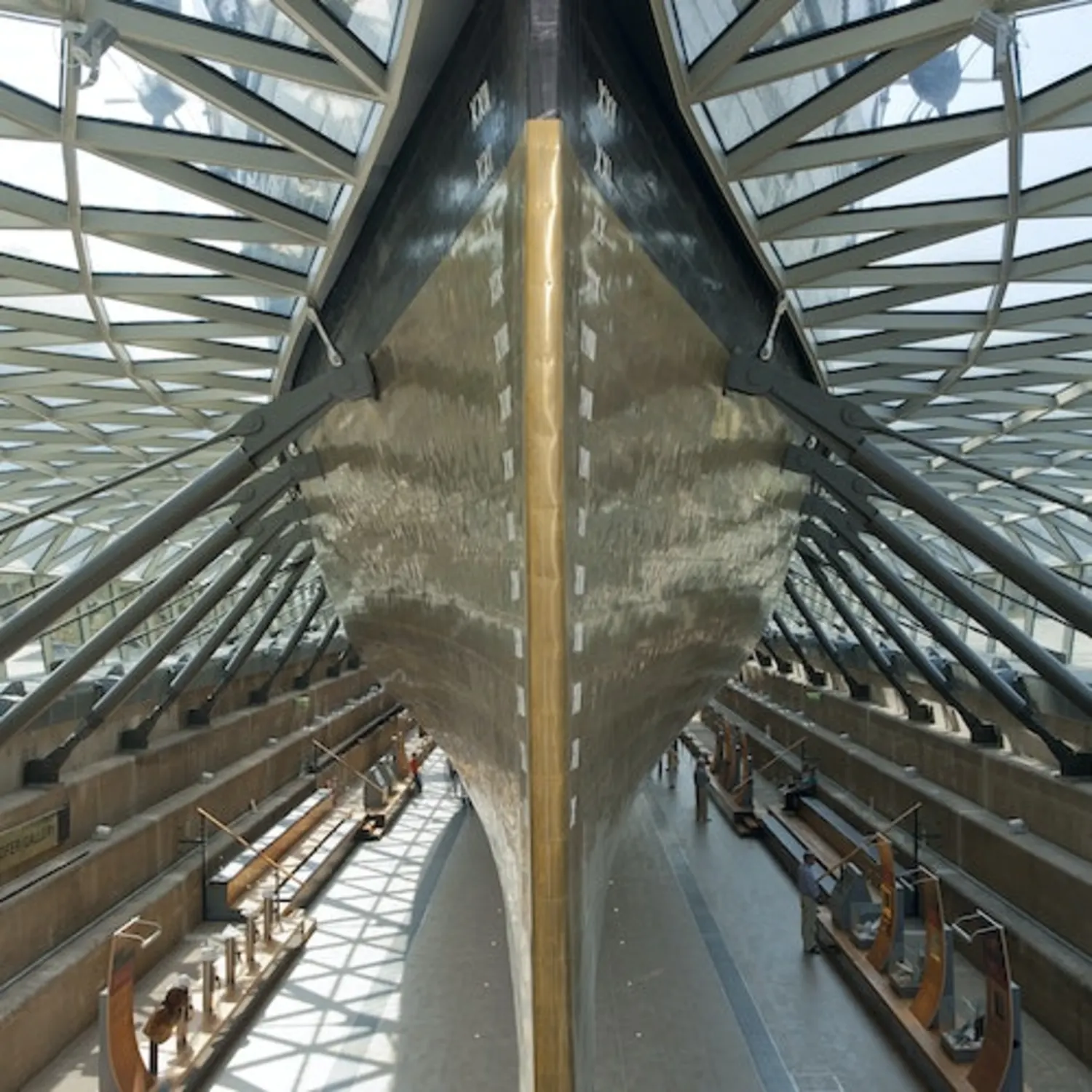
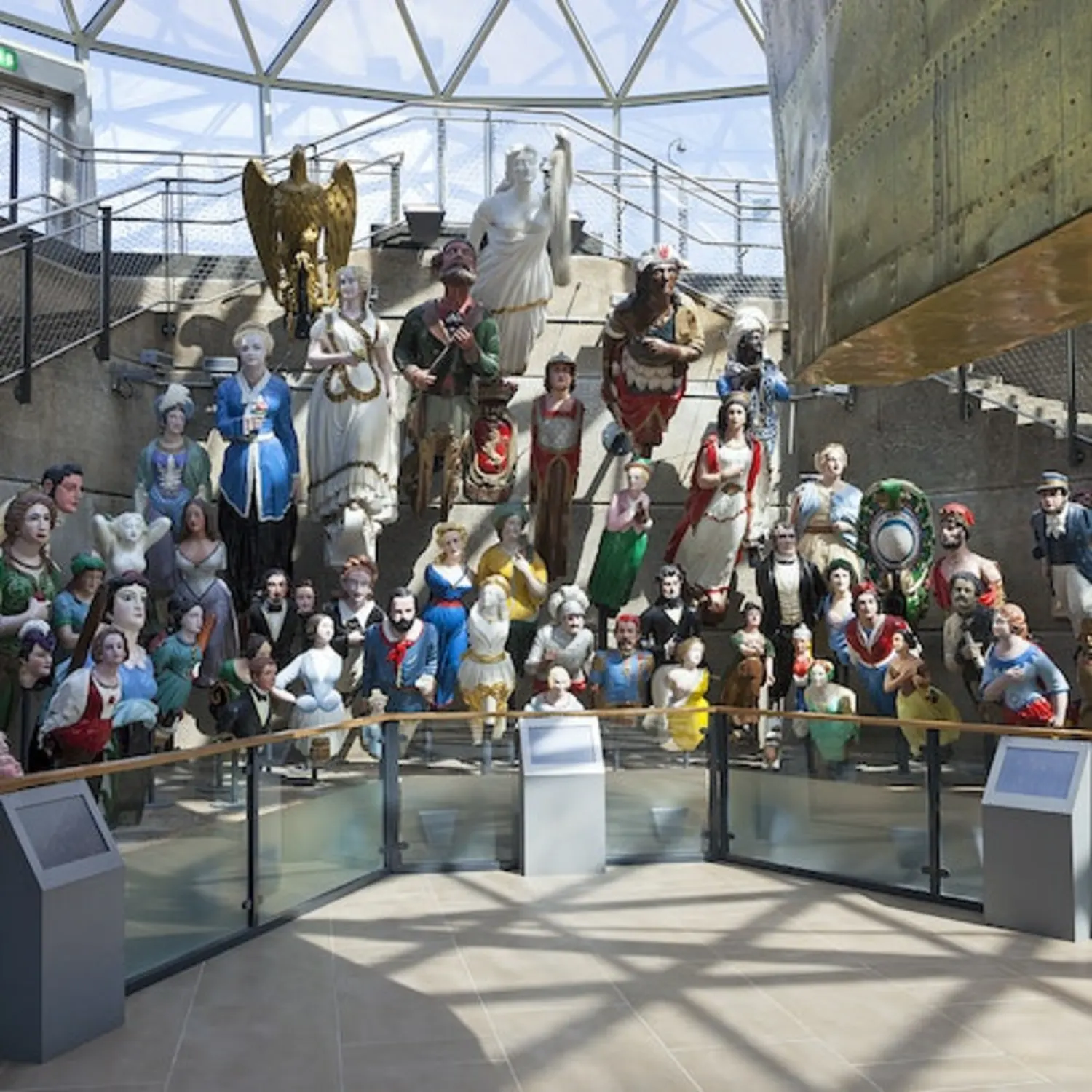
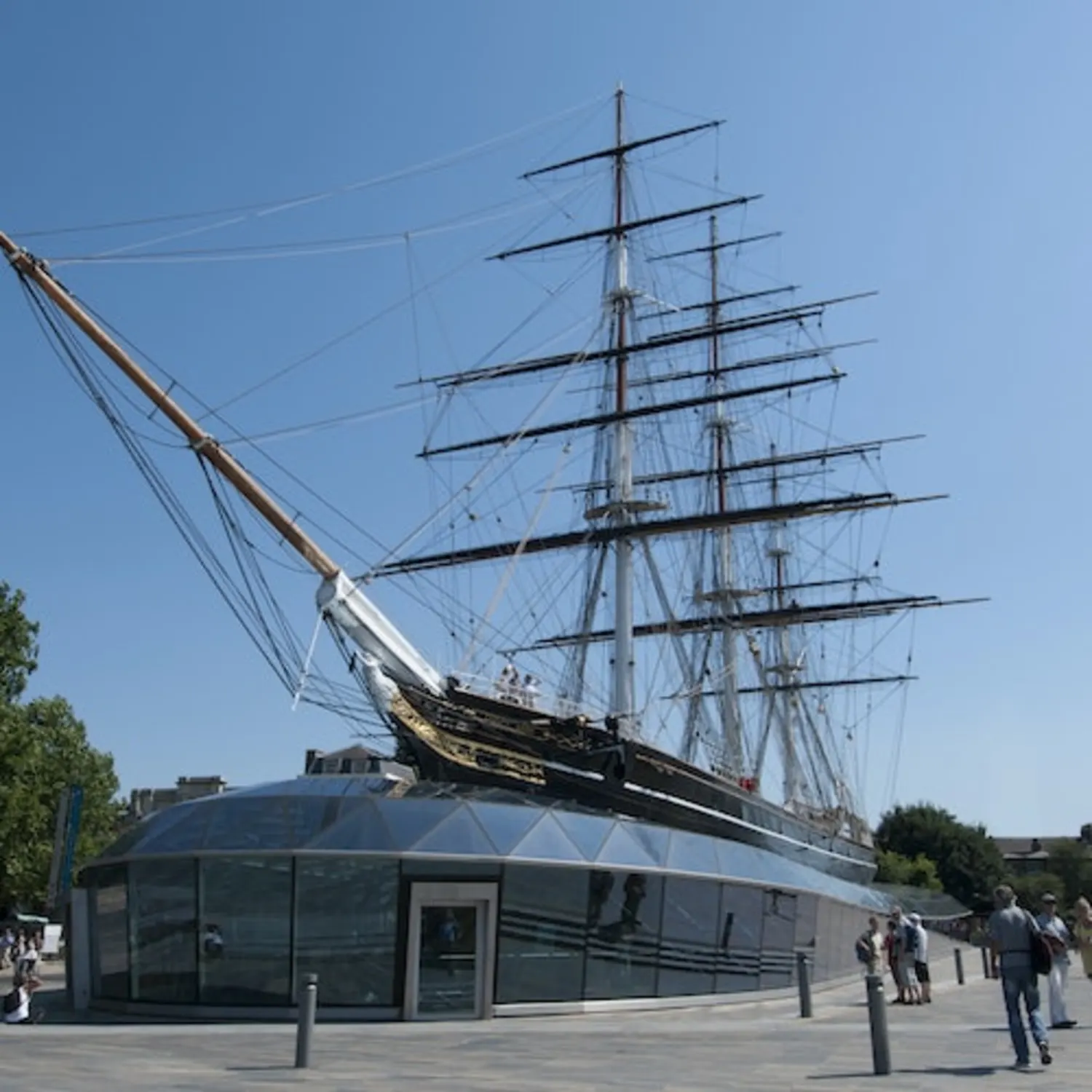
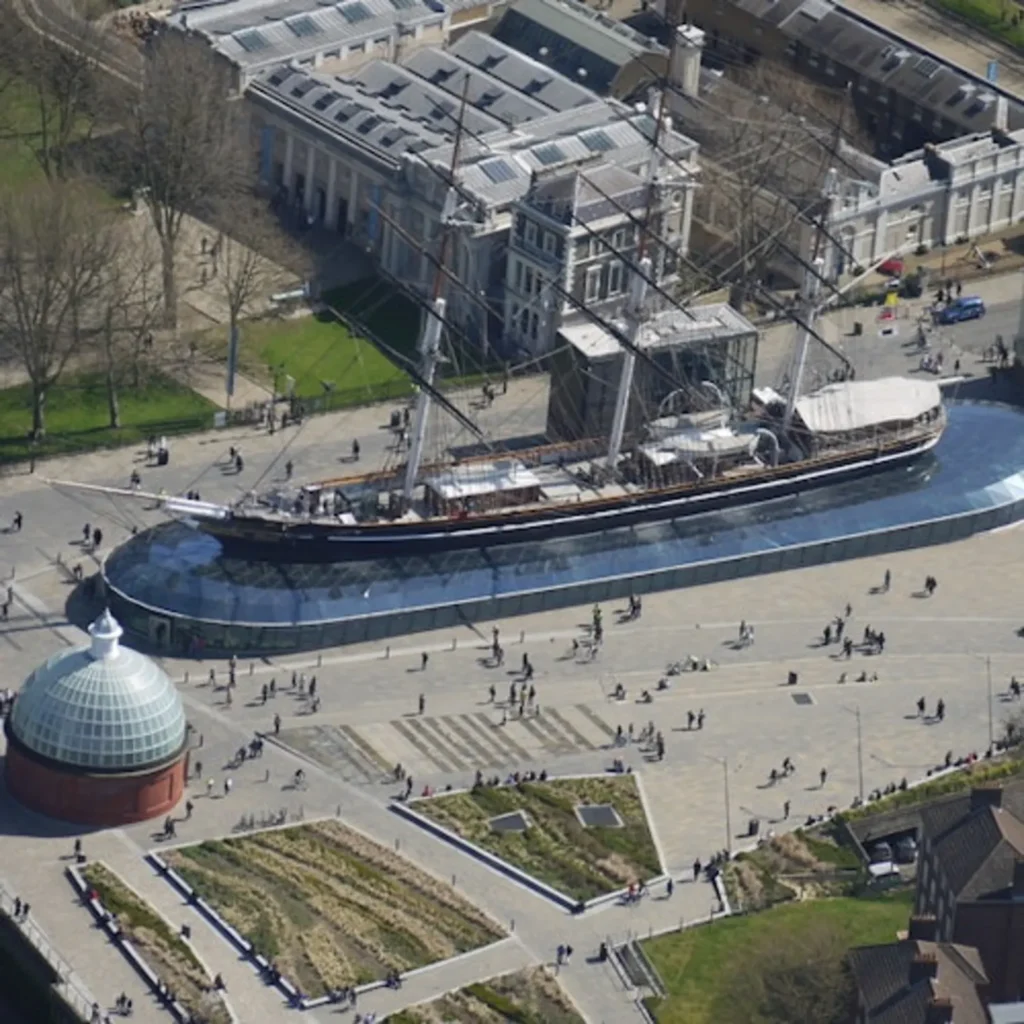
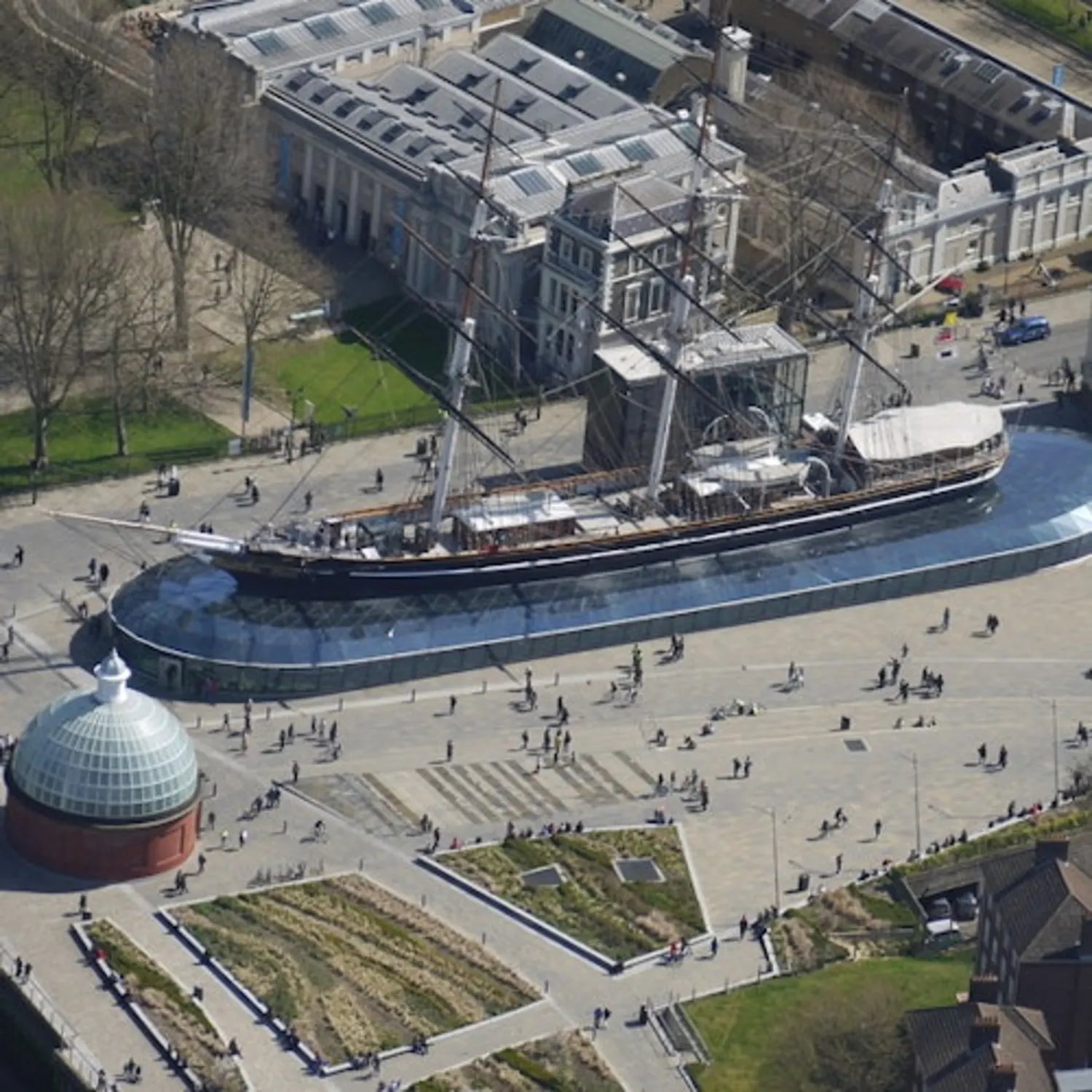
Explore the historic tea clipper, Cutty Sark.
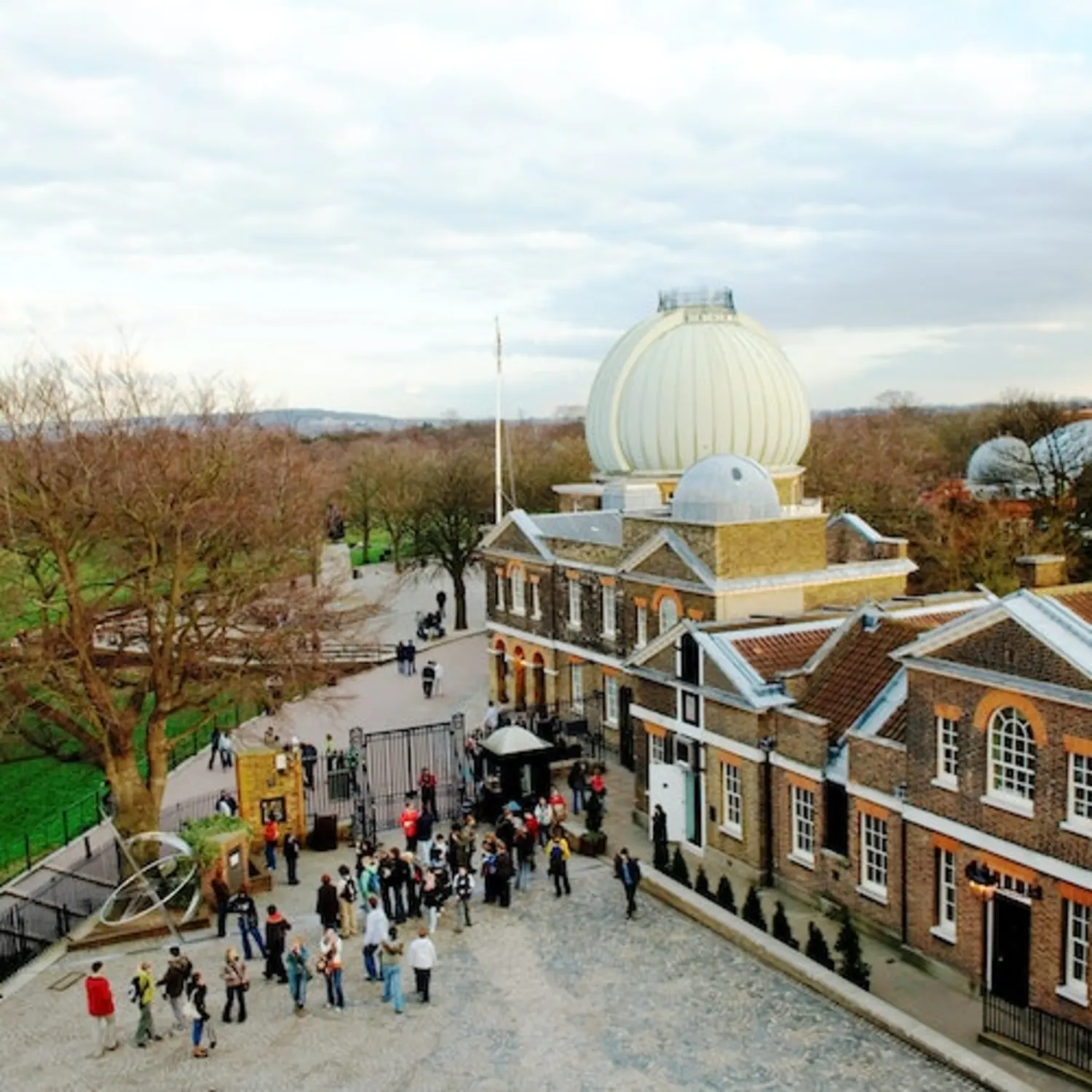
Visit the Royal Observatory and stand on the Meridian Line.
Discover Britain’s maritime heritage at the National Maritime Museum.
Experience 17th-century elegance at the Queen’s House.

Cutty Sark: Entry Ticket
Highlights
Discover life aboard the fastest tea clipper of its era.
Enjoy spectacular views of the Thames from the ship’s deck.
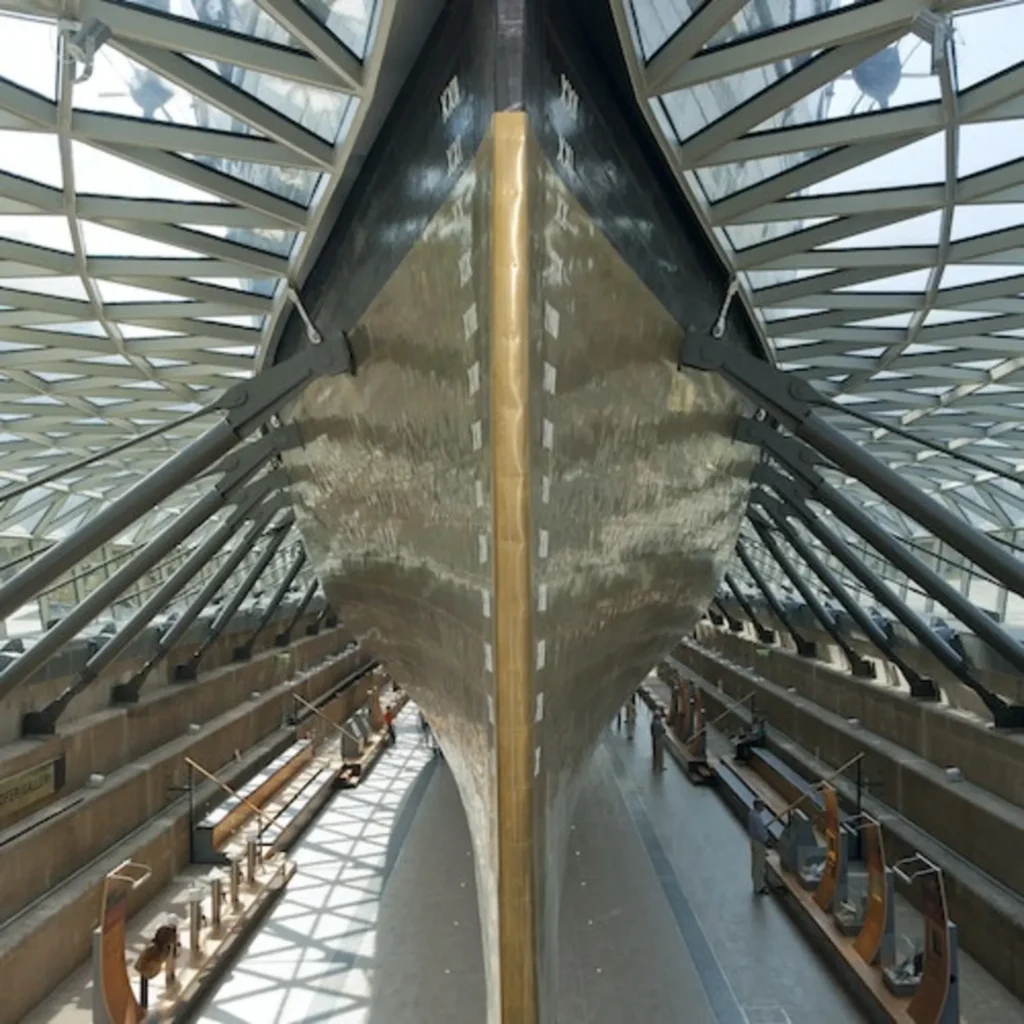
Experience the ship’s original interior and walk underneath its unique hull.
Learn about its record-breaking global voyages.
Capture memorable photos at the ship’s wheel.


Royal Observatory Greenwich
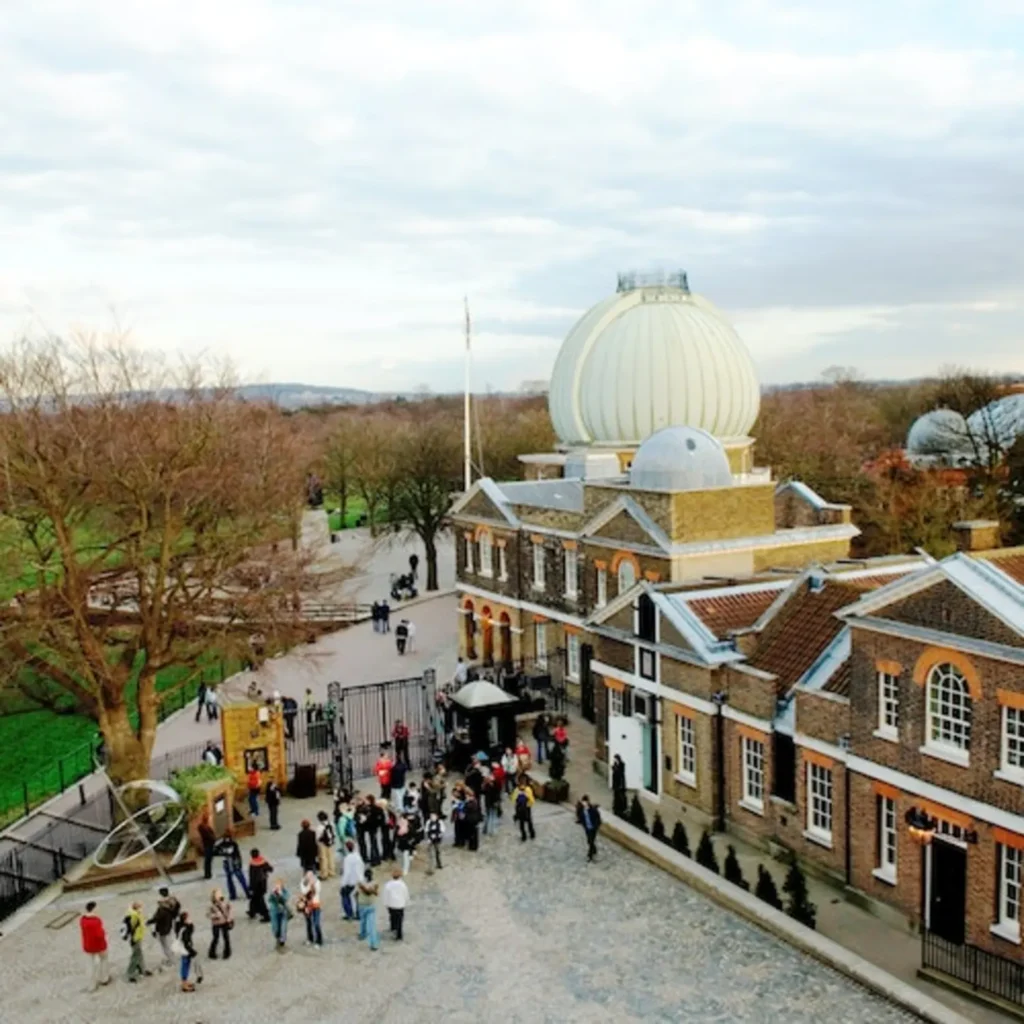
Step into the world of astronomy and timekeeping at the Royal Observatory Greenwich. Located at the historic Prime Meridian, this iconic institution invites you to explore its rich heritage and scientific contributions. Buy your tickets today for to be part of this legacy.
About Royal Observatory Greenwich

Why Visit Royal Observatory Greenwich?
Stand on the Prime Meridian: At the Royal Observatory Greenwich, you have the unique opportunity to stand on the Prime Meridian, the line that defines zero degrees longitude. This is the reference point from which all time zones across the world are measured, making it an iconic location for visitors interested in global navigation and history. It's also the site where Greenwich Mean Time (GMT) is officially kept, marking it as a cornerstone of global timekeeping.
Explore the Time Ball: The Time Ball at the Royal Observatory Greenwich is a fascinating piece of history. This large ball is dropped at exactly 1:00 PM every day, providing a signal to ships in the river Thames and allowing them to synchronize their timepieces. Originally a method of communicating time to mariners, the Time Ball is still an active feature of the observatory and offers visitors a rare glimpse into the methods of timekeeping used in the past.
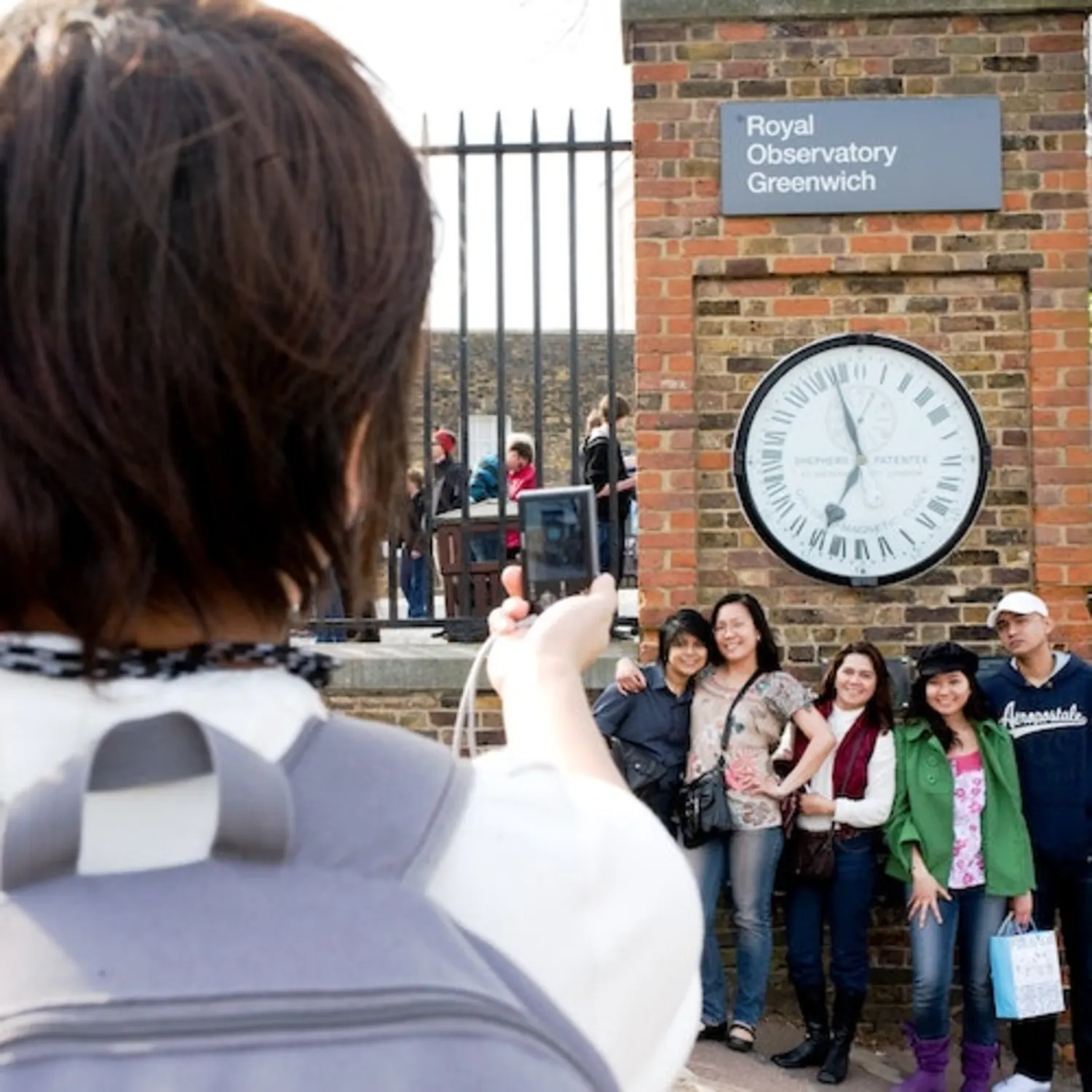
Experience the Meridian Line: Not only is the Prime Meridian Line a point of astronomical significance, but it also offers a visual and interactive experience. Visitors can straddle the line, standing with one foot in the Eastern Hemisphere and the other in the Western Hemisphere. It’s a fun and educational photo opportunity that brings home the importance of the Royal Observatory in defining geographical coordinates.
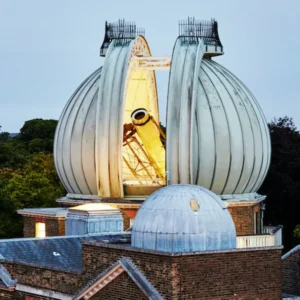
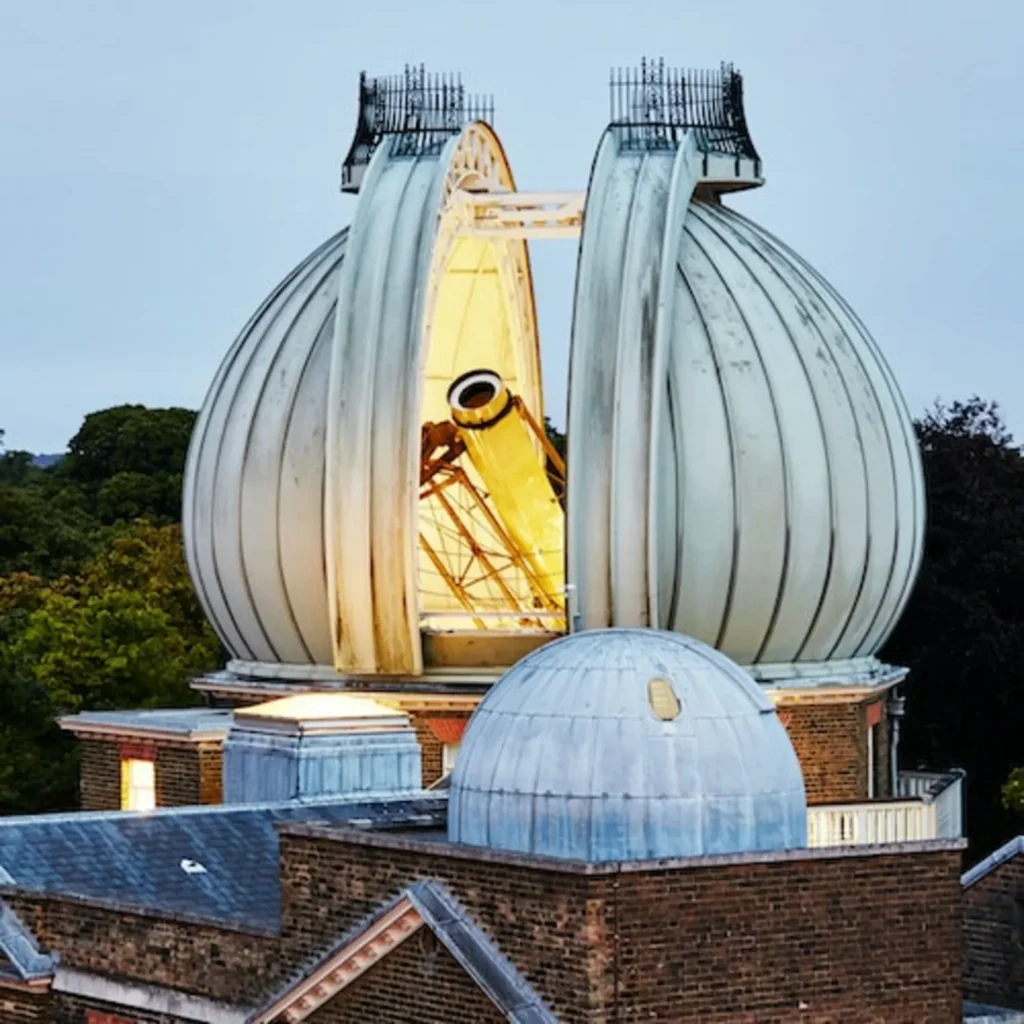
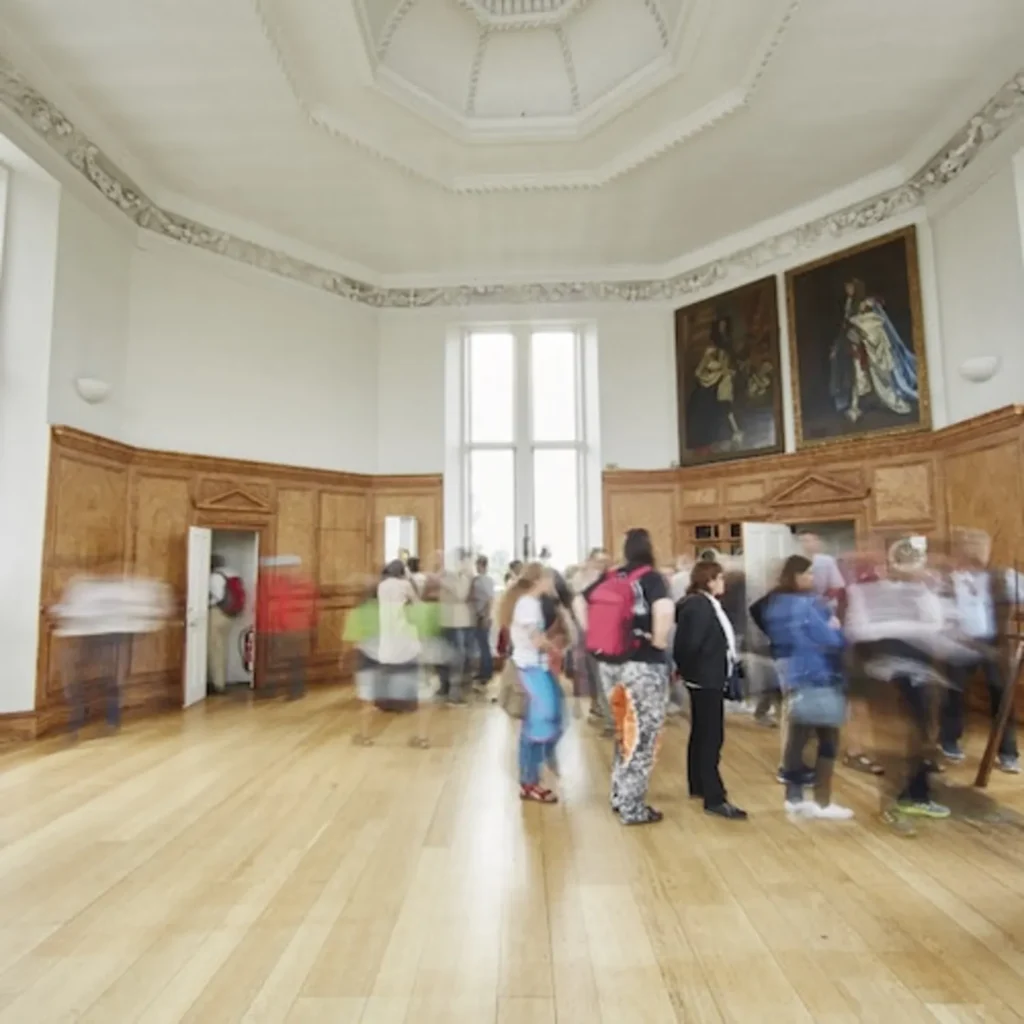
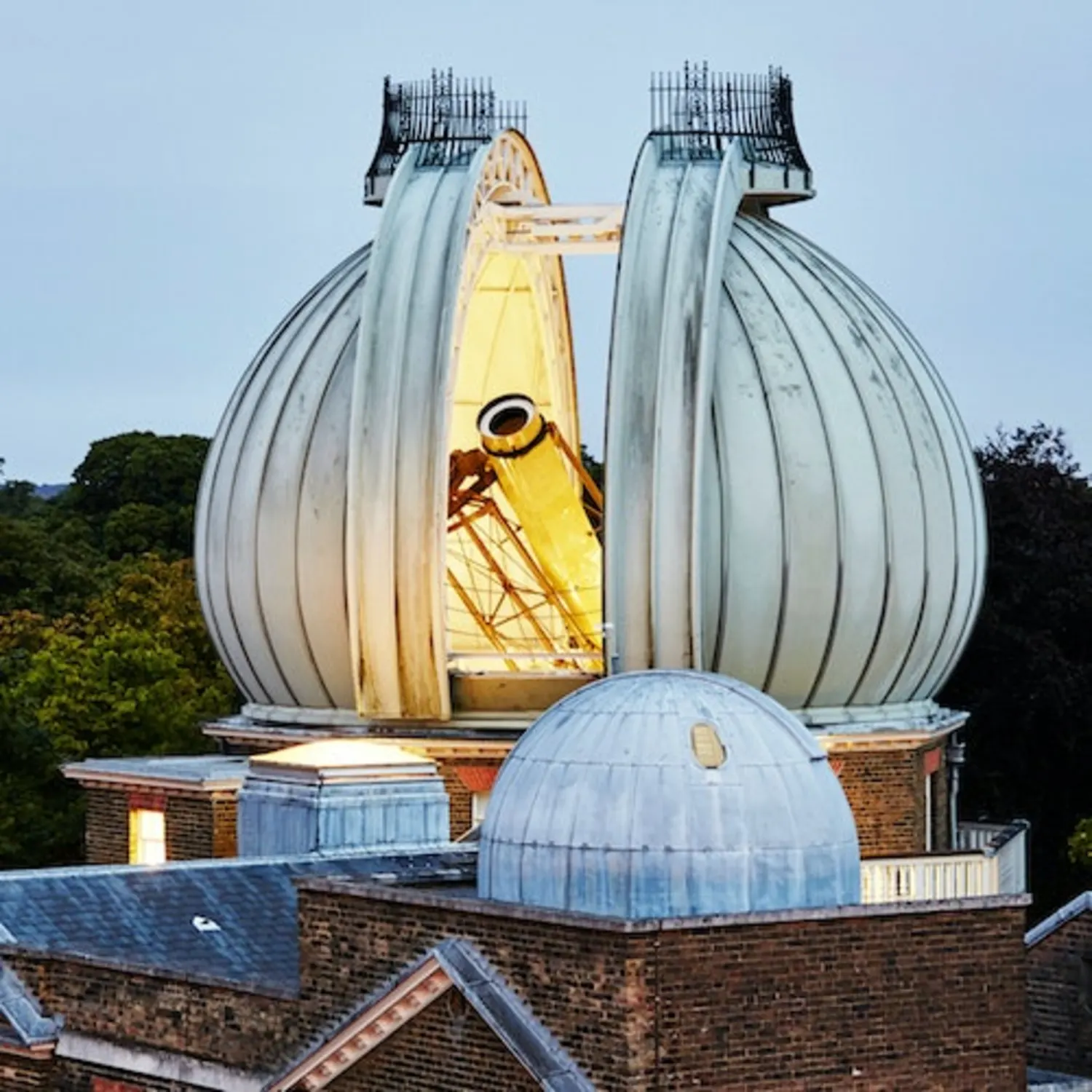
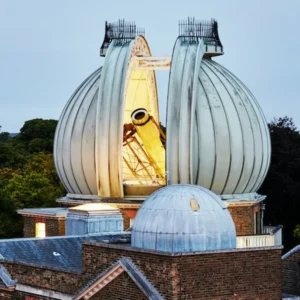
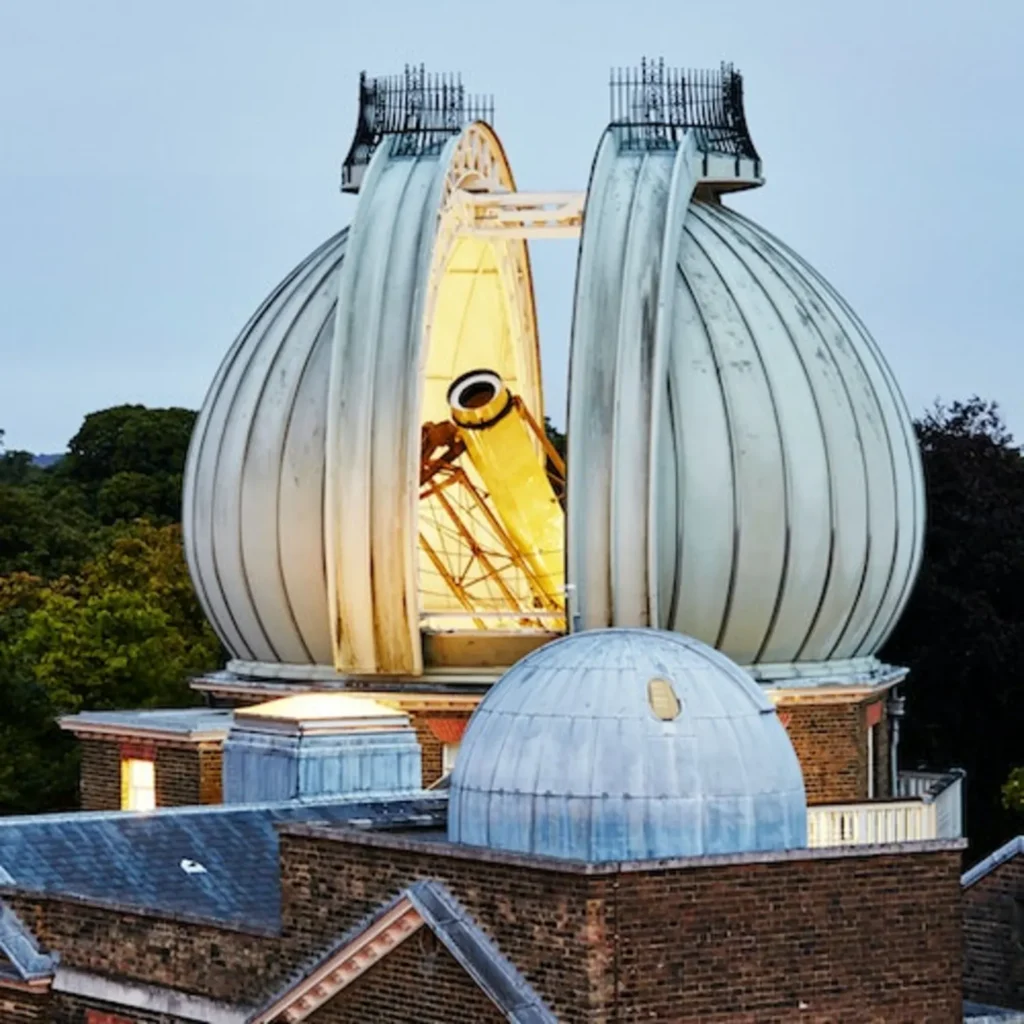
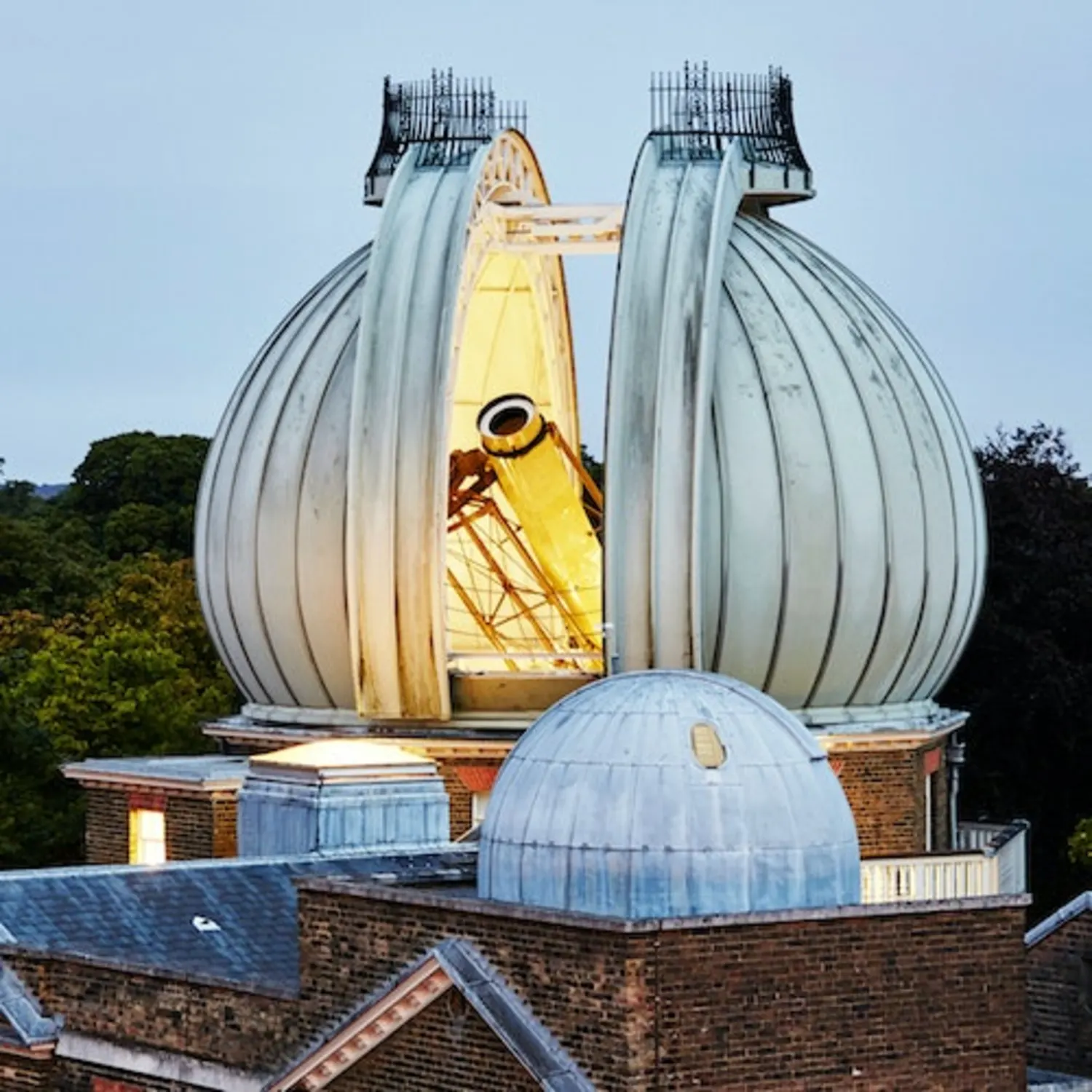
Discover the Observatory’s Historic Telescopes: The Royal Observatory Greenwich is home to some of the most important telescopes in the history of astronomy. The oldest working telescope in the world, the 28-inch Great Equatorial Telescope, can be seen in action during special events and astronomy sessions. Visitors can marvel at the craftsmanship of these instruments, which were used by astronomers to explore the stars and planets, helping to shape our understanding of the universe.
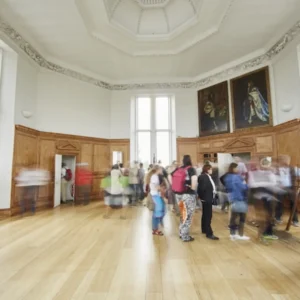
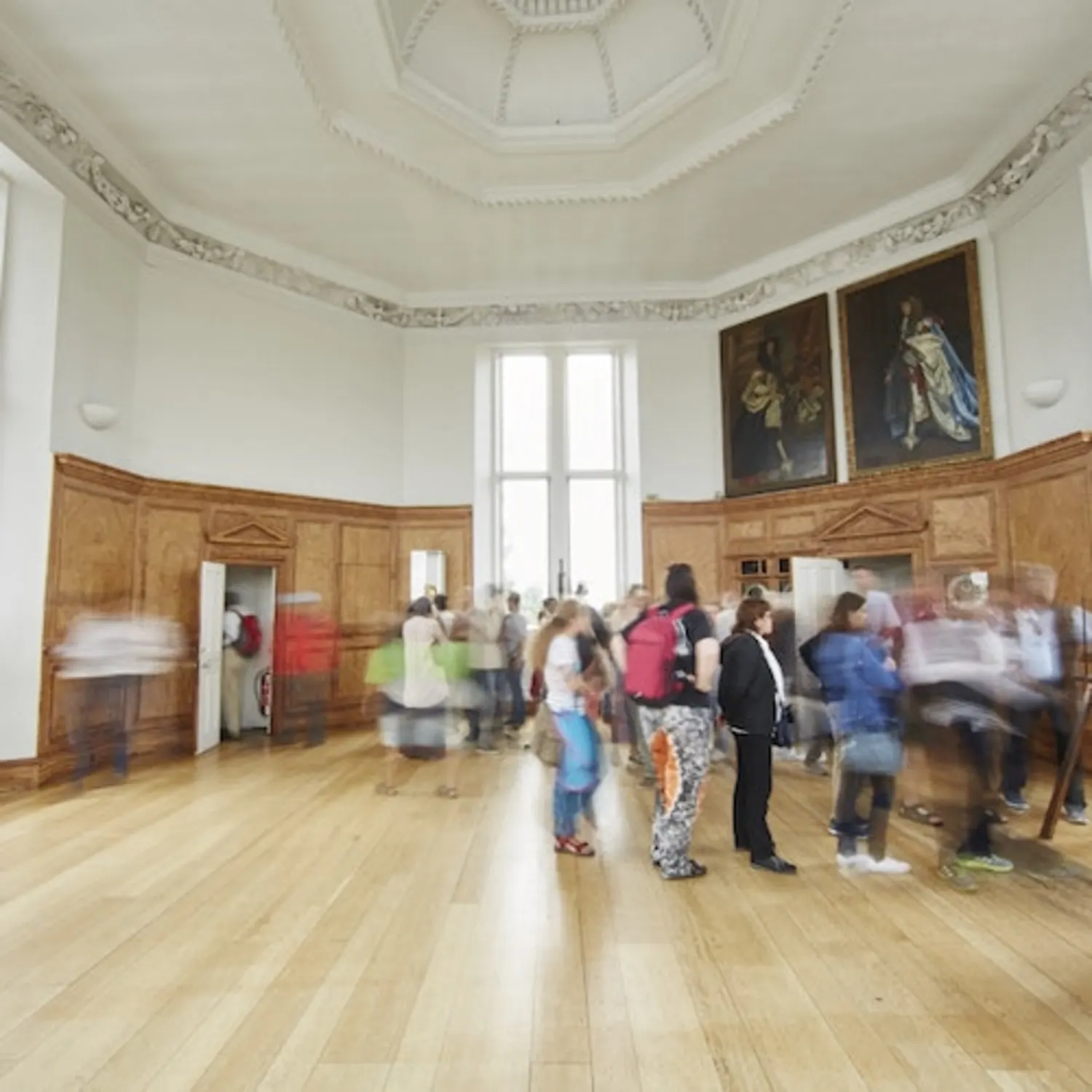
Learn About the History of Timekeeping: The Royal Observatory Greenwich has a rich history in the development of accurate timekeeping. As the birthplace of Greenwich Mean Time (GMT), the observatory’s museum showcases various artifacts, including the famous Harrison clocks, which were created to solve the problem of determining longitude at sea. Visitors can explore the evolution of timekeeping technology and its profound impact on navigation, science, and daily life.
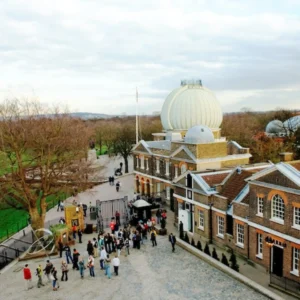
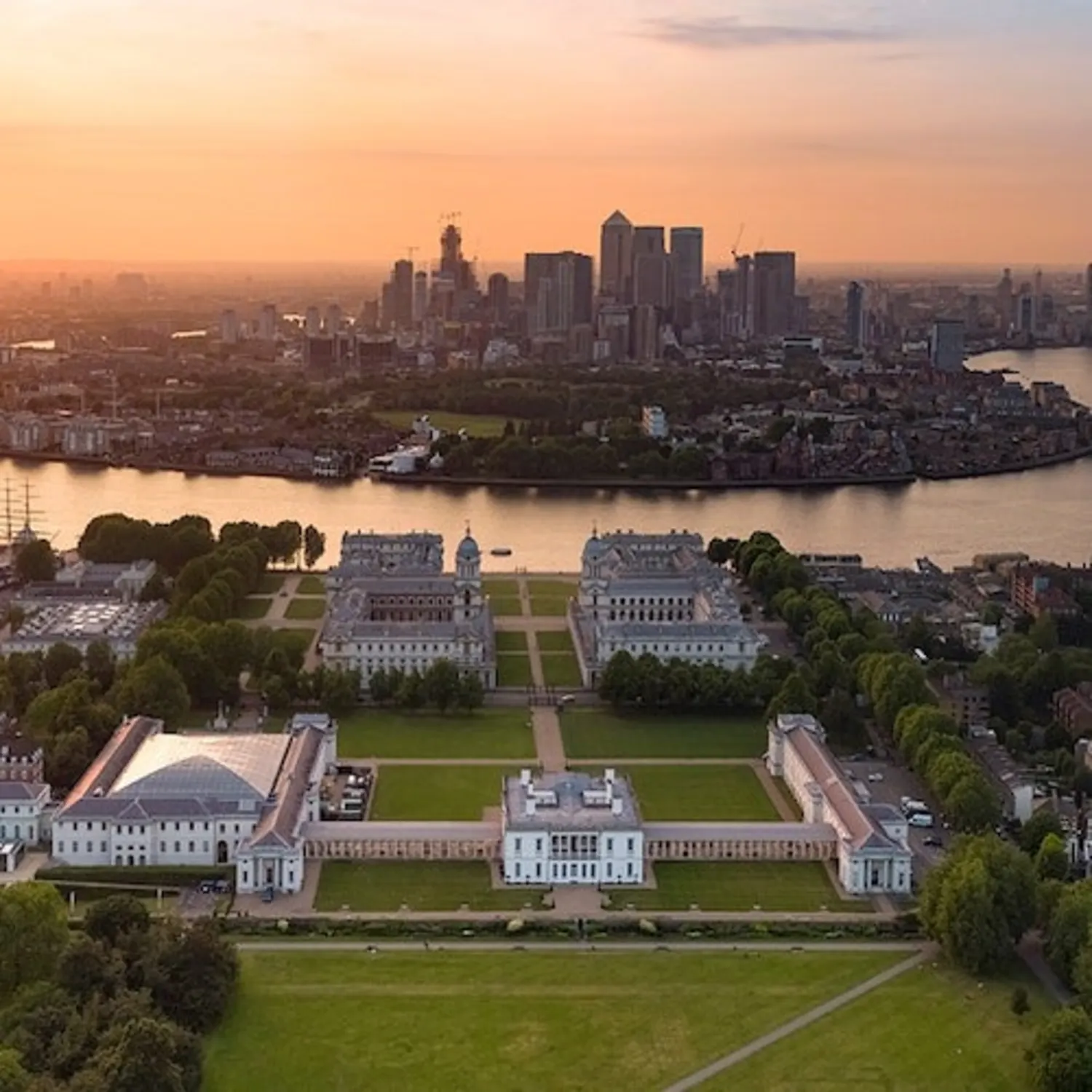
Stunning Views Over London: Located atop a hill in Greenwich Park, the Royal Observatory offers some of the best panoramic views of London. From this vantage point, visitors can take in the breathtaking sight of the city’s skyline, including landmarks like the River Thames, Canary Wharf, and the historic Old Royal Naval College.
Timings
Open daily: 10:00 AM – 5:00 PM
Last entry: 4:15 PM
How Do I Get There?
- Address
- Directions

Facilities & Accessibility at Royal Observatory Greenwich
Entrances: The Royal Observatory offers step-free access via a ramped entrance to the main building. The South Building is accessible through a ramp with handrails.
Wheelchair Access: Wheelchairs are available upon request at reception. The venue has elevators for easier access to different floors.
Assistance Dogs: Visitors with assistance dogs are welcome throughout the Observatory.
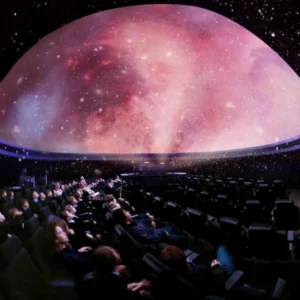
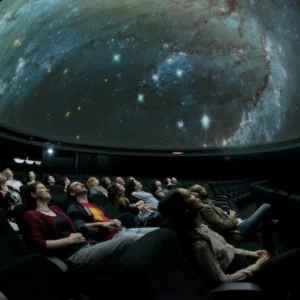
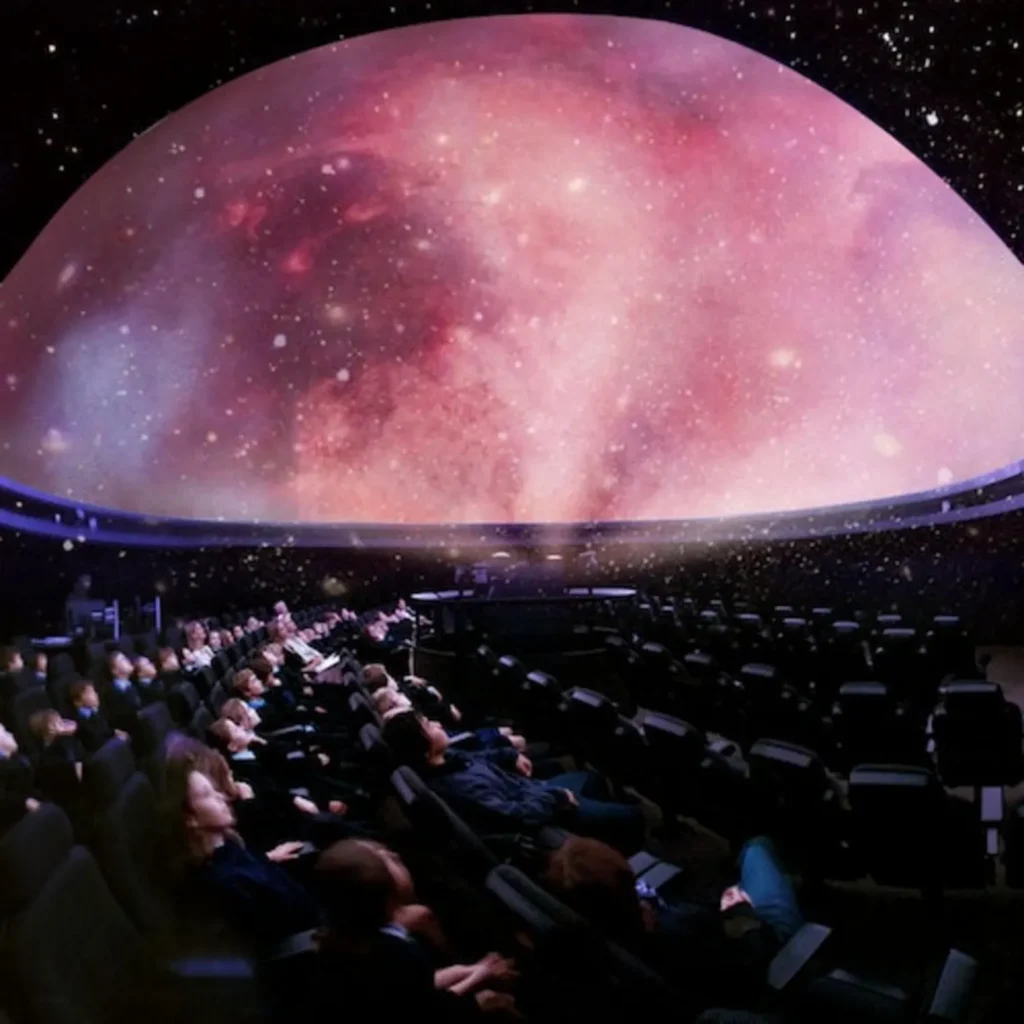
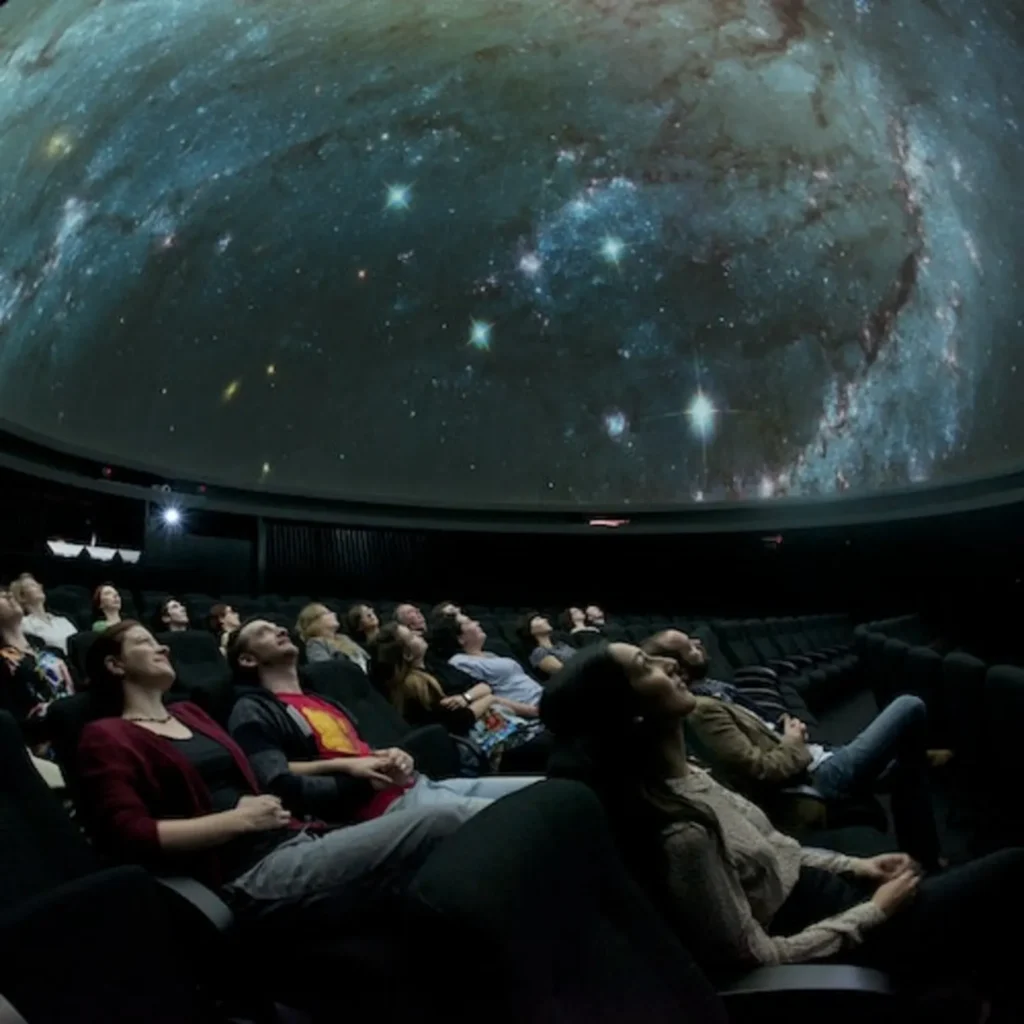
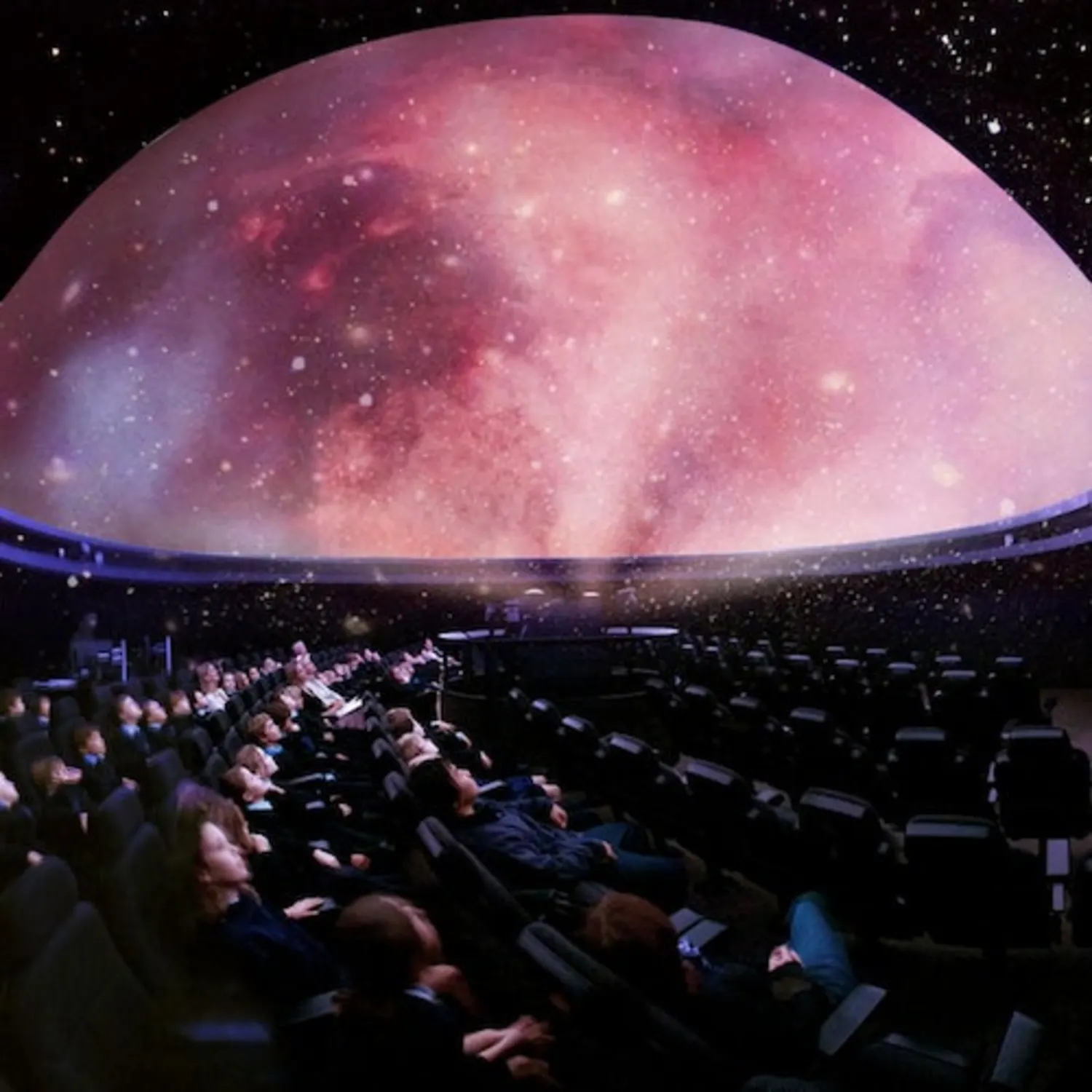
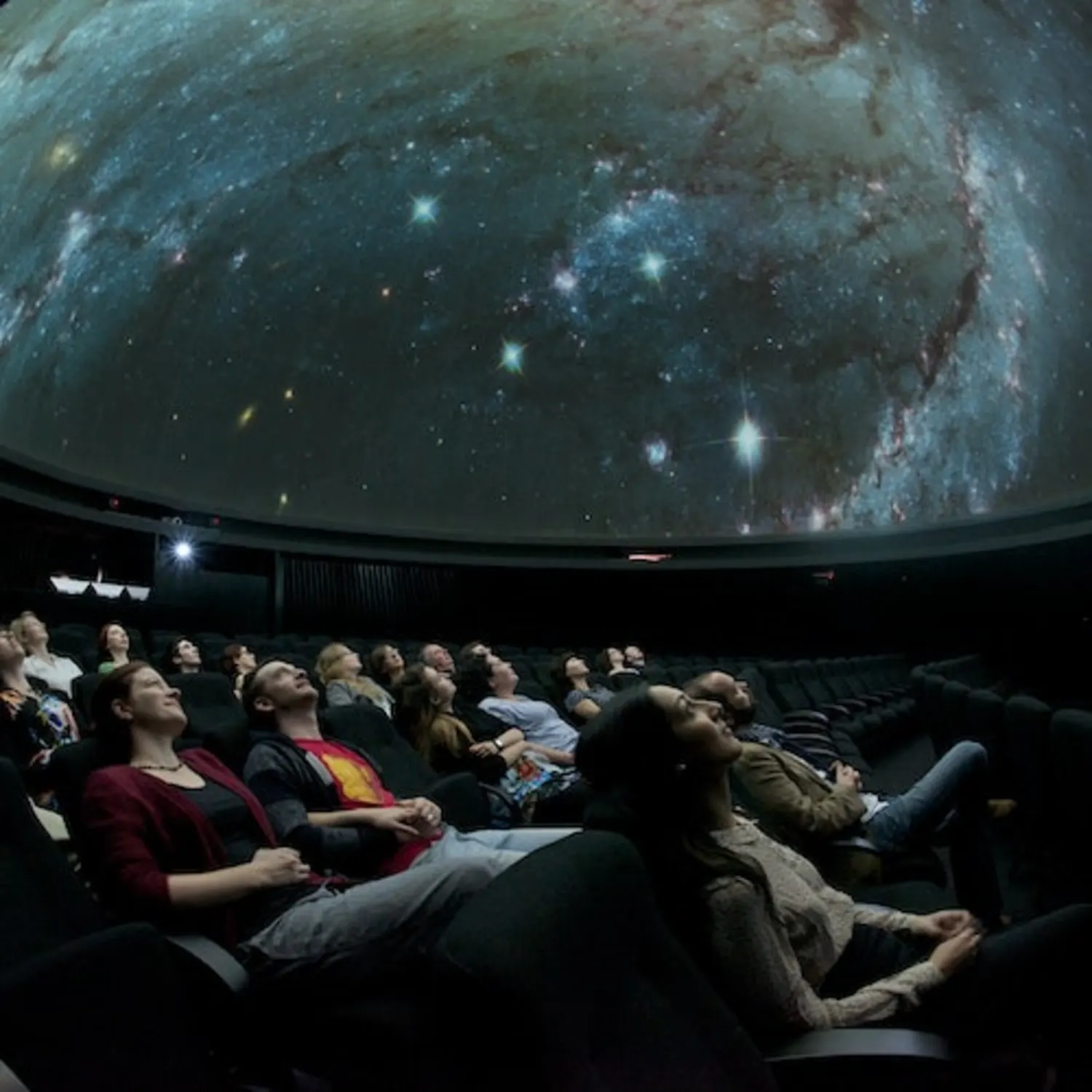
Planetarium: The Peter Harrison Planetarium is fully accessible, with dedicated spaces for wheelchair users.
Exhibitions: The Observatory has lift access to the ground floor, including the Prime Meridian Line. Some upper floors are only accessible via stairs.
Café & Shops: Accessible to all visitors, with seating and shopping options available at ground level.
Restrooms: Accessible toilets are located throughout the venue.
Parking: There is limited accessible parking in Greenwich Park. Additional parking is available at the National Maritime Museum, a 20-minute walk from the Observatory.
Interesting Facts about Royal Observatory Greenwich
The Royal Observatory Greenwich is home to the Prime Meridian, the line of longitude that marks 0° and divides the Eastern and Western Hemispheres.
It played a key role in the development of modern navigation by helping to establish accurate longitude measurements.
The Observatory was founded in 1675 by King Charles II to improve navigation at sea and support British maritime dominance.
It was at the Royal Observatory that the Greenwich Mean Time (GMT) was established, which later became the world’s standard time.
The famous Time Ball at the Observatory has been dropped daily since 1833 to help ships set their chronometers.
The Royal Observatory houses a large collection of historic astronomical instruments, many of which are still on display.
The building’s iconic Flamsteed House was designed by Sir Christopher Wren, one of Britain’s most renowned architects.
The Royal Observatory played a significant role in the work of astronomer Sir William Herschel, who discovered the planet Uranus in 1781.
In 1997, the Royal Observatory was designated as part of the Greenwich UNESCO World Heritage Site.
The Observatory offers visitors the chance to stand on the Prime Meridian Line, where the Eastern and Western Hemispheres meet.
The Royal Observatory also hosts a planetarium where visitors can experience immersive shows about space and the universe.
It is the home of the Royal Greenwich Observatory’s archives, which contain a vast collection of astronomical records and data.
Royal Observatory Greenwich - Highlights in Pictures


 English
  Deutsch
  Français
  Español
  Italiano
  Nederlands