Tower of London: Tickets and Info
This website offers official tickets for this venue. Please note, however, that it is not the official website of the venue.
Smartphone tickets
Why wait?
Instant confirmation
Flexible cancellation
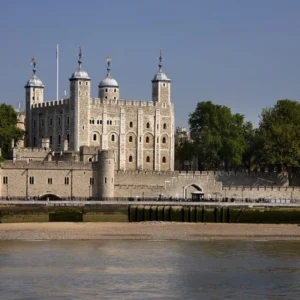


Tower of London: An Iconic and Intriguing Location!
Highlights
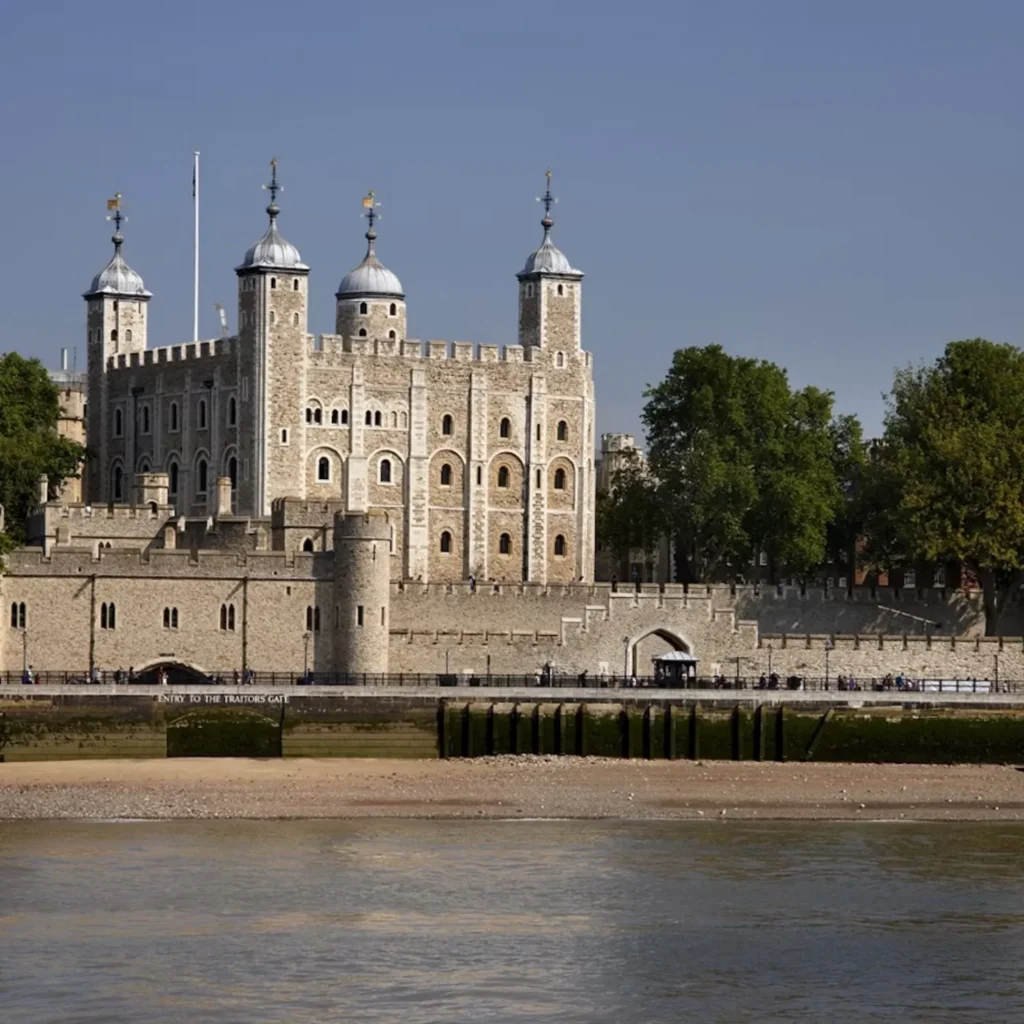
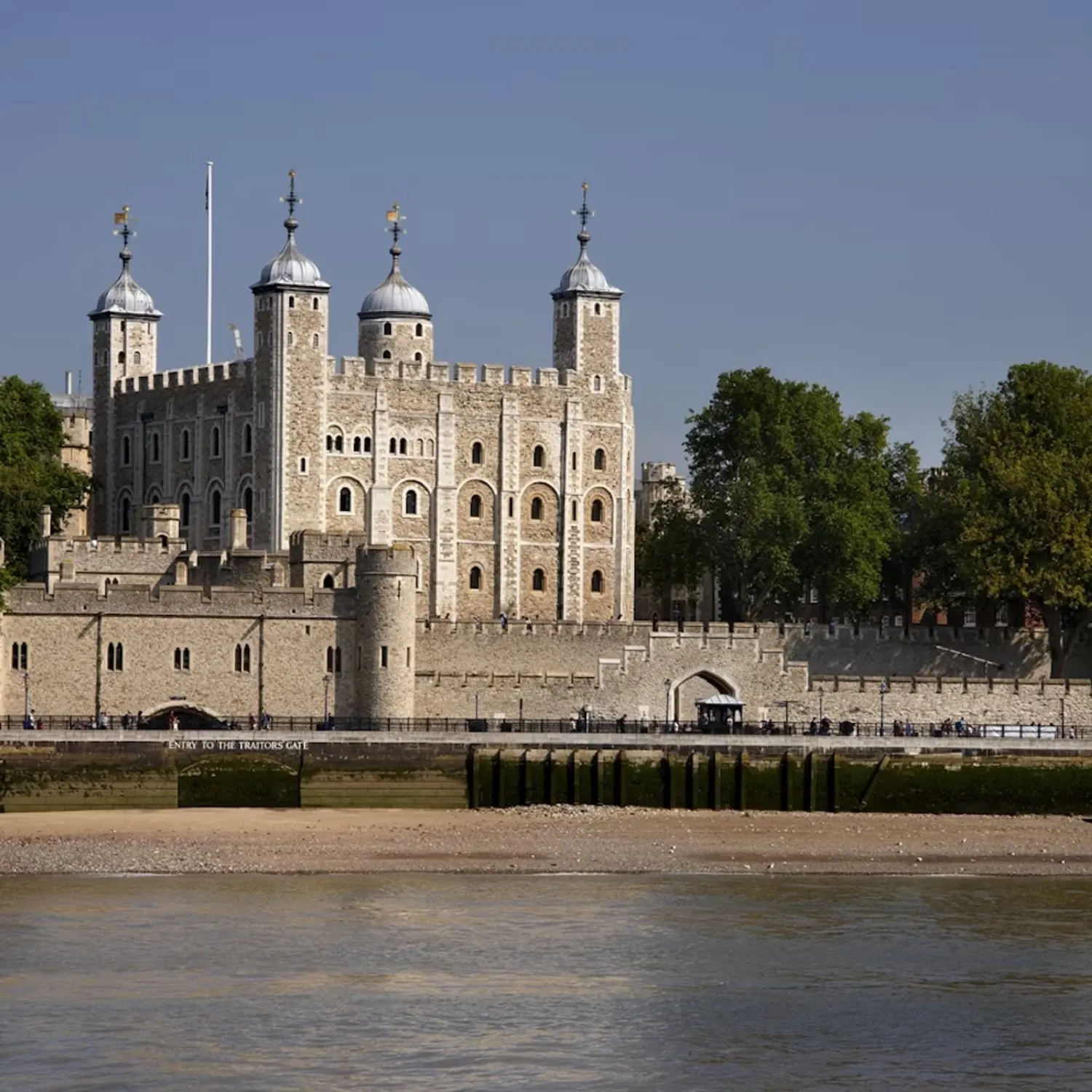
Explore an iconic landmark steeped in political intrigue and royal history.
Discover the newly restored Medieval Palace showcasing stories of monarchs and their households.
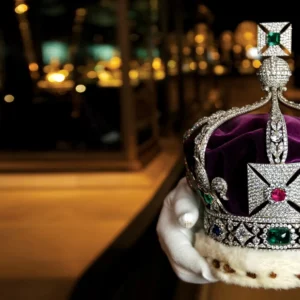
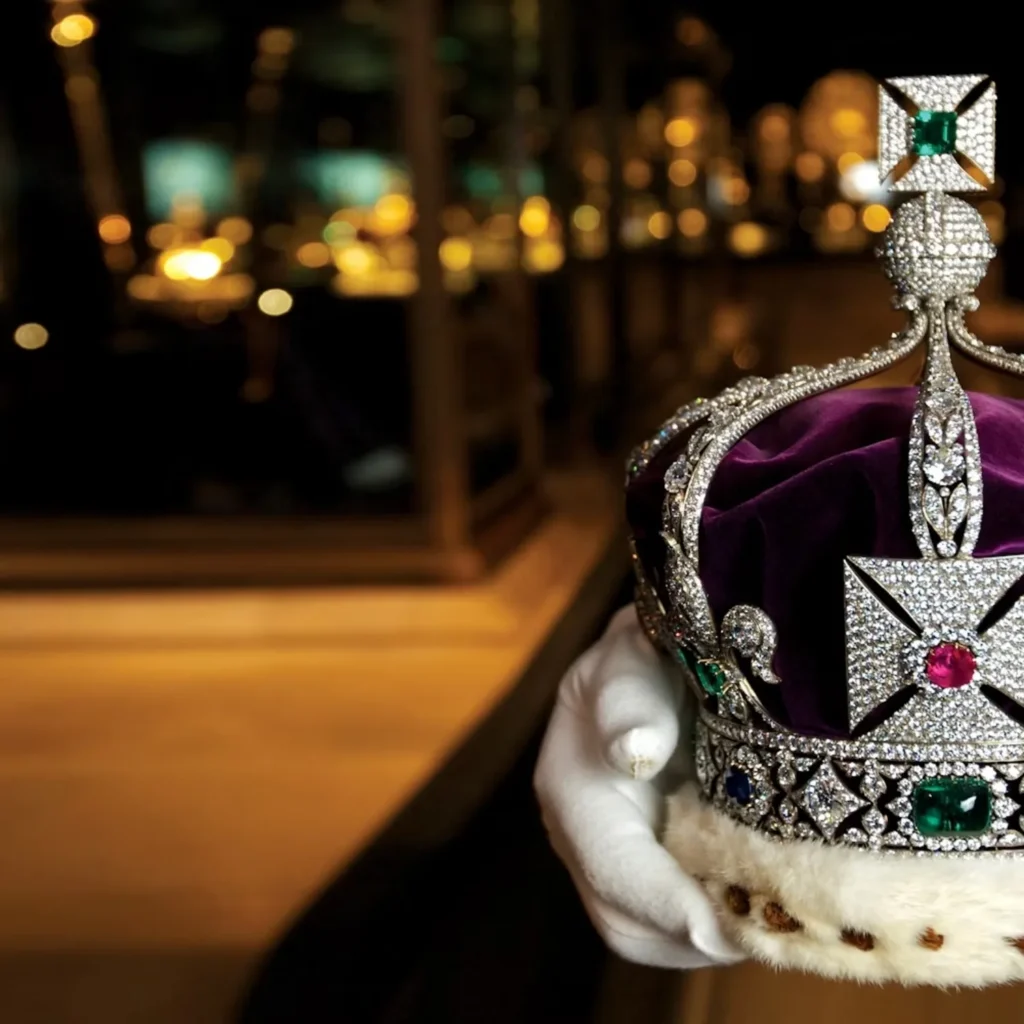
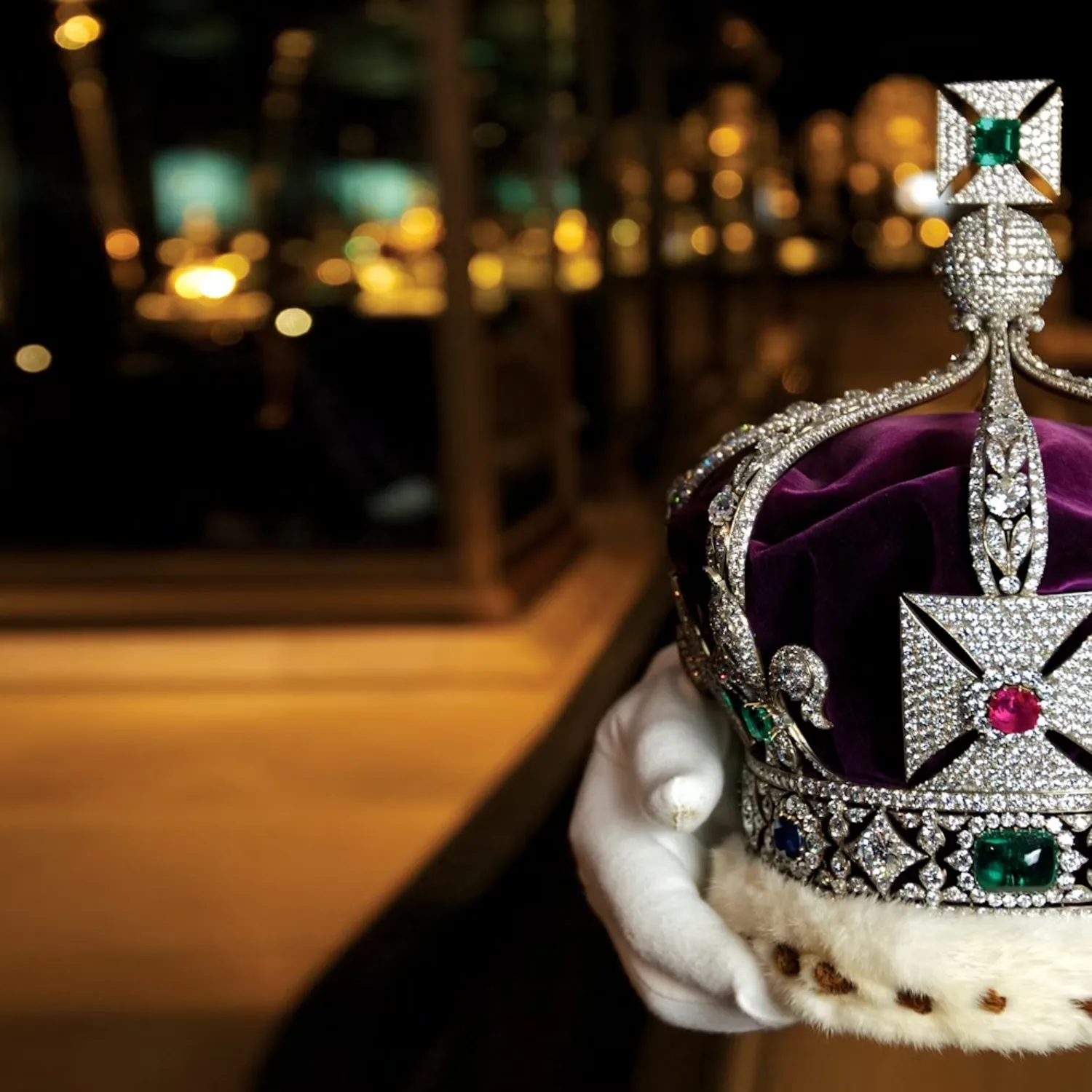
See the Crown Jewels, a highlight of the exhibition.
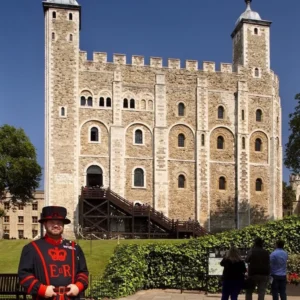
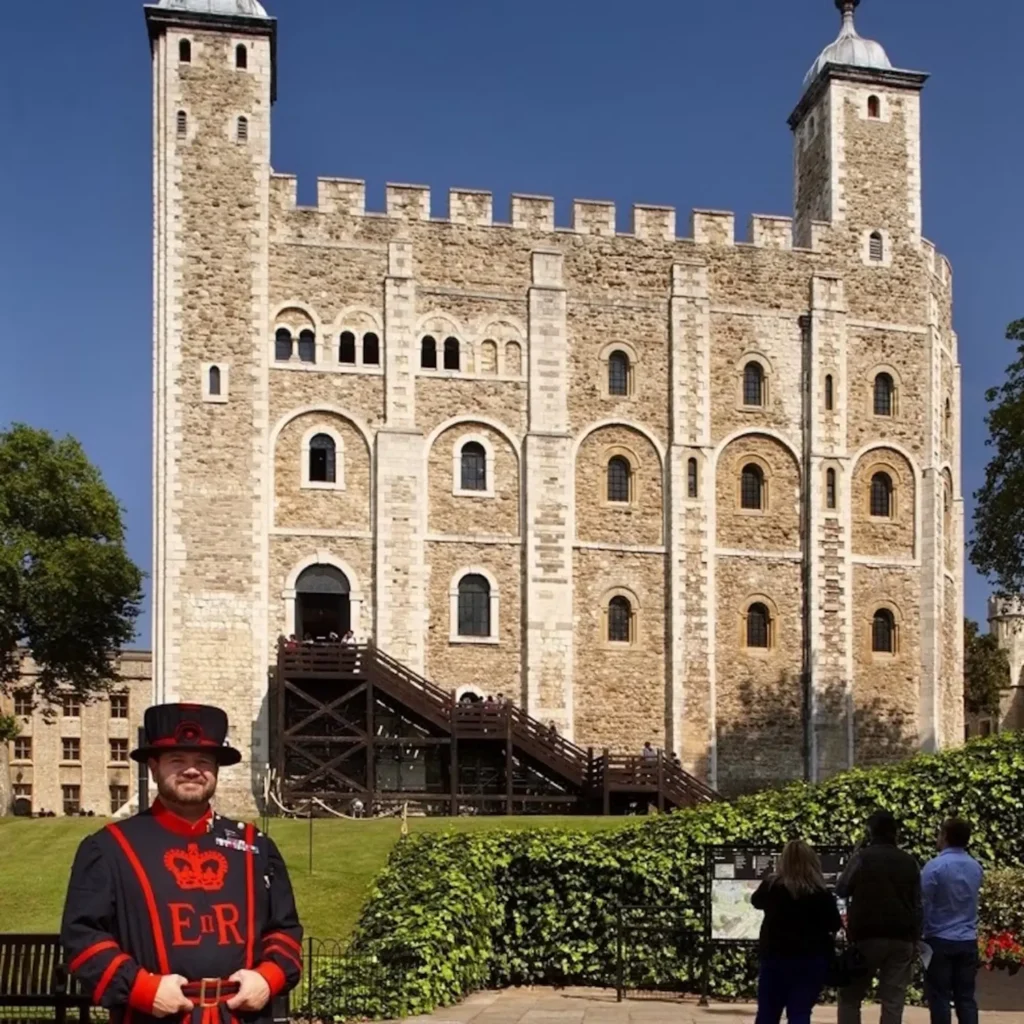
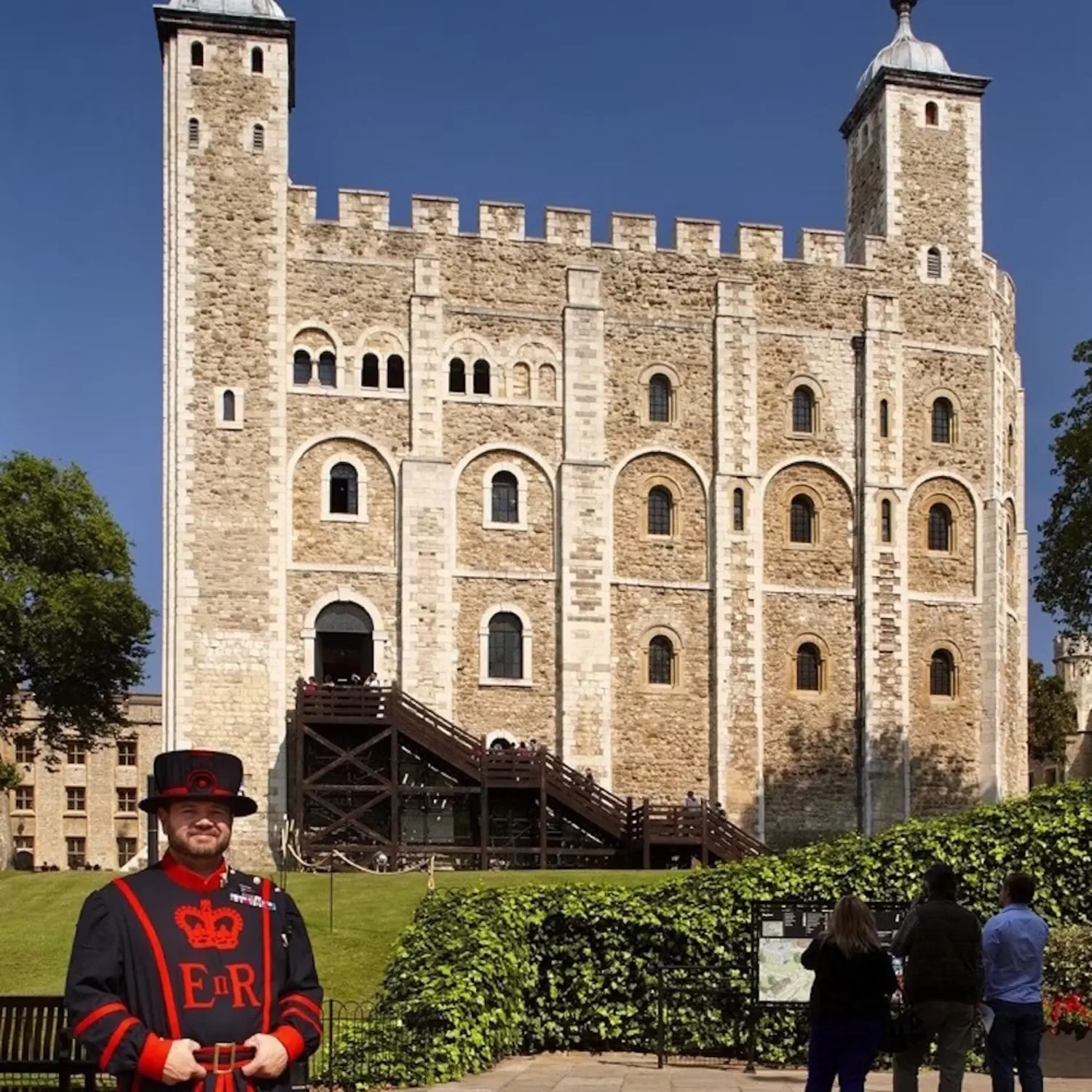
Admire the White Tower with Henry VIII’s oversized armor and London’s oldest church, St John’s Chapel.
Experience thrilling narratives about the Tower’s past, including imprisonment and executions.
Crown Jewels of London Tour with River Cruise
Highlights
Explore the stunning architecture of St. Paul’s Cathedral and its significant historical crypt.
Discover the rich history of the Tower of London, including the Crown Jewels and its ancient royal menagerie.
Enjoy a relaxing boat ride along the Thames, offering views of London’s famous riverside sights.
Benefit from a knowledgeable live guide throughout the tour.
Use a headset to hear commentary clearly in multiple languages.


Thames Cruise: Westminster to Tower of London
Highlights
Experience London’s iconic landmarks from the river.
Hear informative stories presented live by the captain.
Listen to multilingual audio guides available onboard.
Flexible hop-on, hop-off access at various piers.
Stay comfortable and dry while sightseeing on the boat.
Good to Know Before Visiting the Tower of London
Tickets should be booked online in advance to guarantee entry and secure your preferred time slot.
All visitors must pass through a security bag search at the entrance, so it is best to travel light to speed up the process.
Large suitcases and heavy luggage are not permitted inside the Tower, and there are no storage lockers available on-site.
Photography and filming are strictly prohibited inside the Jewel House and the Martin Tower to protect the Crown Jewels.
The historic grounds feature many uneven cobblestones, making sturdy and comfortable walking shoes essential for your visit.
Much of the experience takes place outdoors or in drafty stone buildings, so you should dress appropriately for the London weather.
You should allow a minimum of three hours to explore the entire complex, as there is a significant amount of ground to cover.
Re-entry is not permitted once you have exited the Tower gates, so ensure you have seen everything before leaving.
Smoking and vaping are prohibited throughout the entire fortress, including all outdoor courtyards and walkways.
Essential Visitor Info
- Timings
- Address & Directions
- Facilities
- Accessibility

The Tower of London operates on a seasonal schedule. To ensure you have enough time to explore the various towers and exhibitions, it is recommended to allow at least three hours for your visit.
Summer Season (March – October)
During the summer months, the Tower is open daily to accommodate higher visitor numbers.
Tuesday to Saturday: 9 AM – 5:30 PM
Sunday and Monday: 10 AM – 5:30 PM
Last Admission: 4:30 PM (Note: Some areas may begin closing earlier)
Last Yeoman Warder Tour: 3:30 PM
Winter Season (November – February)
The Tower operates slightly shorter hours during the winter season.
Tuesday to Saturday: 9 AM – 4:30 PM
Sunday and Monday: 10 AM – 4:30 PM
Last Admission: 3:30 PM
Last Yeoman Warder Tour: 2:30 PM
Important Dates and Closures
The Tower of London is closed annually on 24, 25, and 26 December and 1 January.
Occasionally, certain towers or exhibitions may be closed for essential conservation work or private royal events.
It is advisable to arrive early, particularly during school holidays and weekends, to avoid the peak mid-day crowds at the Crown Jewels.

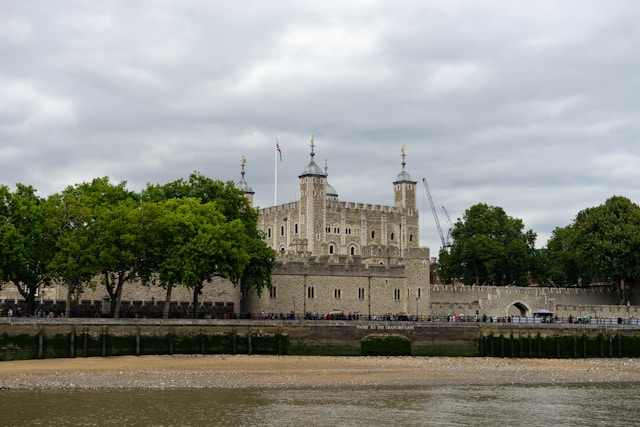
The Tower of London is situated on the north bank of the River Thames in the heart of the City of London. Its central location makes it highly accessible via London’s extensive public transport network.
Address:
Tower of London
London
EC3N 4AB
By Underground (Tube)
The London Underground is the most efficient way to reach the fortress.
Tower Hill Station: This is the closest station, located approximately a five-minute walk from the entrance. It is served by the District (green) and Circle (yellow) lines. The station features step-free access from the platform to the street.
Monument Station: A 10-to-15-minute walk away, served by the District and Circle lines.
London Bridge Station: A 15-minute walk across London Bridge, served by the Northern and Jubilee lines.
By Train (National Rail)
Mainline rail services provide easy access for those traveling from outside central London.
Fenchurch Street: Located a 5-minute walk from the Tower.
London Bridge: Located a 15-minute walk from the Tower.
Liverpool Street: Located a 20-minute walk from the Tower.
By Bus
Several London bus routes stop in the immediate vicinity of the Tower of London.
Routes 15, 42, 78, and 100 stop within a few minutes’ walk of the main entrance.
Most major “Hop-on Hop-off” sightseeing buses also have a designated stop at the Tower.
By River (River Bus)
For a scenic approach, you can arrive via the River Thames.
Tower Pier: Located directly outside the Tower entrance. Uber Boat by Thames Clippers operates frequent services from various piers, including Westminster, Embankment, and Greenwich.
By Car
Driving to the Tower of London is generally discouraged due to its location within the Congestion Charge zone and limited local parking.
Parking: The nearest secure car park is the Tower Hill Coach and Car Park (Lower Thames Street, EC3R 6DT), located just a two-minute walk from the site.

The Tower of London provides essential amenities to ensure a comfortable visit.
Public restrooms, including baby changing facilities and accessible toilets, are located at several points across the site, including near the Salt Tower, the Cradle Tower, and behind the Jewel House.
For those requiring storage, there are no luggage lockers available on-site due to security protocols; visitors are advised to use luggage storage services at nearby railway stations such as Fenchurch Street or London Bridge.
A dedicated Welcome Center is located outside the main entrance where visitors can collect pre-purchased tickets or seek assistance from staff.
Throughout the grounds, benches are provided for rest, and clear signage helps visitors navigate between the various towers and exhibitions.
Please note that while Wi-Fi is available in certain indoor areas, the thick stone walls of the historic buildings can make the signal intermittent.

The Tower of London is a historic fortress with many uneven surfaces, cobblestones, and spiral staircases. However, significant efforts have been made to ensure the site is as accessible as possible for all visitors.
Mobility and Wheelchair Access
While the cobbles can be challenging, there are designated accessible routes throughout the site. A lift is available in the White Tower to provide access to the Royal Armouries, and the Jewel House is fully accessible via a lift and a moving walkway. A limited number of manual wheelchairs are available at the entrance on a first-come, first-served basis. For those who cannot navigate the stairs of the smaller towers, a digital “Tower Tour” is often available to view the interiors virtually.
Visual and Auditory Assistance
Induction loops are fitted at ticket booths and various information points to assist visitors with hearing aids. British Sign Language (BSL) tours are occasionally scheduled, and descriptive audio tours are available for blind or partially sighted guests. Tactile models and large-print guides can also be requested at the Welcome Center to help navigate the history of the fortress.
Neurodiversity and Sensory Information
The Tower can be crowded and noisy, particularly in the Jewel House and during Yeoman Warder tours. Visitors who prefer a quieter experience are encouraged to arrive at opening time on weekdays. A “Chill Down Room” is sometimes available for those who need a quiet space away from the crowds; please speak to a member of staff for current availability and access.
Assistant Animals
Trained assistance dogs are welcome throughout the Tower of London. Water bowls can be provided upon request at the refreshment points.
About the Tower of London

The Tower of London was founded in 1066 as part of the Norman Conquest and has since evolved from a symbol of oppression into a complex monument of national heritage. Its central feature, the White Tower, was built by William the Conqueror to command the city and protect the new ruling class. Over the centuries, the site has expanded into a sprawling 18-acre fortress protected by two concentric rings of defensive walls and a moat. Its architecture represents a transition from early Norman military design to the grander, more ornate Gothic styles added by later monarchs such as Henry III and Edward I.
Beyond its military origins, the Tower has served as the backdrop for some of the most significant events in British history. It has functioned as a luxurious royal palace, a secure vault for the nation’s wealth, and a feared state prison that held high-profile figures from the Tudor era through the World Wars. Today, the Tower is preserved as a living monument where history is maintained by the Yeoman Warders and the traditional ceremonies that have continued for centuries. It remains a working royal site, housing the Royal Armouries and the priceless Crown Jewels, while attracting millions of visitors who come to witness its architectural grandeur and storied past.
Why Visit the Tower of London?
The Crown Jewels
The Tower houses the world-famous Crown Jewels, a working collection of over 23,000 gemstones still used in royal ceremonies today. Visitors can see the Imperial State Crown and the Sovereign’s Sceptre with Cross, which contains the Cullinan I diamond.
A Thousand Years of History
Established by William the Conqueror in the 1070s, the fortress has served as a royal palace, a notorious prison, and an armory. Walking through the grounds allows you to explore the evolution of English architecture and the shifting power of the monarchy over ten centuries.
The Yeoman Warders
Also known as Beefeaters, the Yeoman Warders have guarded the Tower since the Tudor period. They lead regular tours for visitors, sharing historical accounts and legends about the prisoners and personalities who lived within the walls.
The White Tower
As the oldest part of the fortress, the White Tower is an iconic example of Norman military architecture. It currently contains the Royal Armouries collections, including the historic “Line of Kings” featuring the personal armor of Henry VIII and Charles I.
The Tower Ravens
According to legend, the kingdom and the Tower will fall if the six resident ravens ever leave the grounds. Visitors can observe these protected birds and learn about the unique role of the Ravenmaster who cares for them.
Tower of London – Additional Info
- Dining
- Souvenir Store

There are multiple dining options available for visitors within the Tower walls.
The New Armouries Cafe is the primary restaurant, serving a variety of hot meals, sandwiches, salads, and snacks, with options for various dietary requirements. For a quicker stop, the Raven’s Cafe offers takeaway beverages and light refreshments near the White Tower.
During the warmer months, several outdoor kiosks open to provide ice cream and cold drinks. Visitors are also welcome to bring their own food and use the designated picnic areas located in the open spaces of the Tower’s grounds, though eating and drinking are strictly prohibited inside the historic buildings and the Jewel House.

The Tower features several gift shops, the largest being the Tower of London Shop located near the main entrance.
These stores offer a wide selection of high-quality merchandise ranging from historical books and educational toys to bespoke jewelry inspired by the Crown Jewels. Exclusive collections often include items featuring the White Tower, the ravens, and the Yeoman Warders.
Smaller specialized shops are located within the grounds, such as the Jewel House Shop, which focuses on commemorative items and regal accessories. All purchases support the continued conservation of the Tower, ensuring the site is preserved for future generations.
Interesting Facts about the Tower of London
The White Tower was originally whitewashed in 1240 by Henry III to make it stand out against the London skyline.
The Tower served as the Royal Mint for over 500 years, producing the majority of the nation’s coinage until 1810.
During the 13th century, the Tower housed a Royal Menagerie that included lions, an elephant, and even a polar bear that fished in the Thames.
The massive fortress has functioned as a high-security prison for famous figures including Anne Boleyn, Guy Fawkes, and Sir Walter Raleigh.
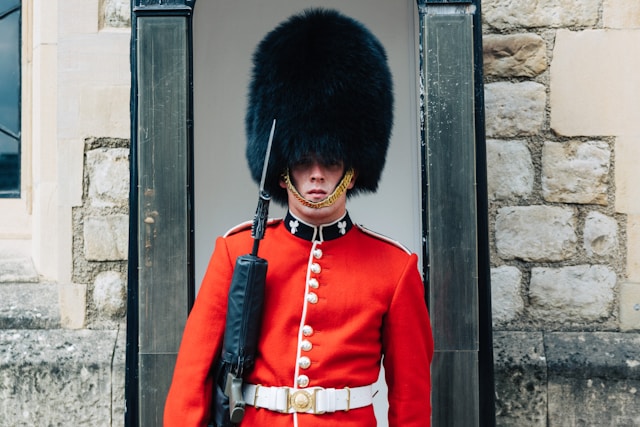
The Crown Jewels are protected by a state-of-the-art security system and guarded by a dedicated detachment of soldiers from the British Army.
The Ceremony of the Keys is a nightly ritual that has taken place for over 700 years to secure the Tower’s gates.
Despite its reputation as a site of mass execution, only ten people were actually beheaded within the Tower walls on Tower Green.
The oldest structure on the site, the White Tower, is a classic example of Norman military architecture built to overawe the local population.
The Tower of London is officially a Royal Palace and still contains a residence for the monarch known as the Queen’s House.
The Yeoman Warders are all retired members of the Armed Forces who must have served for at least 22 years with a clean record.
During World War II, the Tower was used as a prisoner of war camp for Rudolf Hess, the Deputy Führer of Nazi Germany.
The fortress has been used as a safe haven for the Royal Family and their valuables during times of civil unrest and rebellion.
The Tower’s ravens are given names and are officially enlisted as soldiers of the Kingdom, meaning they can be dismissed for bad behavior.
Archaeological evidence suggests that parts of the Tower were built directly over the remains of the ancient Roman wall of Londinium.
The Royal Armouries collection includes the silvered armor of Henry VIII, which was specifically designed for his changing physical stature.