Westminster Abbey, London: Tickets and Info
This website offers official tickets for this venue. Please note, however, that it is not the official website of the venue.
Smartphone tickets
Why wait?
Instant confirmation


Westminster Abbey: Entry Ticket
Highlights
Explore the rich British heritage encapsulated within the Abbey’s walls.
Use an audio guide available in multiple languages to enhance your visit.
Witness the place of significant historical ceremonies including coronations and royal weddings.
Enjoy the freedom to move through the Abbey without time pressure.
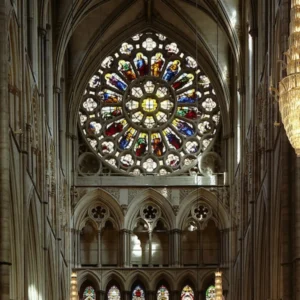
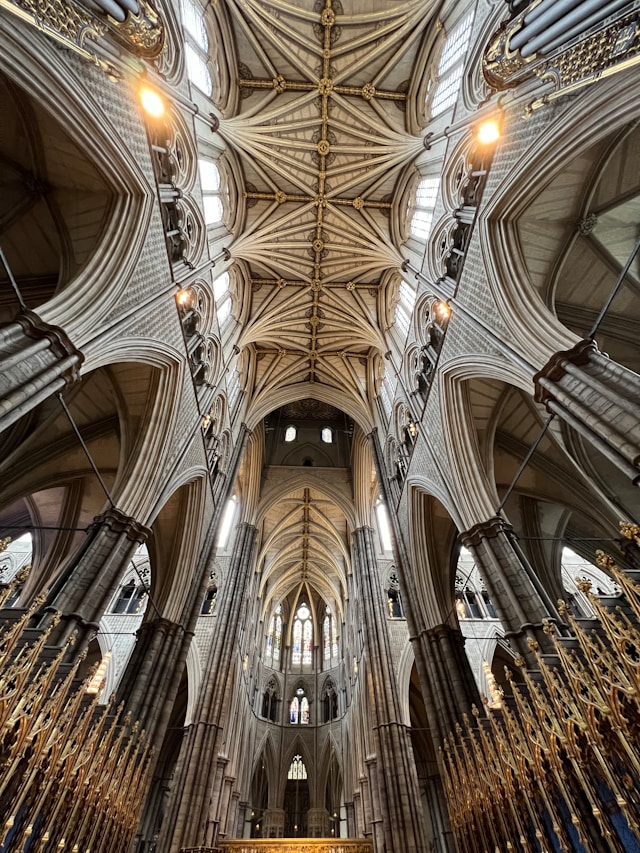
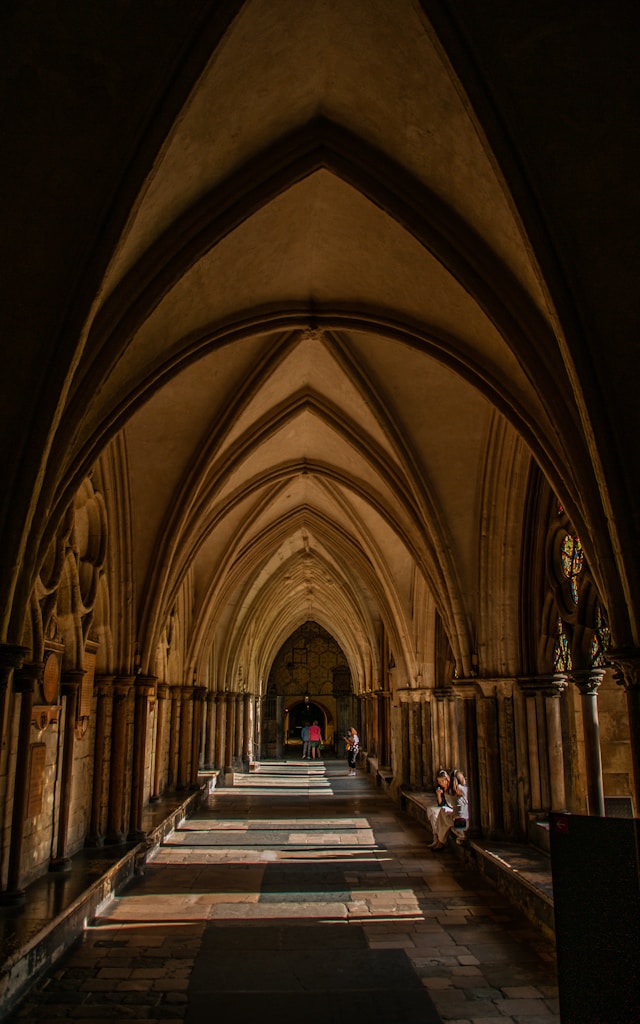
Access one of the United Kingdom’s most important Gothic architectural landmarks.
Good to Know Before Visiting Westminster Abbey
Visitors must pass through a mandatory security screening and bag check before entering the Abbey grounds.
Large suitcases and bulky items are strictly prohibited as there are no cloakroom or luggage storage facilities on-site.
As the Abbey is a place of daily worship, visitors are asked to dress respectfully and remove hats while inside the building.
Photography is permitted for personal use in most areas, but the use of flashes, tripods, and selfie sticks is forbidden.
To ensure entry and avoid long queues at the ticket office, it is highly recommended to book timed entry tickets online in advance.
The Abbey is a “cashless” venue, so ensure you have a valid debit or credit card for any on-site purchases or donations.
Sightseeing is not permitted on Sundays when the building is reserved exclusively for religious services and private prayer.
The multimedia guide is included with your admission and is available in 14 different languages to accommodate international visitors.
You should allow at least 90 minutes to two hours to explore the main church, the Cloisters, and the museum galleries properly.
Be aware that certain sections of the Abbey may close unexpectedly to accommodate special royal or state events.
Essential Visitor Info
- Timings
- Address & Directions
- Facilities
- Accessibility
Standard Opening Times
Westminster Abbey is open for sightseeing Monday through Saturday.
From Monday to Friday, the Abbey typically welcomes visitors from 9:30 AM to 3:30 PM.
On Saturdays, the doors open earlier at 9 AM and close for entry at 3 PM.
The building remains open for one hour after the final entry time to allow visitors to complete their tour.
Sunday Access
The Abbey is a working church and is closed to tourists for sightseeing on Sundays. However, the public is welcome to attend scheduled religious services throughout the day, including Holy Communion and Evensong. Please note that exploring the monuments and tombs is not permitted during these times.
The Queen’s Diamond Jubilee Galleries
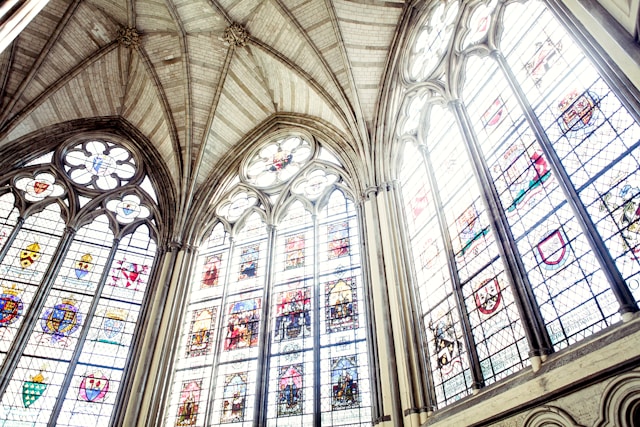
Located in the beautiful 13th-century triforium, the Jubilee Galleries usually operate on a slightly different schedule, opening at 10 AM and closing for last entry at 3 PM.
Access to this elevated display area requires a separate timed ticket in addition to general admission.
Planned Closures and Special Services
As a site for significant national and royal events, the Abbey may occasionally close at short notice or have restricted access for special services. It is recommended to check for specific closures on dates such as Good Friday, Christmas Day, or during state ceremonies, as sightseeing will be suspended.

Westminster Abbey is located in the heart of London, situated just west of the Houses of Parliament and Parliament Square.
Address
Westminster Abbey
20 Dean’s Yard
London
SW1P 3PA
By London Underground
The Tube is the most efficient way to reach the Abbey. The closest station is Westminster, which is served by the Jubilee, District, and Circle lines. Upon exiting the station, follow the signs for Parliament Square. The Abbey is a 3-minute walk from the station exit.
Alternatively, St James’s Park station (District and Circle lines) is approximately a 5-minute walk away. From this station, head east toward Broadway and Victoria Street.
By National Rail
If you are traveling from outside London or via the overground network, the nearest major rail hubs are:
London Victoria: Located about 0.8 miles away. You can reach the Abbey on foot in approximately 15 minutes by walking straight down Victoria Street, or take the District/Circle line two stops to Westminster.
London Waterloo: Situated across the Thames, about 0.8 miles away. The walk takes roughly 15-20 minutes and offers scenic views as you cross Westminster Bridge.
Charing Cross: Located approximately 0.7 miles away. It is a 15-minute walk via Whitehall and Parliament Street.
By Bus
Numerous bus routes stop directly outside or within a short walking distance of the Abbey. Key routes serving the area include the 11, 24, 88, 148, and 211. Most of these stop at Parliament Square or Victoria Street, both of which are just steps from the North Door visitor entrance.
By Bicycle
Cycling is a convenient option with several cycleways leading into Westminster. Public bicycle racks are located near the Abbey at Broad Sanctuary and Victoria Tower Gardens. Please note that folding bicycles are not permitted inside the Abbey buildings.
For those using the Santander Cycles hire scheme, the nearest docking stations are located at Abbey Orchard Street and Smith Square.
By Car and Taxi
Driving is generally discouraged due to the Abbey’s location within the Congestion Charge and ULEZ zones. There is no private parking on-site. The nearest secure public parking is the Q-Park Westminster, located in Great College Street.
Taxis and private hire vehicles can drop passengers at the designated drop-off point at the West End of the Abbey, near the Sanctuary.

The Abbey provides essential services to ensure a comfortable visit, though it is important to remember that as a historic place of worship, modern additions are limited.
Secure toilet facilities, including accessible toilets and baby changing areas, are located in the Cloisters. These are available to all ticket holders.
For security reasons, there is no cloakroom or luggage storage on-site. Visitors are prohibited from bringing large suitcases or bulky backpacks inside, so it is advised to use luggage deposit services at nearby stations like Victoria or Charing Cross.
To enhance the visitor experience, a complimentary multimedia guide is included with the price of admission. These handheld devices are available in multiple languages and provide historical context for the monuments, architecture, and royal history of the building.
Wi-Fi is not provided for public use within the Abbey, and visitors are reminded that photography is permitted for personal use only, provided that flashes and tripods are not used.

Westminster Abbey is committed to being as accessible as possible, though the age of the building presents certain physical challenges. Most areas of the Abbey are accessible to wheelchair users and visitors with reduced mobility. Entry is free for disabled visitors and their carers. A ramped entrance is located at the North Door, and most of the main floor – including the Nave and the Quire – is level. While some smaller chapels have steps, many of these can be accessed via portable ramps provided by the Abbey marshals.
For visitors with visual impairments, the Abbey offers a descriptive audio guide and a tactile map of the building. Braille and large print guides are also available upon request at the information desk. Guide dogs and assistance dogs are welcome throughout the entire site, including the Cloisters and the museum areas.
For the D/deaf and hard of hearing, the multimedia guides have a screen-based option with subtitles and British Sign Language (BSL) interpretation. An induction loop system is active during all services and for those using the standard audio tours.
The Queen’s Diamond Jubilee Galleries, located in the high triforium, are accessible via a lift, ensuring that visitors with mobility issues can view the museum and its displays. However, some sections of the historic Cloisters and exterior walkways feature uneven stone flooring and dim lighting, so caution is advised. If you require a wheelchair during your visit, the Abbey maintains a small number of non-motorized chairs available for use on a first-come, first-served basis.
About Westminster Abbey

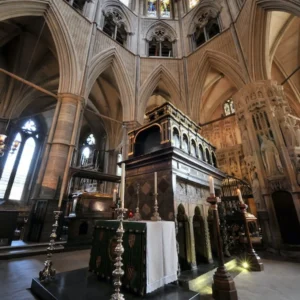
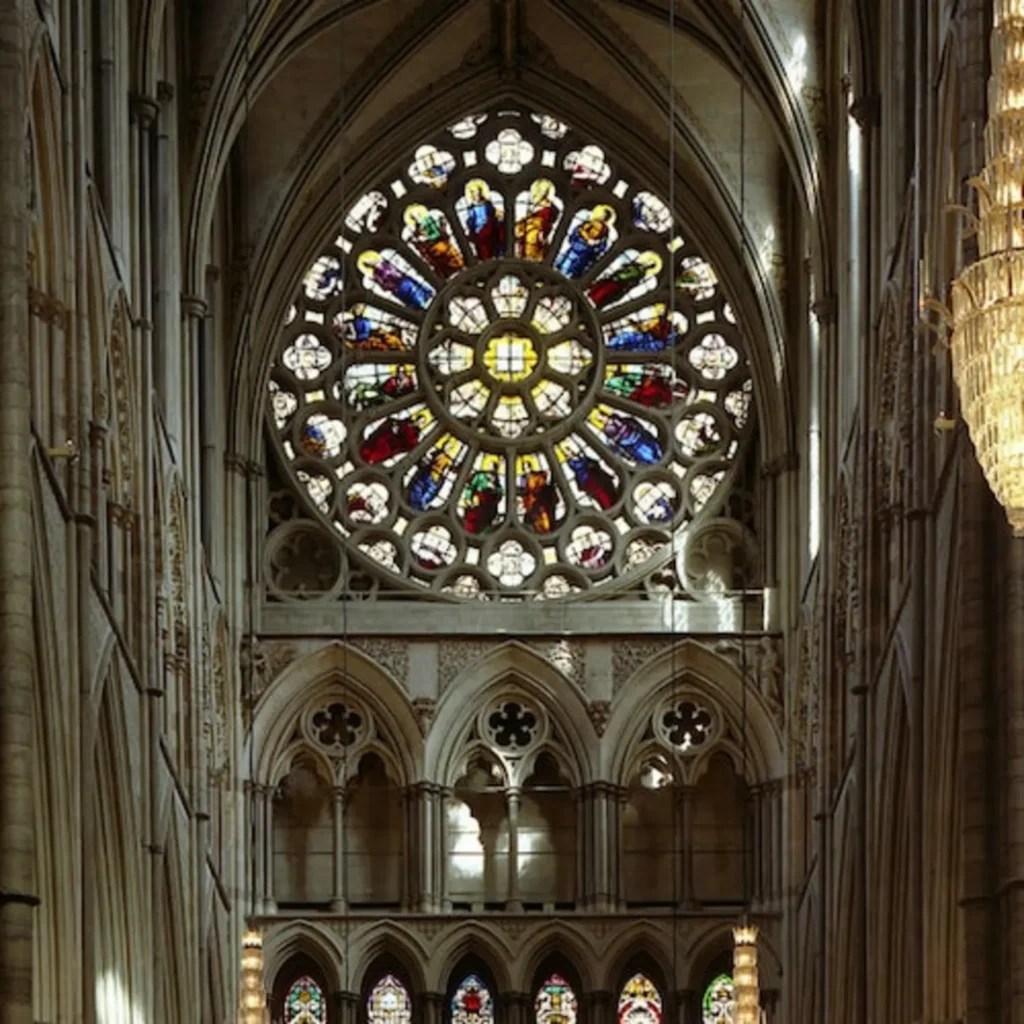
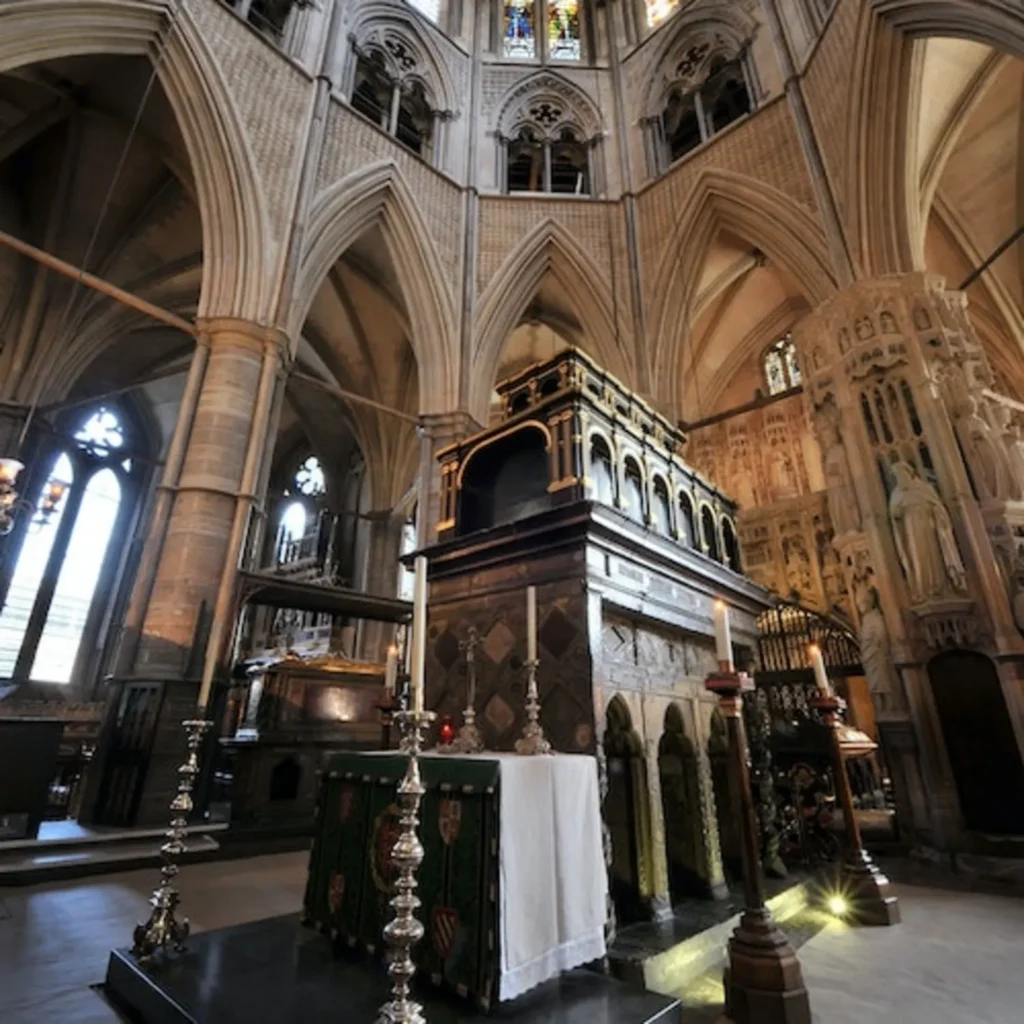
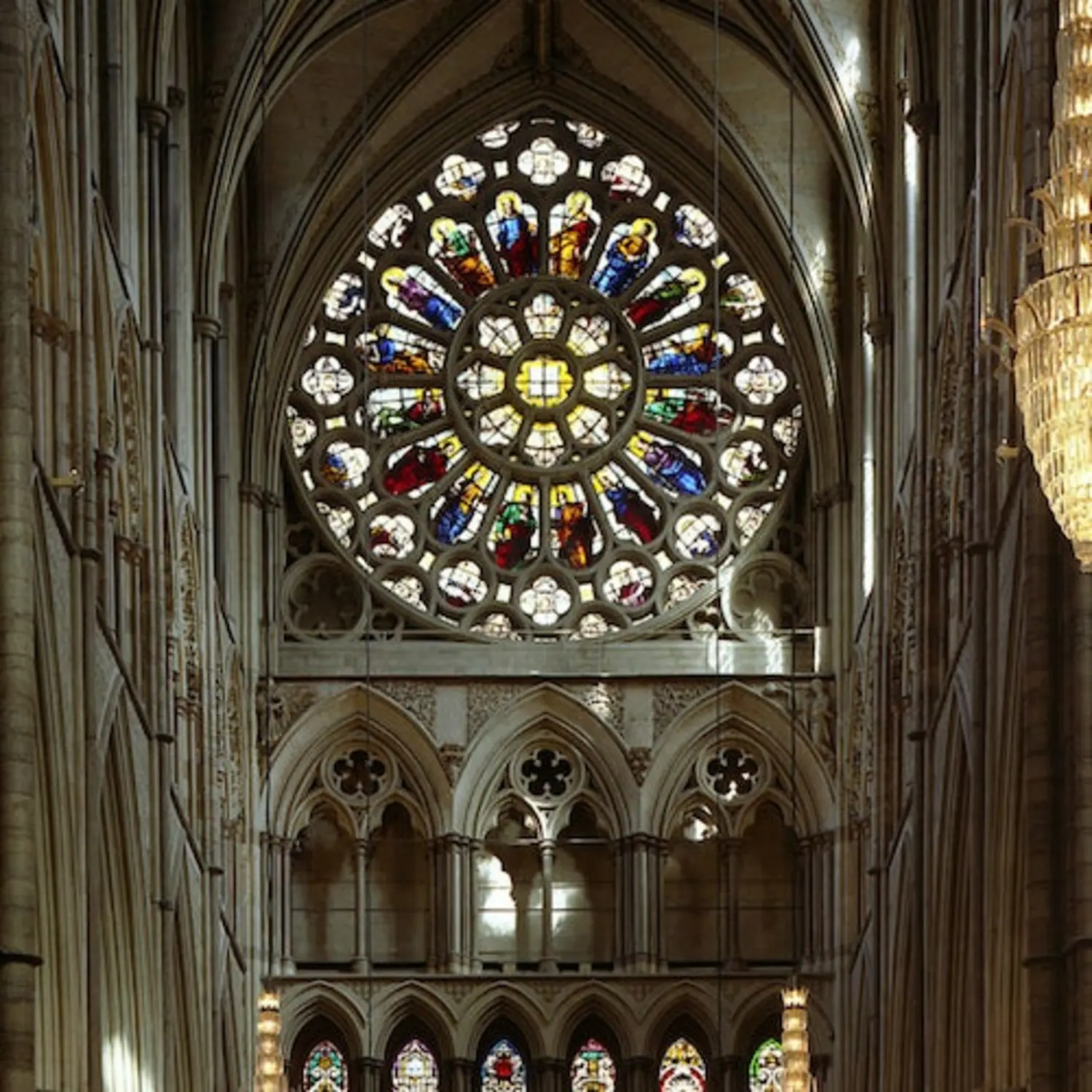
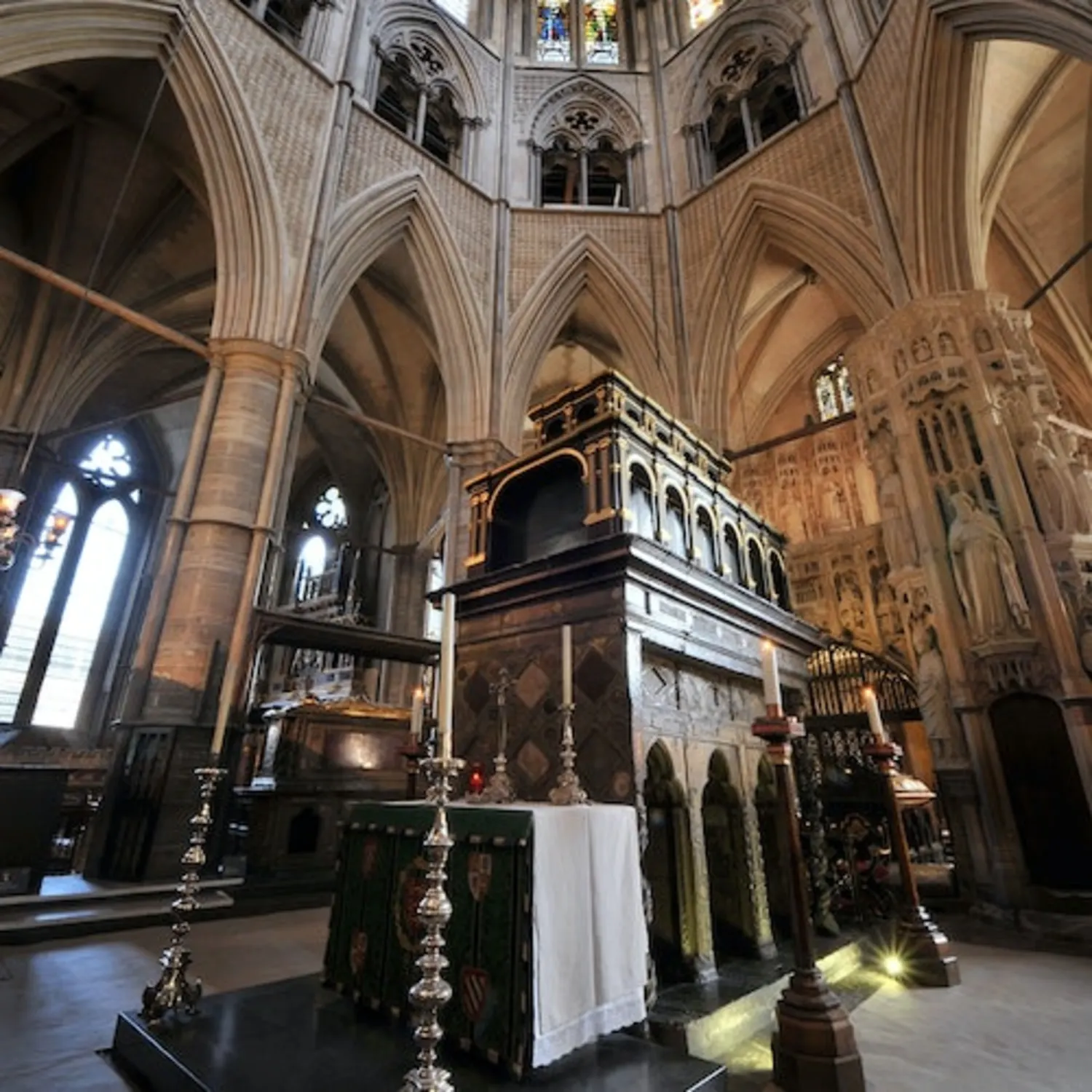
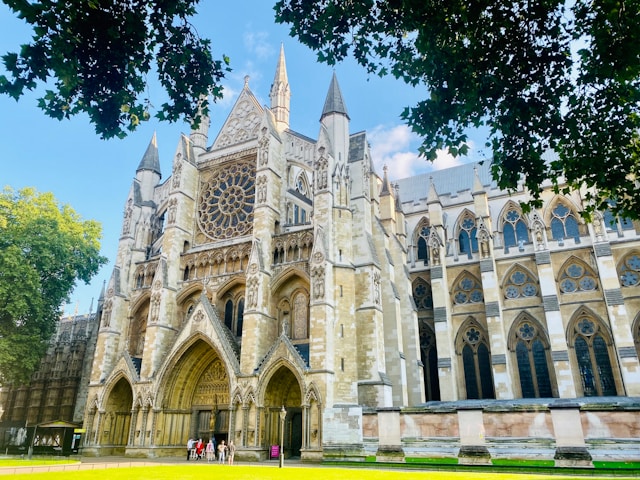
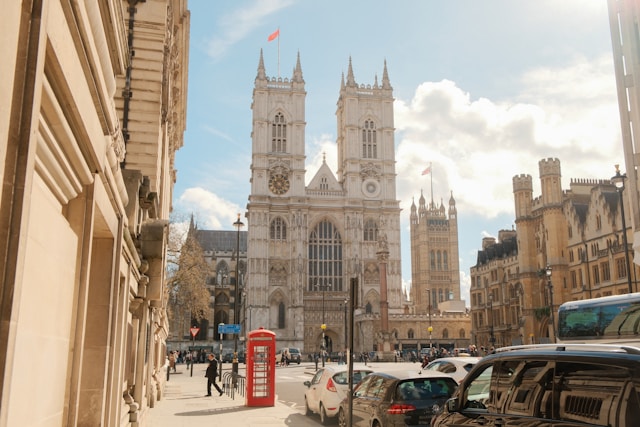
Westminster Abbey is a Royal Peculiar and one of the most significant religious buildings in the United Kingdom. Founded as a Benedictine monastery in the 10th century, the current structure largely dates back to the 13th century under the patronage of King Henry III, who sought to create a magnificent shrine for Edward the Confessor. Its soaring stone vaults, intricate stained glass, and the famous Cosmati Pavement represent the pinnacle of medieval craftsmanship. Beyond its architectural grandeur, the Abbey serves as a national sanctuary where the history of the British Isles is physically etched into the walls and floors through thousands of monuments and memorials.
The building is perhaps most famous for its central role in the British monarchy, having hosted every coronation since 1066. It has also been the site of sixteen royal weddings, including that of Prince William and Catherine Middleton in 2011. As you walk through the Nave and into Poets’ Corner, you encounter the burial sites of global icons such as Isaac Newton, Charles Darwin, and Charles Dickens. Despite its status as a major global tourist destination, the Abbey remains a functioning church with daily services, maintaining a continuous tradition of worship and music that has endured for centuries.
Area: Approximately 32,000 square feet (floor area)
Established: 960 AD (as a Benedictine monastery)
Why Visit Westminster Abbey?
The Site of Royal Coronations
Since 1066, Westminster Abbey has served as the coronation church for the British monarchy. Visitors can stand in the same space where nearly every sovereign from William the Conqueror to King Charles III was crowned, viewing the historic Coronation Chair that remains one of the most famous pieces of furniture in the world.
The Final Resting Place of British Icons
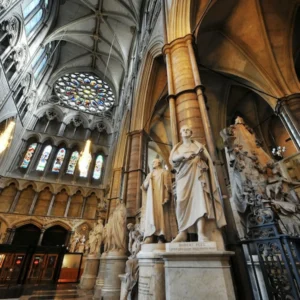
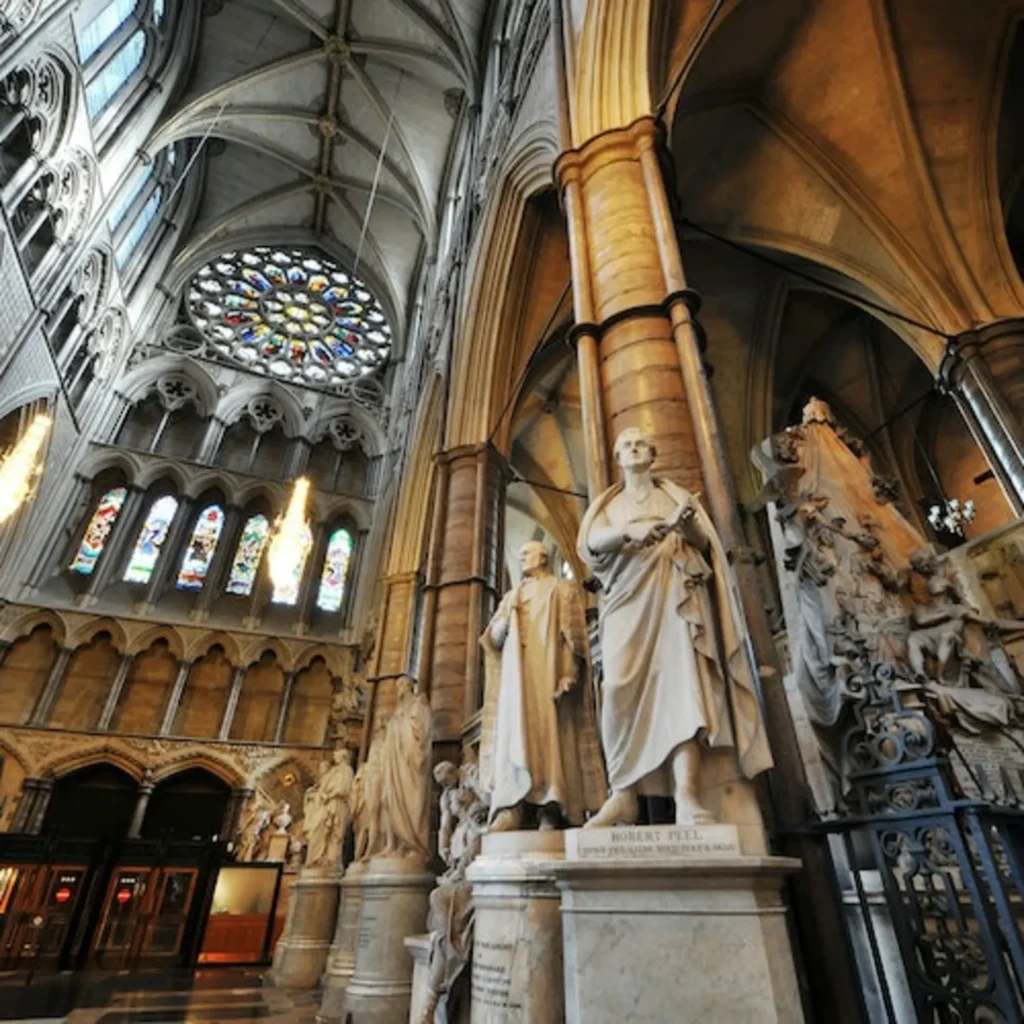
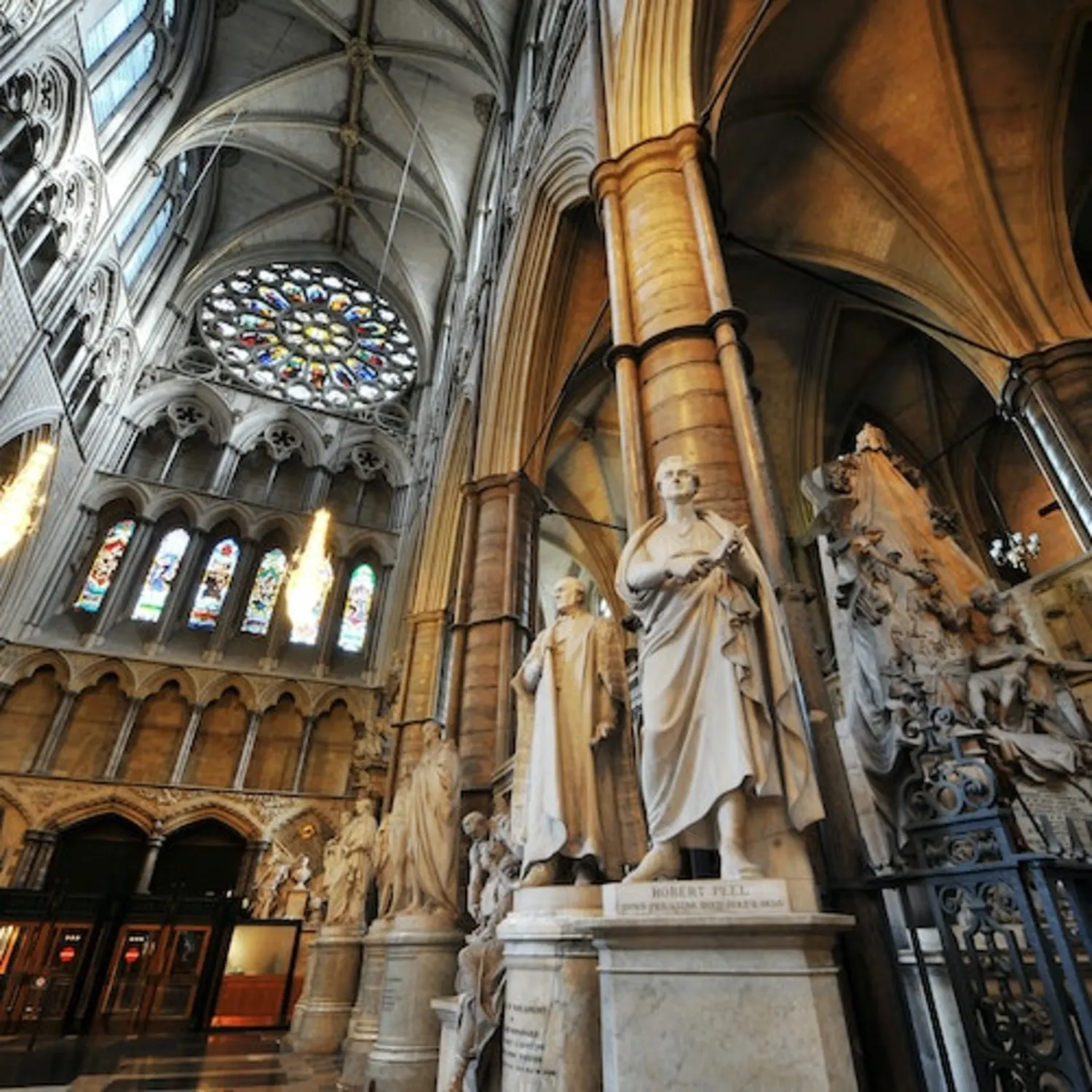
The Abbey is the burial site for over 3,000 notable figures, including 17 monarchs and legendary thinkers like Isaac Newton and Charles Darwin. Walking through the nave offers a unique opportunity to pay respects to the individuals who shaped global history, science, and literature.
Poets’ Corner
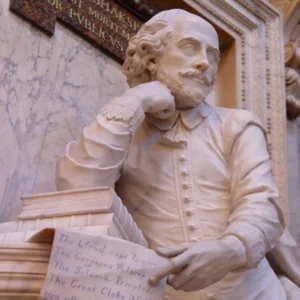
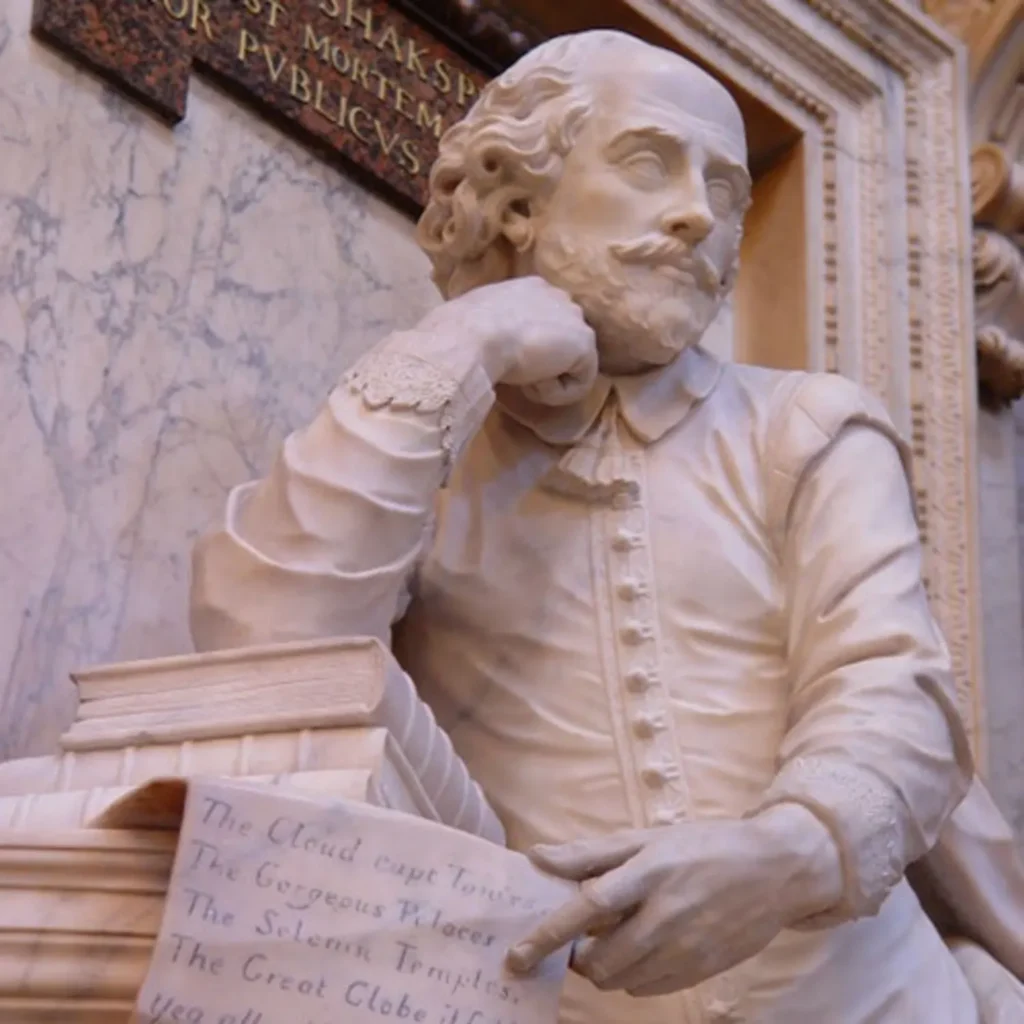
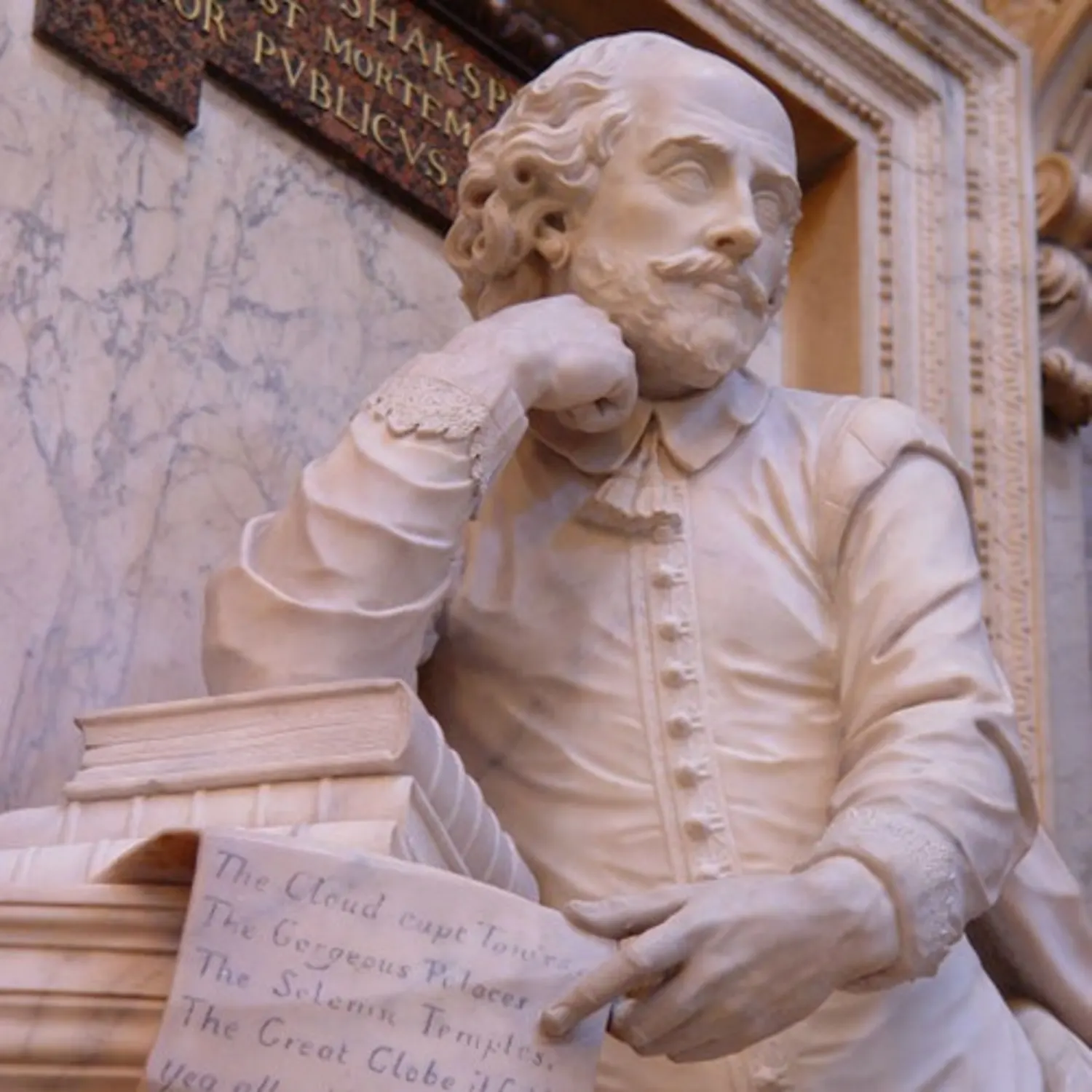
This world-renowned section of the South Transept is dedicated to the giants of English literature. More than 100 poets and writers, including Geoffrey Chaucer, Charles Dickens, and Jane Austen, are either buried or commemorated here with intricate memorials.
Masterpiece of Gothic Architecture
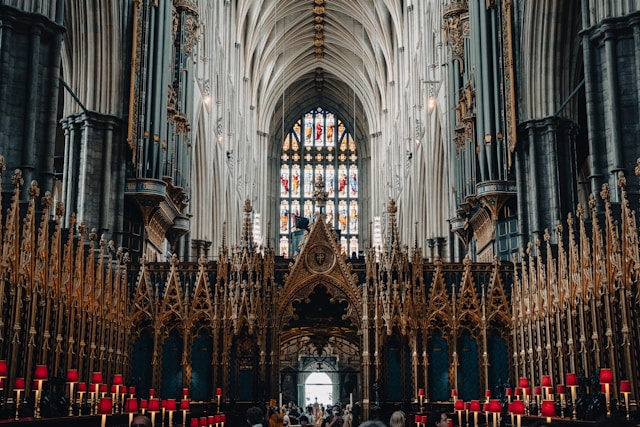
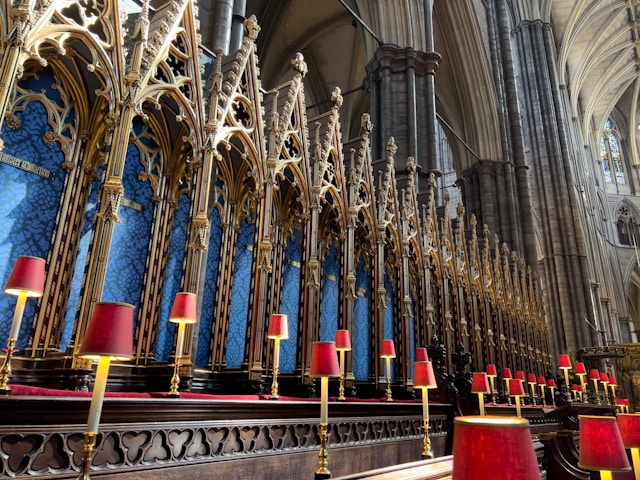
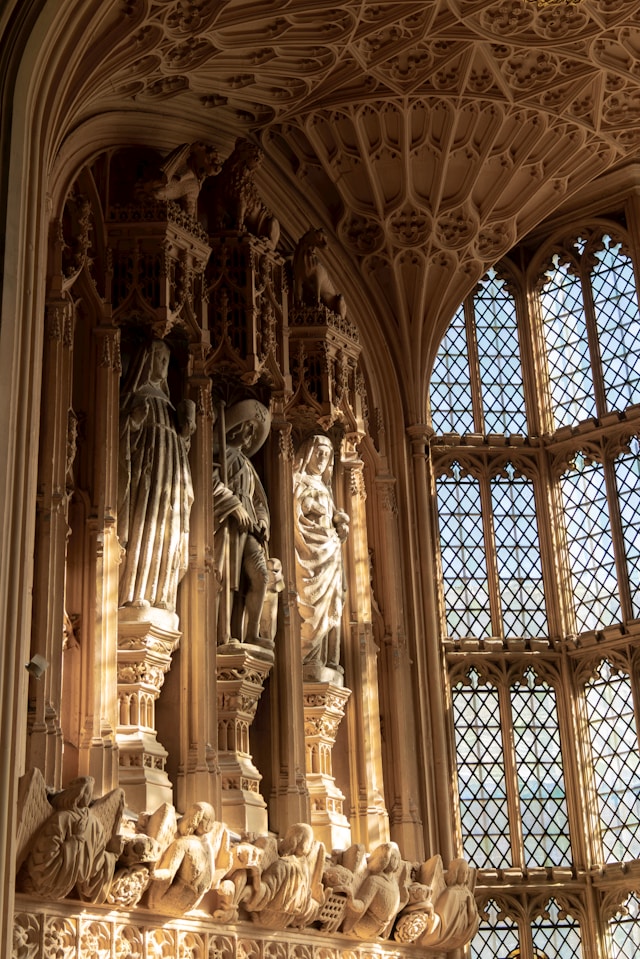
The Abbey is a premier example of Early English Gothic design, featuring the highest stone vault in the country and stunning stained glass. The Lady Chapel, built by Henry VII, is particularly famous for its intricate fan-vaulted ceiling, which is considered a pinnacle of medieval craftsmanship.
A Living Center of History and Worship
Unlike a traditional museum, the Abbey remains an active place of daily worship and a central venue for significant national events, such as royal weddings and funerals. This continuous use gives the building a distinct atmosphere where thousand-year-old traditions meet the modern era.
Westminster Abbey – Additional Info
- Dining
- Souvenir Store
The Cellarium Café and Terrace is the primary dining location at Westminster Abbey, situated in the vaulted cellars where the monks originally stored their food. This unique setting offers a full menu ranging from traditional English breakfasts to seasonal lunches.
For a quintessential London experience, the café serves Afternoon Tea, featuring handmade scones, finger sandwiches, and cakes. The outdoor terrace provides a quiet space with views of the Abbey’s towers, making it a popular spot during the warmer months.
For visitors seeking a quicker option, the Kiosk in the Sanctuary offers takeaway snacks, coffee, and light refreshments. The Cellarium is open to both ticket holders and the general public, providing a convenient meeting point near Parliament Square.
As it is a busy central London venue, making a reservation for lunch or Afternoon Tea is recommended to avoid waiting times during the peak midday period.

The Westminster Abbey Shop is located at the Broad Sanctuary entrance and is accessible without a sightseeing ticket.
It offers a wide range of high-quality merchandise inspired by the Abbey’s history and British craftsmanship. Product categories include scholarly books on the monarchy, official coronation memorabilia, and exclusive jewelry modeled after the Abbey’s architectural details. Every purchase made at the shop supports the ongoing conservation and maintenance of the building.
For those looking for smaller keepsakes, the store stocks a variety of stationary, textiles, and seasonal items. There is also a dedicated section for children, featuring educational toys and books about the kings and queens buried within the walls.
The shop remains open during standard visiting hours, though it typically stays open slightly later than the final entry time for the Abbey itself.
Interesting Facts about Westminster Abbey
Westminster Abbey has been the site of every British coronation since 1066, totaling 40 monarchs to date.
The Abbey contains the only surviving medieval portrait of a British monarch, a 14th-century painting of King Richard II.
The Coronation Chair was commissioned by King Edward I in 1296 specifically to house the Stone of Scone.
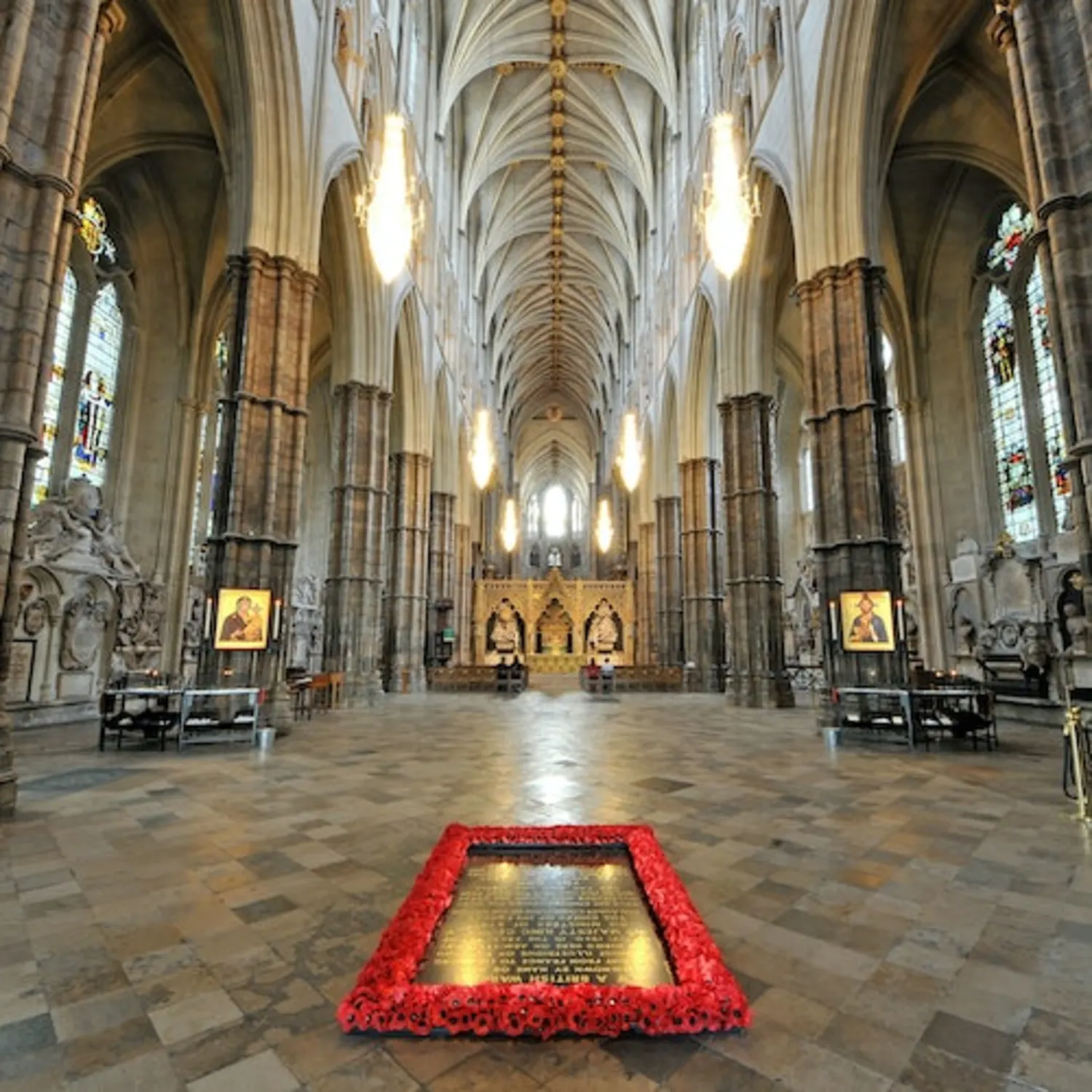
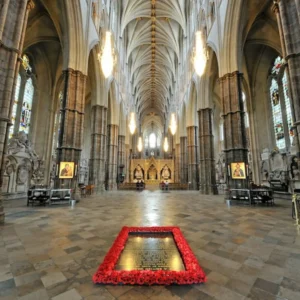
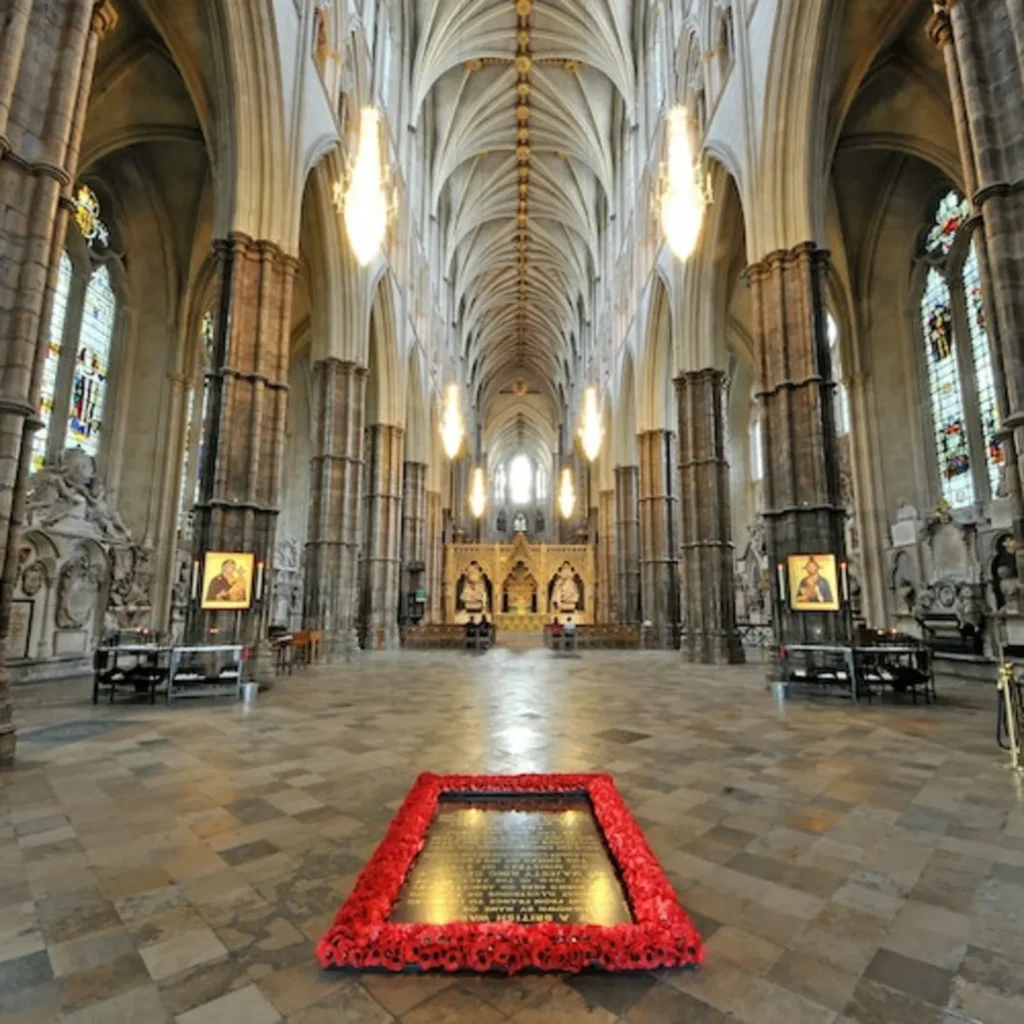
The Unknown Warrior is buried in the Nave in soil brought from French battlefields and covered with a slab of Belgian marble.
More than 3,000 people are buried or commemorated within the Abbey, ranging from monarchs to scientists and actors.
Sir Isaac Newton’s monument in the Nave features a celestial globe depicting the constellations of the 1689 solar eclipse.
The Abbey is technically a Royal Peculiar, meaning it is under the direct jurisdiction of the Monarch rather than an Archbishop.
The Great West Door is flanked by statues of ten 20th-century Christian martyrs, including Martin Luther King Jr. and Dietrich Bonhoeffer.
The Henry VII Lady Chapel features a spectacular fan-vaulted ceiling that is widely considered a masterpiece of late medieval architecture.
Geoffrey Chaucer was the first poet to be buried in the South Transept, effectively founding what is now known as Poets’ Corner.
The Pyx Chamber, built in the 11th century, is one of the oldest surviving parts of the Abbey and once served as a royal treasury.
The Abbey’s floor includes the Cosmati Pavement, a complex 13th-century mosaic of colored marble and glass representing the universe.
The building houses the oldest door in Britain, made from a single oak tree felled in the 11th century.
Despite its name, Westminster Abbey has not been an abbey since the 16th century when the resident Benedictine monks were removed.
The Abbey’s bells are rung for significant royal anniversaries and church festivals, following a tradition that spans centuries.