
Kensington Palace – Plan Your Visit
Plan Your Visit to Kensington Palace
Preparing for your visit to Kensington Palace will help you fully appreciate one of London’s most storied royal residences and historic landmarks. Below you will find essential information to make your experience informative and enjoyable as you explore the lives of past and present royalty.
Kensington Palace – Ticket Information
Ticket Purchase Options: Tickets are available for purchase online prior to your visit or at the palace ticket office. Buying tickets online is strongly advisable to guarantee entry on your preferred date and to avoid the long queues that frequently form during peak visiting hours.
Ticket types: This site offers an admission ticket granting access to all available areas of the Kensington Palace and the Palace Gardens.
Kensington Palace – Essential Visitor Info
- Timings
- Address & Directions
- Facilities
- Accessibility
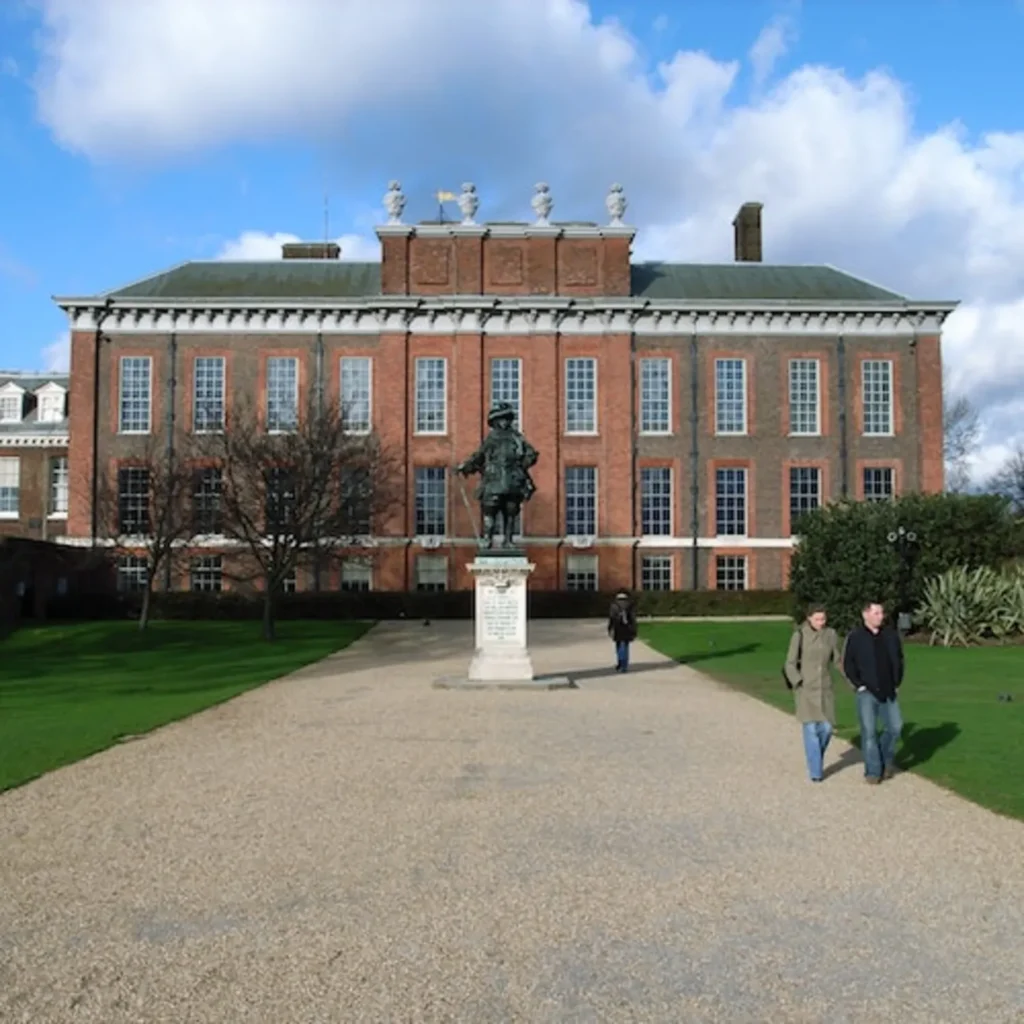
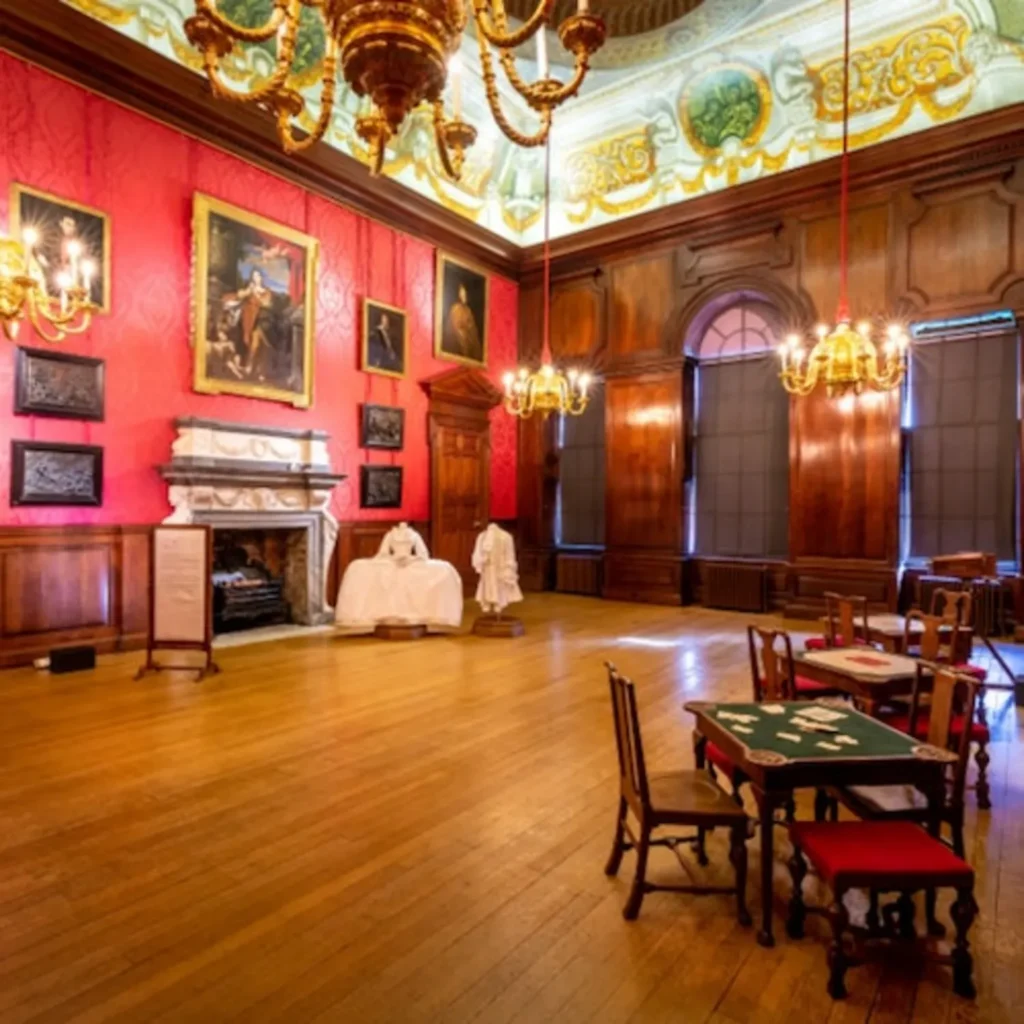
Kensington Palace operates on a seasonal schedule throughout the year. Please note that the palace is closed to the public on Mondays and Tuesdays.
General Opening Hours
The palace is open Wednesday through Sunday. Opening times are dictated by the season to ensure visitors have the best experience during daylight hours.
Summer (March 1 – October 31): The palace is open from 10 AM to 6 PM, with the last admission permitted at 5 PM.
Winter (November 1 – February 28): The palace is open from 10 AM to 4 PM, with the last admission permitted at 3 PM.
Recommended Duration
Most visitors spend between 2 and 3 hours exploring the State Apartments, the current exhibitions, and the Sunken Garden.
This allows sufficient time to view the collections and read the interpretive displays without rushing.
Optimal Visiting Times
For a quieter experience, it is recommended to visit on a Wednesday or Thursday.
Mid-week mornings immediately at opening or late afternoon sessions after 2:30 PM generally see fewer crowds than weekends and school holiday periods.

Kensington Palace is located within Kensington Gardens, just west of Hyde Park in Central London. Because the palace is situated inside a Royal Park, visitors should allow extra time to walk from the park gates to the palace entrance.
Address:
Kensington Palace
Kensington Gardens
London W8 4PX
Traveling by Underground (Tube)
Several Underground stations are within walking distance of the palace. The best route depends on which line you are using:
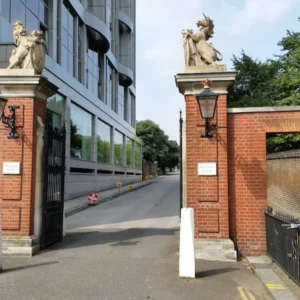
High Street Kensington (Circle and District Lines): This is the most common arrival point. After exiting the station, walk east along Kensington High Street, enter the gardens at the King’s Arms Gate, and follow the signs north to the palace entrance. The walk takes approximately 10 to 12 minutes.
Queensway (Central Line): Exit the station and cross Bayswater Road into Kensington Gardens via the Black Lion Gate. From here, a direct walk south past the Round Pond will bring you to the palace in roughly 10 minutes.
Notting Hill Gate (Central, District, and Circle Lines): From this station, walk southeast into the gardens and follow the paths toward the palace. This route takes approximately 15 minutes.
Traveling by Bus
Bus travel offers some of the closest drop-off points to the palace gates.
From the South (Kensington High Street): Routes 9, 49, 52, 70, and 452 stop at the “Kensington Palace” stop. From here, it is a 5-minute walk through the park to the entrance.
From the North (Bayswater Road): Routes 70, 94, and 148 stop at “Queensway Station.” The walk from this side of the park takes approximately 10 minutes.
Traveling by Train
London Paddington is the nearest mainline railway station. It is served by Great Western Railway, the Elizabeth Line, and the Heathrow Express.
From Paddington, you can reach the palace by walking for approximately 20 minutes through the residential streets of Bayswater and into the park. Alternatively, you can take the District or Circle line from Paddington to High Street Kensington or Bayswater stations to shorten the walk.

Visitors to Kensington Palace have access to a range of essential amenities designed for comfort and convenience.
Standard facilities include public toilets and baby-changing stations, which are located in the palace courtyard and are accessible without a ticket.
A cloakroom is not available on-site; however, small bags are permitted inside the palace.
For those exploring the surrounding grounds, the palace is situated within Kensington Gardens, offering wide paved pathways and seating areas.
Security personnel and visitor hosts are stationed throughout the site to provide assistance or directions.
Please note that while Wi-Fi is available in certain indoor areas, signal strength may vary within the historic stone structures.

Kensington Palace is a historic building, but it is fully accessible to visitors with disabilities.
All public areas of the palace, including the State Apartments and temporary exhibition spaces, can be reached via lifts. Level access is provided at the main entrance, and the paths leading from the Kensington Gardens gates are broad and tarmac-surfaced, making them suitable for manual and electric wheelchairs.
Manual wheelchairs are available to borrow free of charge on a first-come, first-served basis from the palace entrance. For visitors who are blind or have low vision, tactile models of the palace and large-print guides are available at the information desk. Assistance dogs are welcome throughout the palace and the gardens, and water bowls can be provided upon request.
For D/deaf or hard-of-hearing visitors, British Sign Language (BSL) digital tours are often available for specific exhibitions. Induction loops are fitted at the ticket office, retail counters, and other key transaction points. If you require a quiet space during your visit to manage sensory processing needs, the palace staff can identify less crowded areas, although mid-week afternoons are generally the quietest times for those sensitive to noise and crowds.
Good to Know Before Visiting Kensington Palace
You must book your tickets in advance online to guarantee entry, as time slots often sell out during peak periods.
The palace is closed to the public every Monday and Tuesday, so plan your itinerary for a Wednesday through Sunday visit.
Since the palace is located in the middle of Kensington Gardens, you should allow at least 15 minutes to walk from the nearest park gates to the entrance.
There are no cloakroom or luggage storage facilities on-site, and large suitcases or heavy bags are strictly prohibited inside the building.
Security bag checks are mandatory for all visitors upon arrival, which may lead to short queues during busy hours.
While the King’s State Apartments are open, be aware that the Queen’s State Apartments are closed for conservation as of June 15, 2026.
Photography for personal use is encouraged throughout the palace, but the use of flash, tripods, and selfie sticks is not permitted.
Visitors should wear comfortable walking shoes as the tour involves navigating various levels and walking across the palace grounds.
Re-entry to the palace is not allowed once you have scanned your ticket and exited the main building.
All children under the age of 16 must be accompanied by an adult at all times during their visit.
Kensington Palace – Additional Info
- Dining
- Souvenir Store
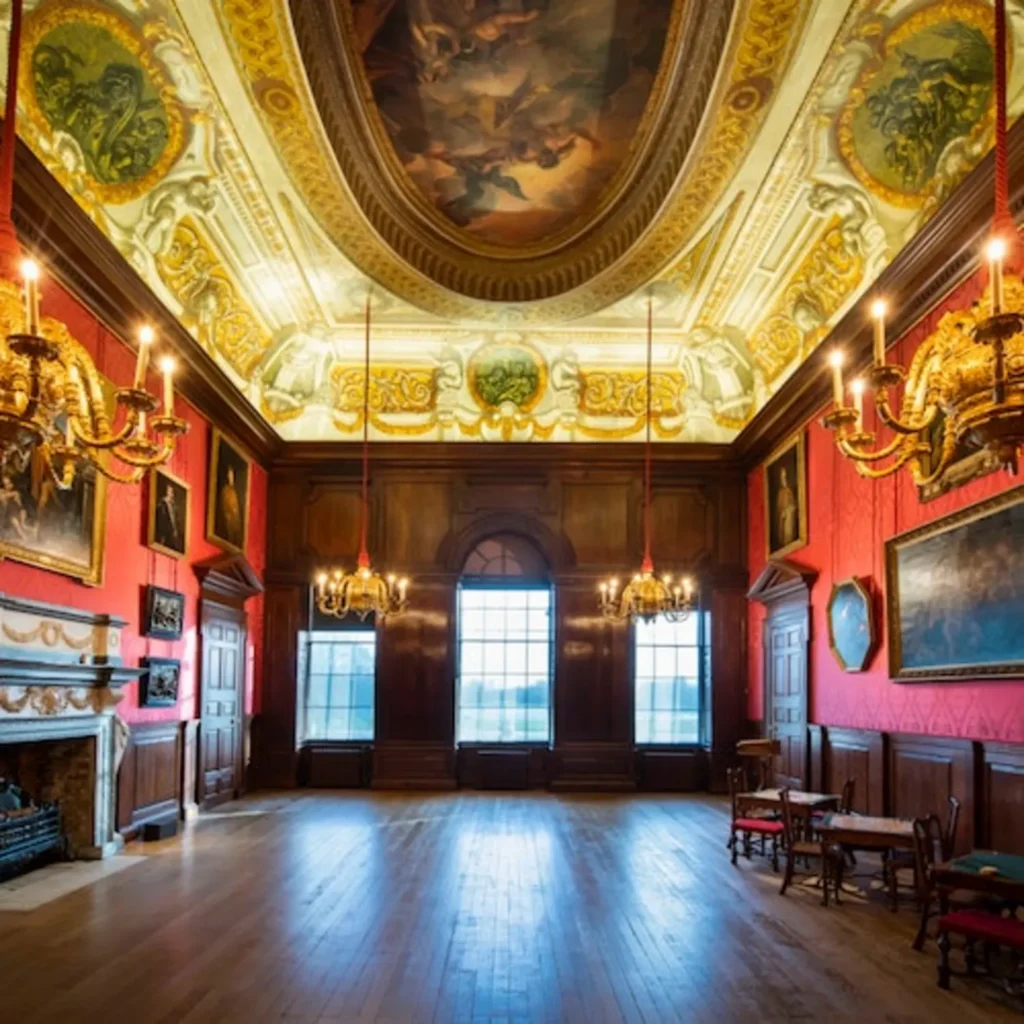
Dining at Kensington Palace is centered around The Orangery and the Palace Café.
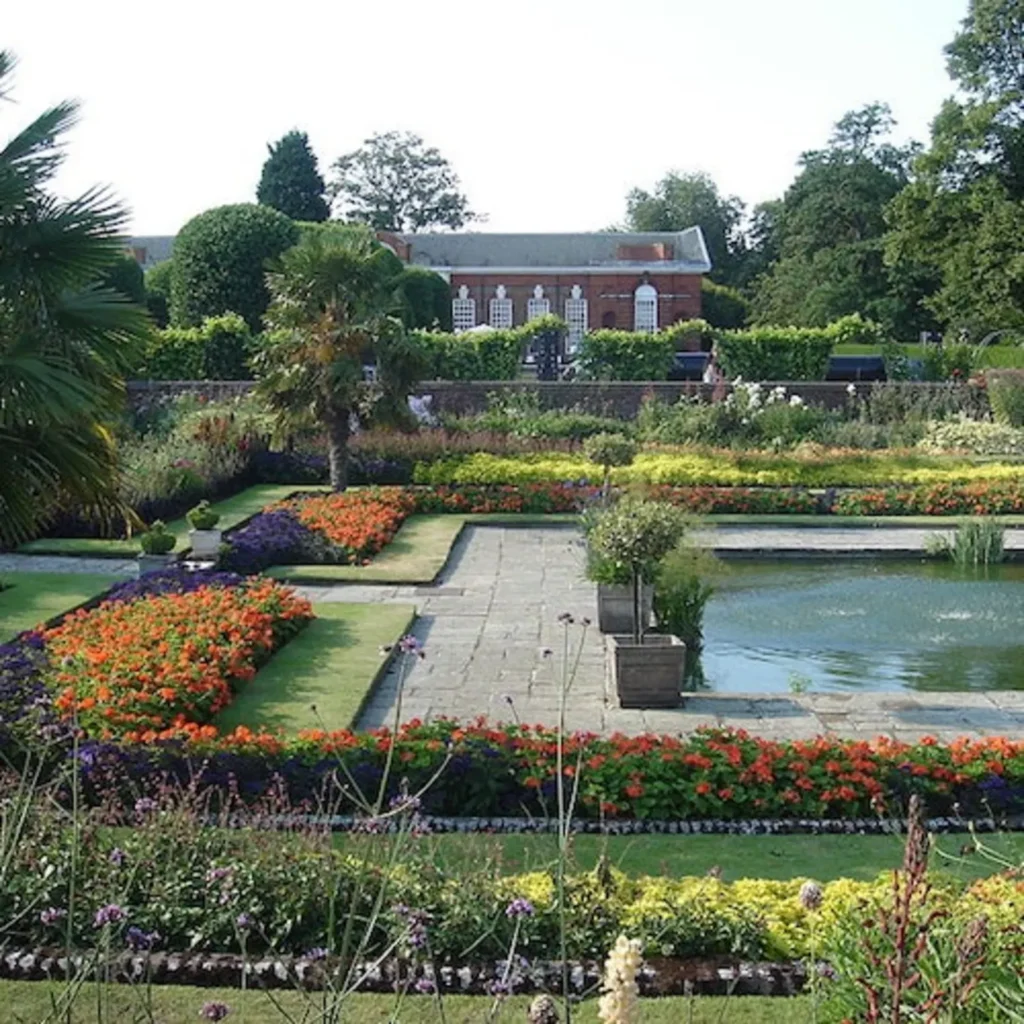
The Orangery, originally built for Queen Anne in 1704, provides a formal setting for lunch or a traditional afternoon tea. It features elegant 18th-century architecture and views across the palace lawns, making it a popular choice for visitors seeking a full dining experience.
For a more casual option, the Palace Café serves a selection of prepared sandwiches, salads, and cakes, alongside a variety of hot and cold beverages.
Both venues are located near the palace entrance and do not require a palace admission ticket to enter. Indoor and outdoor seating is available at the café, allowing visitors to enjoy the park surroundings in suitable weather.

The Palace Shop, located on the ground floor, offers a curated selection of items inspired by the palace’s royal residents and historic architecture.
The inventory includes bespoke jewelry based on the Royal Ceremonial Dress Collection, exclusive homeware, and a variety of books detailing the history of the British Monarchy.
In addition to high-end collectibles, the store stocks a range of smaller mementos such as stationery, children’s toys, and traditional English food gifts.
All profits from the shop contribute to Historic Royal Palaces, the independent charity responsible for the conservation and upkeep of the site, ensuring the palace remains preserved for future generations.
Kensington Palace – Nearby Attractions

Kensington Gardens: Directly surrounding the palace, these 265 acres of royal parkland feature the Serpentine Gallery, the Round Pond, and the Victorian-era Italian Gardens. The park is also home to the famous Peter Pan Statue and the Diana, Princess of Wales Memorial Playground.
The Royal Albert Hall: Located a 10-minute walk south of the palace, this iconic Victorian concert hall is one of the UK’s most premier performance venues. Even if you are not attending a show, the hall offers guided architectural tours that detail its history and royal connections.
The Albert Memorial: Situated in Kensington Gardens directly opposite the Royal Albert Hall, this ornate Gothic Revival monument was commissioned by Queen Victoria in memory of her husband, Prince Albert. It stands as one of London’s most intricate and grandest outdoor sculptures.
South Kensington Museum District: Approximately 15 minutes away on foot, this area houses three of the world’s leading museums: the Natural History Museum, the Science Museum, and the Victoria and Albert (V&A) Museum. Entry to the permanent collections of all three institutions is free of charge.
Hyde Park: Flowing seamlessly from Kensington Gardens, Hyde Park offers further recreational space including the Serpentine Lido for open-water swimming and the Diana Memorial Fountain. It is an ideal spot for boating, cycling, or visiting the historical Speakers’ Corner.
The Design Museum: Located on Kensington High Street, this museum is dedicated to contemporary design in every form, from fashion and graphics to architecture and industrial design. It is housed in a landmark 1960s building with a spectacular hyperbolic paraboloid roof.
Holland Park and the Kyoto Garden: A short walk west brings you to Holland Park, which contains the serene Kyoto Garden, a traditional Japanese oasis gifted by the city of Kyoto. The park is known for its resident peacocks and the ruins of the historic Holland House.
Notting Hill and Portobello Road Market: To the north of the palace lies the vibrant neighborhood of Notting Hill, famous for its pastel-colored houses and the world-renowned Portobello Road Market. The market is most active on Saturdays, offering a vast array of antiques, vintage fashion, and street food.


Kensington Palace: Admission Ticket
Highlights
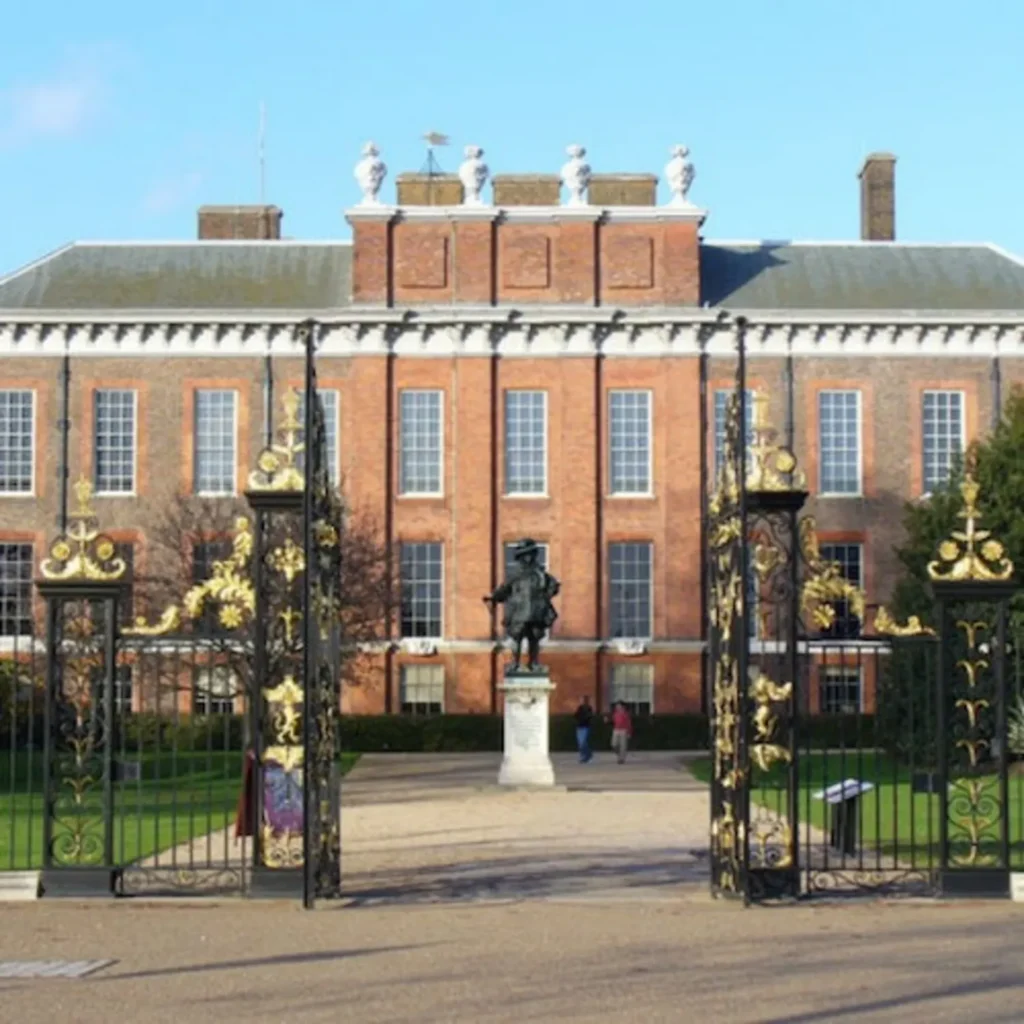
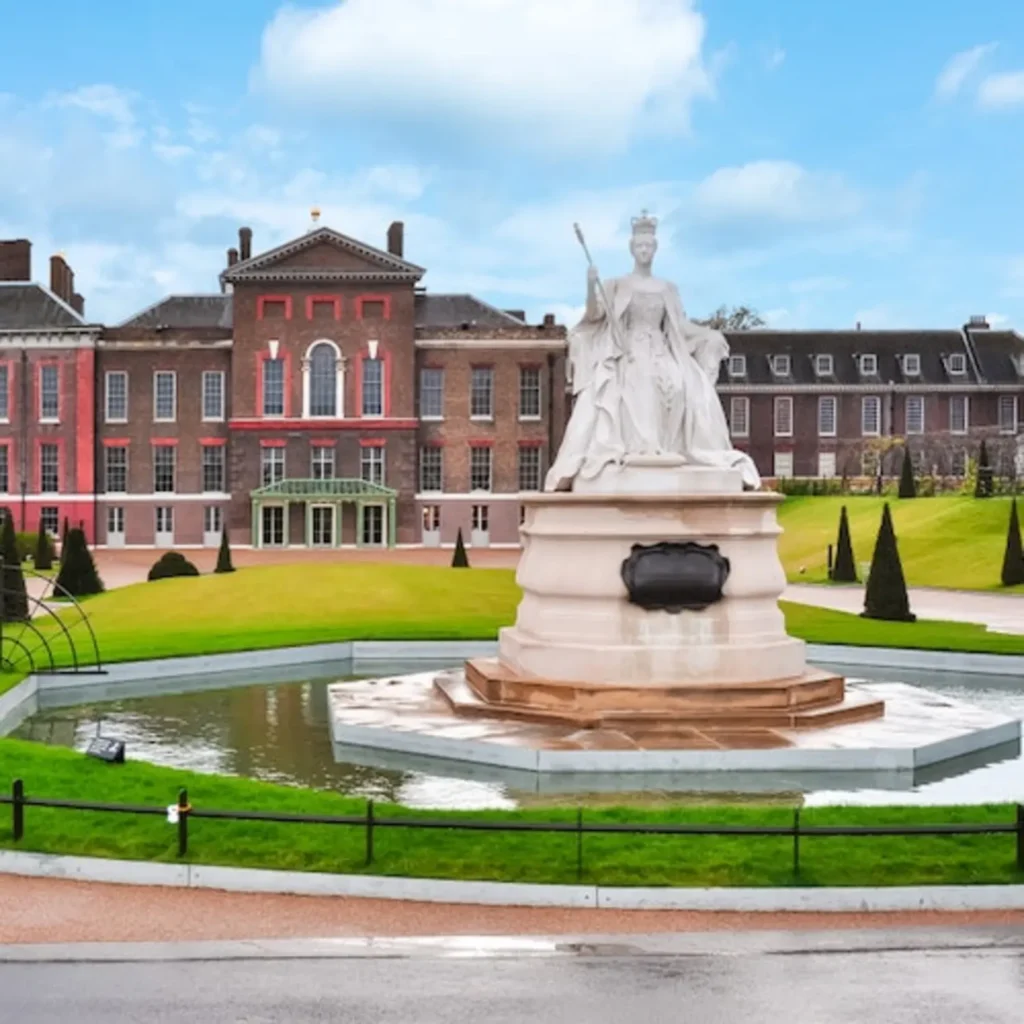
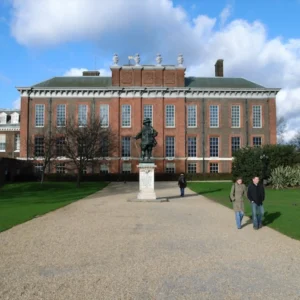
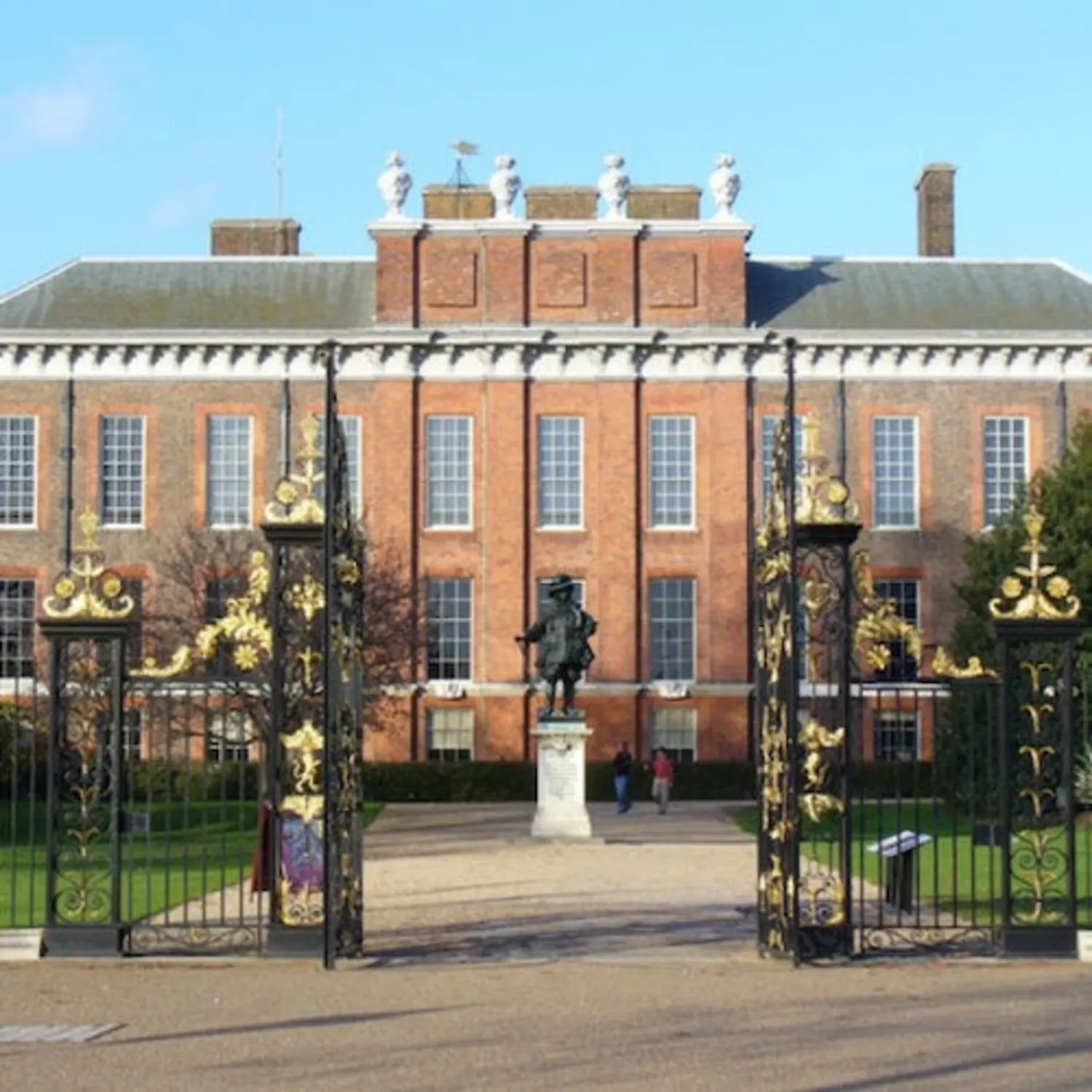
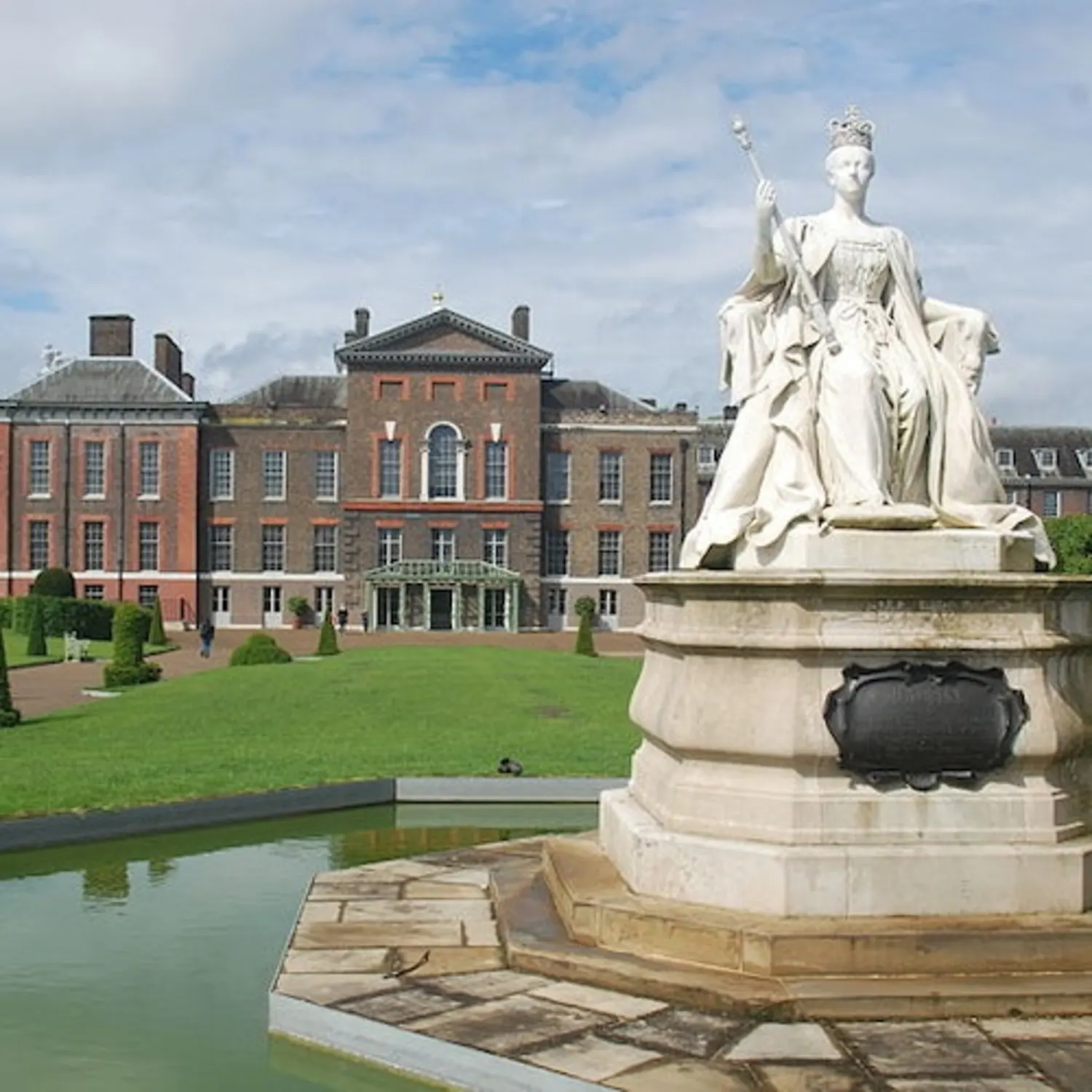
Discover the historic home of the Prince and Princess of Wales and their family.
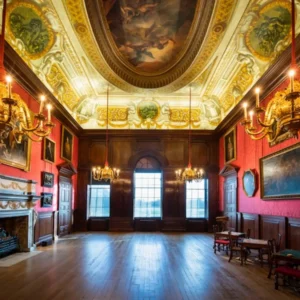
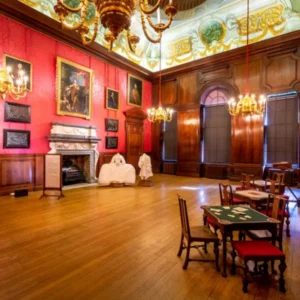
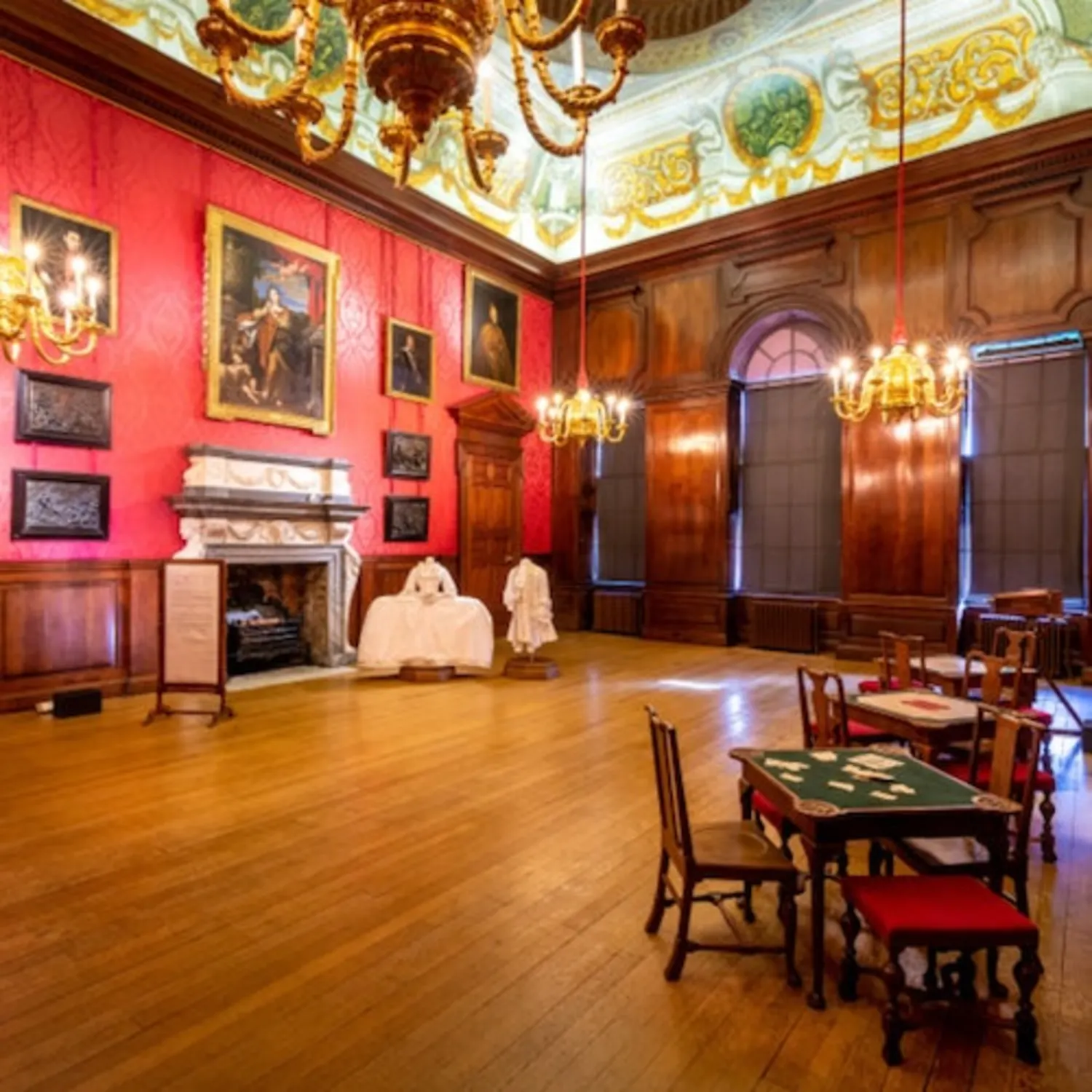
Wander through the grand State Rooms and marvel at stunning royal art and interiors.
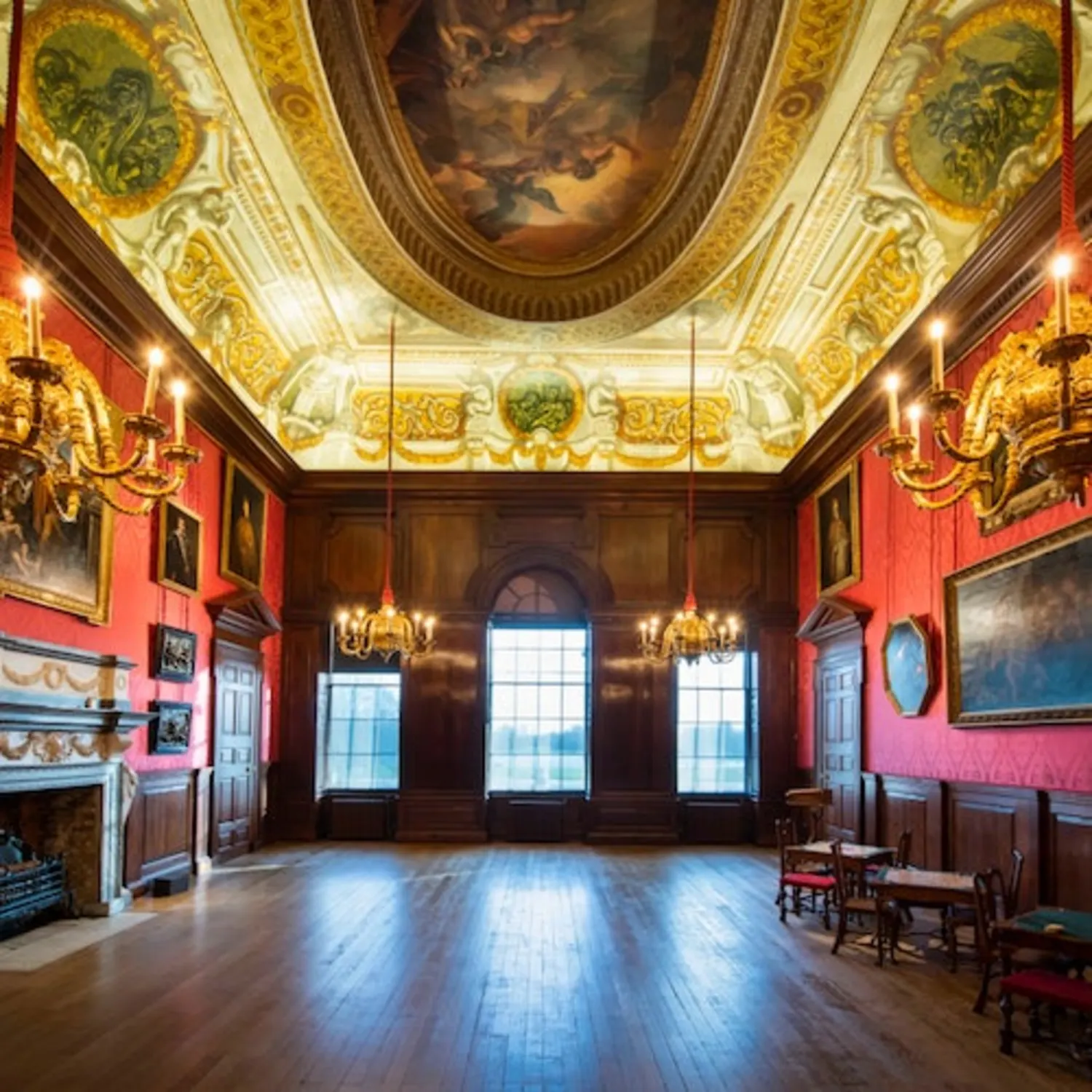
Visit the beautifully decorated King’s State Apartments, King’s Gallery, Cupola Room, and Drawing Room.
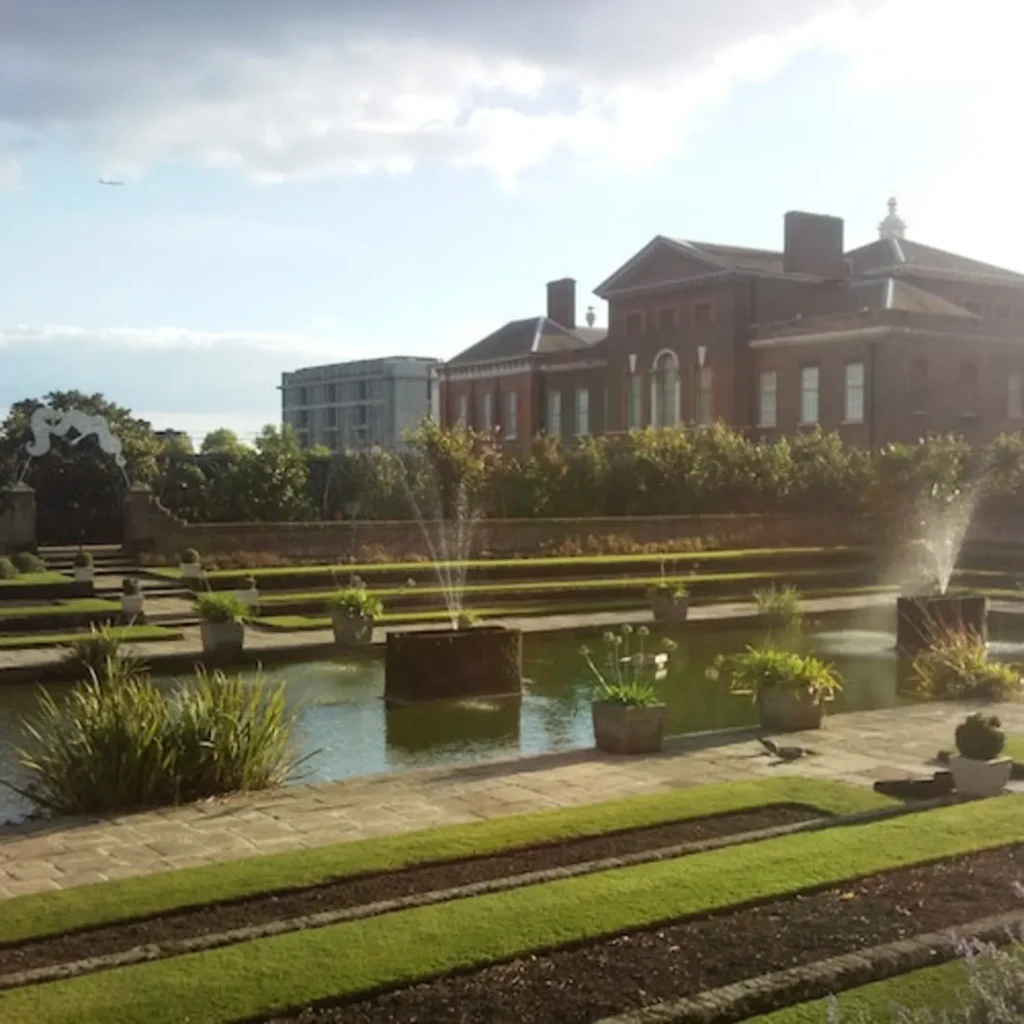
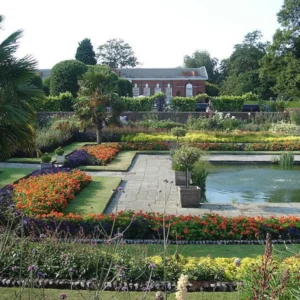
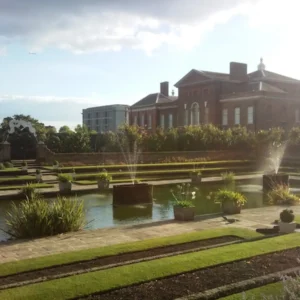
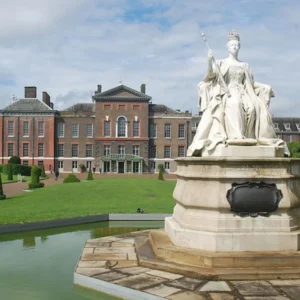
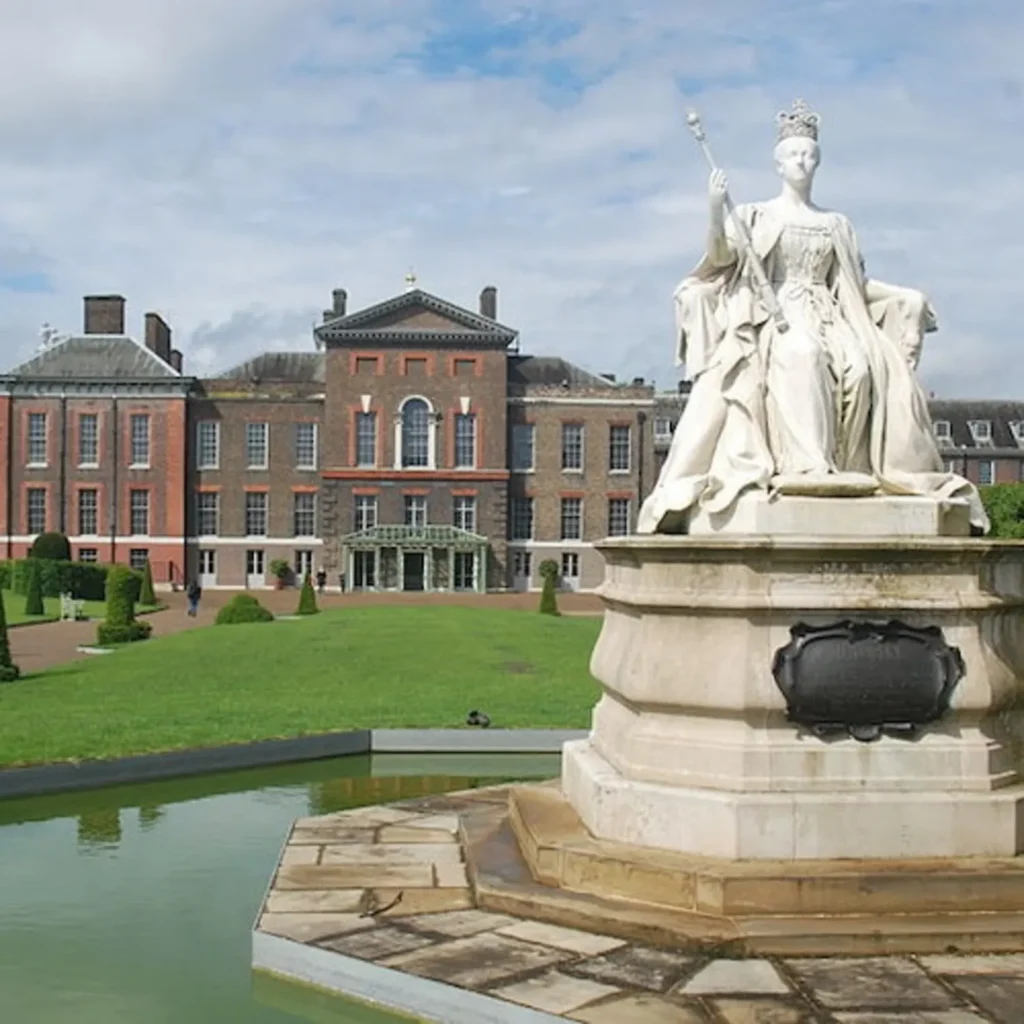
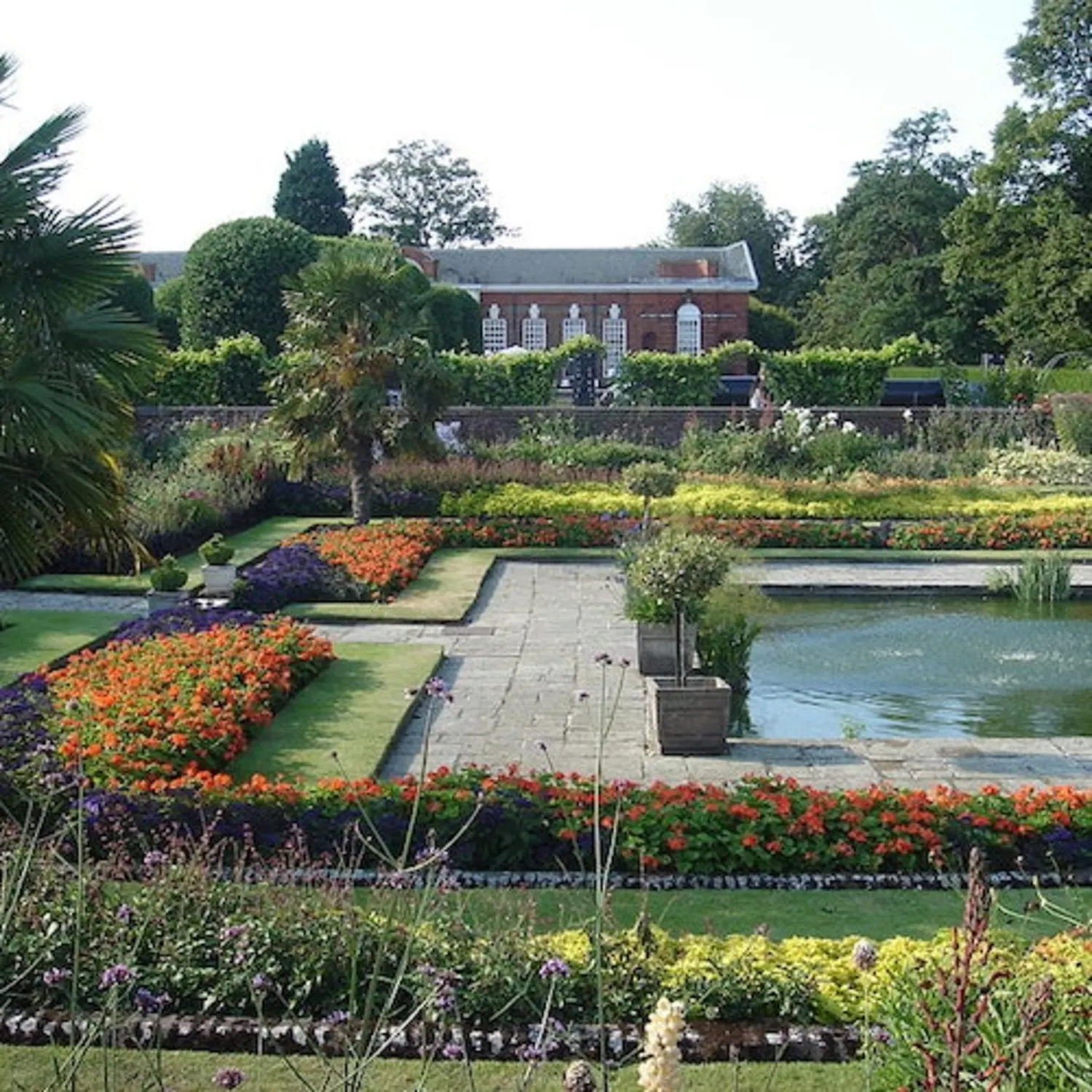
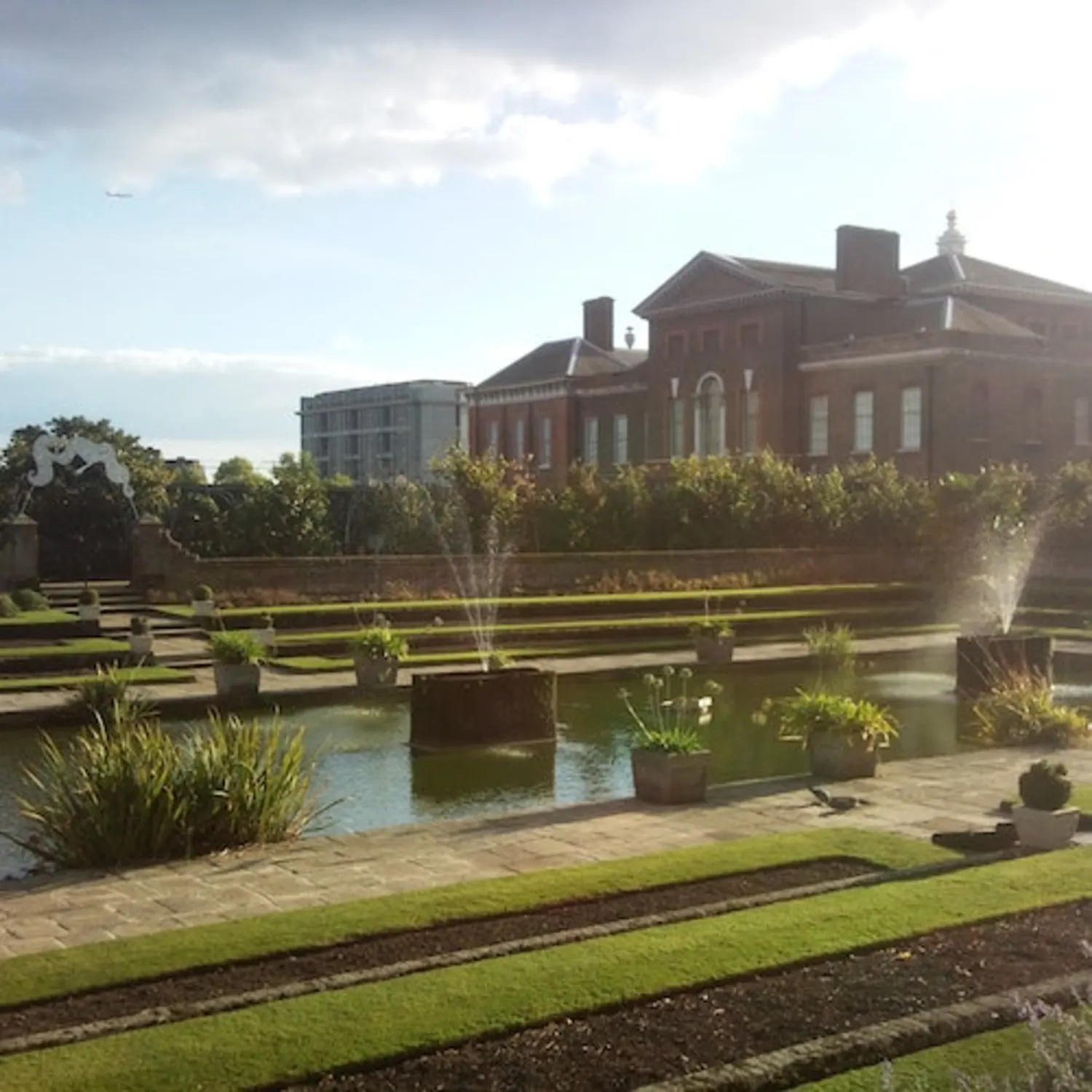
Stroll in the serene Palace Gardens, including shaded paths and the famous Sunken Garden.
Experience over 300 years of royal history in a majestic London setting.