We are processing your request.
Please, don't close or refresh the page.
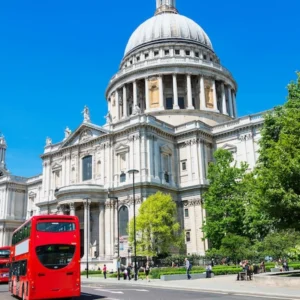
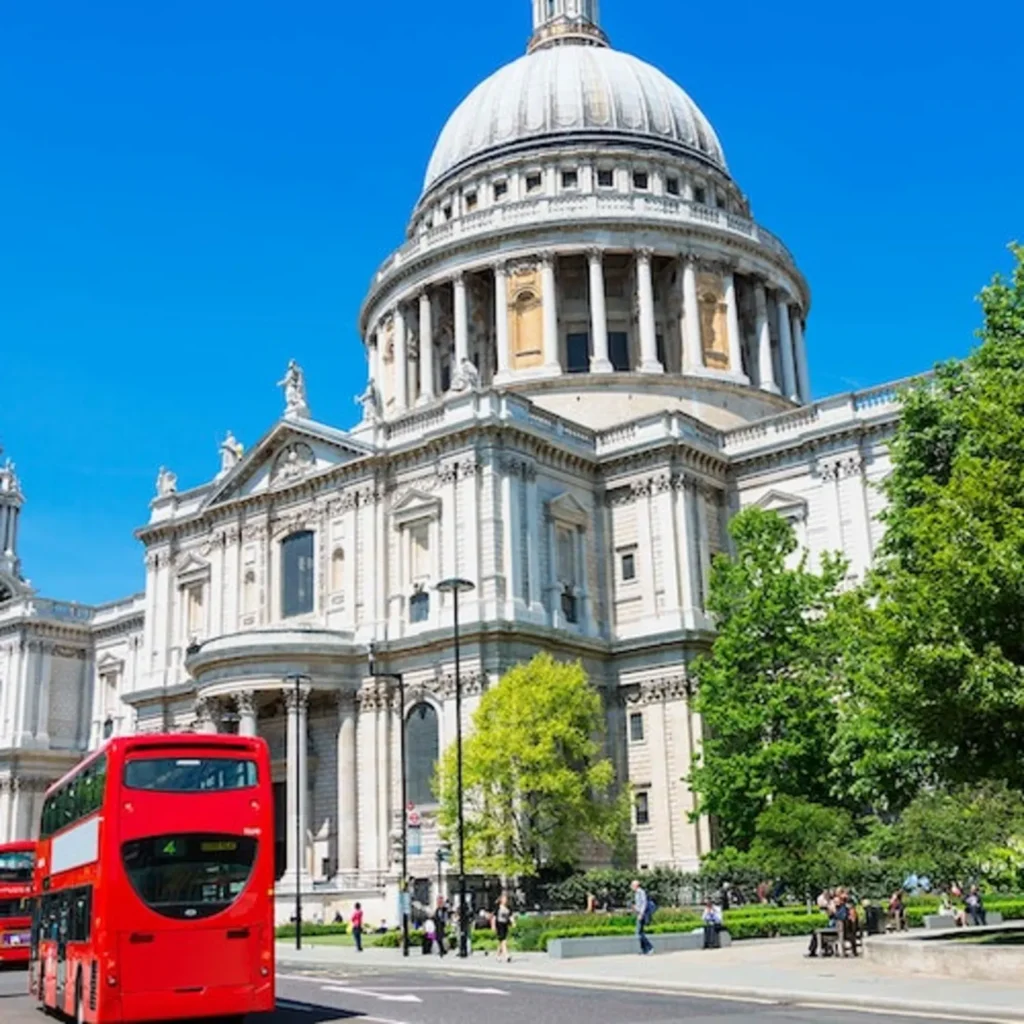
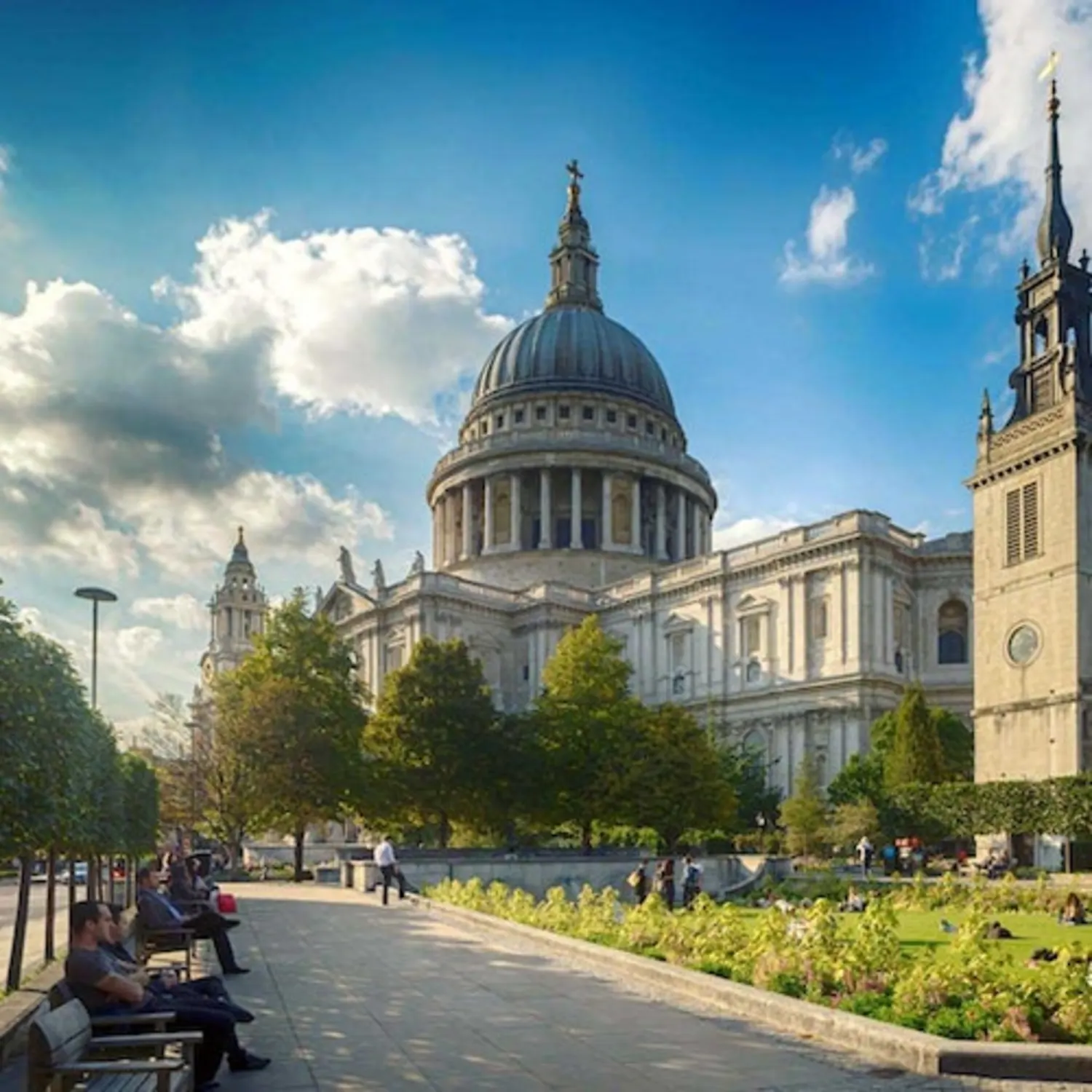
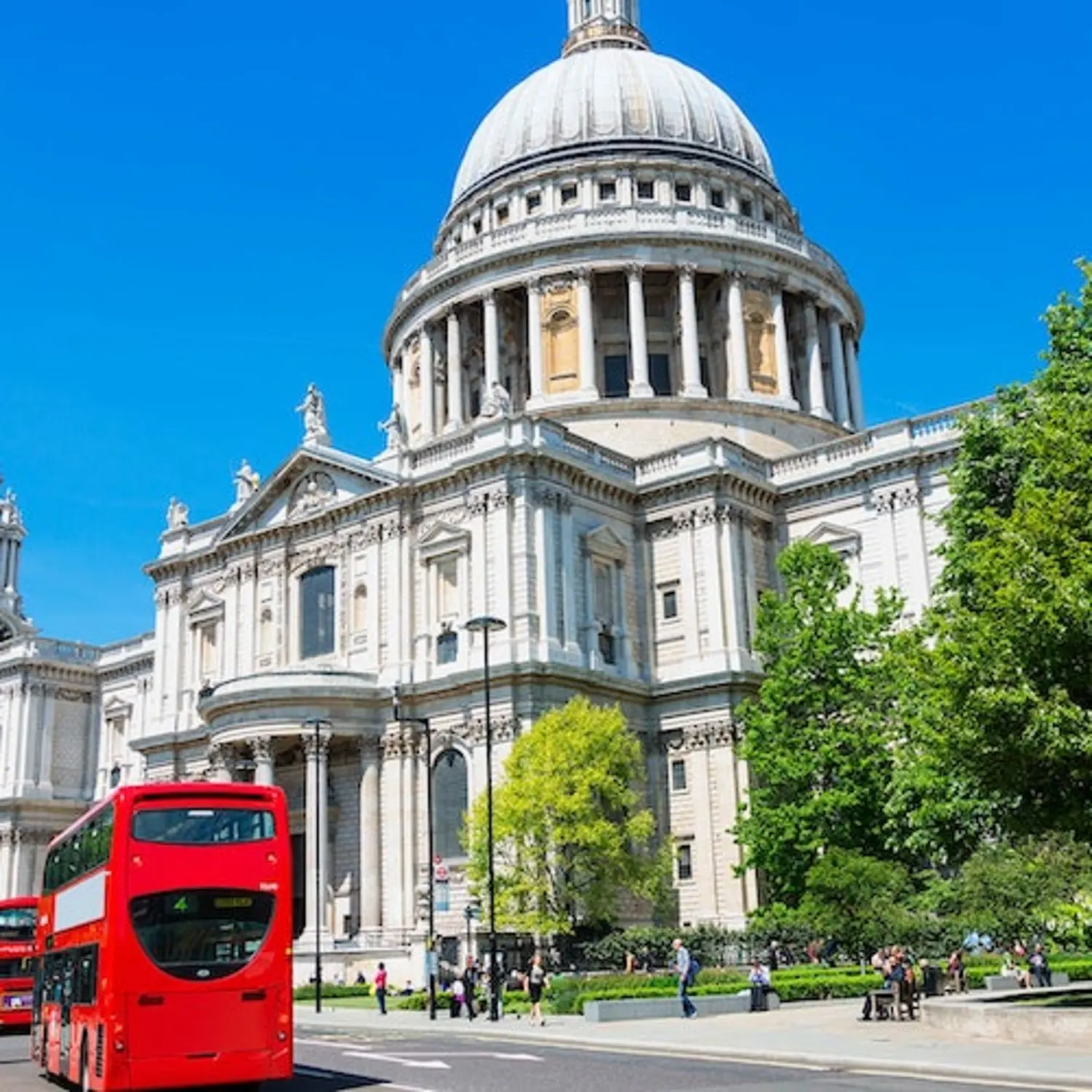
St Paul’s Cathedral, London

St Paul’s Cathedral Facts: When It Was Built, What It Cost and How Big It Really Is

Thirty-six years of building, a bill of £1,095,556, a dome 365 feet to the cross and a bell weighing 16 and a half tons. The numbers behind Wren’s cathedral, including the ones sources dispute.

The Numbers People Actually Look Up

The questions people ask about St Paul’s are almost always about numbers: when it went up, how long it took, what it cost, how far it is to the top. Most of those have clean answers, and a few genuinely do not, including the date the first stone was laid, which three separate contemporary accounts put on three different days. What follows sticks to what the records actually support. For the narrative version, see St Paul’s Cathedral, from the Great Fire to the Blitz.

St Paul’s Cathedral in Eight Numbers

It took thirty-six years to build, from the first stone in June 1675 to the declaration of completion on 25 December 1711.

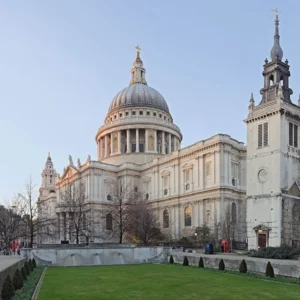
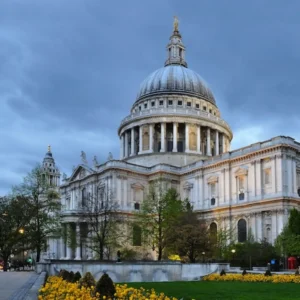
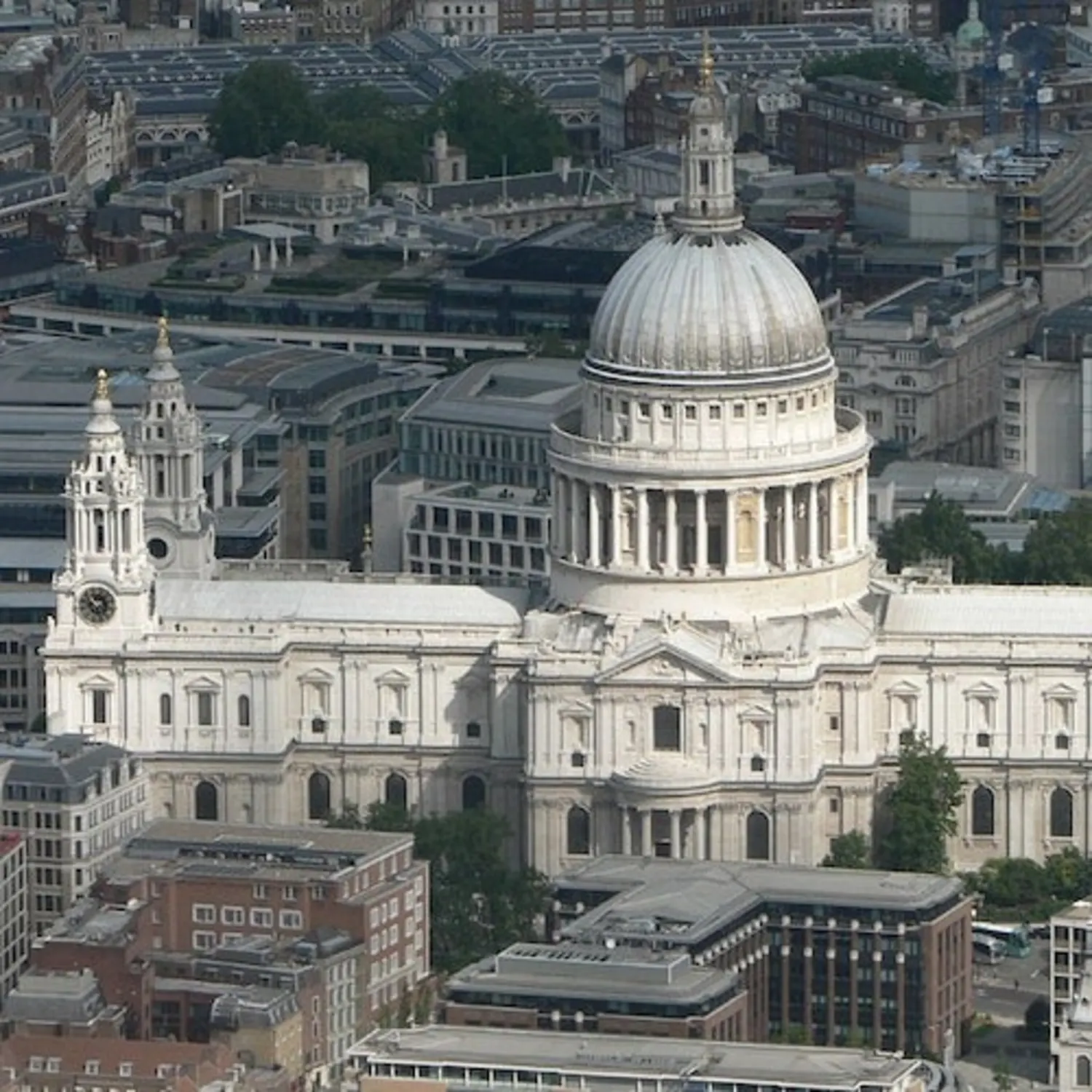
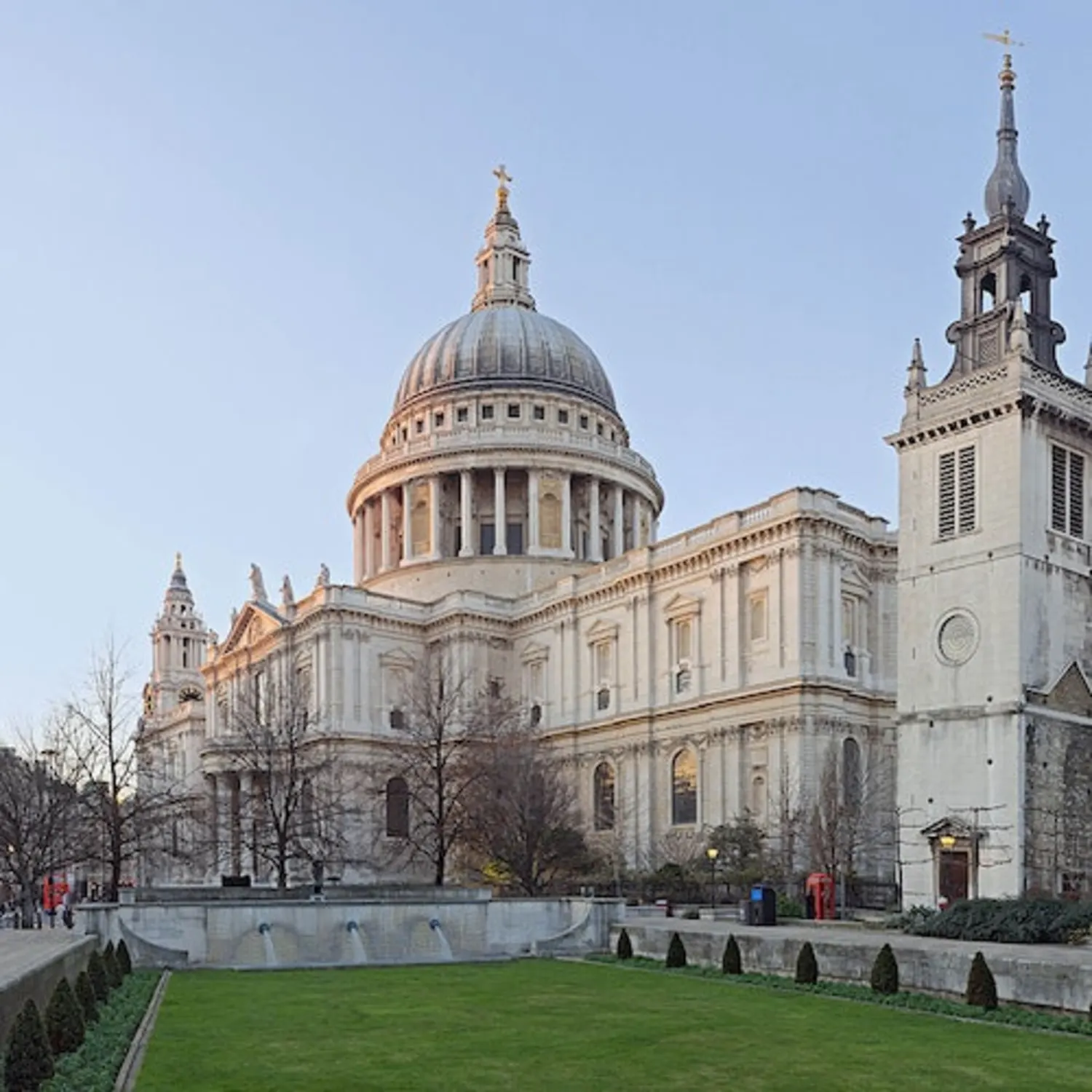
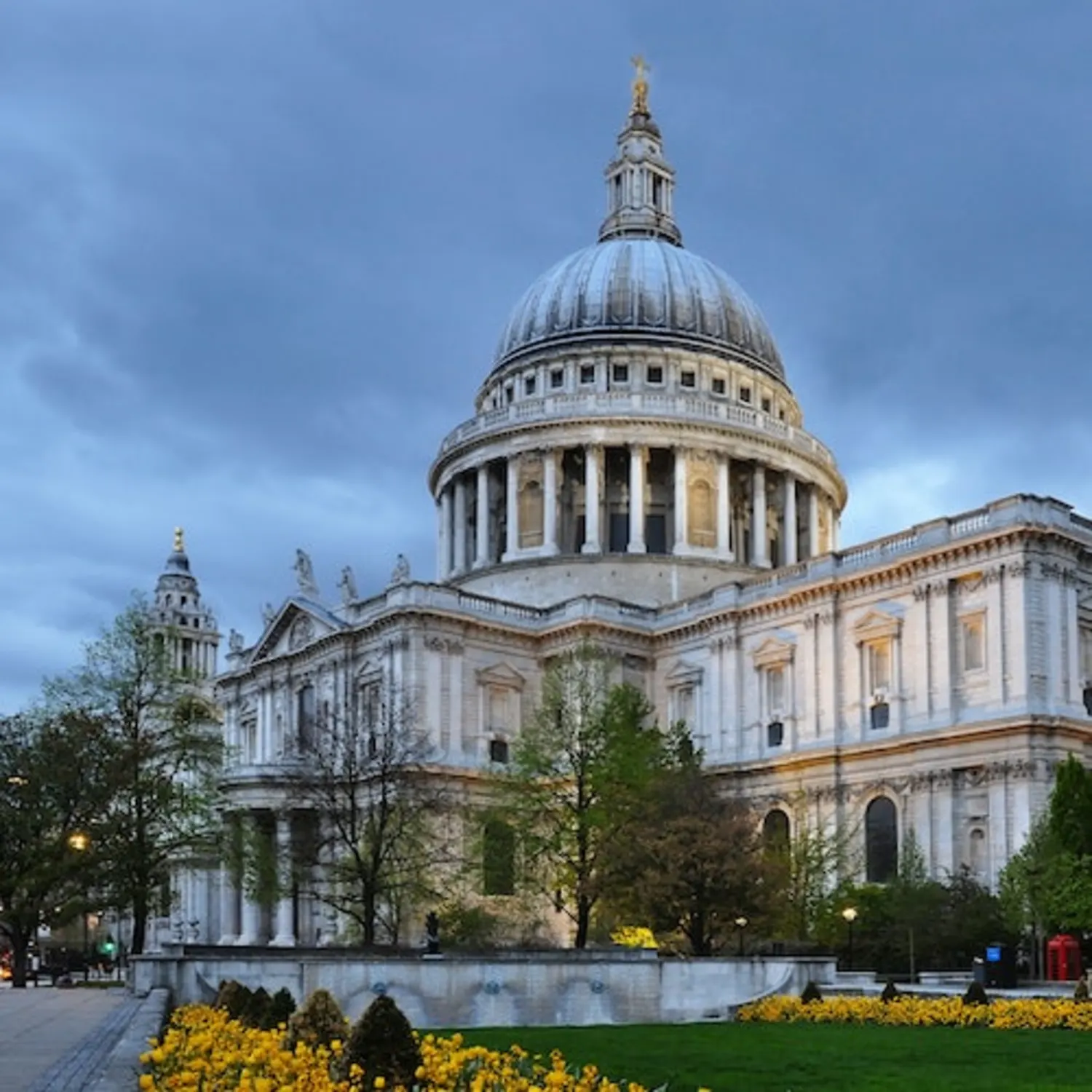
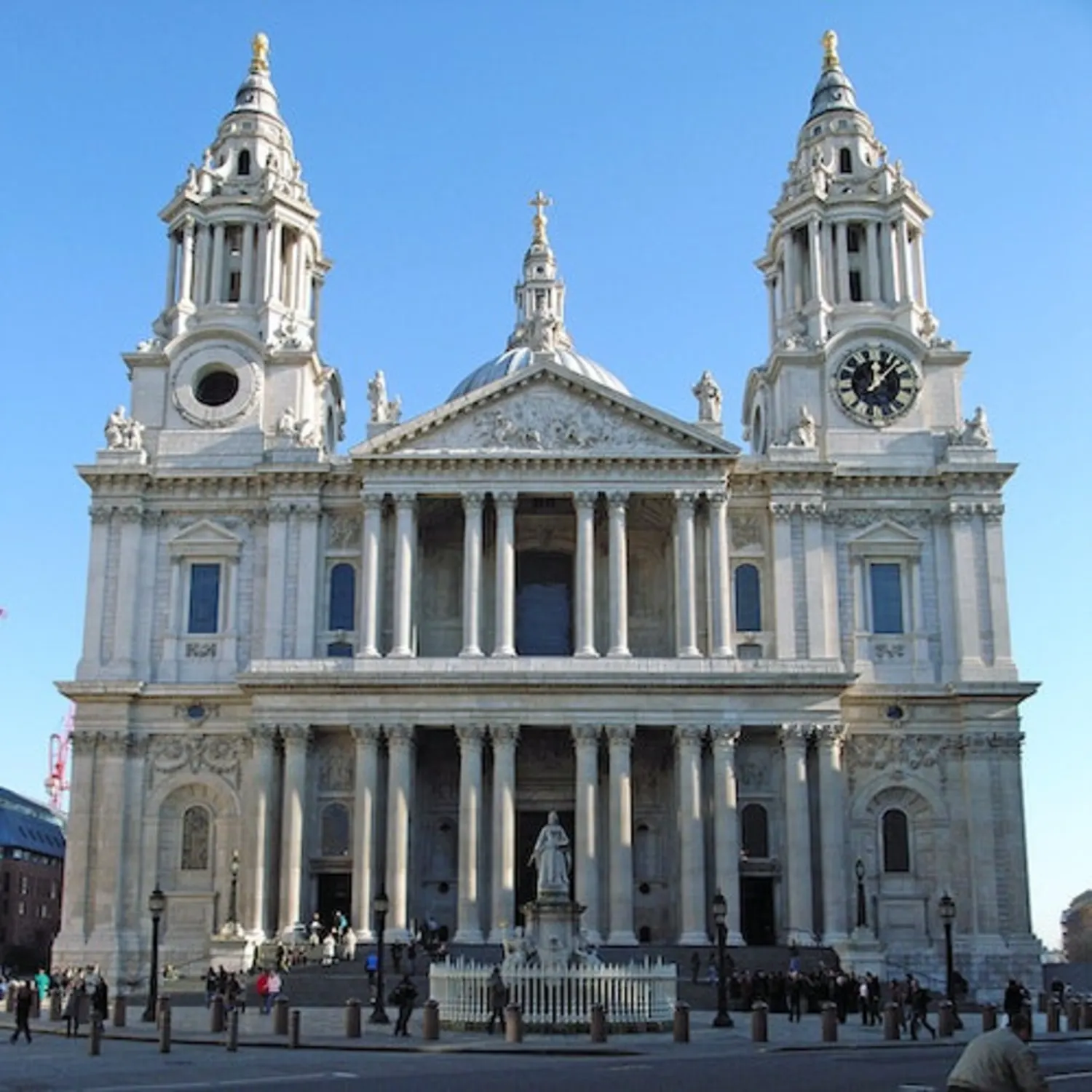
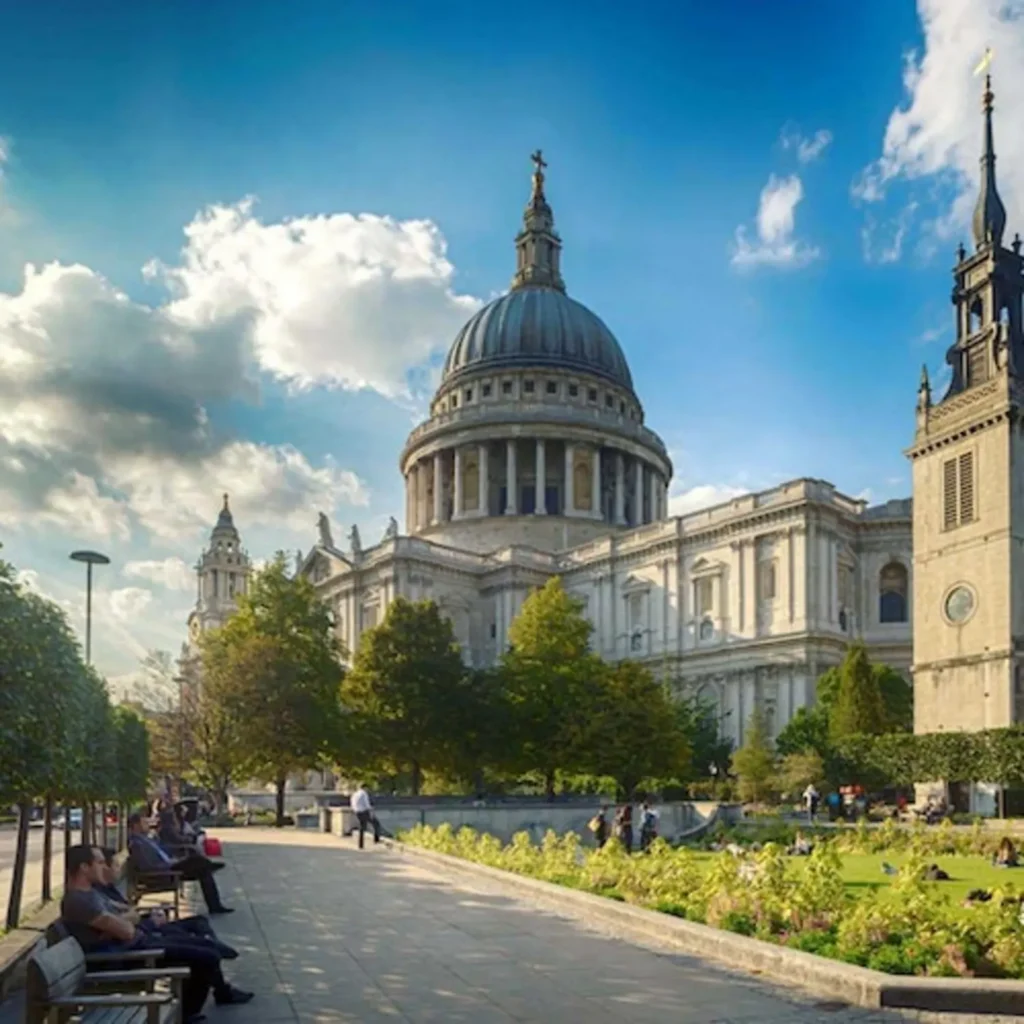
The cathedral runs 574 feet long including the portico, and the dome reaches 365 feet to the top of the cross.

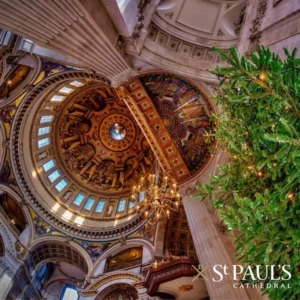
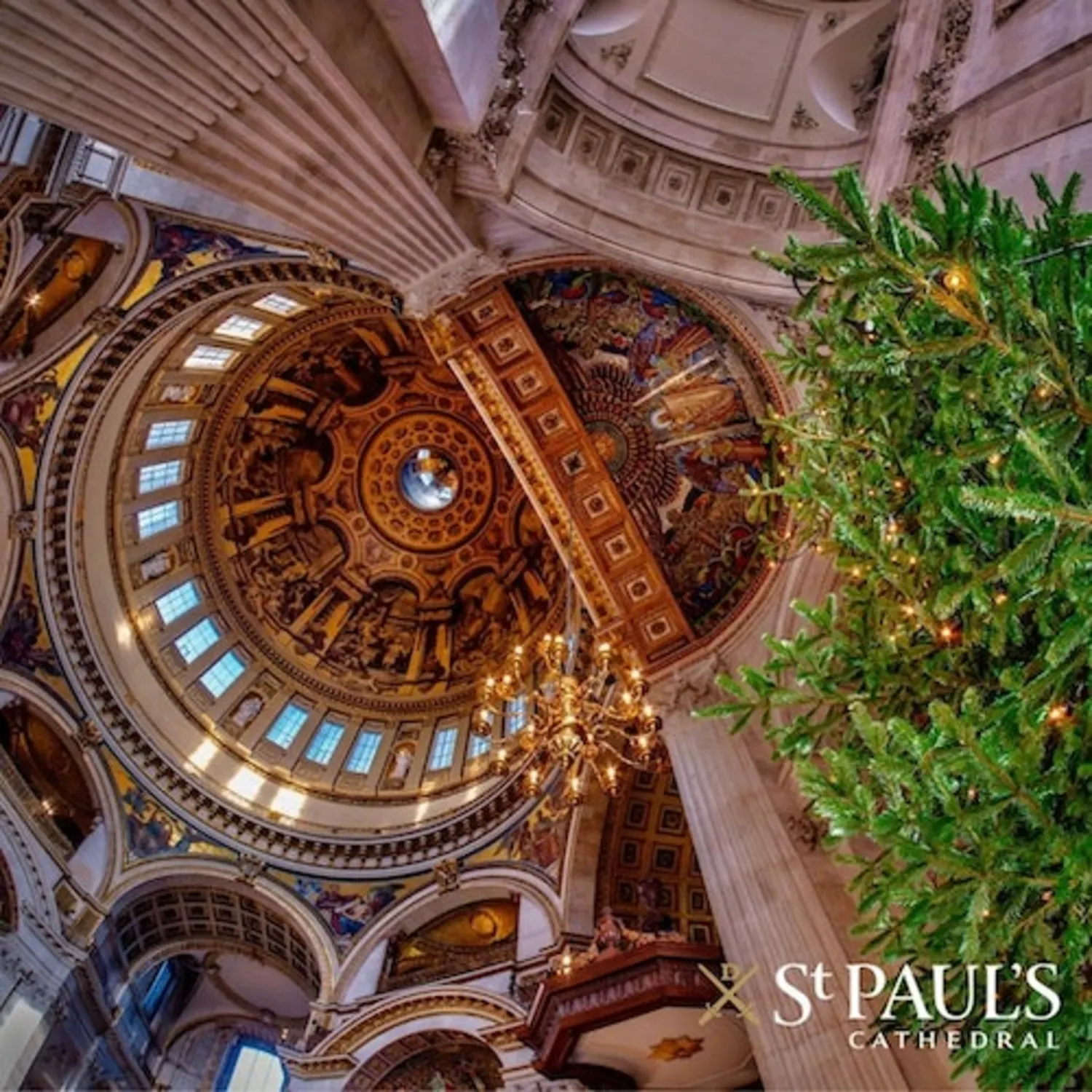
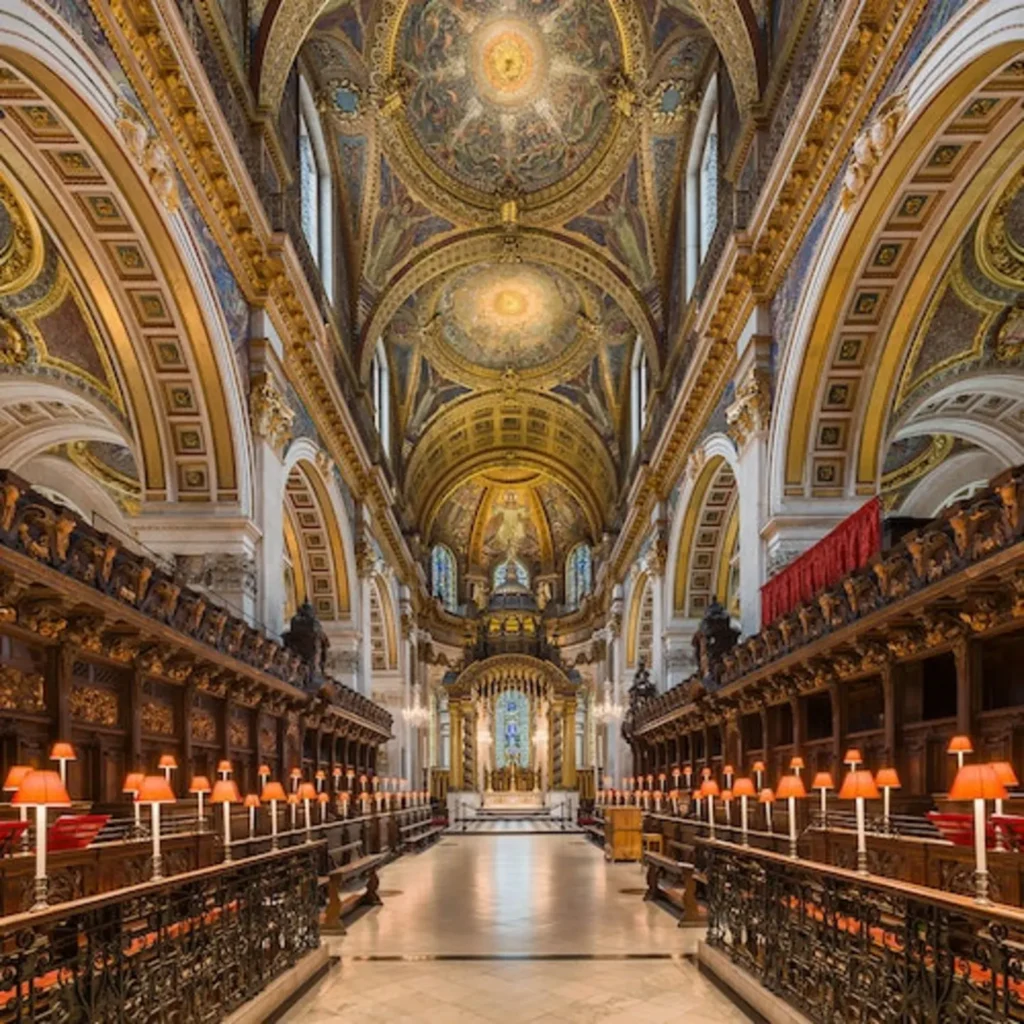
The dome you stand under is not the one you see from the street: the inner shell stops at 214 feet of the 365.

The bill came to £1,095,556 by 1716, which is somewhere around £195 million in today’s money.

There are 528 steps from the cathedral floor to the Golden Gallery, with no lift at any point.

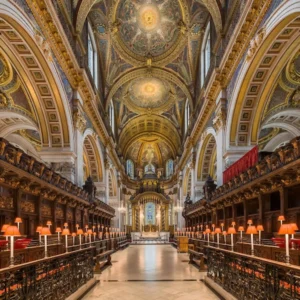
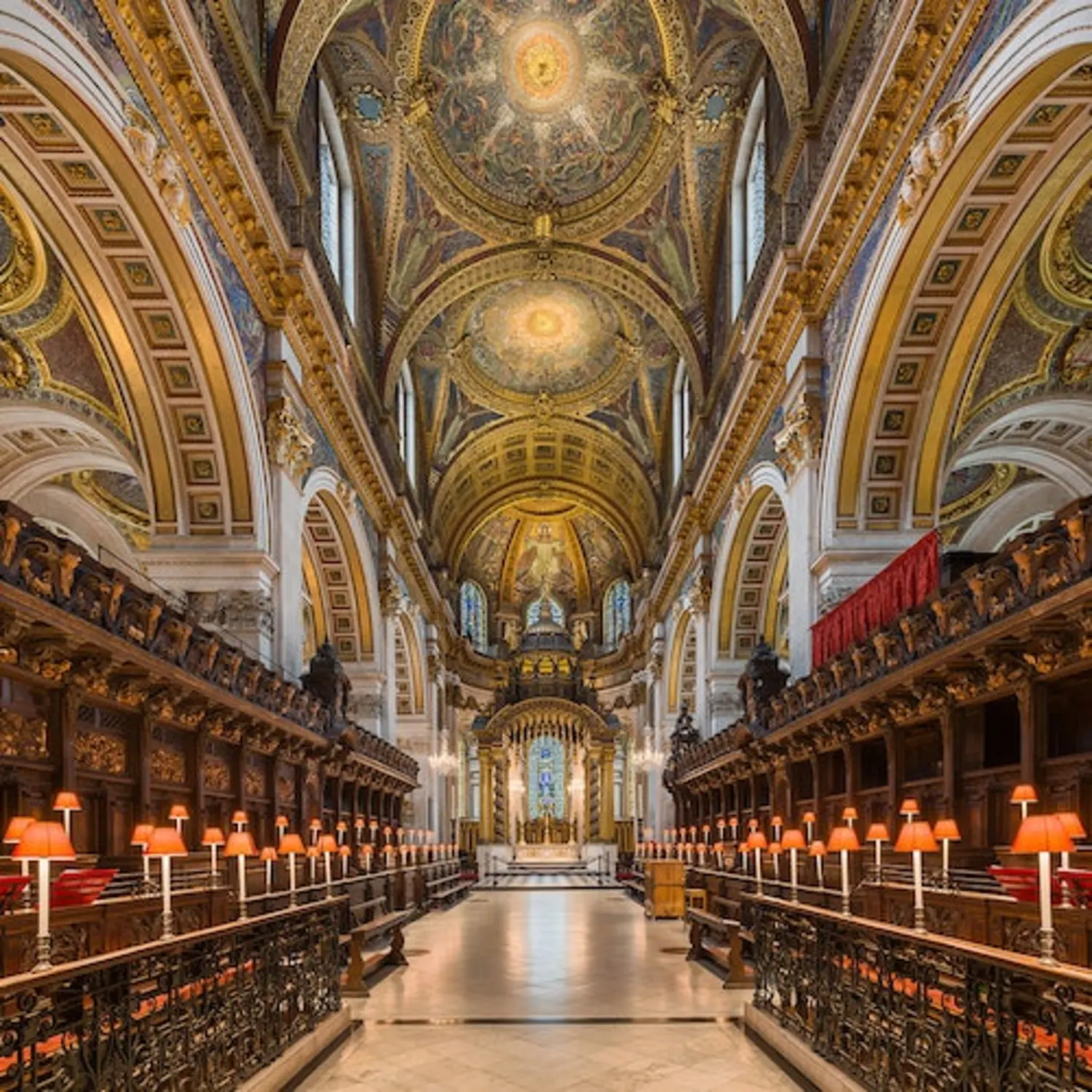
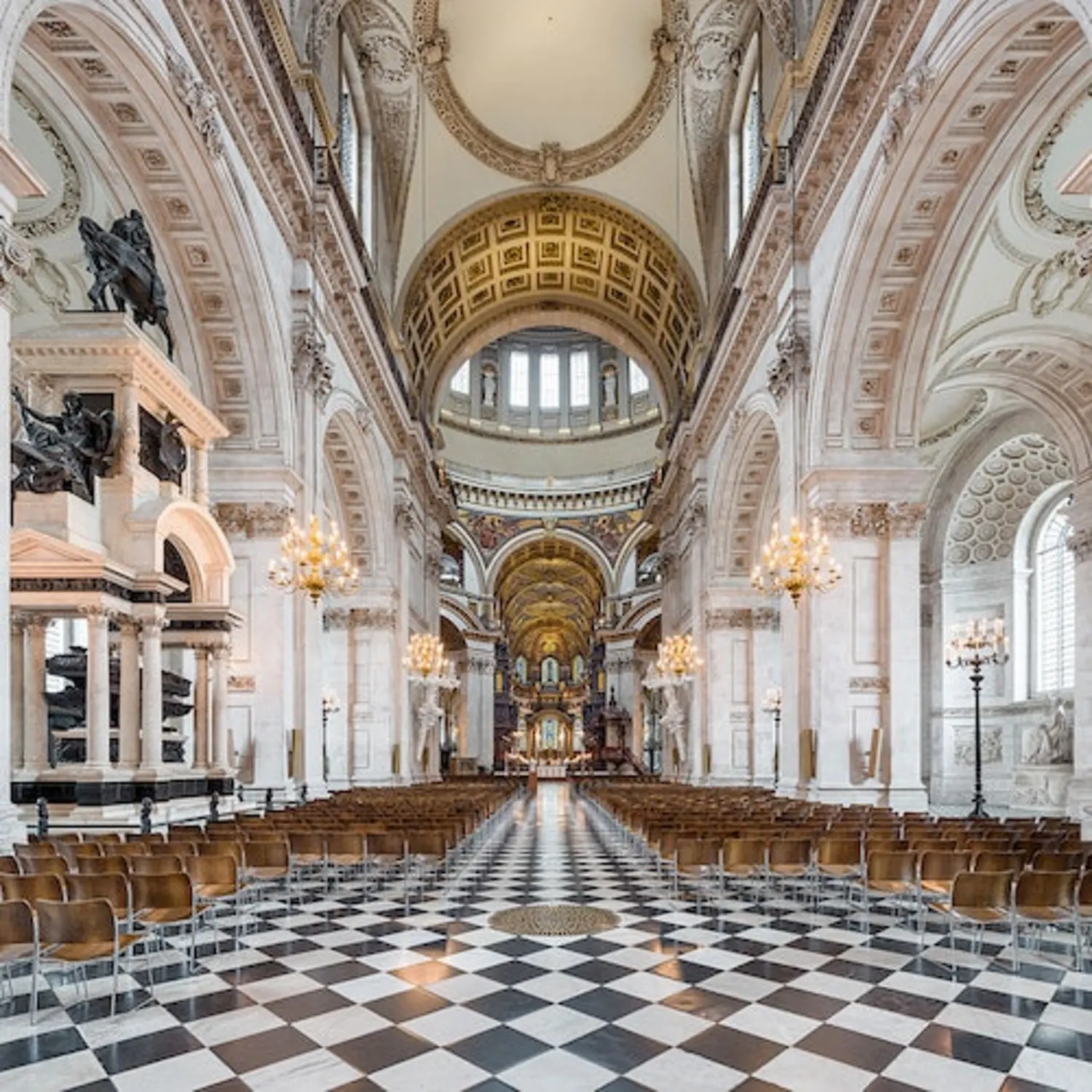
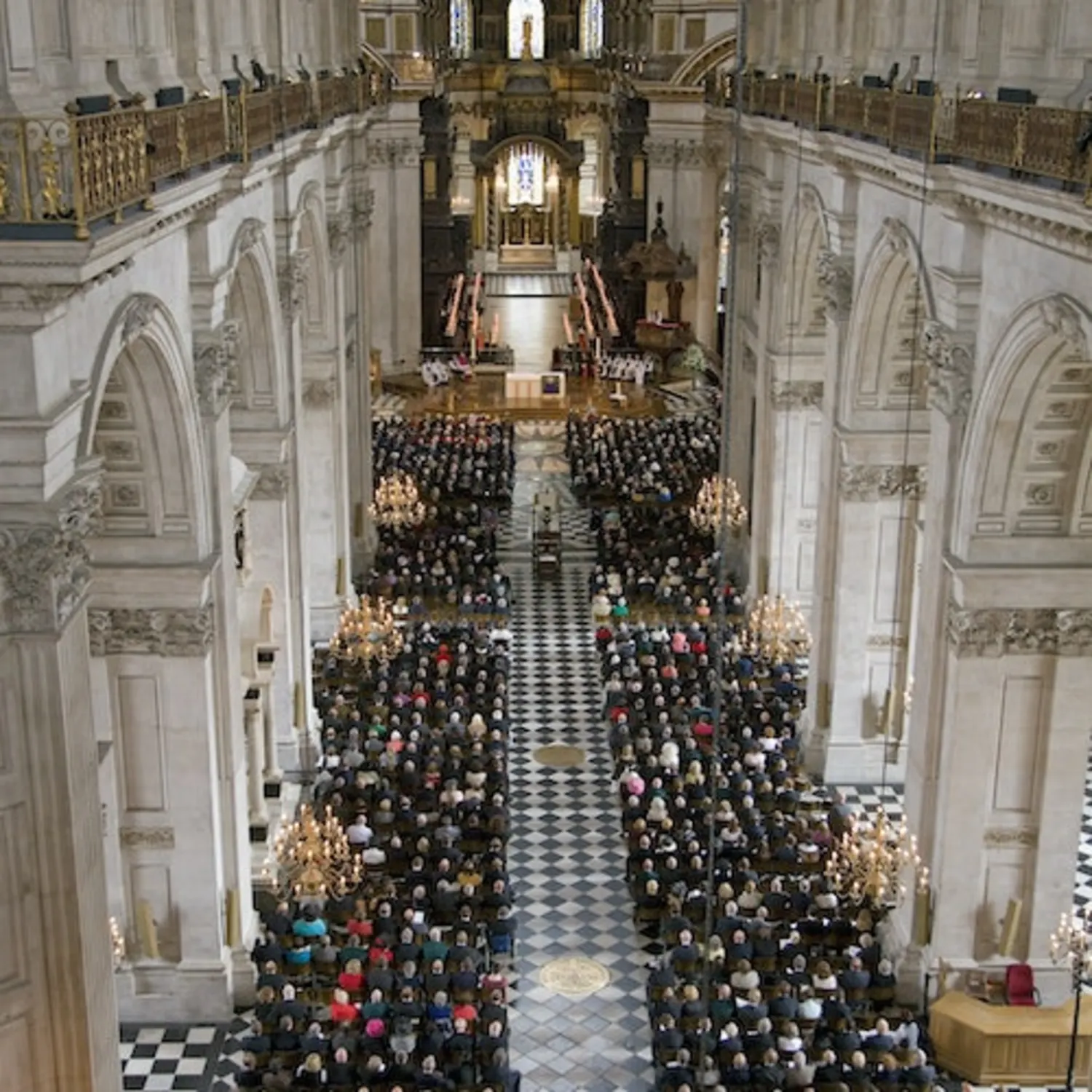
The nave runs 223 feet and the choir 167, while the transepts stretch 246 feet across.

Great Paul, cast in 1881, weighs 16 and a half long tons and was the largest bell in the British Isles until 2012.

Wren was 65 when the first service was held in 1697, and 79 by the time Parliament declared the building complete.

Thirty-Six Years, and No Agreement on Day One
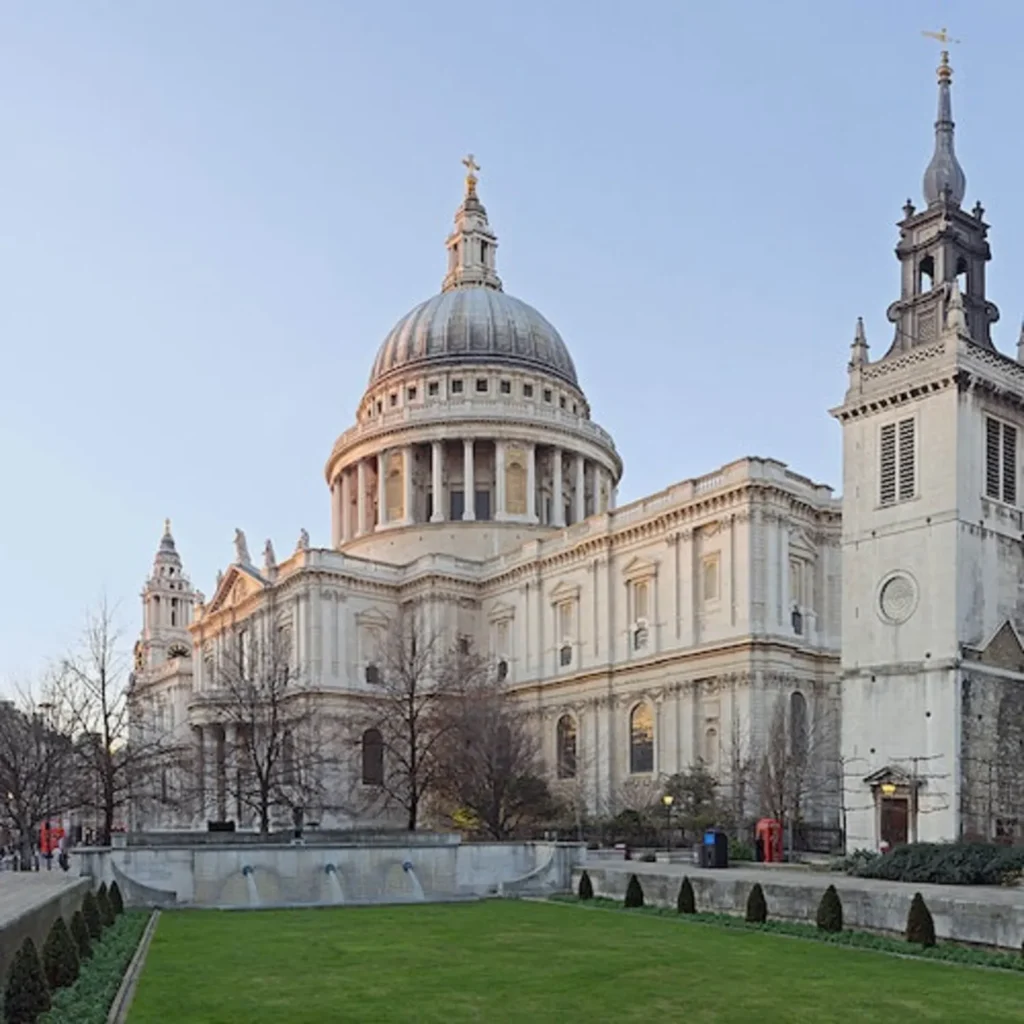
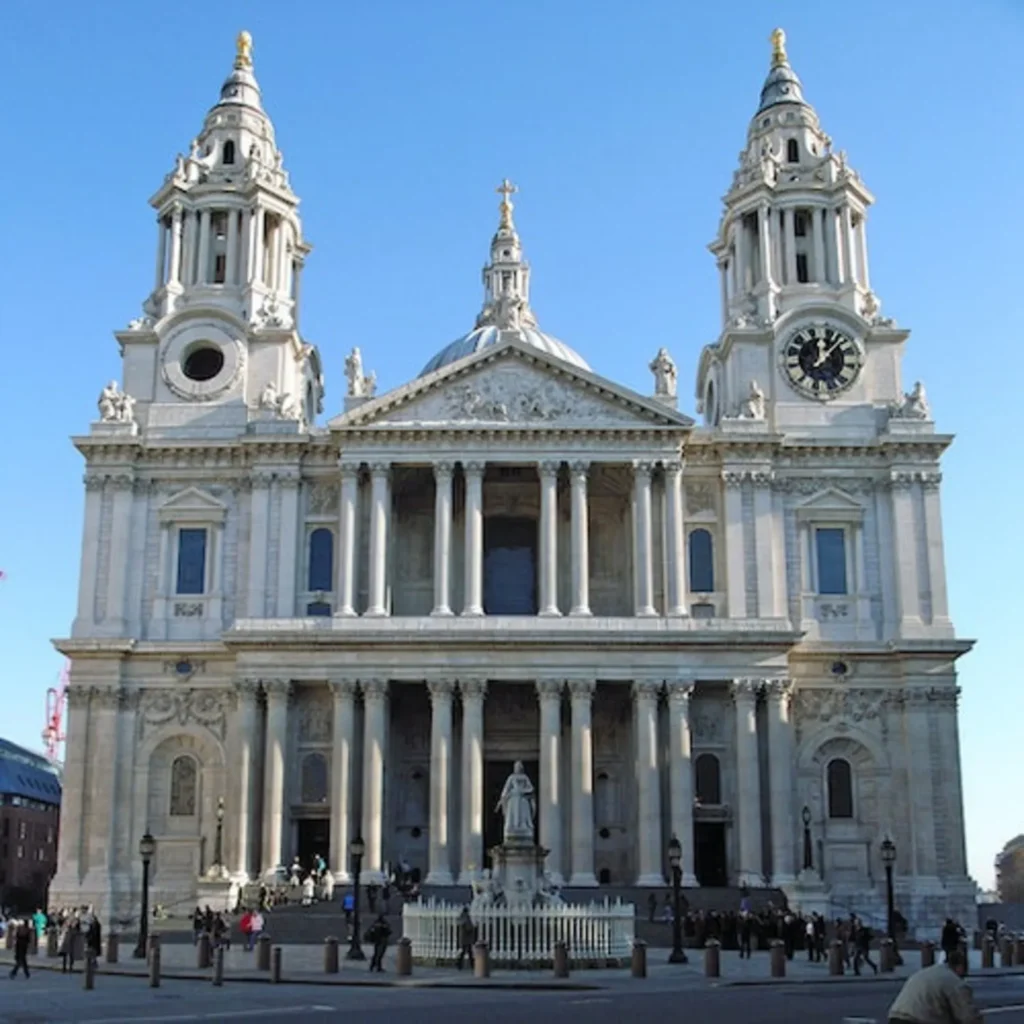
St Paul’s Cathedral, London

Everyone agrees the first stone went down in June 1675. Nobody agrees which day: three contemporary accounts give the 21st, the 25th and the 28th, and the date has never been settled. From there the milestones are firmer. The first service was held in the Quire in 1697, with Wren aged 65 and the building still open to the sky at the west end.

The topping out came on 26 October 1708, when Wren’s son Christopher and a mason’s son set the final stone on the lantern. Wren himself, by then in his mid-seventies, did not make the climb. Parliament declared the cathedral complete on 25 December 1711, thirty-six years after the start, which makes it one of the very few great European cathedrals finished inside a single architect’s working life.

Half of Wren’s Pay Was Held Back Until He Finished
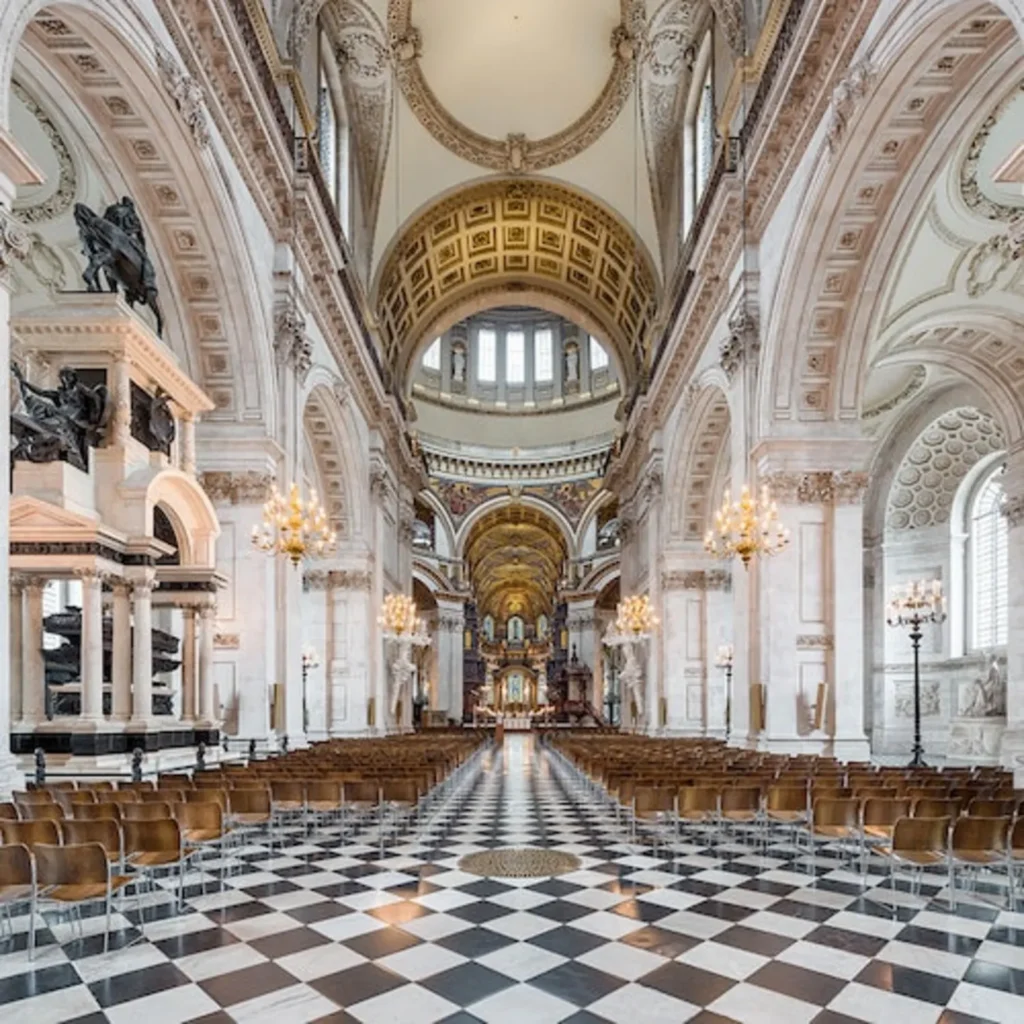
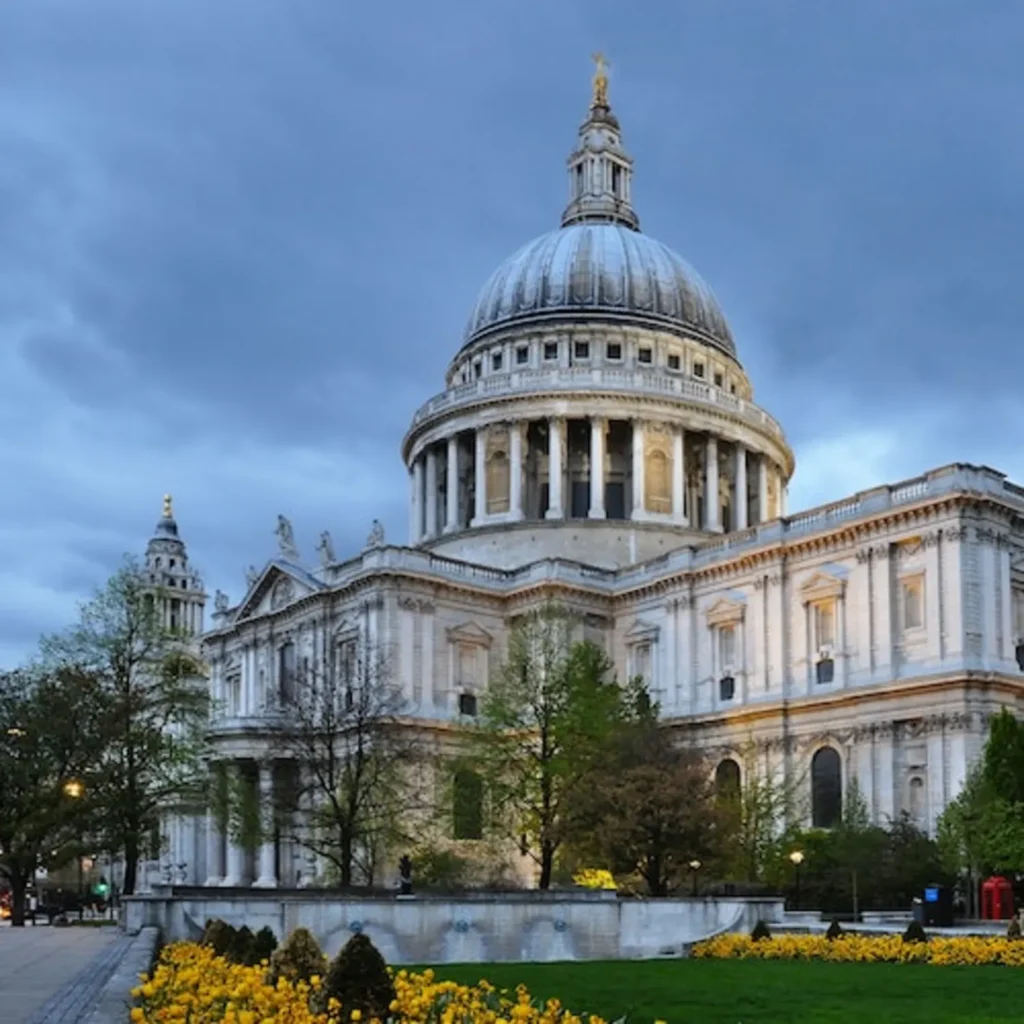
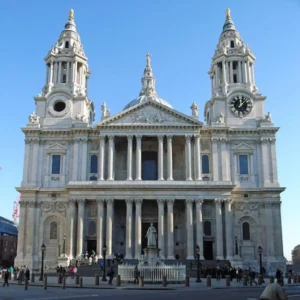
St Paul’s Cathedral on Ludgate Hill

Wren was on a salary for the work, but the commissioners did not hand all of it over. Half of his pay was suspended, held back until the cathedral was finished, as a way of keeping the project moving. It stayed suspended for years while the money and the politics around the rebuilding shifted.

He got it in the end. At 79, with the building declared complete, Wren petitioned for the withheld half of his salary and it was duly paid. The total construction bill by 1716 stood at £1,095,556, worth roughly £195 million now, funded through the long rebuilding effort that followed the Great Fire.

St Paul’s Cathedral: Entry Ticket

Highlights

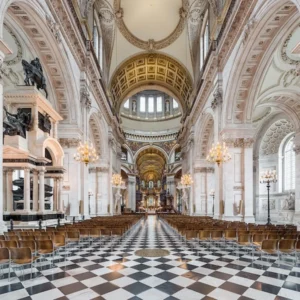
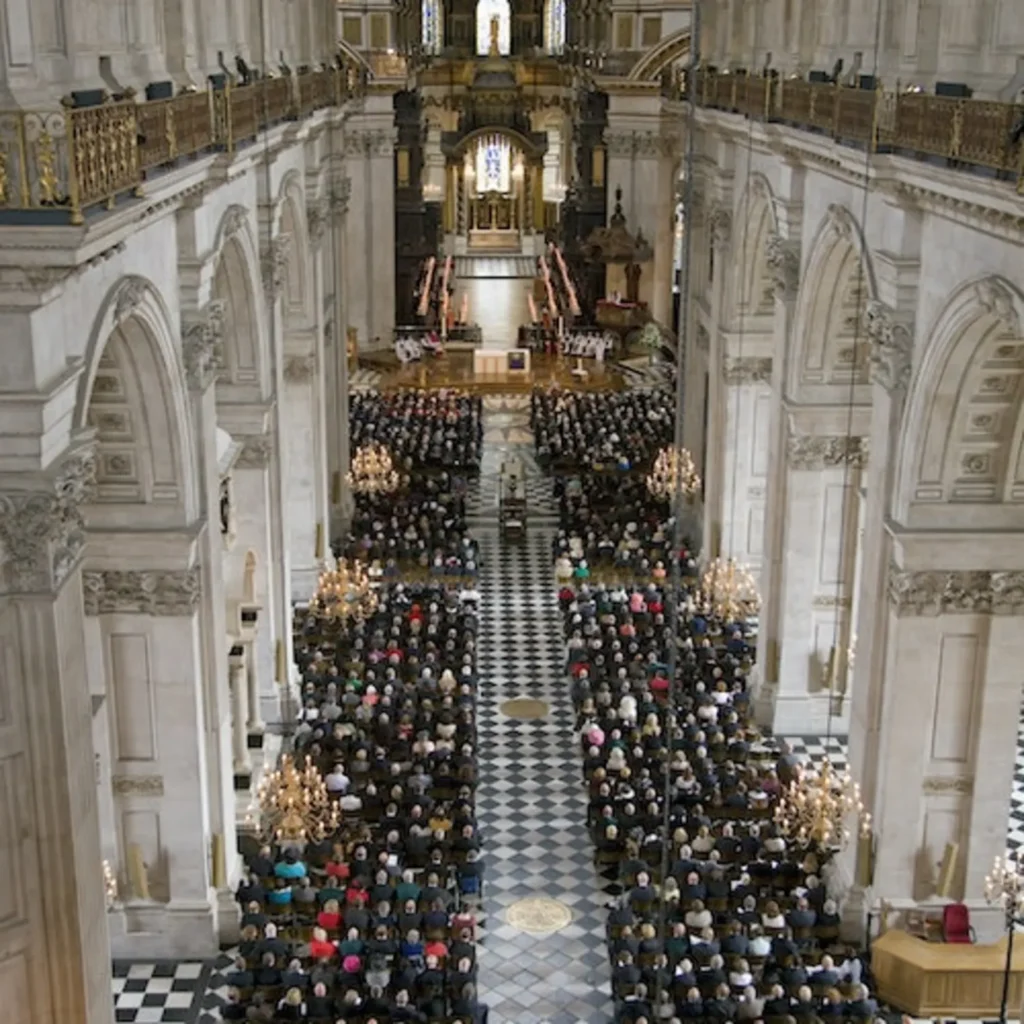
Explore the magnificent interior designed by Sir Christopher Wren.

Climb up to the Whispering Gallery and experience its acoustic marvel.

Visit the underground Crypt housing notable historical figures.

Ascend to the Golden Gallery for panoramic city views 111 meters above.

Discover rich history spanning over 1,400 years, including artifacts from World War One veterans.
Crown Jewels of London Tour with River Cruise

Highlights

Explore the stunning architecture of St. Paul’s Cathedral and its significant historical crypt.

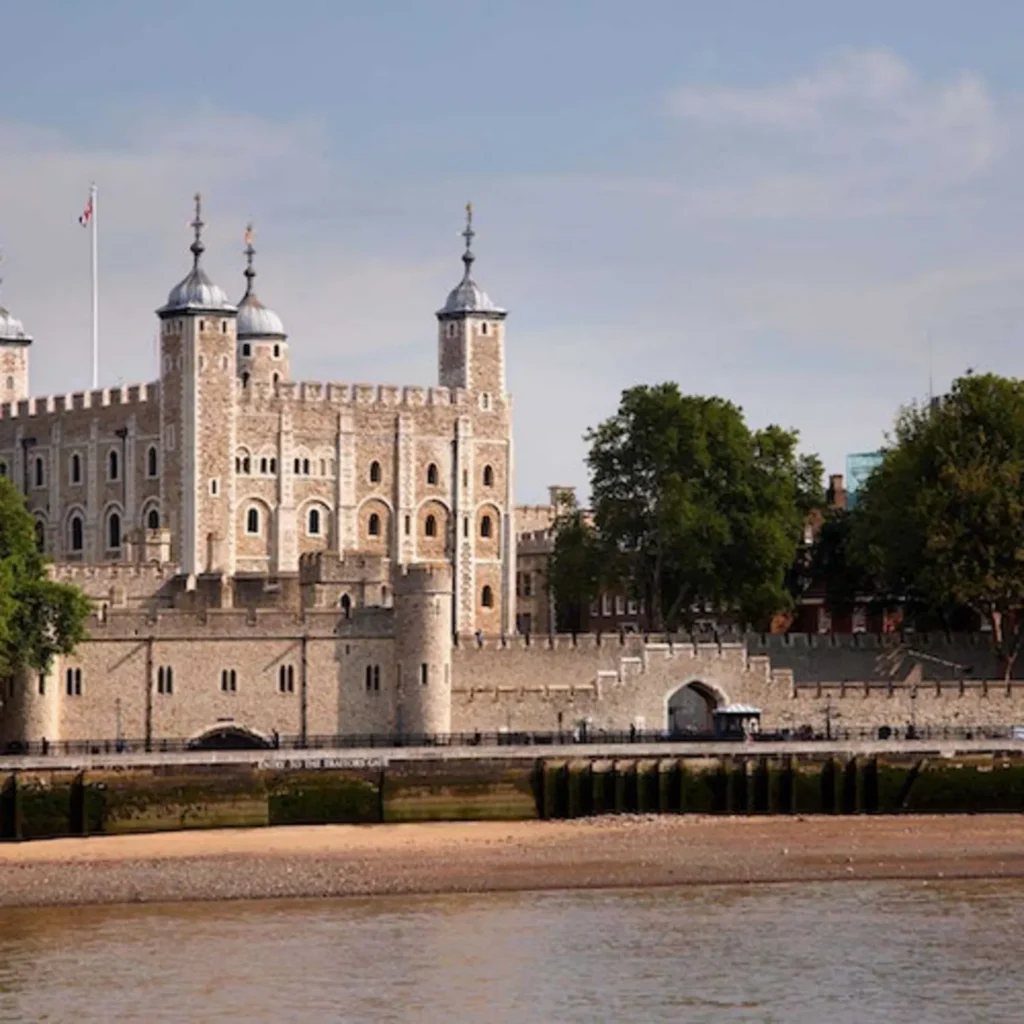
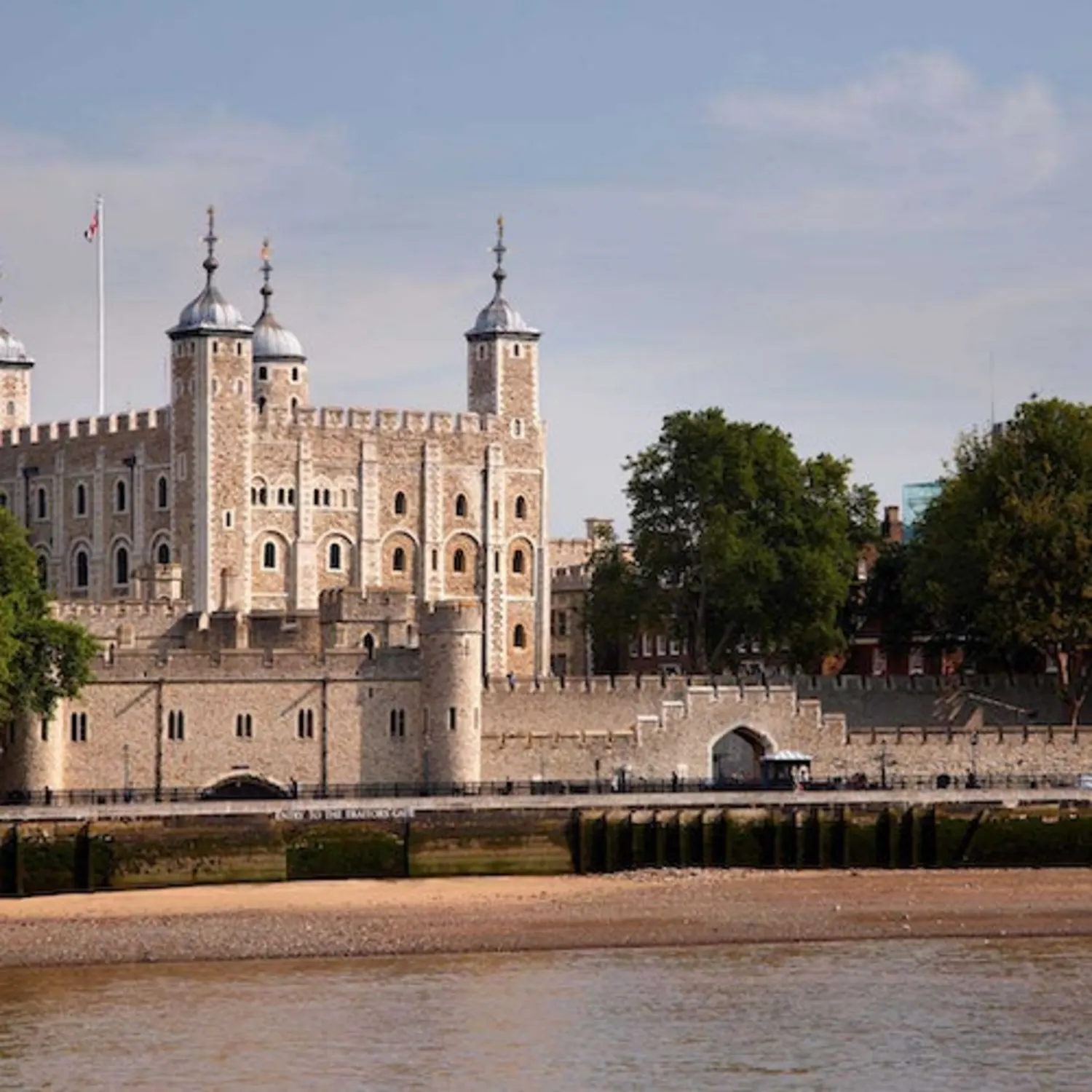
Discover the rich history of the Tower of London, including the Crown Jewels and its ancient royal menagerie.

Enjoy a relaxing boat ride along the Thames, offering views of London’s famous riverside sights.

Benefit from a knowledgeable live guide throughout the tour.

Use a headset to hear commentary clearly in multiple languages.
Go and Stand Under the Figures

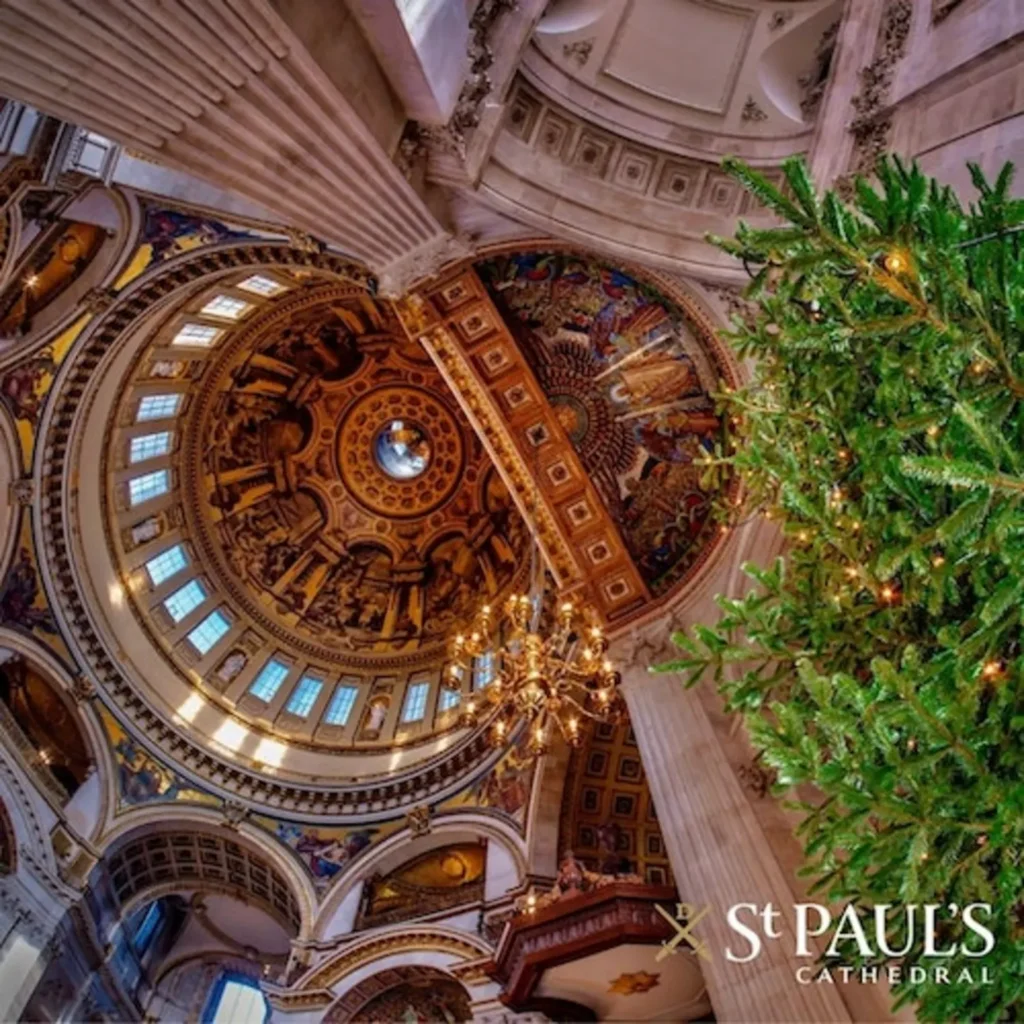
Numbers land differently once you are standing under them. 365 feet reads as a statistic until you climb it, all 528 steps, and the brick cone holding up 850 tons of lantern is directly over your head while you are testing the acoustics in the Whispering Gallery.

St Paul’s Cathedral Facts and Figures

When was St Paul’s Cathedral built?

The foundation stone was laid in June 1675 and Parliament declared the building complete on 25 December 1711. The first service was held in the Quire in 1697, fourteen years before the whole cathedral was finished.

How long did St Paul’s Cathedral take to build?

Thirty-six years, from the first stone in 1675 to the declaration of completion in 1711. Christopher Wren oversaw the whole of it, which is unusual: most cathedrals on this scale outlast the architect who started them.

How old is St Paul’s Cathedral?

The building itself is just over three centuries old, finished in 1711. A cathedral has stood on the site since 604, so the ground has more than 1,400 years of use behind it even though the current structure does not.

Who built St Paul’s Cathedral?

Christopher Wren designed it and ran the project from 1668 to completion. The topping out on 26 October 1708 was carried out by his son Christopher and a mason’s son, not by Wren himself, who was in his mid-seventies by then.

How tall is St Paul’s Cathedral?

365 feet, or 111 metres, to the top of the cross, though the inner dome you stand under stops at 214 feet. The cathedral is 574 feet long including the portico.

How much did St Paul’s Cathedral cost to build?

The accounts by 1716 totalled £1,095,556, which converts to something in the region of £195 million today. Half of Wren’s own salary was withheld until the work was done, and he had to petition for it at 79.

Is the date the first stone was laid disputed?

Yes. Three contemporary accounts put it on 21, 25 and 28 June 1675 respectively, and there is no agreed answer. What is not in doubt is the month: the first stone went down in June 1675.

This website sells official tickets for this venue. Please note, however, that it is not the official website of the venue.

The images and videos on this website may contain visual elements that have been created or enhanced using AI technology. They are provided for illustrative purposes only.