We are processing your request.
Please, don't close or refresh the page.

St Paul’s Cathedral: The Story Behind Wren’s Dome

Five cathedrals have stood on Ludgate Hill since 604. The one you walk into today is Christopher Wren’s, declared complete in 1711, with a triple-shell dome, a crypt of national figures and a Blitz it outlived.

About St Paul’s Cathedral

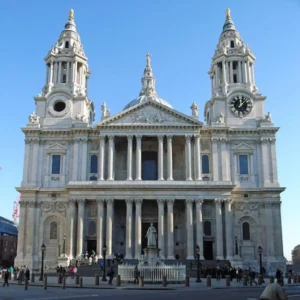
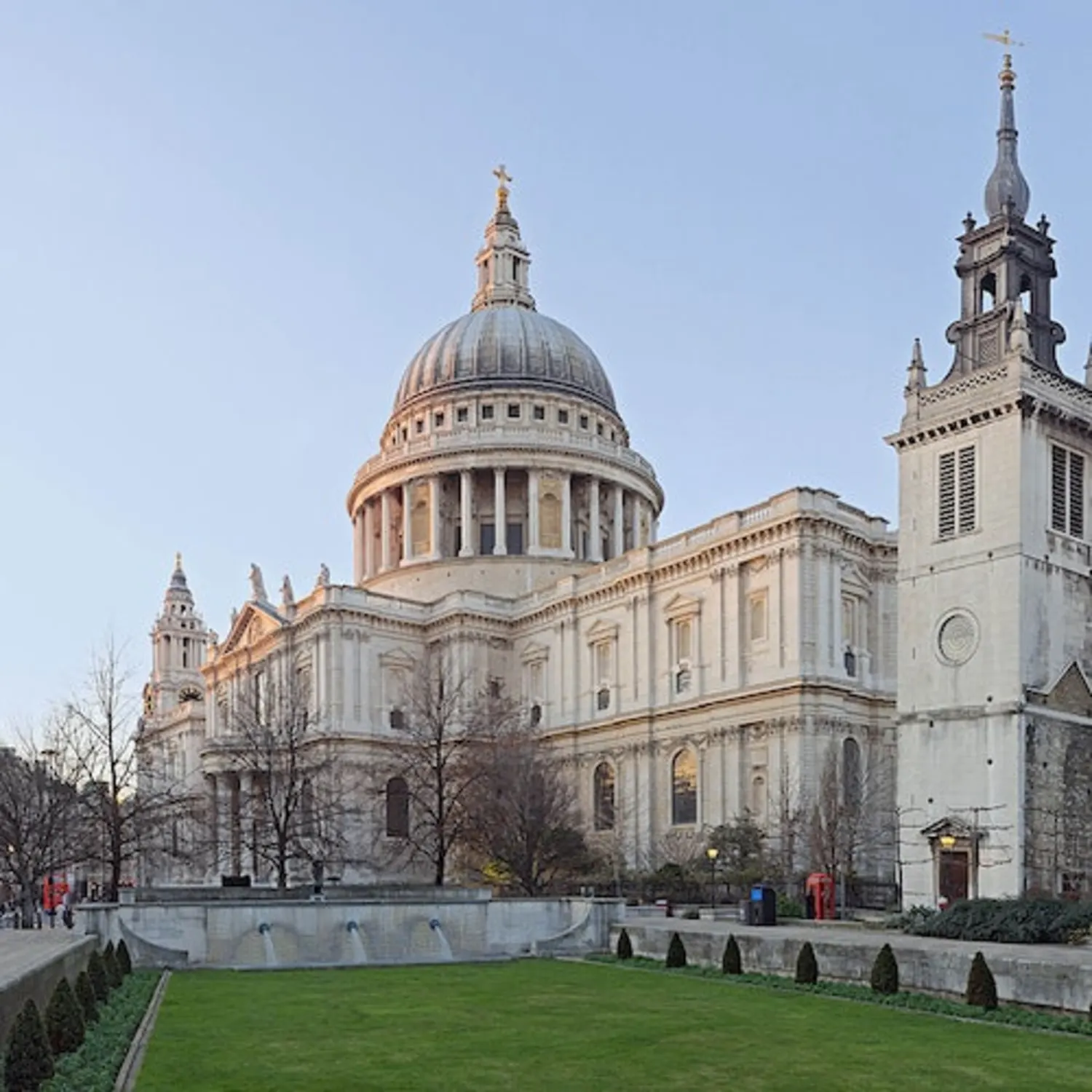
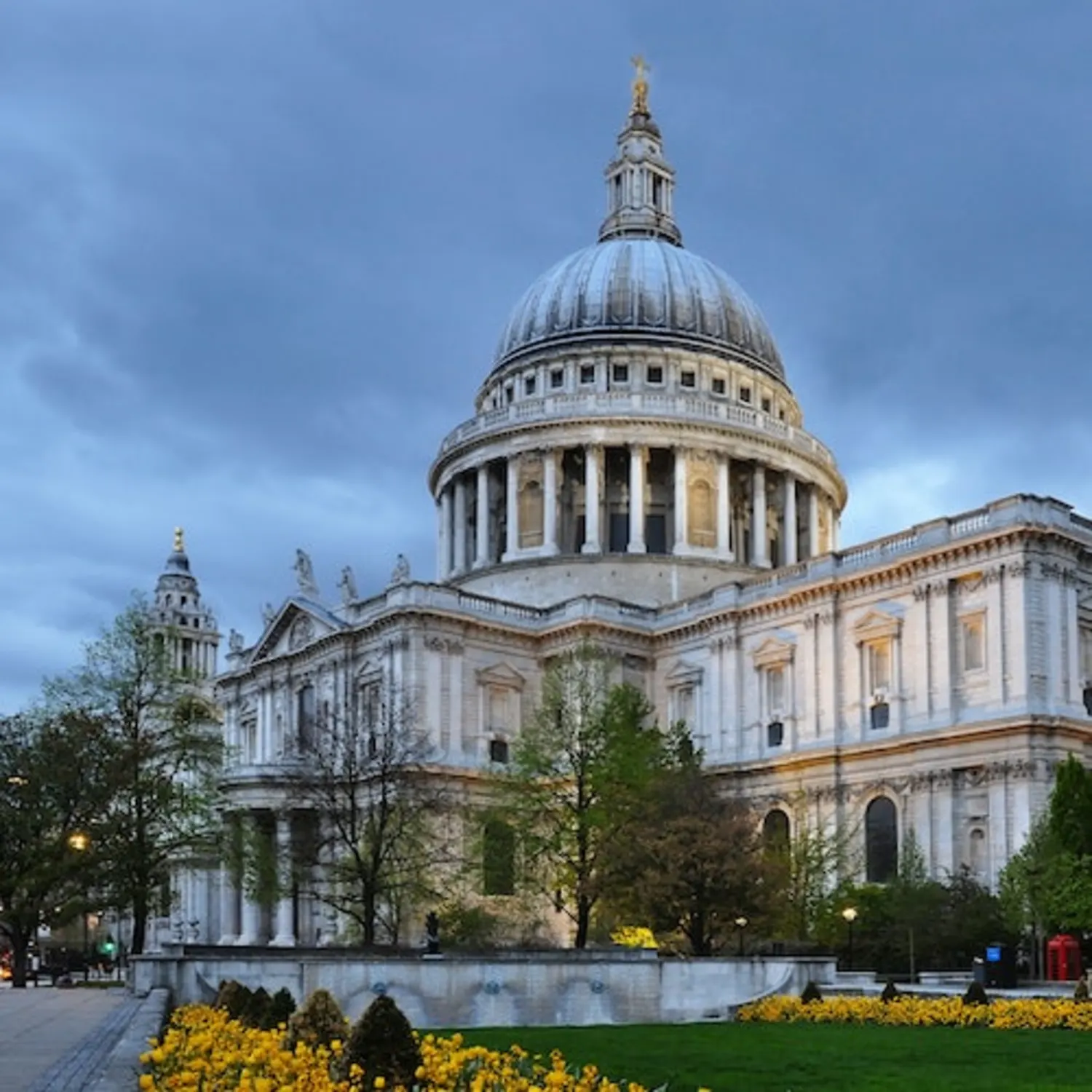
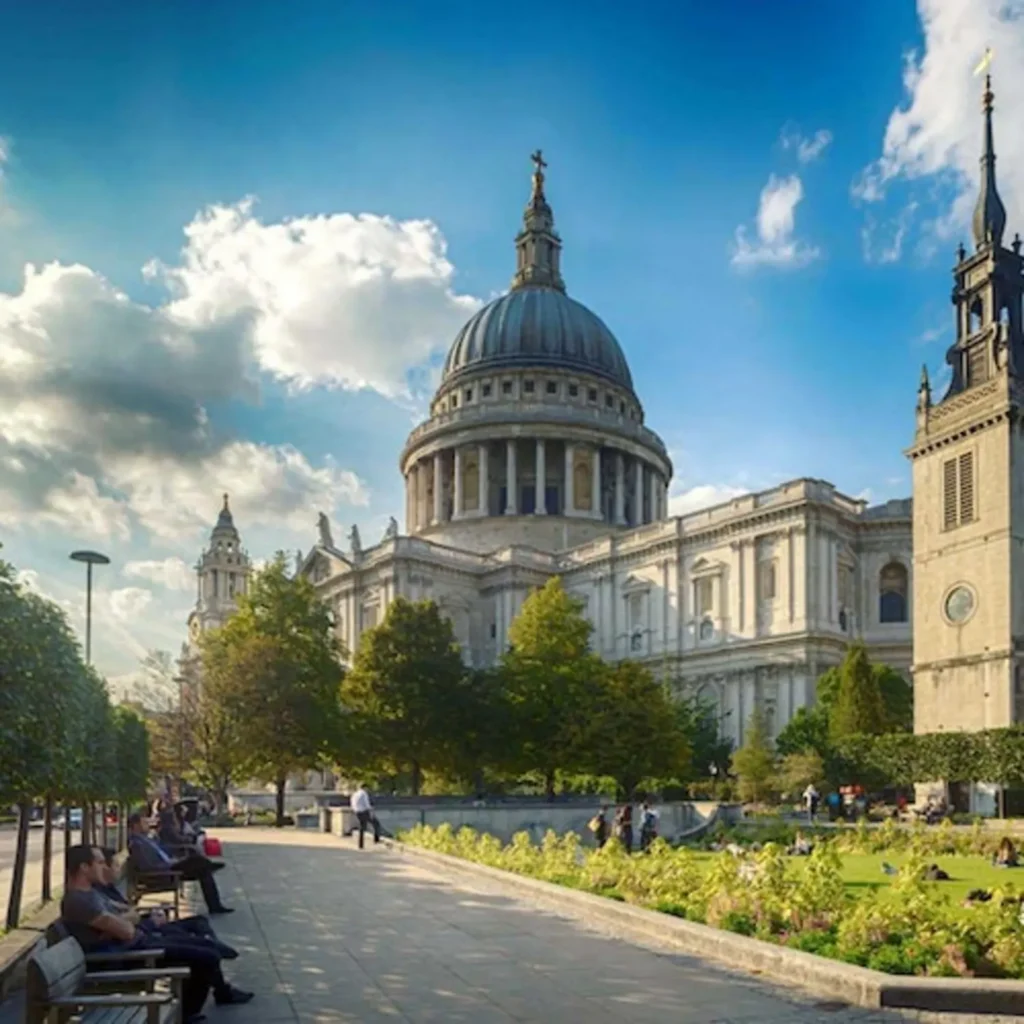
St Paul’s Cathedral is the fifth church to stand on this hill and the only one drawn up from nothing by a single architect. Christopher Wren spent thirty-six years on it, from the Great Fire that cleared the site in 1666 to the day Parliament declared the building finished on 25 December 1711. It is still a working cathedral with daily services alongside the sightseeing, and its dome is still the shape most people picture when they think of the City of London.

Why St Paul’s Cathedral Matters

A church has stood here since 604, when Mellitus was made the first Bishop of London, making this one of the oldest continuously used places of worship in Britain.

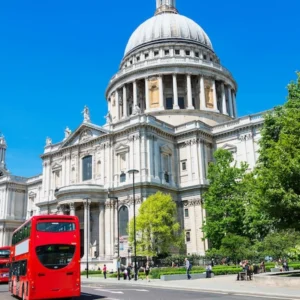
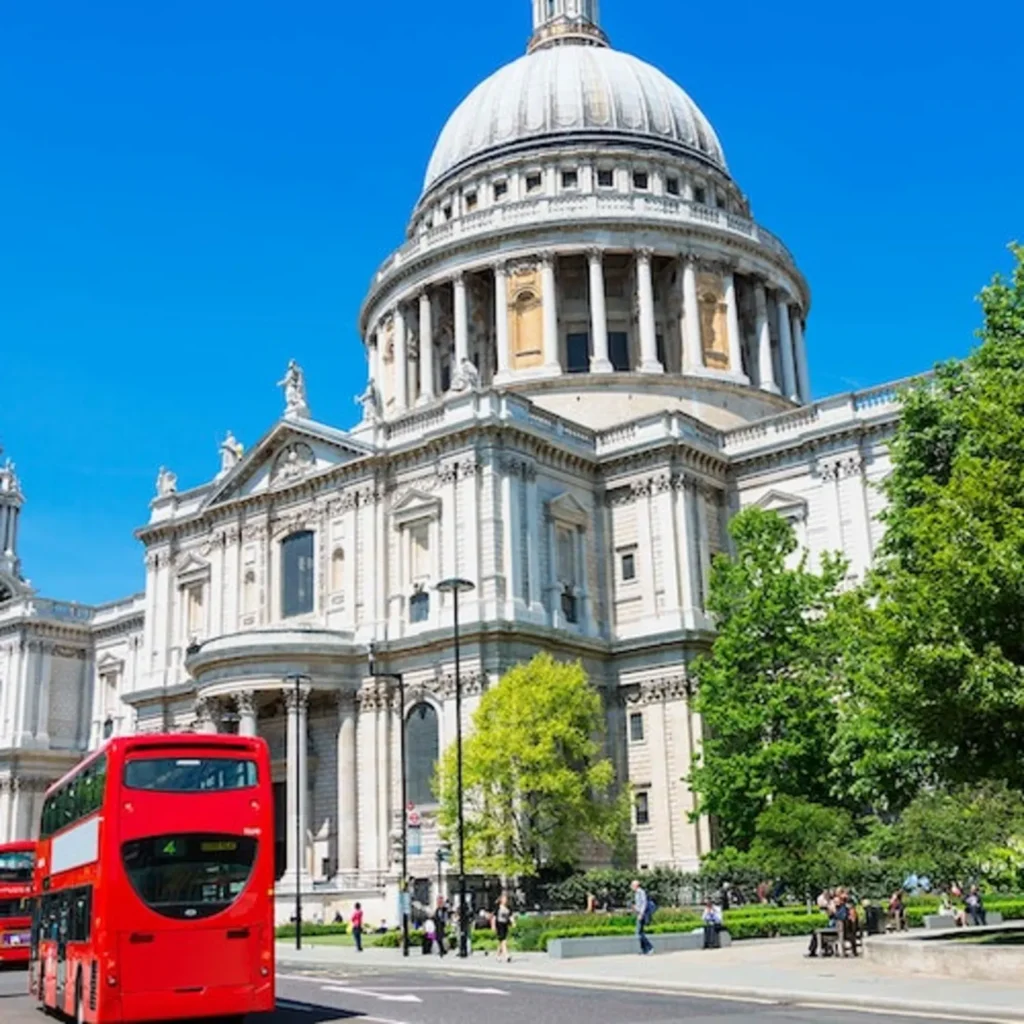
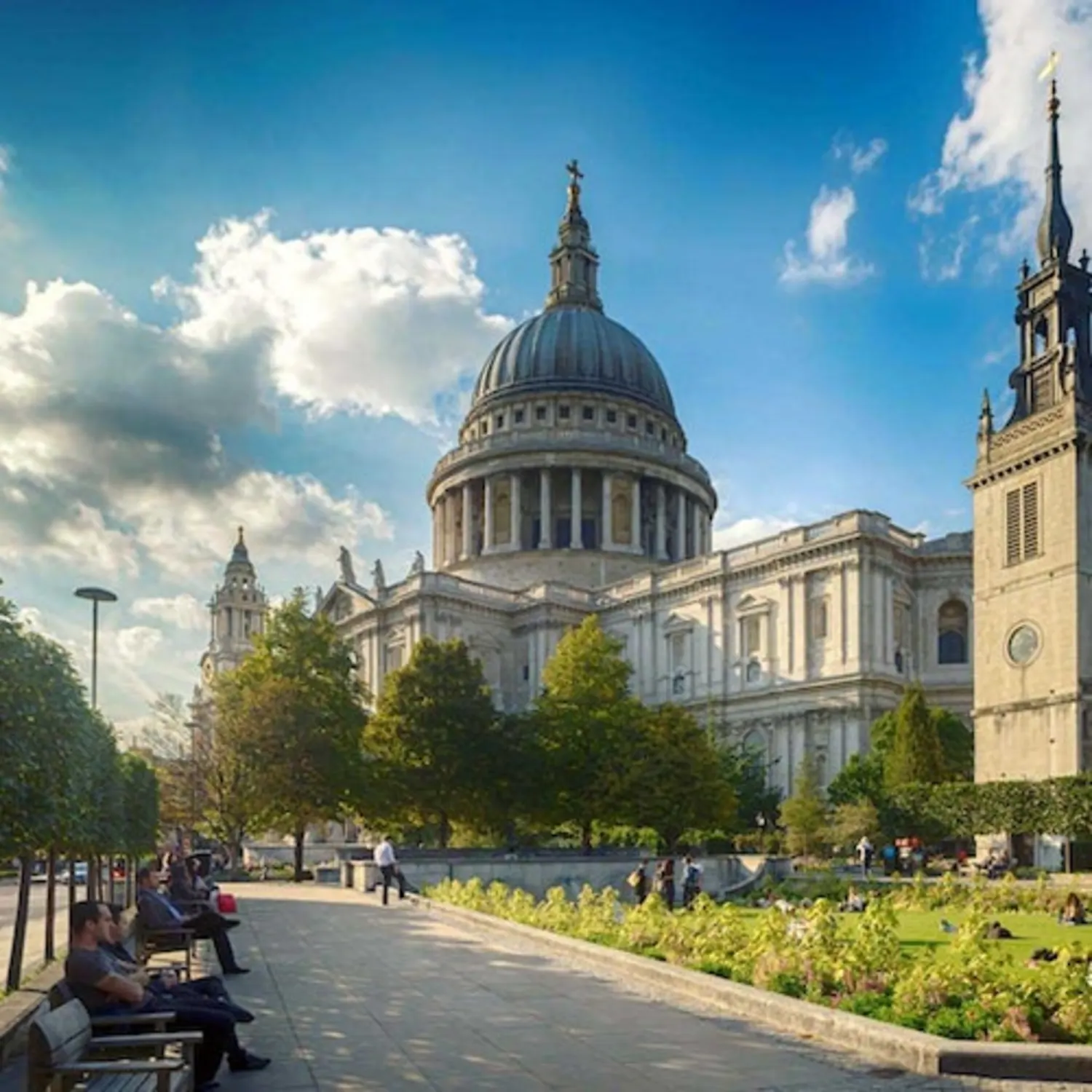
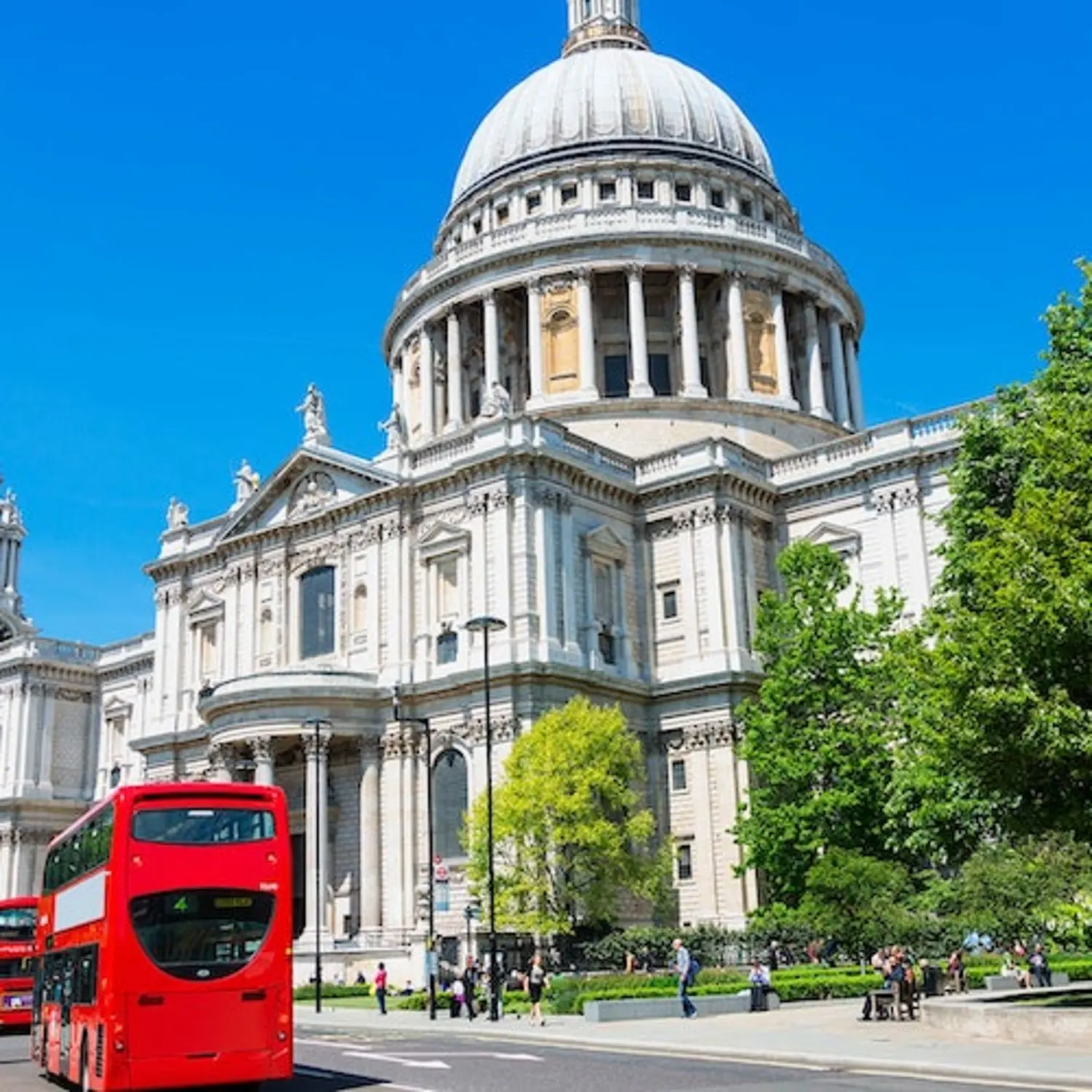
Wren’s dome reaches 365 feet, or 111 metres, to the top of the cross, and it was the tallest building in London from 1710 until 1963.

The Crypt holds Wren himself, Admiral Lord Nelson and the Duke of Wellington, along with hundreds of memorials to artists, soldiers and scientists.

The cathedral came through the Blitz with its dome intact, and the photograph of it standing above the smoke on 29 December 1940 turned it into a national symbol.

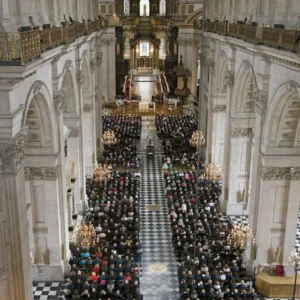
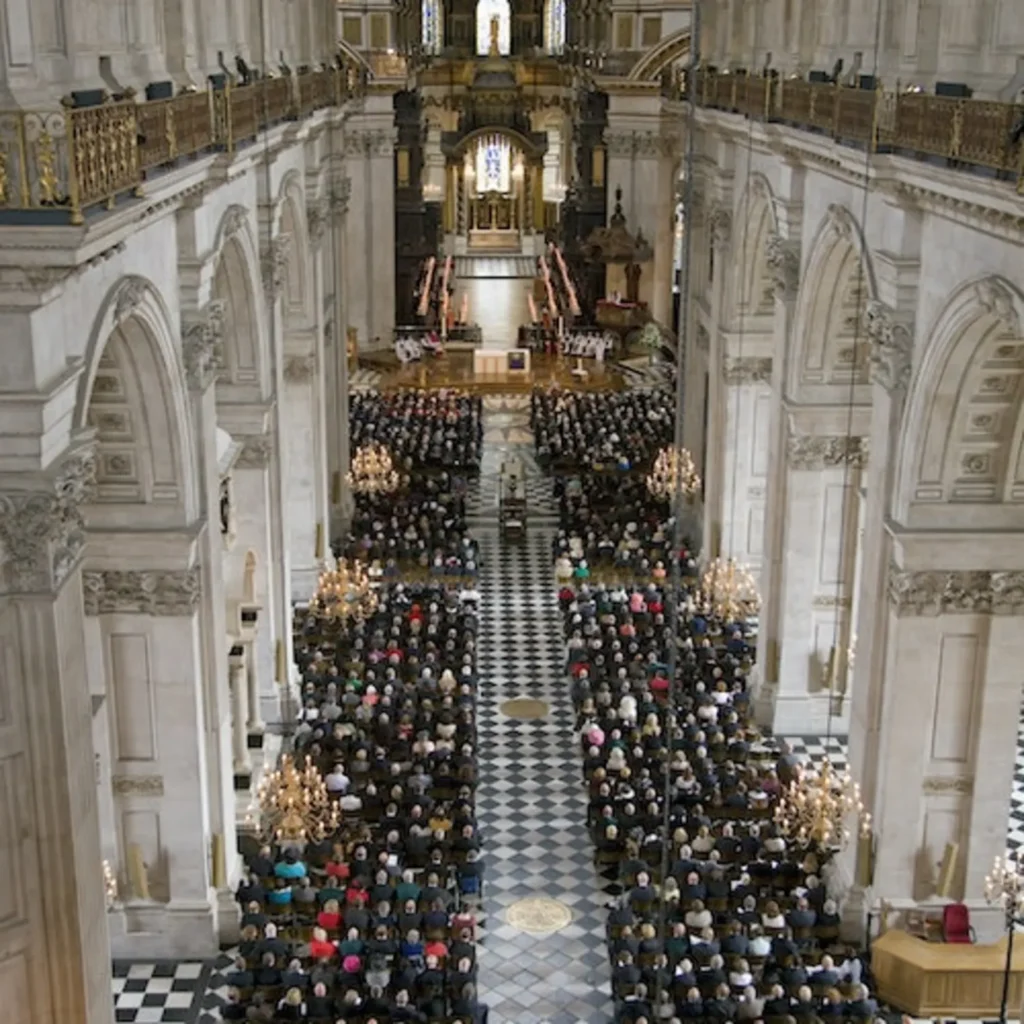
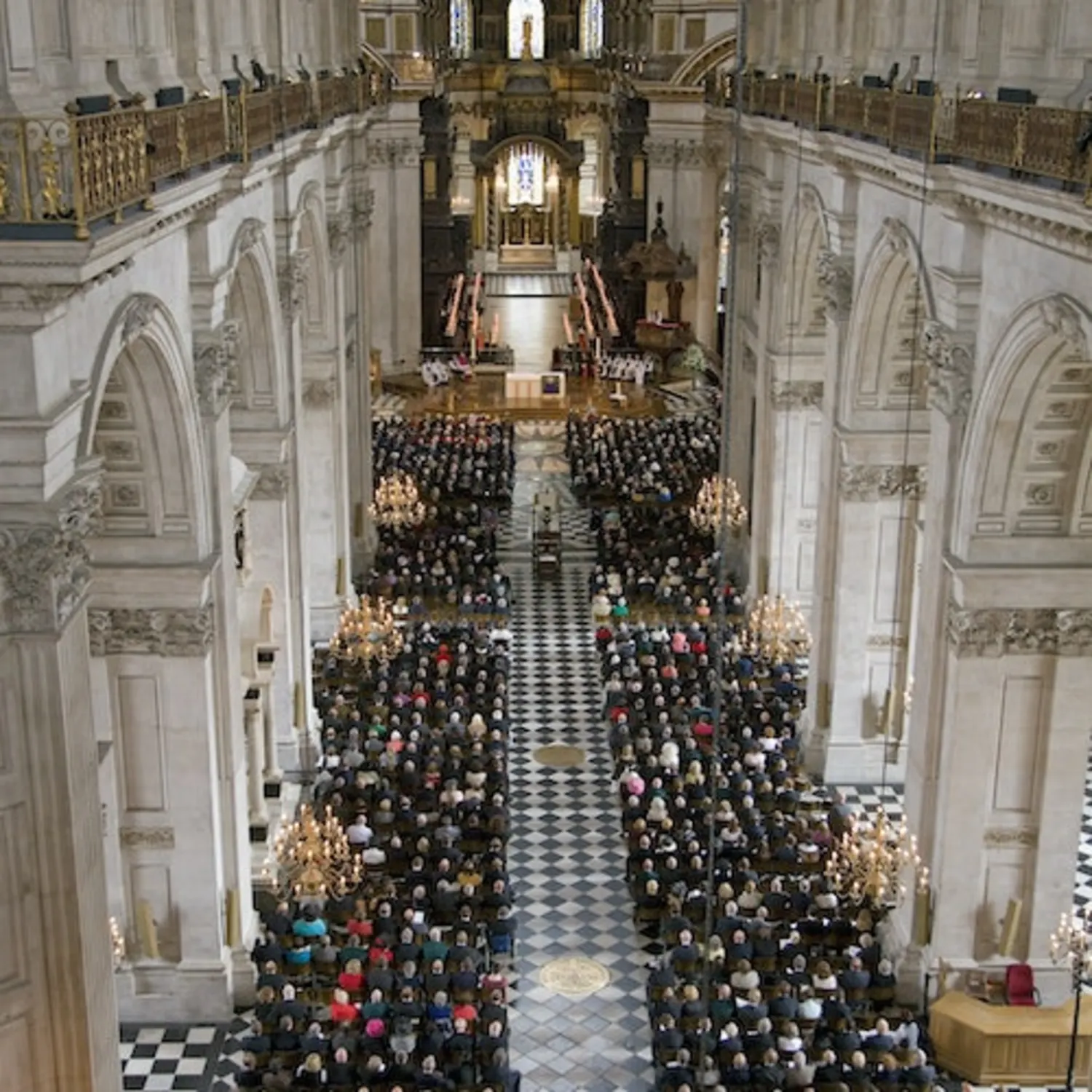
Wellington’s funeral in 1852, Victoria’s Diamond Jubilee in 1897, Churchill’s funeral in 1965 and the wedding of Charles and Diana in 1981 all happened under this roof.

Four Cathedrals Came Before This One
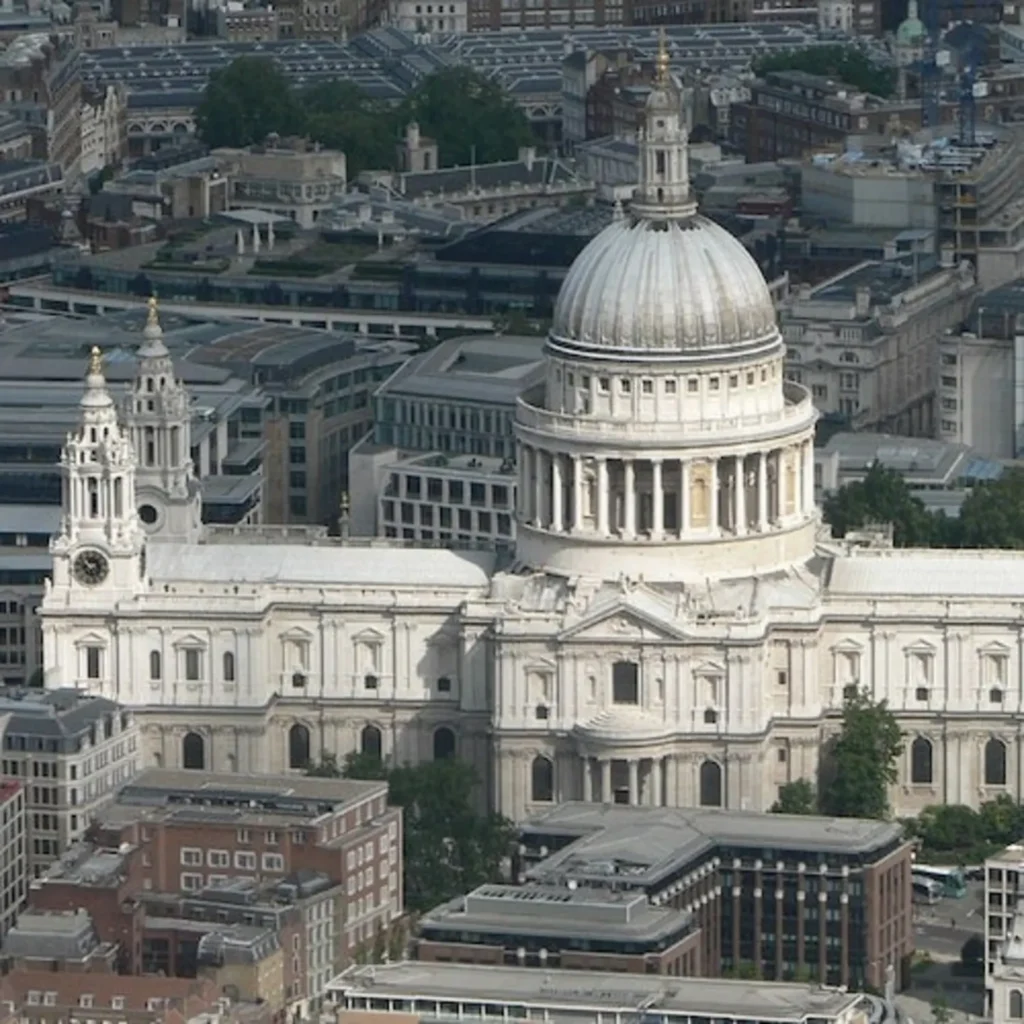
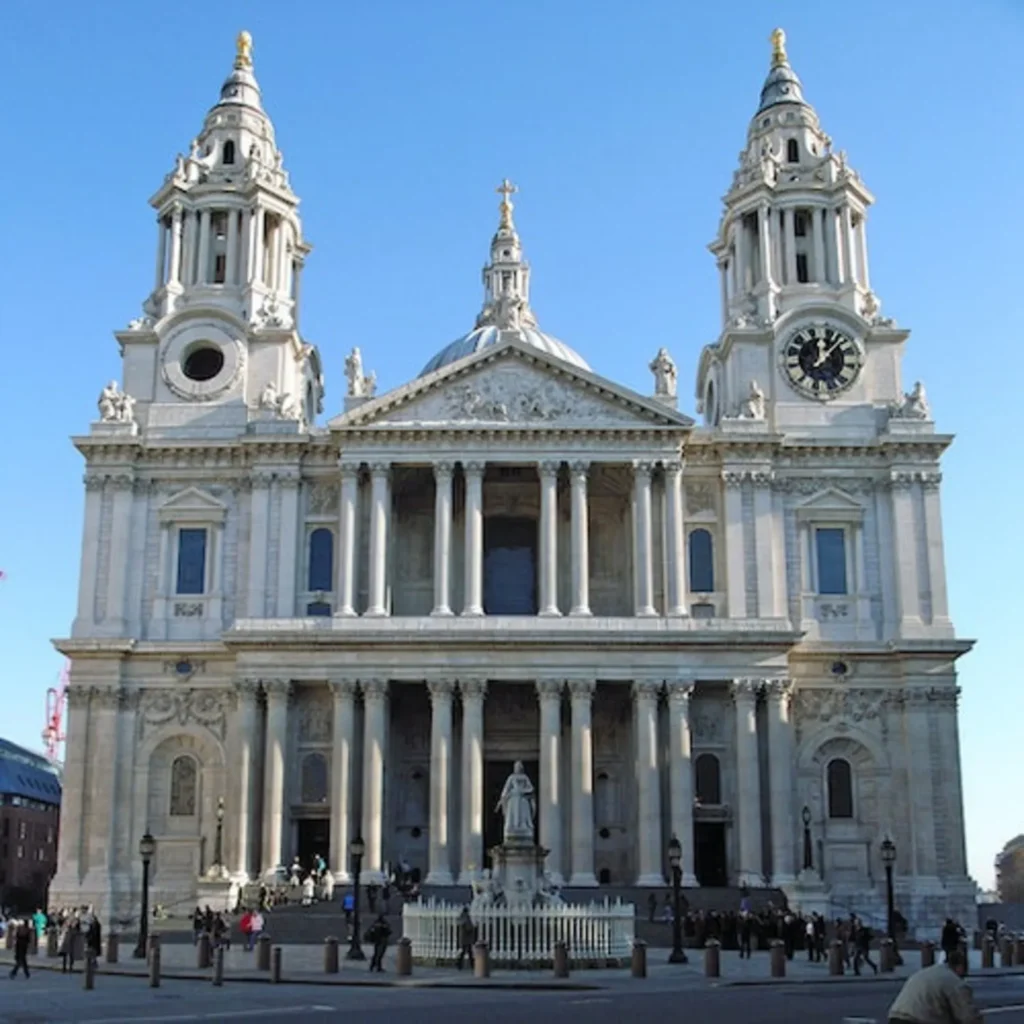
St Paul’s Cathedral, London

The first St Paul’s was consecrated in 604, when Pope Gregory the Great sent Mellitus to London as its first bishop. Vikings destroyed the second, a third went up in 962, and fire took that one too. The Normans began the fourth cathedral in 1087, and it was consecrated in 1240 as the building we now call Old St Paul’s, one of the longest churches in Europe.

Its spire rose around 489 feet until lightning brought it down in 1561, and it was never rebuilt. By then the nave had become a thoroughfare Londoners called Paul’s Walk, where people traded gossip, hired servants and did business in the middle of the church. The Great Fire of London reached it on 2 September 1666 and left the building beyond saving, which is how the site came to be clear for something entirely new.

How Wren Built a Dome That Would Stand Up

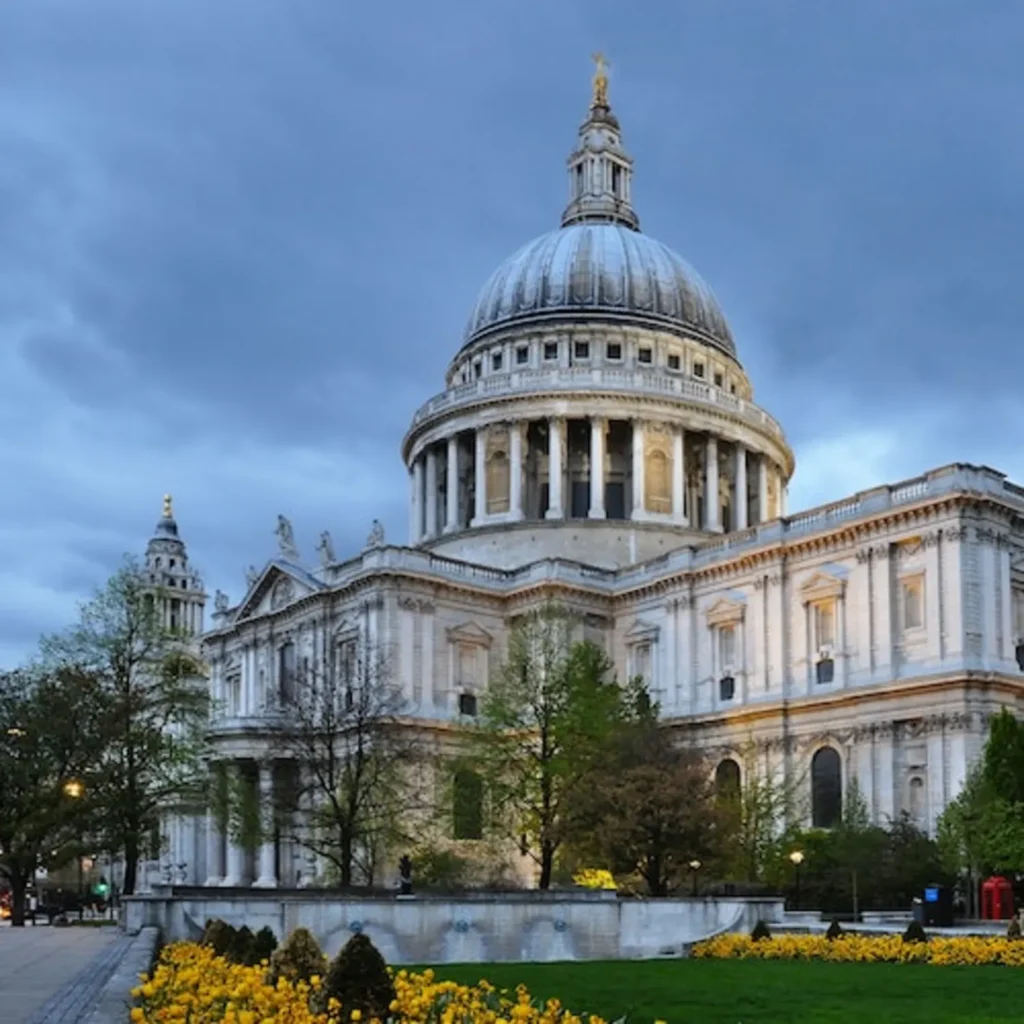
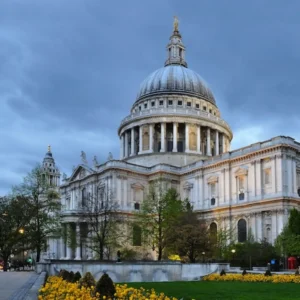
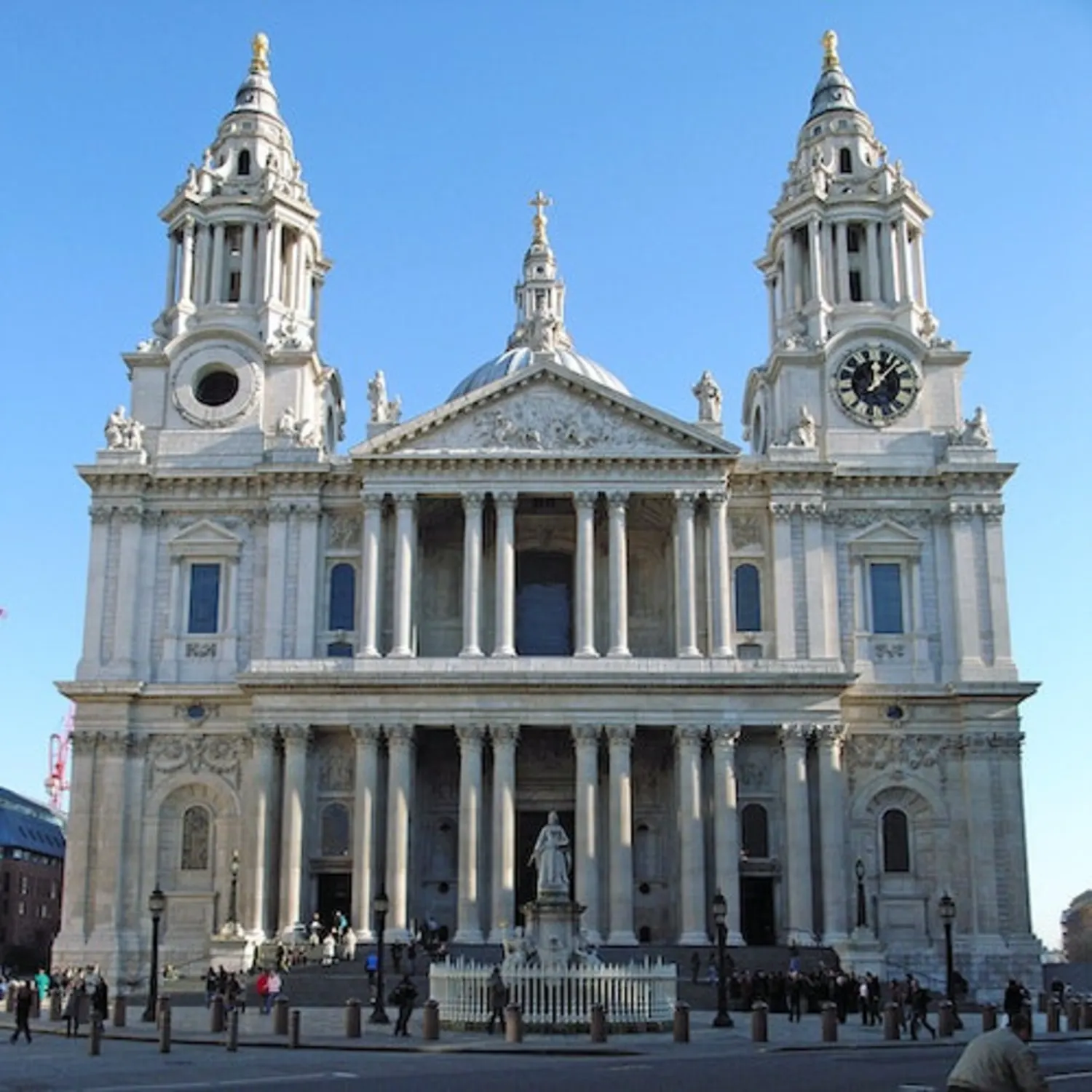
St Paul’s Cathedral on Ludgate Hill

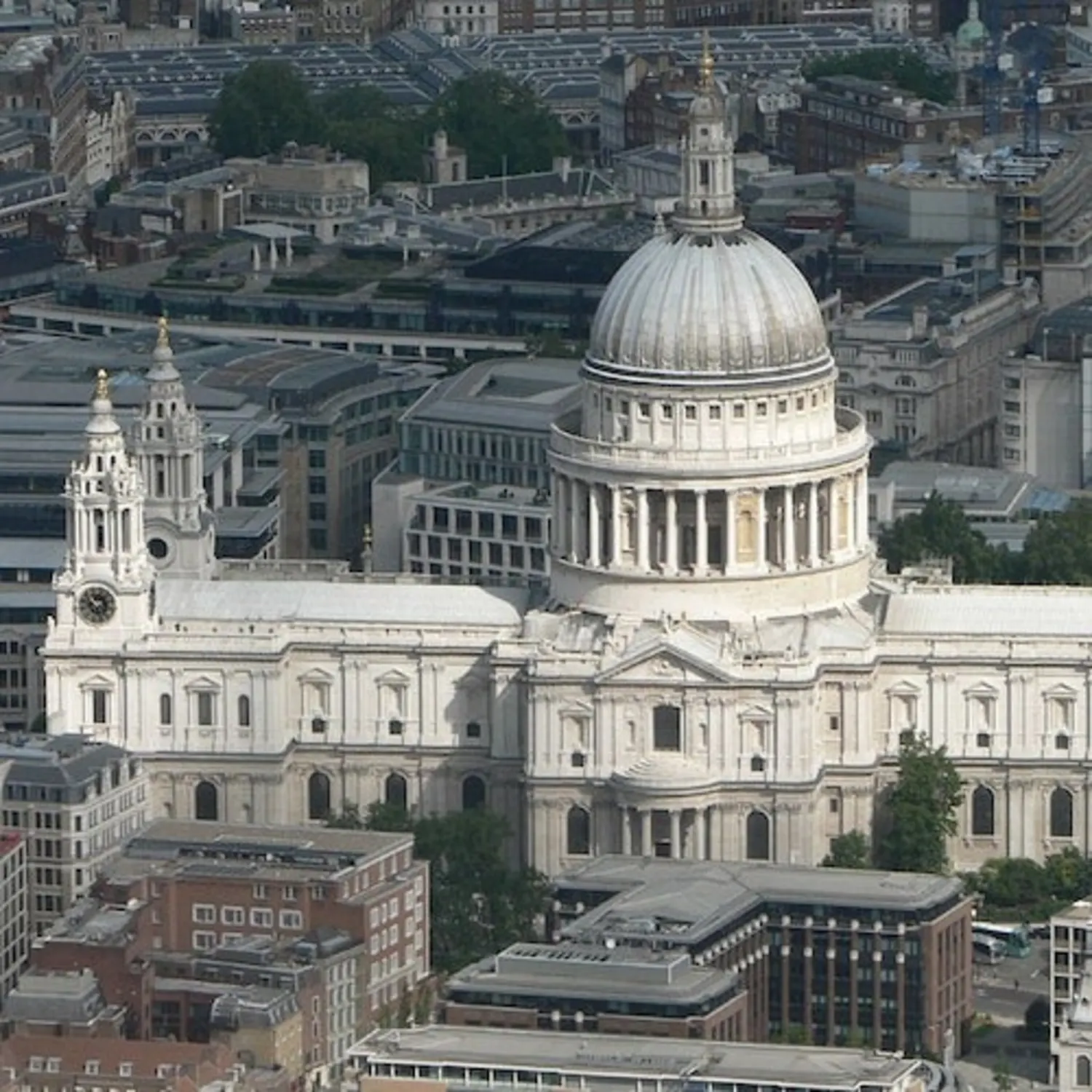
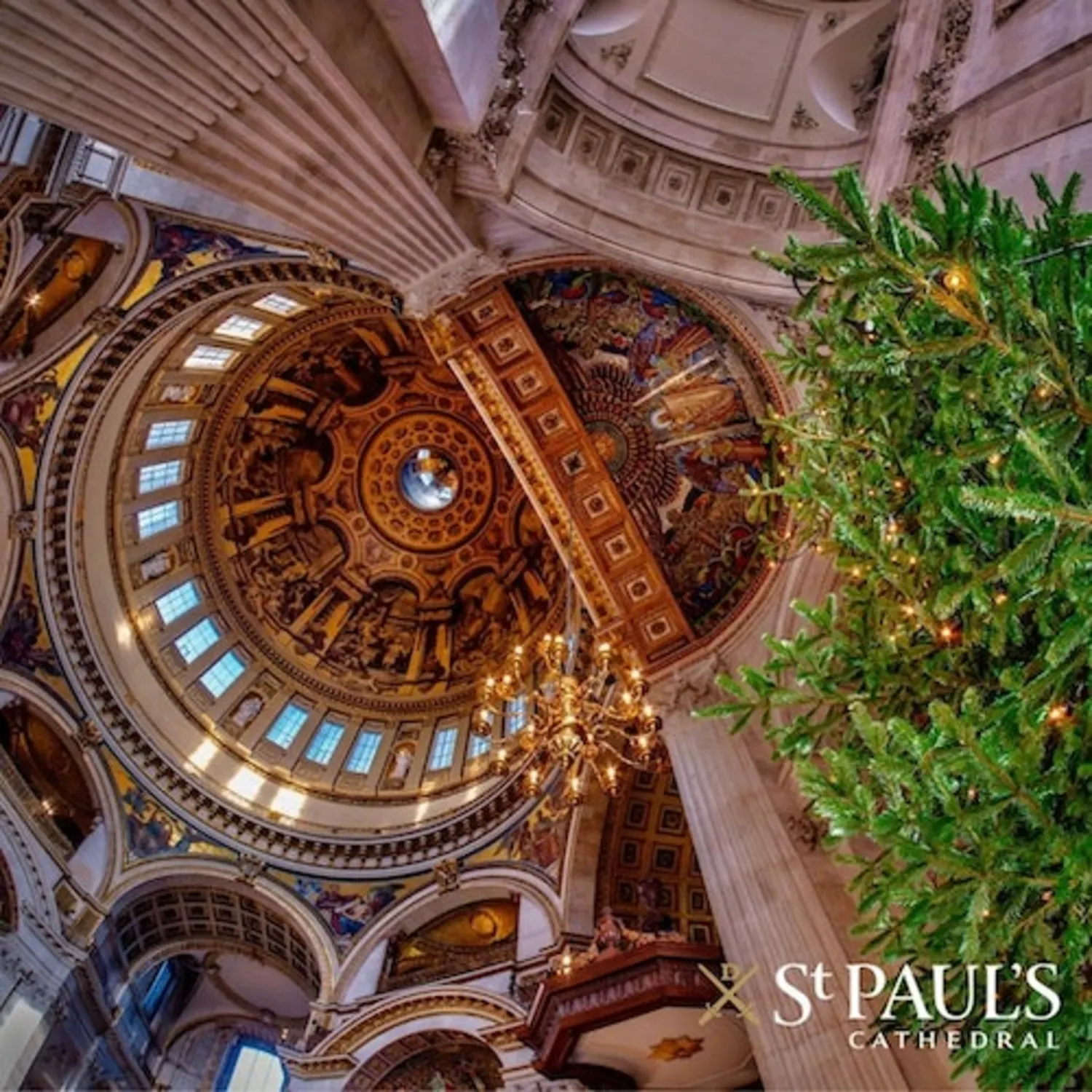
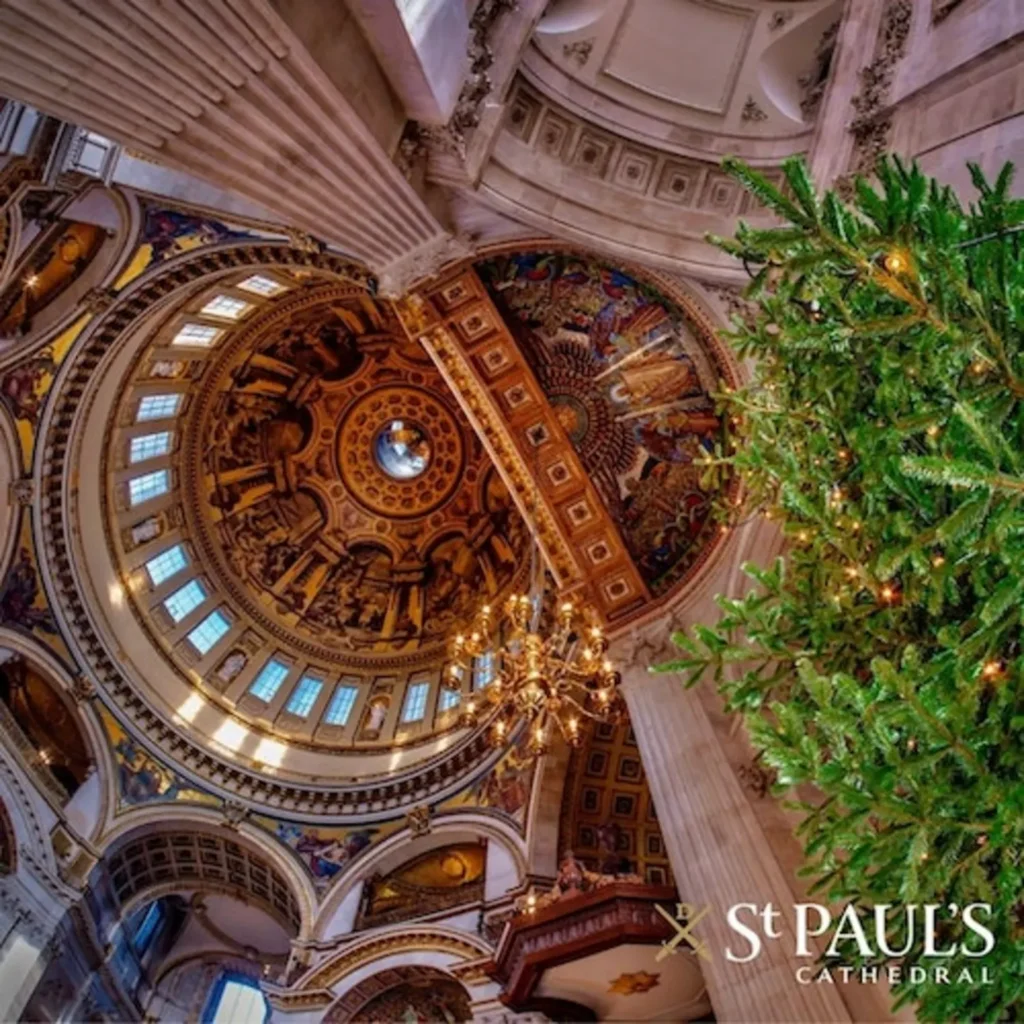
Wren was appointed to rebuild in 1668, and the design took years of argument before a single stone was laid. His answer to the dome was to build three of them. A hidden brick cone, only a foot and a half thick, carries the weight of the stone lantern; an inner dome gives the view you get standing on the cathedral floor; an outer shell of lead over timber makes the silhouette that reads across the skyline.

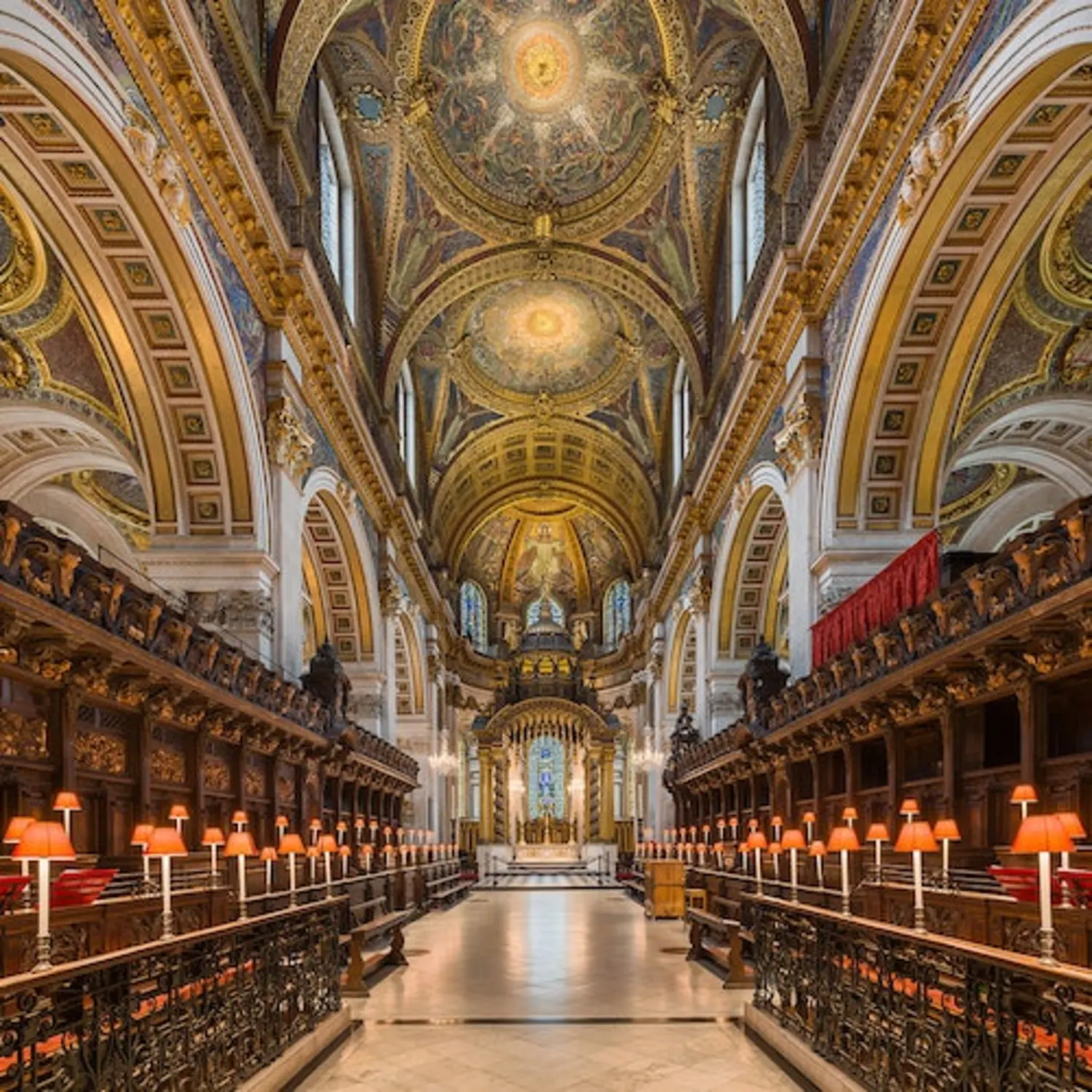
Between 1691 and 1694 he wrapped a wrought-iron chain around the base of the cone to hold its outward push, which let him raise the dome higher than earlier drawings allowed. The drum spans 140 feet, work on it started in January 1696, and the dome and its lantern were finished in 1708. The first service had already been held in the Quire in 1697, eleven years before the roof over it was done.

The Night St Paul's Cathedral Survived the Blitz
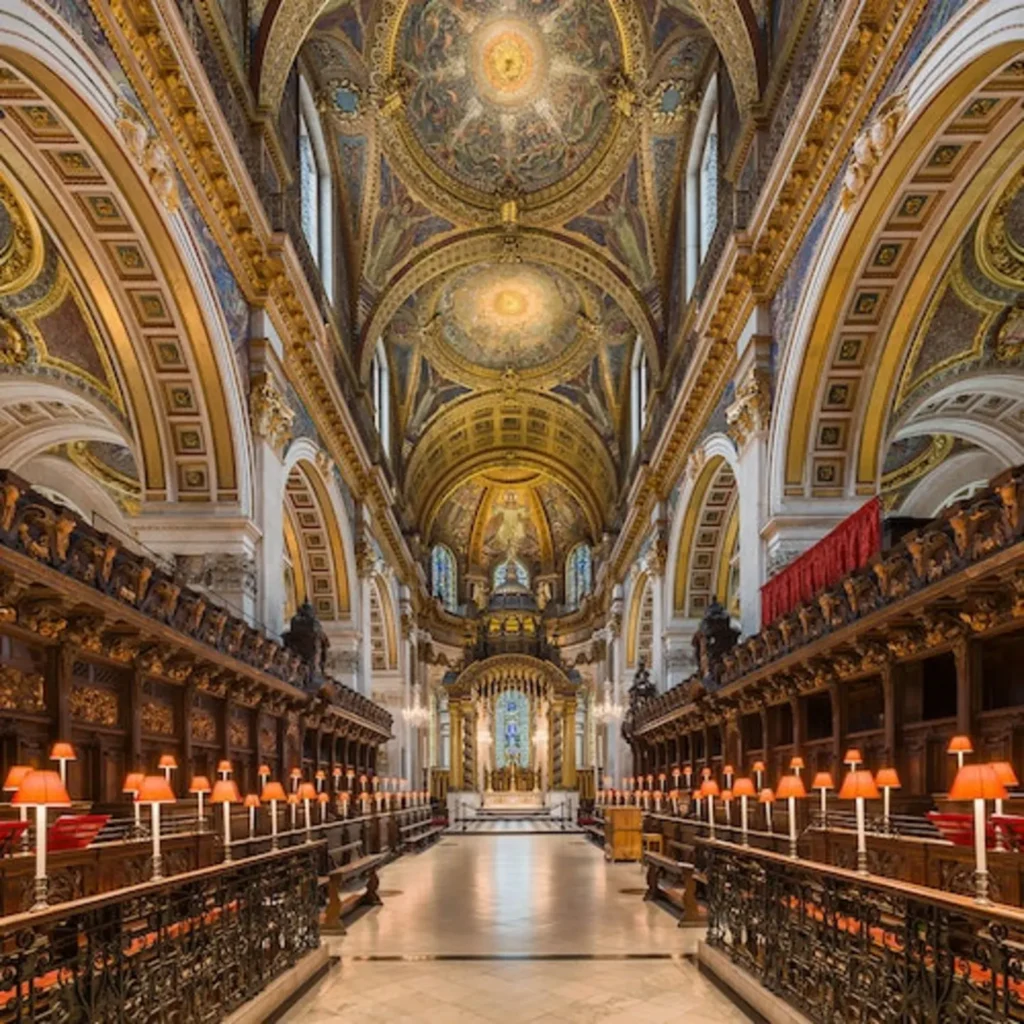
St Paul’s Cathedral, London

On 12 September 1940 a delayed-action bomb buried itself beside the south west tower. Lieutenant Robert Davies and a Royal Engineers squad spent three days digging it out, drove it to Hackney Marshes and detonated it there, leaving a crater a hundred feet across. Through the rest of the Blitz a volunteer group known as the St Paul’s Watch slept in the building and climbed the roofs each night to put out incendiaries before they could take hold.

Their hardest night was 29 December 1940, when the City burned around the cathedral and Herbert Mason photographed the dome rising clear of the smoke. Published as St Paul’s Survives, the picture became the image of British endurance. The timing was close: the Great Restoration that shored up the dome and its piers had only wrapped up in 1930, ten years before the bombs started falling.

St Paul’s Cathedral: Entry Ticket

Highlights

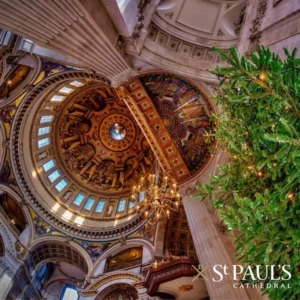
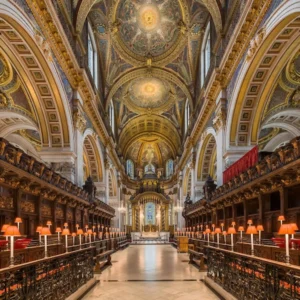
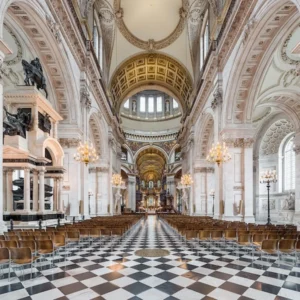
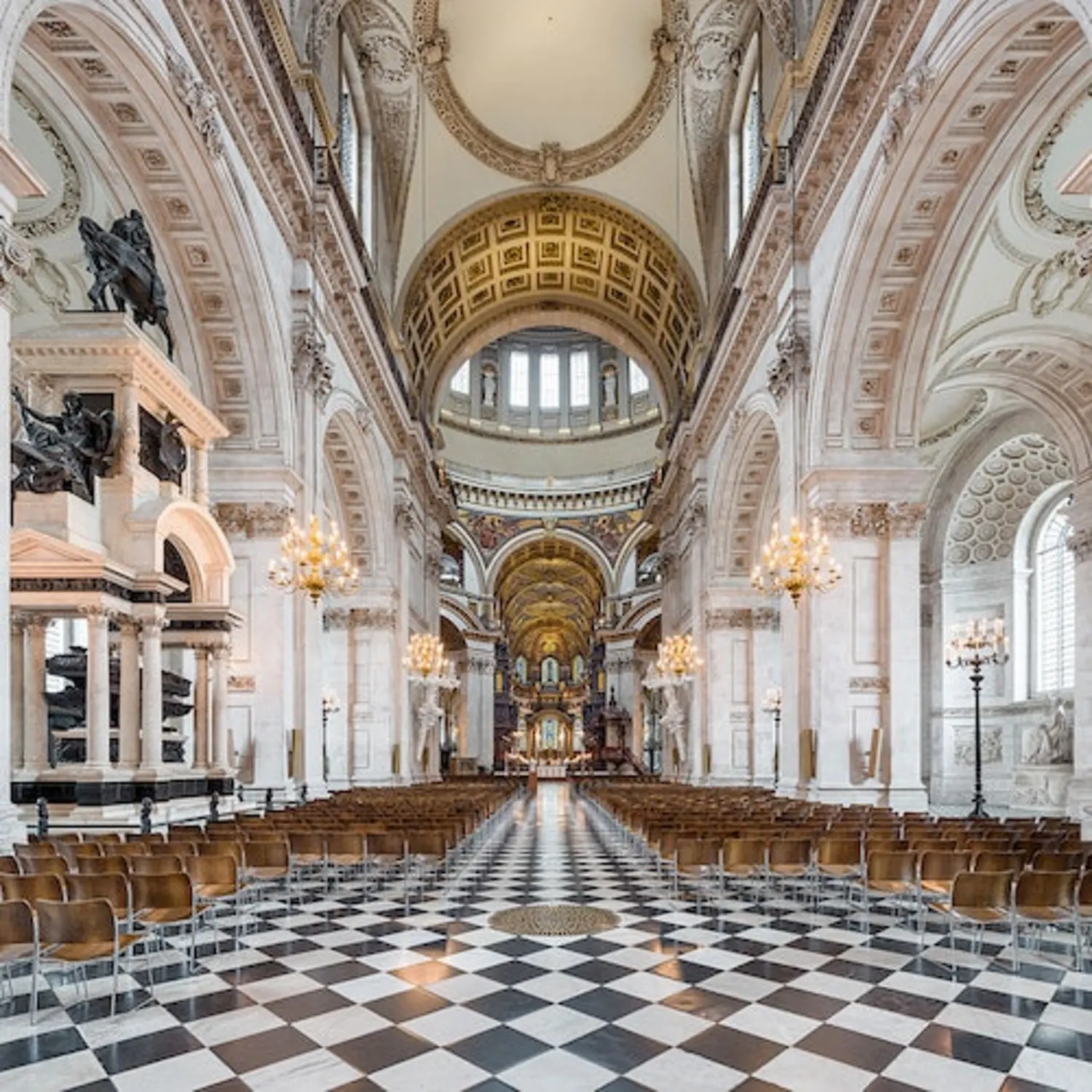
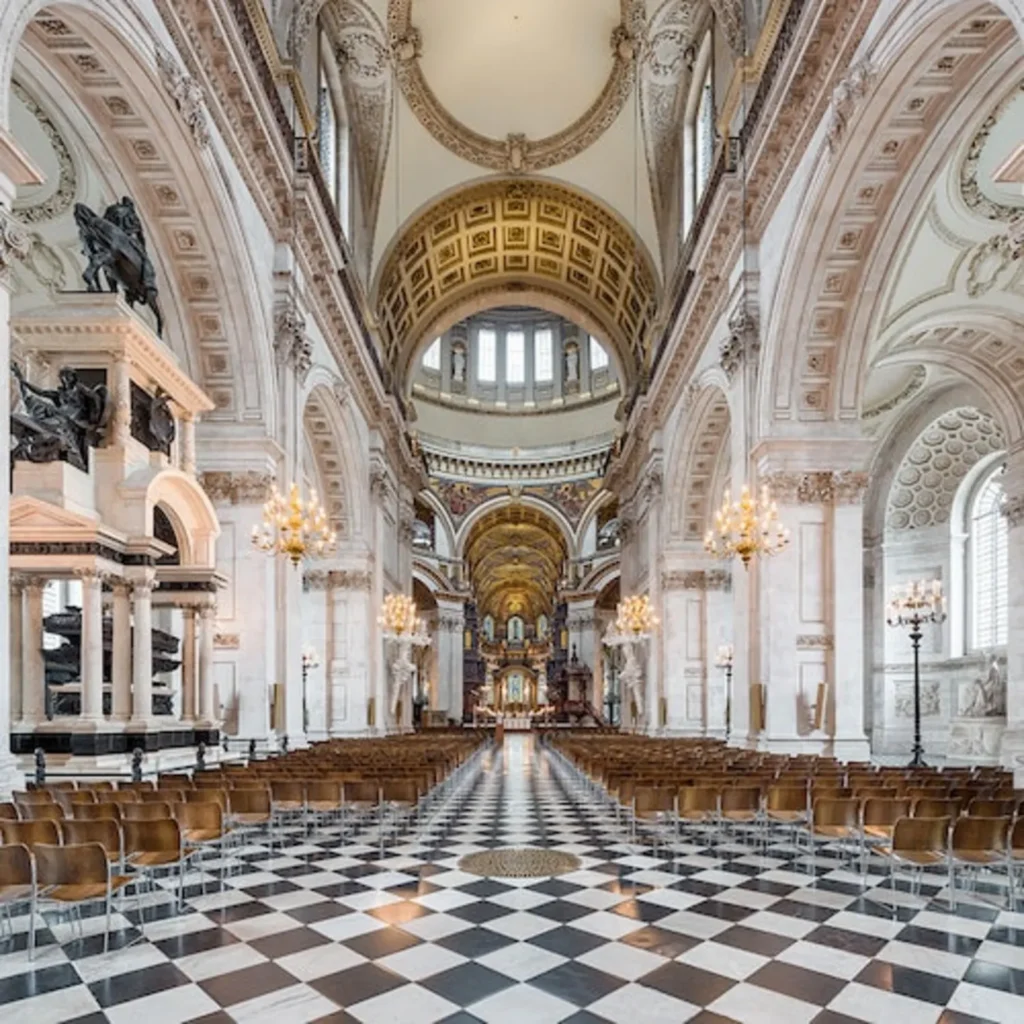
Explore the magnificent interior designed by Sir Christopher Wren.

Climb up to the Whispering Gallery and experience its acoustic marvel.

Visit the underground Crypt housing notable historical figures.

Ascend to the Golden Gallery for panoramic city views 111 meters above.

Discover rich history spanning over 1,400 years, including artifacts from World War One veterans.
Crown Jewels of London Tour with River Cruise

Highlights

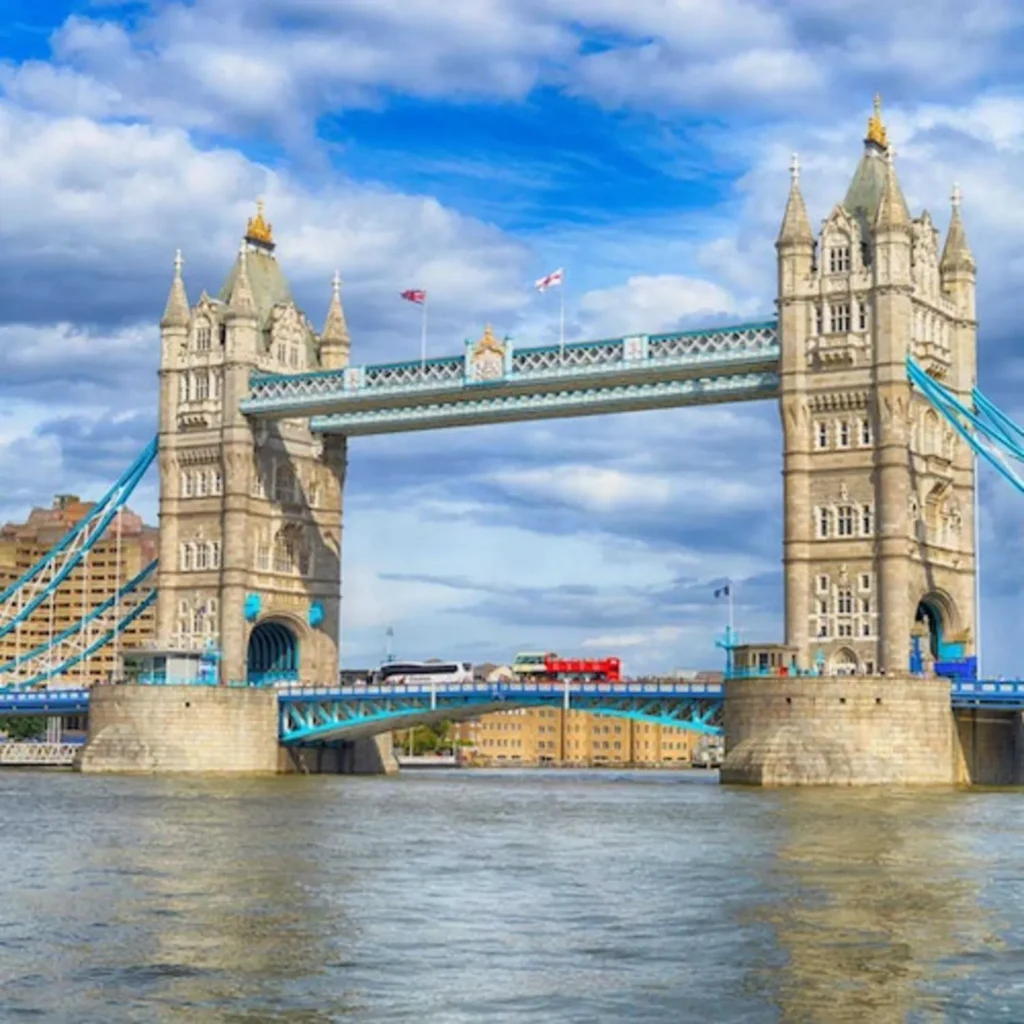
Explore the stunning architecture of St. Paul’s Cathedral and its significant historical crypt.

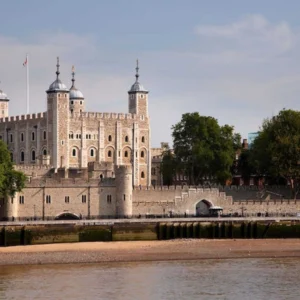
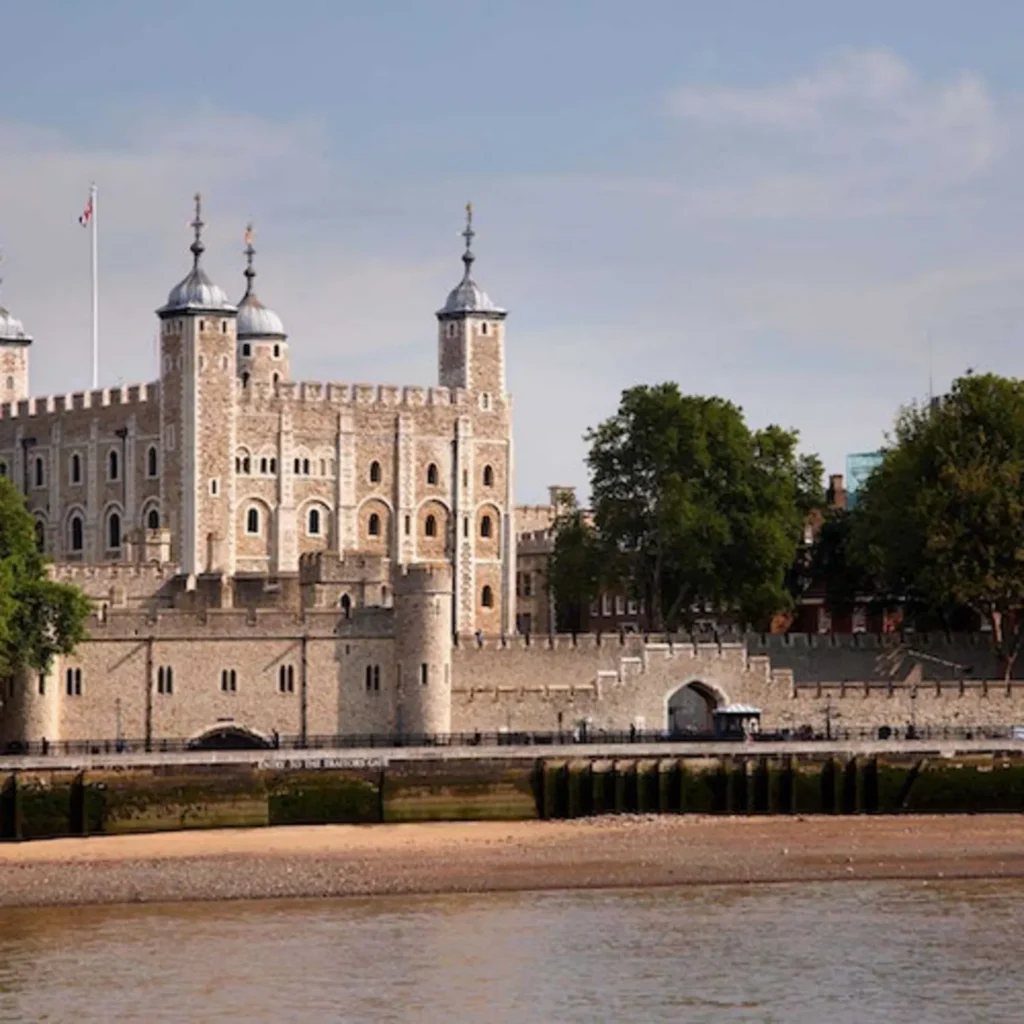
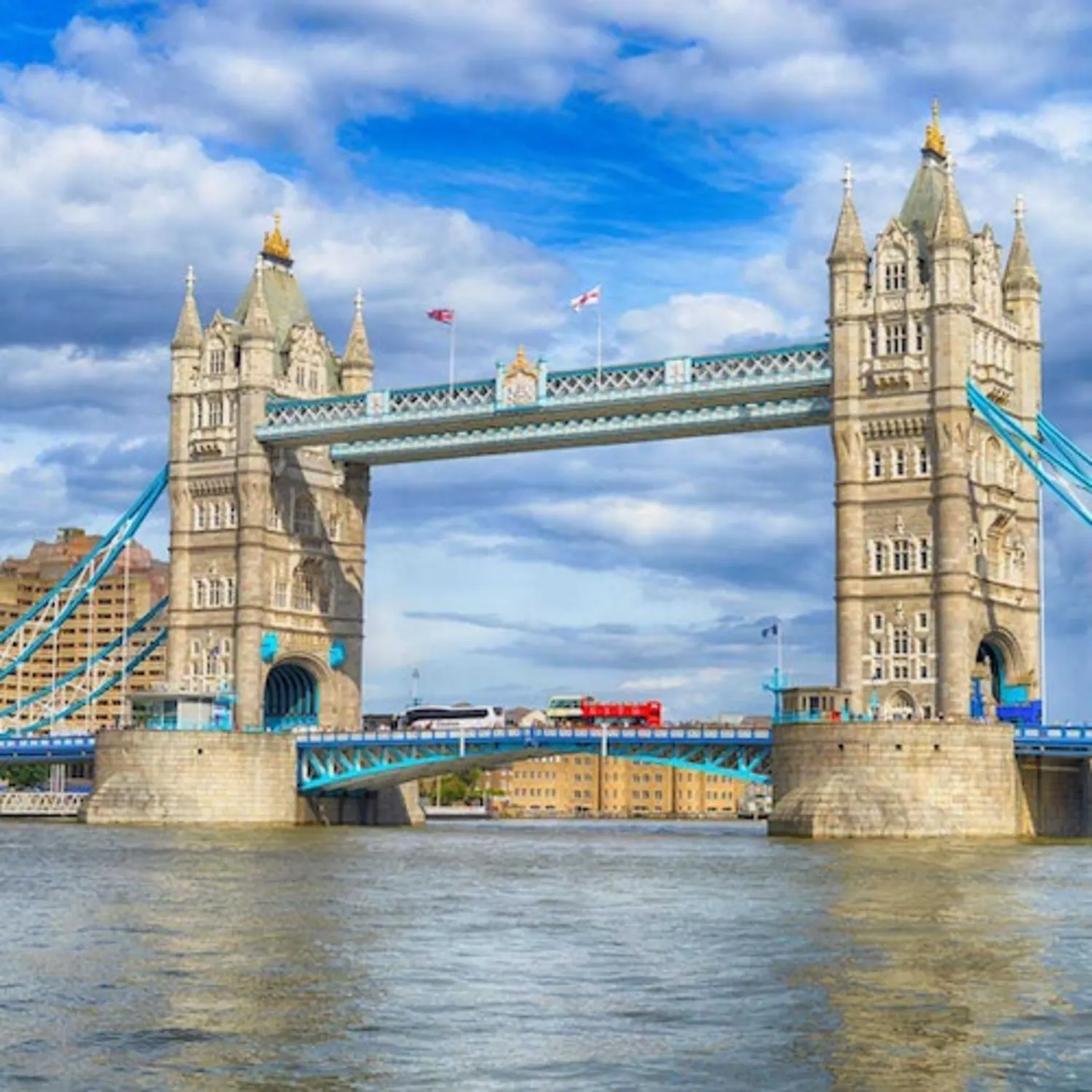
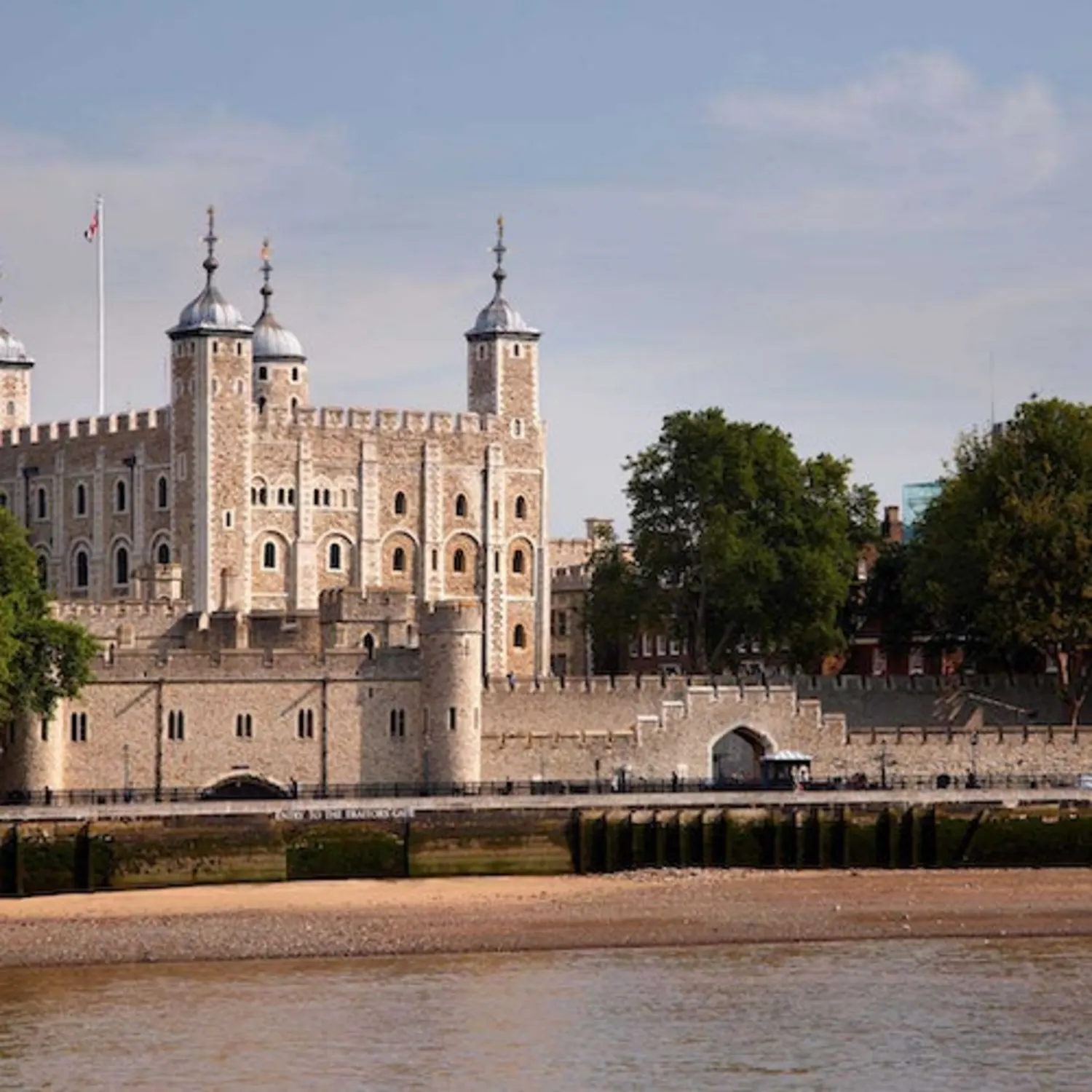
Discover the rich history of the Tower of London, including the Crown Jewels and its ancient royal menagerie.

Enjoy a relaxing boat ride along the Thames, offering views of London’s famous riverside sights.

Benefit from a knowledgeable live guide throughout the tour.

Use a headset to hear commentary clearly in multiple languages.
Climb the Dome While the Cathedral Is Still Quiet

The Whispering Gallery only works if you are standing in it, and the view from the Golden Gallery is worth the 528 steps. Book a timed slot on a weekday morning, when the cathedral floor is quietest, and give yourself long enough to reach the top of the dome before the last entry at 4pm.

Questions About St Paul’s Cathedral

Why is St Paul’s Cathedral famous?

For Wren’s dome, which dominated the London skyline for two and a half centuries and came through the Blitz when the streets around it burned. It is also where Britain holds the occasions it wants the whole country watching.

Who was Christopher Wren?

The architect who designed the cathedral and ran the rebuilding from his appointment in 1668 until Parliament declared it complete in 1711. He is buried in the crypt of the cathedral he built, under an inscription telling visitors to look around them for his monument.

Is St Paul’s Cathedral still a working cathedral?

Yes. It holds daily services alongside the sightseeing, and it remains the seat of the Bishop of London, as it has been since the first cathedral here was consecrated in 604.

What famous events have been held at St Paul’s Cathedral?

Wellington’s funeral in 1852, Victoria’s Diamond Jubilee in 1897, a thanksgiving service for the end of the First World War in 1919, Churchill’s funeral in 1965 and the wedding of Charles and Diana in 1981.

Who is buried in St Paul’s Cathedral?

The crypt holds Christopher Wren, Admiral Lord Nelson and the Duke of Wellington, alongside memorials to figures including J M W Turner, Alexander Fleming and Florence Nightingale.

Did St Paul’s Cathedral survive the Blitz?

Yes, though not by luck alone. A bomb squad removed a delayed-action bomb from beside the tower in September 1940, and volunteers called the St Paul’s Watch put out incendiaries on the roofs night after night. The dome was photographed standing above the smoke on 29 December 1940.

How many steps are there to the top of the dome?

There are 257 steps to the Whispering Gallery, 376 to the Stone Gallery and 528 to the Golden Gallery. There is no lift to any of the dome galleries, so the climb is on foot the whole way.

Why is the dome built in three shells?

A single dome tall enough to look right from the street would have been too heavy to hold up a stone lantern. Wren separated the jobs: a brick cone about a foot and a half thick carries the lantern, an inner dome gives the view from below, and an outer lead shell creates the skyline profile.

This website sells official tickets for this venue. Please note, however, that it is not the official website of the venue.

The images and videos on this website may contain visual elements that have been created or enhanced using AI technology. They are provided for illustrative purposes only.