We are processing your request.
Please, don't close or refresh the page.
London Tickets St Pauls Cathedral Old Cathedral

Old St Paul’s Cathedral: The Building the Great Fire Took in 1666

Longer than the cathedral standing now, with a spire that burned in 1561 and a nave Londoners used as a street. Wren’s plan to save it was approved six days before the fire reached Ludgate Hill.

The Cathedral That Stood Here for Four Centuries

Old St Paul’s was the fourth cathedral on this hill and it stood for more than four centuries, consecrated in 1240 and gone by September 1666. It was longer than the building that replaced it, it carried one of the tallest spires in Europe until lightning took it, and Londoners treated its nave as a public thoroughfare where you could hire a servant or pick up the day’s news. Almost nothing of it is left above ground, which is why so little of its story shows up in the St Paul’s Cathedral Wren built to replace it.

Five Facts About Old St Paul’s Cathedral

It ran 586 feet from end to end, longer than the cathedral standing on the site now, and 100 feet across the transepts.

Its spire is traditionally put at 489 feet, though Wren himself reckoned closer to 460; either way it was among the tallest structures in Europe.

The spire caught fire on 4 June 1561 and crashed through the nave roof. It was never rebuilt.

Parliamentarian troops stabled cavalry horses in the nave during the Civil War and scattered the cathedral’s records.

Demolition of the ruins only began in 1668, slowed by lead that had melted in the fire and fused the stonework together.

A Bigger Church Than the One Standing Now
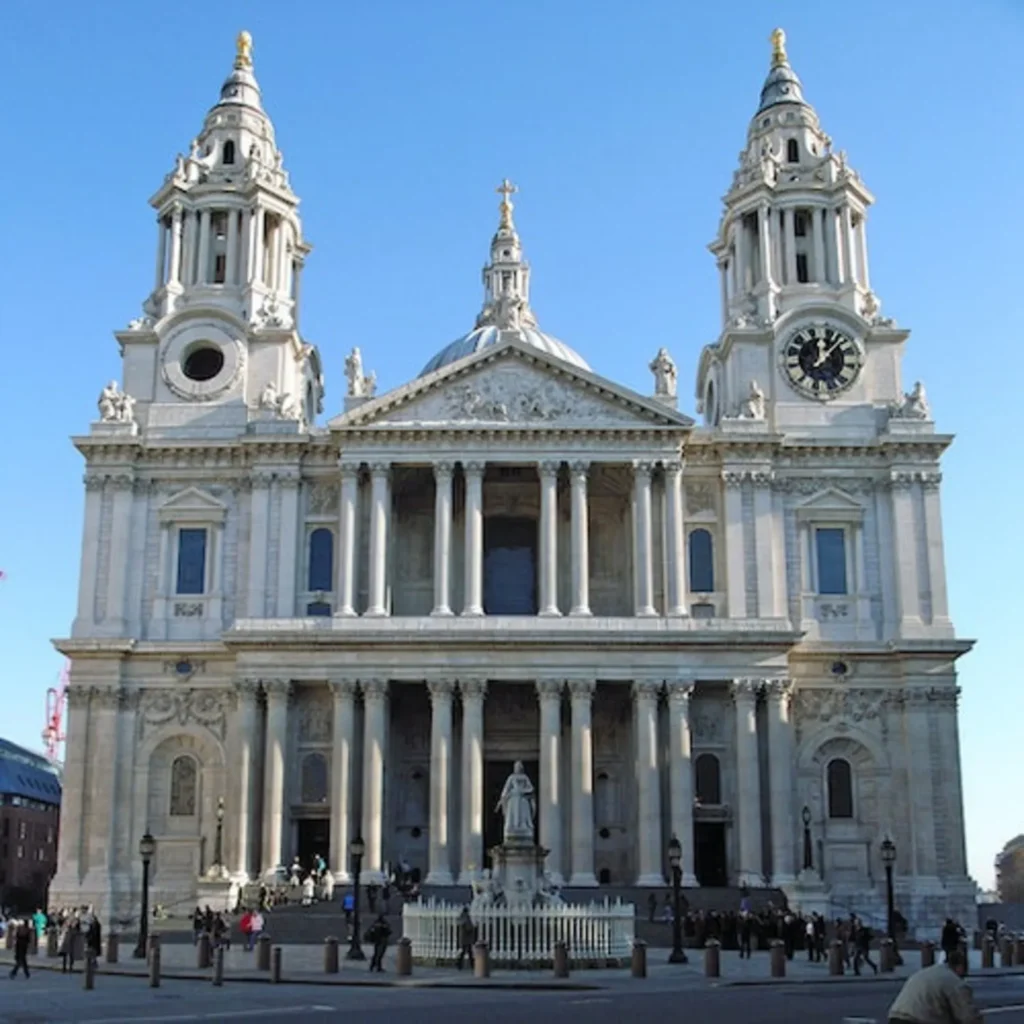
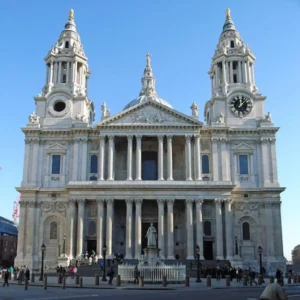
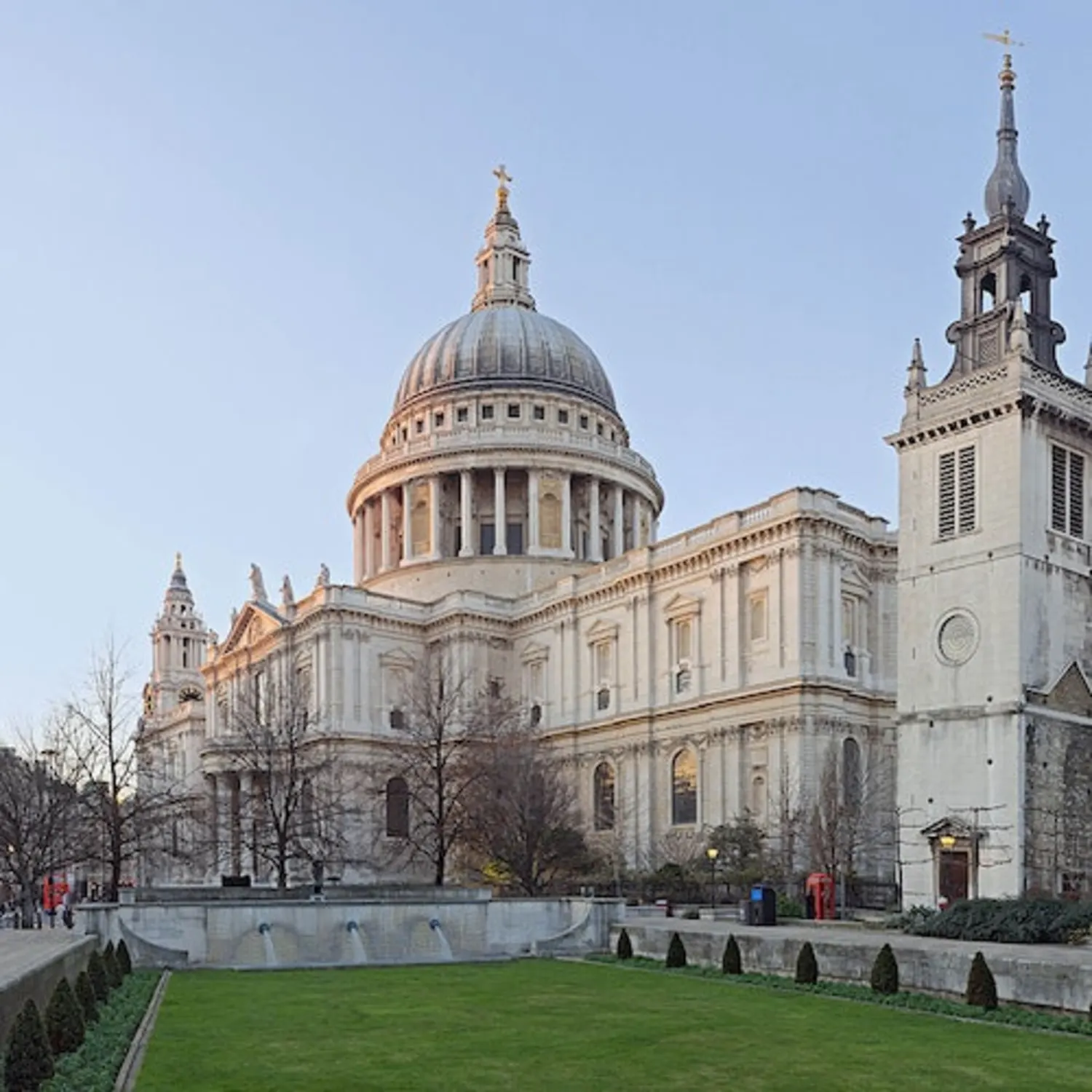
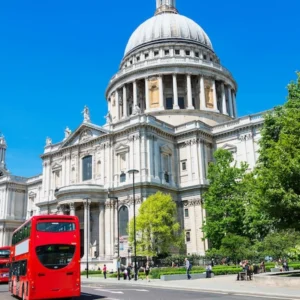
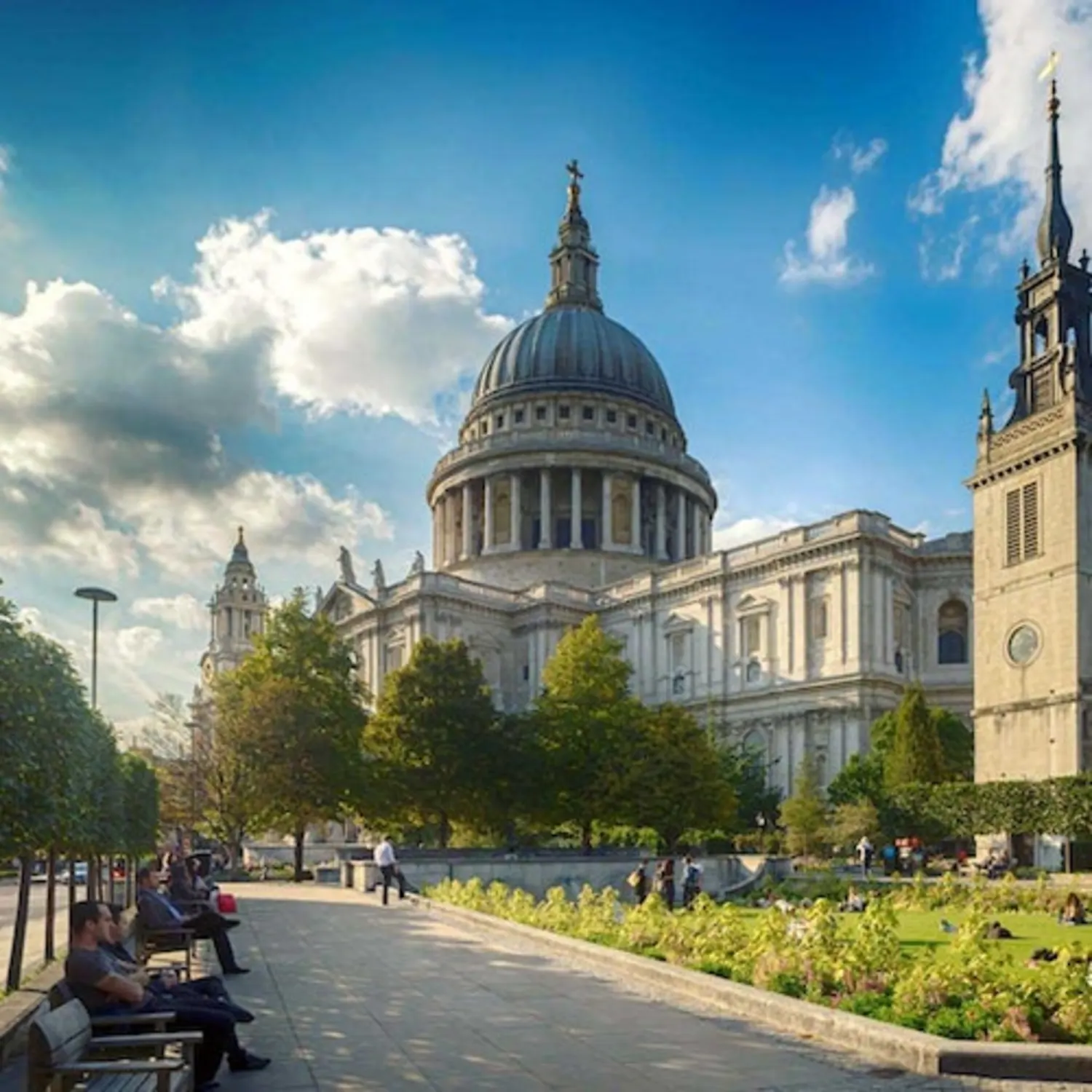
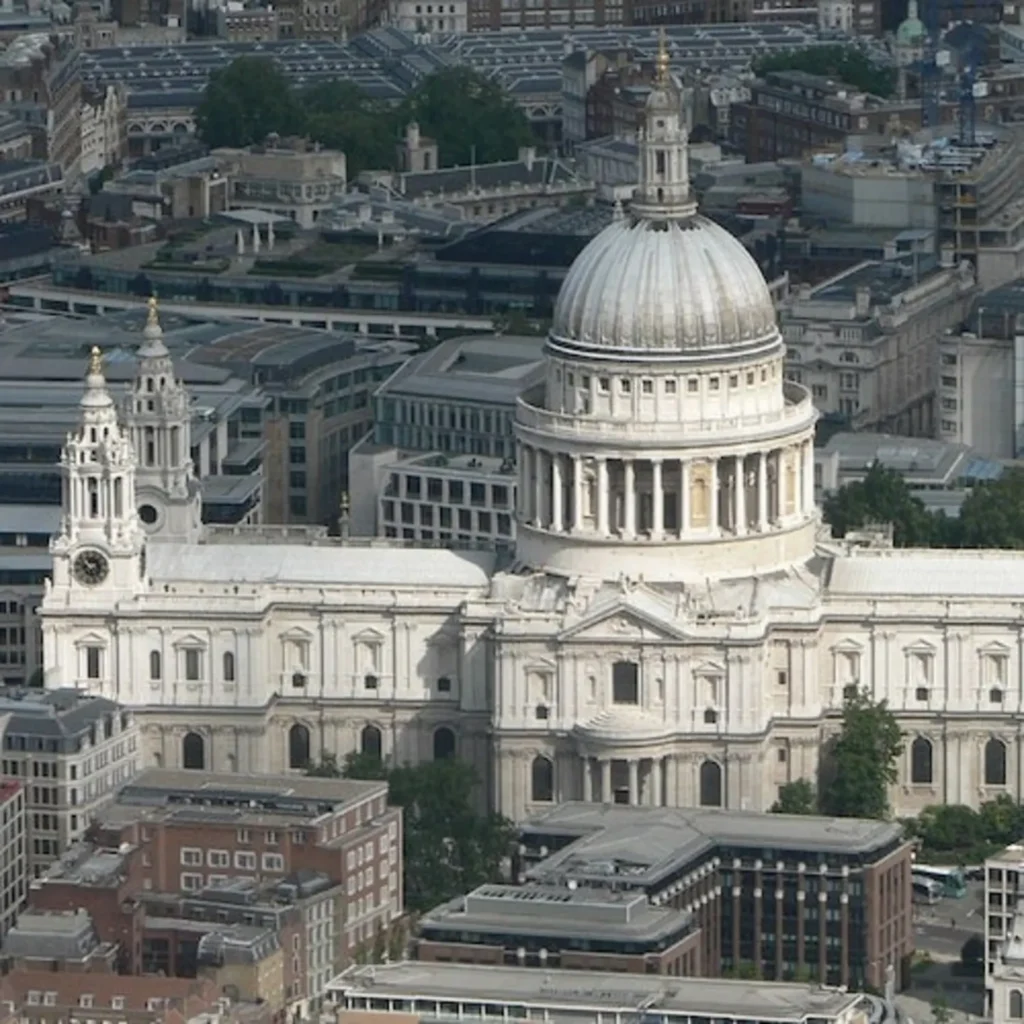
St Paul’s Cathedral, London

Old St Paul’s ran 586 feet from west door to east end and 100 feet across the transepts, which made it longer than Wren’s cathedral and one of the largest churches in Europe. On top of the crossing sat a spire usually given as 489 feet, though Wren, who measured what was left of the structure himself, put it nearer 460. Either figure made it one of the tallest things ever built in England at that point.

It came down on 4 June 1561. The spire caught fire, almost certainly struck by lightning, and fell through the roof of the nave. Money was raised and the roof was patched, but the spire was never put back, and the repair work done afterwards was poor enough that the building spent its last century in visible decline.

Wren’s Dome Was Approved Six Days Before the Fire
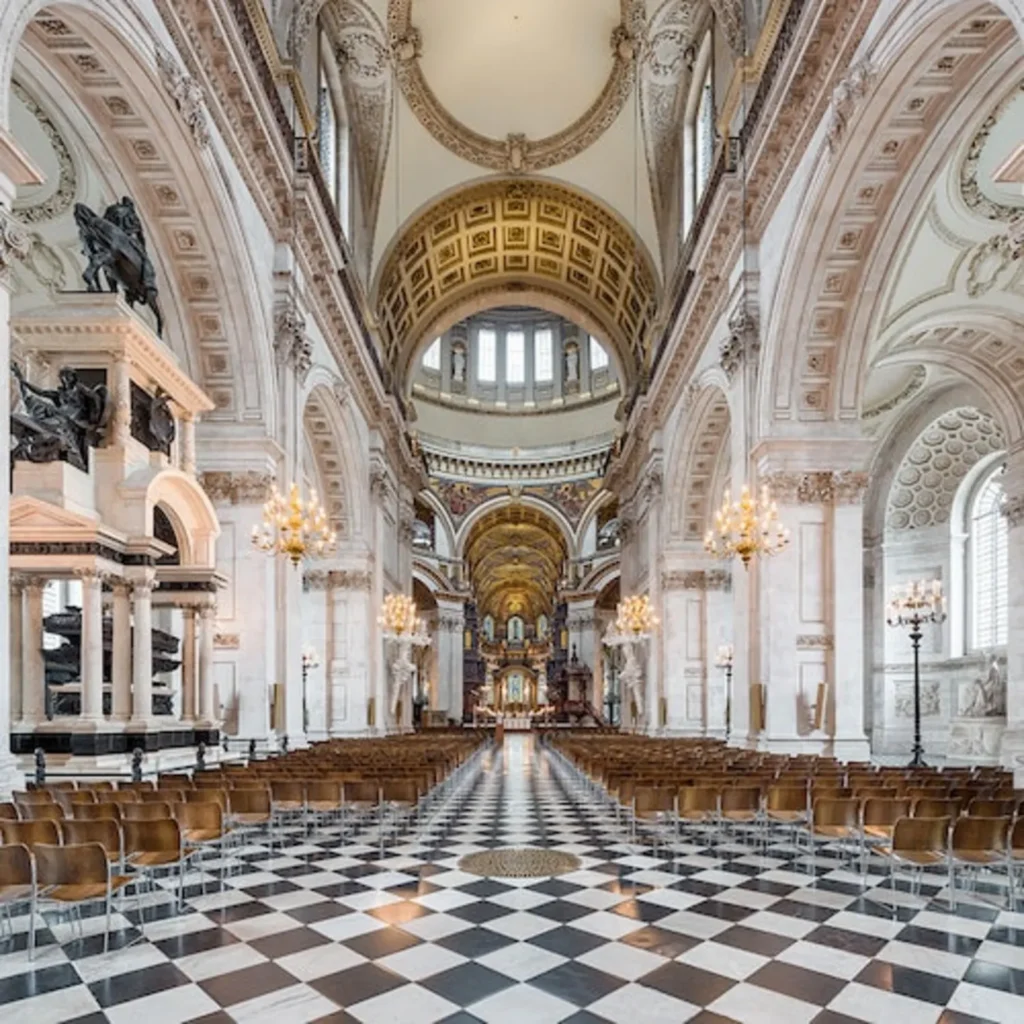
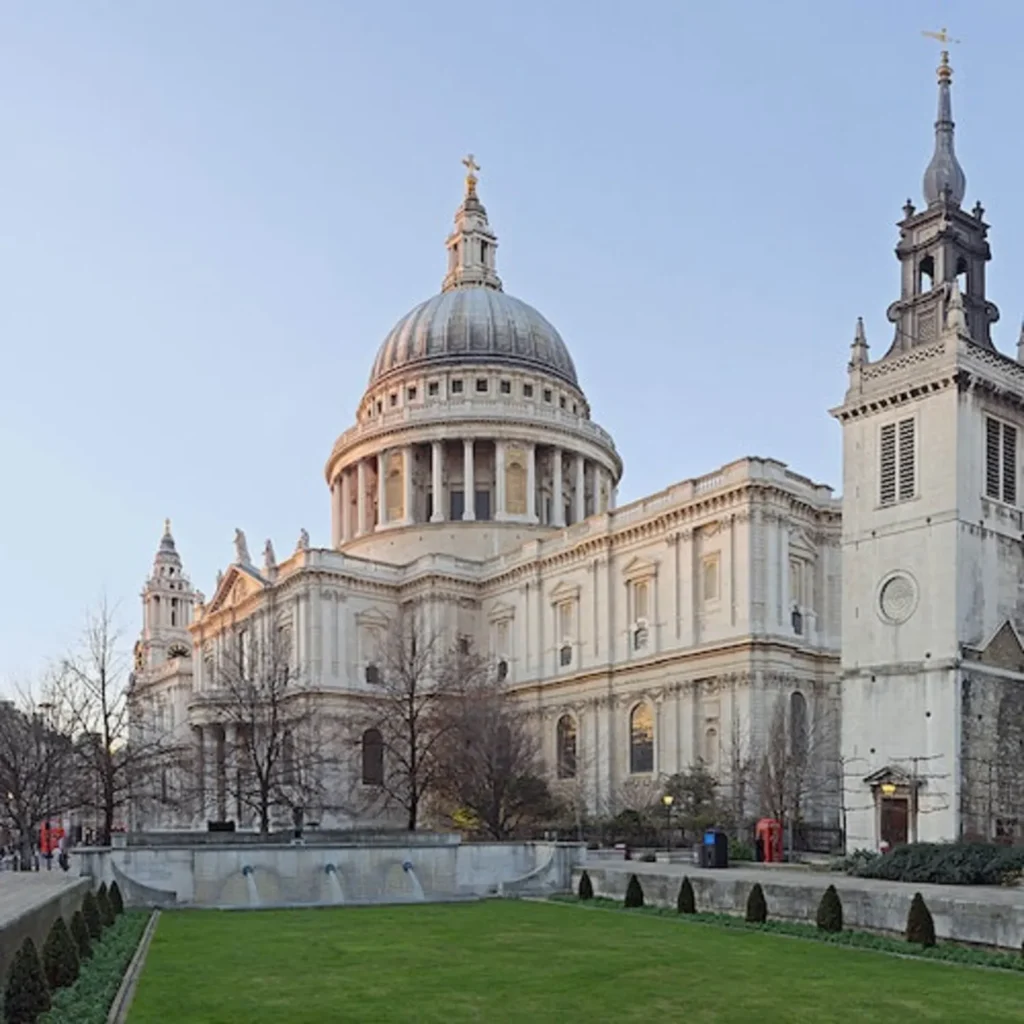
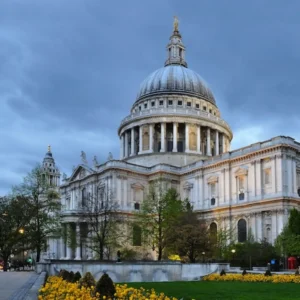
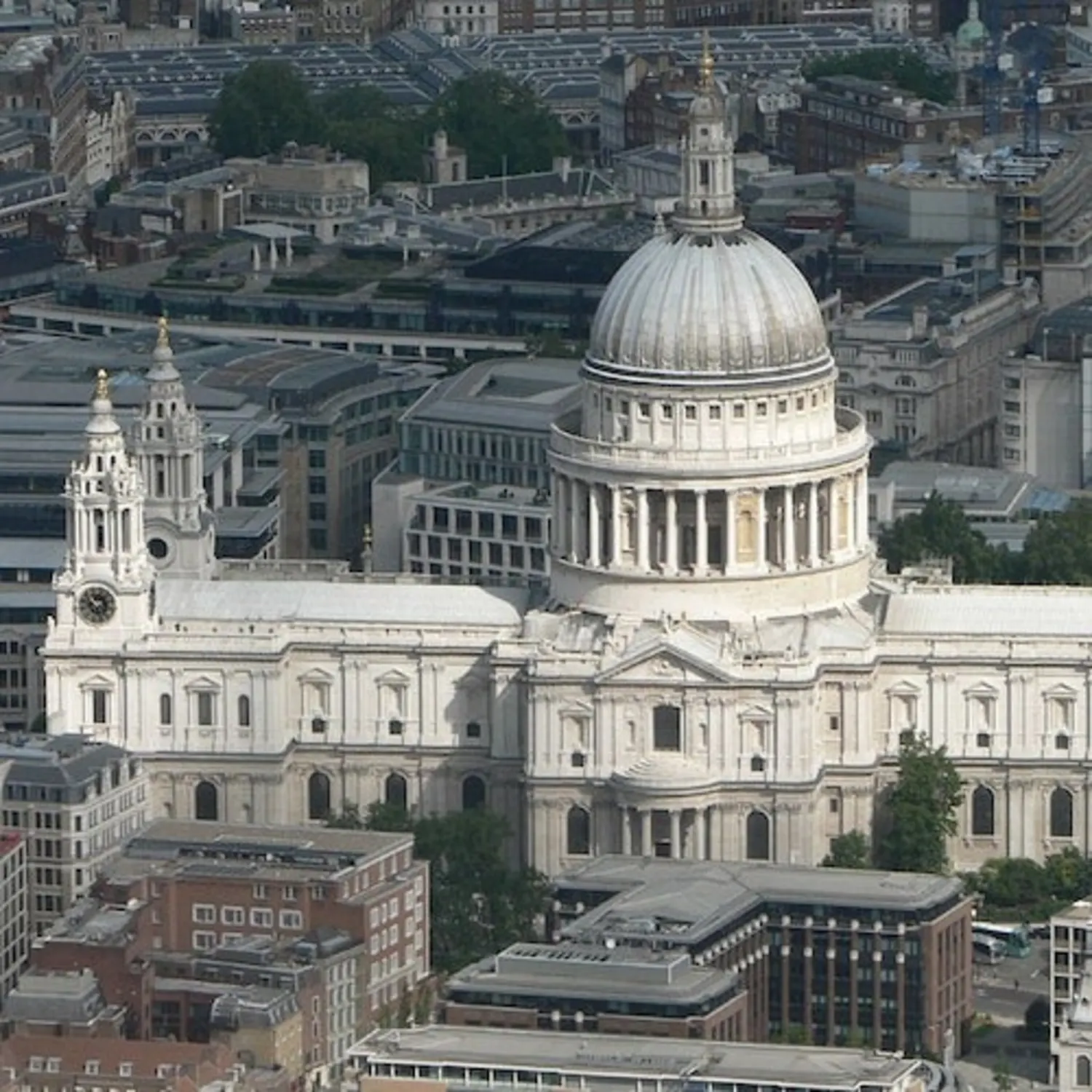
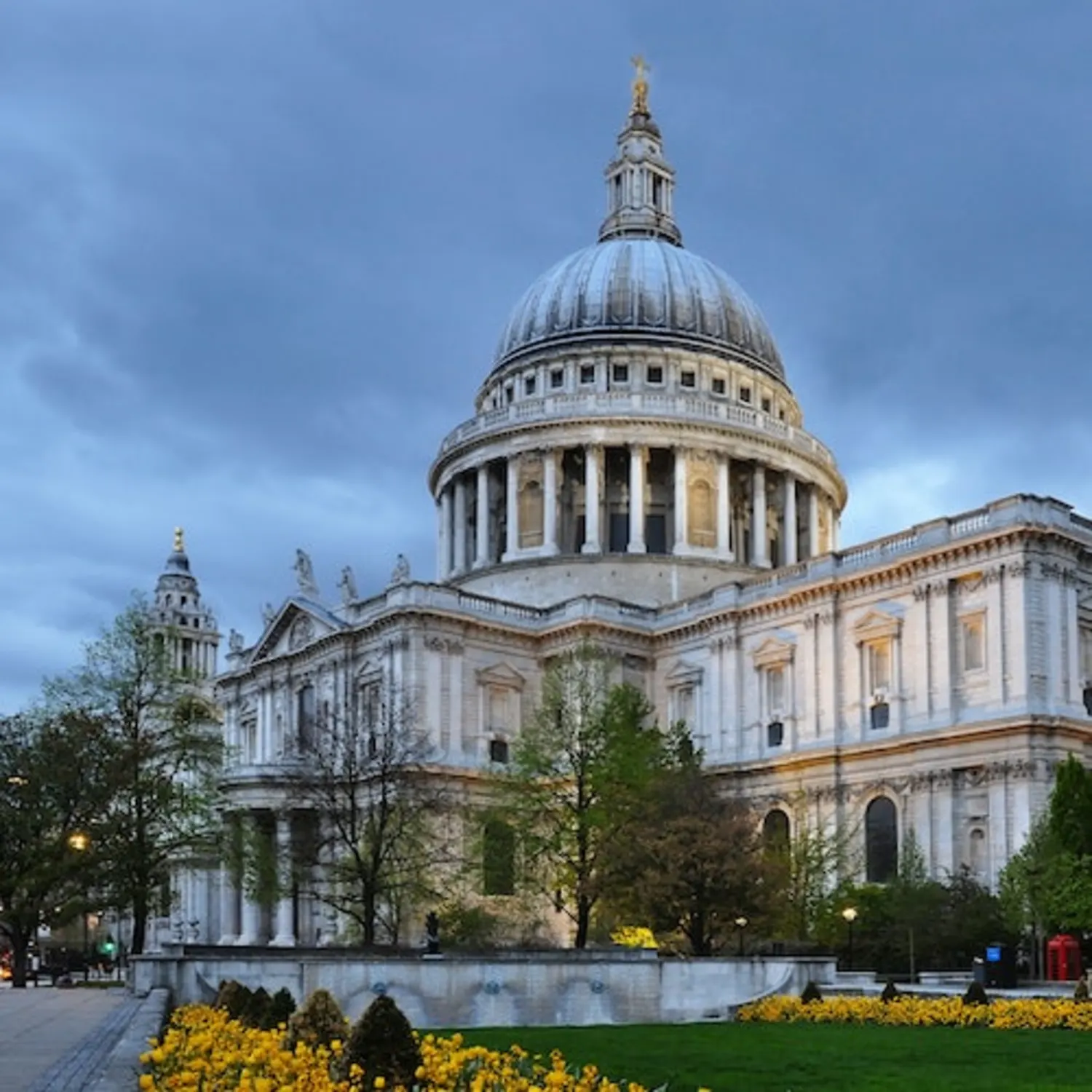
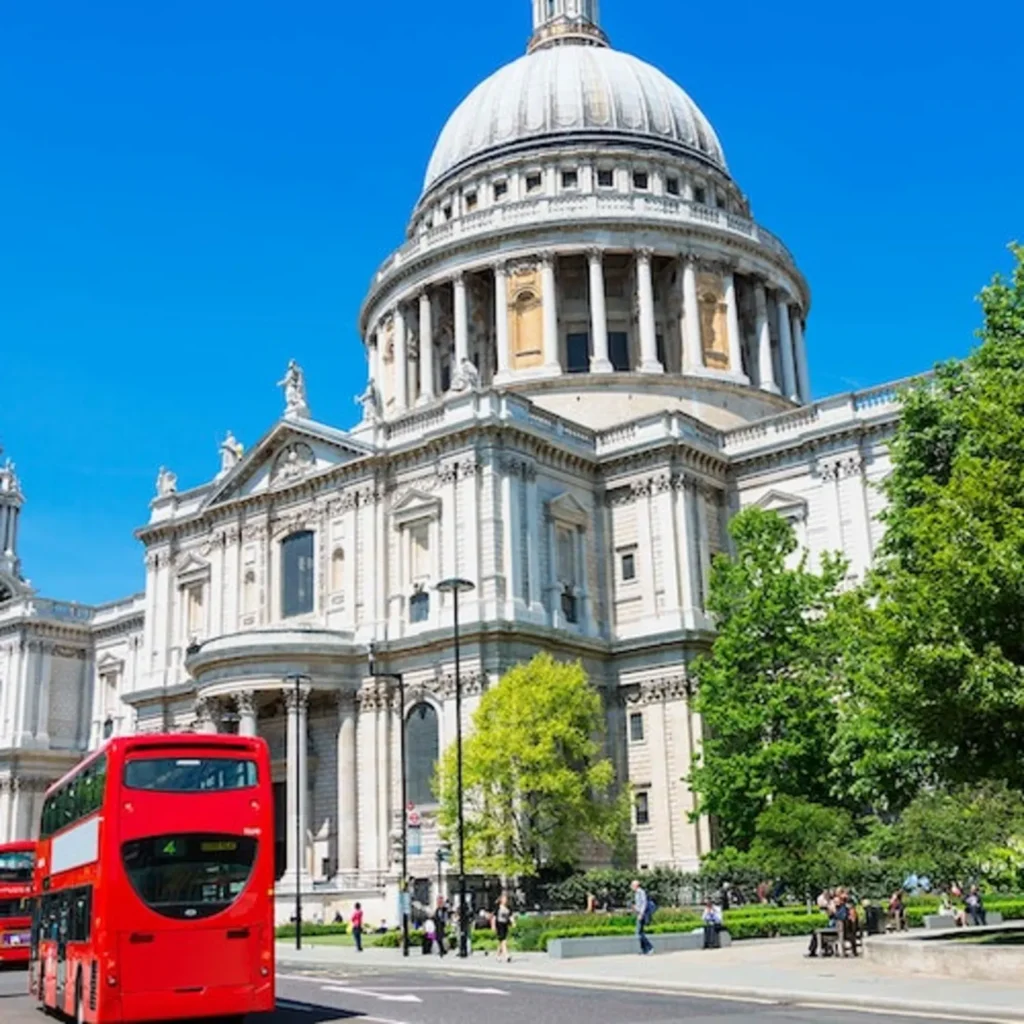
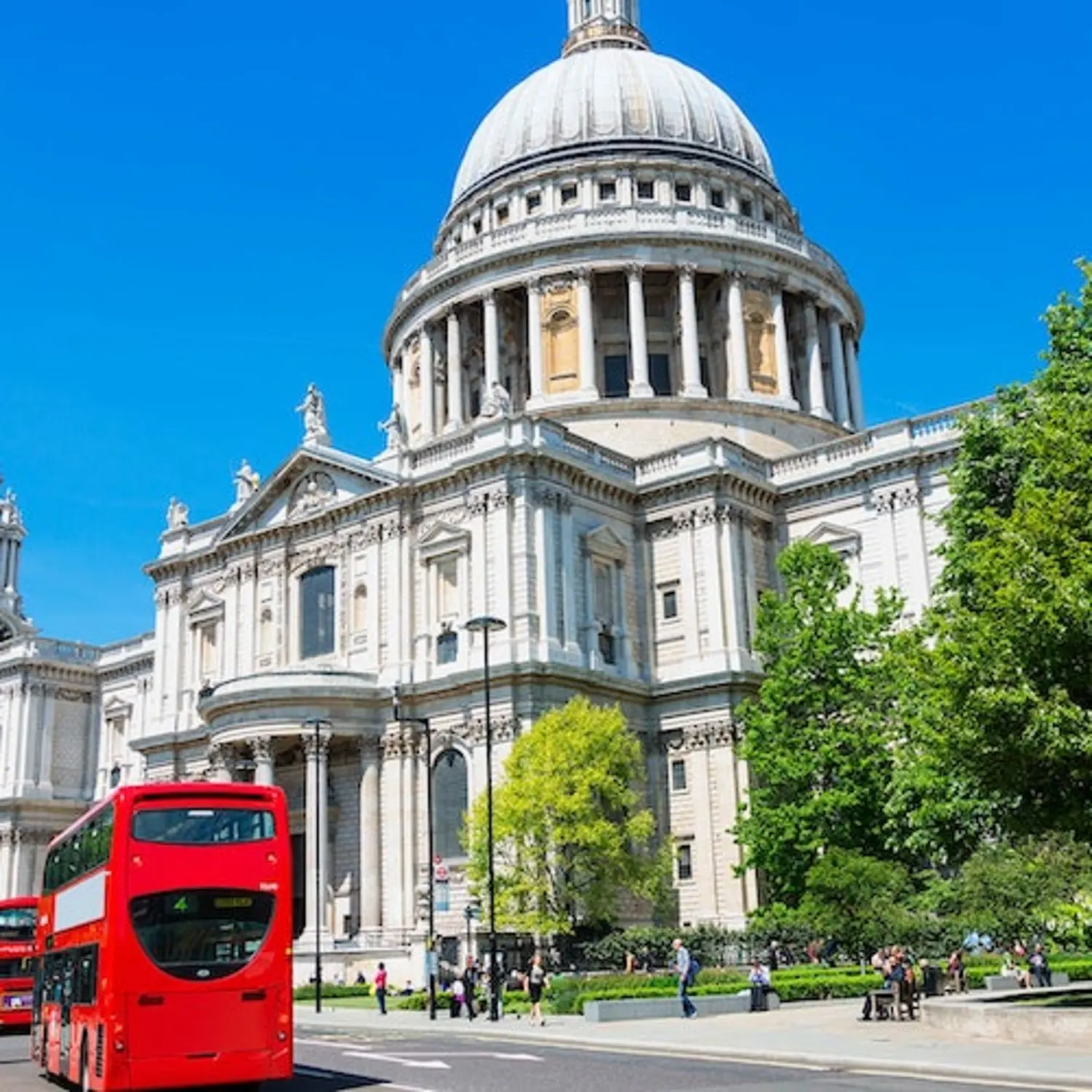
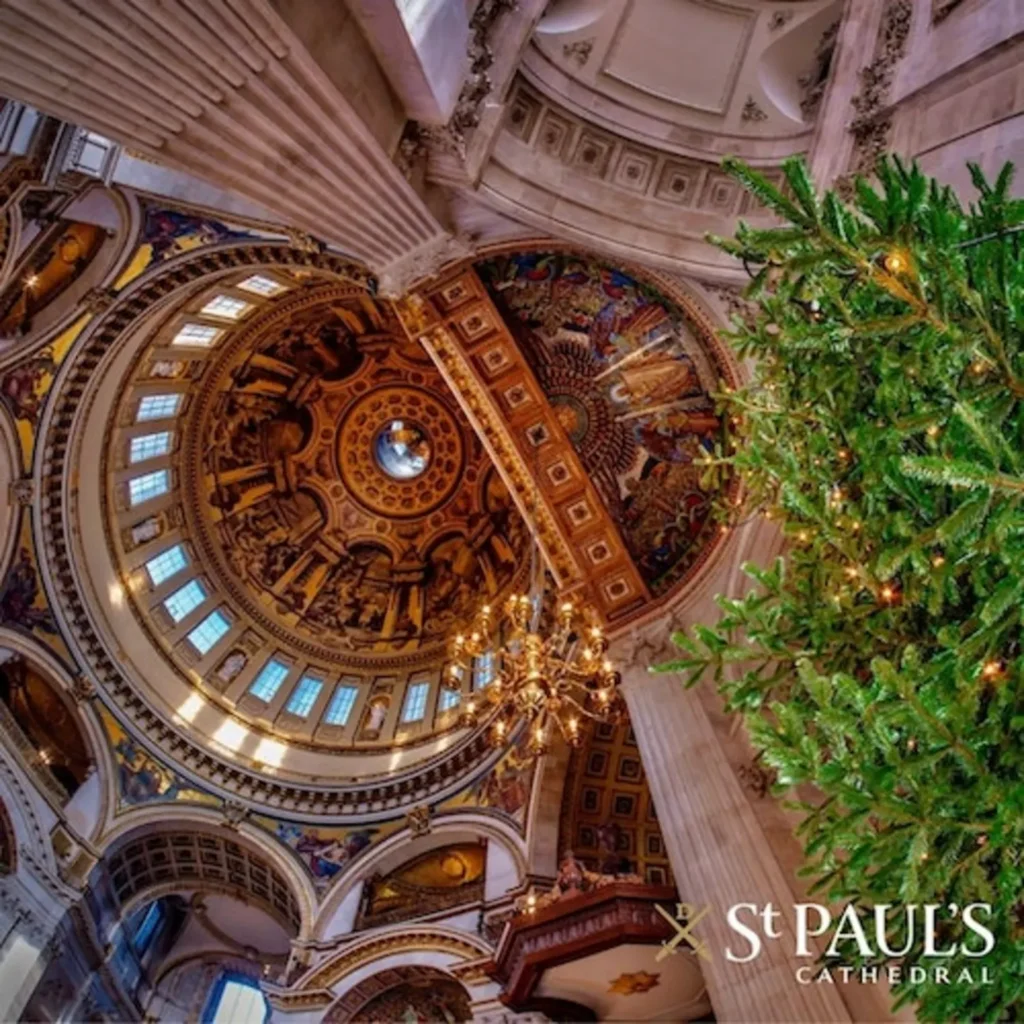
St Paul’s Cathedral on Ludgate Hill

By the 1660s the old cathedral was in bad enough shape that something drastic was needed, and Christopher Wren, then in his early thirties, submitted a report on 1 May 1666. His proposal was to cut off the inner corners of the crossing and turn the middle of the church into, in his words, “a spacious Dome or rotunda” a dome on a Gothic church, built over the existing tower so the landmark stayed up while the work went on.

He had studied Bramante’s designs for St Peter’s and double-shell domes in Paris, and he topped his with a carved pineapple. Bishop Humphrey Henchman backed the scheme and the drawings were formally approved at a conference on 27 August 1666. The Great Fire started on the night of 2 September. Six days separated the approval from the end of the building it was meant to save.

St Paul’s Cathedral: Entry Ticket

Highlights

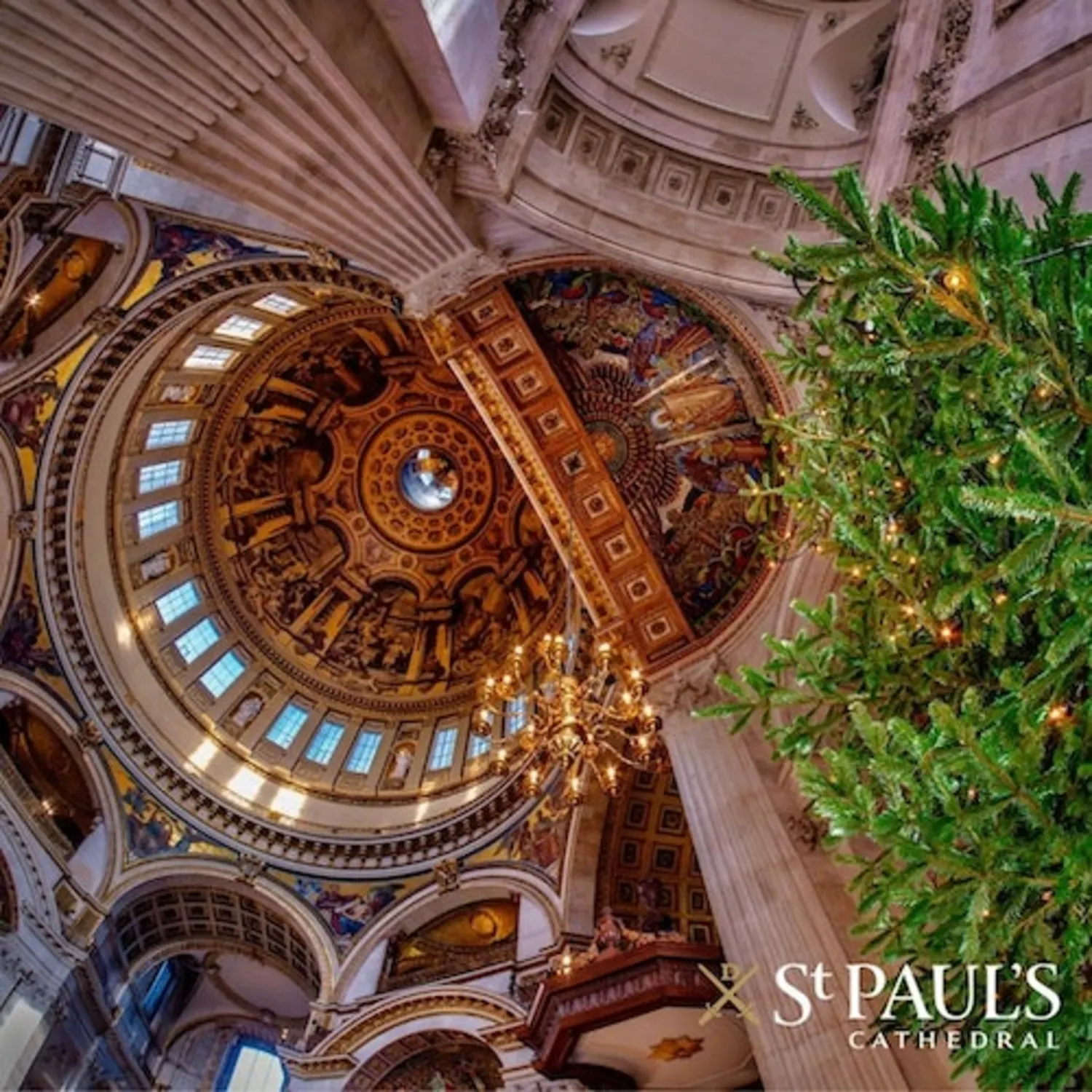
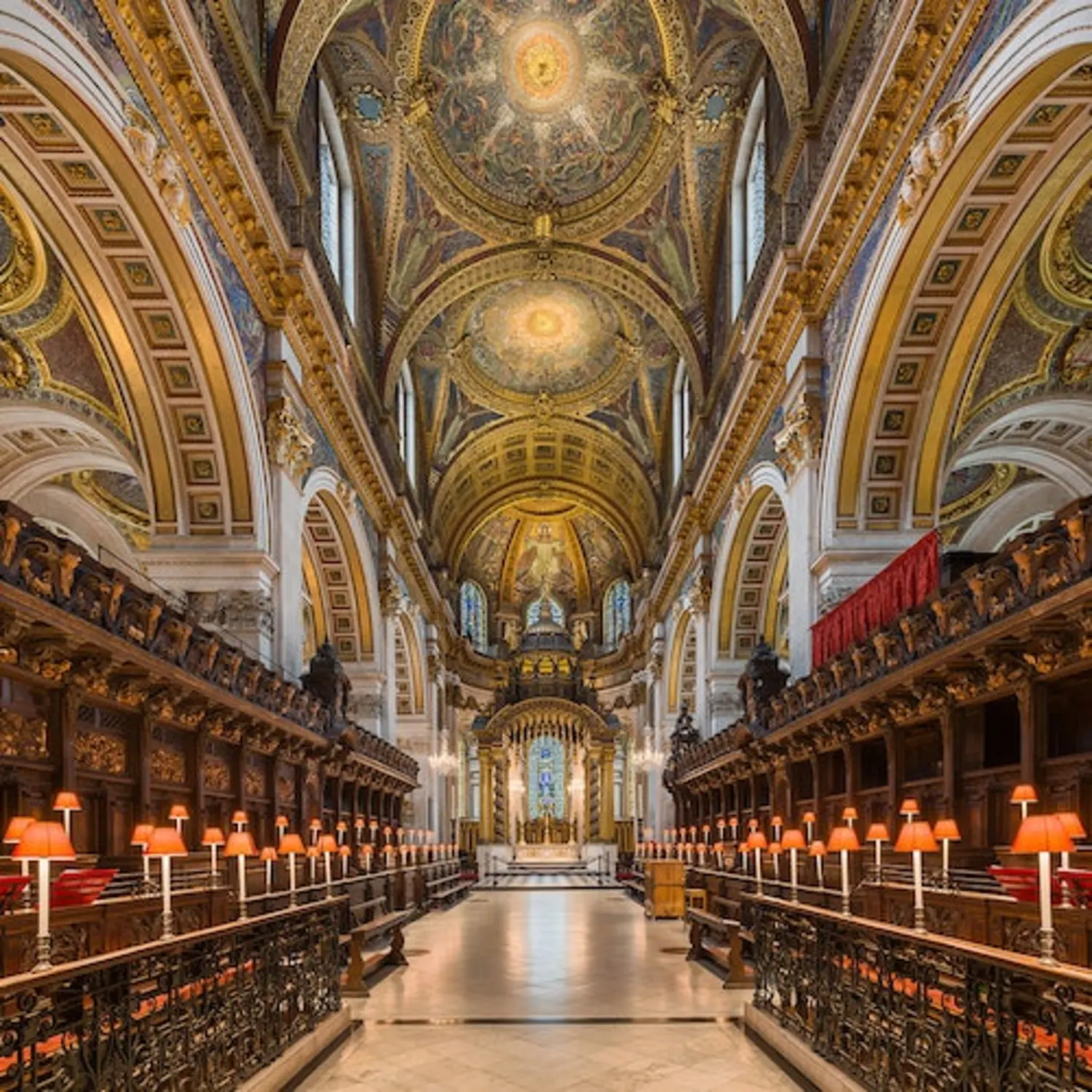
Explore the magnificent interior designed by Sir Christopher Wren.

Climb up to the Whispering Gallery and experience its acoustic marvel.

Visit the underground Crypt housing notable historical figures.

Ascend to the Golden Gallery for panoramic city views 111 meters above.

Discover rich history spanning over 1,400 years, including artifacts from World War One veterans.
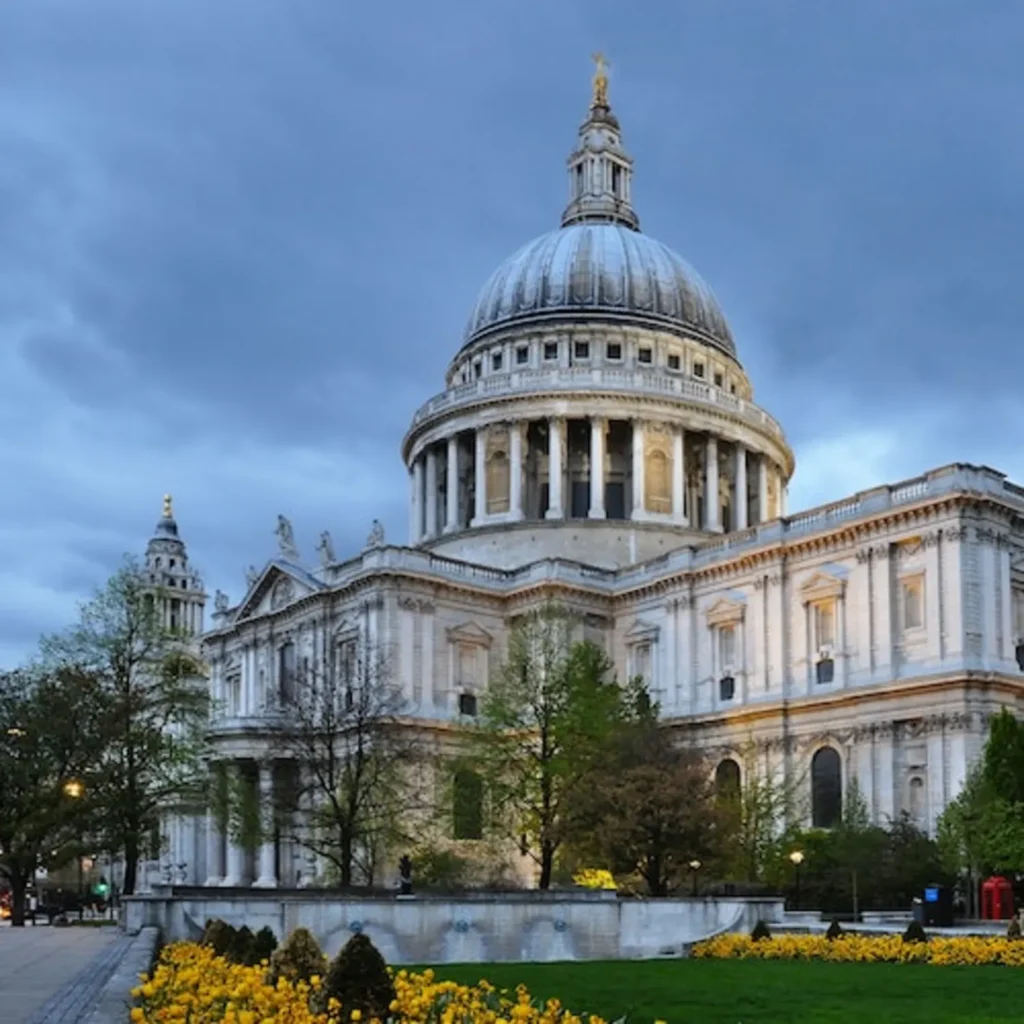
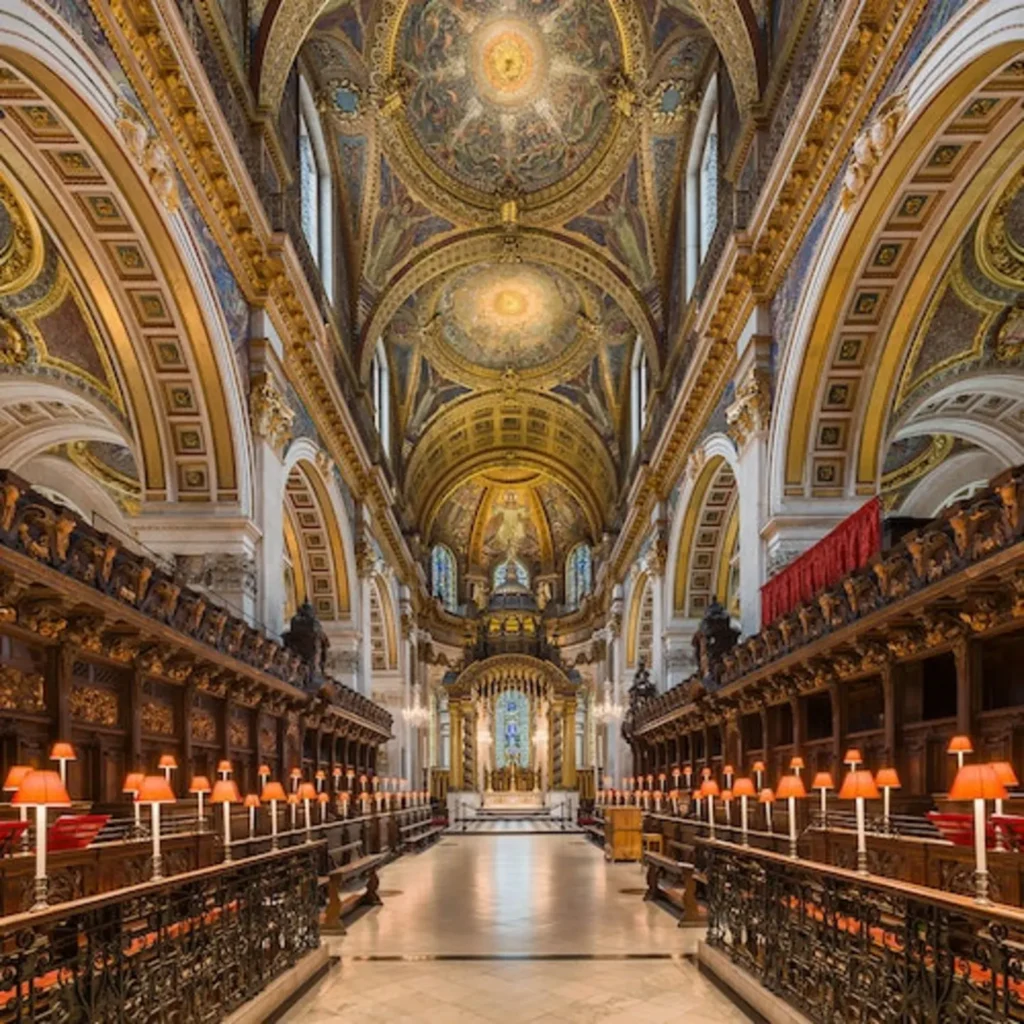
Crown Jewels of London Tour with River Cruise

Highlights

Explore the stunning architecture of St. Paul’s Cathedral and its significant historical crypt.

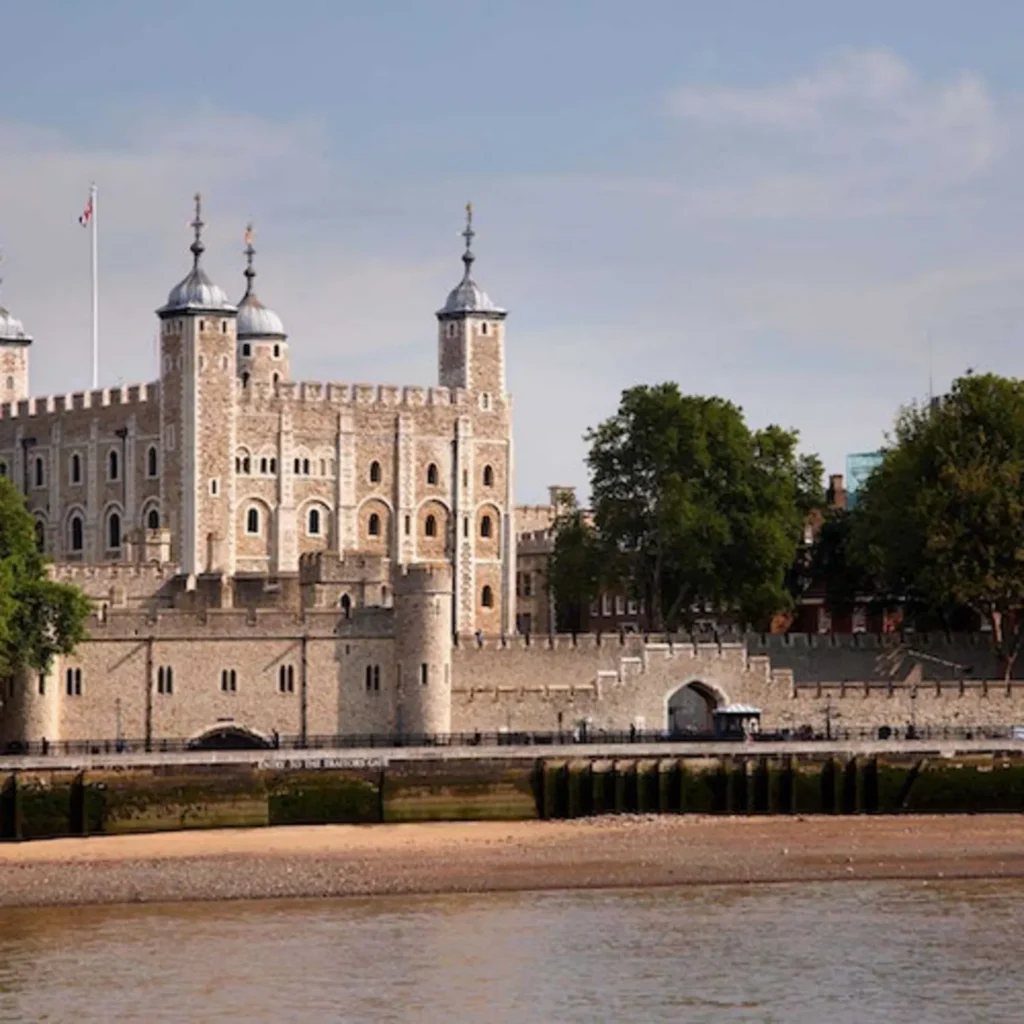
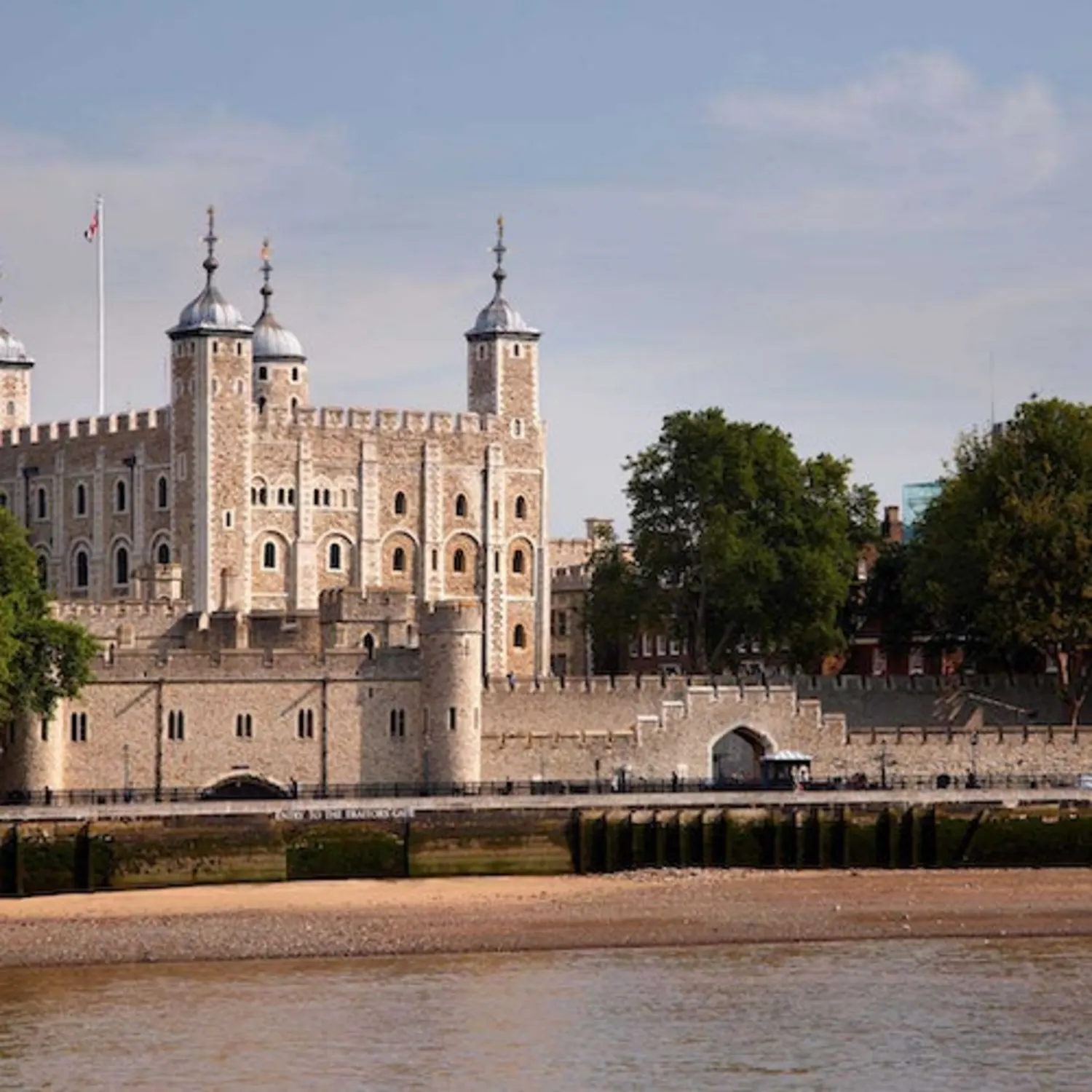
Discover the rich history of the Tower of London, including the Crown Jewels and its ancient royal menagerie.

Enjoy a relaxing boat ride along the Thames, offering views of London’s famous riverside sights.

Benefit from a knowledgeable live guide throughout the tour.

Use a headset to hear commentary clearly in multiple languages.
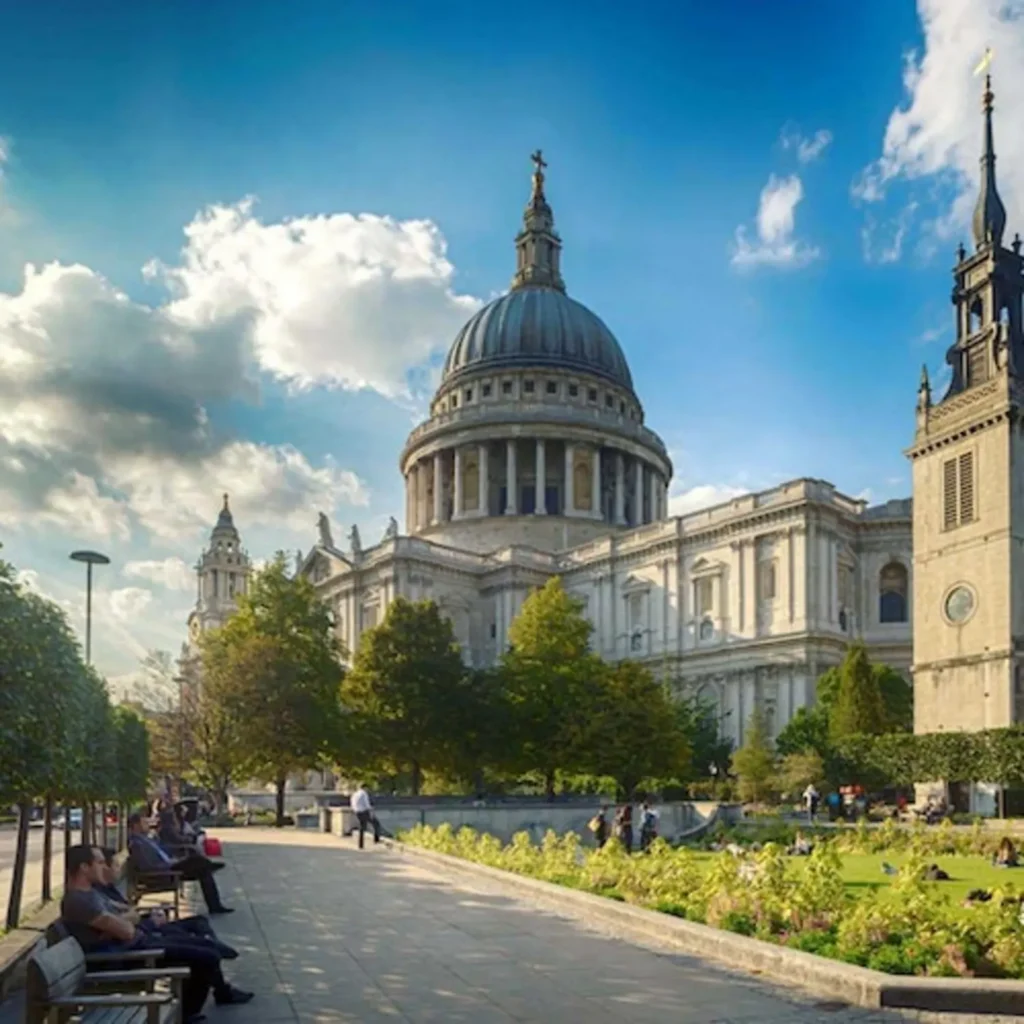
What You Can Still Find of It

Almost all of the old cathedral is gone, but not quite all of it. Donne’s shrouded figure still stands south of the Quire, and the Crypt holds fragments and memorial tablets recording burials the fire erased. Go looking for them and the building you are standing in reads differently: not the first cathedral here, just the one that lasted.

Questions About Old St Paul’s Cathedral

What was Old St Paul’s Cathedral?

The medieval cathedral that stood on Ludgate Hill before the one there now. Begun by the Normans in 1087 and consecrated in 1240, it was the fourth cathedral on the site and lasted until the Great Fire of 1666.

What happened to Old St Paul’s Cathedral?

The Great Fire of London reached it on 2 September 1666 and burned through it over the following days. Molten lead ran off the roof, the stonework cracked, and the ruins were beyond saving. Demolition began in 1668, slowed by lead that had fused the stones together.

How tall was Old St Paul’s Cathedral?

Its spire is traditionally given as 489 feet, making it one of the tallest structures in Europe, although Wren himself estimated closer to 460. The spire burned on 4 June 1561 after a probable lightning strike and was never rebuilt.

Was Old St Paul’s bigger than the cathedral there now?

Longer, yes. It measured 586 feet end to end against 574 for Wren’s cathedral, and 100 feet across the transepts. What it did not have was the dome, which is why the present building dominates the skyline in a way the old one did not.

What was Paul’s Walk?

The nave of the old cathedral, used as a public thoroughfare and meeting place rather than a quiet church. Merchants, servants looking for work and dealers in news all gathered there, loudly enough that writers of the period complained about the noise.

Did Christopher Wren work on Old St Paul’s Cathedral?

He did. Wren submitted a report on 1 May 1666 proposing to replace the crossing tower with a dome, and the plan was approved on 27 August 1666. The Great Fire began six days later, so none of it was ever built.

Is anything left of Old St Paul’s Cathedral?

Very little above ground. John Donne’s monument, carved by Nicholas Stone around 1631, survived and stands south of the Quire. The Crypt holds surviving fragments along with a tablet listing burials lost in the fire.

This website sells official tickets for this venue. Please note, however, that it is not the official website of the venue.

The images and videos on this website may contain visual elements that have been created or enhanced using AI technology. They are provided for illustrative purposes only.