We are processing your request.
Please, don't close or refresh the page.

St Paul’s Churchyard: Where London Bought Its Books and Heard Its News

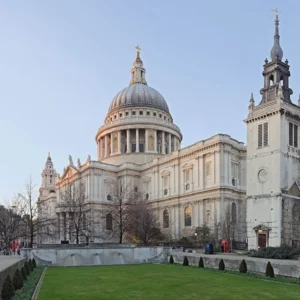
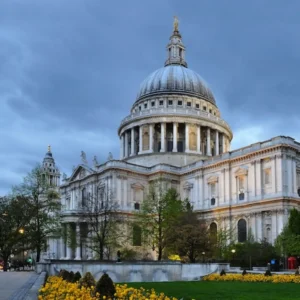
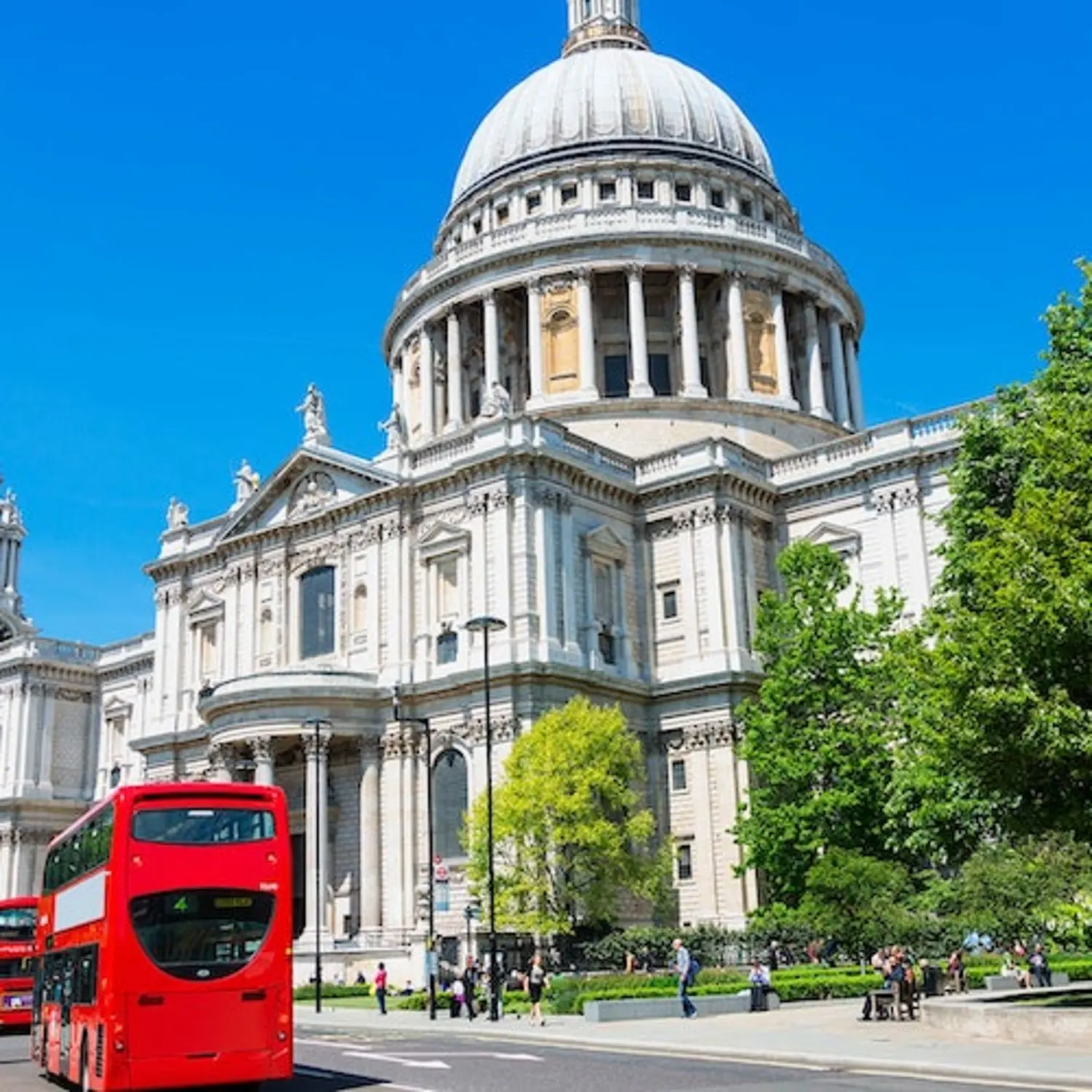
The ground around St Paul’s Cathedral was England’s book trade for three centuries and the site of Paul’s Cross. It is free to walk today, with roses, old trees and Queen Anne out front.

What St Paul’s Churchyard Is

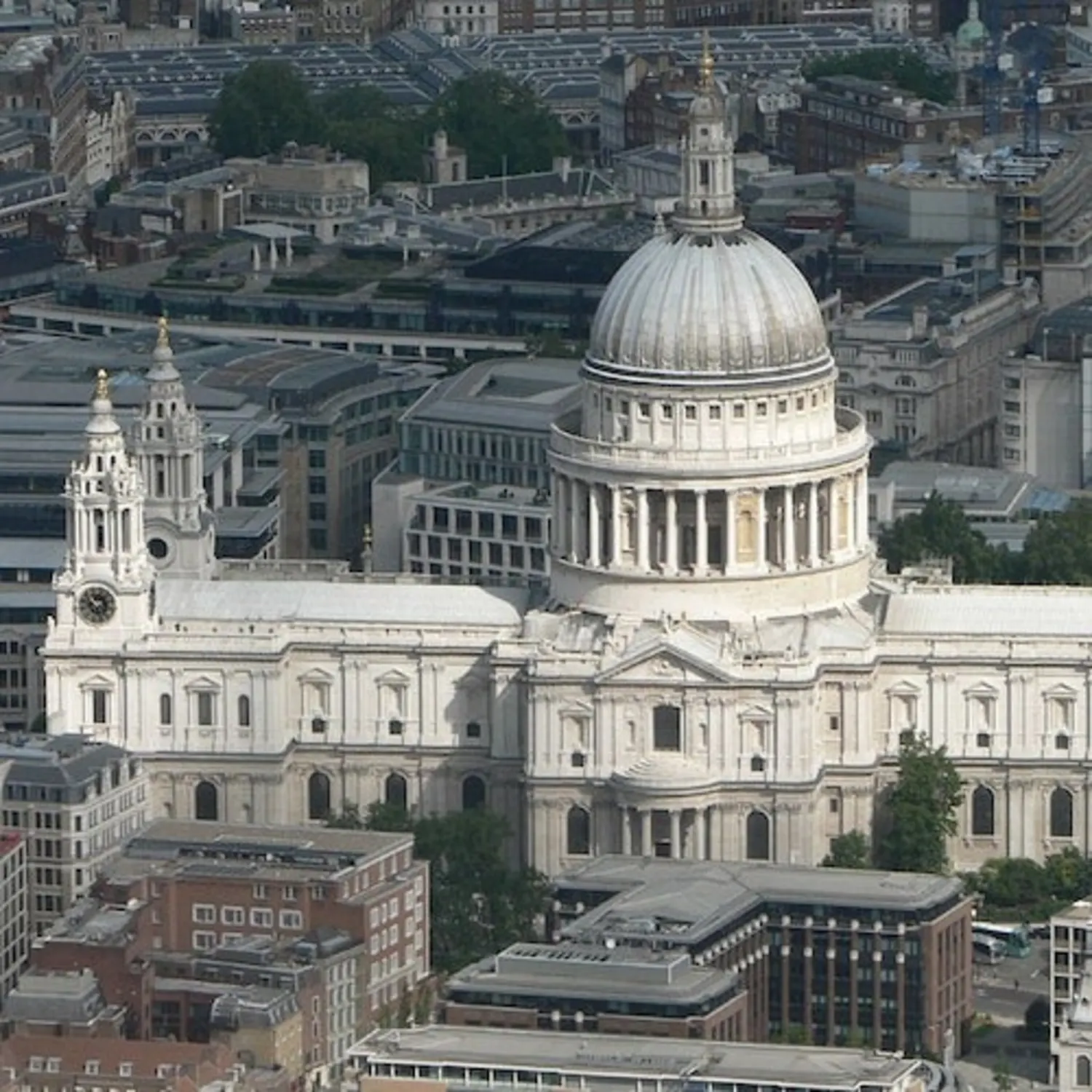
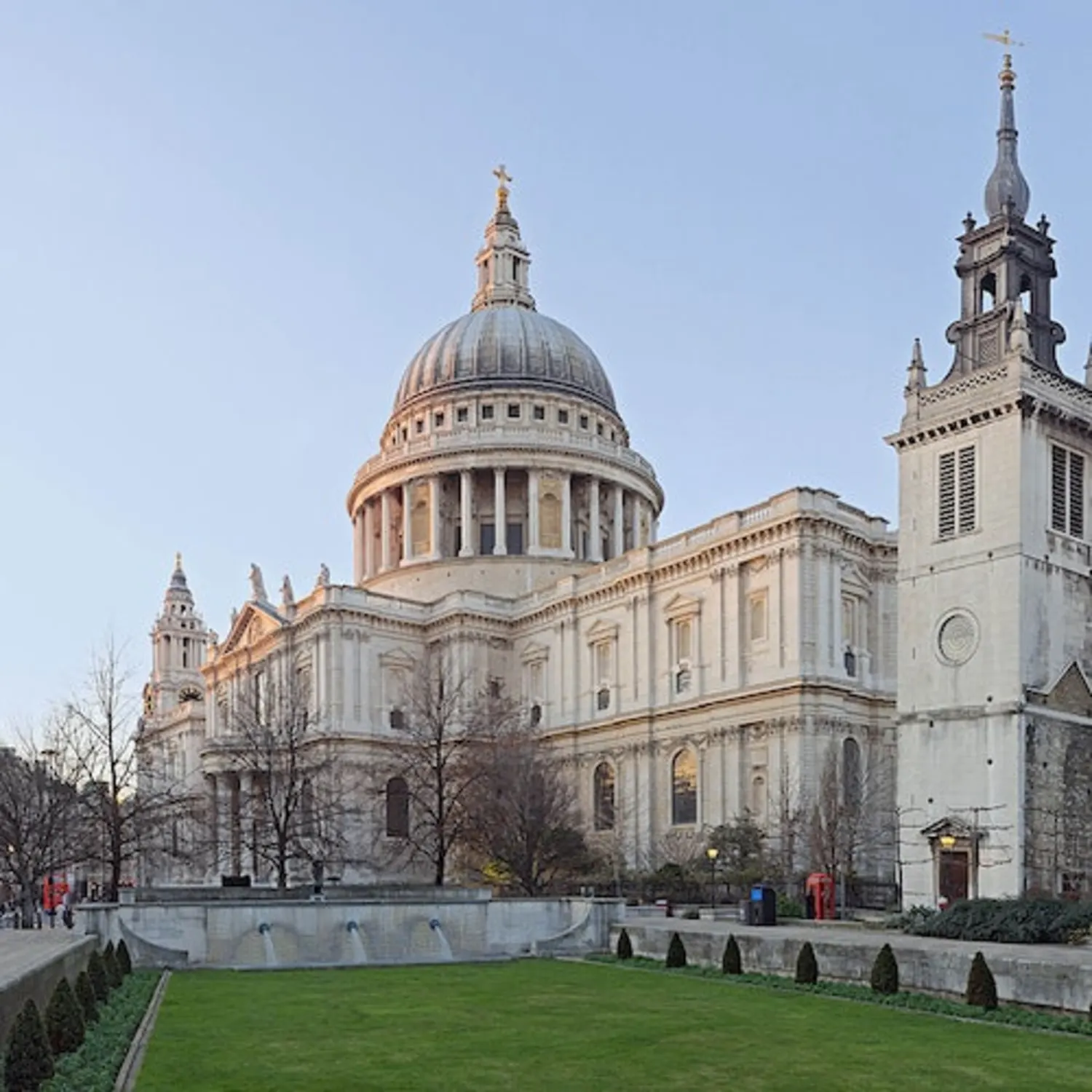
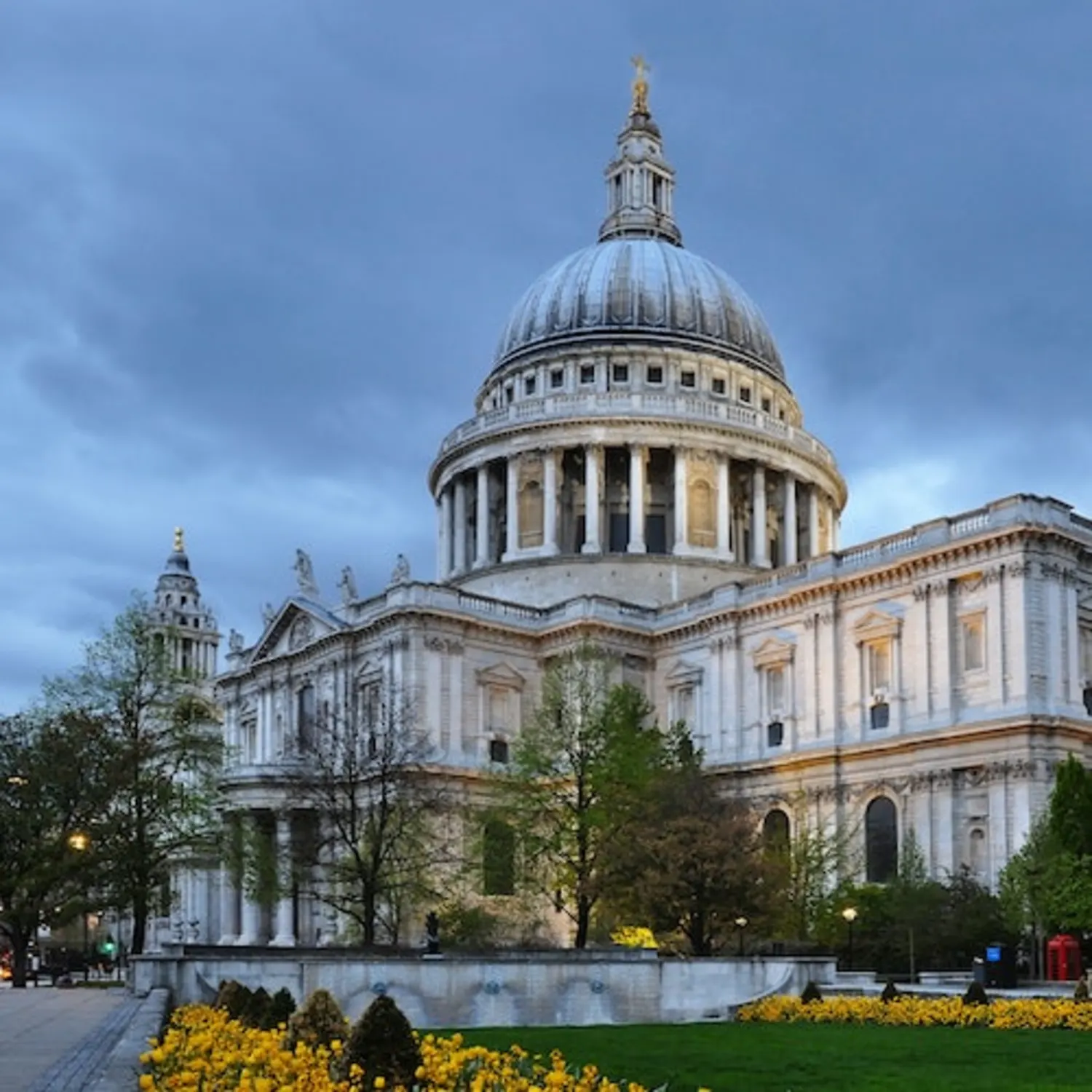
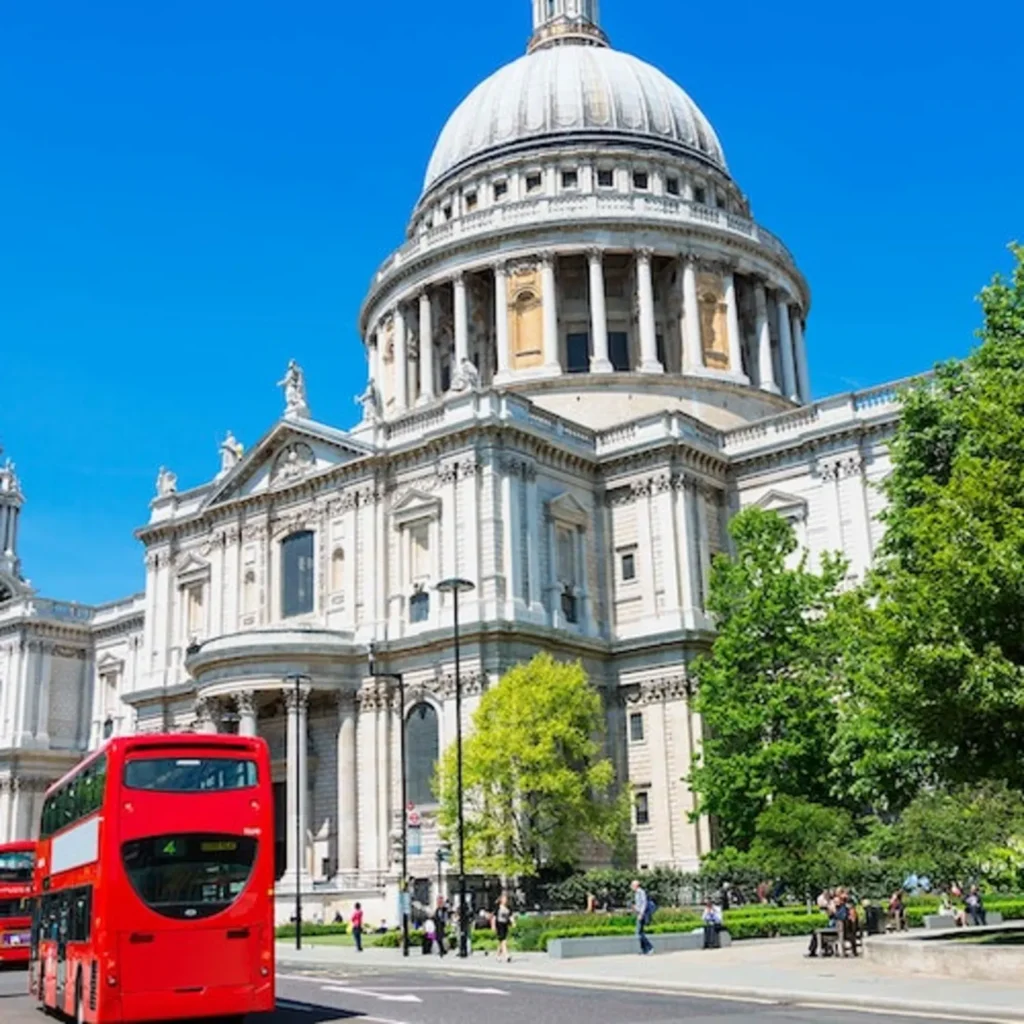
St Paul’s Churchyard is the open ground around the cathedral, and for centuries it was the busiest square in London: a place to hear a sermon, a royal proclamation or a piece of news, and above all a place to buy a book. Almost every bookseller in England worked within a few streets of here. The trade is gone and so is the medieval pulpit, but the ground, the statue and the gardens are still there. For the cathedral itself, see St Paul’s Cathedral’s full story.

St Paul’s Churchyard in Five Facts

London’s folkmoot, the city’s general assembly, met on this ground from at least 1236.

Richard III’s parliament of 1484 exempted foreign printers and booksellers from trade restrictions, and the churchyard became England’s book district.

Paul’s Cross, the open-air pulpit that stood here, was where Richard III’s claim to the throne was announced here on 22 June 1483.

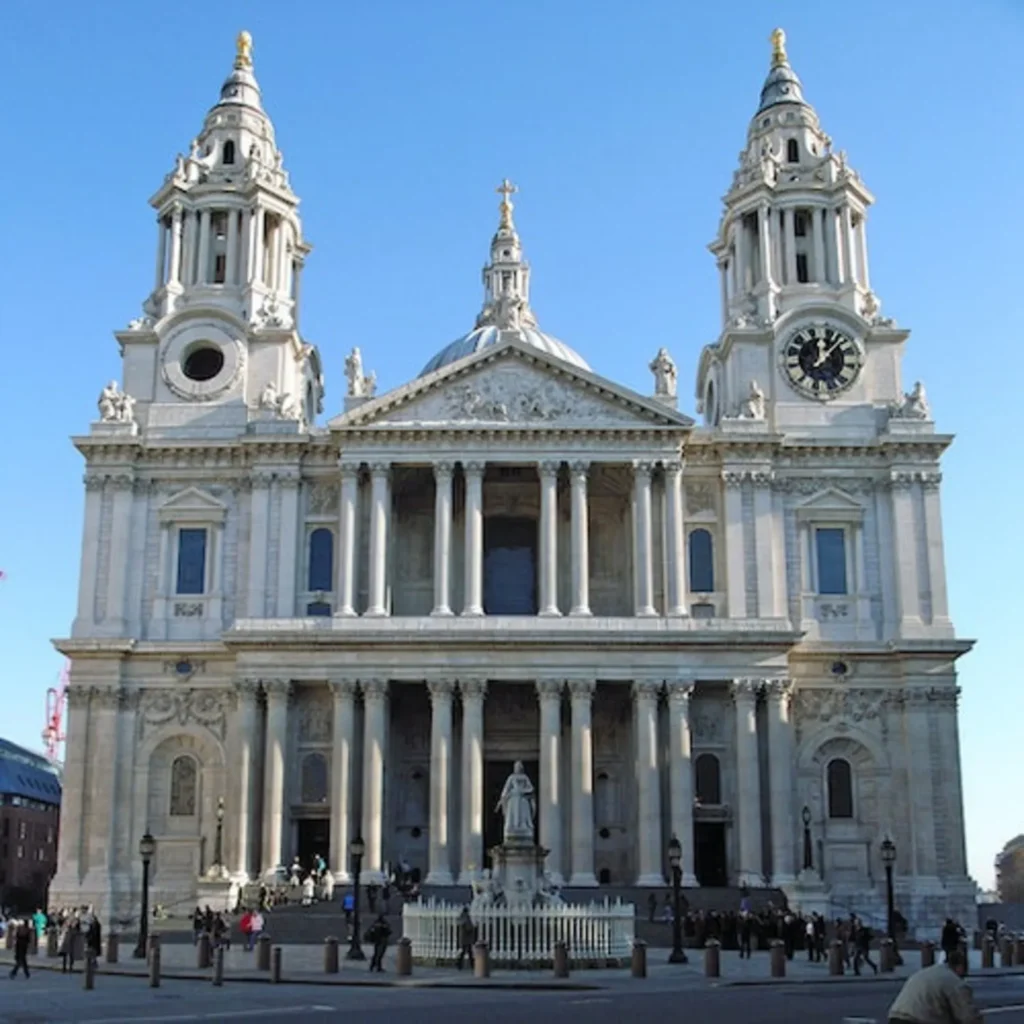
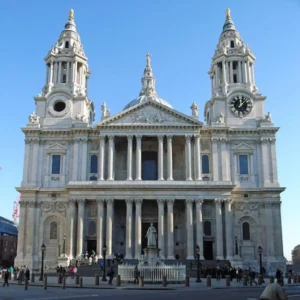
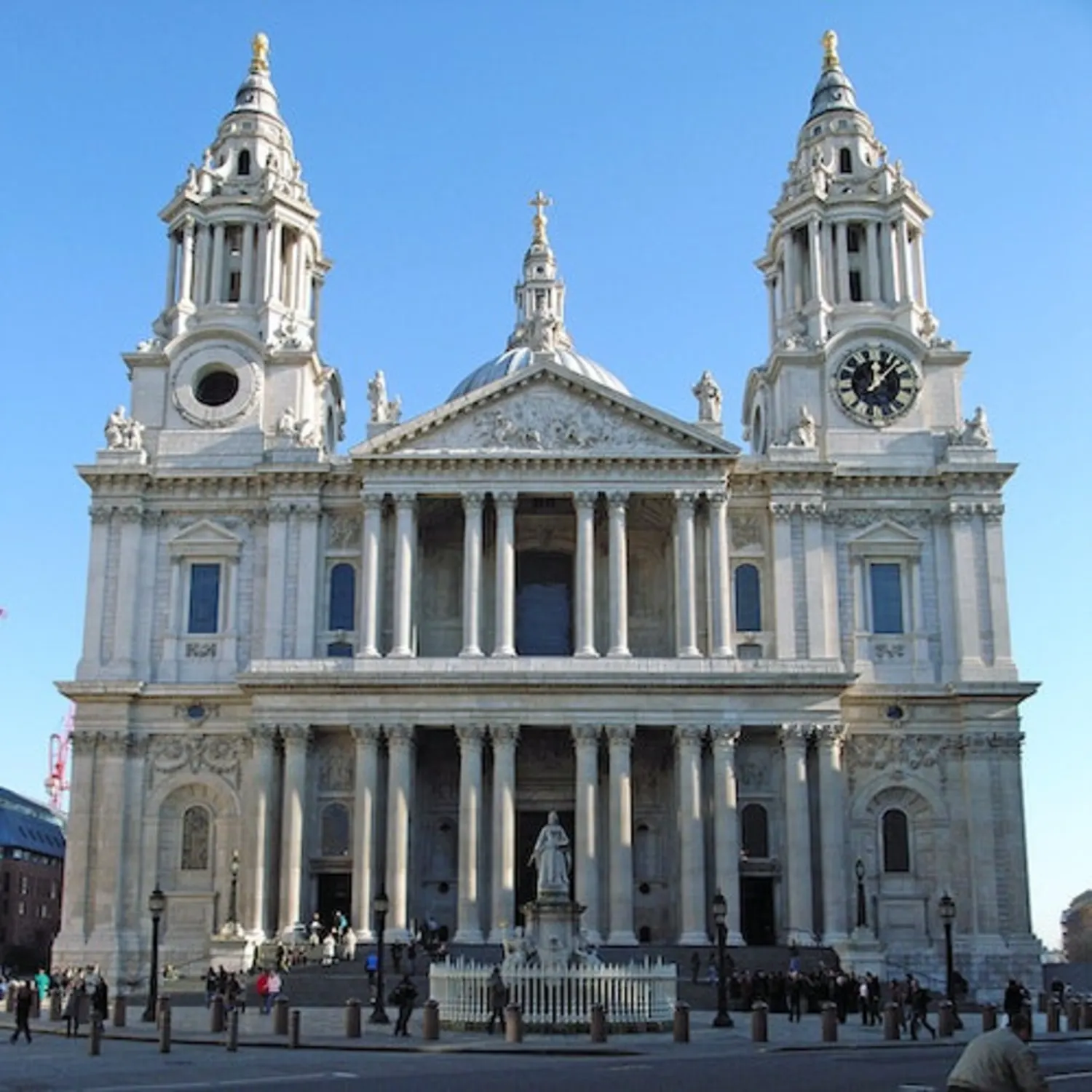
The statue facing down Ludgate Hill is Queen Anne, and the one standing there now is a Victorian replacement.

Around five million books burned on 29 December 1940, when incendiaries destroyed Paternoster Row.

The Pulpit That Told London What to Think
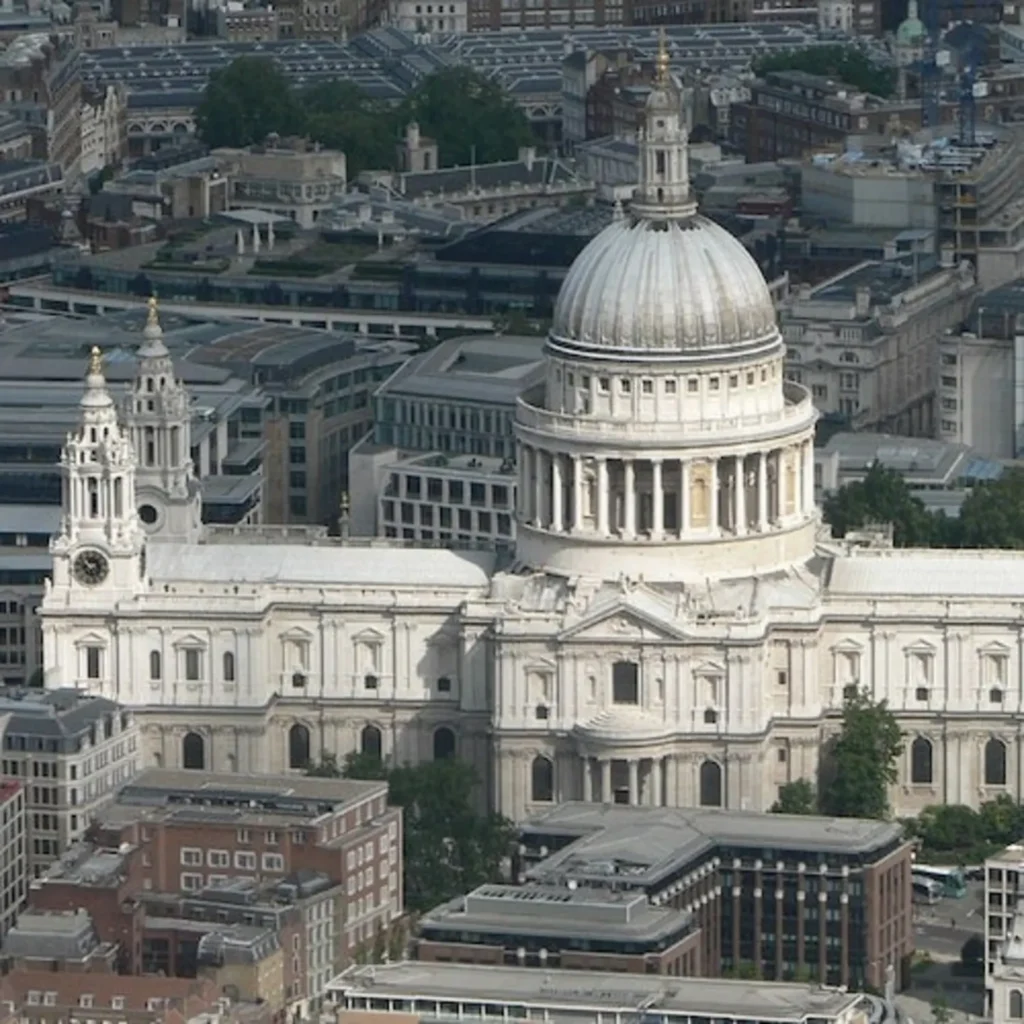
St Paul’s Cathedral, London

Paul’s Cross was an open-air pulpit on the north east side of the churchyard, and for three centuries it was the closest thing England had to a national news service. Bishop Thomas Kempe rebuilt it in 1449 as an octagonal timber pulpit around 37 feet across, with stone steps and a lead roof. Royal proclamations were read from it, public penances were performed at it, and weekly sermons drew crowds that filled the yard.

Ralph Shaa announced Richard III’s claim to the throne from it on 22 June 1483. John Jewel preached his Challenge sermon against Rome here on 15 June 1559. From the 1580s roughly 370 of these sermons were printed and sold, which is how a crowd of a few thousand turned into a national audience. The pulpit came down in 1635 during Inigo Jones’s work on the old cathedral, and the Portland stone column standing here now went up between 1908 and 1910, designed by Reginald Blomfield with a figure of Saint Paul by Bertram Mackennal.

England’s Book Trade Started on This Ground
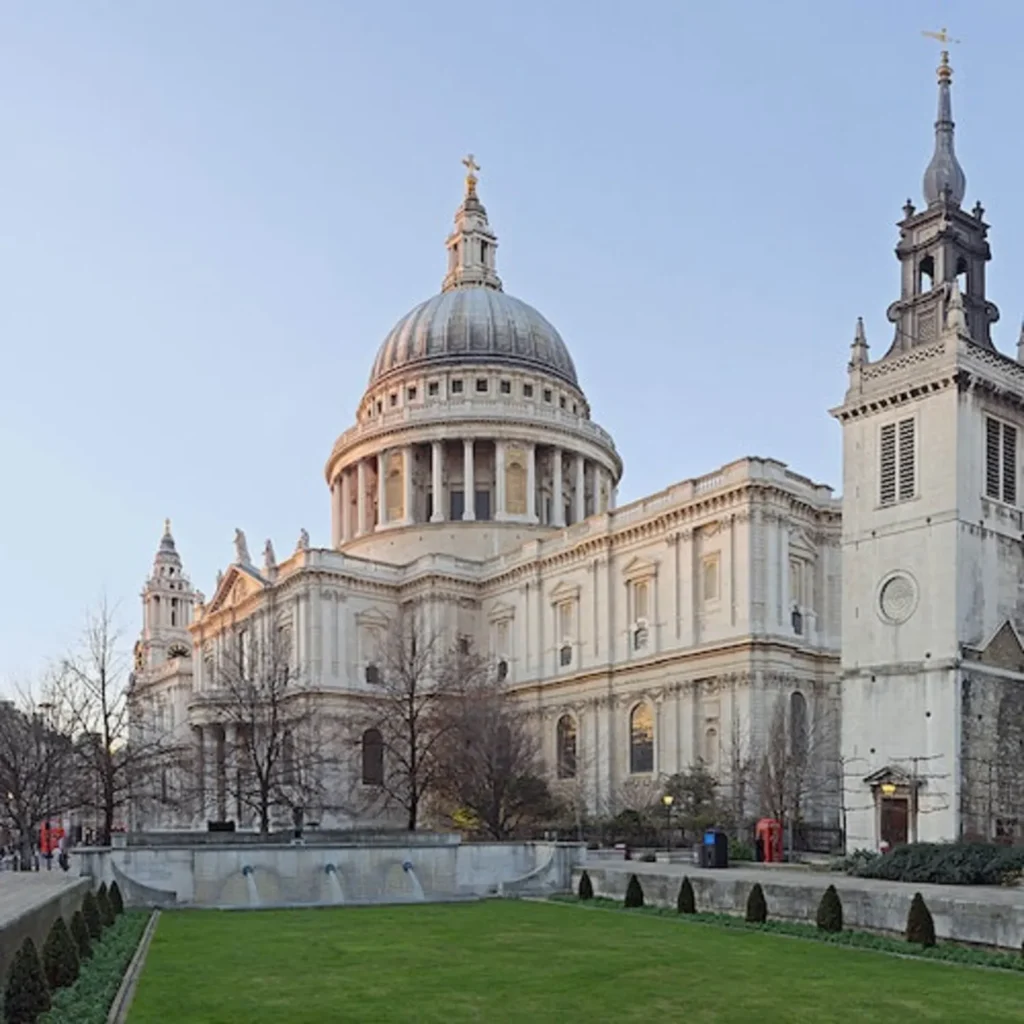
St Paul’s Cathedral on Ludgate Hill

Printing arrived in London in the 1470s and settled immediately around the cathedral. Richard III’s parliament of 1484 exempted foreign printers and booksellers from the protectionist rules that applied to other trades, and the churchyard filled with stalls and shops known by their hanging signs. Paternoster Row, running along the north side, became so tied to the business that the street name was used as shorthand for publishing itself.

Fire took the trade twice. In September 1666 the Stationers’ Company carried its books down into the cathedral’s west crypt for safety, and the Great Fire burned through them anyway; the books smouldered for a week and the losses ran to between £150,000 and £200,000. The booksellers came back once Wren’s cathedral was up. Then on the night of 29 December 1940 incendiary bombs destroyed Paternoster Row and an estimated five million books with it. Paternoster Square, pedestrianised in 2003, now covers the ground.

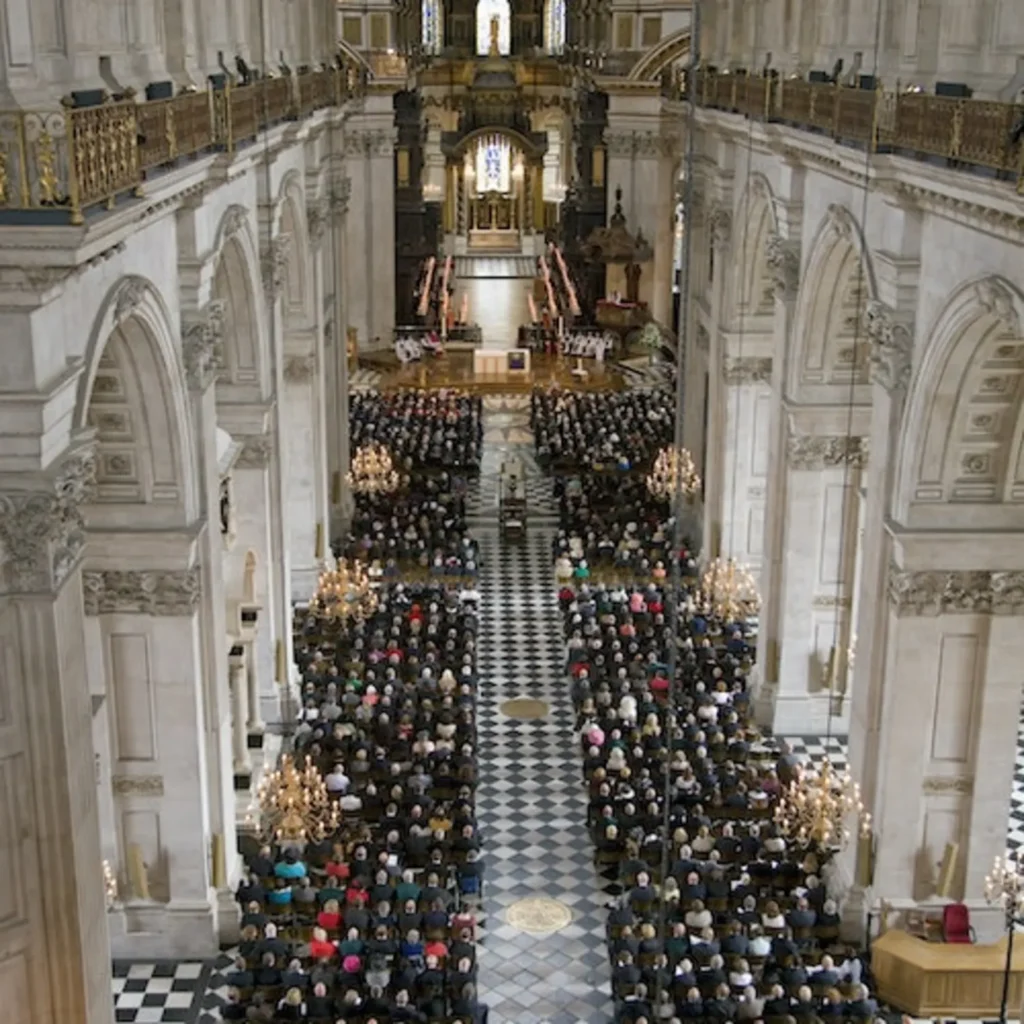
St Paul’s Cathedral: Entry Ticket

Highlights

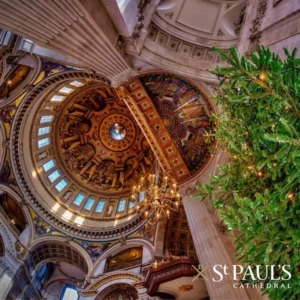
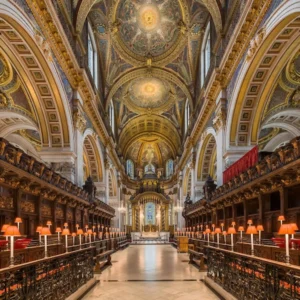
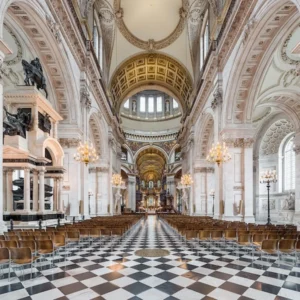
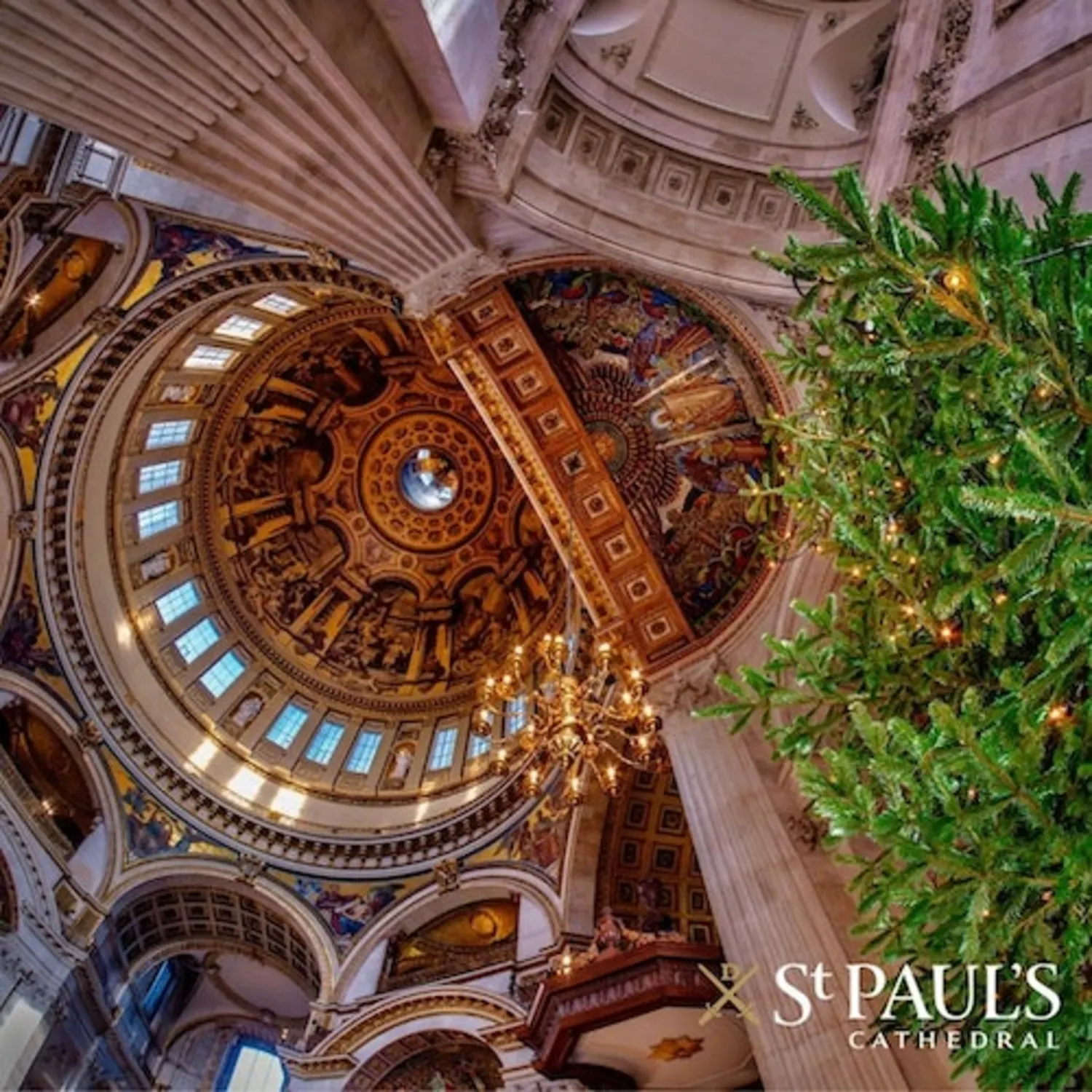
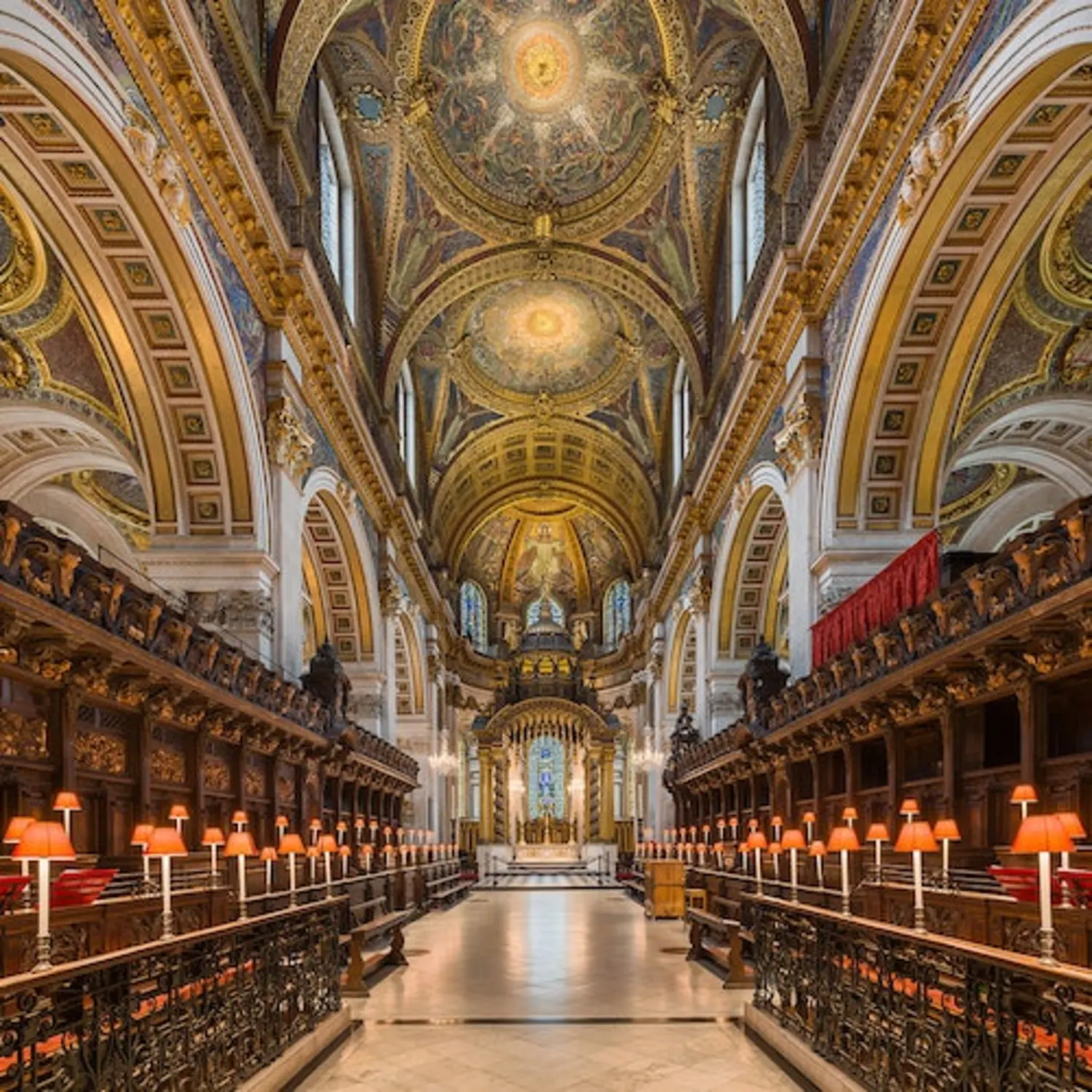
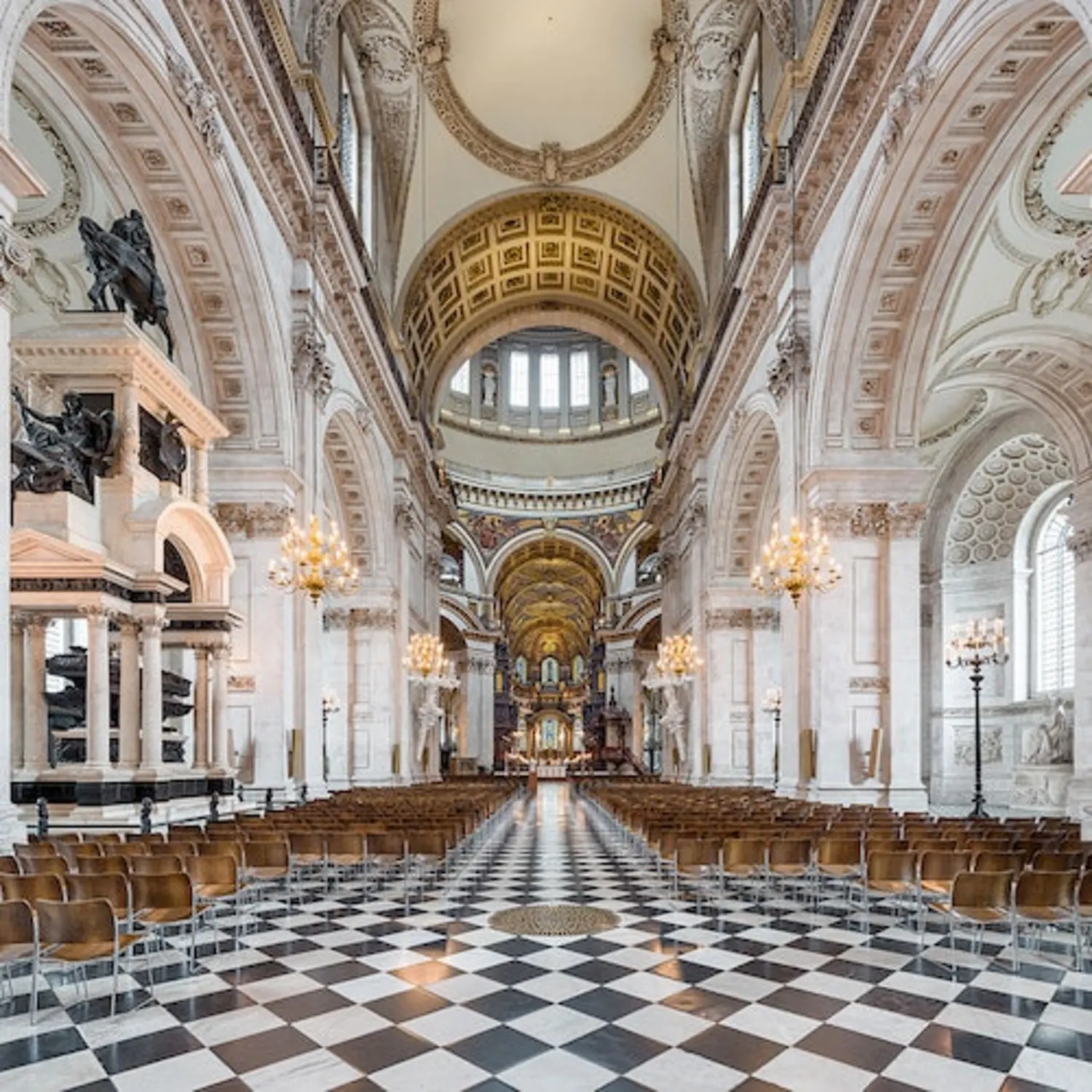
Explore the magnificent interior designed by Sir Christopher Wren.

Climb up to the Whispering Gallery and experience its acoustic marvel.

Visit the underground Crypt housing notable historical figures.

Ascend to the Golden Gallery for panoramic city views 111 meters above.

Discover rich history spanning over 1,400 years, including artifacts from World War One veterans.
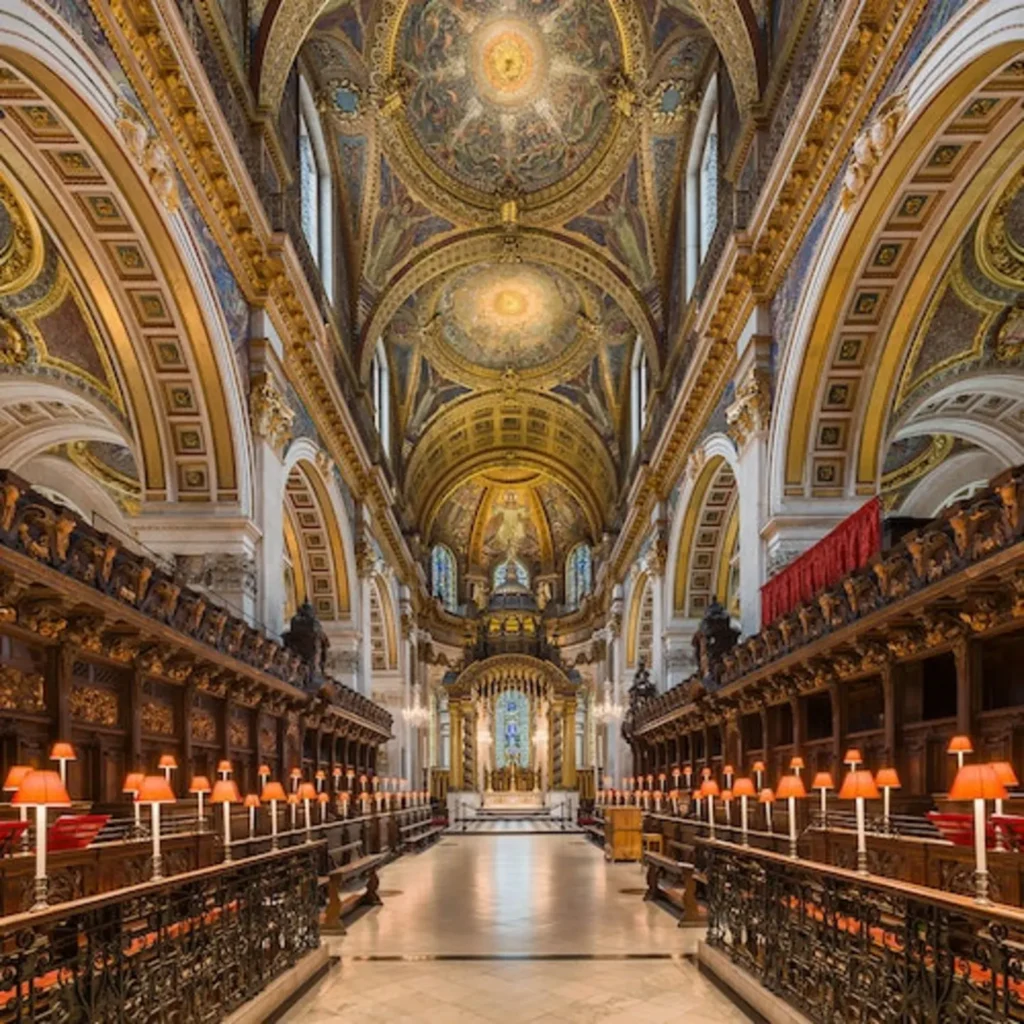
Crown Jewels of London Tour with River Cruise

Highlights

Explore the stunning architecture of St. Paul’s Cathedral and its significant historical crypt.

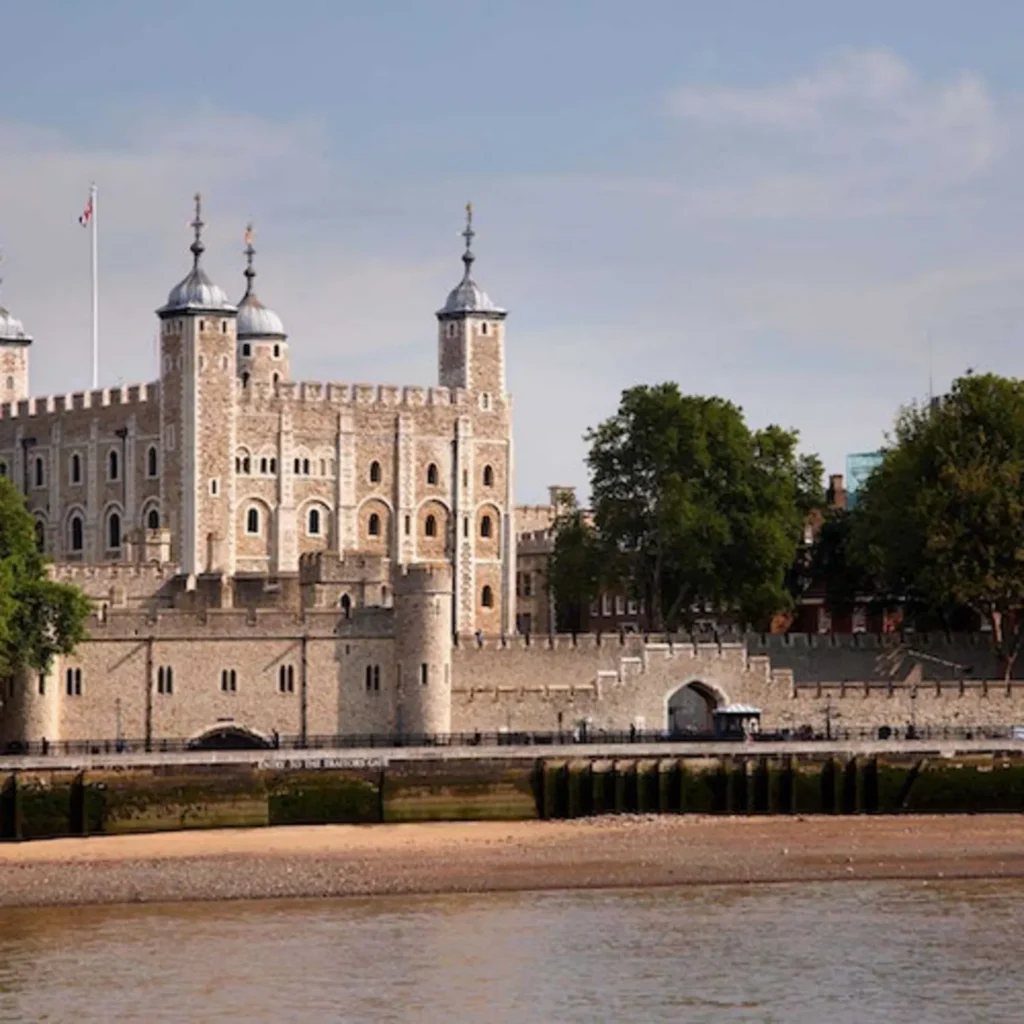
Discover the rich history of the Tower of London, including the Crown Jewels and its ancient royal menagerie.

Enjoy a relaxing boat ride along the Thames, offering views of London’s famous riverside sights.

Benefit from a knowledgeable live guide throughout the tour.

Use a headset to hear commentary clearly in multiple languages.
Walk the Churchyard Before You Go Inside

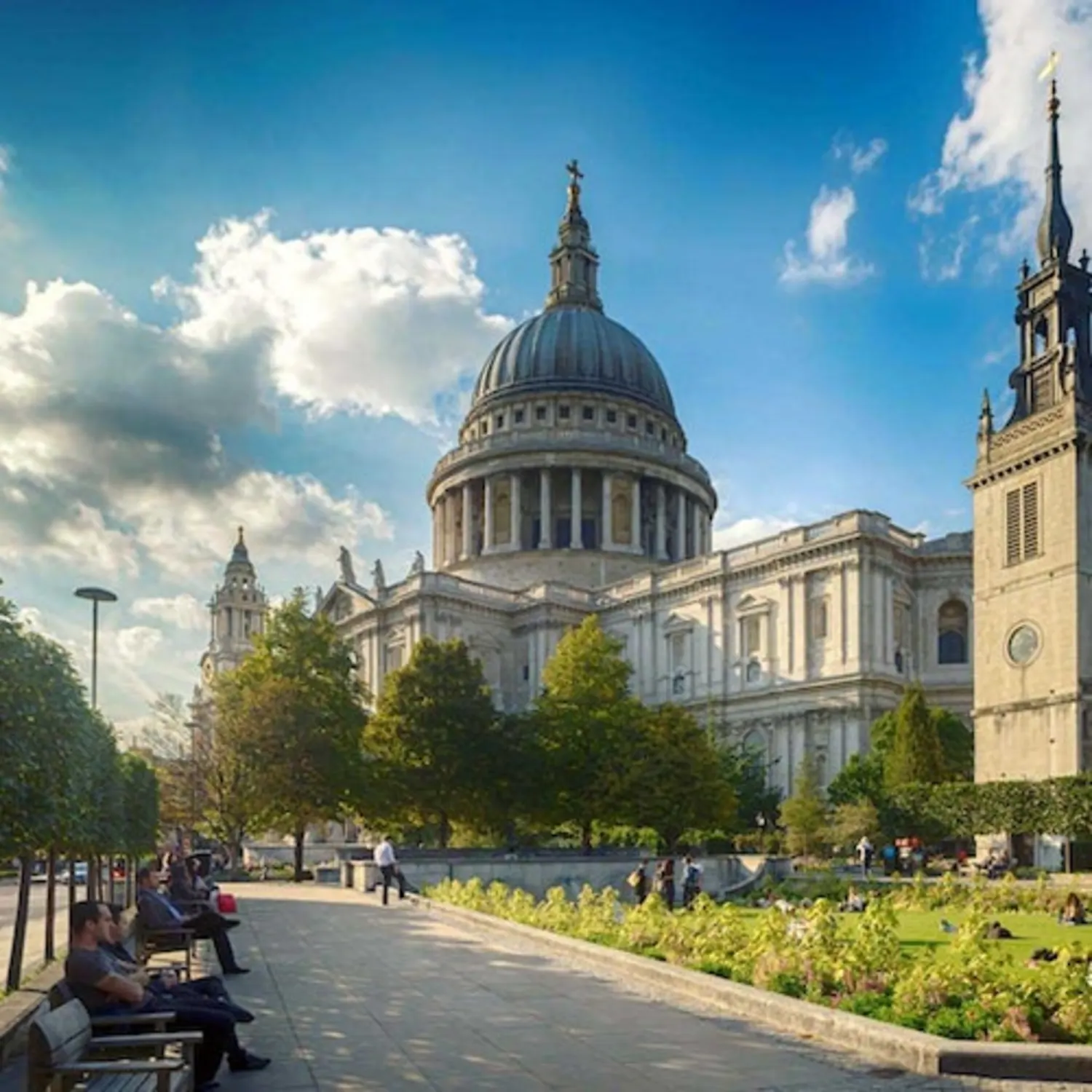
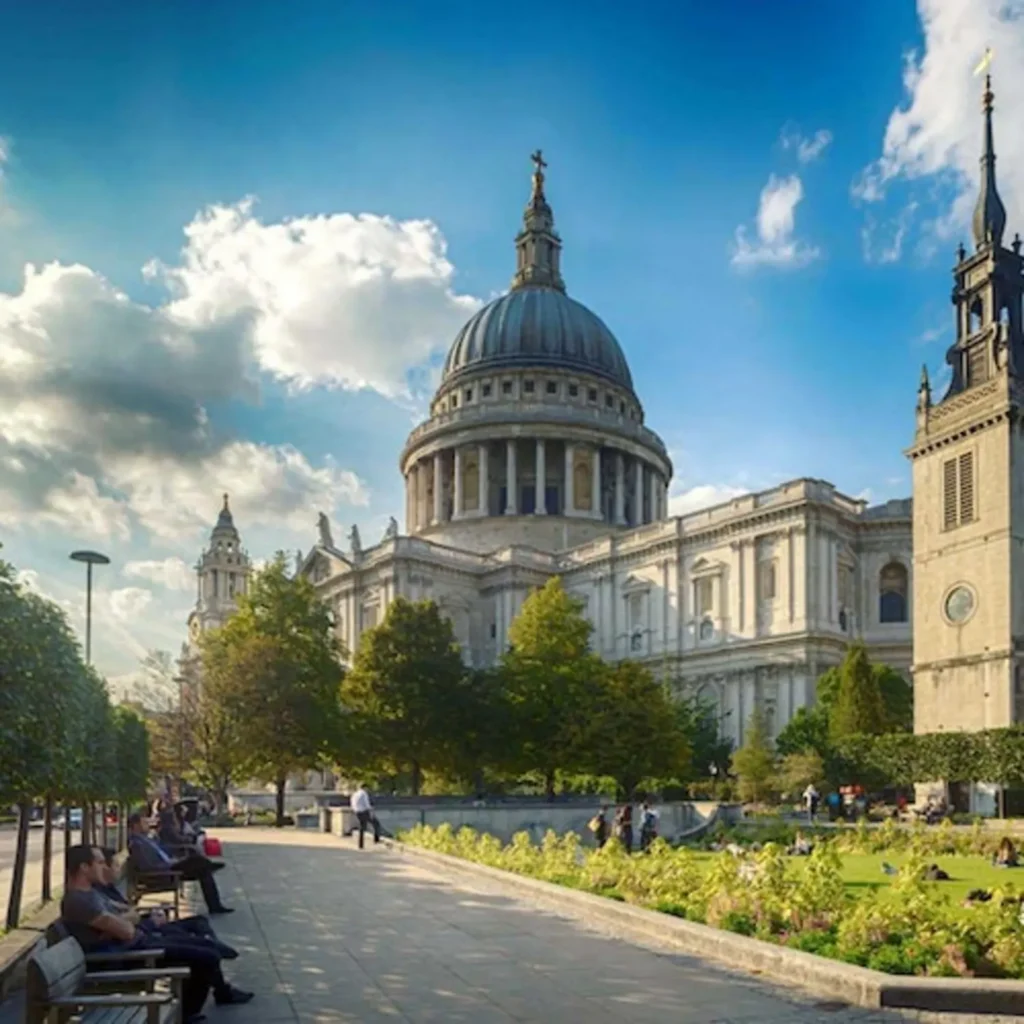
Walking the churchyard costs nothing and takes minutes, so it works either as a warm-up before you go in or as somewhere to sit afterwards. Start at the Queen Anne statue, then the north side, where the old trees and the Paul’s Cross column are, then head in through the main west doors.

Questions About St Paul's Churchyard

What is St Paul’s Churchyard?

It is the open ground immediately around St Paul’s Cathedral in the City of London, and also the name of the street and alley running along the cathedral’s north side. It has been a public assembly place since at least 1236.

Do you need a ticket to visit St Paul’s Churchyard?

No. The churchyard and its gardens are open ground and free to walk through. A ticket is only needed to go inside the cathedral itself.

What was St Paul’s Cross?

An open-air preaching pulpit in the churchyard, rebuilt in 1449 as an octagonal timber structure about 37 feet across. Sermons, royal proclamations and public penances all happened there. It was taken down in 1635, and a stone column marking the spot was put up between 1908 and 1910.

Why was St Paul’s Churchyard the centre of the book trade?

Printing reached London in the 1470s and the trade clustered around the cathedral, helped by a 1484 act of Richard III’s parliament that exempted foreign printers and booksellers from trade restrictions. Paternoster Row, on the north side, became a byword for English publishing.

Who is the statue in front of St Paul’s Cathedral?

Queen Anne, who was on the throne when the cathedral was finished. Francis Bird carved the first version in 1712; the one standing there today is an 1886 replacement made after the original was damaged and badly weathered.

What happened to St Paul’s Churchyard during the Blitz?

The raid of 29 December 1940 burned out the streets around the cathedral, including Paternoster Row. An estimated five million books were destroyed that night, though the cathedral itself came through it.

Is there a garden at St Paul’s Cathedral?

Yes. The churchyard is planted with roses and wisteria, with some of London’s oldest trees on the north side, and it is reached through the rose garden gate.

This website sells official tickets for this venue. Please note, however, that it is not the official website of the venue.

The images and videos on this website may contain visual elements that have been created or enhanced using AI technology. They are provided for illustrative purposes only.