We are processing your request.
Please, don’t close or refresh the page.
London Tickets Westminster Abbey Poets Corner
Westminster Abbey, London

Poets' Corner, Westminster Abbey: Chaucer, Dickens and Britain's Writers

More than 100 poets and writers are buried or remembered in the South Transept, from Geoffrey Chaucer and Charles Dickens to memorials for Shakespeare and Jane Austen.

What Is Poets' Corner?

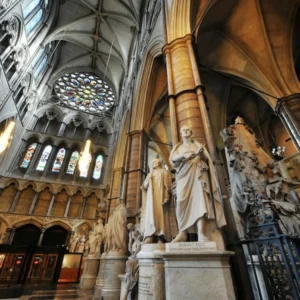
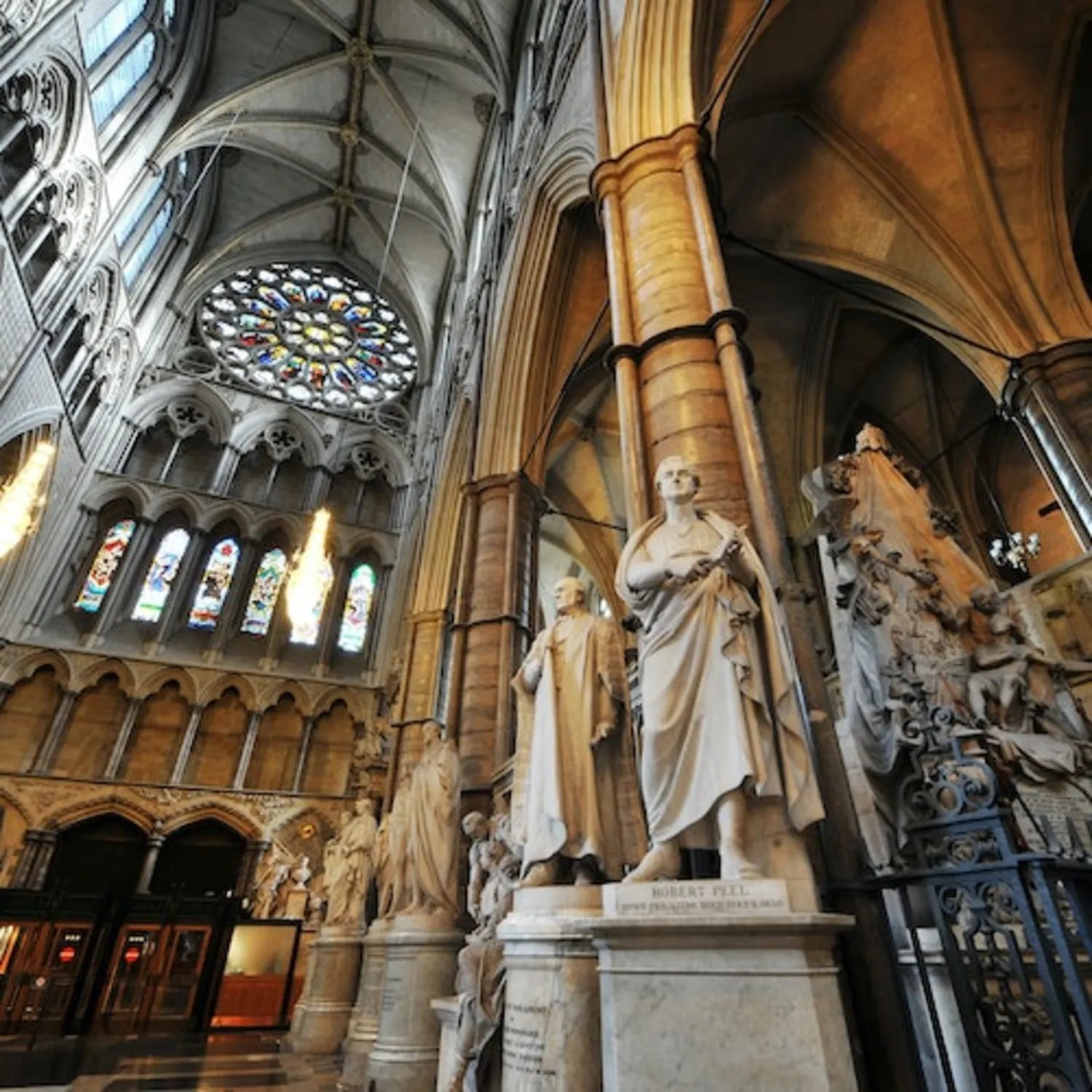
Poets' Corner is the east aisle of the South Transept of Westminster Abbey, where Britain has buried or remembered its writers for more than six centuries. Over 100 poets and writers have a grave or a memorial here and it is still a place of pilgrimage for literature lovers.

Not everyone named on its walls is buried in it. Some lie under the floor, like Geoffrey Chaucer, Charles Dickens, Thomas Hardy and Rudyard Kipling. Others, such as Shakespeare and Jane Austen, are buried elsewhere and have only a memorial here. The Dean of Westminster decides who is added, on merit and after consulting widely, so the corner is still growing.

Geoffrey Chaucer and How Poets' Corner Began
Westminster Abbey, London

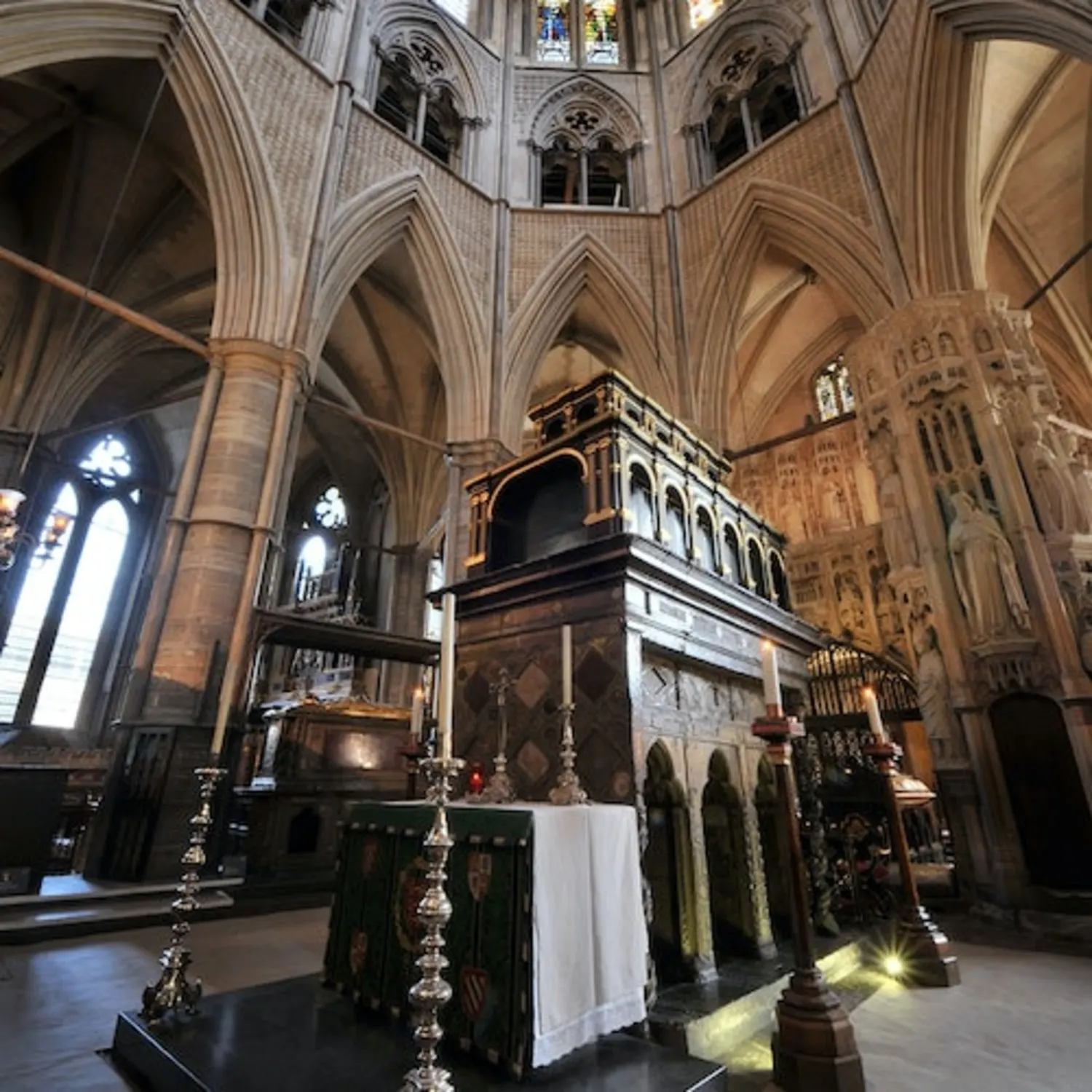
It started almost by accident. Geoffrey Chaucer died on 25 October 1400 and was buried in the South Transept, not for The Canterbury Tales but because he lived next door: he rented a house in the Lady Chapel garden, had served as Clerk of the King's Works and was still in royal favour.

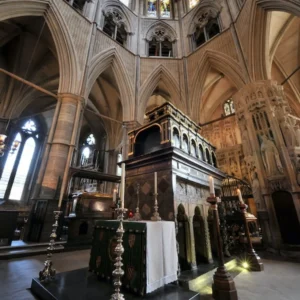
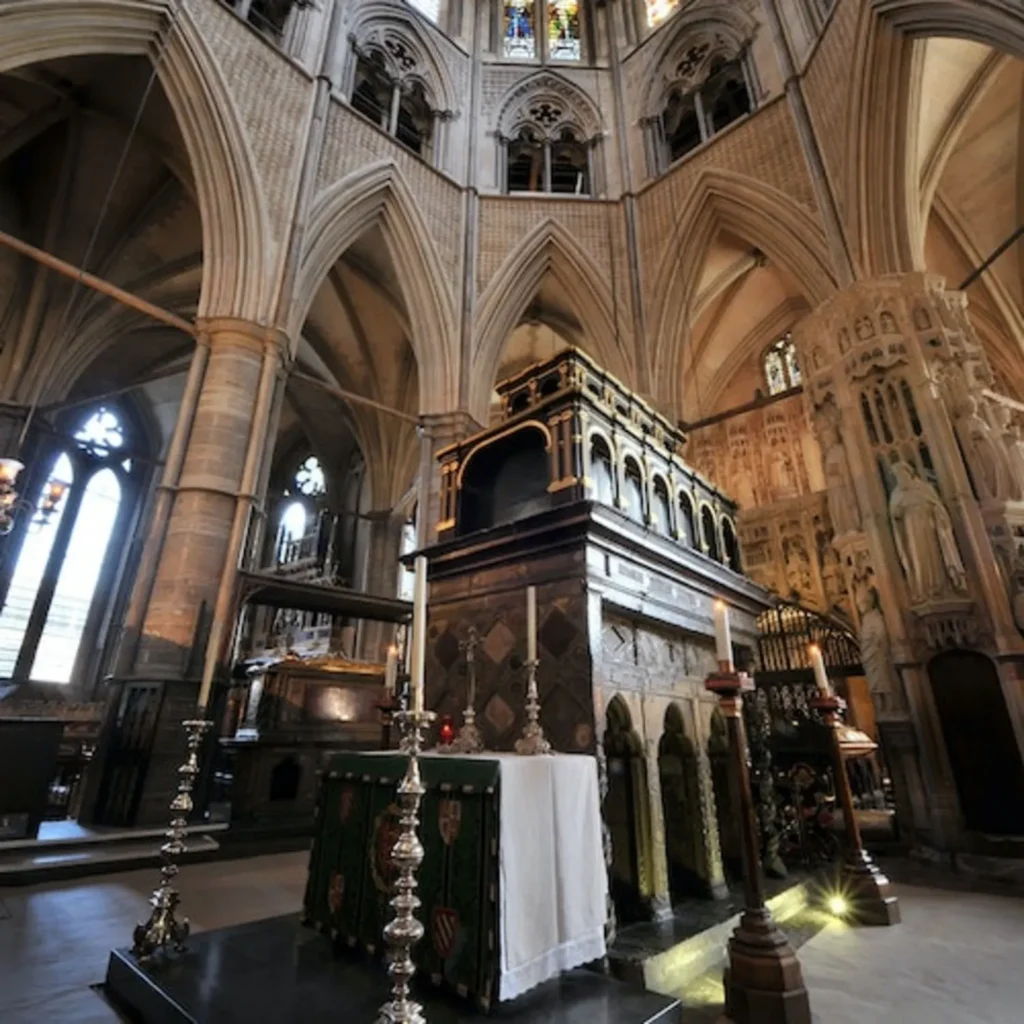
His grey Purbeck marble tomb came much later. The poet Nicholas Brigham put it up in 1556, more than 150 years after Chaucer's death, and the bones were moved into it. It still stands in the corner.

The tradition really began with Edmund Spenser. He was buried near Chaucer on 16 January 1599, at the Earl of Essex's expense, and the poets at his funeral threw their elegies into the grave, perhaps with Shakespeare among them. A search in 1938 tried to find the grave and test the story, but nothing could be identified.

Charles Dickens's Grave and Thomas Hardy's Ashes
Westminster Abbey, London

Dickens wanted a quiet funeral and got one. He was buried at 9:30 in the morning on 14 June 1870, with only twelve mourners in an almost empty Abbey and a plain coffin covered in ferns and roses. His grave carries only his name, as he asked.

The public had other ideas. It was public opinion that insisted the Abbey was the only fitting place for him, and the grave was left open until 16 June so people could file past. Thousands came, Londoners from all walks of life, and left flowers.

Thomas Hardy lies just north of him. His ashes were buried here on 16 January 1928, with Rudyard Kipling, J.M. Barrie, George Bernard Shaw and A.E. Housman among the mourners, while his heart was buried in Stinsford, Dorset, near his parents. Kipling himself is buried in the same transept.

Shakespeare, Jane Austen and the Writers Remembered Here
Westminster Abbey, London

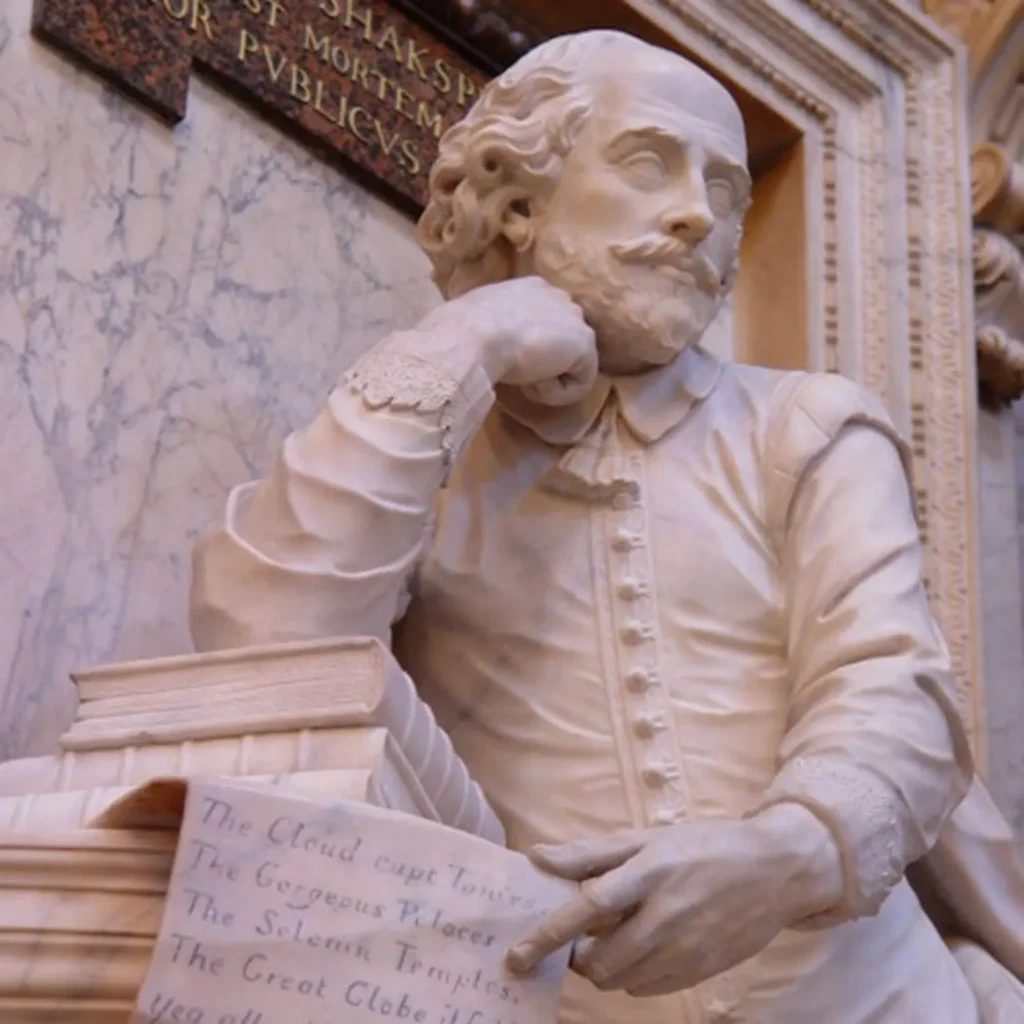
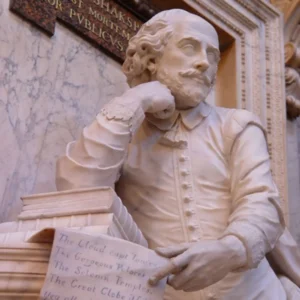
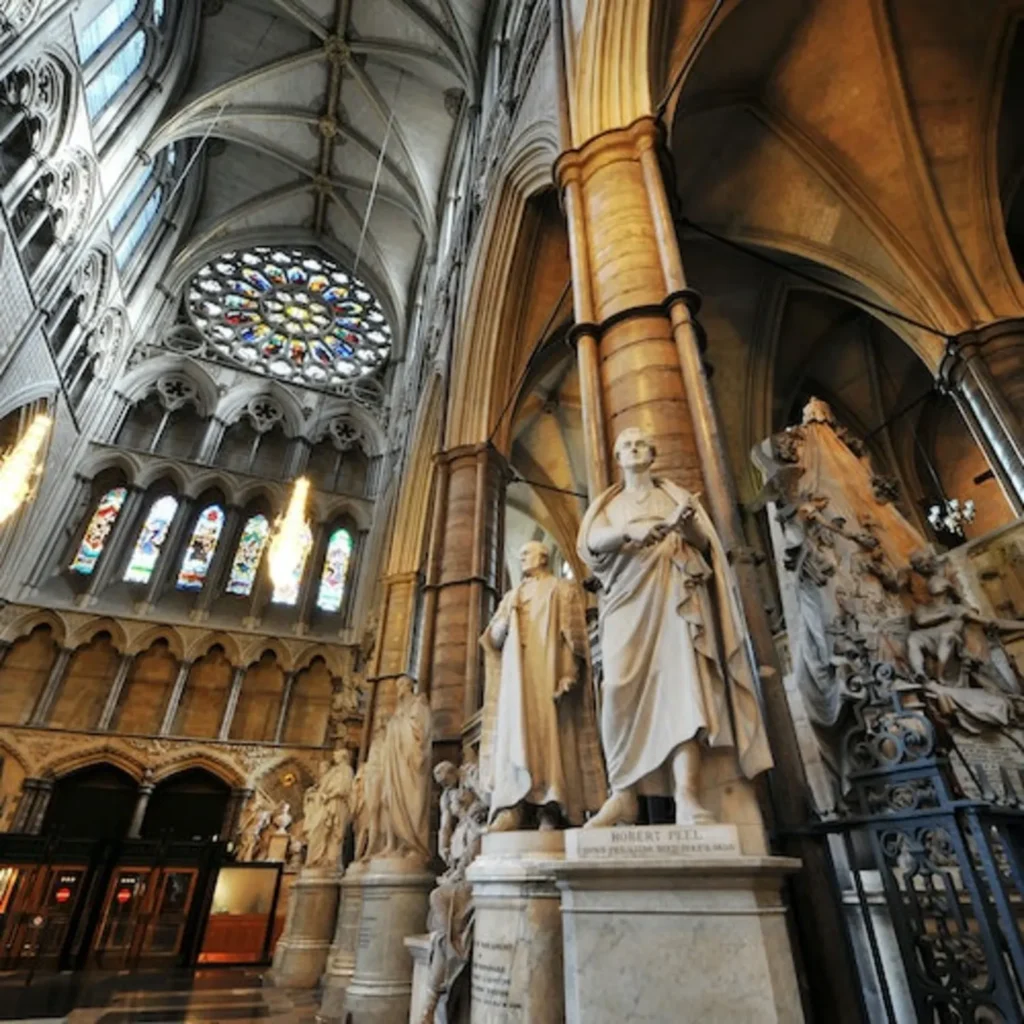
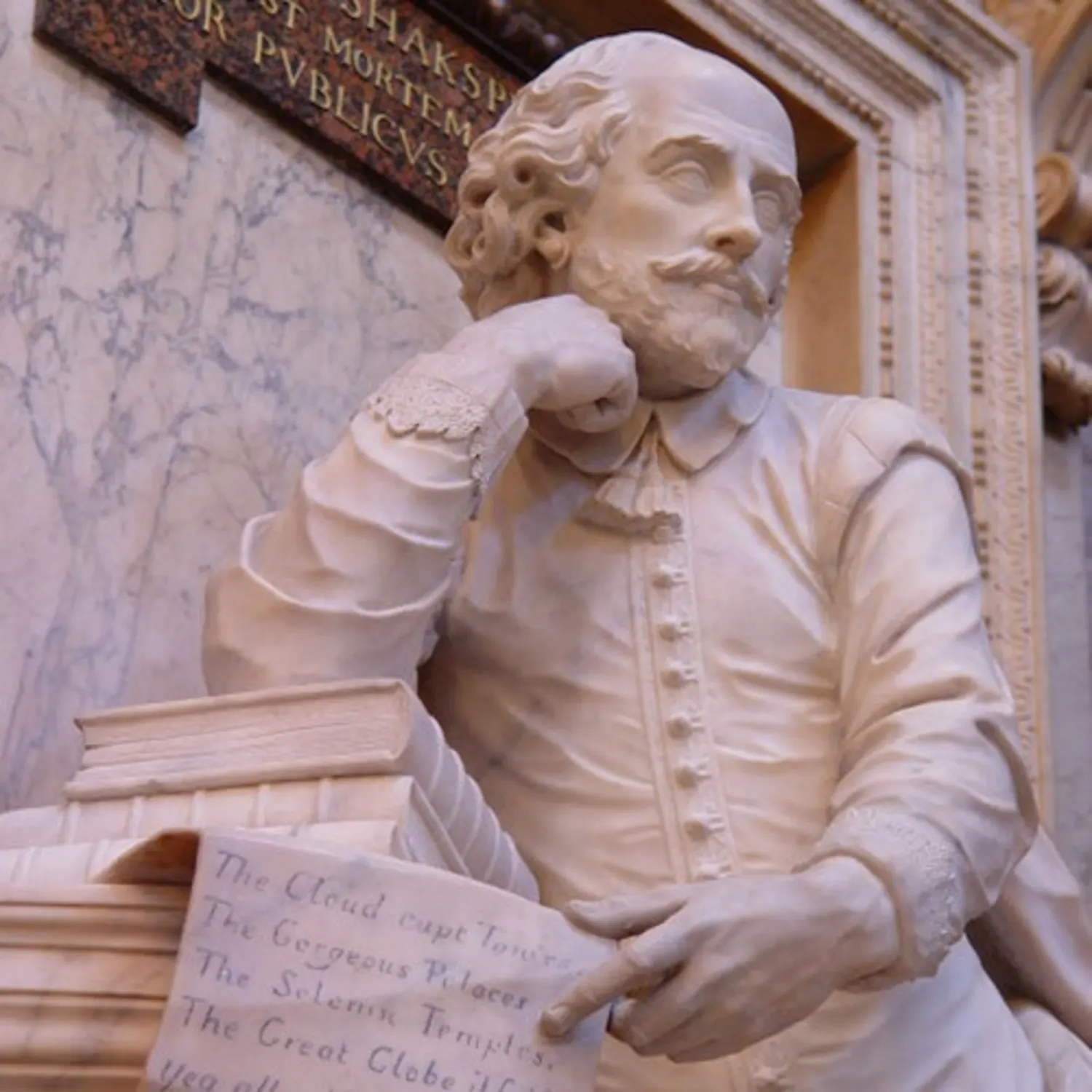
Shakespeare is buried in Holy Trinity Church, Stratford-upon-Avon, but the Abbey gave him a life-size white marble statue. William Kent designed it and Peter Scheemakers carved it, and it was put up on 29 January 1741, 124 years after his death, largely thanks to the campaigning of the Shakespeare Ladies Club.

He leans on a pile of books and points to a scroll with lines from The Tempest, with the heads of Elizabeth I, Henry V and Richard III carved below. Next to him, on the wall, is a plain stone tablet reading only JANE AUSTEN 1775 1817. Austen is buried in Winchester Cathedral; the Jane Austen Society presented the tablet in 1967.

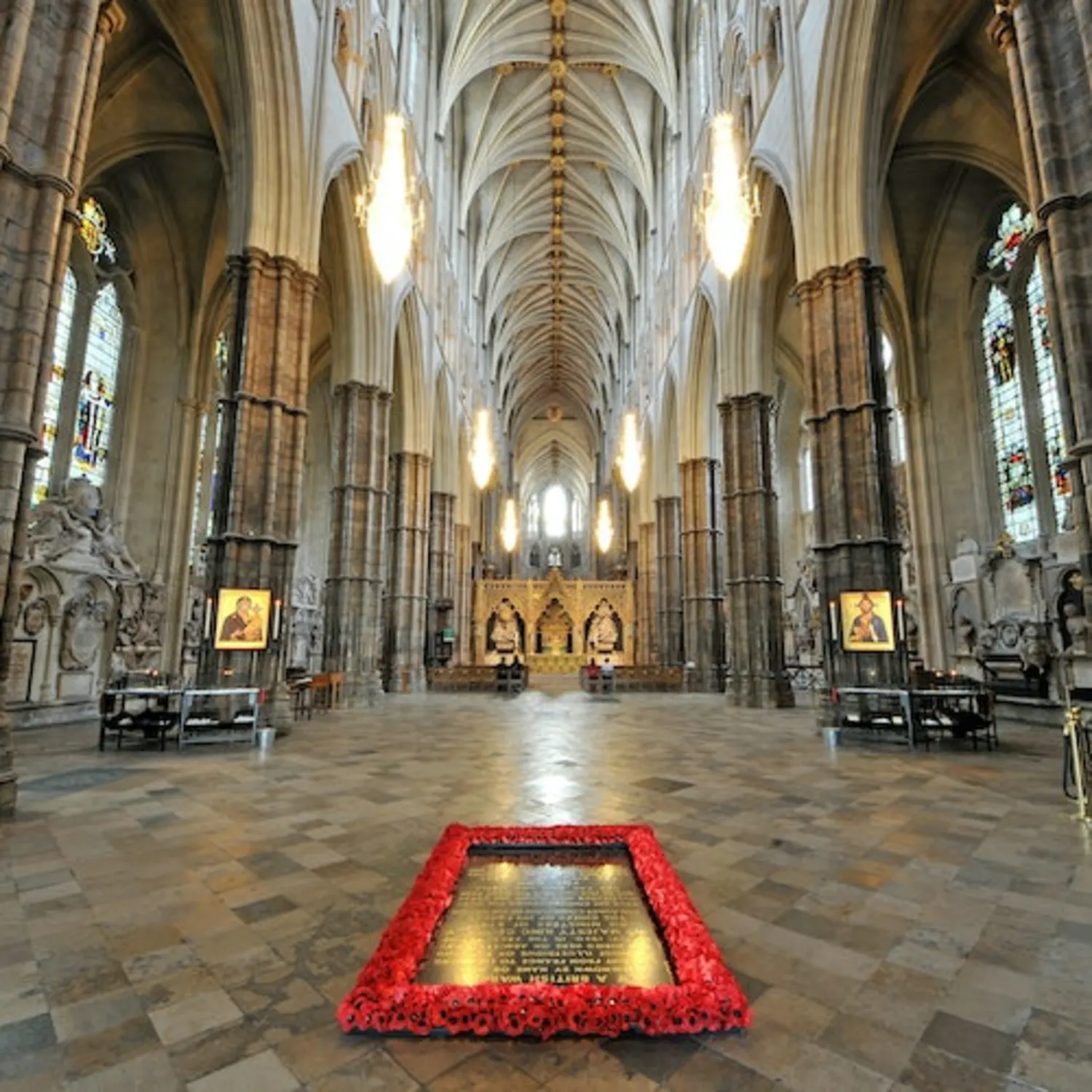
The Brontë sisters, C.S. Lewis and Philip Larkin are remembered the same way, with memorials rather than graves. Walk the transept slowly and read the floor as well as the walls.

Westminster Abbey: Entry Ticket

Highlights

Explore the rich British heritage encapsulated within the Abbey’s walls.

Use an audio guide available in multiple languages to enhance your visit.

Witness the place of significant historical ceremonies including coronations and royal weddings.

Enjoy the freedom to move through the Abbey without time pressure.

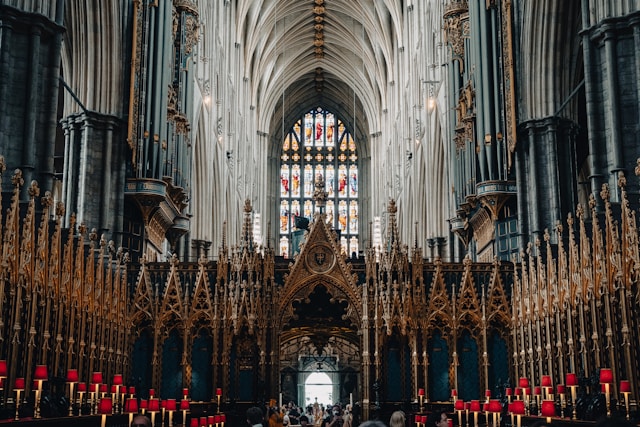
Access one of the United Kingdom’s most important Gothic architectural landmarks.
Seeing Poets' Corner on Your Visit

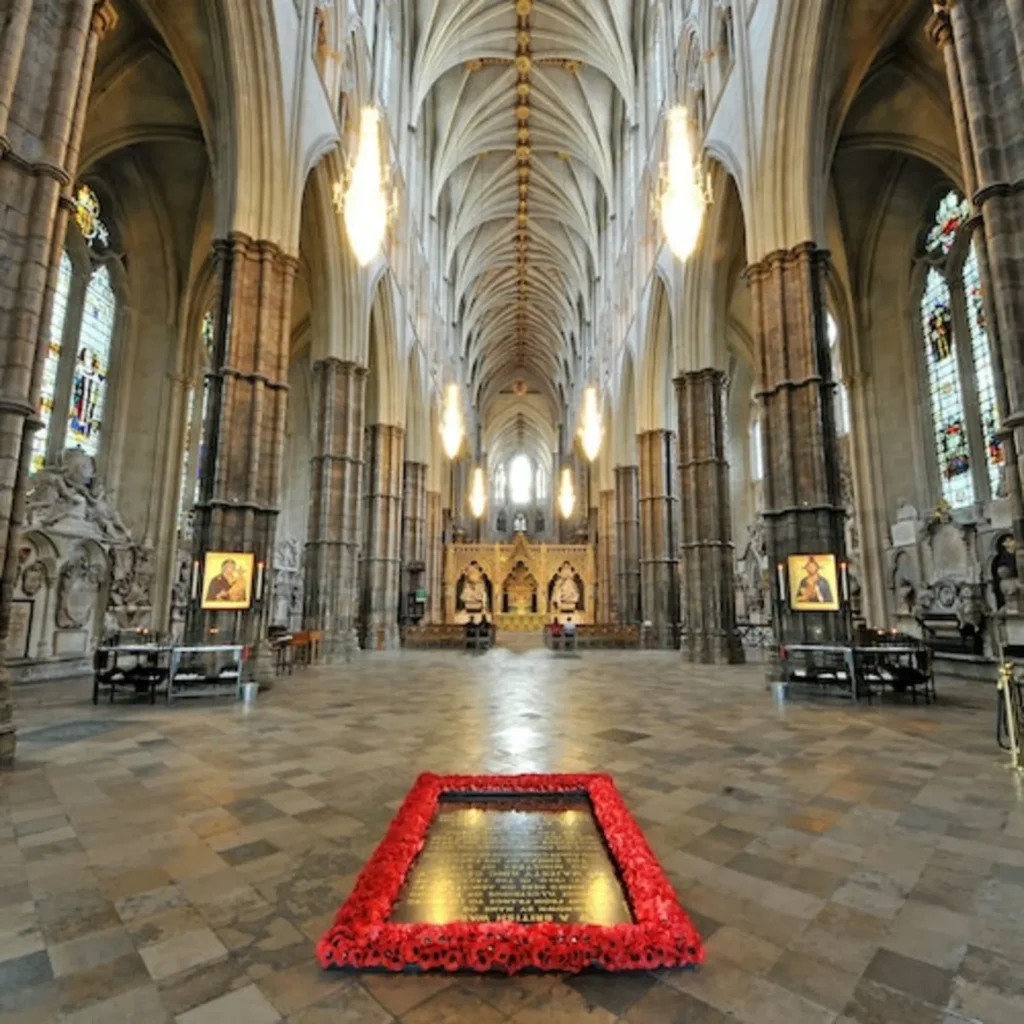
Poets' Corner is on the standard sightseeing route, so there is no extra ticket to buy. Sightseeing runs Monday to Saturday, because Sundays are kept for worship. Allow time here, and read the floor as well as the walls: many of the most famous names are underfoot.

Poets' Corner Questions

Where is Poets' Corner?

In the east aisle of the South Transept of Westminster Abbey, on the standard sightseeing route.

Who is buried in Poets' Corner?

Geoffrey Chaucer, Edmund Spenser, Charles Dickens, Thomas Hardy and Rudyard Kipling are among the writers buried there.

Is Shakespeare buried in Westminster Abbey?

No. He is buried in Holy Trinity Church, Stratford-upon-Avon. The Abbey has a marble statue of him, put up in 1741.

Is Jane Austen buried in Westminster Abbey?

No, she is buried in Winchester Cathedral. Poets' Corner has a memorial tablet to her, next to Shakespeare's statue.

Why is it called Poets' Corner?

Because Chaucer was buried there in 1400, and Spenser was buried near him in 1599. Writers have been buried or remembered around them ever since.

How many writers are in Poets' Corner?

More than 100 poets and writers are buried or have memorials there.

Who decides who goes into Poets' Corner?

The Dean of Westminster, on merit and after wide consultation.

Can you visit Poets' Corner?

Yes. It is included with standard Westminster Abbey admission, Monday to Saturday.

This website sells official tickets for this venue. Please note, however, that it is not the official website of the venue.

The images and videos on this website may contain visual elements that have been created or enhanced using AI technology. They are provided for illustrative purposes only.