We are processing your request.
Please, don’t close or refresh the page.
Hampton Court Palace, London

Inside Hampton Court Palace: The Great Hall, the Tudor Kitchens and William III's Apartments

From the hammerbeam roof and gold-thread tapestries of the Great Hall to the kitchens that fed a court of 1,200, a walk through the palace's Tudor and Baroque interiors.

What You See Inside Hampton Court Palace

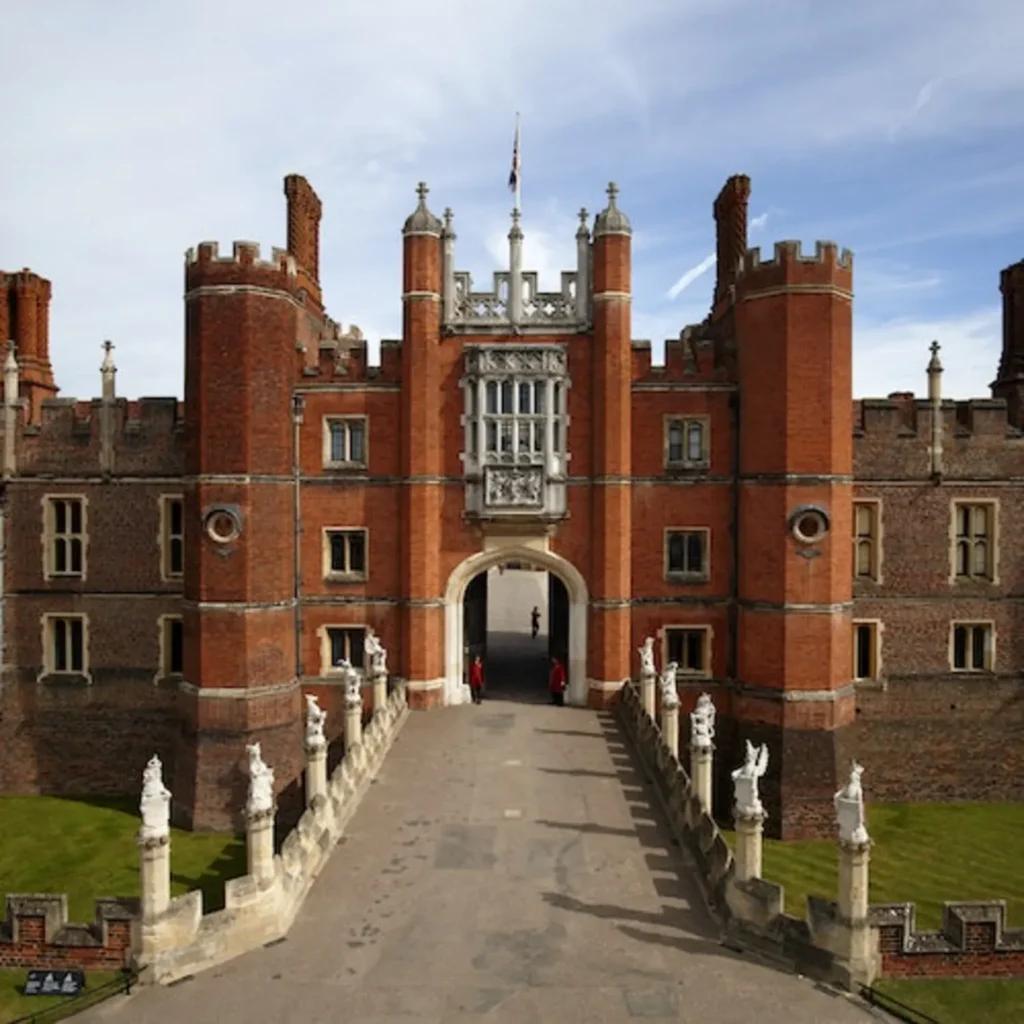
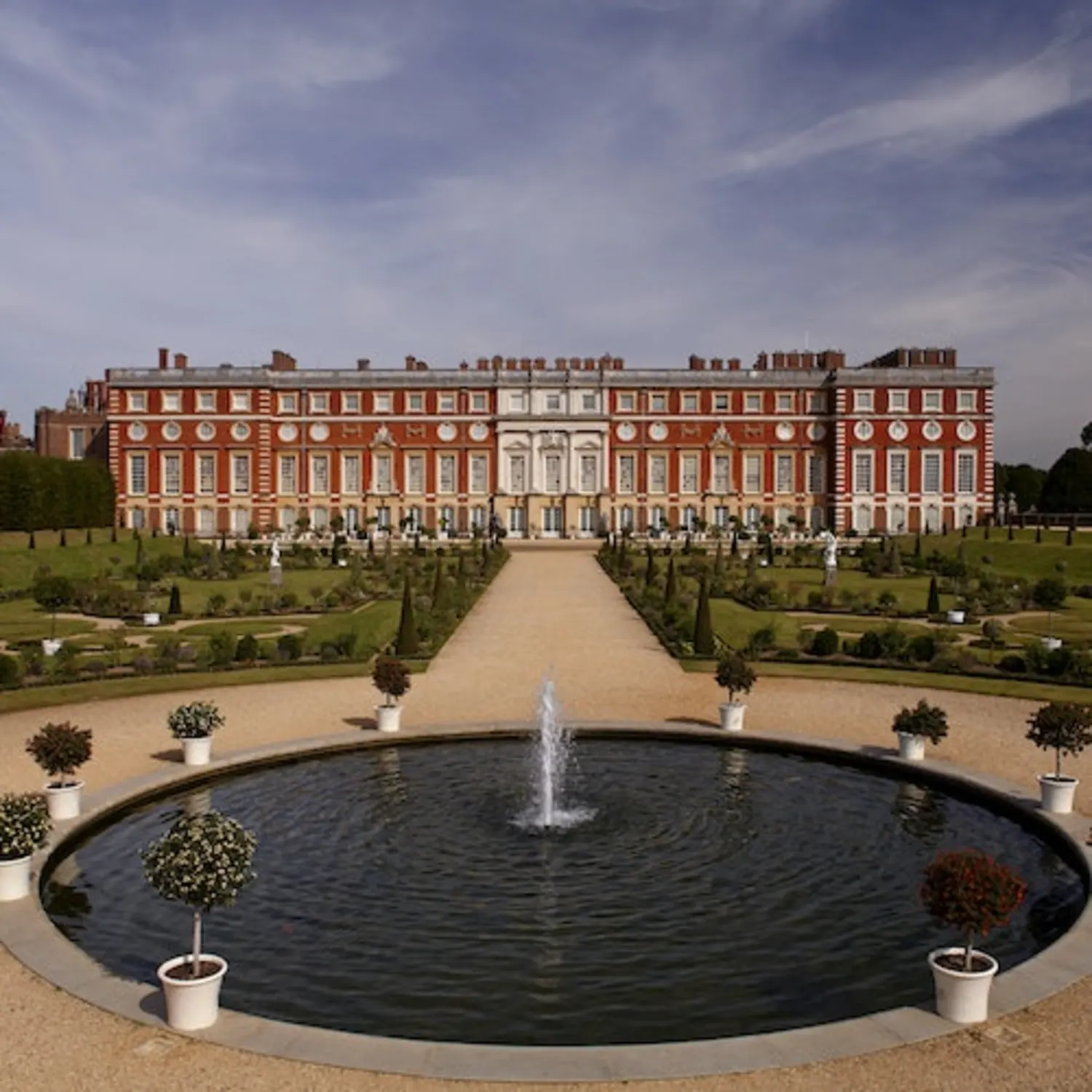
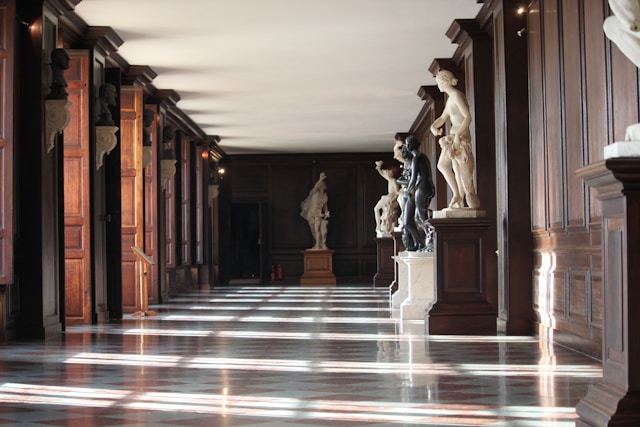
Inside Hampton Court Palace there are two palaces to walk through. The Tudor side has Henry VIII's Great Hall, the processional route to the Chapel Royal and the kitchens, along with the Wolsey Rooms, the oldest rooms in the palace. The Baroque side, built by Christopher Wren, has William III's apartments, the Georgian rooms and the Cumberland Art Gallery.

All of it is on standard admission, with an audio guide to take you through. For how Cardinal Wolsey's house became a royal palace, read how Wolsey's house became a king's palace.

The Great Hall and the Abraham Tapestries
Hampton Court Palace, London

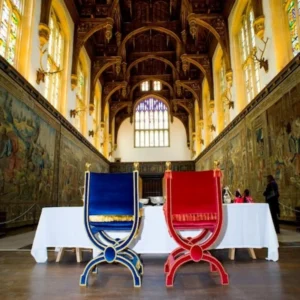
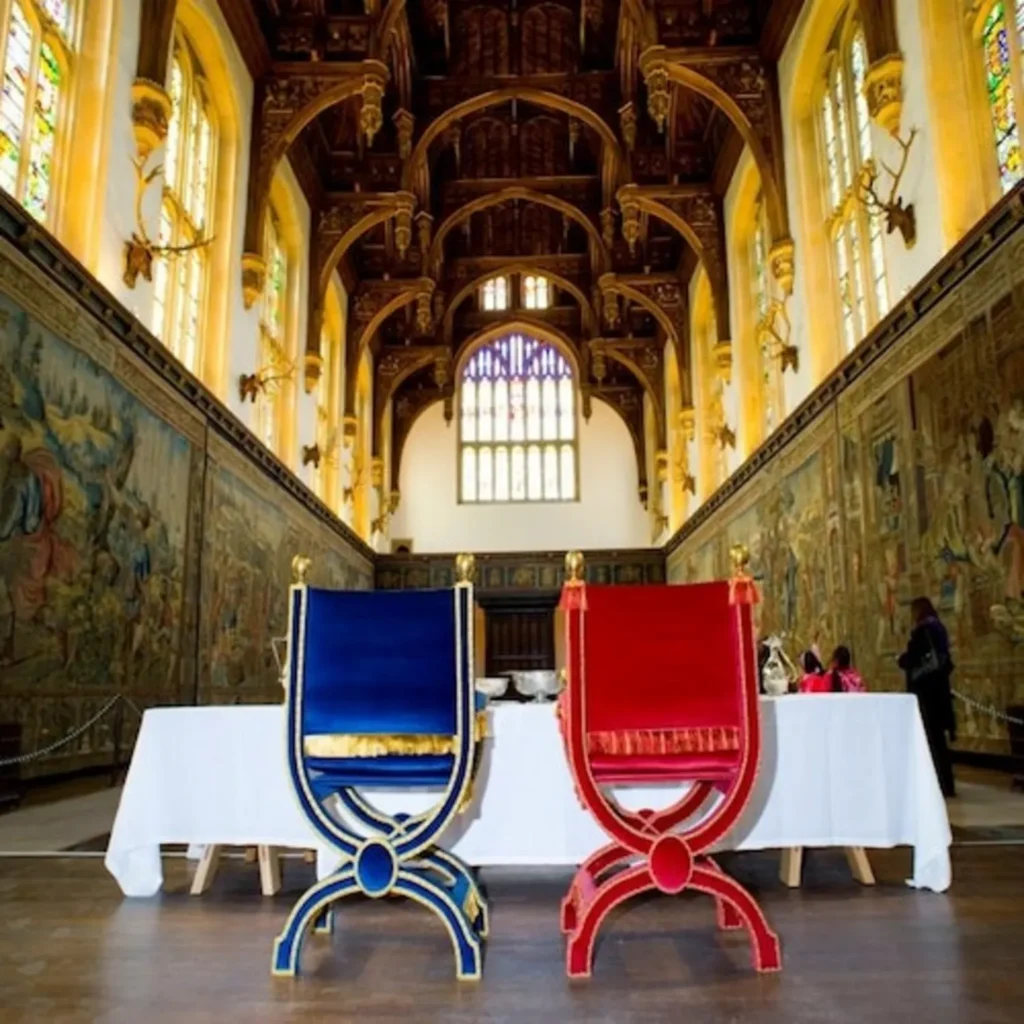
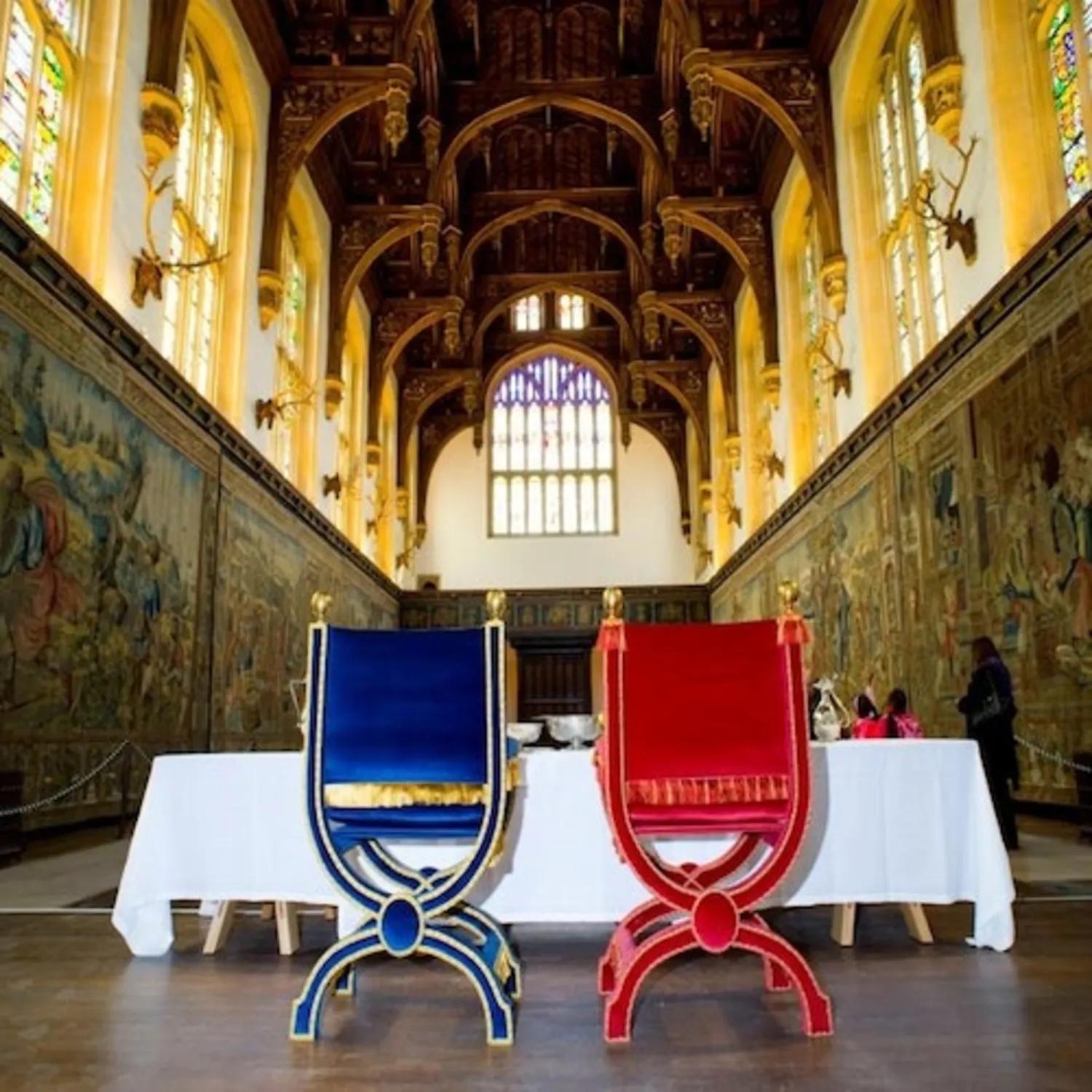
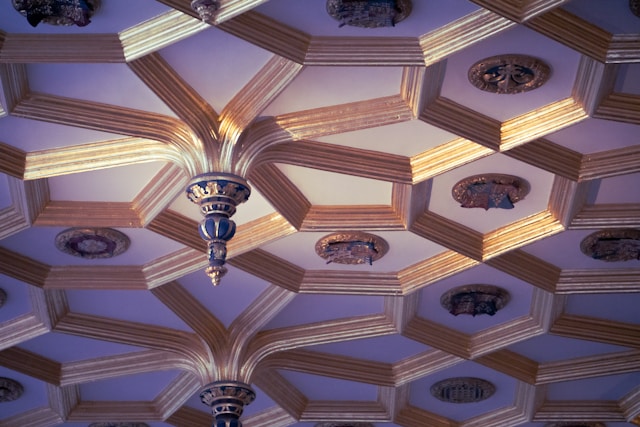
Henry VIII began the Great Hall in 1532, and it was built to impress. He chose a hammerbeam roof, an old-fashioned medieval style, to echo the great halls of the kings before him, and the roof is dotted with small carved heads known as eavesdroppers.

Look closely at the wooden screen and the roof and you will find Anne Boleyn: her coat of arms, her falcon badge and the initials H and A carved together. The stained glass, showing Henry's ancestry, his six wives and Wolsey, was added in a restoration in the 1840s.

The walls are hung with the Abraham tapestries, woven in Brussels from wool, silk and gold and silver thread and first hung here in 1546. The hall fed the lower ranks of the household every day and was used for plays and masques. Shakespeare's company performed here for James I over Christmas and New Year in 1603 and 1604.

The Tudor Kitchens at Hampton Court

Hampton Court Palace, London

The kitchens were first built for Wolsey and expanded by Henry VIII around 1529. They turned out more than 800 meals a day for a court of about 1,200 people, with some 200 cooks, sergeants, grooms and pages, and burned around 1.3 million logs a year.

Each part had its job. The Boiling House made stews, pie fillings and boiled meat, the Great Kitchens roasted meat at six huge fireplaces, the cold Fish Court held stores and fiddly dishes, and the Wine Cellar kept the court's European wines. Food went out through the Serving Place.

The kitchens were used until George II's last stay in 1737, and later changes are still visible, from a 17th-century bread oven to a Victorian iron range. A Spanish visitor in 1554 called them veritable hells, and noted that there was plenty of beer.

The Processional Route and the Chapel Royal
Hampton Court Palace, London

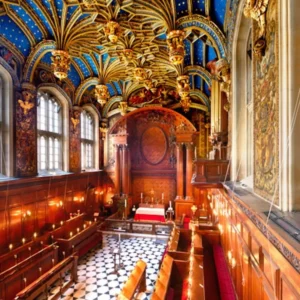
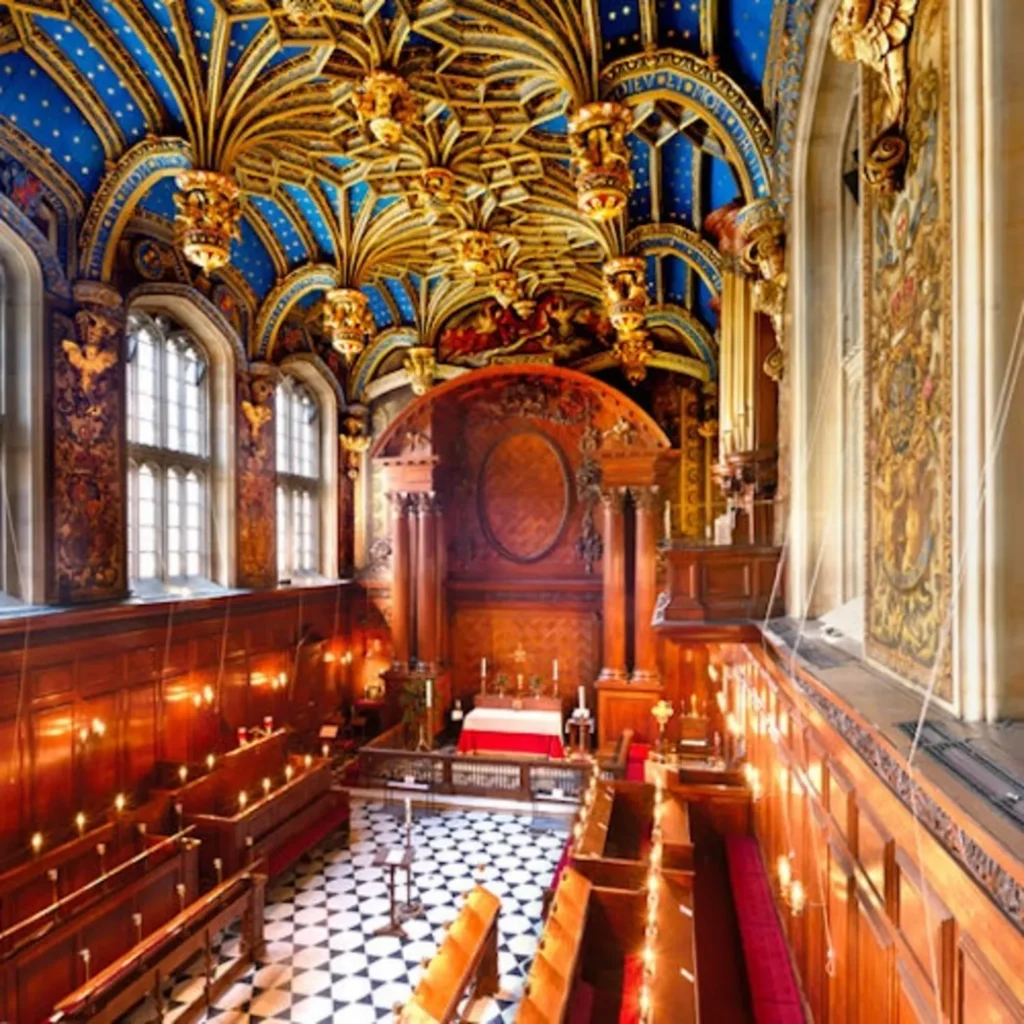
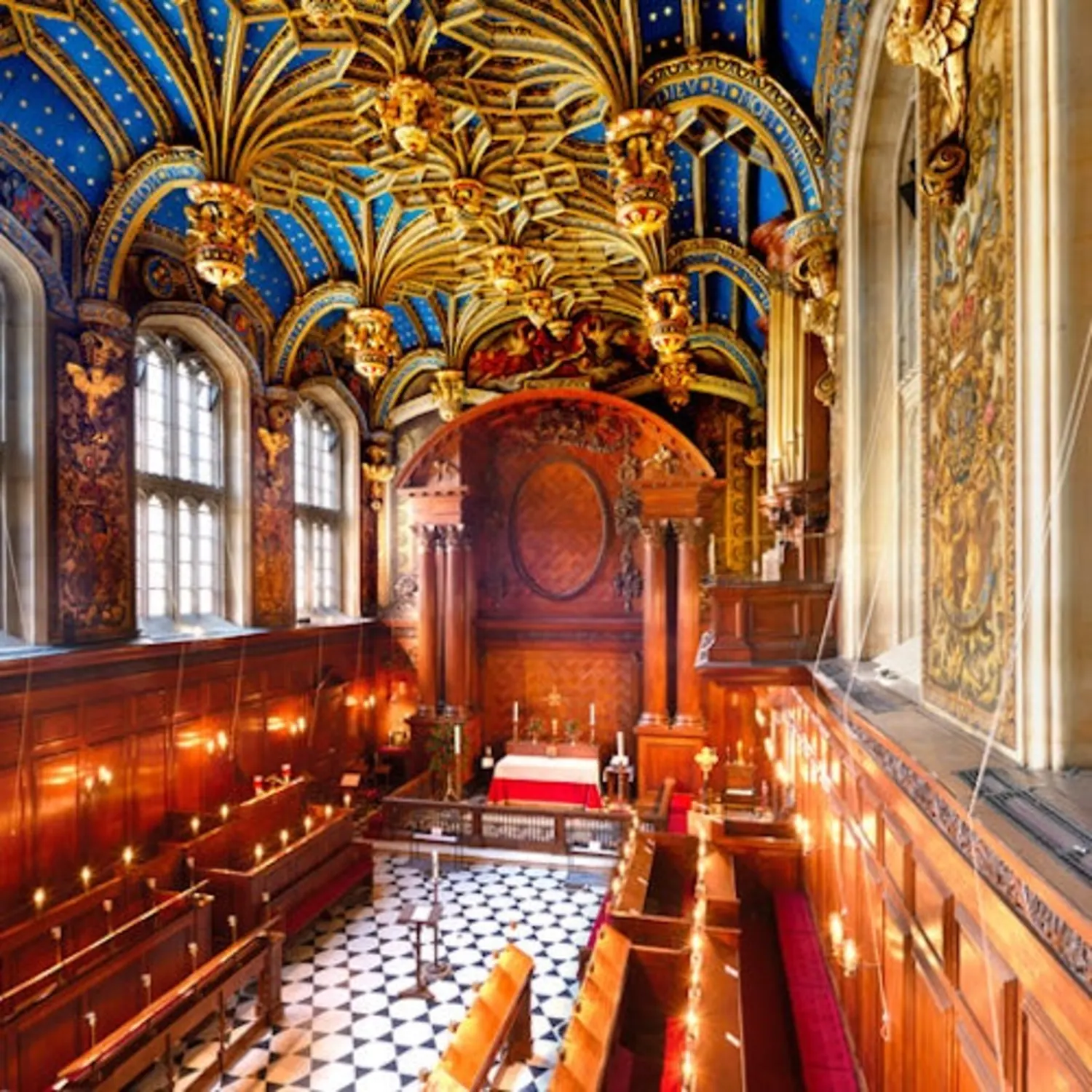
On Sundays and holy days Henry VIII walked in procession from his private rooms to the Chapel Royal, a formal occasion watched by the court. That route is now lined with 16th-century paintings, among them The Family of Henry VIII of about 1545, showing the king with Jane Seymour and Prince Edward, and copies of Holbein's lost mural from Whitehall Palace.

Part of the route is known as the Haunted Gallery. The story goes that in 1541 Catherine Howard broke away from her guards here and ran towards the chapel to beg for mercy, before being dragged back. The route ends at the Chapel Royal, and it is all included in a palace visit.

Hampton Court Palace, Gardens & Maze Tickets

Highlights

Experience the grandeur of Henry VIII’s former residence.

Enjoy guided audio tours available in multiple languages.

Wander through vast Tudor and Baroque architecture.

Explore over 60 acres of beautifully maintained gardens.

Challenge yourself in the palace’s historic maze designed in the 1700s.

Seeing Inside Hampton Court Palace on Your Visit

The Great Hall, the kitchens, the processional route, William III's Apartments and the Cumberland Art Gallery are all on standard admission, with an audio guide. The palace is open 10:00 to 17:30, with last admission at 16:30. Start with the Tudor side and save Wren's rooms for after lunch.

Inside Hampton Court Palace: Your Questions

What can you see inside Hampton Court Palace?

The Great Hall, the Tudor kitchens, the processional route and Chapel Royal, the Wolsey Rooms, William III's Apartments, the Georgian rooms and the Cumberland Art Gallery.

How many meals did the Tudor kitchens cook?

More than 800 a day, for a court of about 1,200 people.

When was the Great Hall built?

Henry VIII began it in 1532.

What tapestries hang in the Great Hall?

The Abraham tapestries, woven in Brussels with gold and silver thread and first hung in 1546.

Where is the Haunted Gallery?

On Henry VIII's processional route to the Chapel Royal, which is part of the palace visit.

Is the Cumberland Art Gallery included in the ticket?

Yes. It is part of standard palace admission.

Is the Mantegna Gallery open?

No. It is closed until spring 2027.

Is there an audio guide inside Hampton Court Palace?

Yes, an audio guide is included with admission.

This website sells official tickets for this venue. Please note, however, that it is not the official website of the venue.

The images and videos on this website may contain visual elements that have been created or enhanced using AI technology. They are provided for illustrative purposes only.