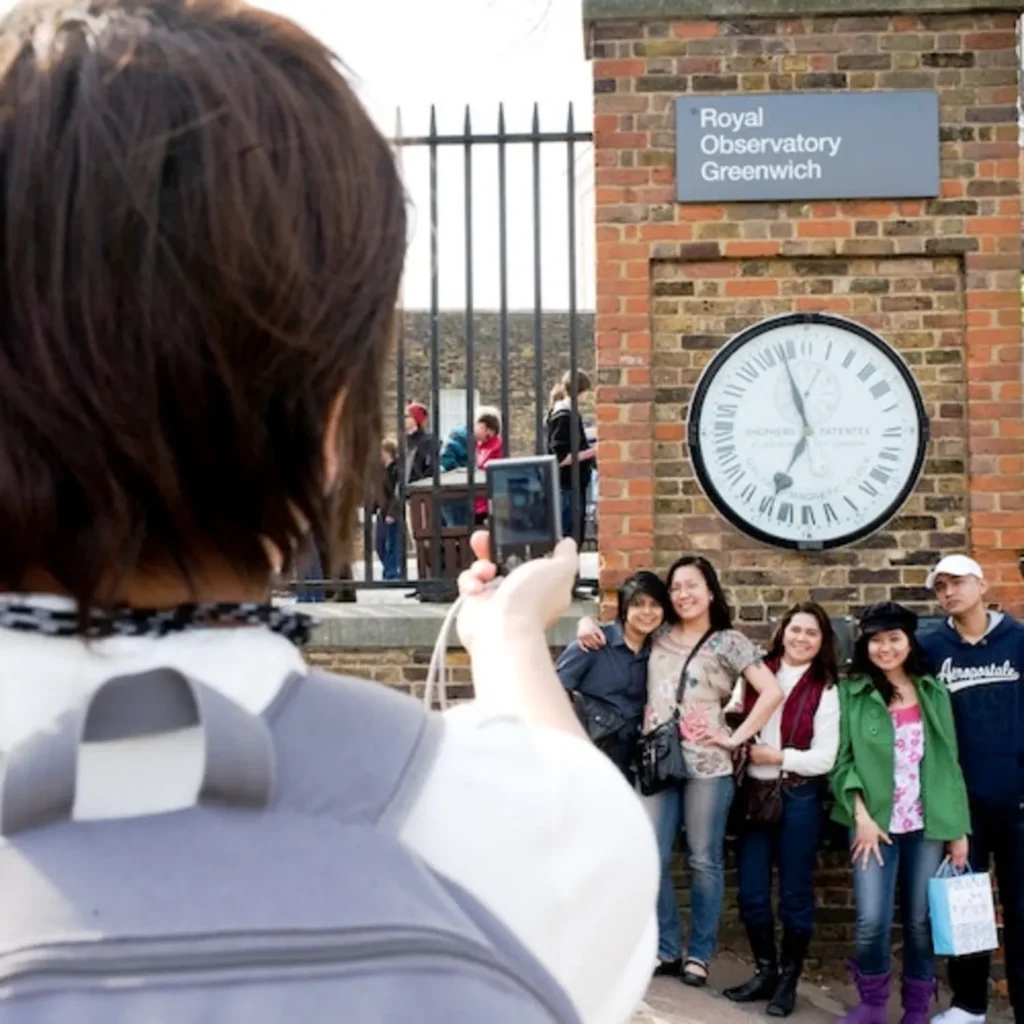
We are processing your request.
Please, don't close or refresh the page.
Flamsteed House at the Royal Observatory Greenwich

Flamsteed House: Inside the Observatory's Original 1676 Building

Wren and Hooke built this red-brick house on Greenwich Park’s hilltop in 1675–76 for the first Astronomer Royal, and it still holds John Harrison’s marine timekeepers, a working Camera Obscura and the Octagon Room.

Wren and Hooke’s 1676 Home for the King’s Astronomer

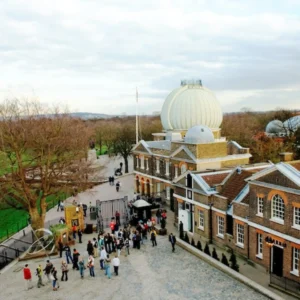
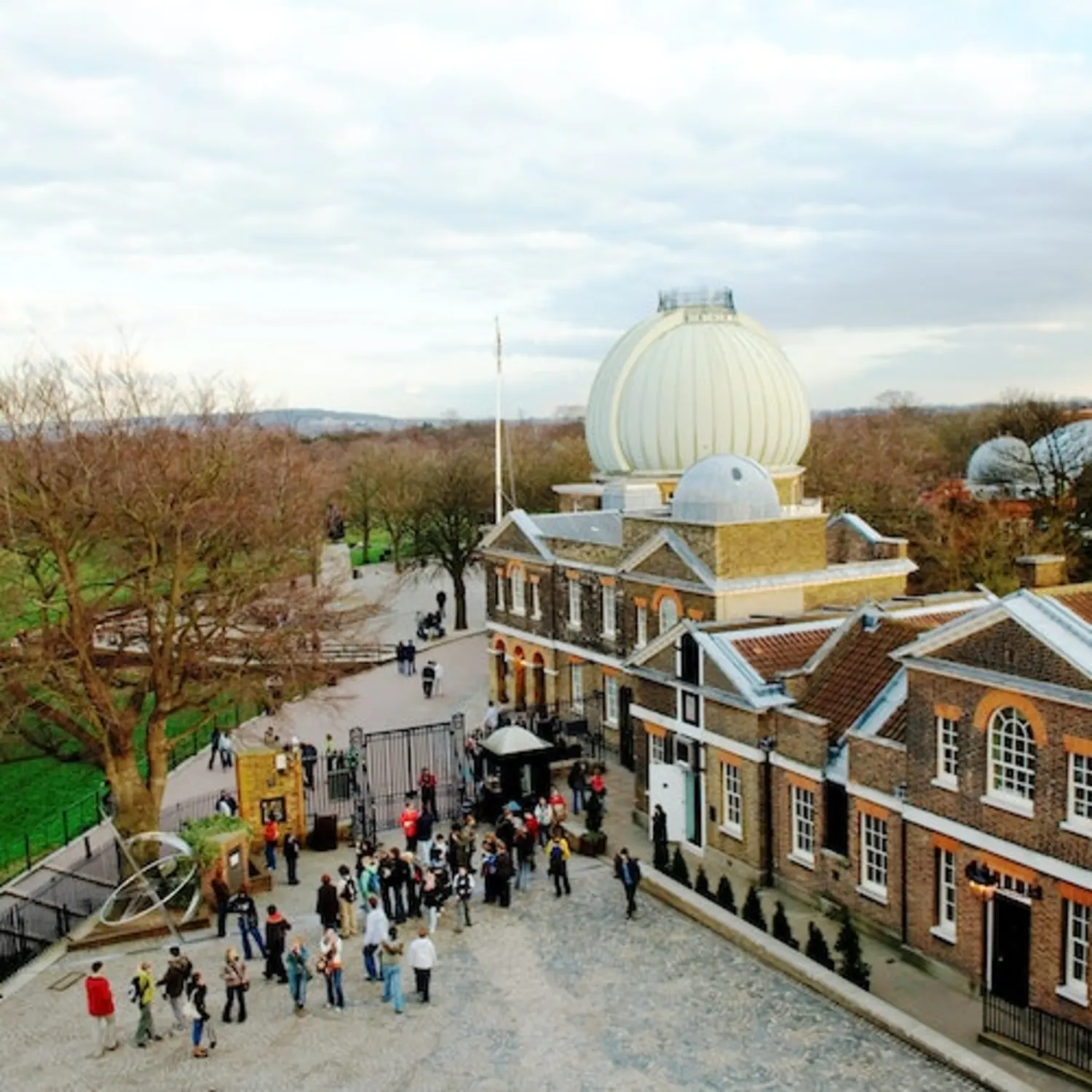
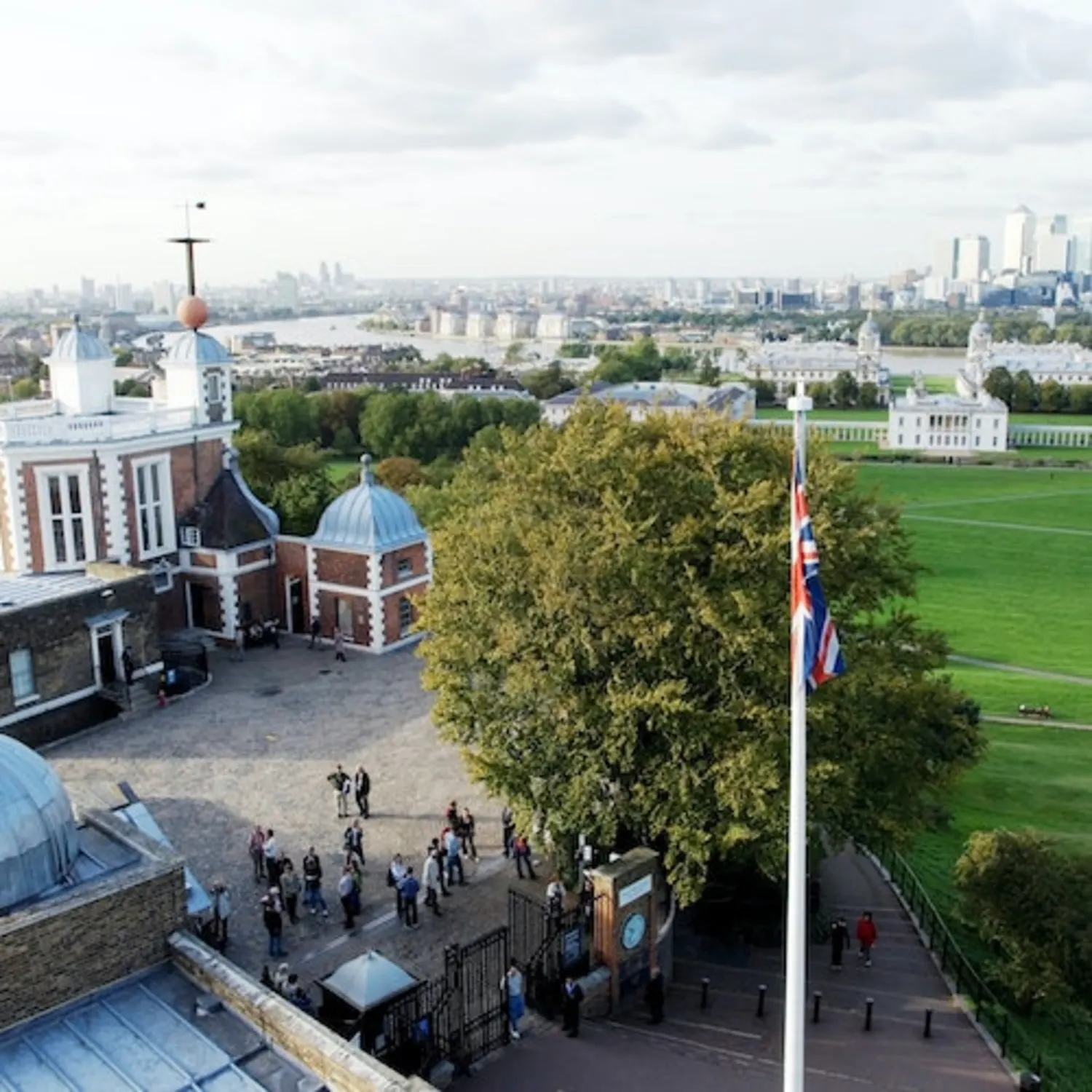
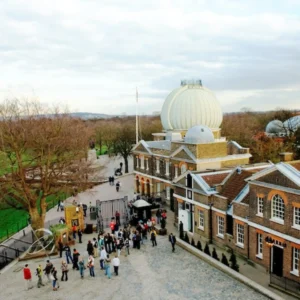
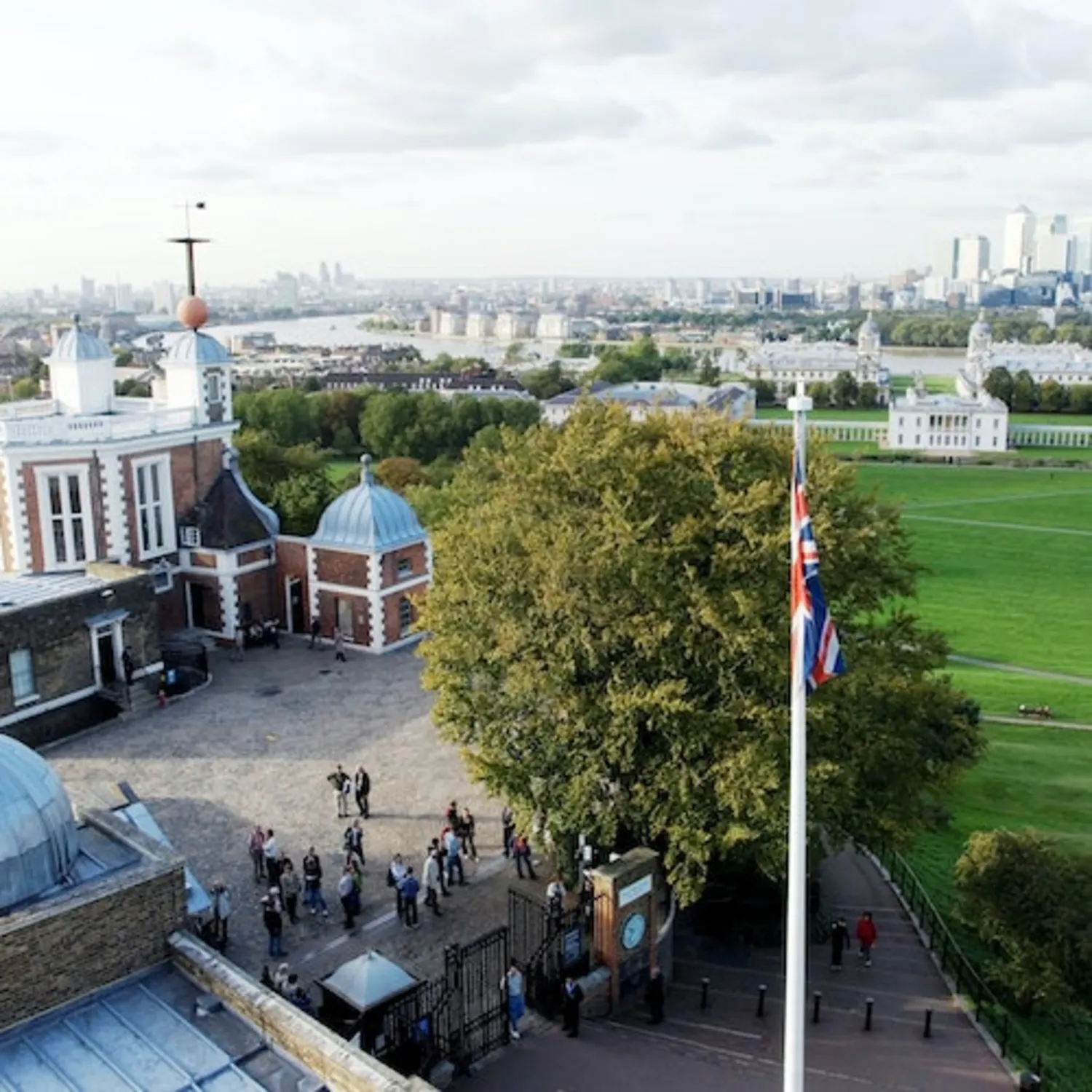
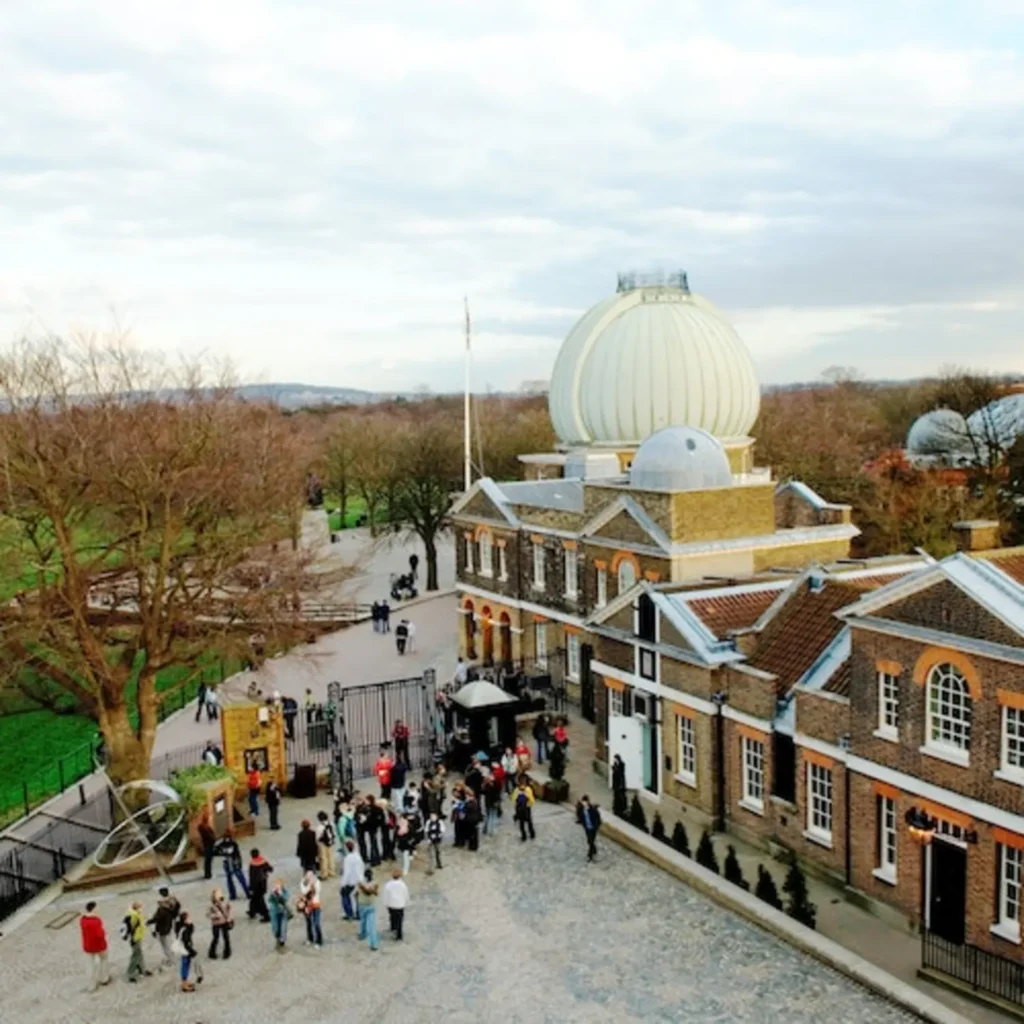
Flamsteed House is the red-brick building on the hill everyone photographs at the Royal Observatory Greenwich, and the oldest part of the whole site. Christopher Wren designed it with Robert Hooke’s help in 1675–76, on King Charles II’s orders, as both a working observatory and a home for the man who would run it. For the Prime Meridian, the Time Ball and the rest of the hill’s story, see Royal Observatory Greenwich’s complete visitor overview.

Five Things to Know Before You Walk In The Flamsteed House

Built in 1675–76, designed by Sir Christopher Wren with Robert Hooke, and Grade I listed since 1973.

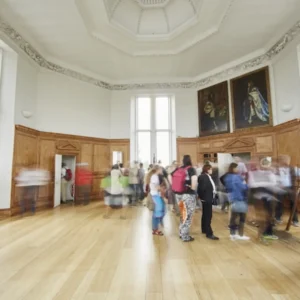
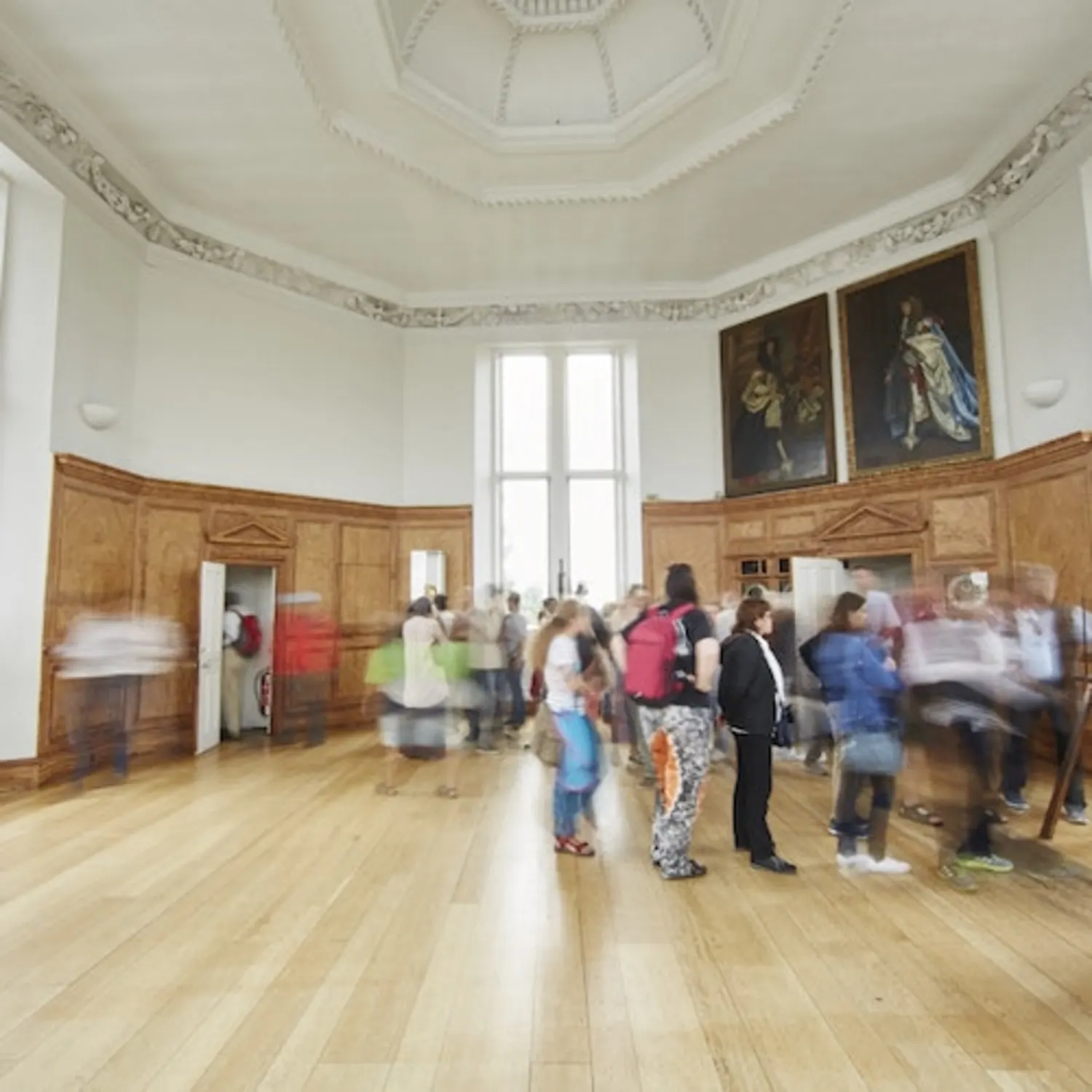
Red brick with white stone quoins; a staircase with barley-sugar twist columns leads up to the Octagon Room.

John Flamsteed, the first Astronomer Royal, lived and worked here until his death in 1719 - the building still carries his name.

The ground floor now displays John Harrison’s marine timekeepers, H1 to H4, in the Time and Longitude Gallery.

A Camera Obscura inside projects a live, rotating panorama of Greenwich Park and the Thames onto a screen.

A Home Built for an Astronomer
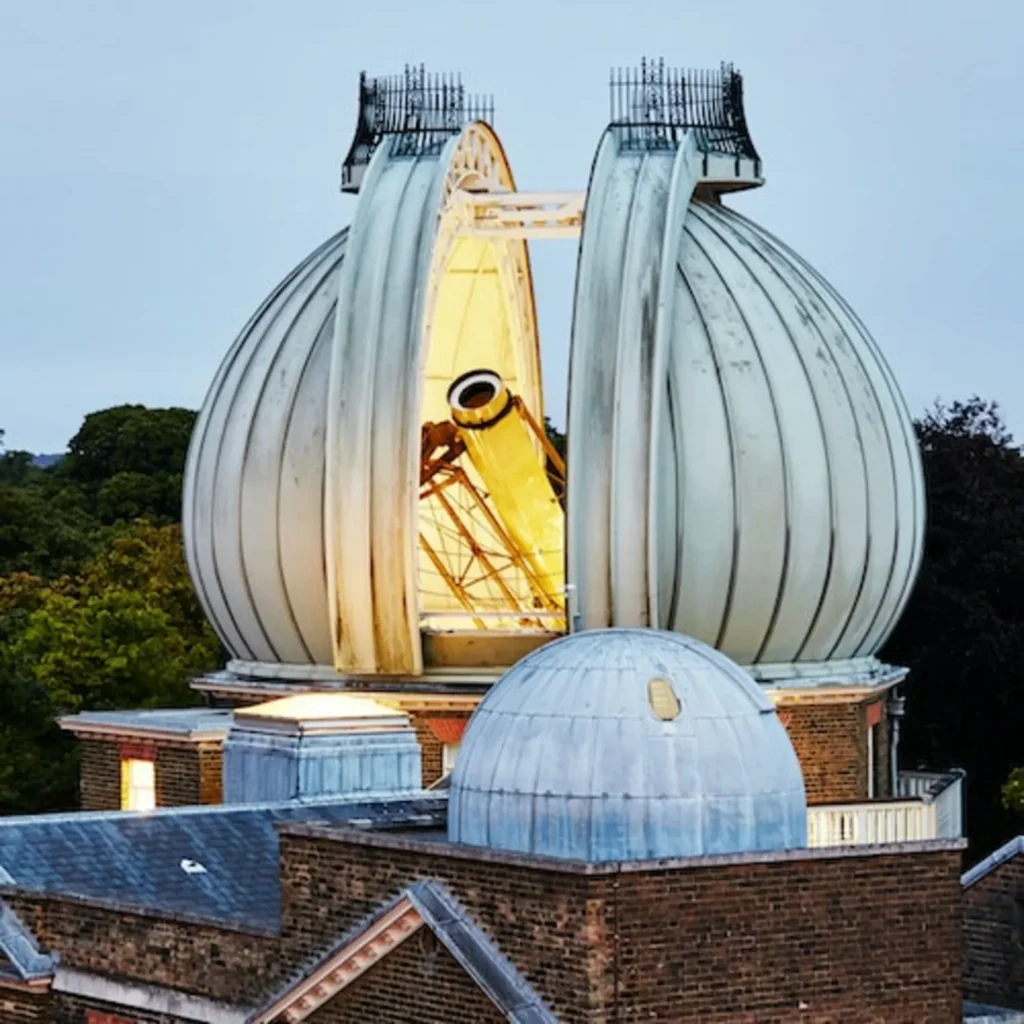
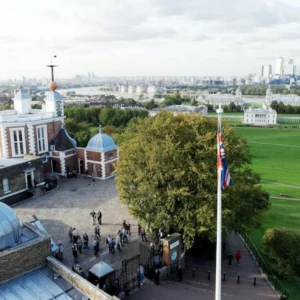
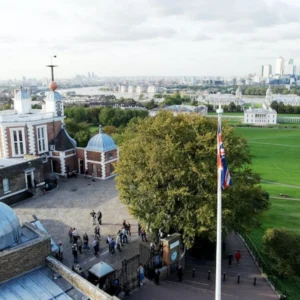
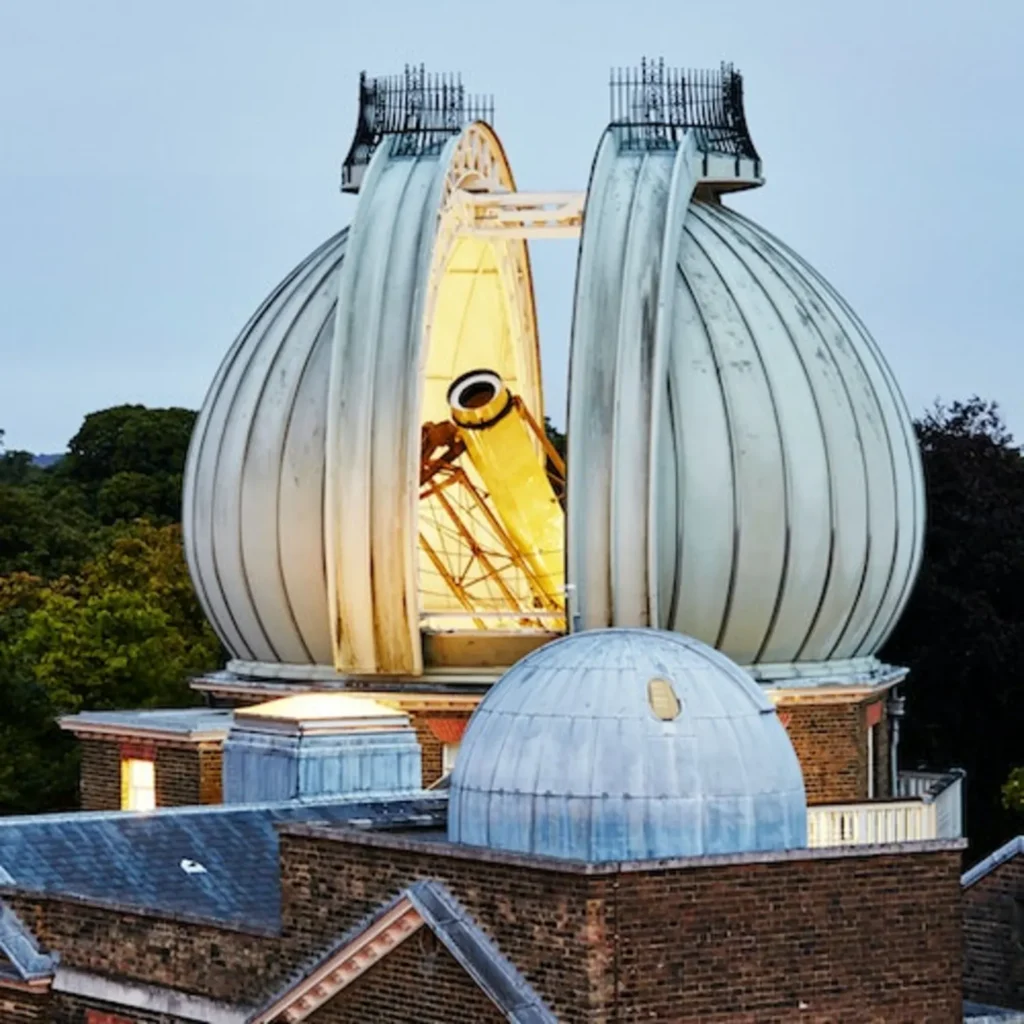
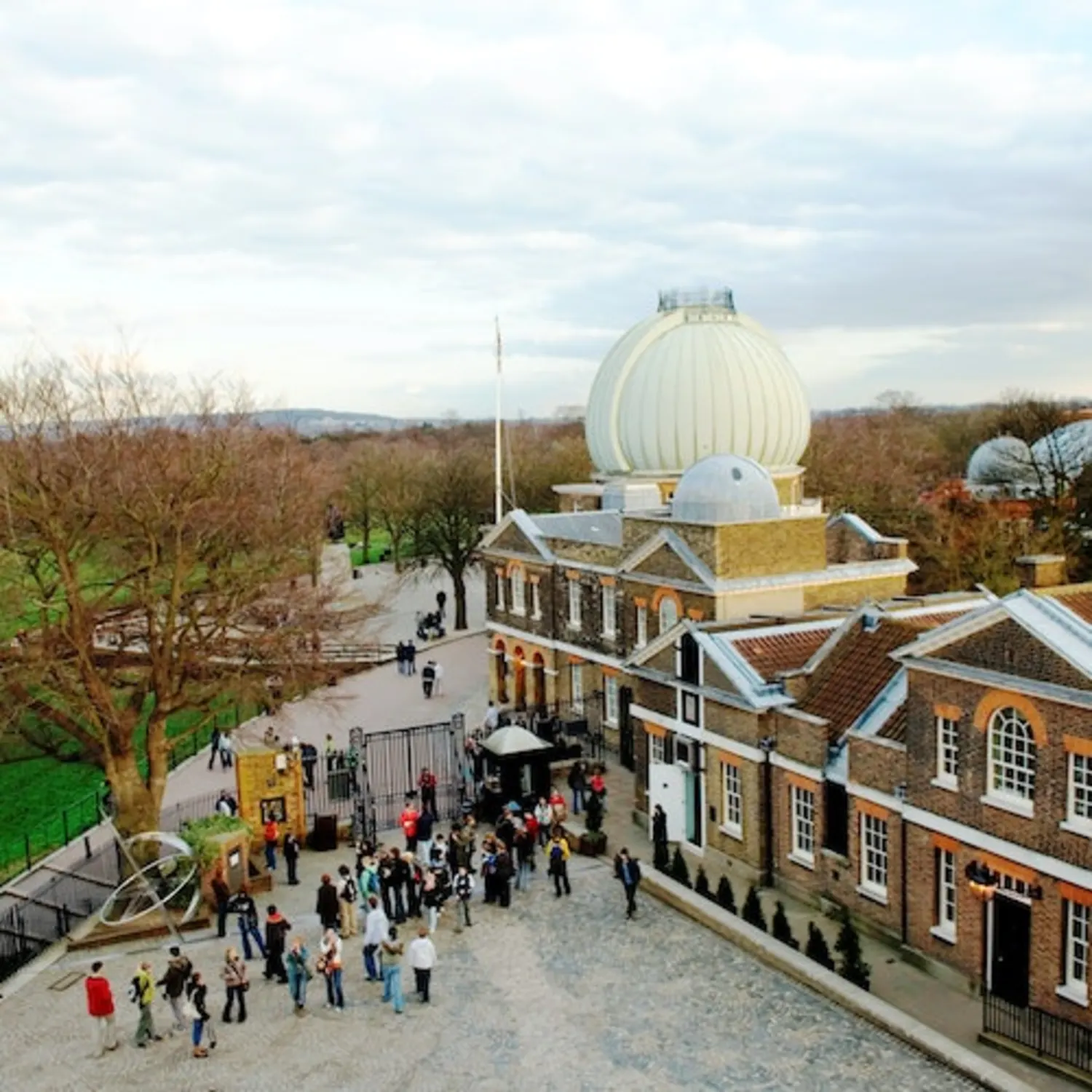
Royal Observatory Greenwich buildings in Greenwich Park

Flamsteed House was never just an instrument room. The ground floor was John Flamsteed’s actual home, where he lived with his wife Margaret Cooke, whom he married in 1692 and who later helped with his calculations and oversaw publishing his life’s work after his death. He paid a real personal cost for the job: the Crown covered the building, but Flamsteed funded much of his own equipment and assistants’ wages out of pocket, on a modest official salary.

He never left. Flamsteed moved in during the summer of 1676 and stayed until his death in 1719, forty-three years cataloguing the sky from the same rooms - which is why, more than three centuries later, everyone still calls it Flamsteed House.

When Flamsteed Fought Back: The Stolen Star Catalogue
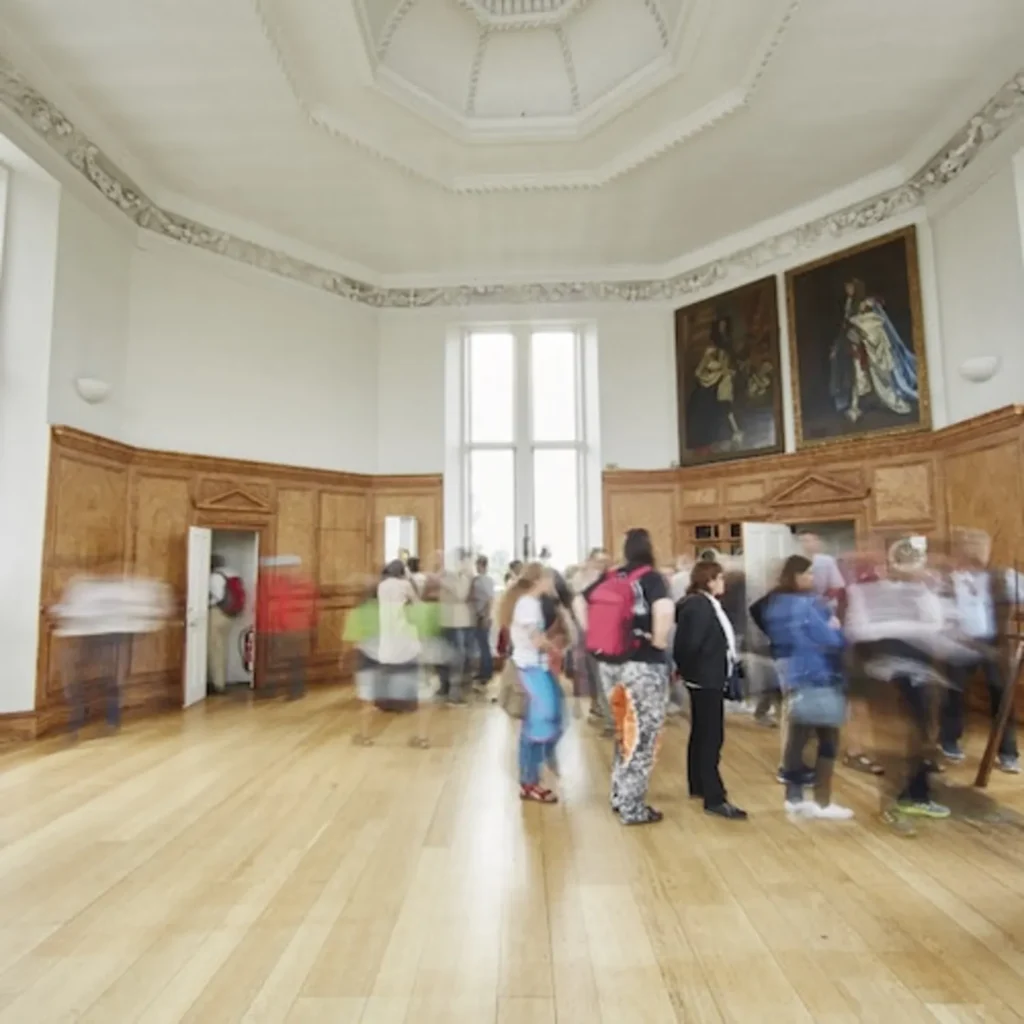
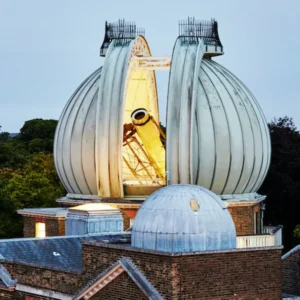
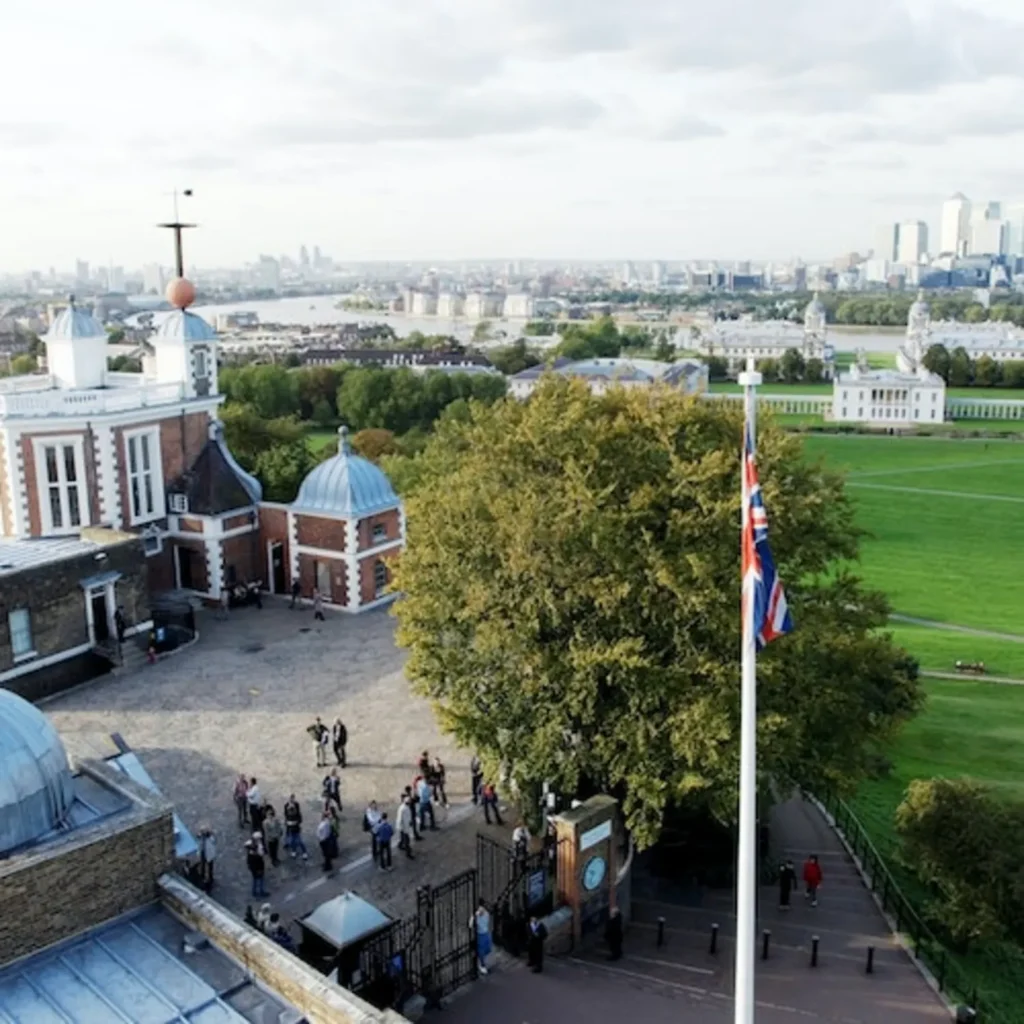
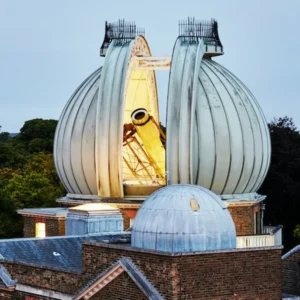
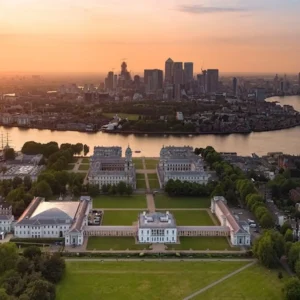
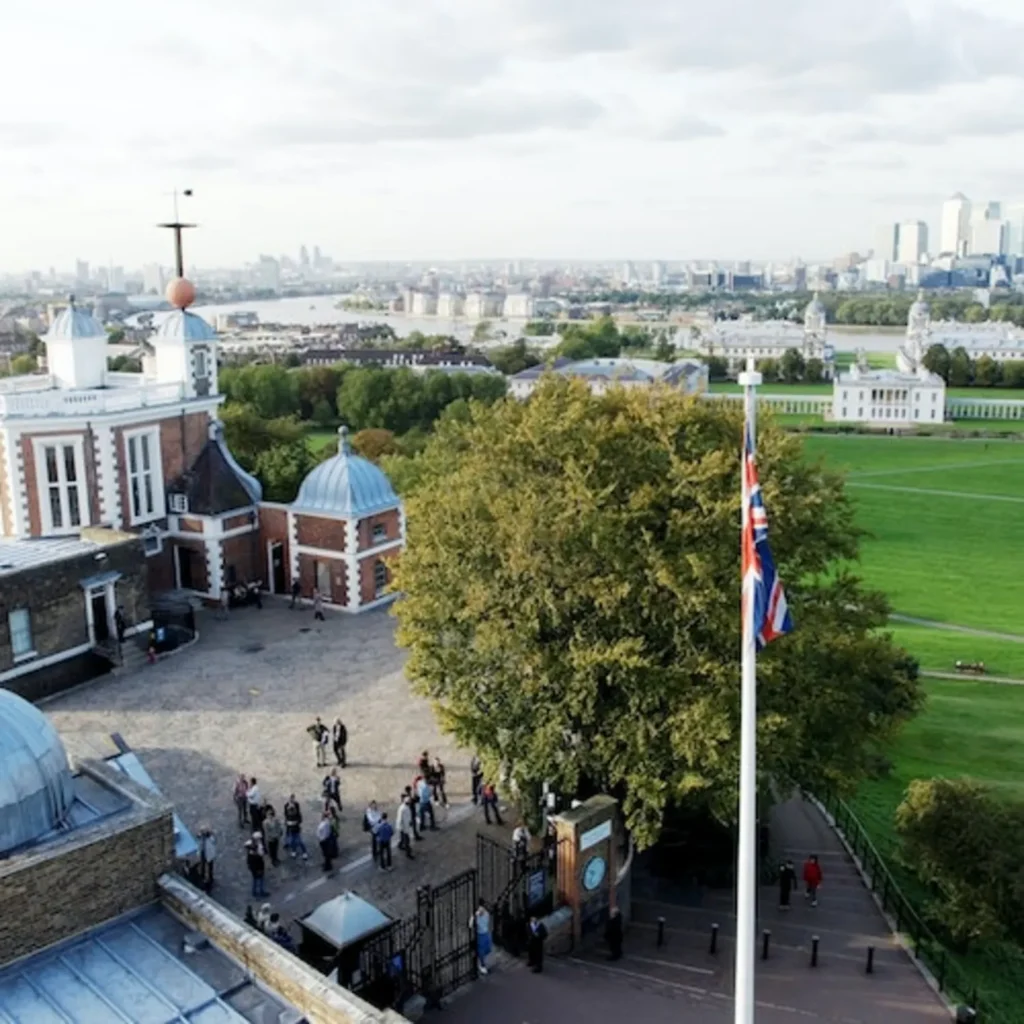
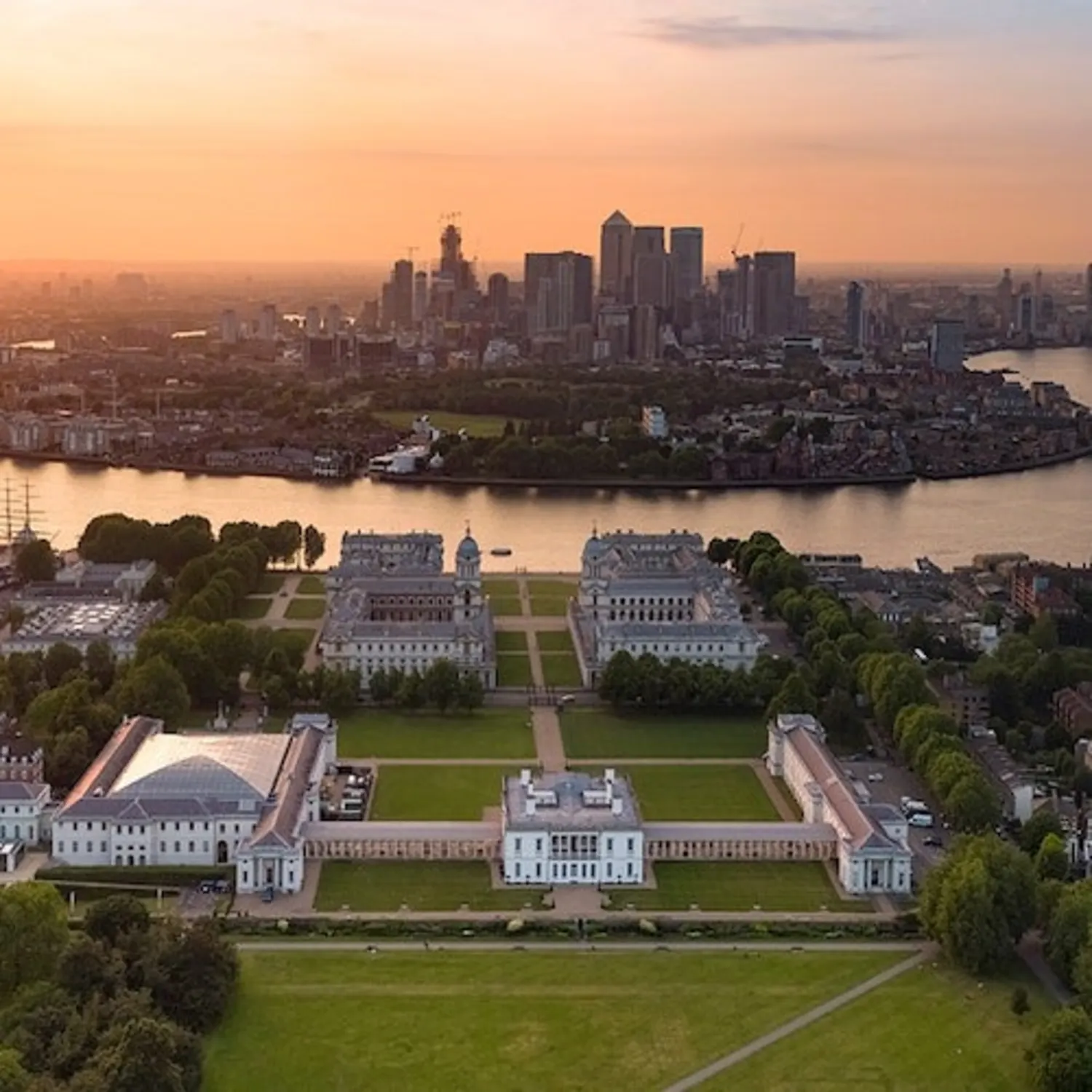
Royal Observatory Greenwich above Greenwich Park

Flamsteed spent decades cataloguing the stars from this house, but refused to publish until he trusted the accuracy, terrified of putting his name to a mistake. Isaac Newton and Edmond Halley needed those observations for their own work and ran out of patience: Newton used his position as Royal Society president to create a “Board of Visitors” with the power to demand Flamsteed’s data.

In 1712, Halley published 400 copies of Flamsteed’s unfinished catalogue without his permission. Flamsteed was furious, calling it an insult to his work, and spent years tracking copies down. In 1716 he got hold of 300 of them - and burned them on a bonfire in Greenwich Park, a short walk from where he was standing.

Royal Observatory Greenwich: Admission Ticket

Highlights

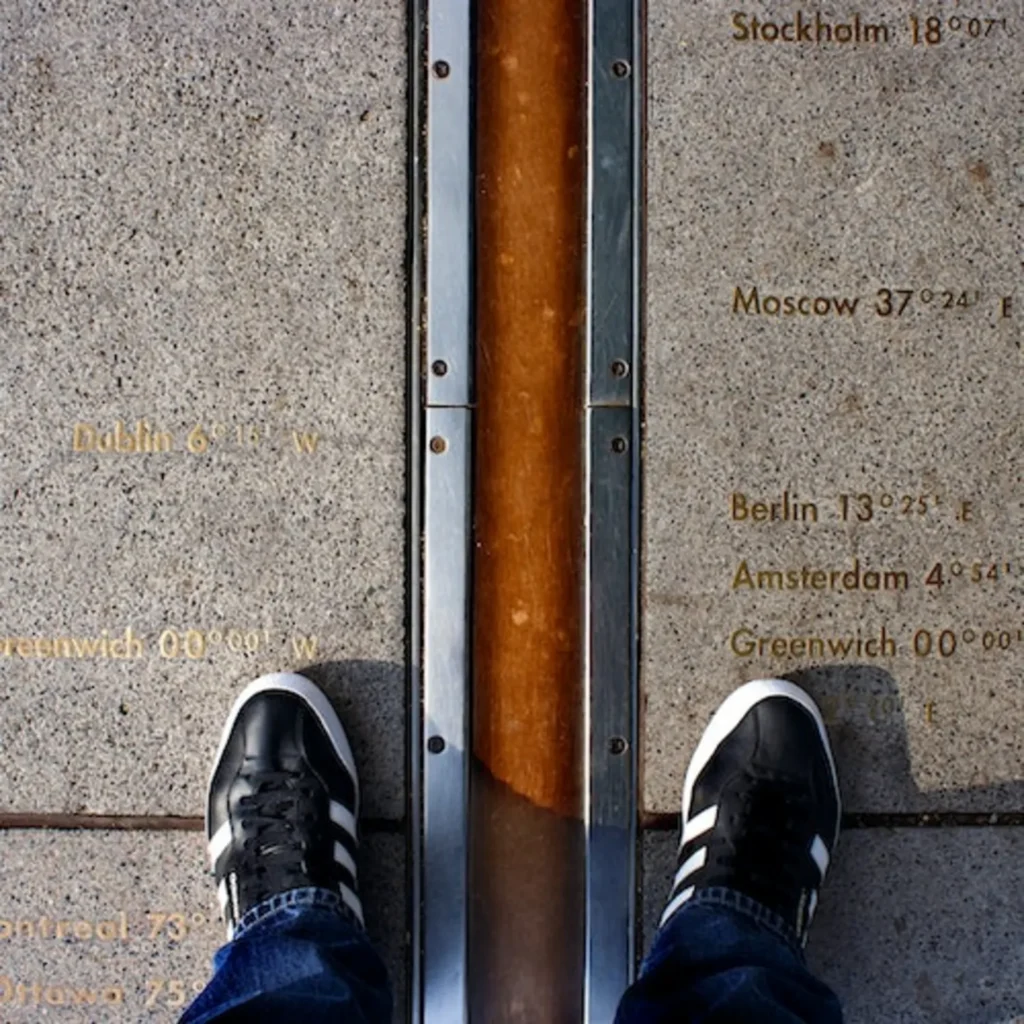
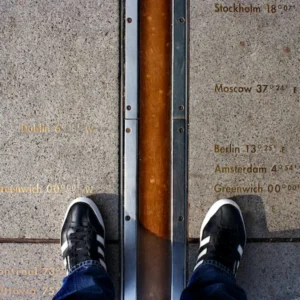
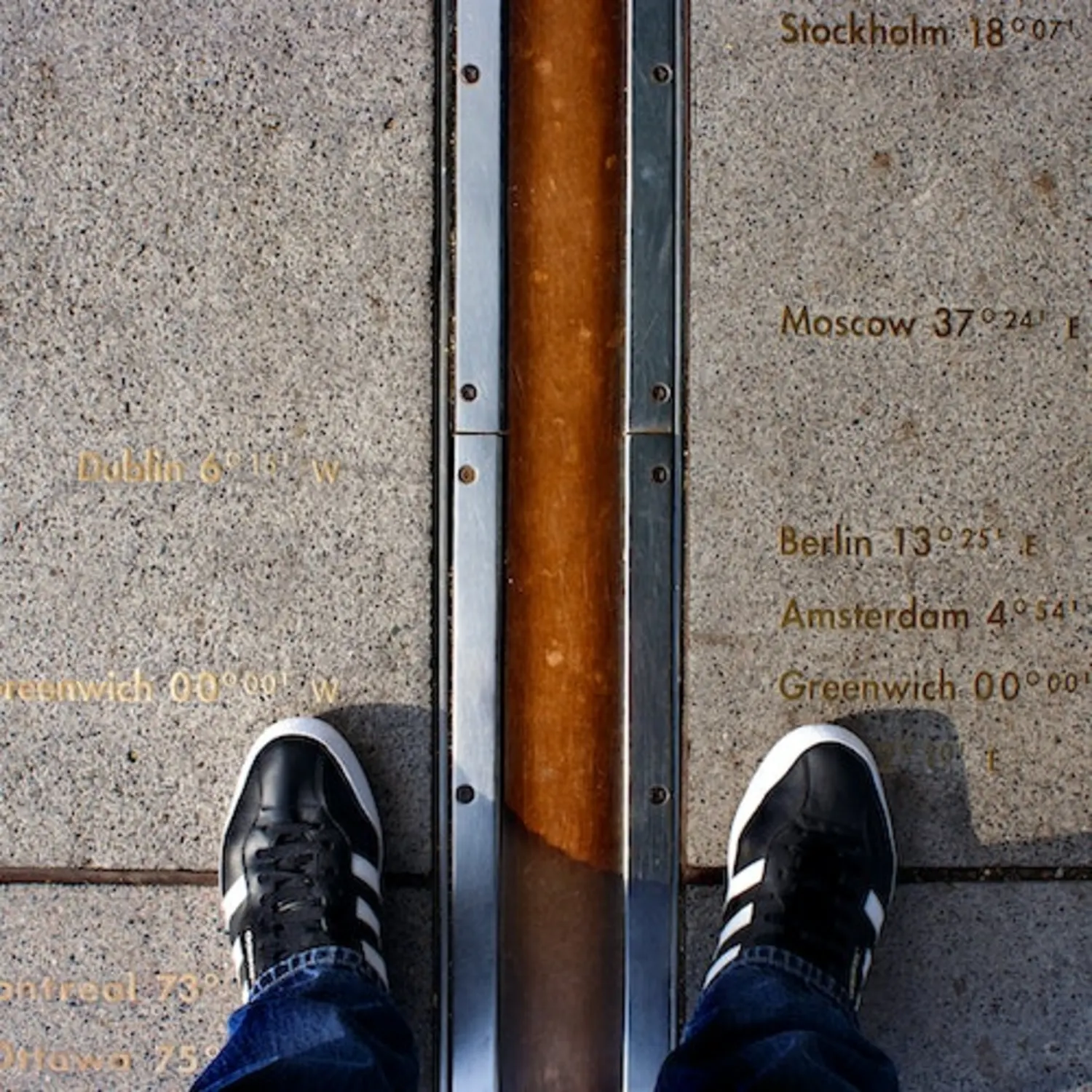
Experience standing on the Prime Meridian, dividing eastern and western hemispheres.

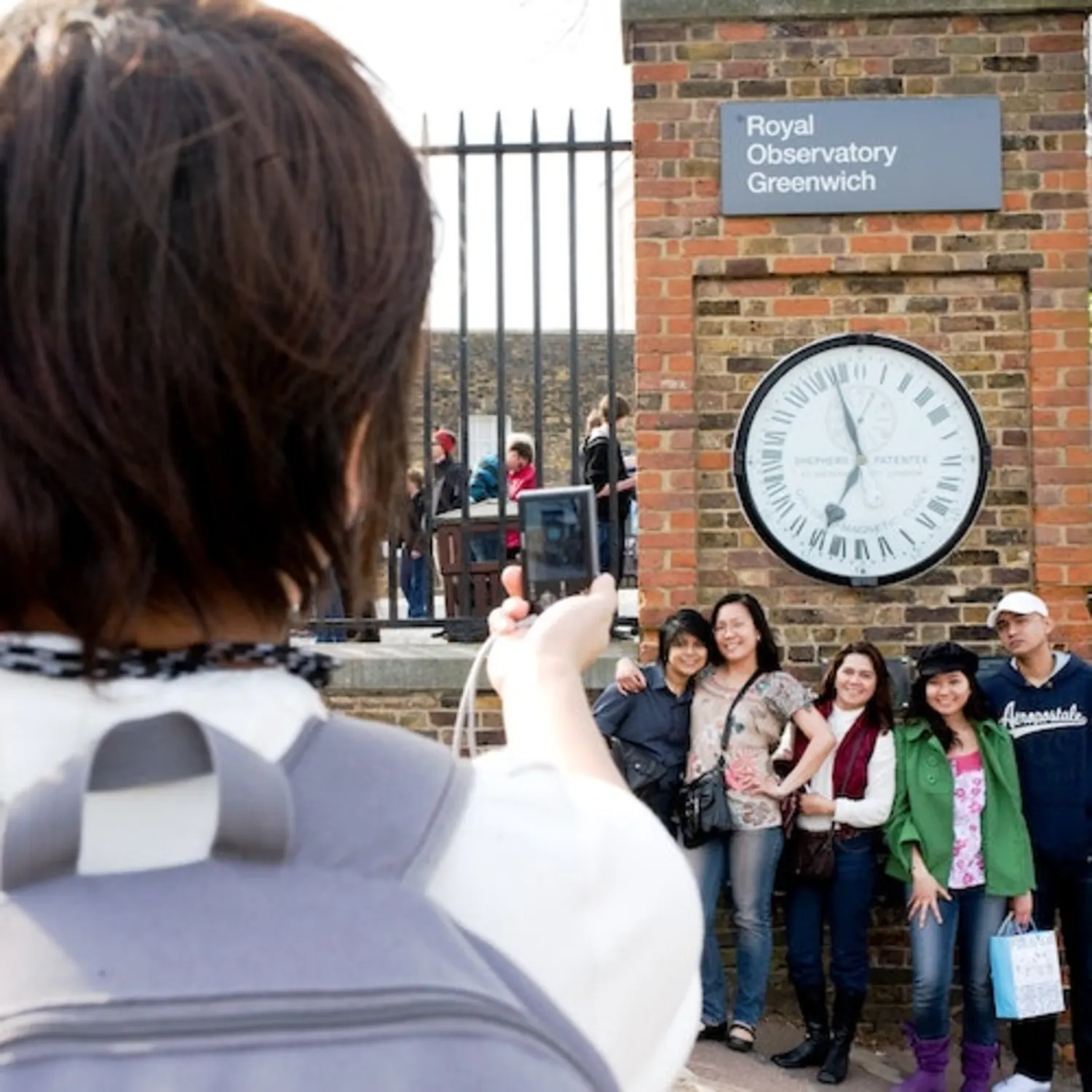
Discover the rich history behind Greenwich Mean Time (GMT) established here.

View remarkable astronomical instruments and exhibits including John Harrison’s timekeepers.

Time your visit to see the Time Ball drop, a historical time signal at 1 PM daily.

Enjoy panoramic views from this iconic observatory site overlooking Greenwich.
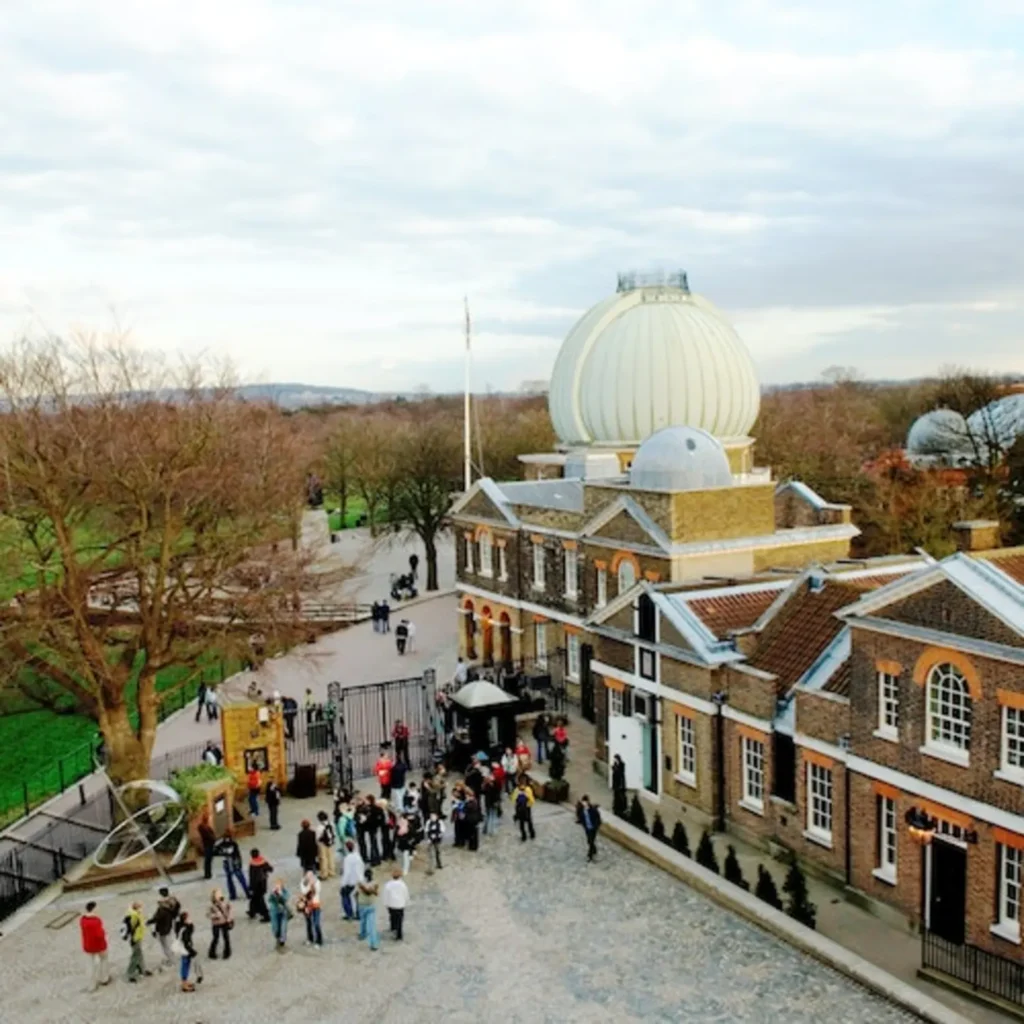
Royal Museums Greenwich Day Pass

Highlights

Entry to four iconic attractions in London’s Greenwich area.

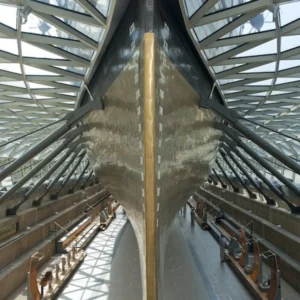
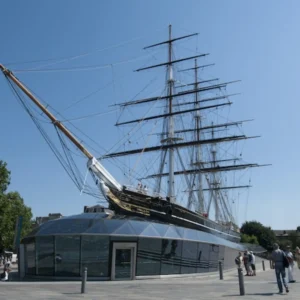
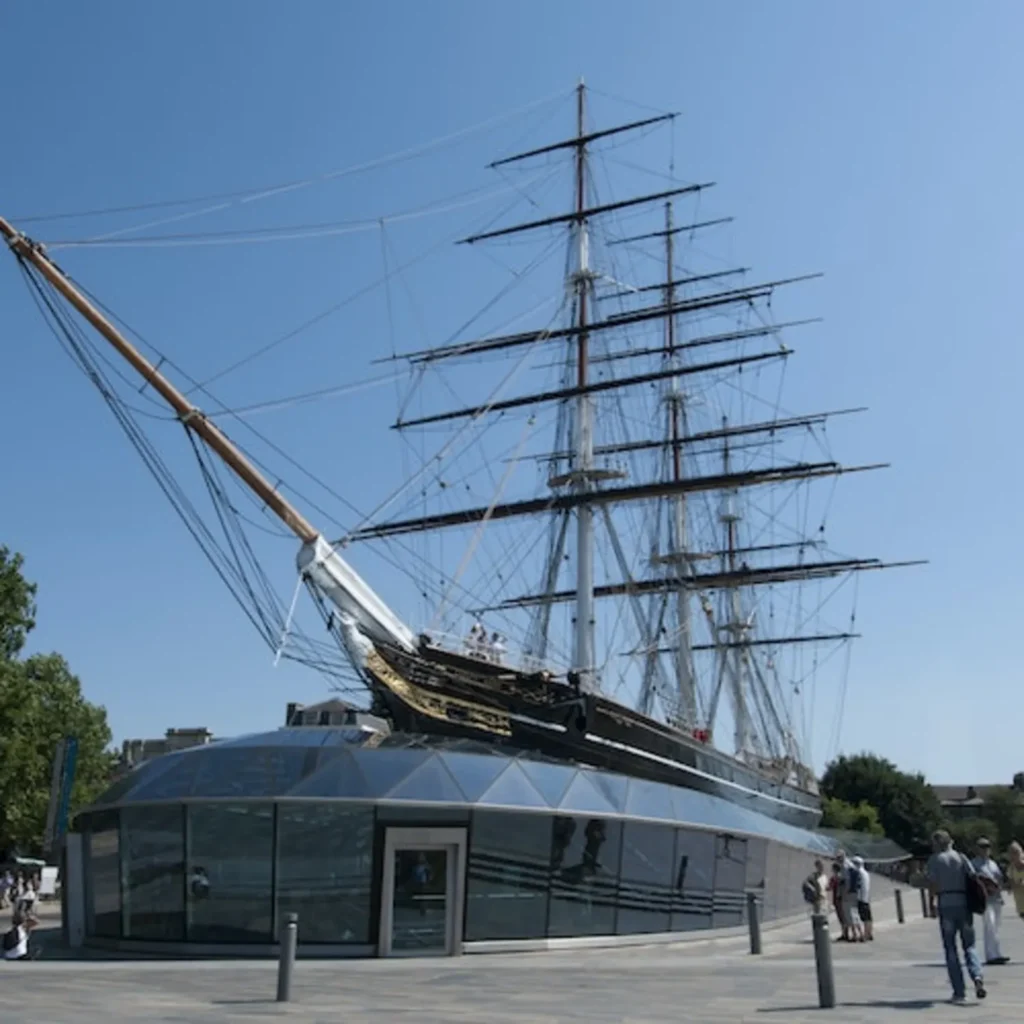
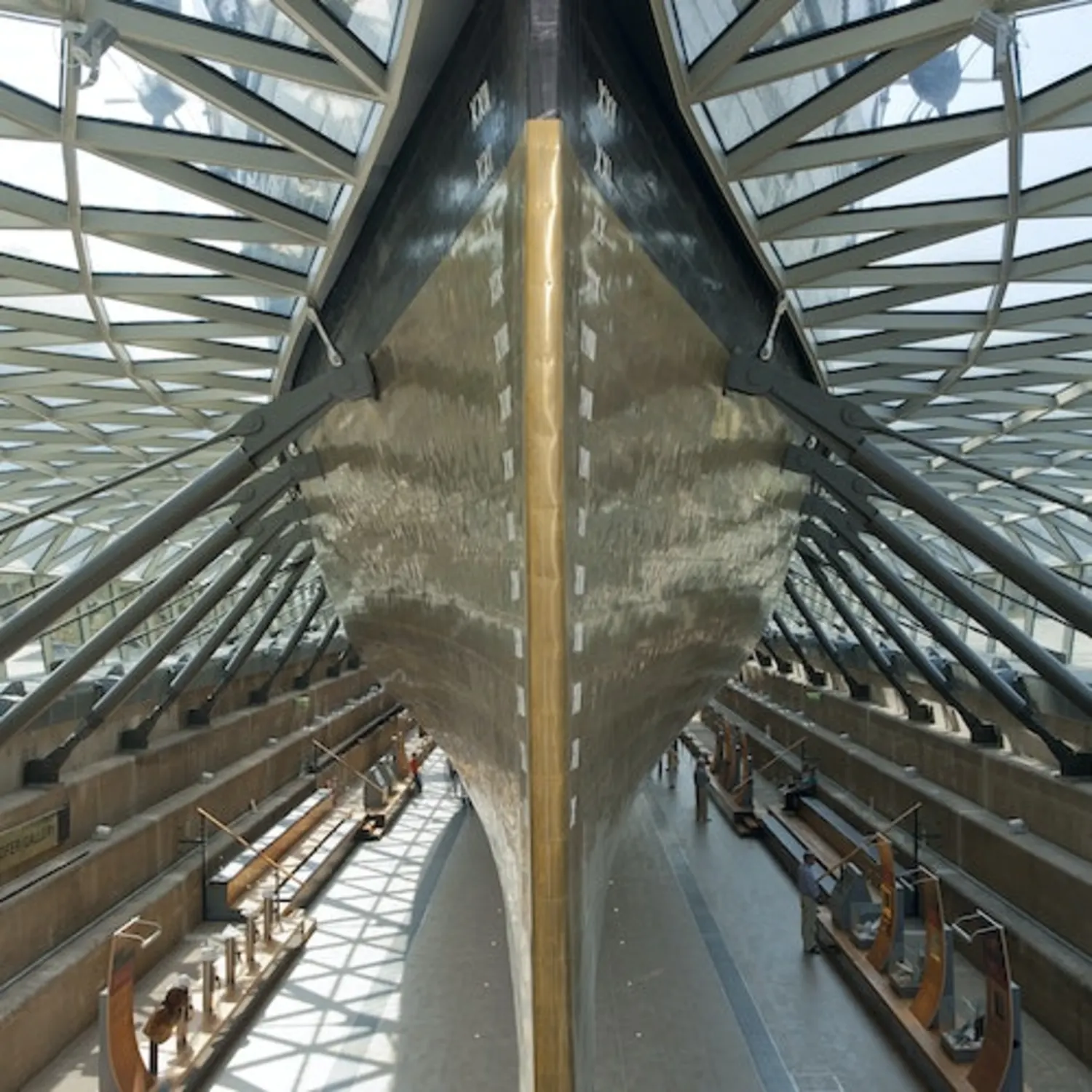
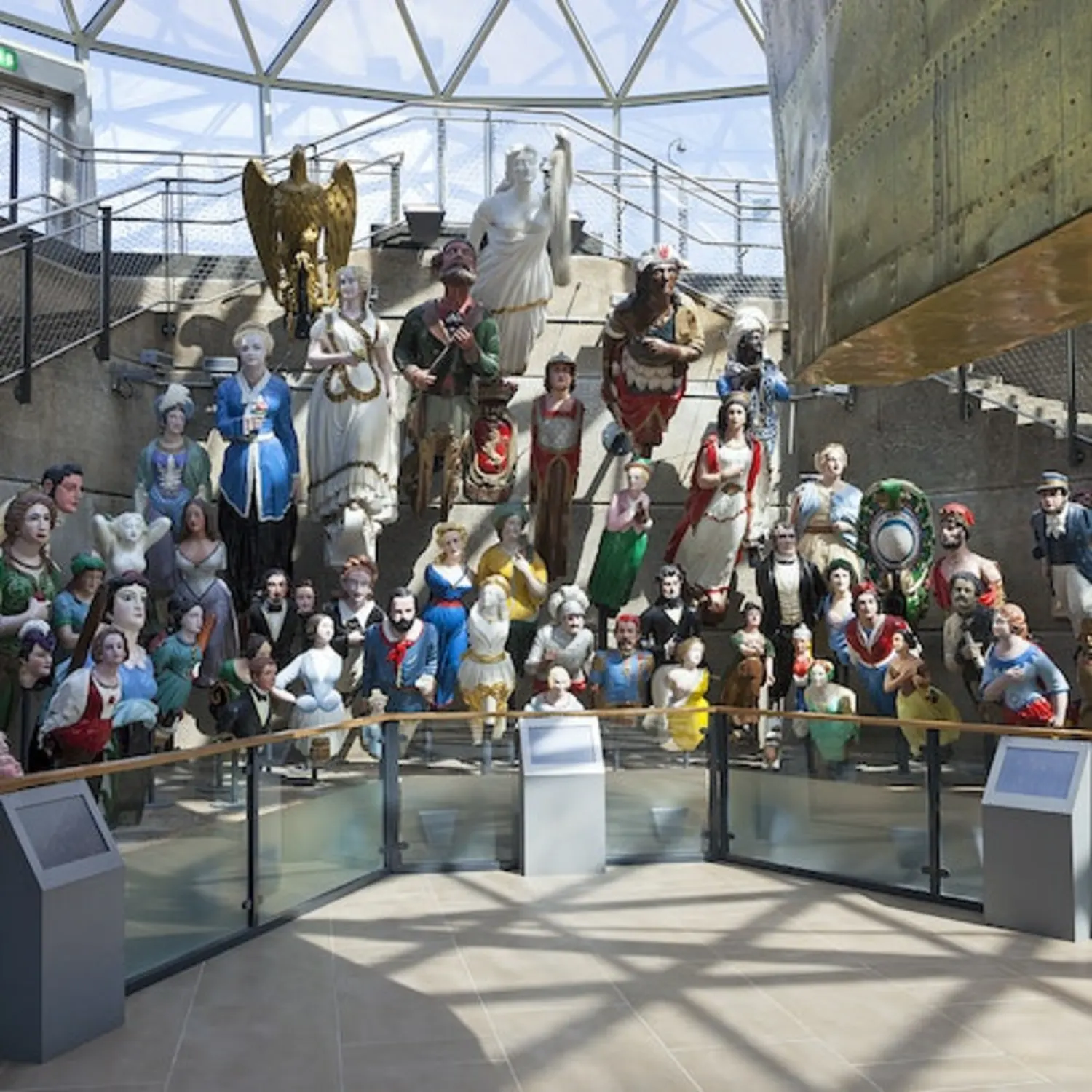
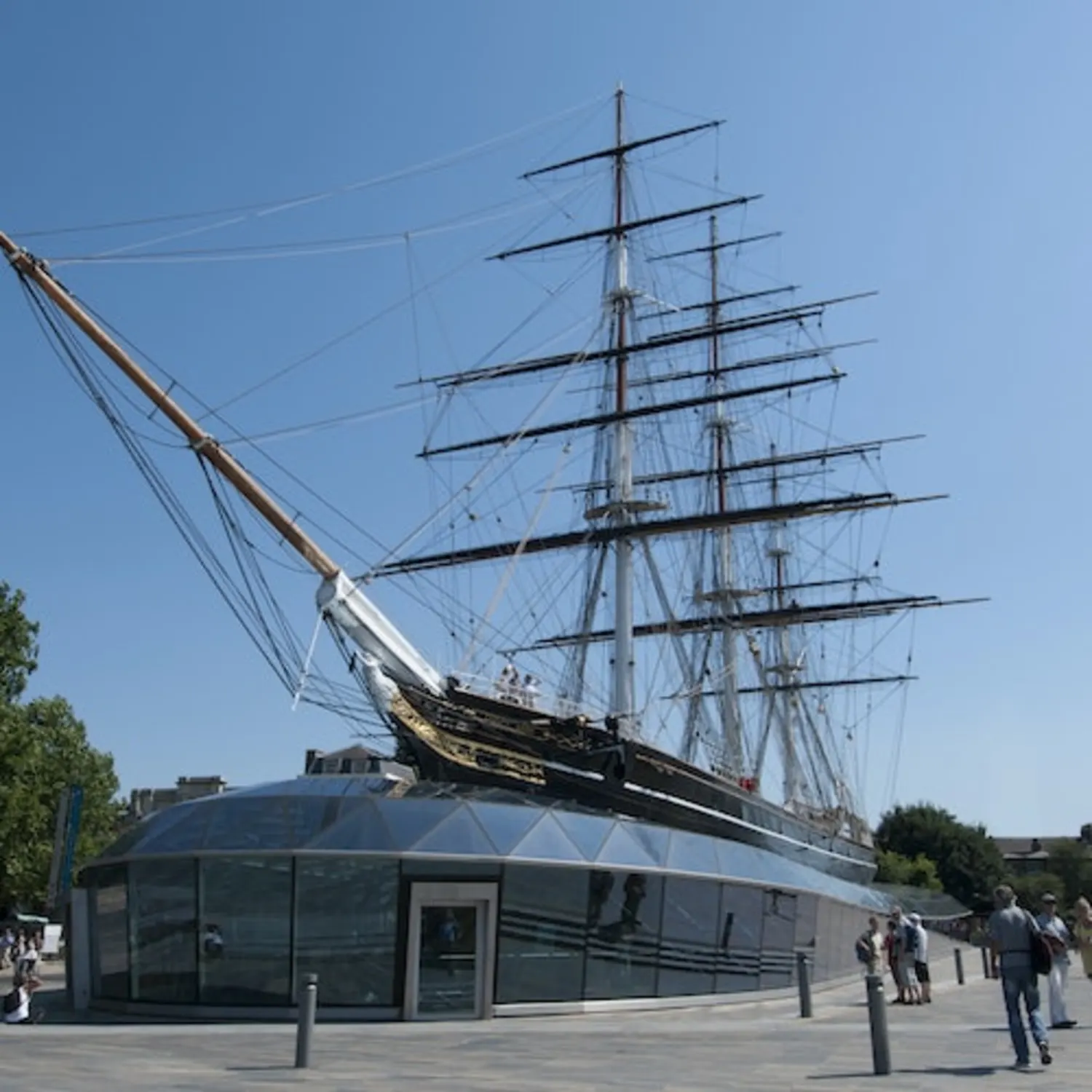
Explore the historic tea clipper, Cutty Sark.

Visit the Royal Observatory and stand on the Meridian Line.

Discover Britain’s maritime heritage at the National Maritime Museum.

Experience 17th-century elegance at the Queen’s House.
See Inside Before First Light Closes the Hill

Flamsteed House and its galleries stay open, wind or shine, only until 2 November 2026, before the site closes for the First Light building works. Everything inside - the Octagon Room, Harrison’s timekeepers, the Camera Obscura - is included in the same admission, no separate ticket needed.

Questions About Flamsteed House

What is Flamsteed House?

It's the original red-brick building of the Royal Observatory Greenwich, designed by Christopher Wren with Robert Hooke and built in 1675-76 as both an observatory and a home for the first Astronomer Royal, John Flamsteed.

When was Flamsteed House built and who designed it?

It was built in 1675-76, commissioned by King Charles II and designed by Sir Christopher Wren with Robert Hooke's help, on the ruined foundations of an older fort on the same hill. It has been Grade I listed since 1973.

What can you see inside Flamsteed House today?

The Octagon Room, the Time and Longitude Gallery with John Harrison's marine timekeepers (H1 to H4), a working Camera Obscura, and the Astronomers Royal's former living quarters, now an exhibit on Observatory life.

Is the Octagon Room open to visitors?

Yes. It's Wren's showpiece room, built above Flamsteed's own quarters, though its walls don't actually align with the meridian - Flamsteed did his real star-observing from a small shed in the garden instead.

What happened between John Flamsteed and Isaac Newton over his star catalogue?

Newton and Edmond Halley, frustrated at Flamsteed's slow pace, published 400 copies of his unfinished catalogue without permission in 1712. Flamsteed later got hold of 300 copies and burned them on a bonfire in Greenwich Park in 1716.

Are John Harrison's actual marine chronometers at Flamsteed House?

Yes, his four sea clocks - H1, H2, H3 and H4 - are on permanent display in Flamsteed House's Time and Longitude Gallery, telling the story of how he solved the longitude problem.

Is Flamsteed House included in Royal Observatory admission?

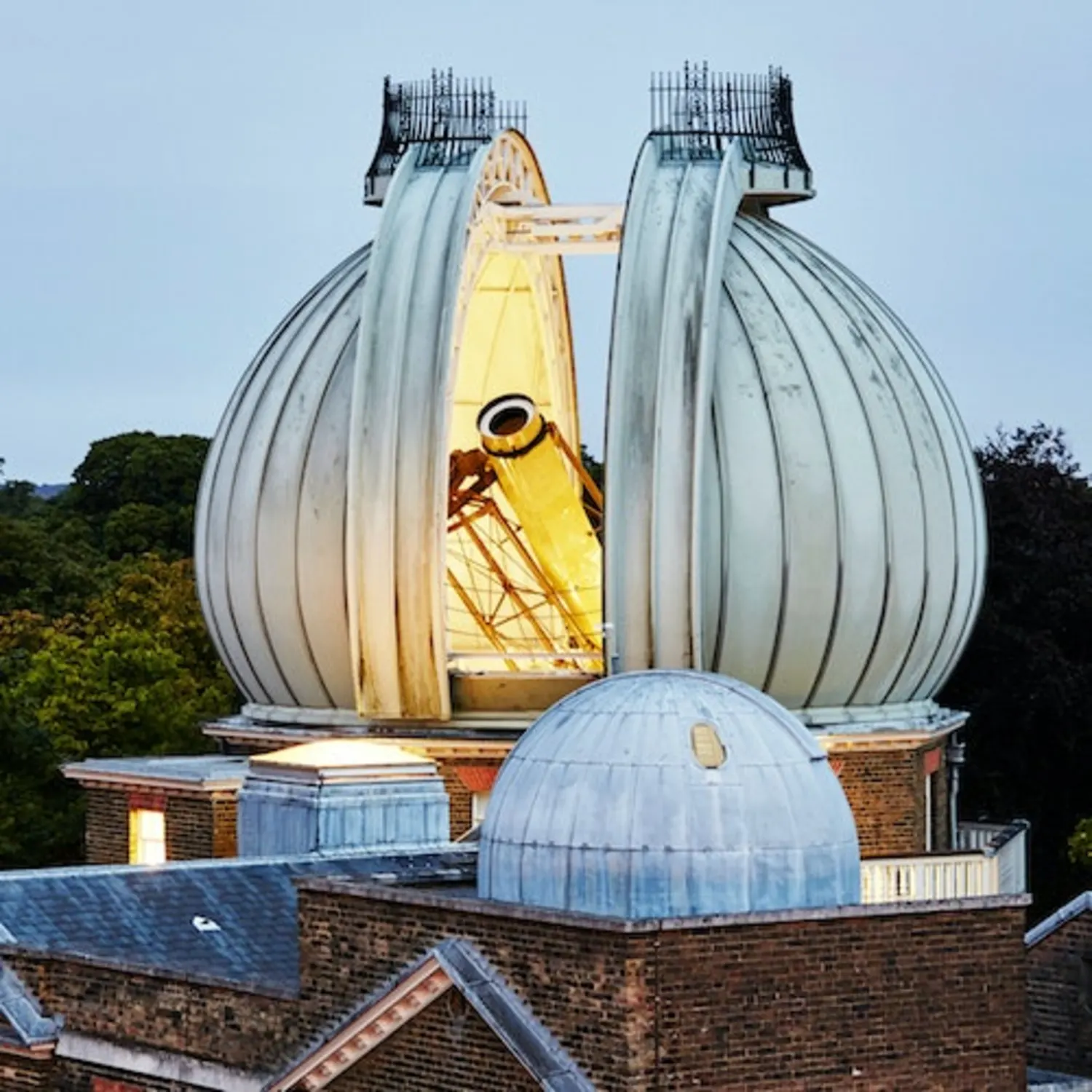
Yes. A single Royal Observatory Greenwich ticket covers Flamsteed House, the Prime Meridian courtyard and the Great Equatorial Telescope - no separate ticket is needed.

This website sells official tickets for this venue. Please note, however, that it is not the official website of the venue.

The images and videos on this website may contain visual elements that have been created or enhanced using AI technology. They are provided for illustrative purposes only.