We are processing your request.
Please, don't close or refresh the page.
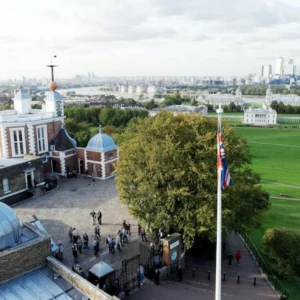
Royal Observatory Greenwich at the top of Greenwich Park

Royal Observatory Greenwich: The Story Behind the Prime Meridian and Greenwich Mean Time

Since 1675, this hilltop in Greenwich Park has set the world’s clocks and its zero line of longitude, from Flamsteed’s star charts to the Prime Meridian, Greenwich Mean Time, and the telescope in its onion dome.

About the Royal Observatory Greenwich

The Royal Observatory Greenwich began as a single hilltop building in Greenwich Park, built for one astronomer with one job: fix the stars accurately enough to solve navigation’s biggest unsolved problem. Three and a half centuries later, the same hill still carries the line the whole world measures longitude from, and gave its name to Greenwich Mean Time. Royal Museums Greenwich now runs it as a museum, with Flamsteed House, the Prime Meridian courtyard and the Great Equatorial Telescope open to visitors on a timed ticket.

Why the Royal Observatory Greenwich matters

Britain’s first state-funded scientific research institution, founded by royal warrant in 1675.

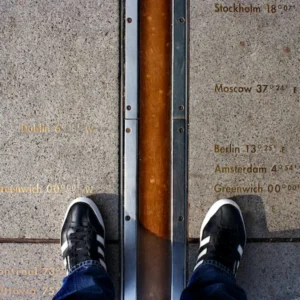
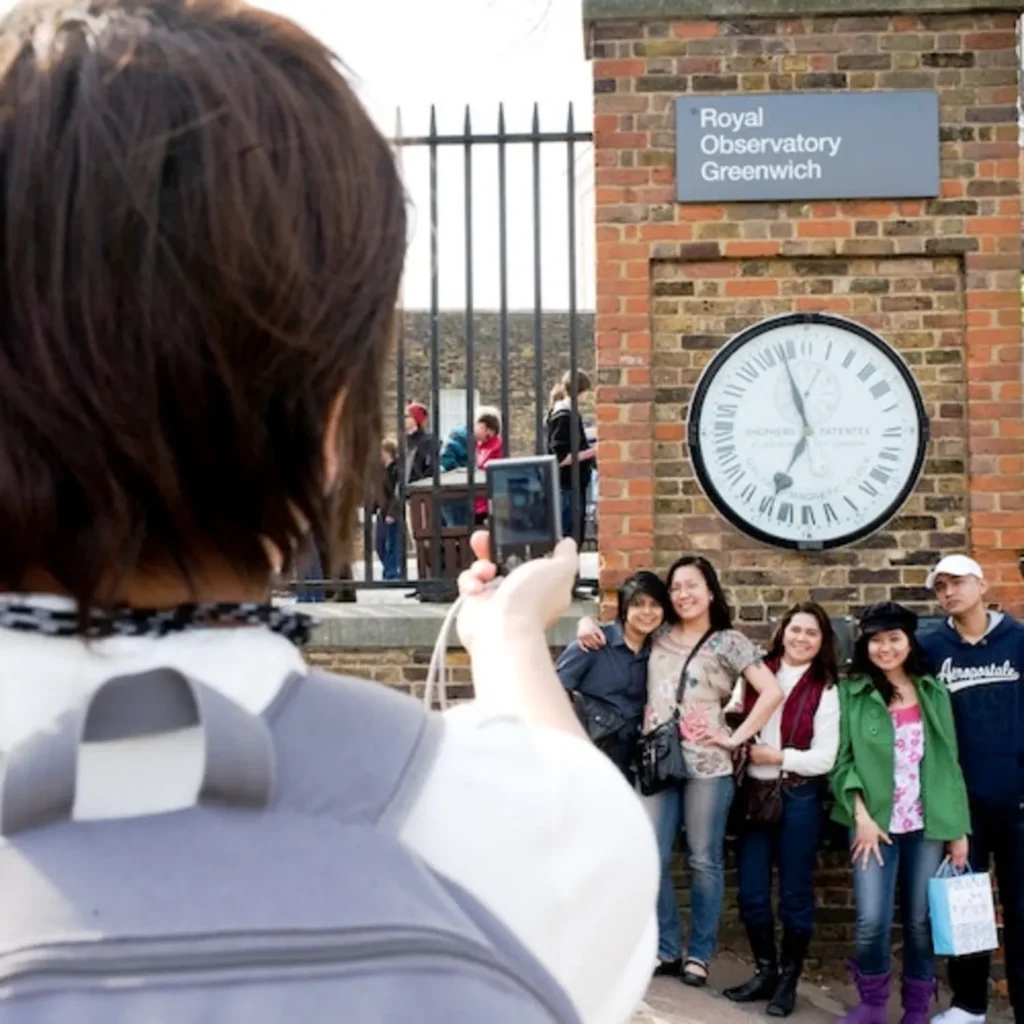
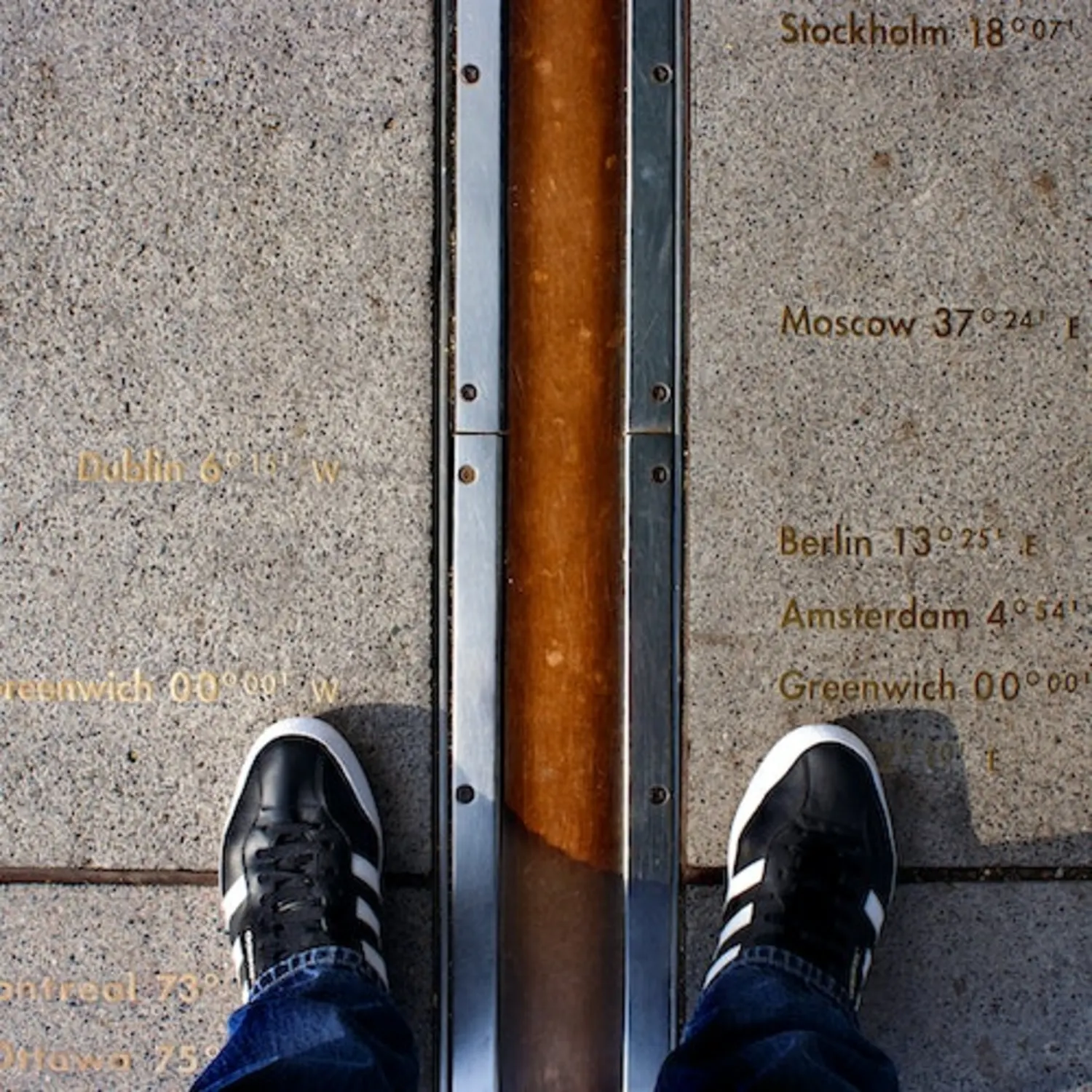
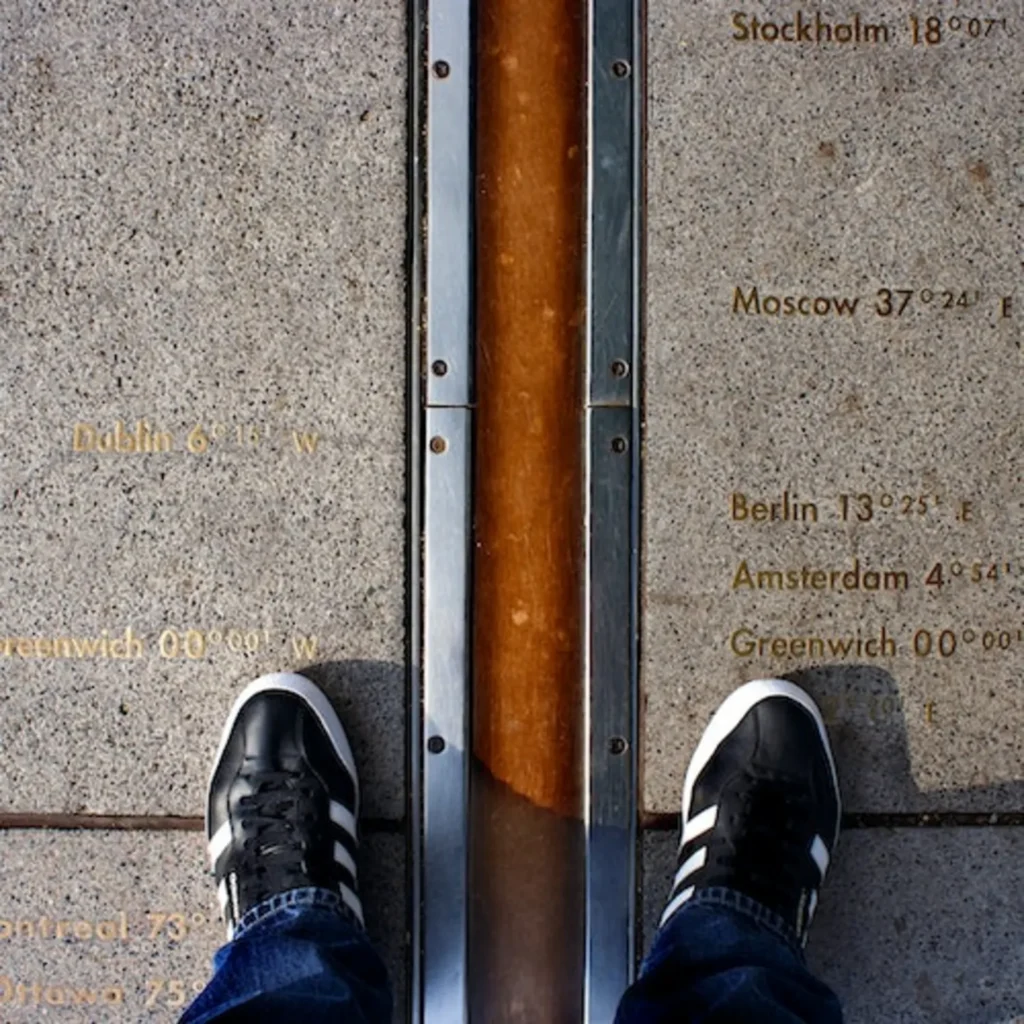
The historic Prime Meridian, zero degrees longitude, has run through its courtyard since the world adopted it in 1884.

Greenwich Mean Time, the original reference for the world’s clocks, was set by observations made on this hill.

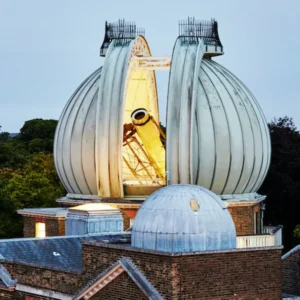
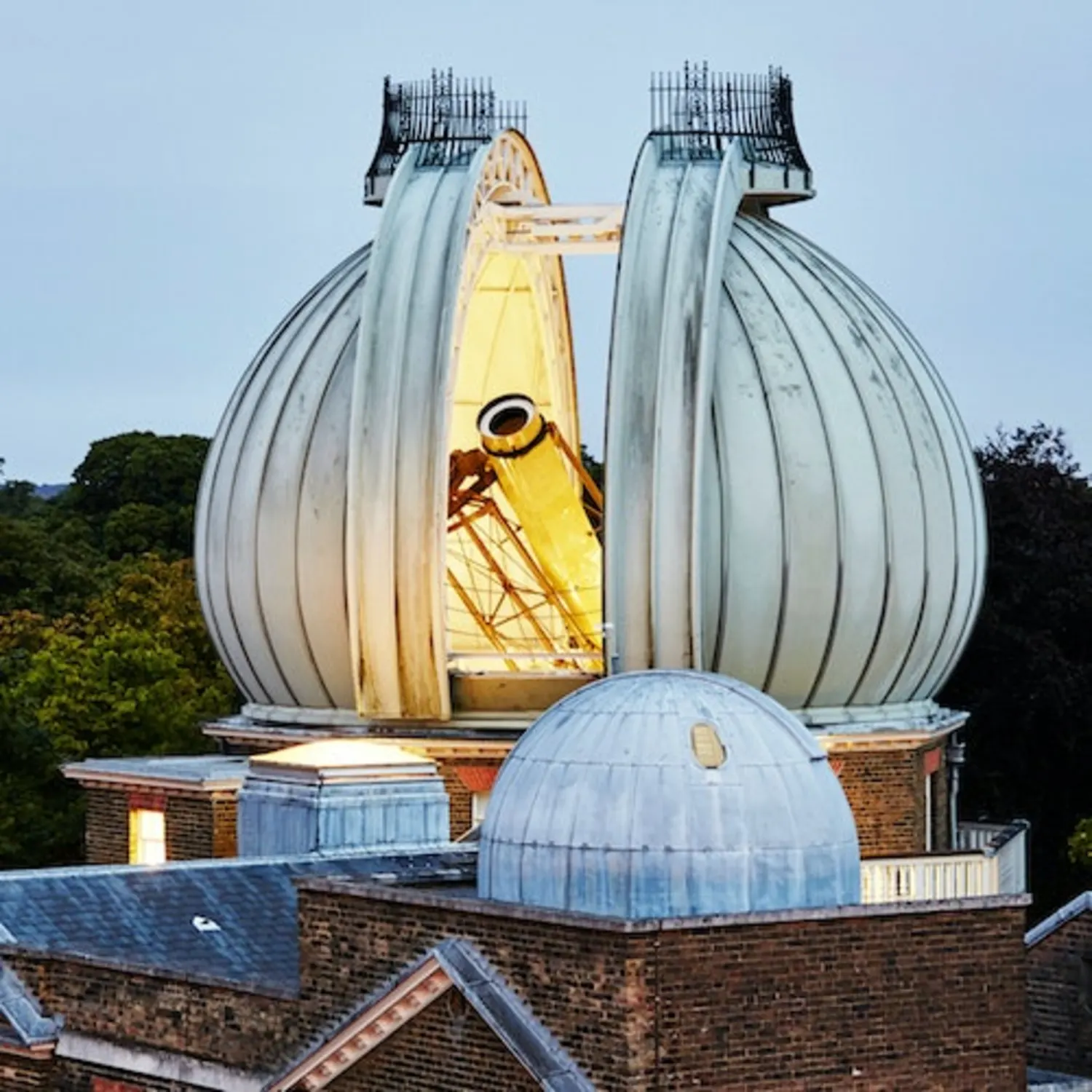
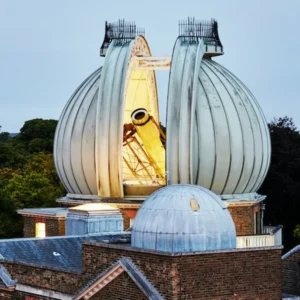
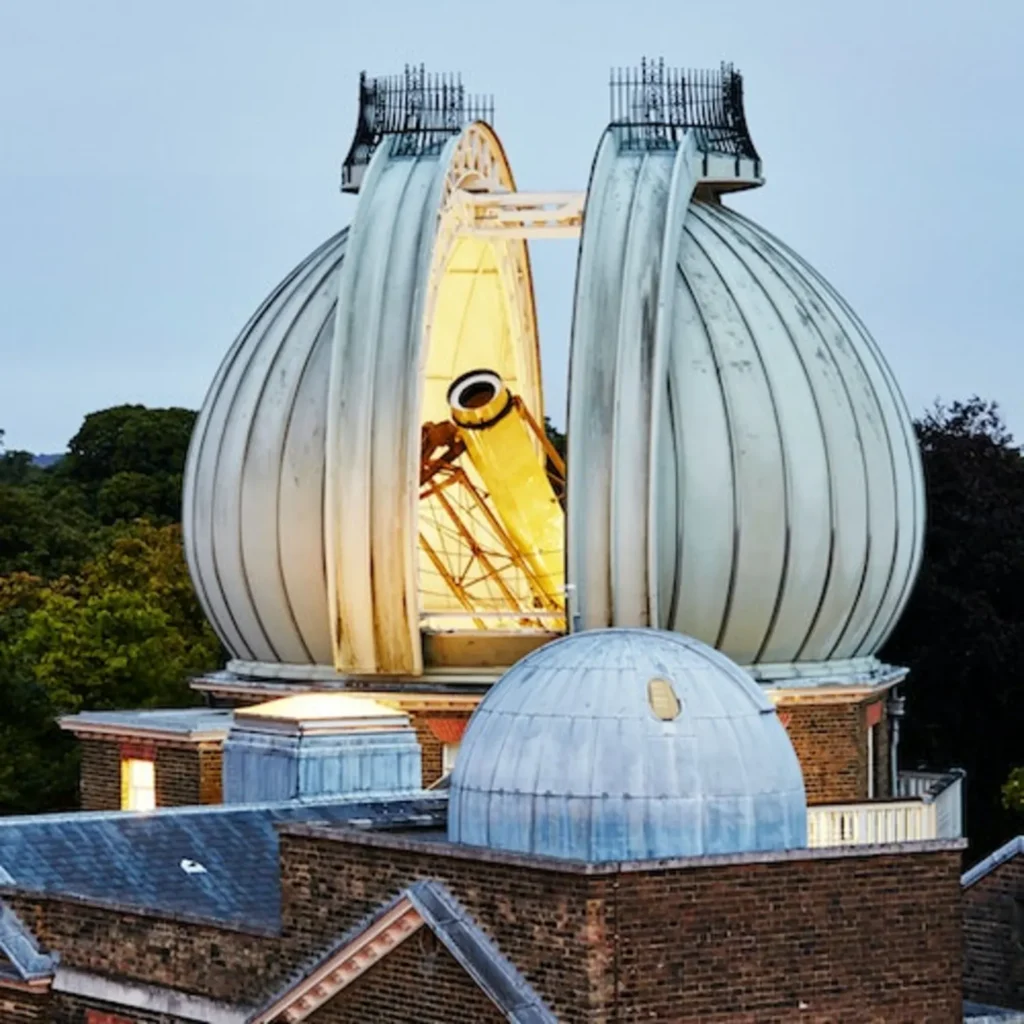
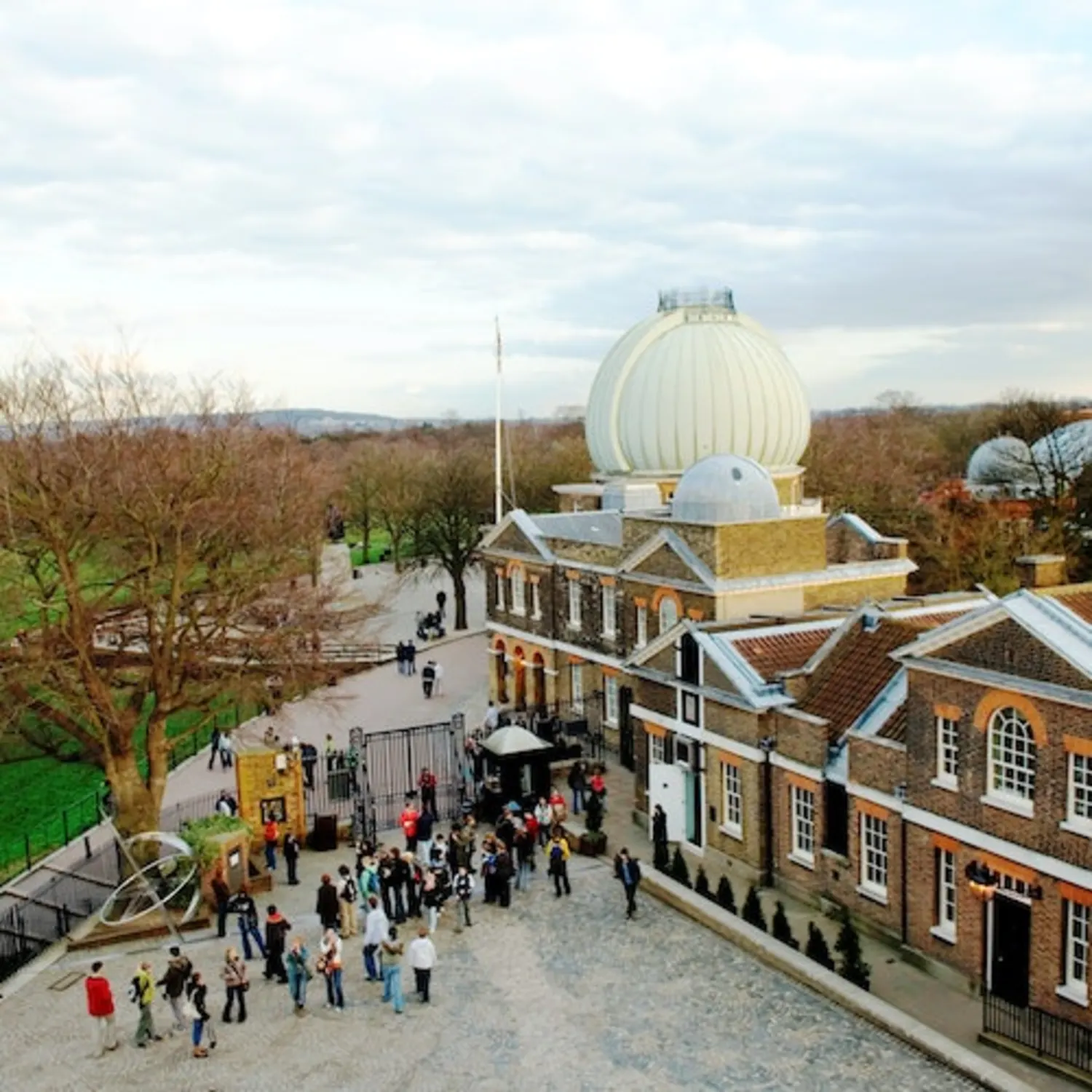
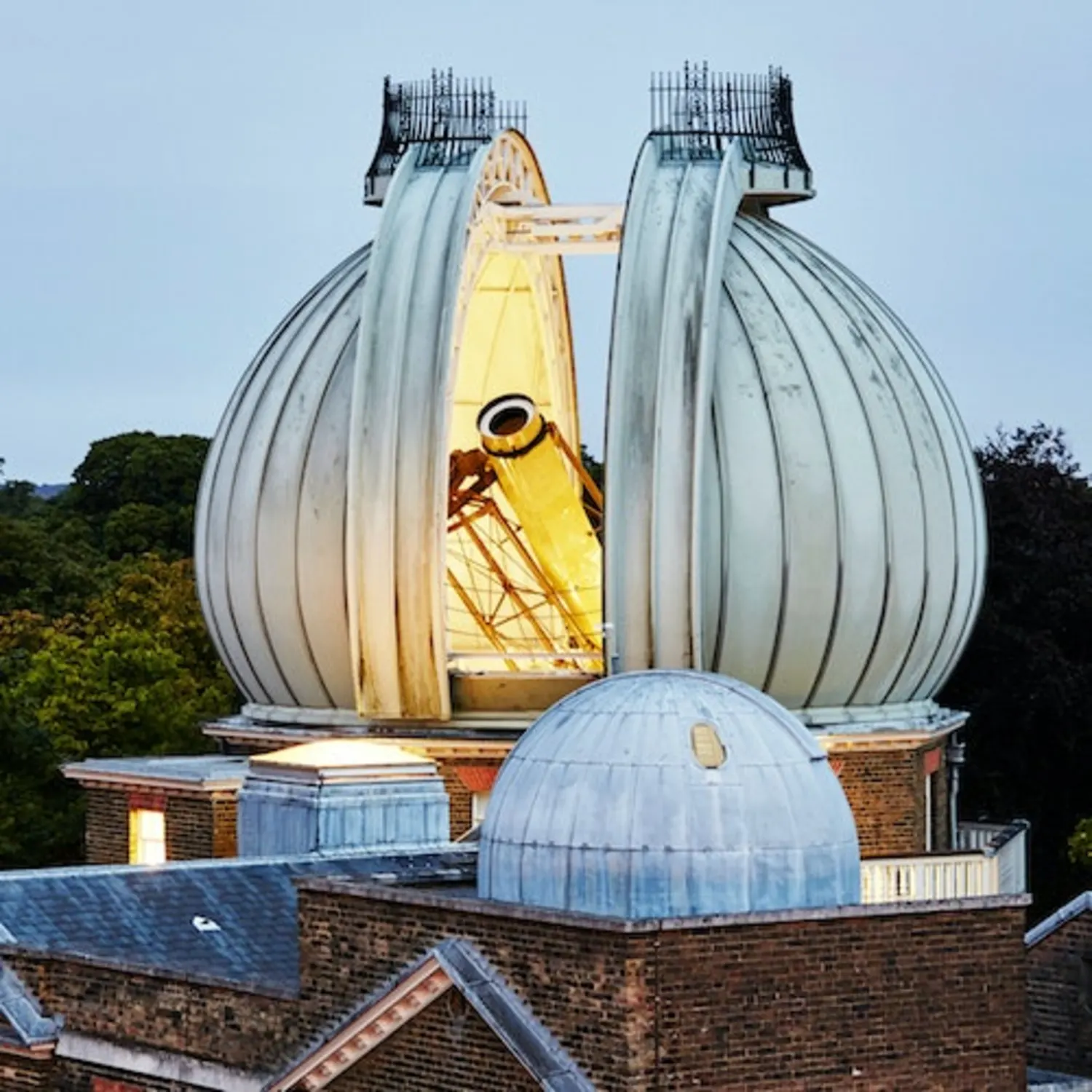
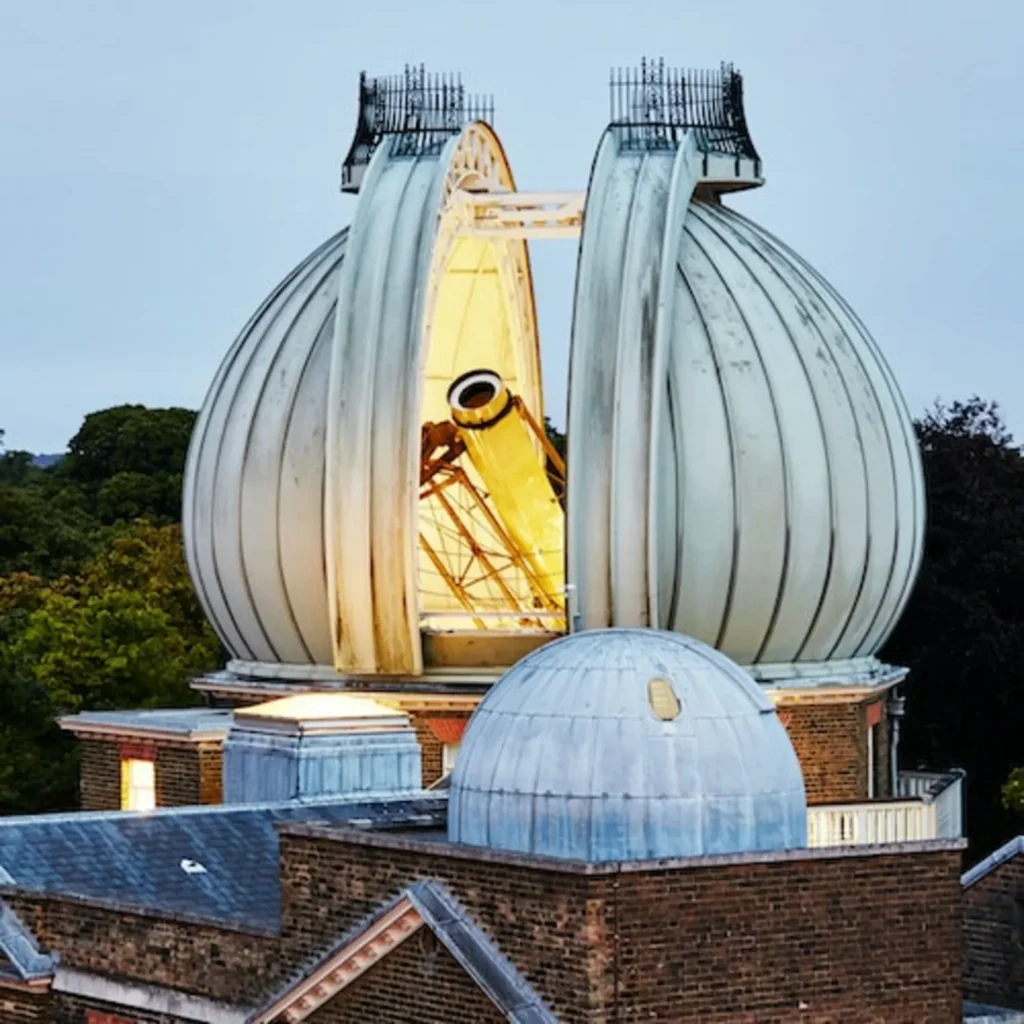
The Great Equatorial Telescope, its lens over eight metres long, is still the largest of its kind in the UK.

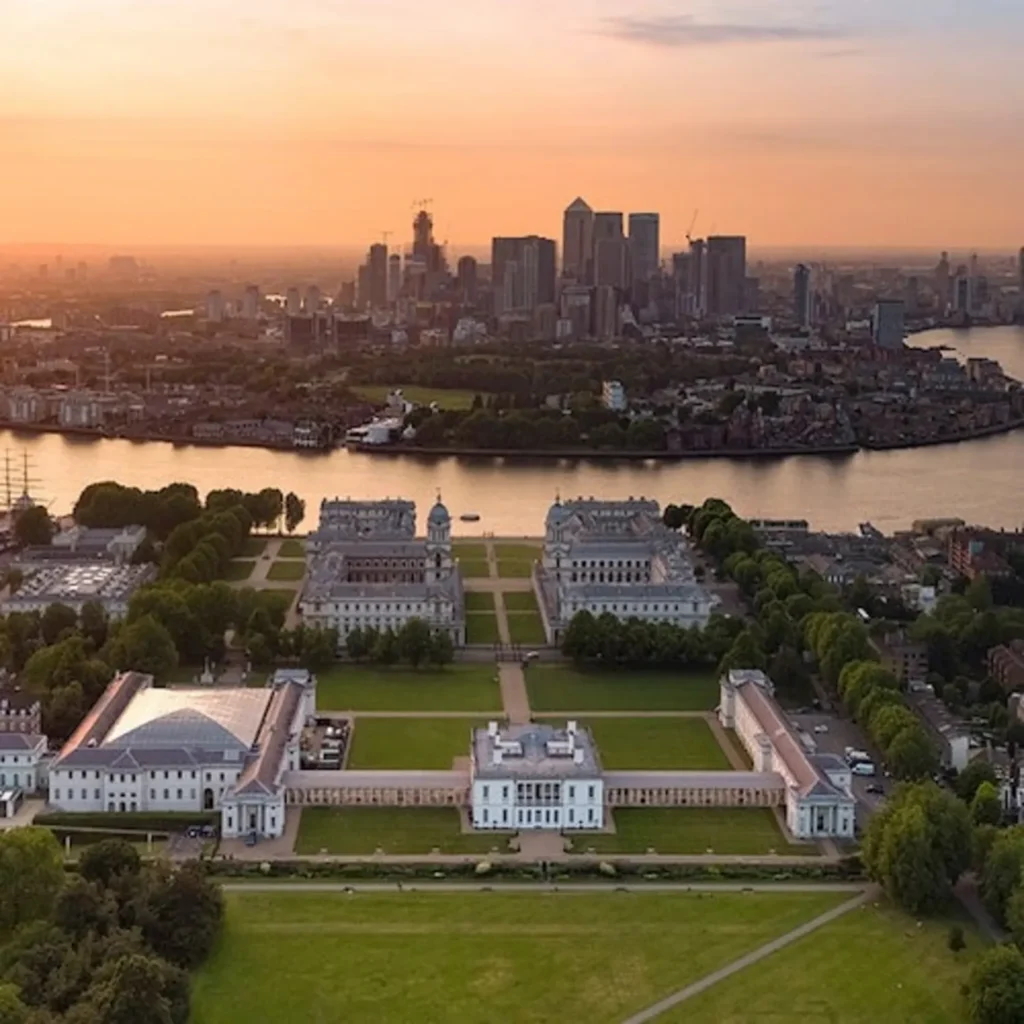
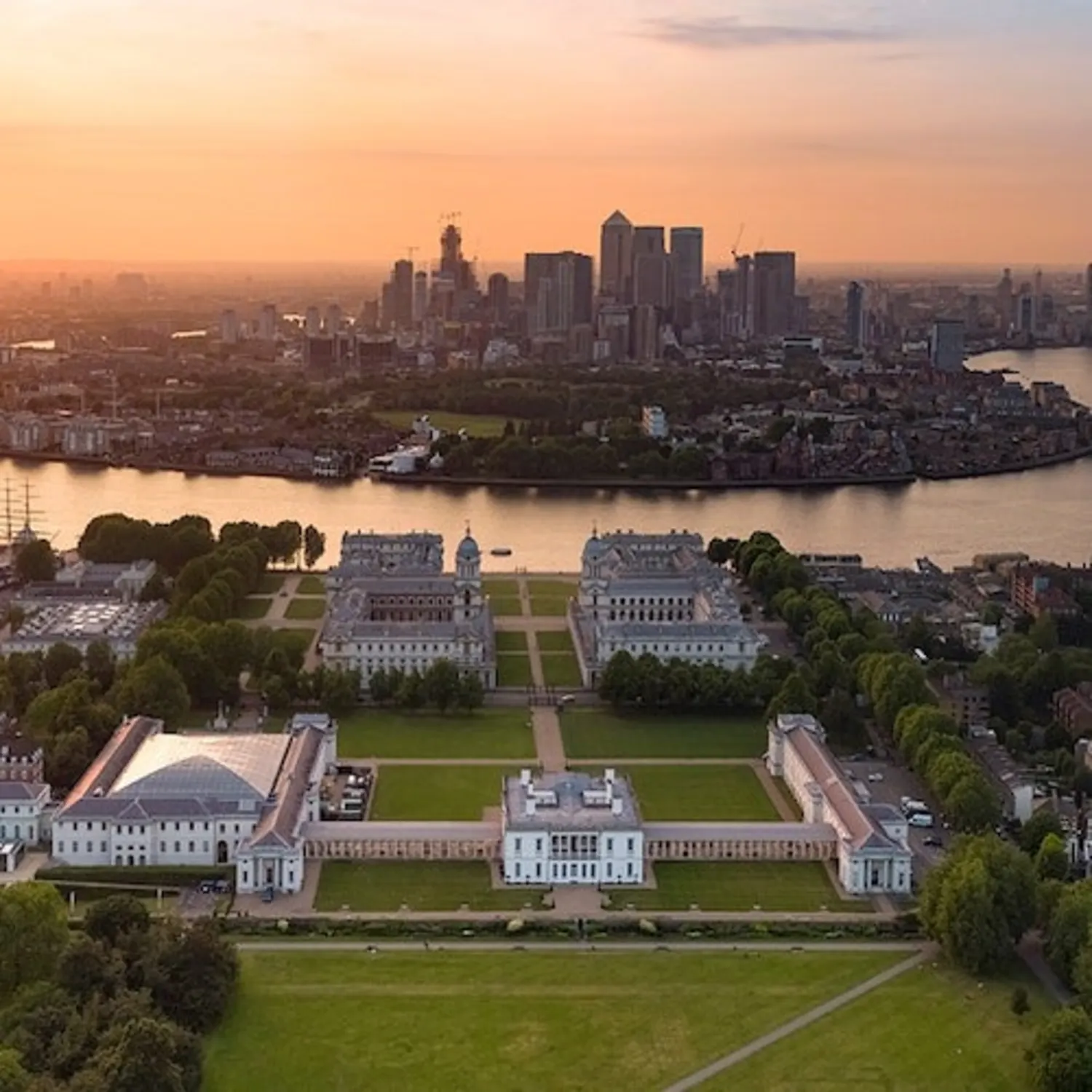
Part of the Maritime Greenwich UNESCO World Heritage Site since 1997, alongside the Old Royal Naval College and Queen’s House.

A Royal Warrant and a Longitude Problem
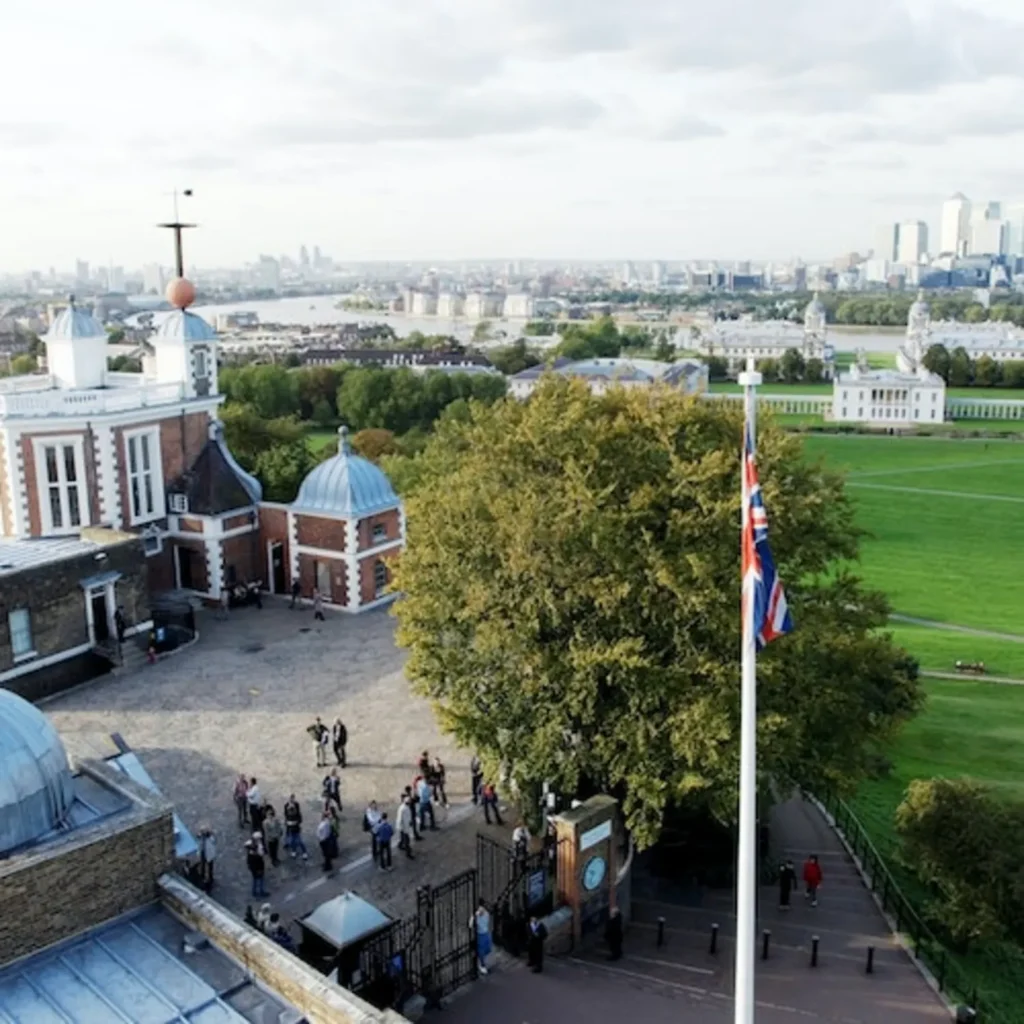
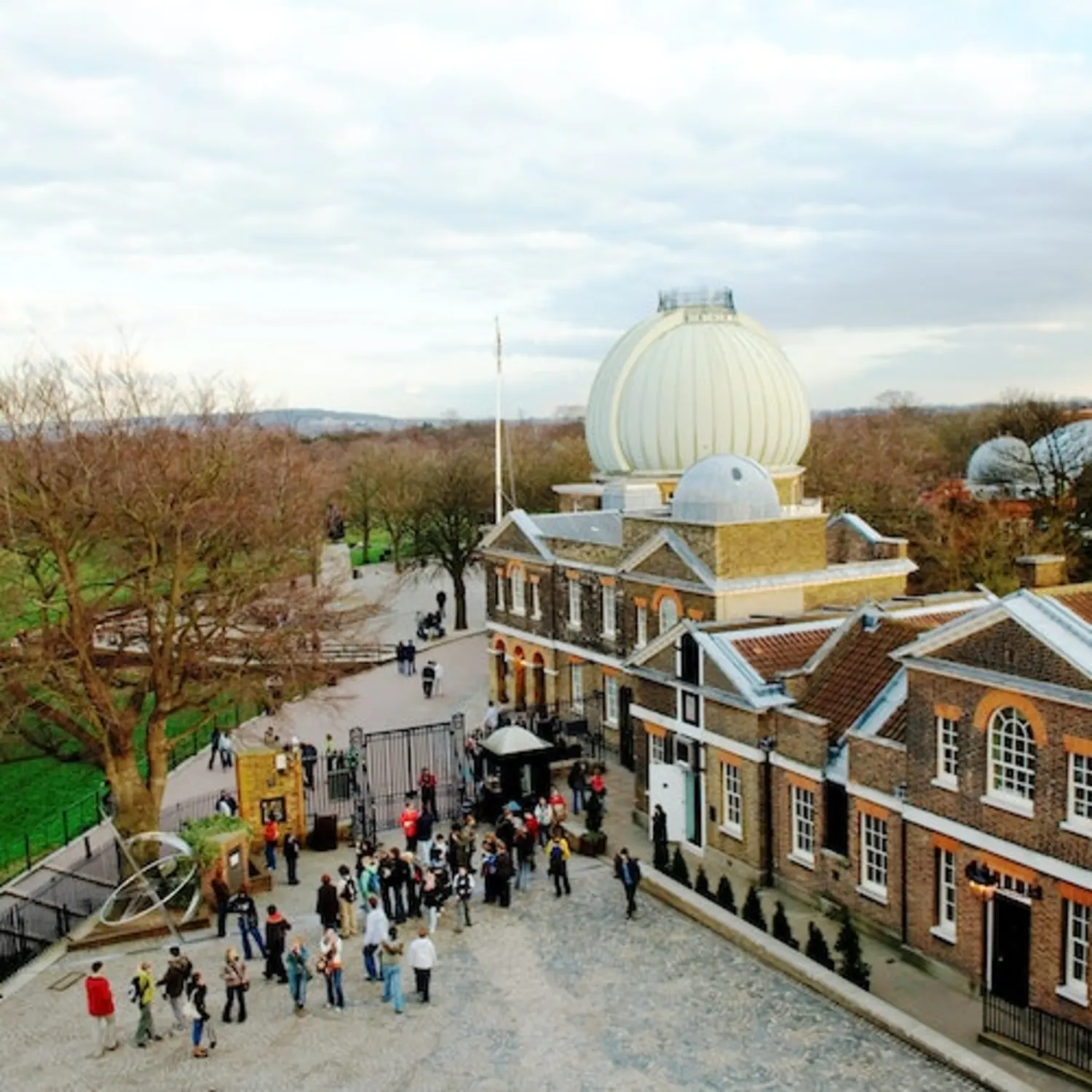
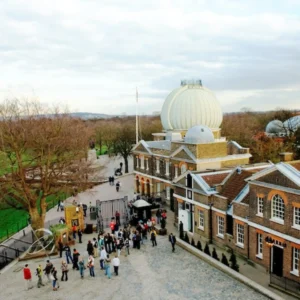
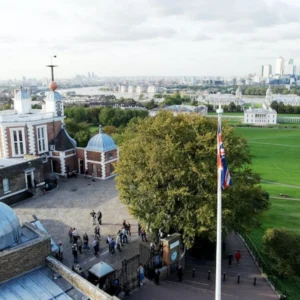
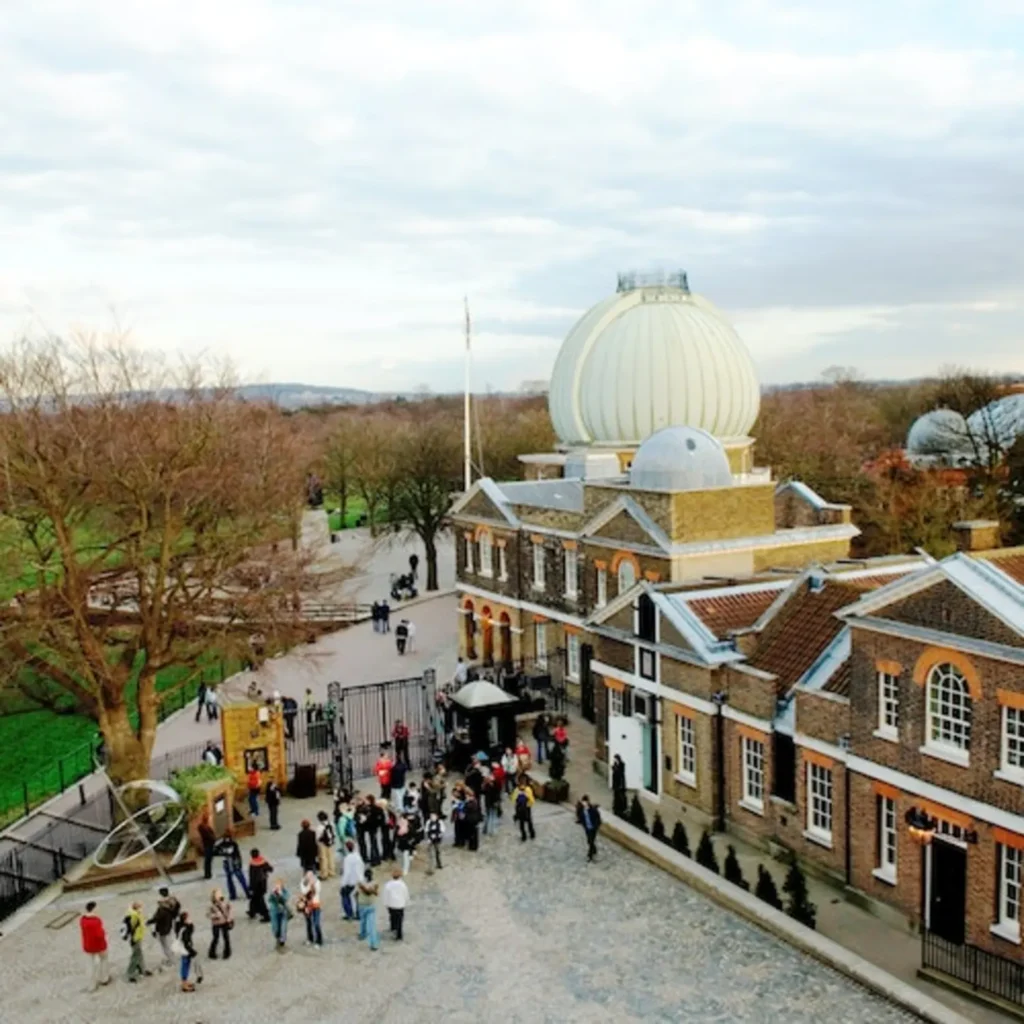
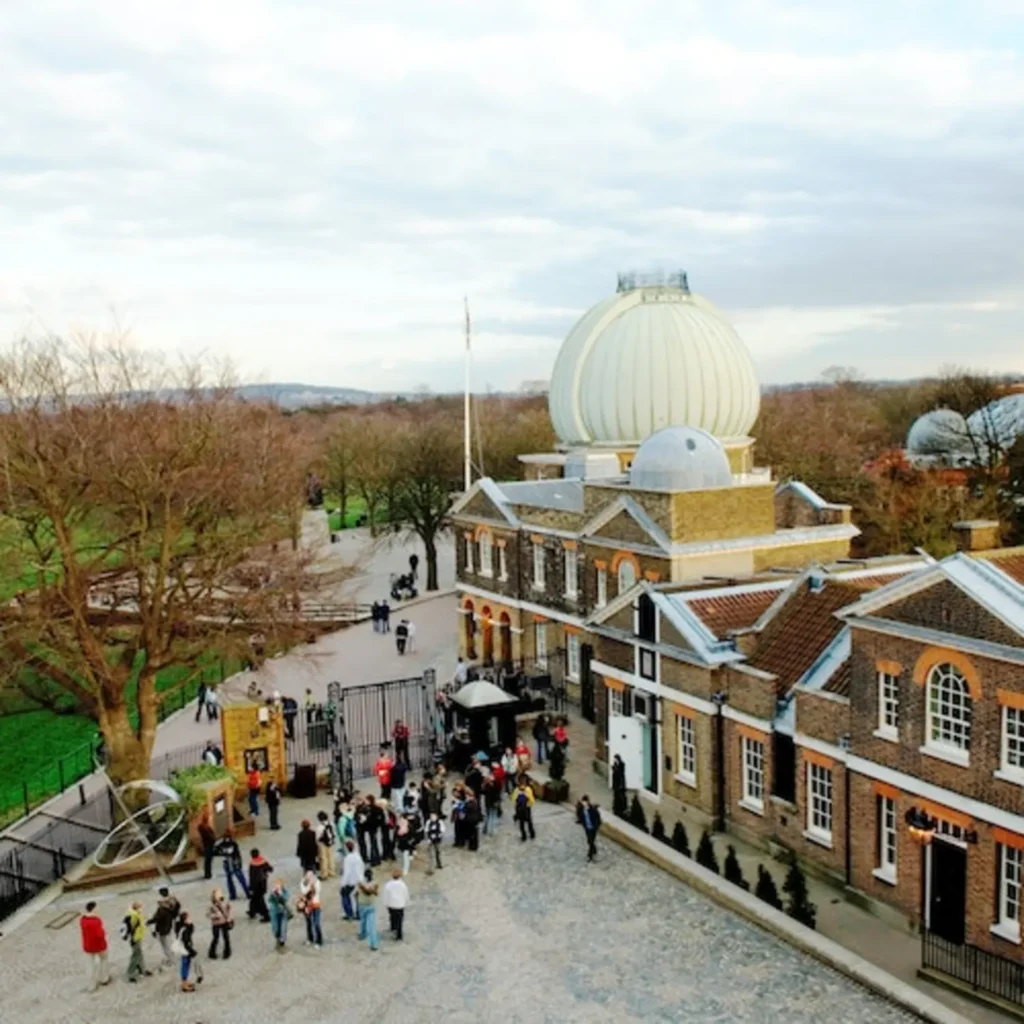
Royal Observatory Greenwich buildings in Greenwich Park

A French astronomer’s failed longitude claim, aired at court in December 1674, was enough to convince King Charles II that England needed its own answer. On 4 March 1675 the king signed a warrant appointing John Flamsteed as the first Astronomer Royal, charged with correcting the star tables so ships could finally fix their position at sea. Christopher Wren, helped by Robert Hooke, designed the building on the ruined foundations of Duke Humphrey’s Tower, an old fort on the same hill; Flamsteed laid the foundation stone on 10 August 1675 and moved in on 10 July 1676.

The whole project ran on a shoestring: the same warrant ordered the building paid for by selling off old, decayed gunpowder from the Board of Ordnance’s stores, capped at £500. The final bill came to £520 9s 1d, slightly over budget even with salvaged materials and secondhand fittings doing most of the work.

The Octagon Room’s Beautiful Flaw

Flamsteed House at the Royal Observatory Greenwich

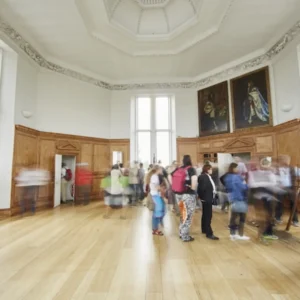
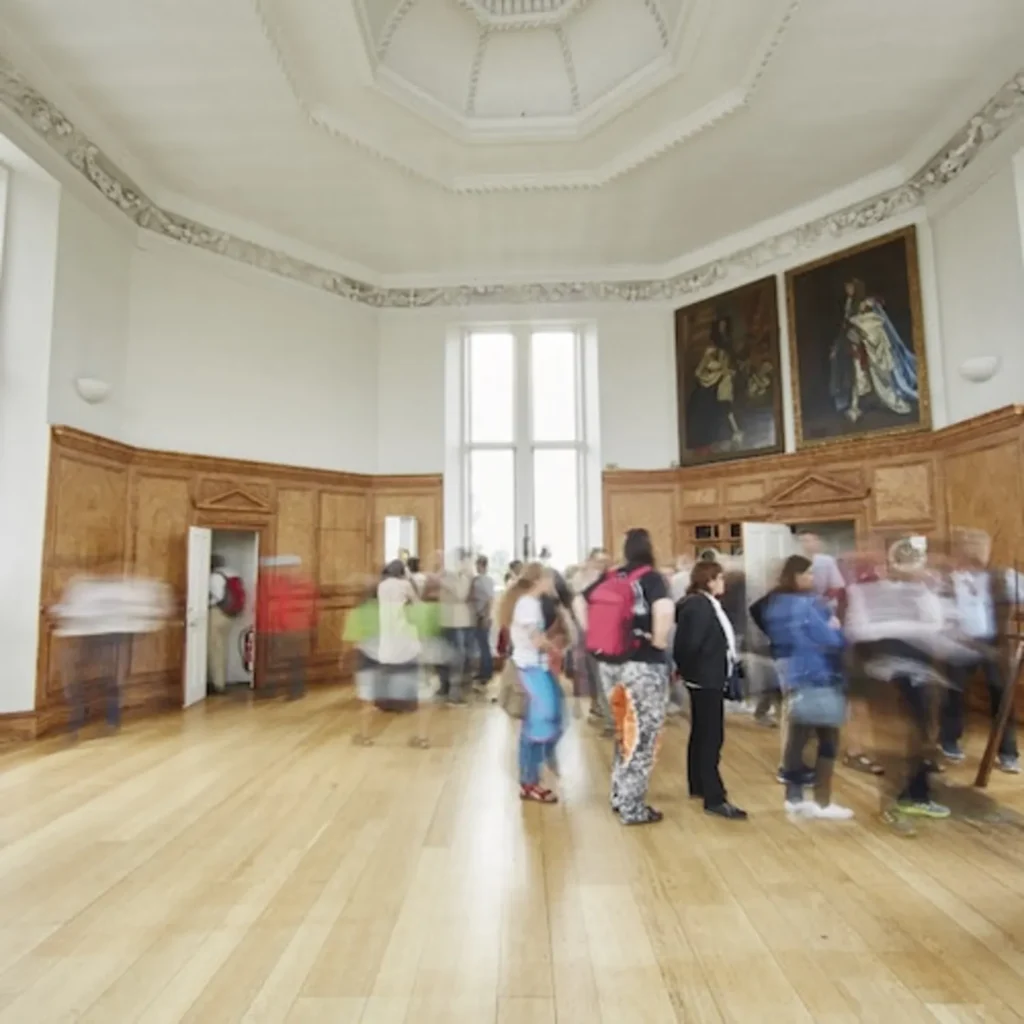
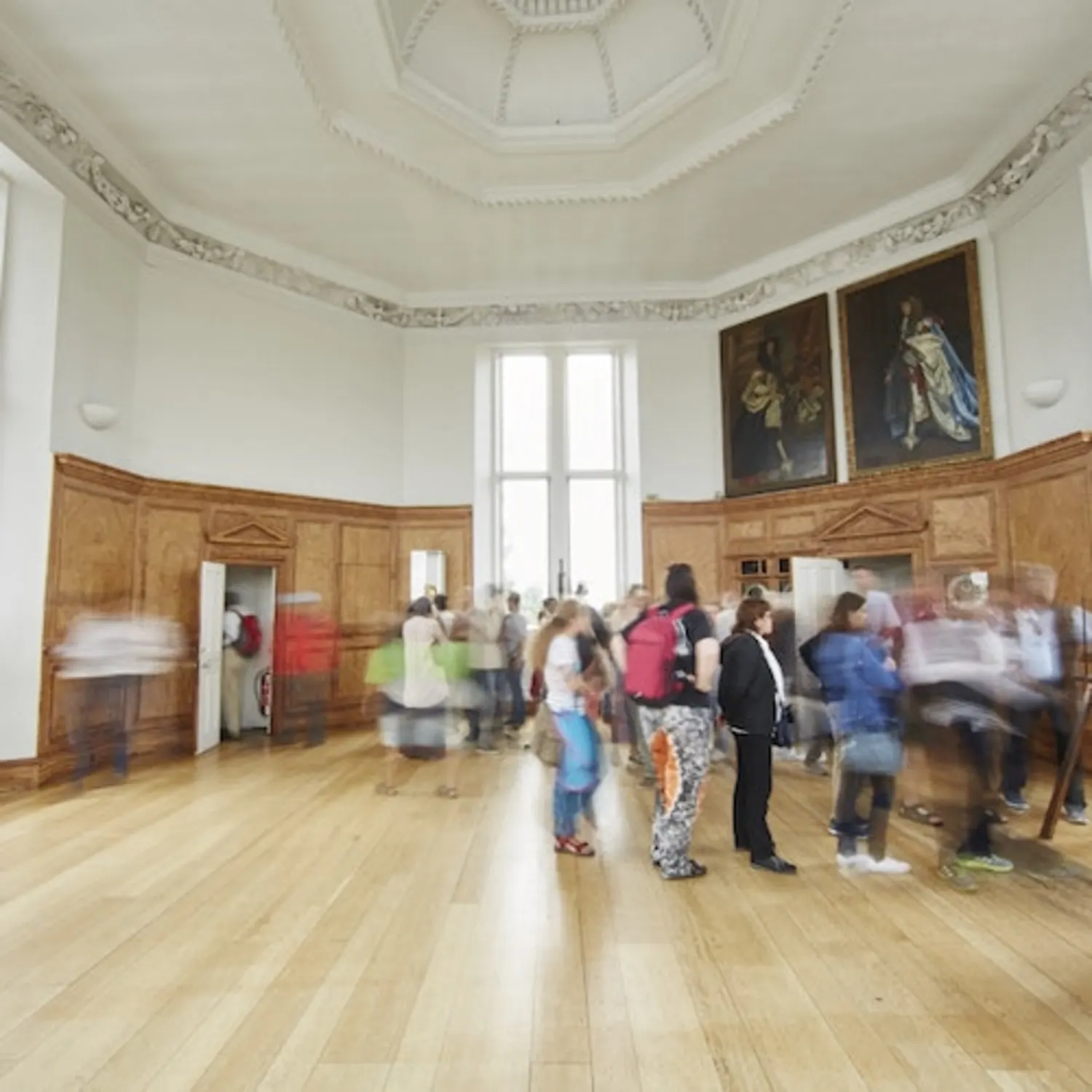
Wren’s showpiece room sits above Flamsteed’s old quarters: eight sides, tall windows, and, in his own words, built “a little for pompe” as well as for astronomy. Because the building reused an old fort’s foundations rather than a true north-south layout, none of the Octagon Room’s walls line up with the meridian, so Flamsteed did his real star-charting from a small brick shed in the garden outside instead. The room still earned its keep: Sir Jonas Moore, the Board of Ordnance official who backed Flamsteed, commissioned clockmaker Thomas Tompion to build two year-going clocks for it in 1676.

Each had a 13-foot pendulum, hidden away behind the wainscot in the corner rather than swinging in view, and kept time far more evenly than anything before it. Flamsteed used that precision to establish something no one had proven: that the Earth’s own rotation was constant, the basic assumption every later time-and-longitude calculation from this hill would rest on.

How Greenwich Became Longitude Zero

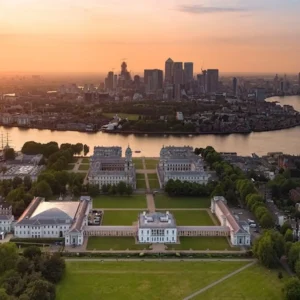
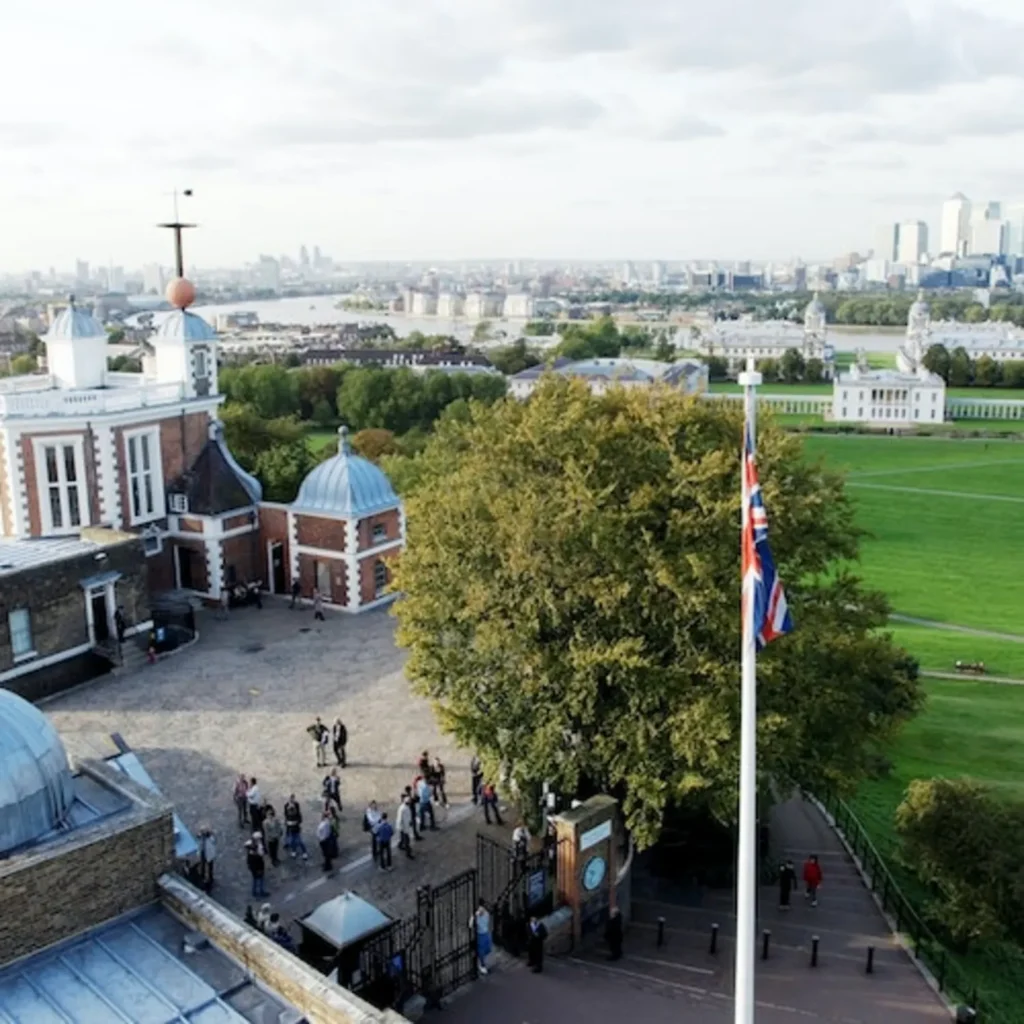
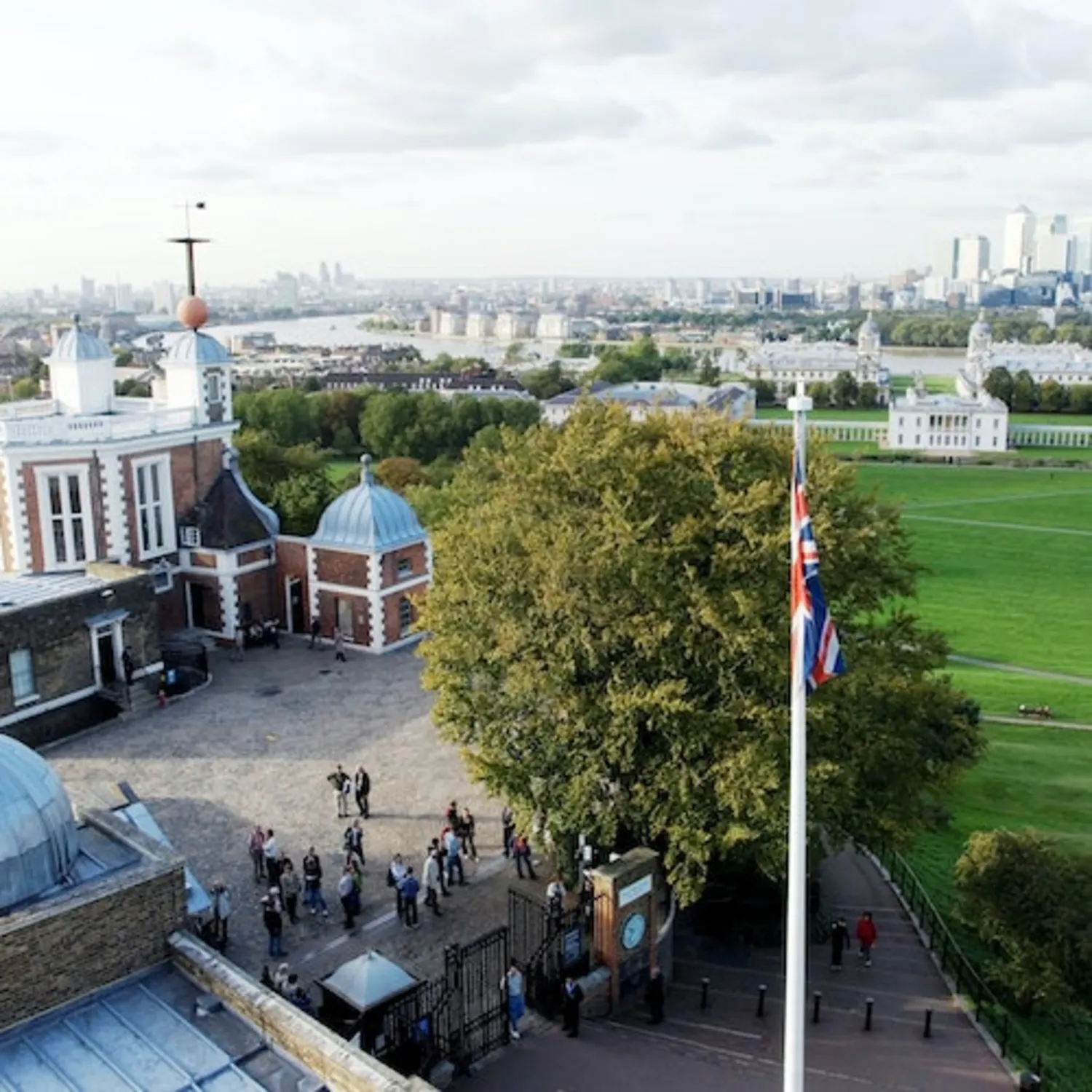
Greenwich Park below the Royal Observatory Greenwich

Flamsteed spent four decades cataloguing more than 50,000 star positions, work published as the Historia Coelestis Britannicae and far more precise than anything before it. His astronomical method was one answer to the longitude problem; John Harrison’s marine clocks, on display inside Flamsteed House today, were the other. A later Astronomer Royal, Nevil Maskelyne, turned Flamsteed’s approach into something a ship’s officer could actually use: the Nautical Almanac, first published in 1767, with the Observatory’s own tables built in.

By the 1880s, roughly two-thirds of the world’s shipping already navigated by charts fixed to this hill, so when the International Meridian Conference chose a Prime Meridian in 1884, Greenwich was the practical choice. The vote in Washington was not unanimous: San Domingo voted against it, and France and Brazil abstained rather than back a British line.

Royal Observatory Greenwich: Admission Ticket

Highlights

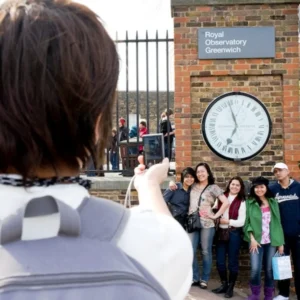
Experience standing on the Prime Meridian, dividing eastern and western hemispheres.

Discover the rich history behind Greenwich Mean Time (GMT) established here.

View remarkable astronomical instruments and exhibits including John Harrison’s timekeepers.

Time your visit to see the Time Ball drop, a historical time signal at 1 PM daily.

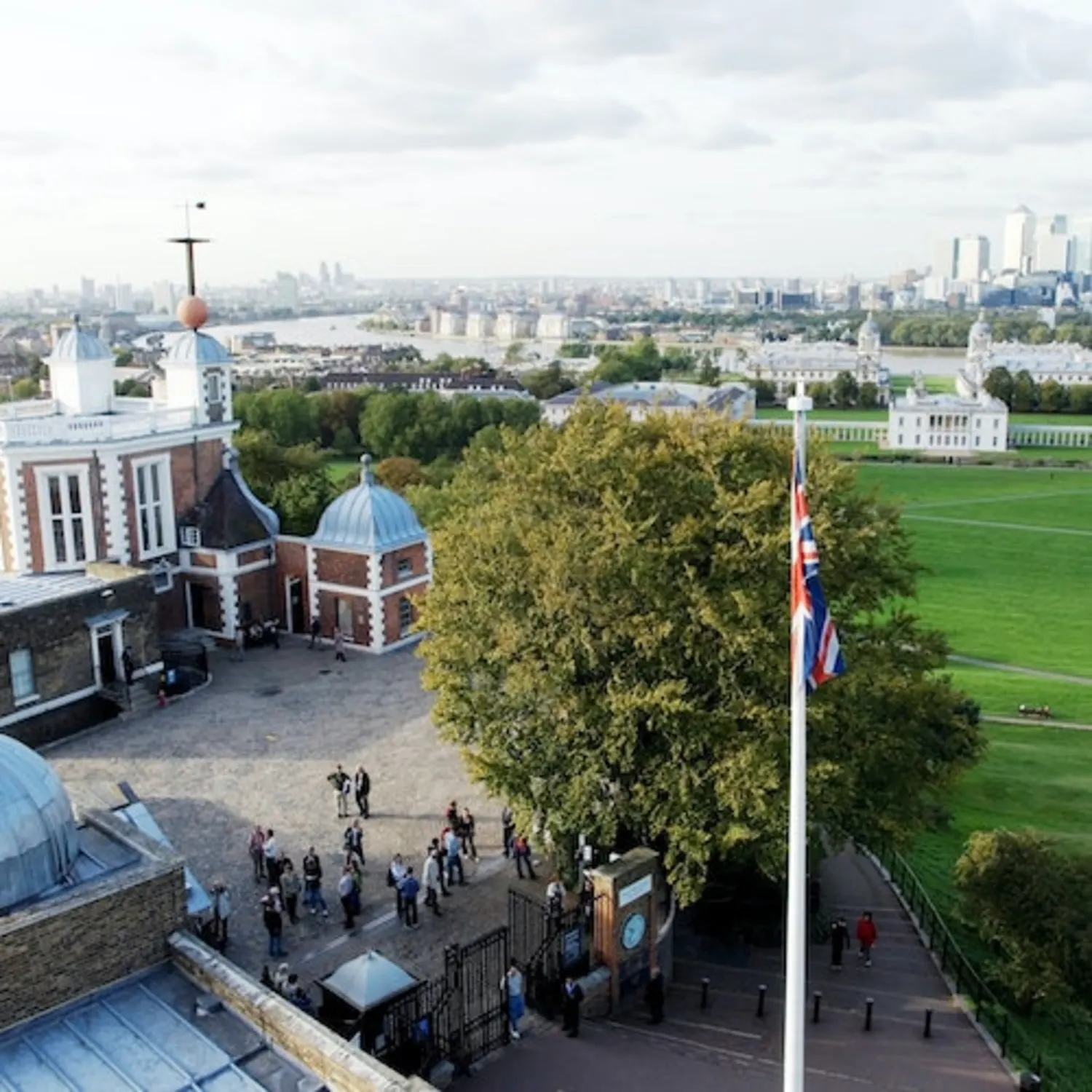
Enjoy panoramic views from this iconic observatory site overlooking Greenwich.
Royal Museums Greenwich Day Pass

Highlights

Entry to four iconic attractions in London’s Greenwich area.

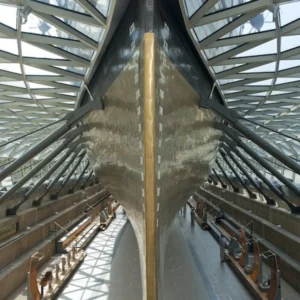
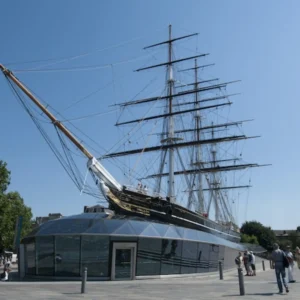
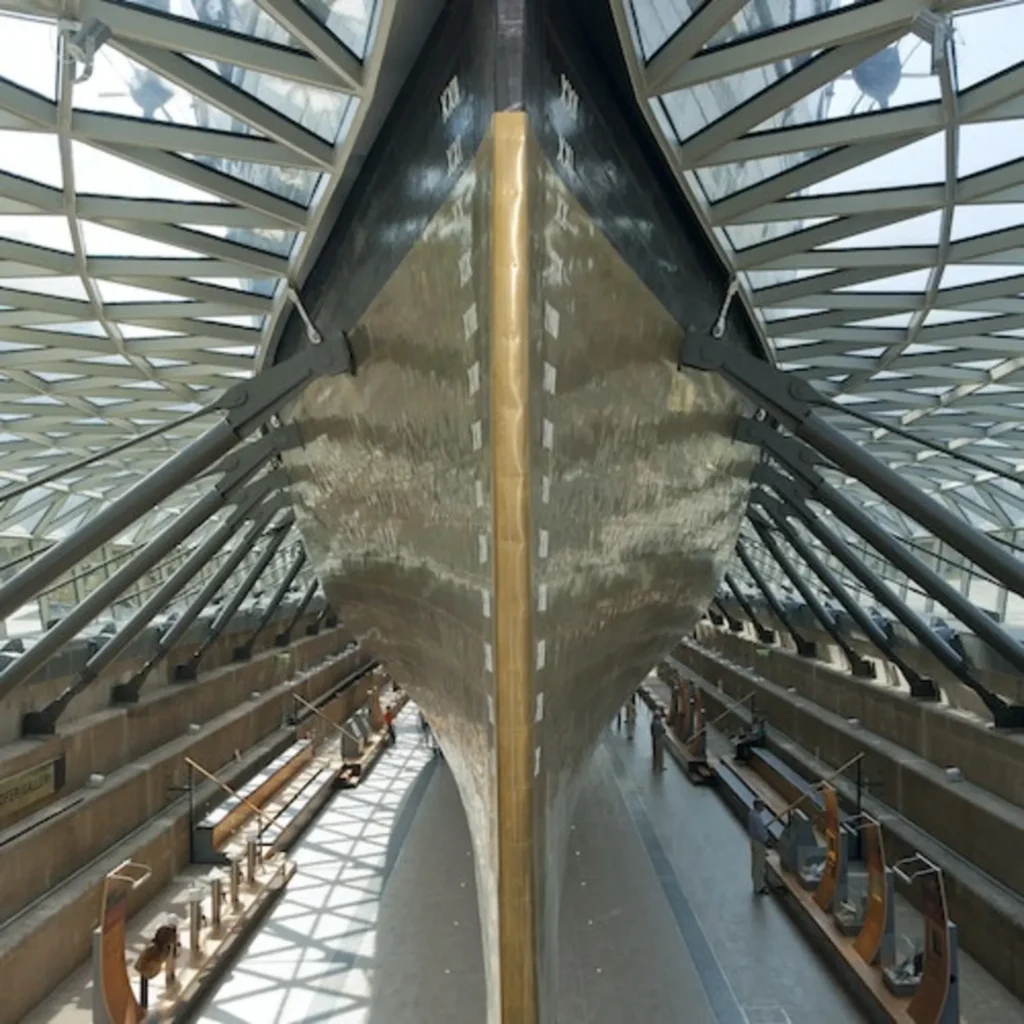
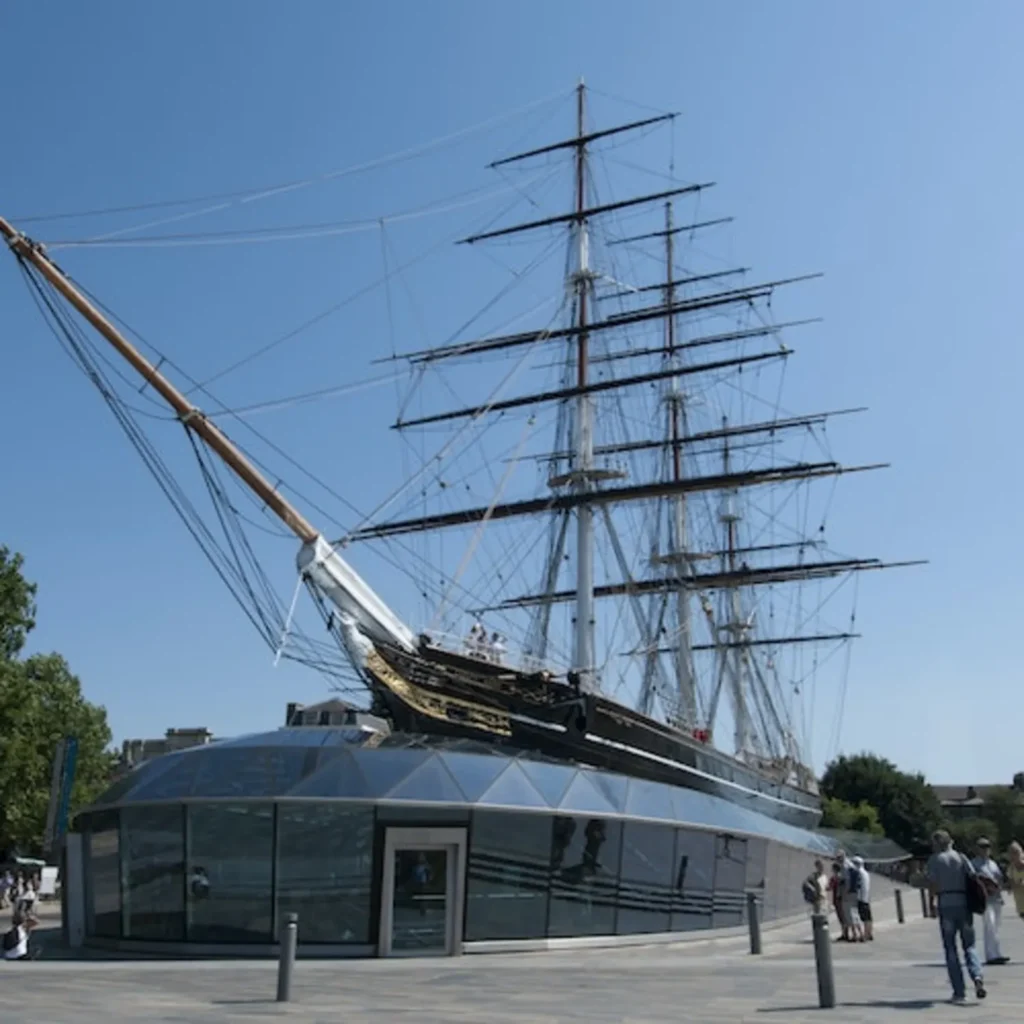
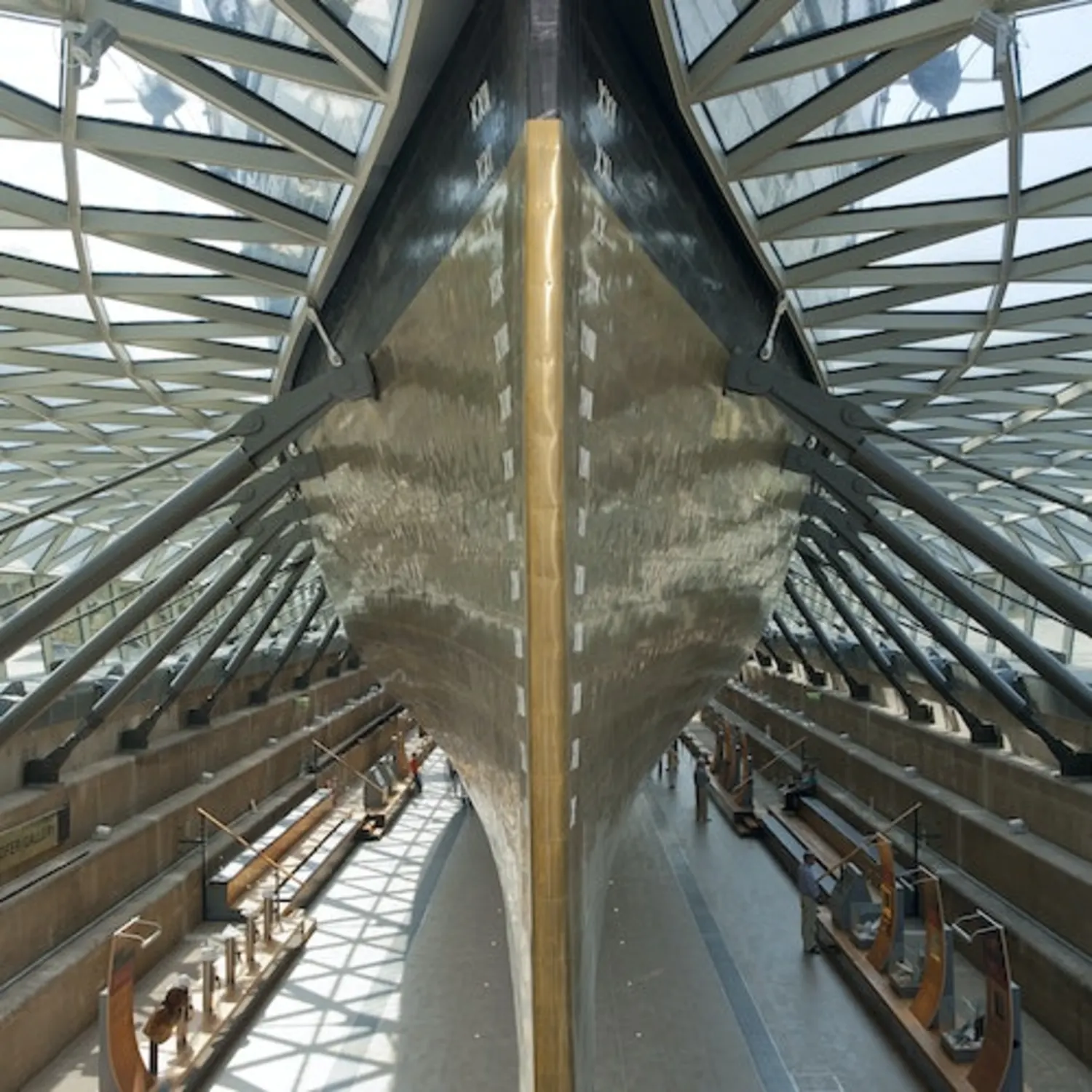
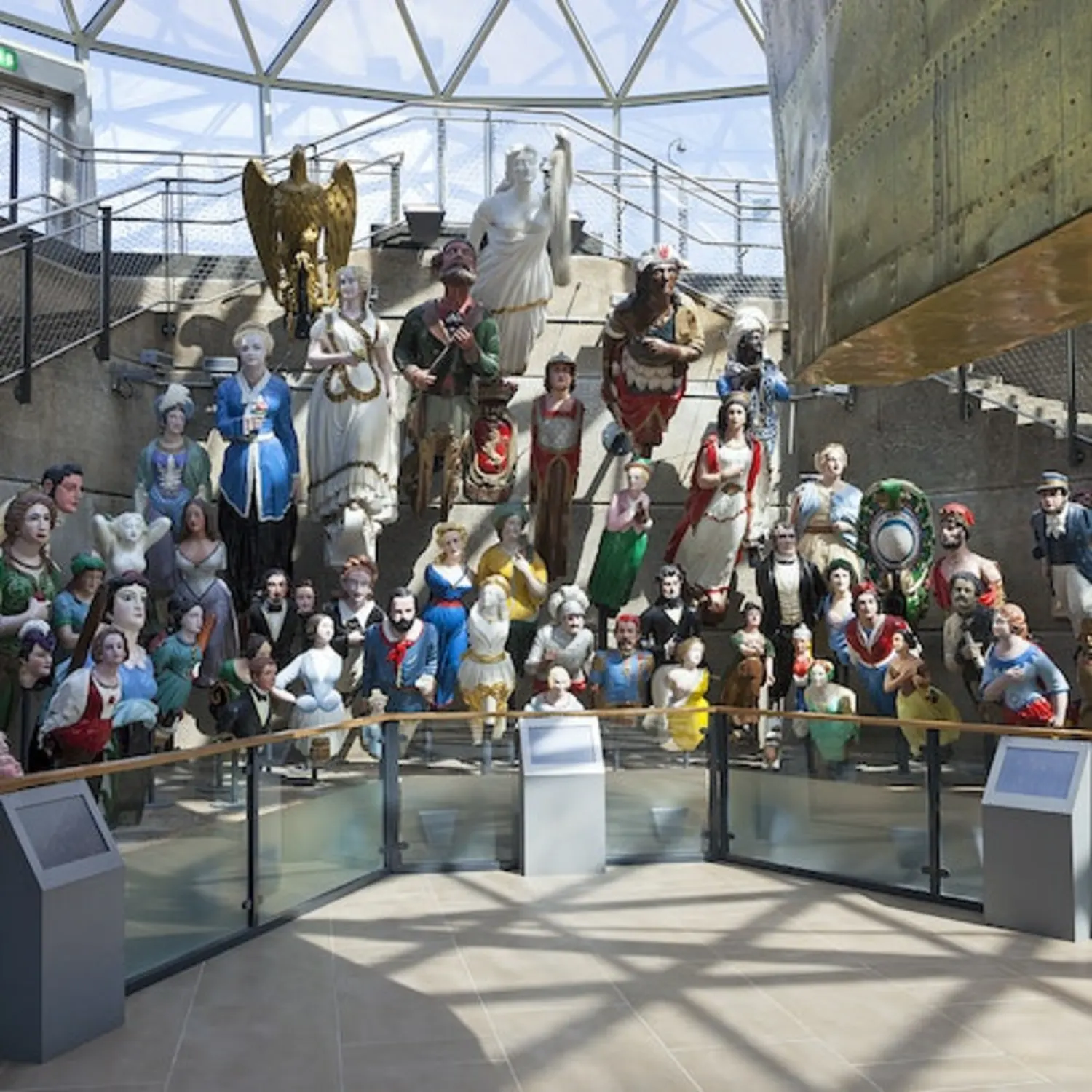
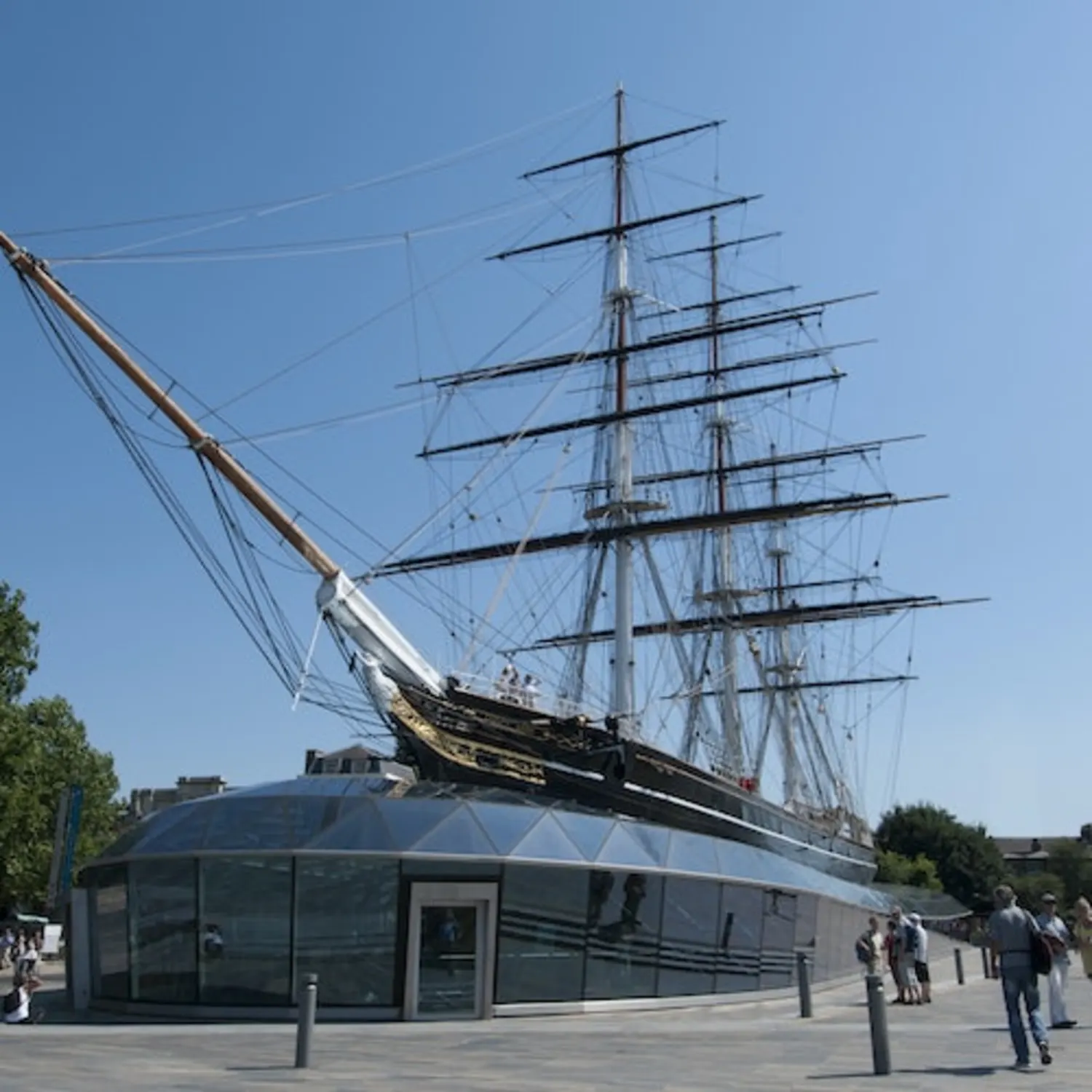
Explore the historic tea clipper, Cutty Sark.

Visit the Royal Observatory and stand on the Meridian Line.

Discover Britain’s maritime heritage at the National Maritime Museum.

Experience 17th-century elegance at the Queen’s House.
Time Your Visit Before First Light Closes the Hill

The galleries on this hill, Flamsteed House, the Prime Meridian courtyard and the Great Equatorial Telescope, stay open only until 2 November 2026, before the site closes for the First Light works. Book a timed slot while the meridian courtyard is still open, and stand on the line that still sets the world’s clocks.

Questions About the Royal Observatory Greenwich’s History

What is the Royal Observatory Greenwich?

It is Britain’s first state-funded scientific research institution, founded by King Charles II in 1675 to solve the problem of finding longitude at sea. Today it is part of Royal Museums Greenwich, run as a museum on the same hilltop site.

Why is Greenwich the Prime Meridian of the world?

The International Meridian Conference in Washington chose it in 1884, largely because roughly two-thirds of the world’s shipping already navigated using Greenwich-based charts. The exact line was set by the Observatory’s Airy Transit Circle, installed in 1851.

What is Greenwich Mean Time, and why was it set here?

Greenwich Mean Time is the mean solar time measured at this meridian. It became Britain’s legal time in 1880, and the same 1884 conference that adopted the meridian also used it as the basis for the world’s time zones.

Is the Royal Observatory Greenwich still a working observatory?

Its major telescope research moved away decades ago, first to Herstmonceux Castle from 1948 to escape London’s growing light pollution, then to Cambridge in 1990. Even so, the on-site Annie Maunder Astrographic Telescope achieved first light again in 2018, so some live astronomy still happens on the hill.

Who built the Royal Observatory Greenwich, and for whom?

King Charles II commissioned it in 1675 for John Flamsteed, the first Astronomer Royal. Christopher Wren designed Flamsteed House, with Robert Hooke’s help, on the ruined foundations of an older fort on the same hilltop.

Why don’t the Octagon Room’s walls line up with true north?

The building reused the foundations of an old fort instead of a true north-south layout, so none of the Octagon Room’s walls align with the meridian. Flamsteed did his real observing from a small shed in the garden instead.

Is the Royal Observatory Greenwich part of a UNESCO World Heritage Site?

Yes. It has been part of the Maritime Greenwich World Heritage Site since 1997, alongside the Old Royal Naval College, Queen’s House and Greenwich Park.

How big is the Great Equatorial Telescope?

Its lens is over eight metres long and 71cm wide, a 28-inch refractor installed in 1893 that remains the largest telescope of its kind in the UK, housed in the Observatory’s onion dome.

This website sells official tickets for this venue. Please note, however, that it is not the official website of the venue.

The images and videos on this website may contain visual elements that have been created or enhanced using AI technology. They are provided for illustrative purposes only.