
The Prime Meridian at Royal Observatory Greenwich: Longitude Zero Explained
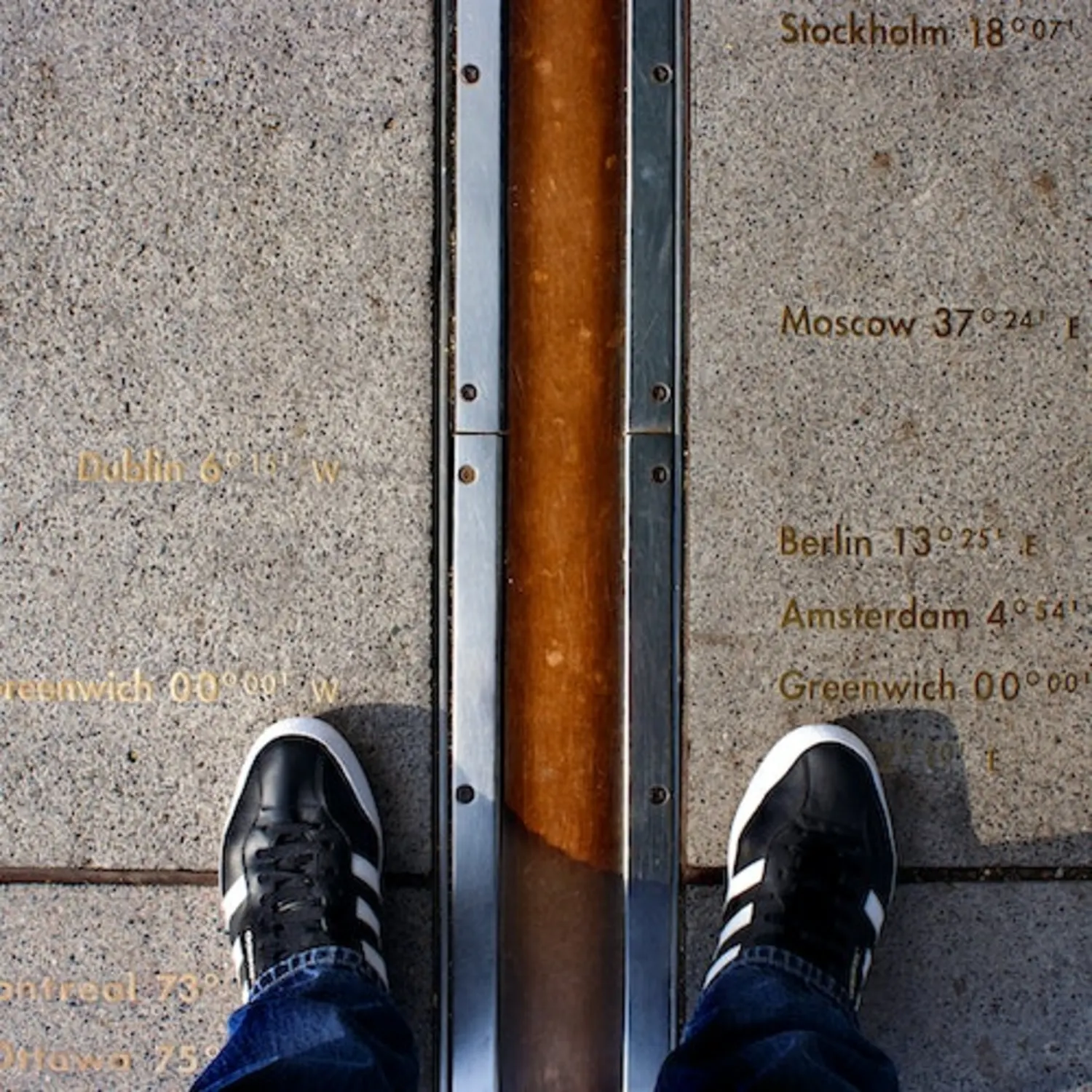
A metal line fixed across the Royal Observatory Greenwich’s courtyard in 1851 became the world’s Prime Meridian in 1884, zero degrees longitude, the reference every map and coordinate still measures from.
The Line That Splits East from West
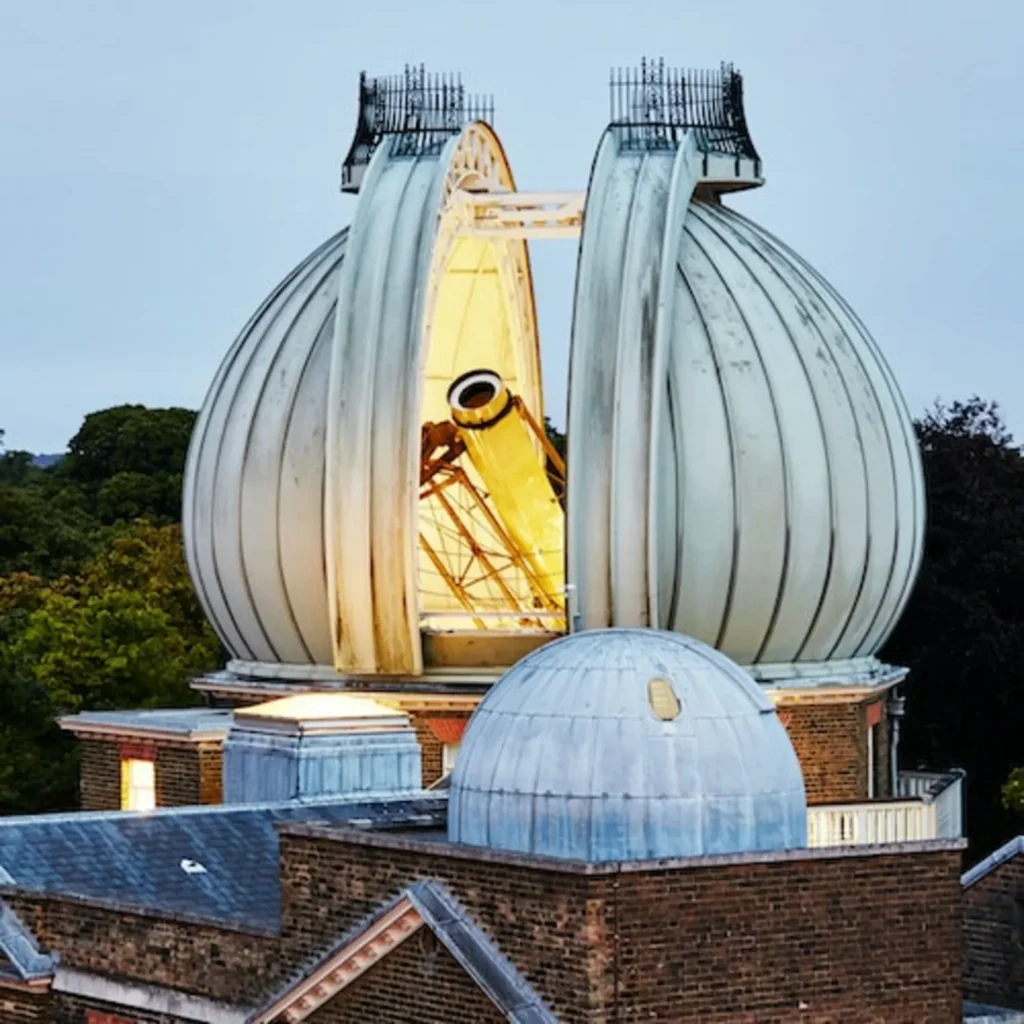
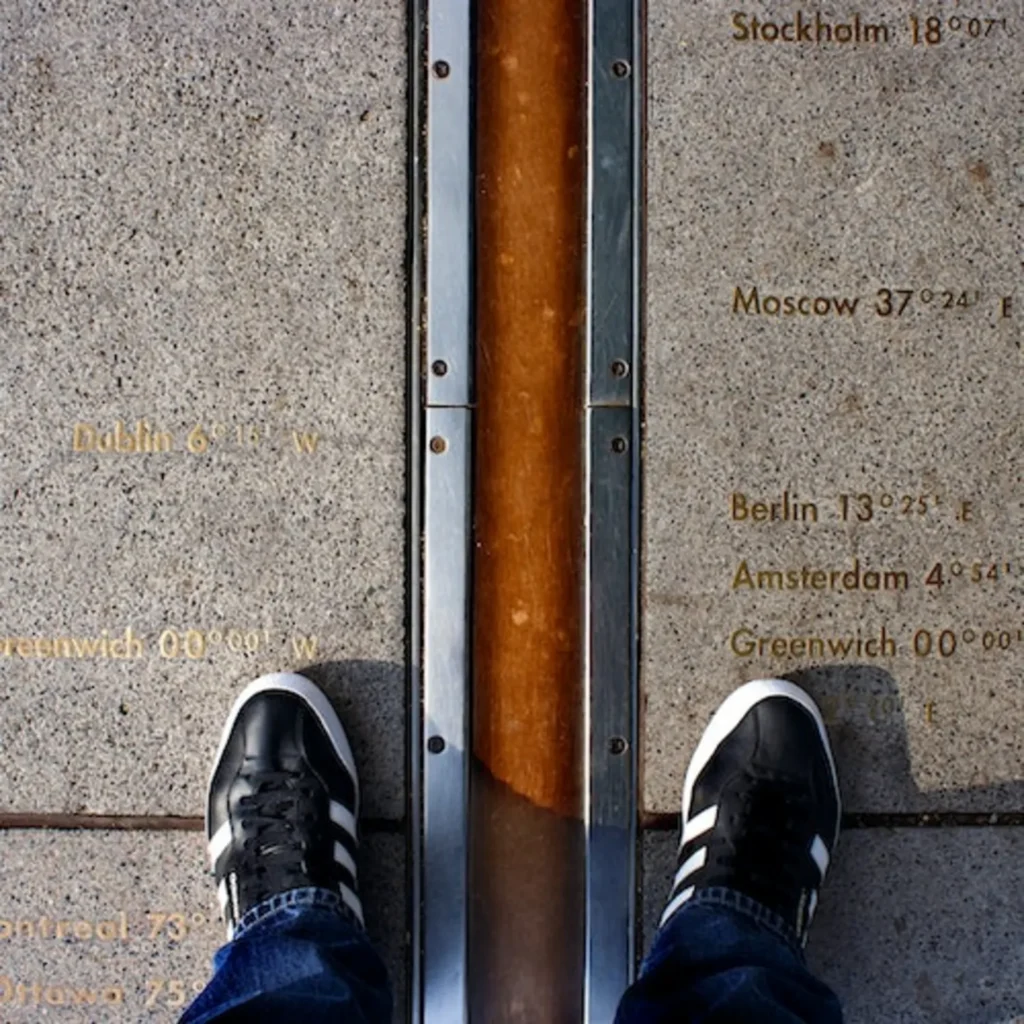
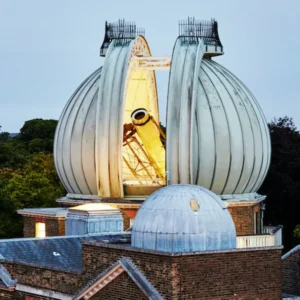
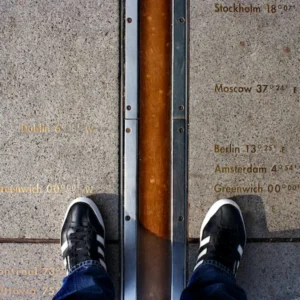
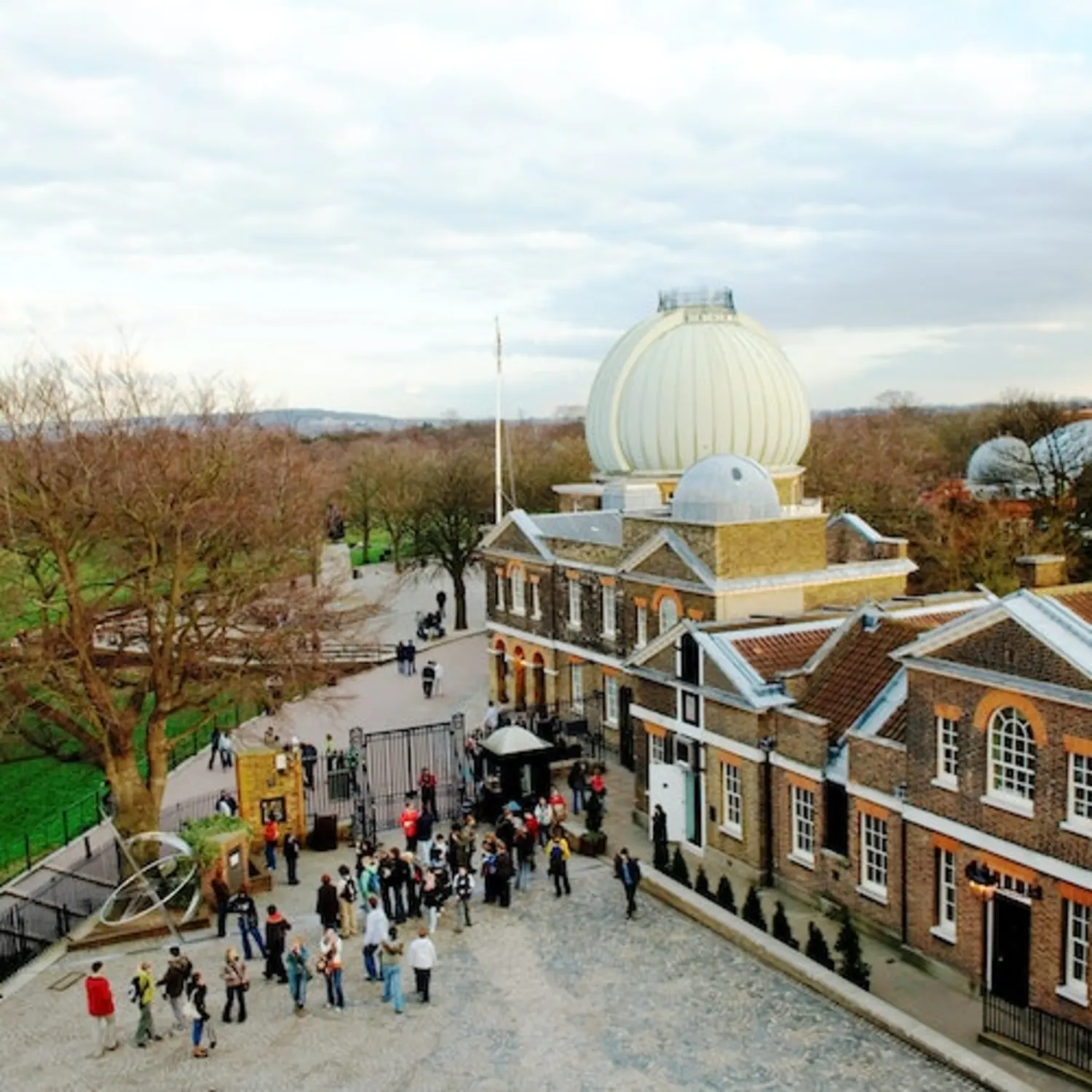
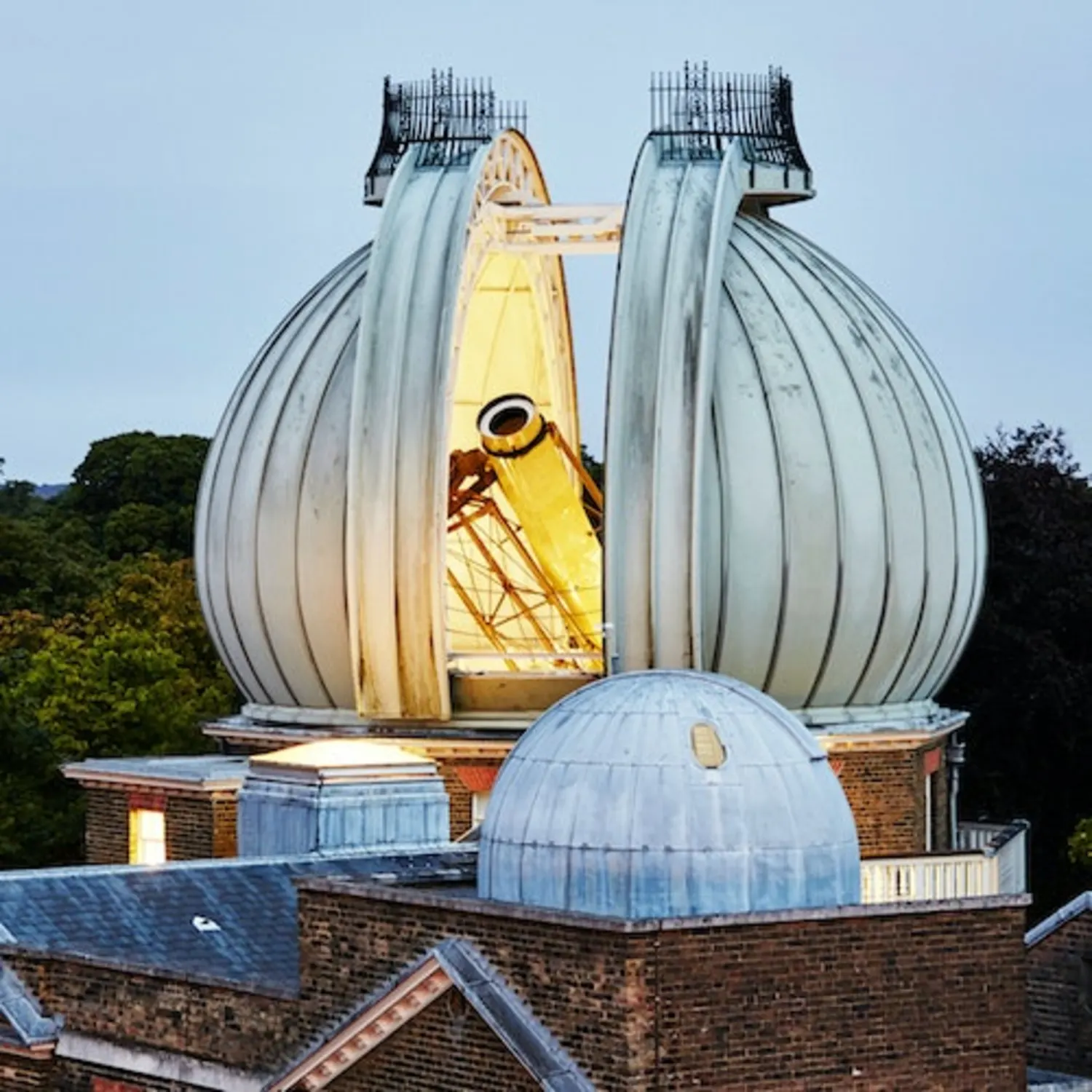
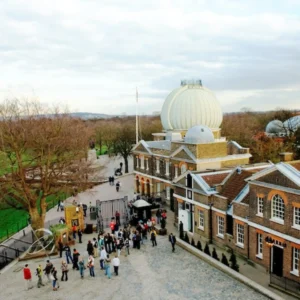
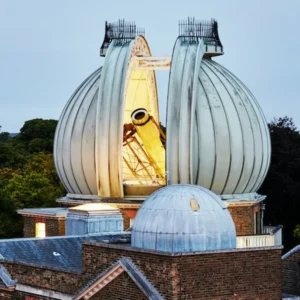
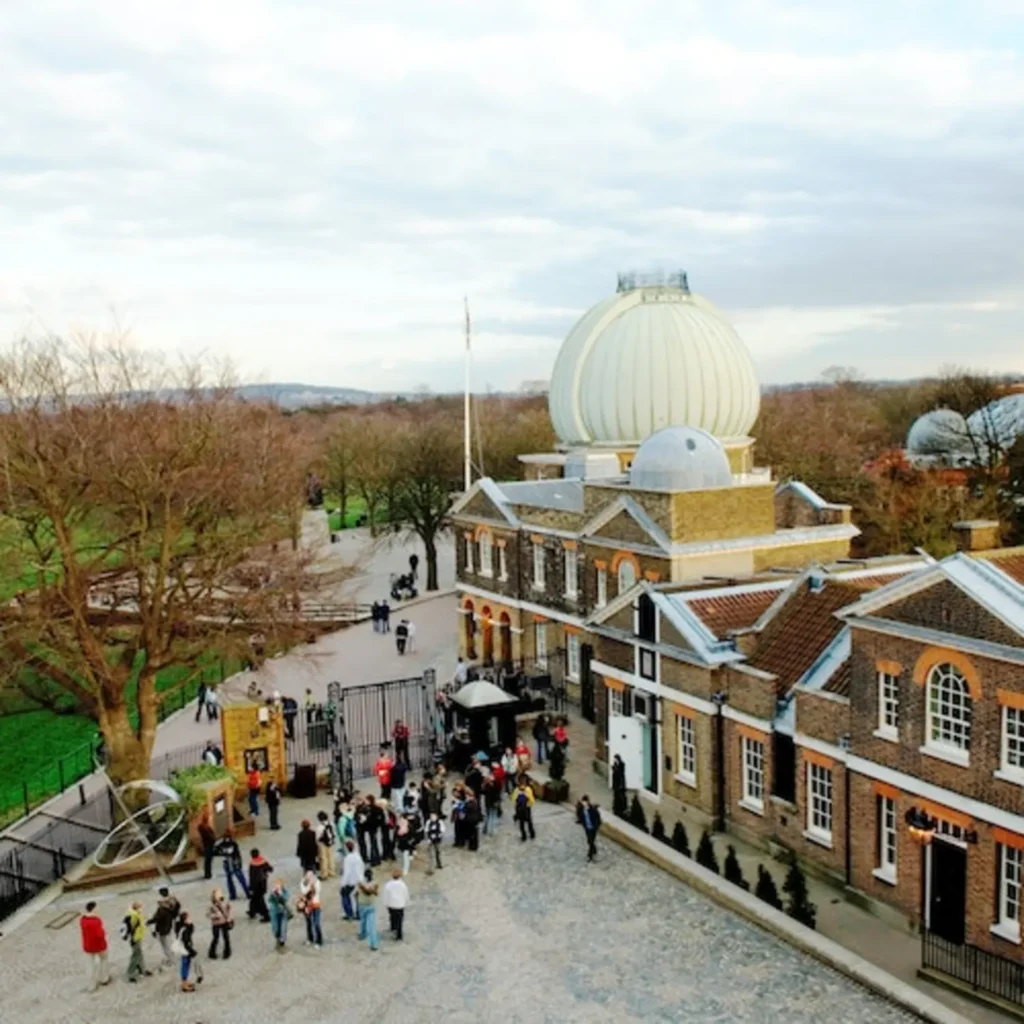
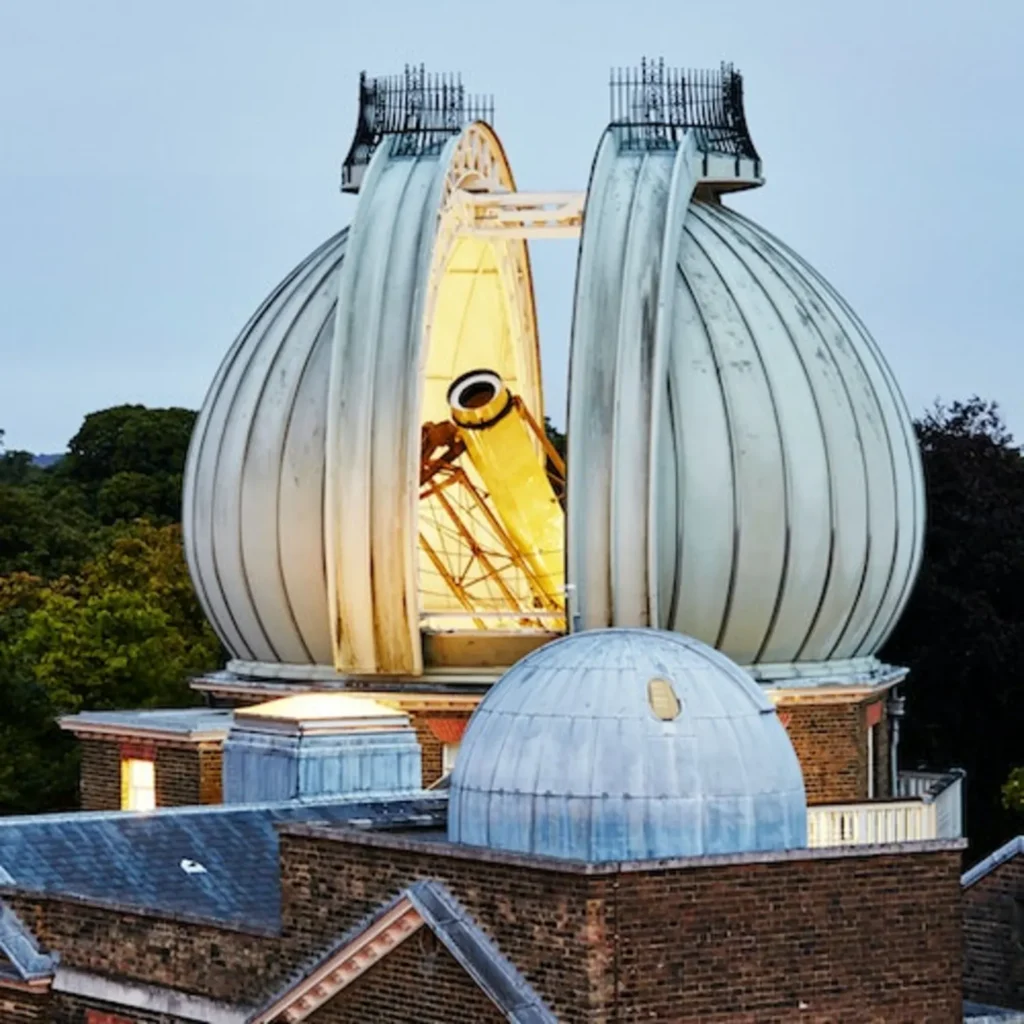
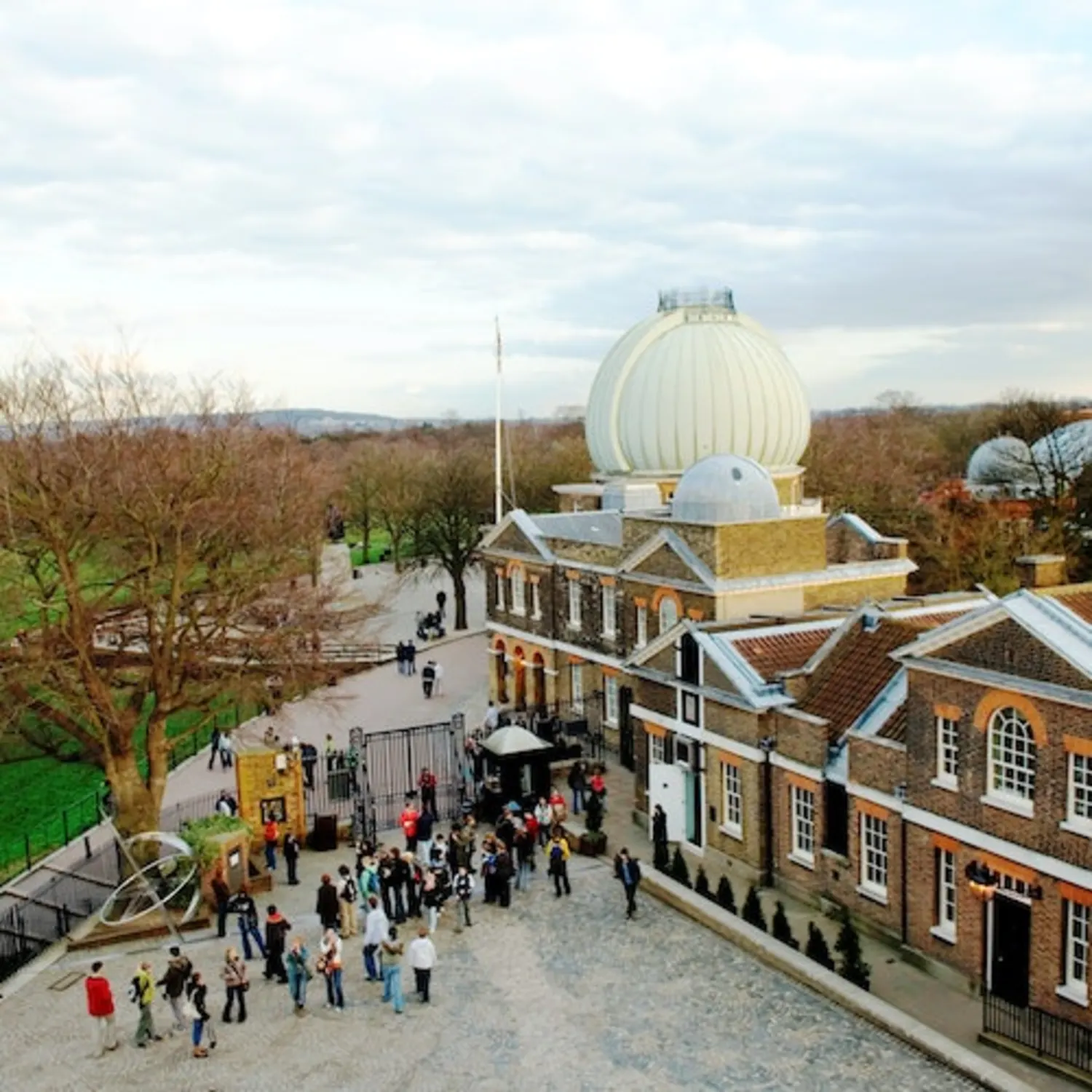
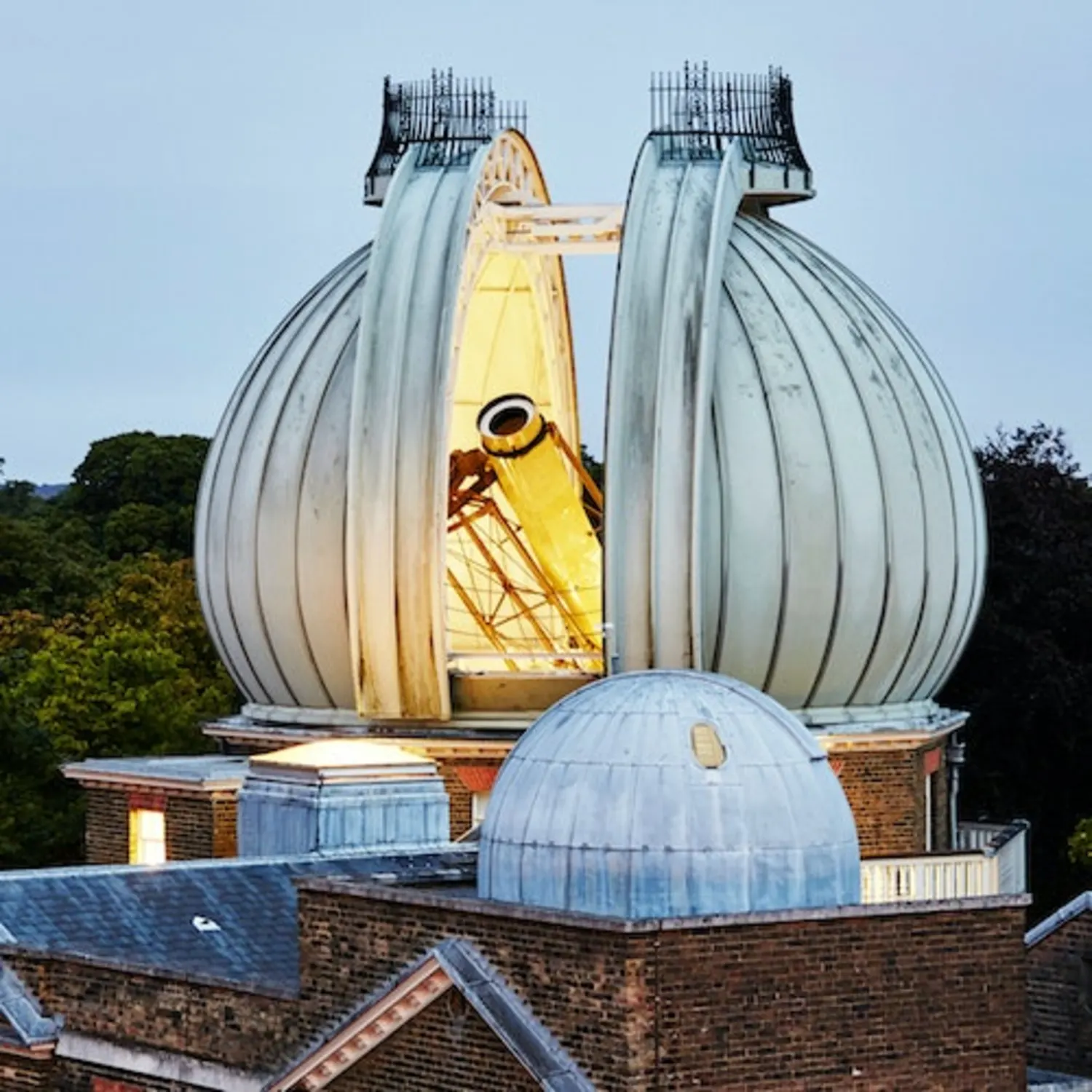
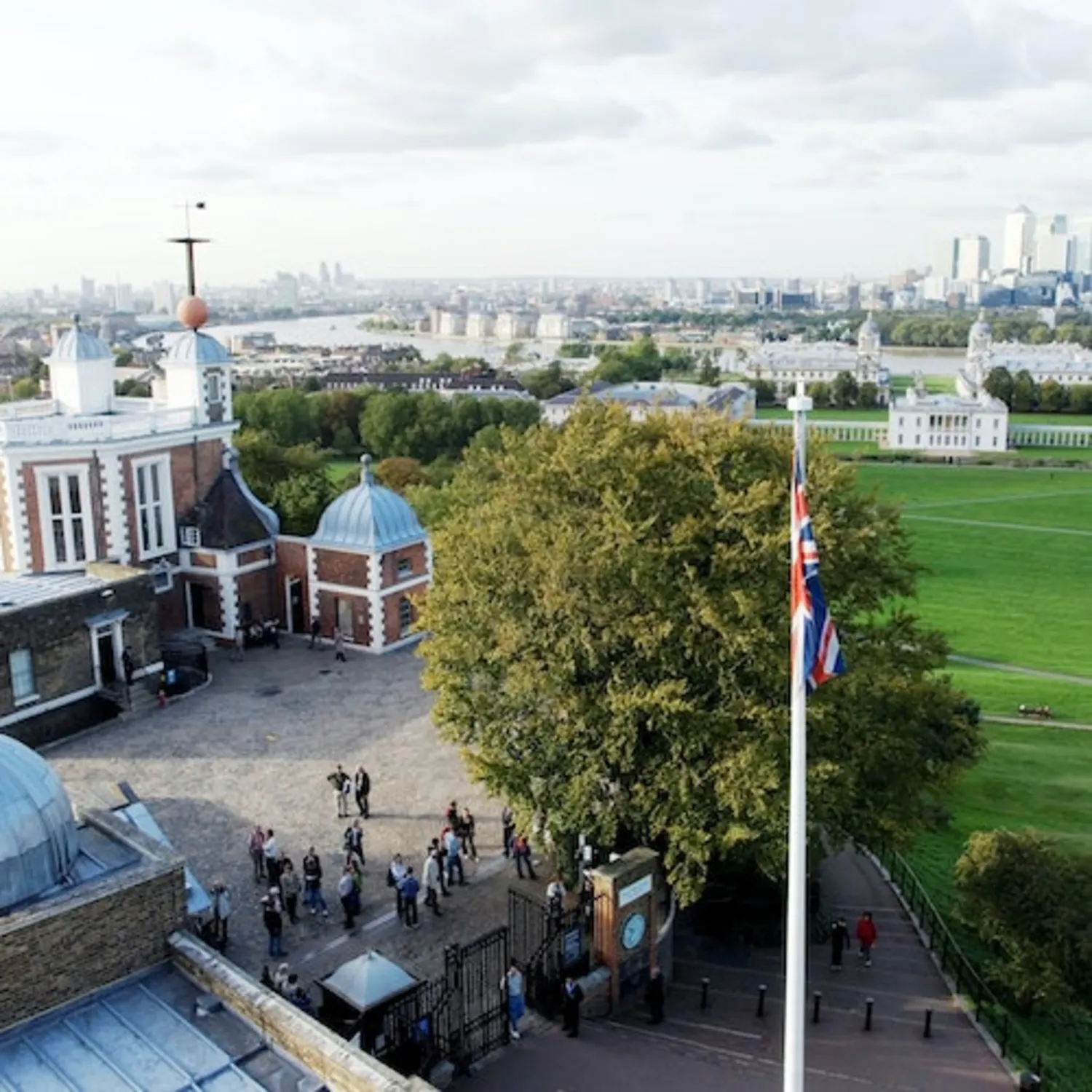
The Prime Meridian is the line of zero degrees longitude, the reference every other line of longitude counts east or west from, the same way the equator anchors zero degrees latitude on any map or globe. At the Royal Observatory Greenwich, that line is not an abstraction: it runs as a real metal strip let into the courtyard paving, fixed there since 1851 and confirmed as the world’s meridian in 1884. For Flamsteed House, the Great Equatorial Telescope and the rest of the hill’s story, see Royal Observatory Greenwich’s overview.
Longitude Zero: Quick Facts About the Prime Meridian Line
The metal line in the courtyard marks zero degrees longitude, fixed by the Airy Transit Circle’s cross-hairs between 1851 and 1954.
Confirmed as the world’s Prime Meridian by the International Meridian Conference in Washington D.C. in 1884, after nearly two-thirds of the world’s shipping was already navigating by Greenwich-based charts.
It is the third of three historic meridian lines drawn across this same courtyard: Halley’s from around 1725, Bradley’s from 1750, then Airy’s from 1851, each replacing the last with a more accurate instrument.
A green laser has marked the meridian across the night sky since 1993, upgraded in 1999, and has been seen from as far as 36 miles away on a clear night.
Modern GPS places true zero longitude about 102 metres east of the historic line, because satellites measure from the Earth’s rotation axis rather than the Observatory’s local gravity.
Three Lines Before the One That Stuck
A Green Line Across the Sky, and a Line That Moved
Three Things That Share the Meridian’s Story
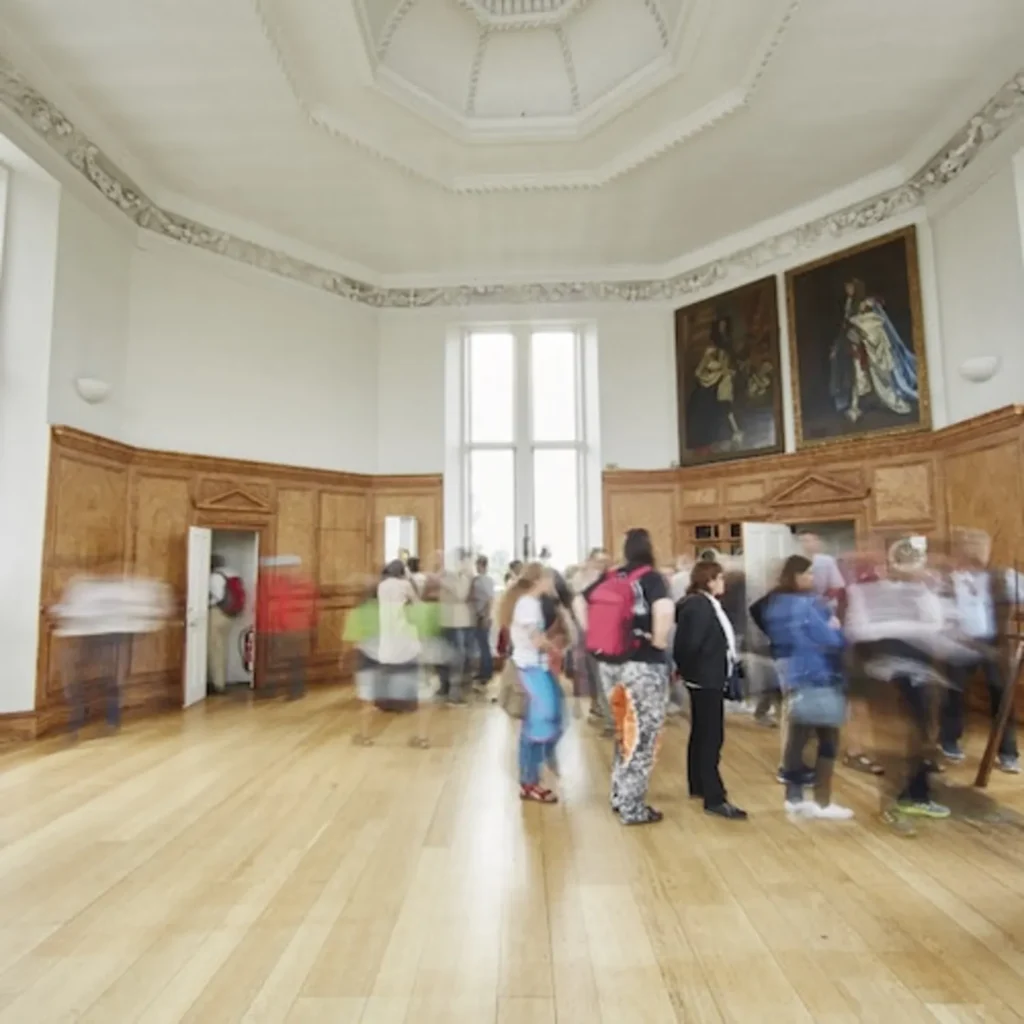
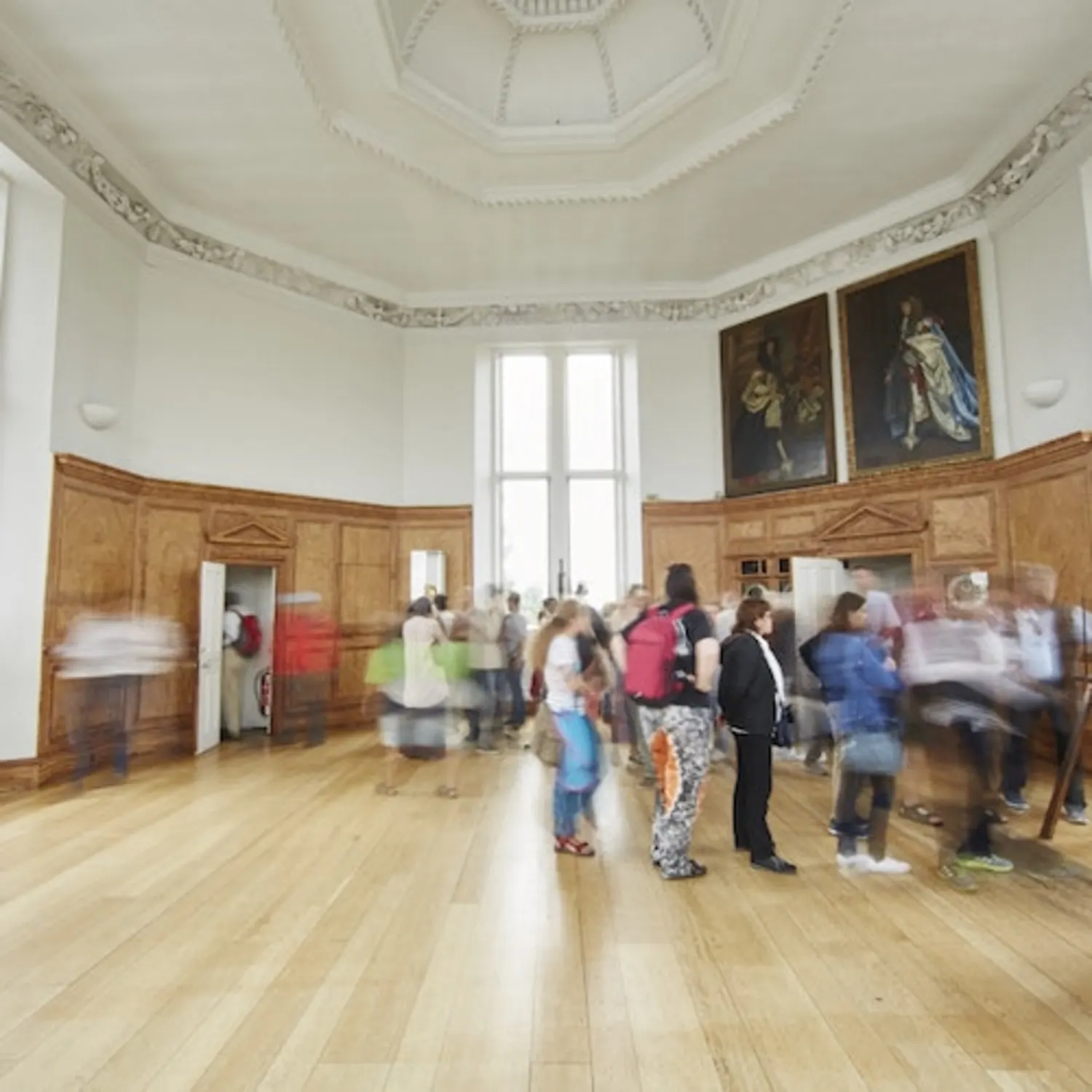
The Airy Transit Circle, still in its room
The green laser, on every clear night
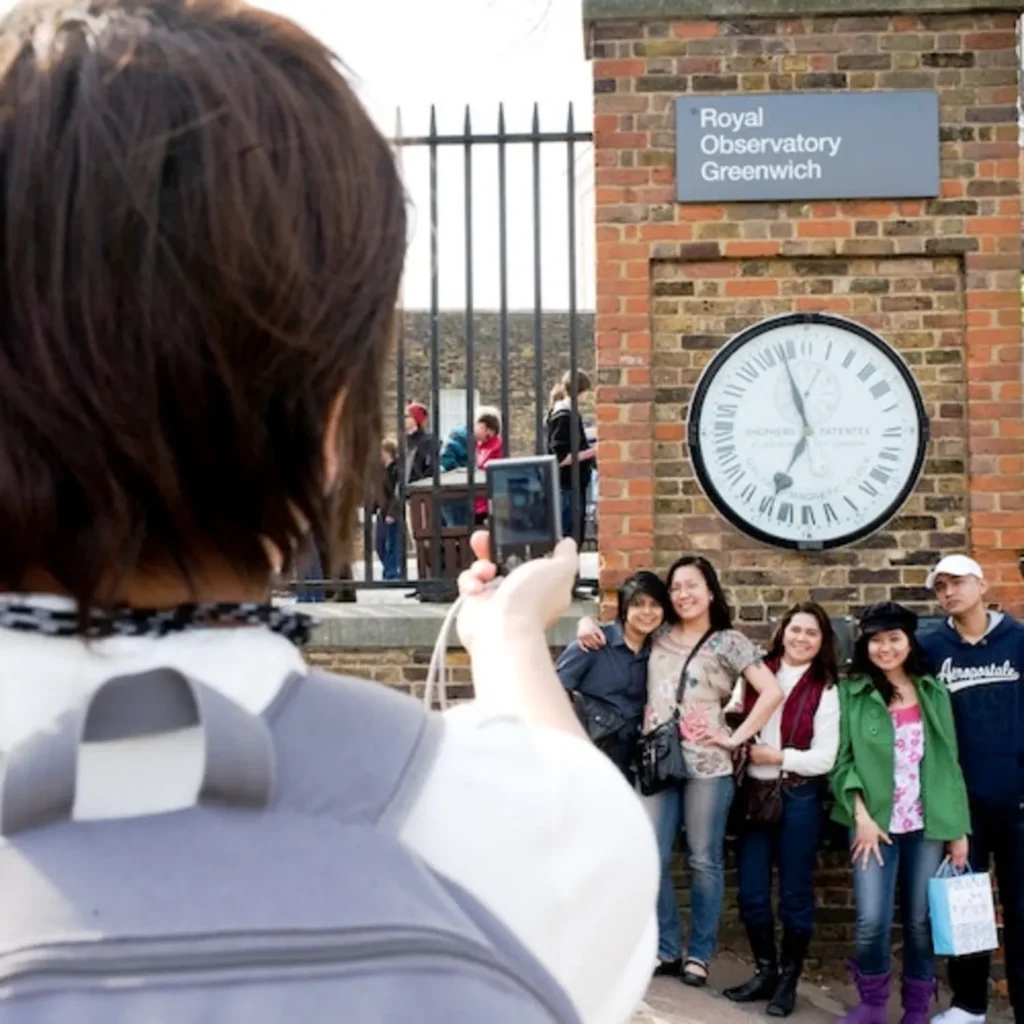
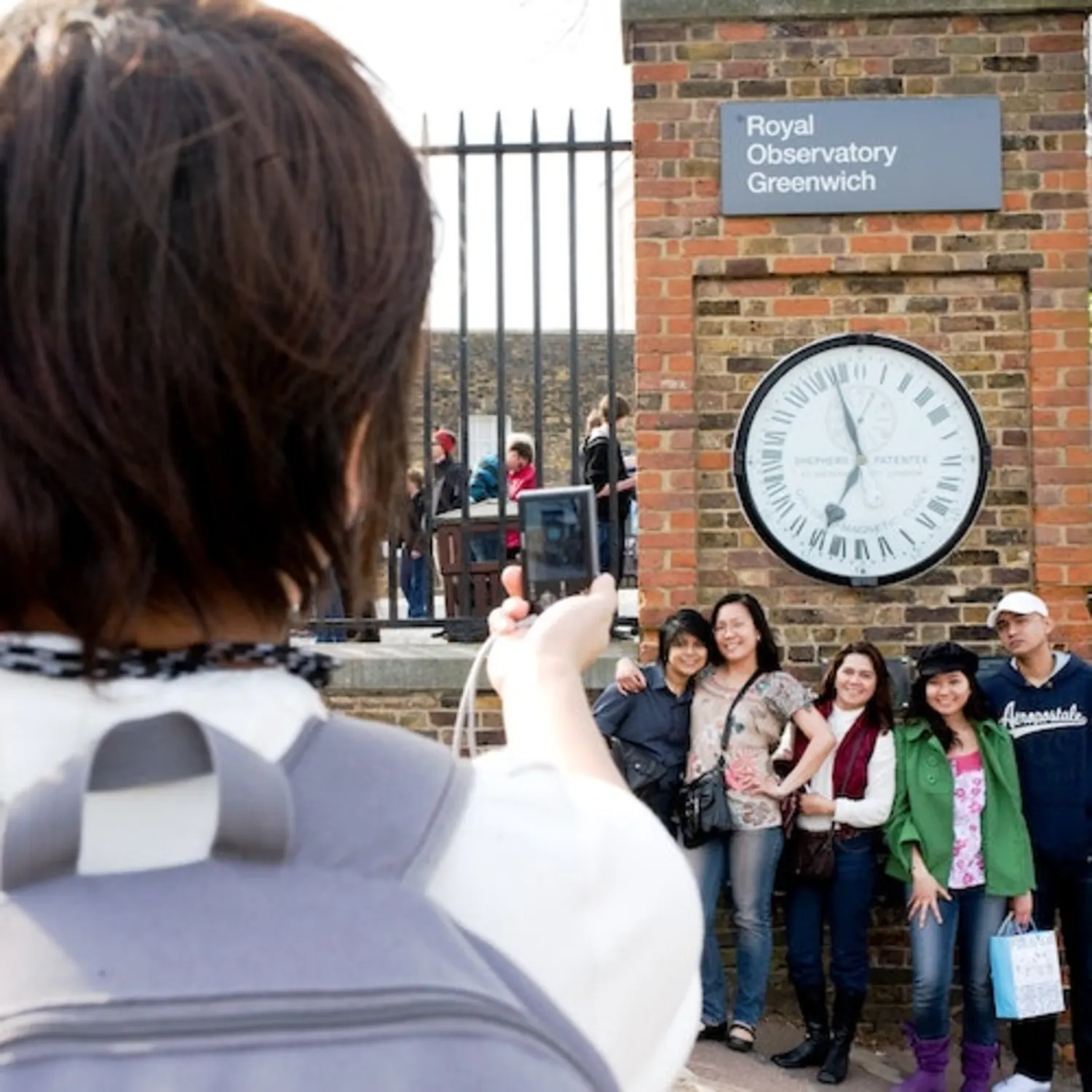
The Shepherd Gate Clock, at the gates
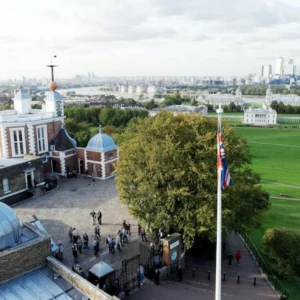
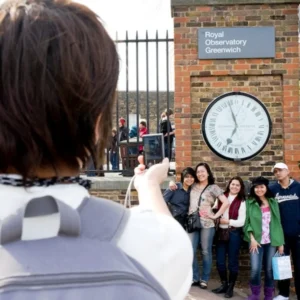
Royal Observatory Greenwich: Admission Ticket
Highlights
Experience standing on the Prime Meridian, dividing eastern and western hemispheres.
Discover the rich history behind Greenwich Mean Time (GMT) established here.
View remarkable astronomical instruments and exhibits including John Harrison’s timekeepers.
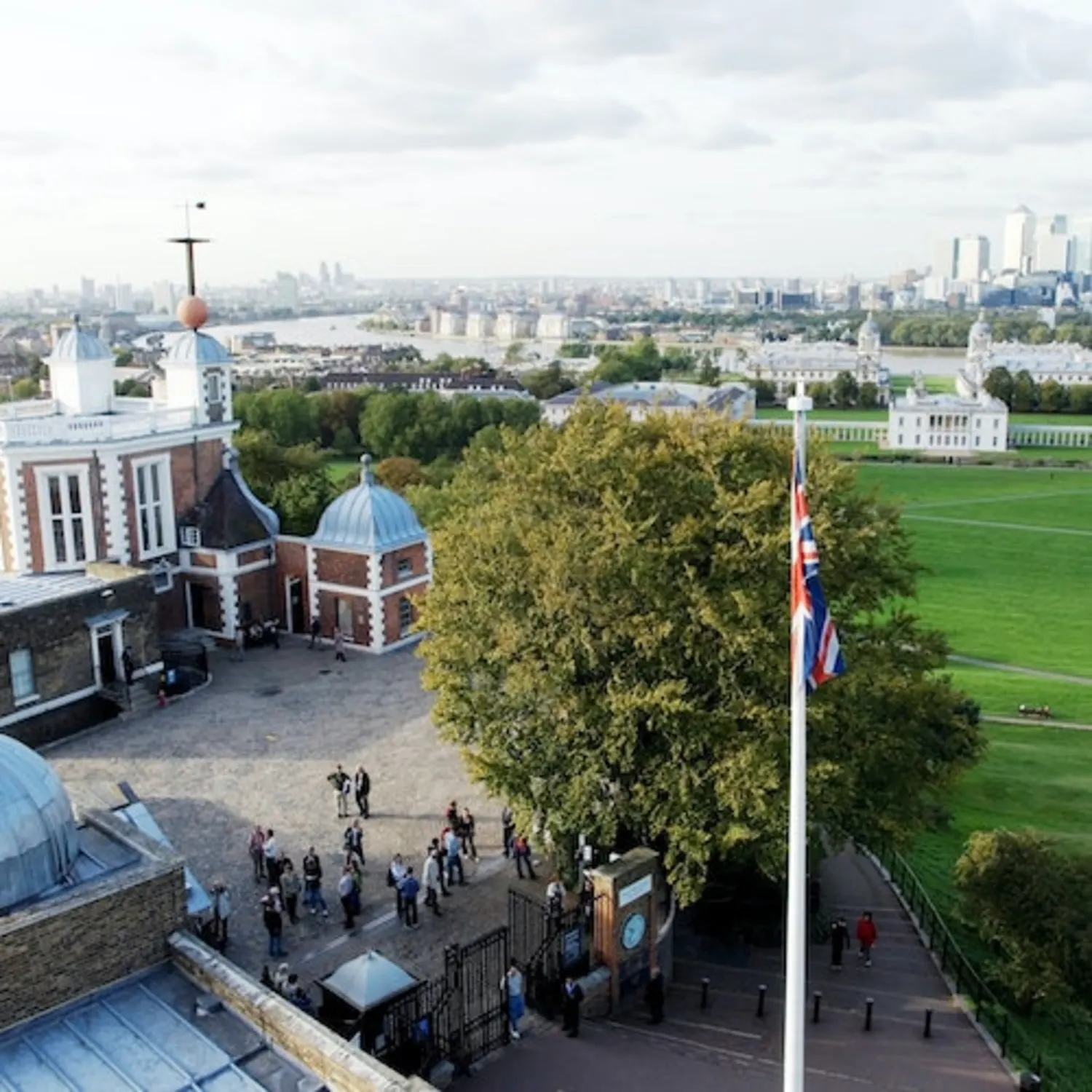
Time your visit to see the Time Ball drop, a historical time signal at 1 PM daily.
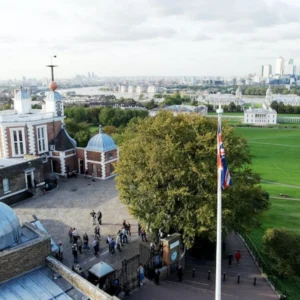
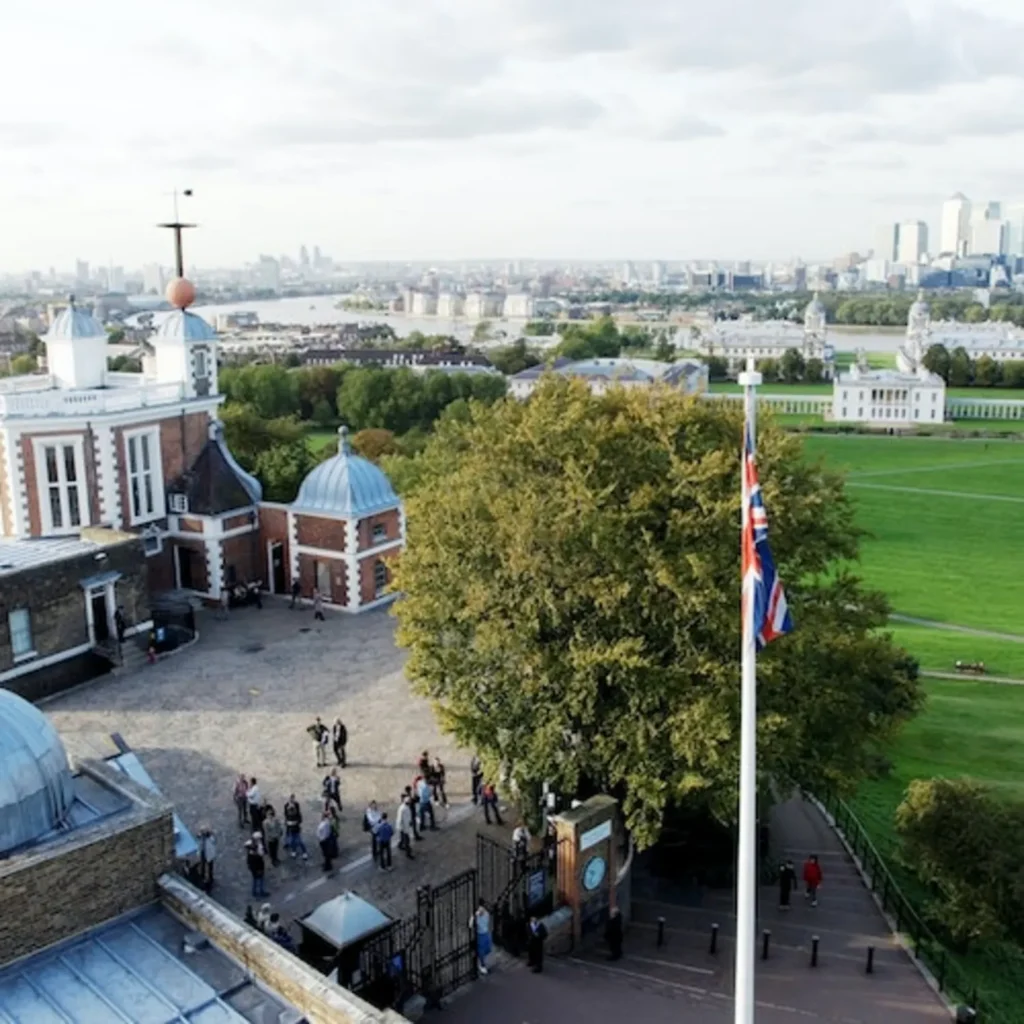
Enjoy panoramic views from this iconic observatory site overlooking Greenwich.
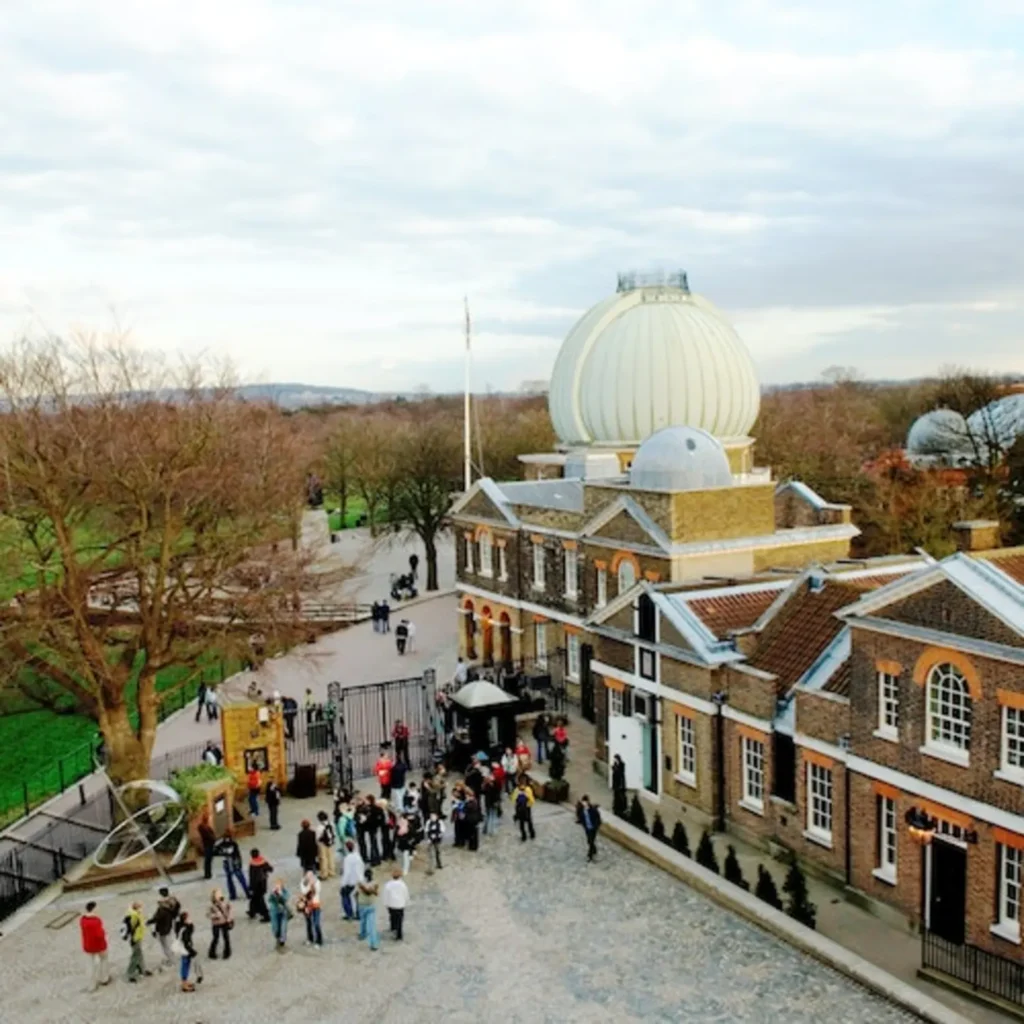
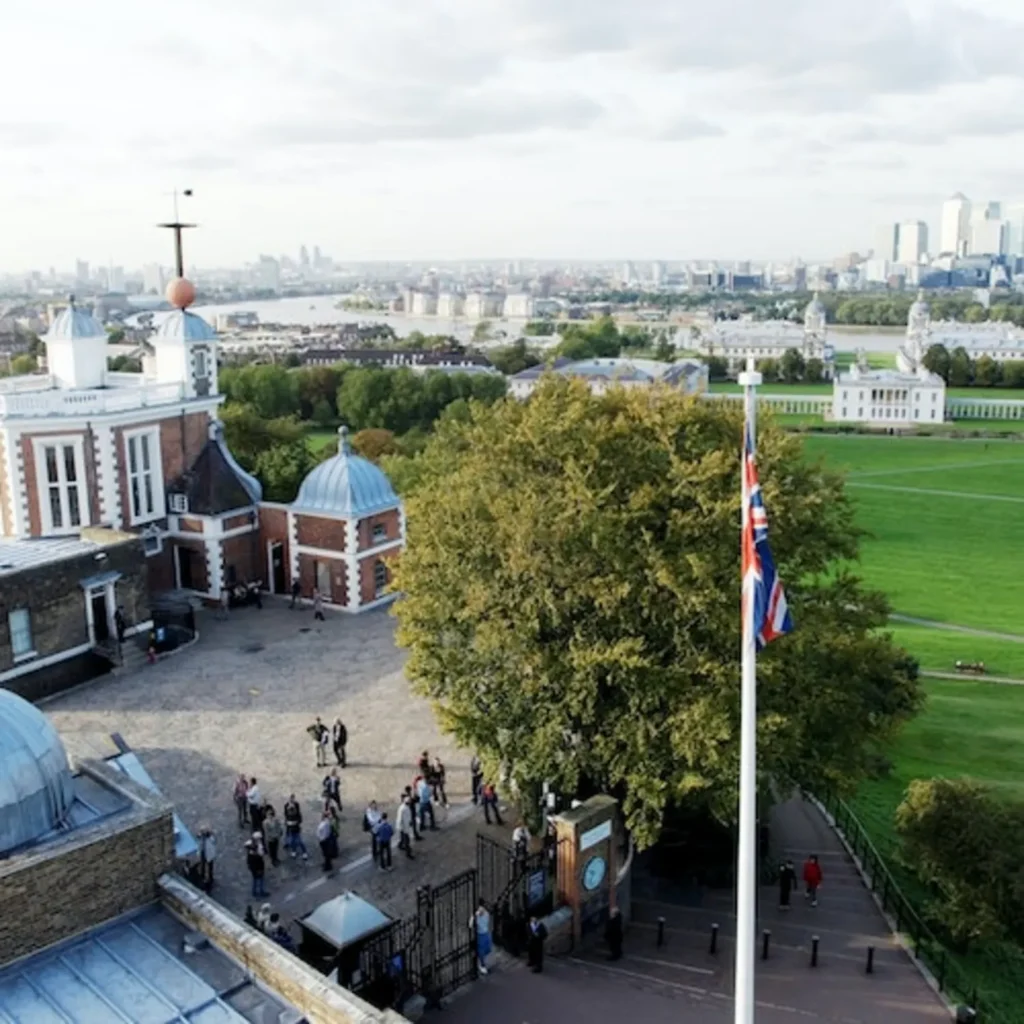
Royal Museums Greenwich Day Pass
Highlights
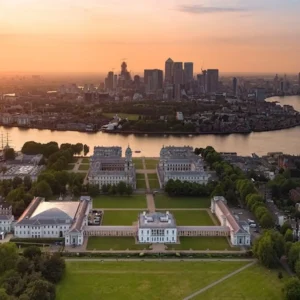
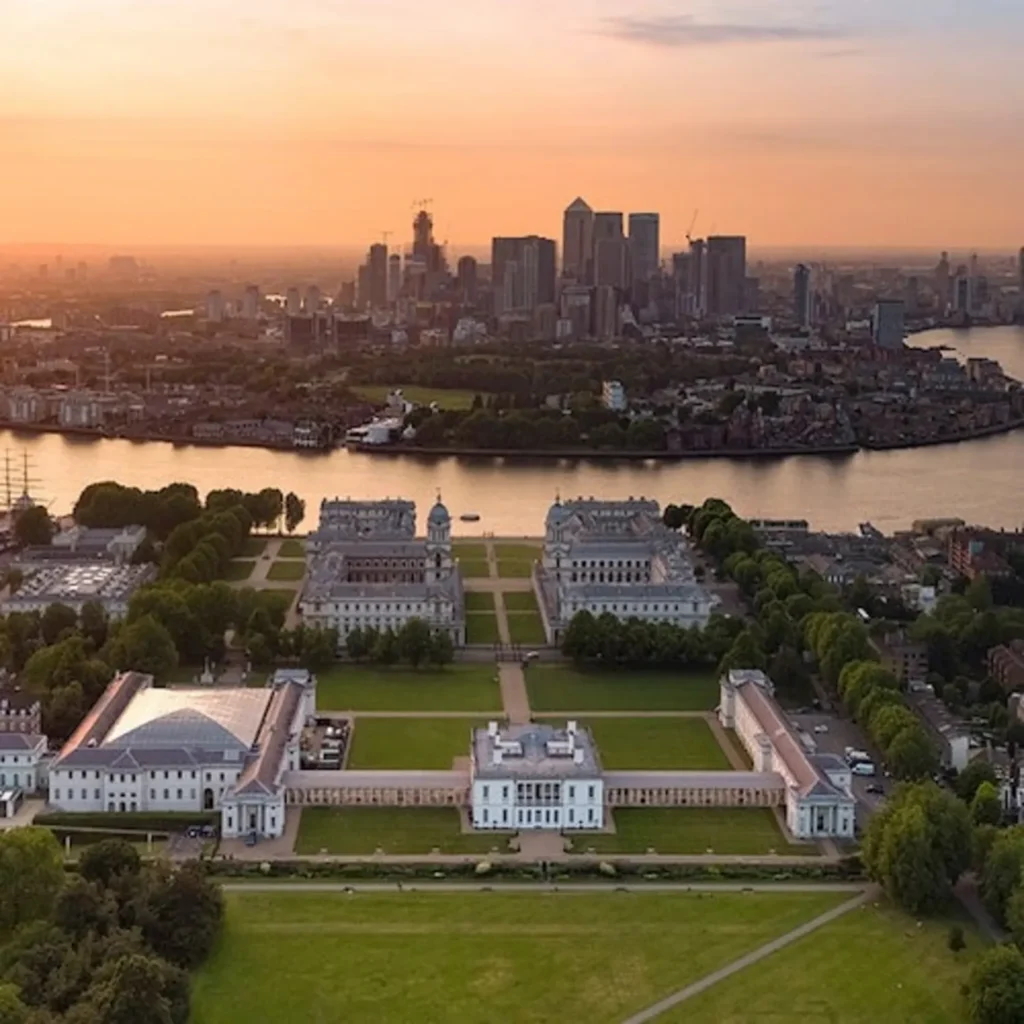
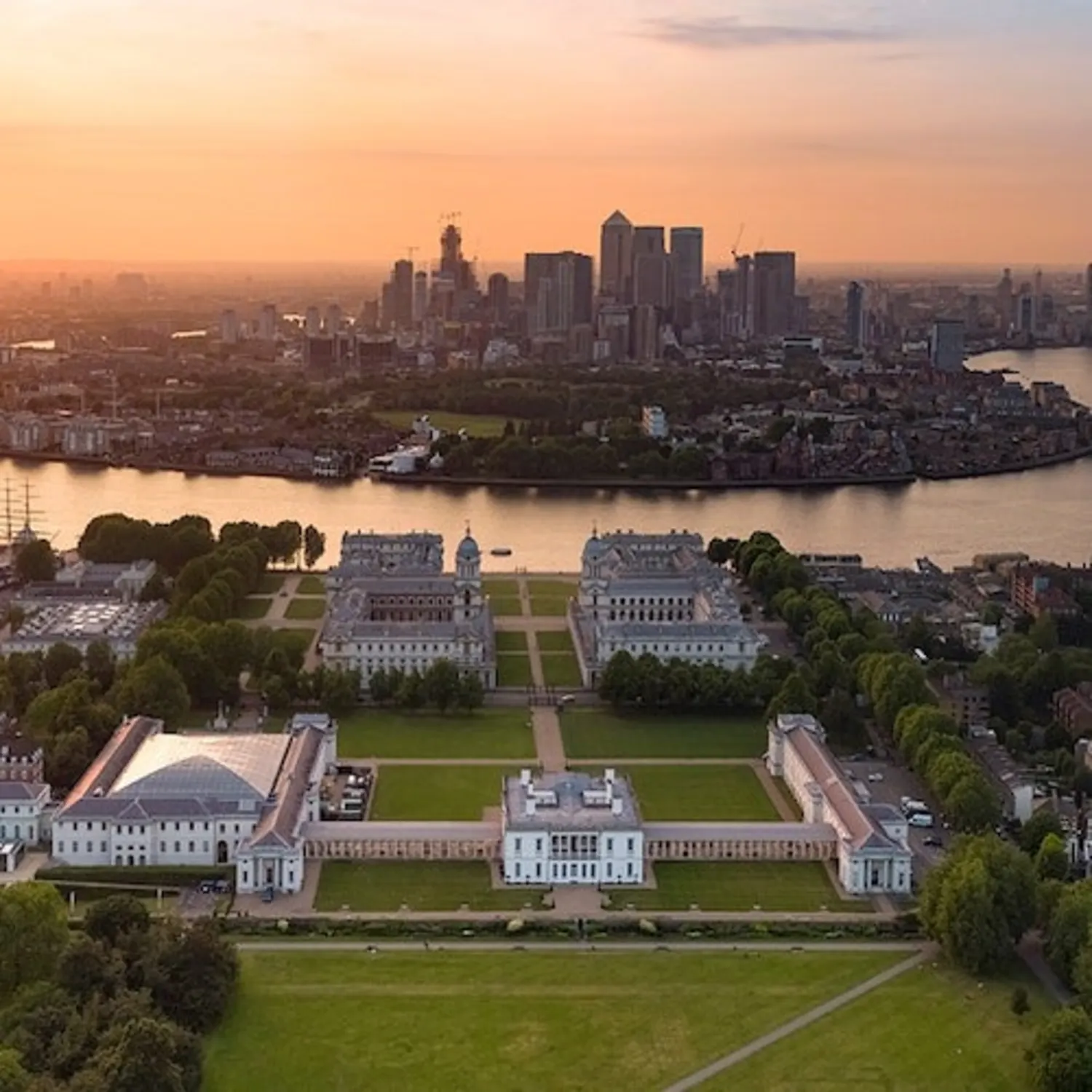
Entry to four iconic attractions in London’s Greenwich area.
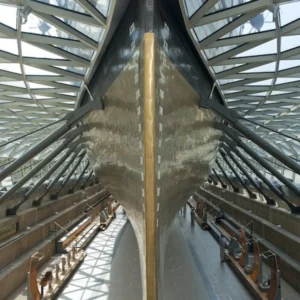
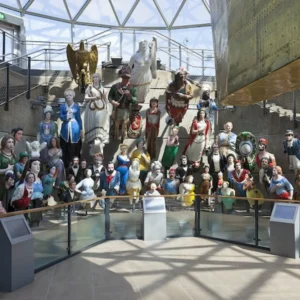
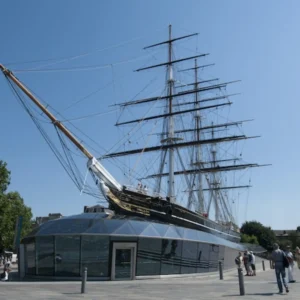
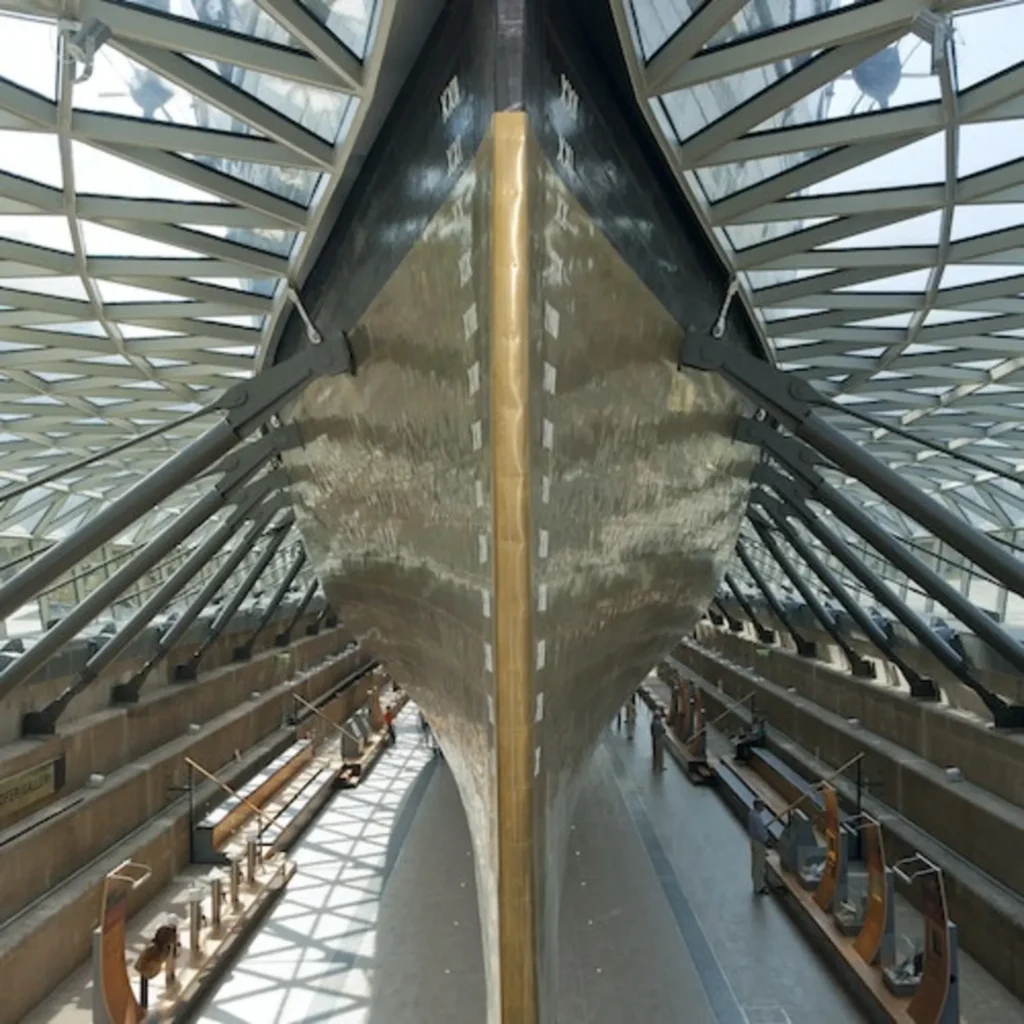
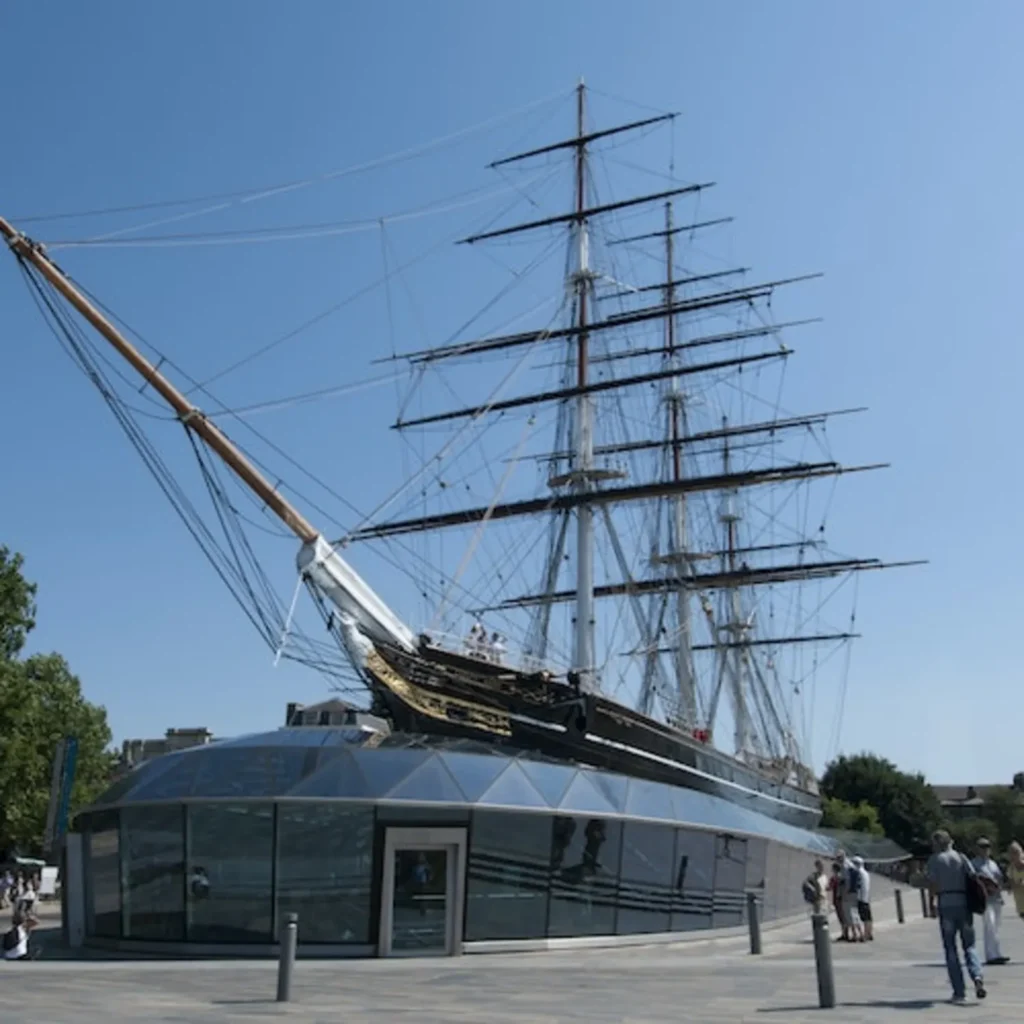
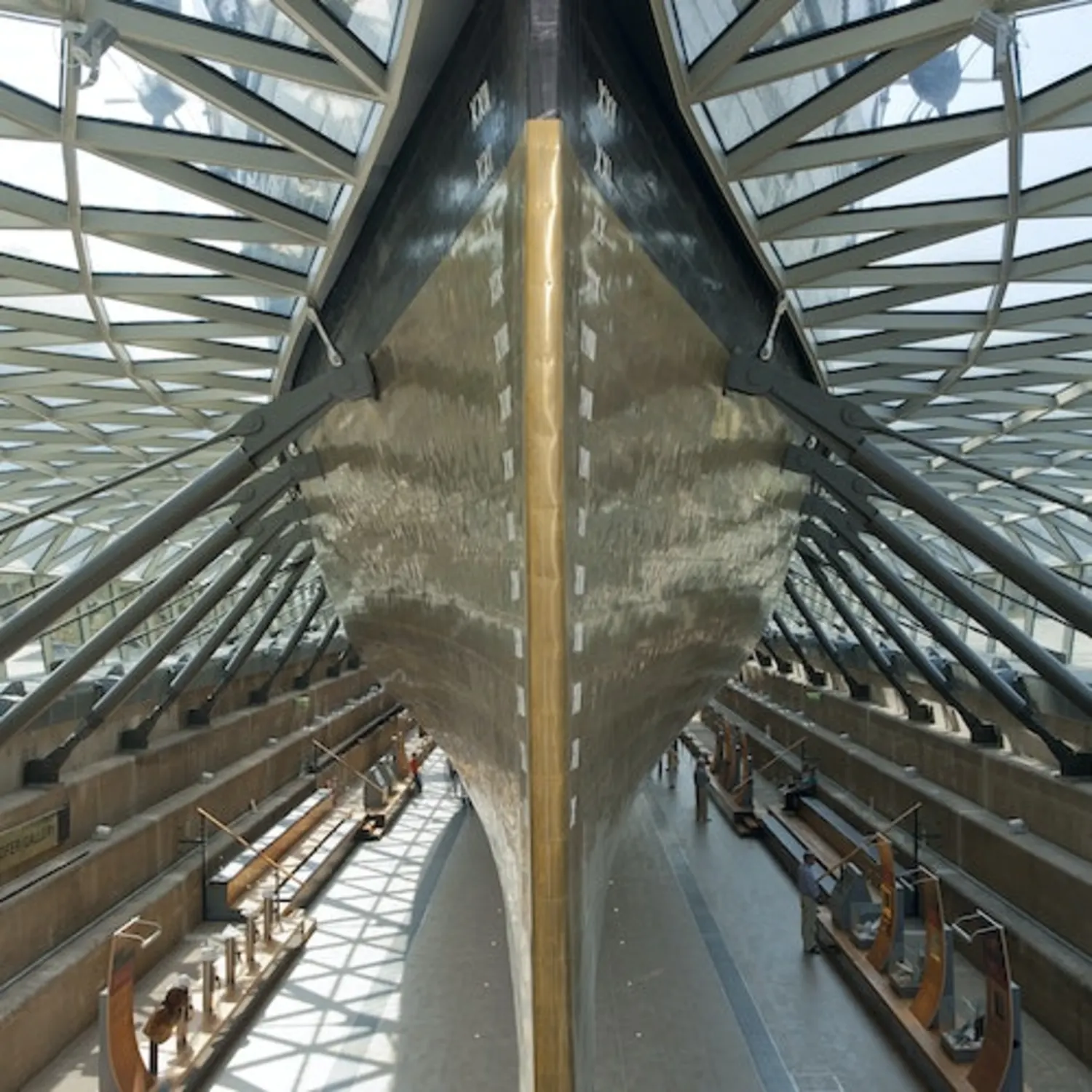
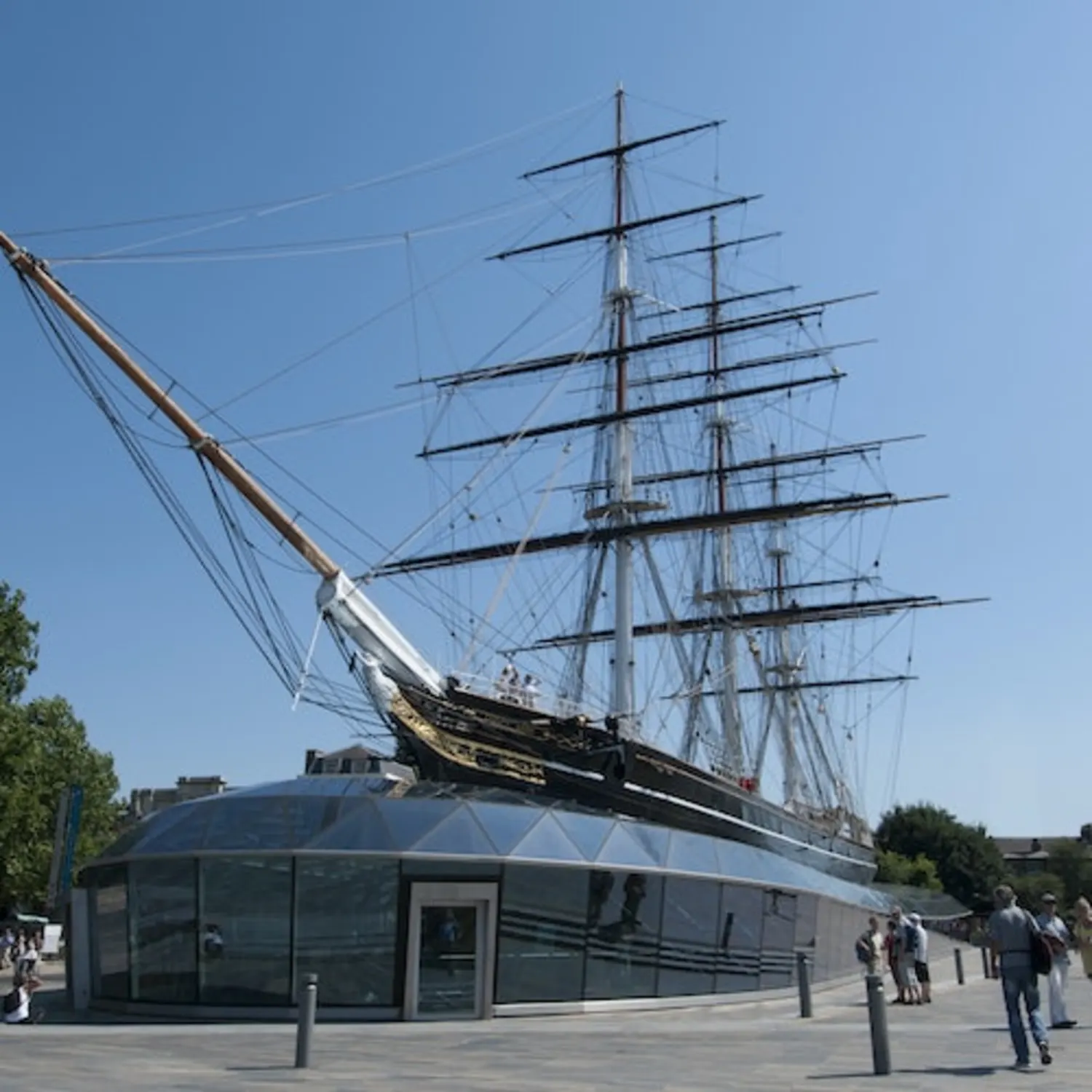
Explore the historic tea clipper, Cutty Sark.
Visit the Royal Observatory and stand on the Meridian Line.
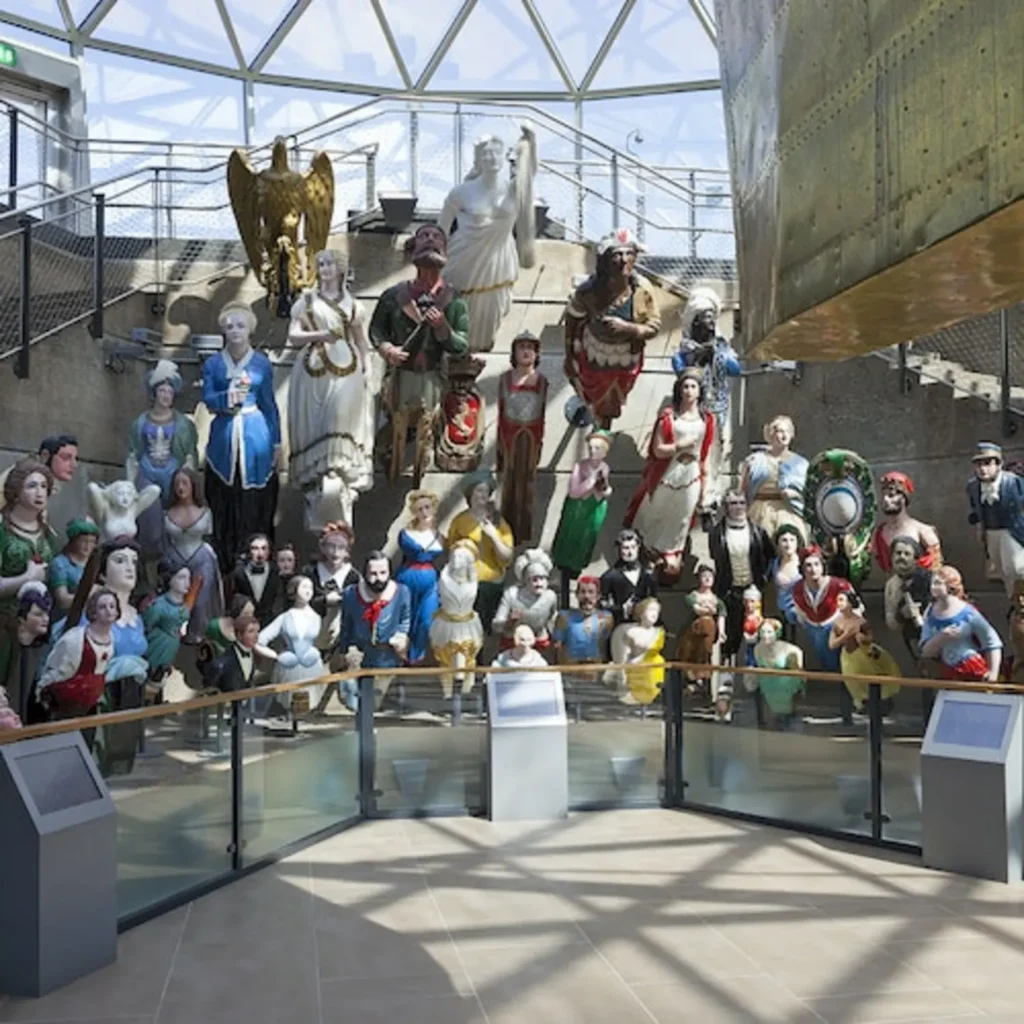
Discover Britain’s maritime heritage at the National Maritime Museum.
Experience 17th-century elegance at the Queen’s House.
See the Line Before First Light Closes the Courtyard
The Meridian Courtyard stays open, with the rest of the Observatory, only until 2 November 2026, then closes for the First Light works and is not due back until summer 2027. Book a timed slot now to stand across the line while the courtyard is still open, one foot in each hemisphere, before it shuts for the works.
 English
  Deutsch
  Français
  Español
  Italiano
  Nederlands