We are processing your request.
Please, don't close or refresh the page.
London Tickets Royal Observatory Greenwich Shepherd Gate Clock
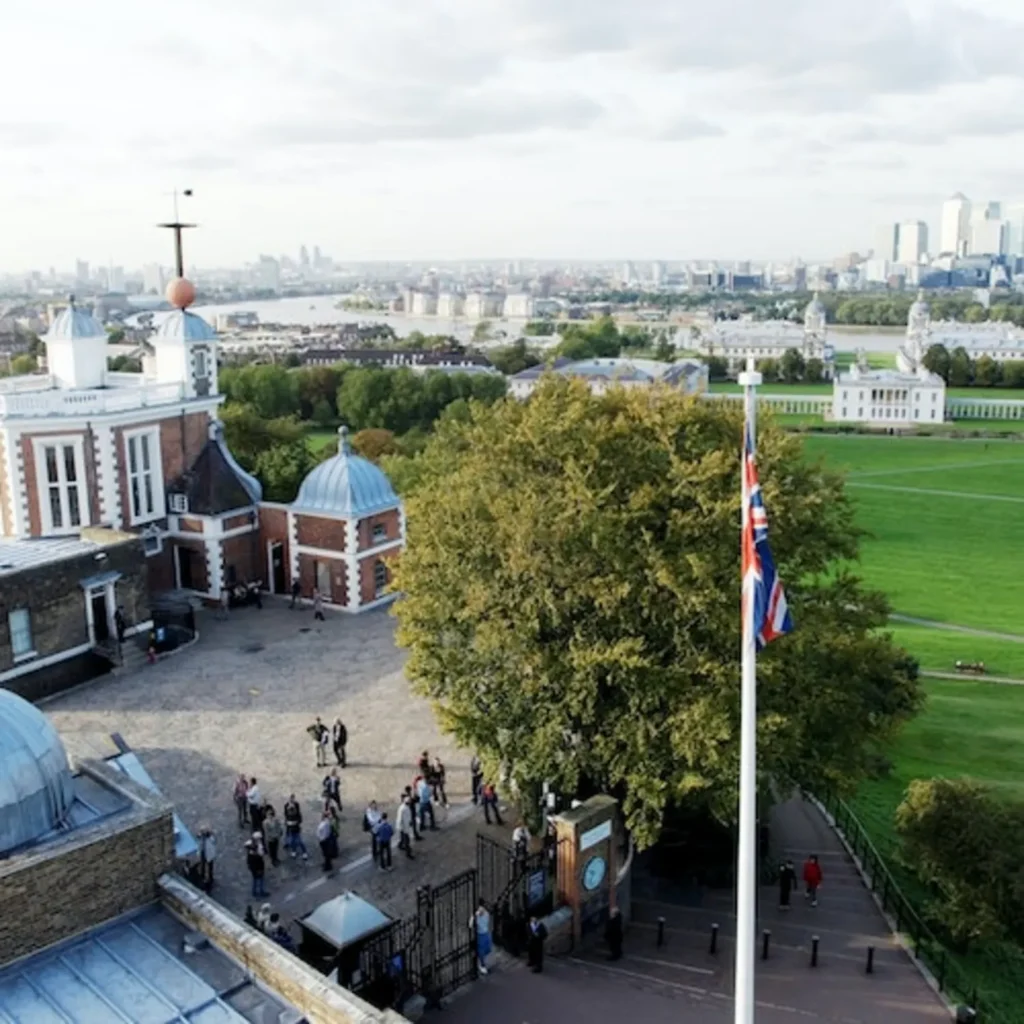
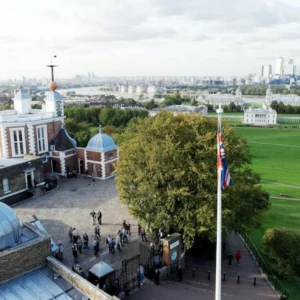
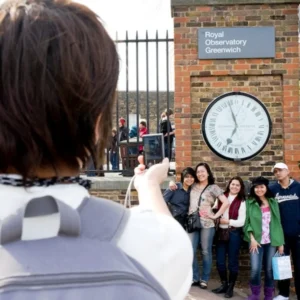
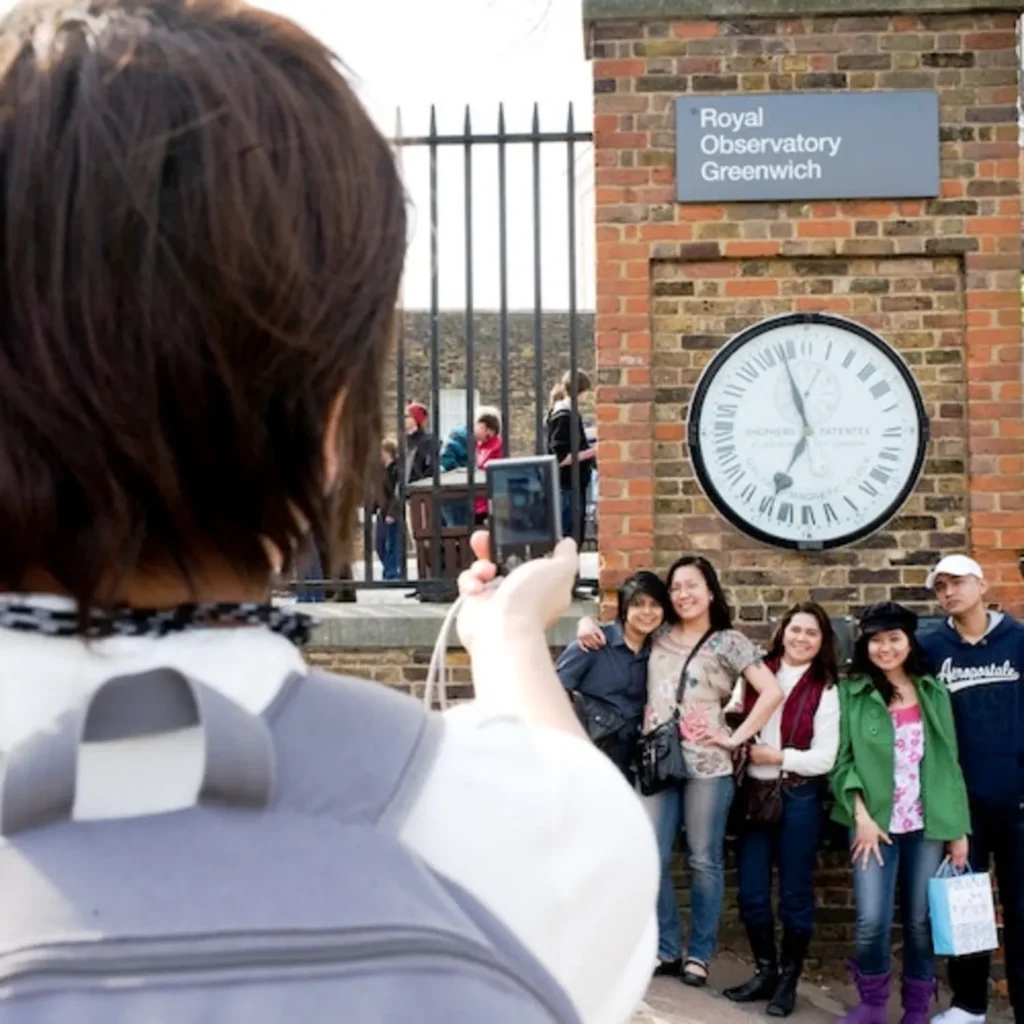
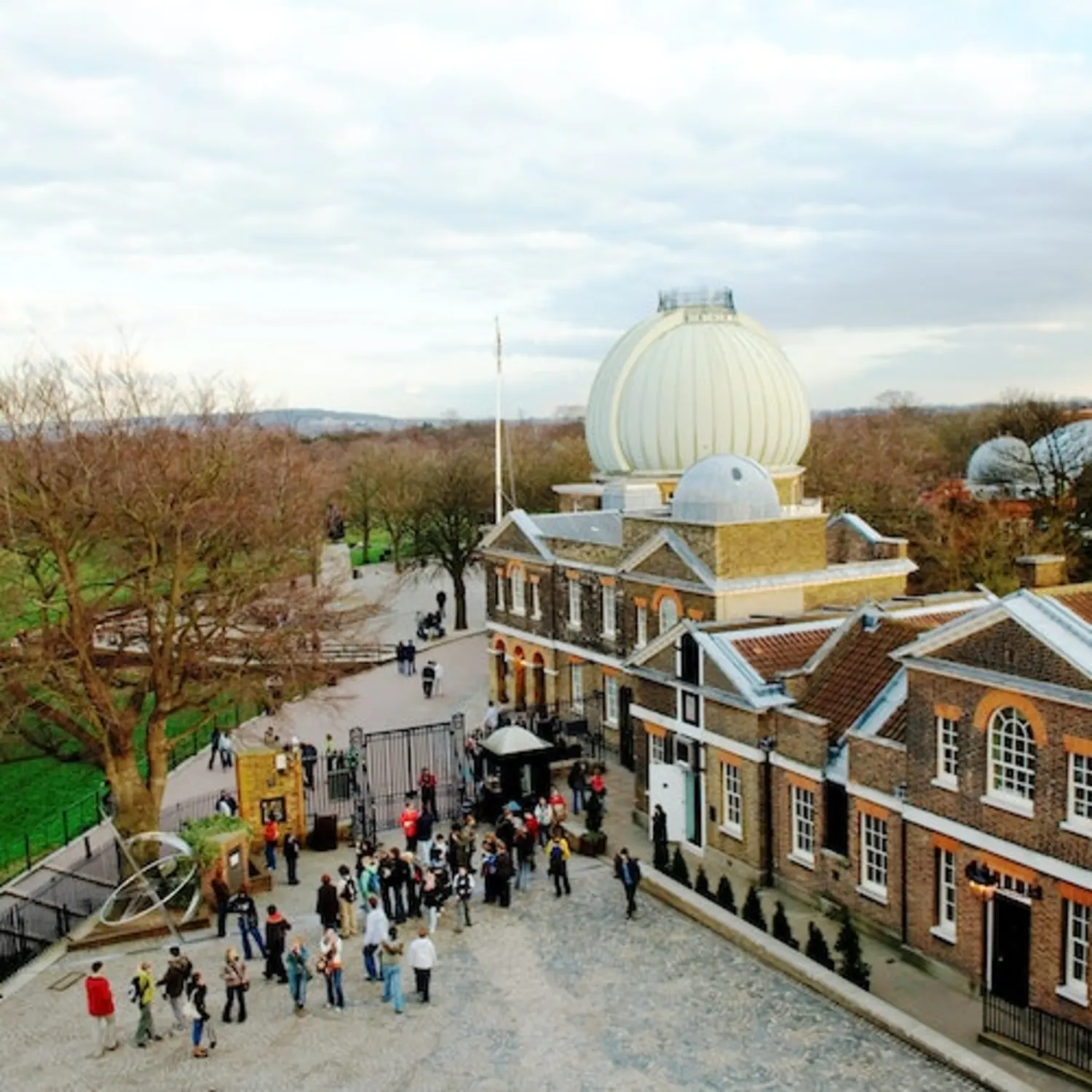
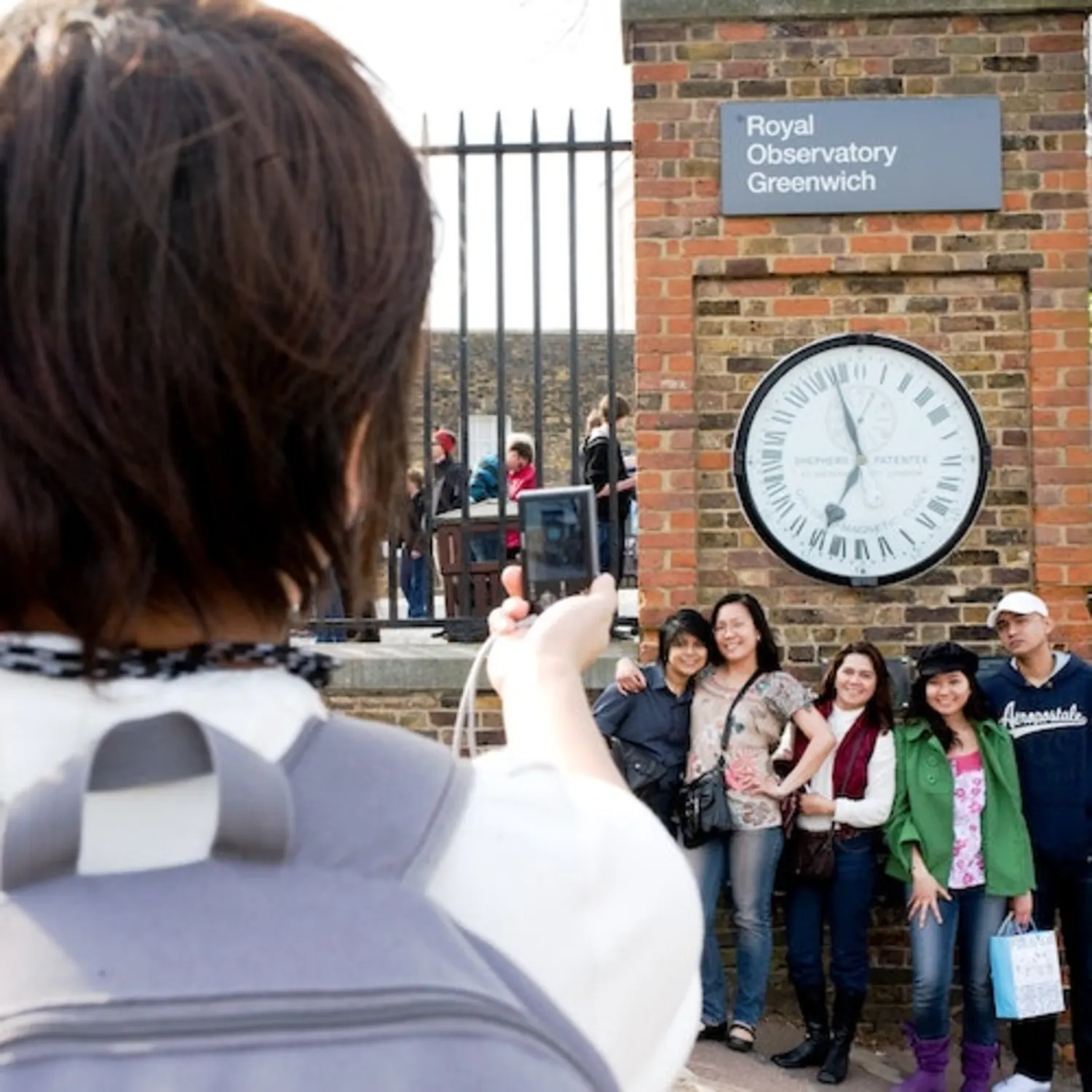
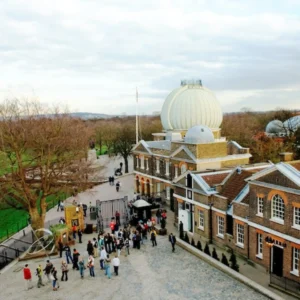
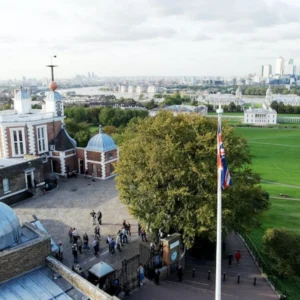
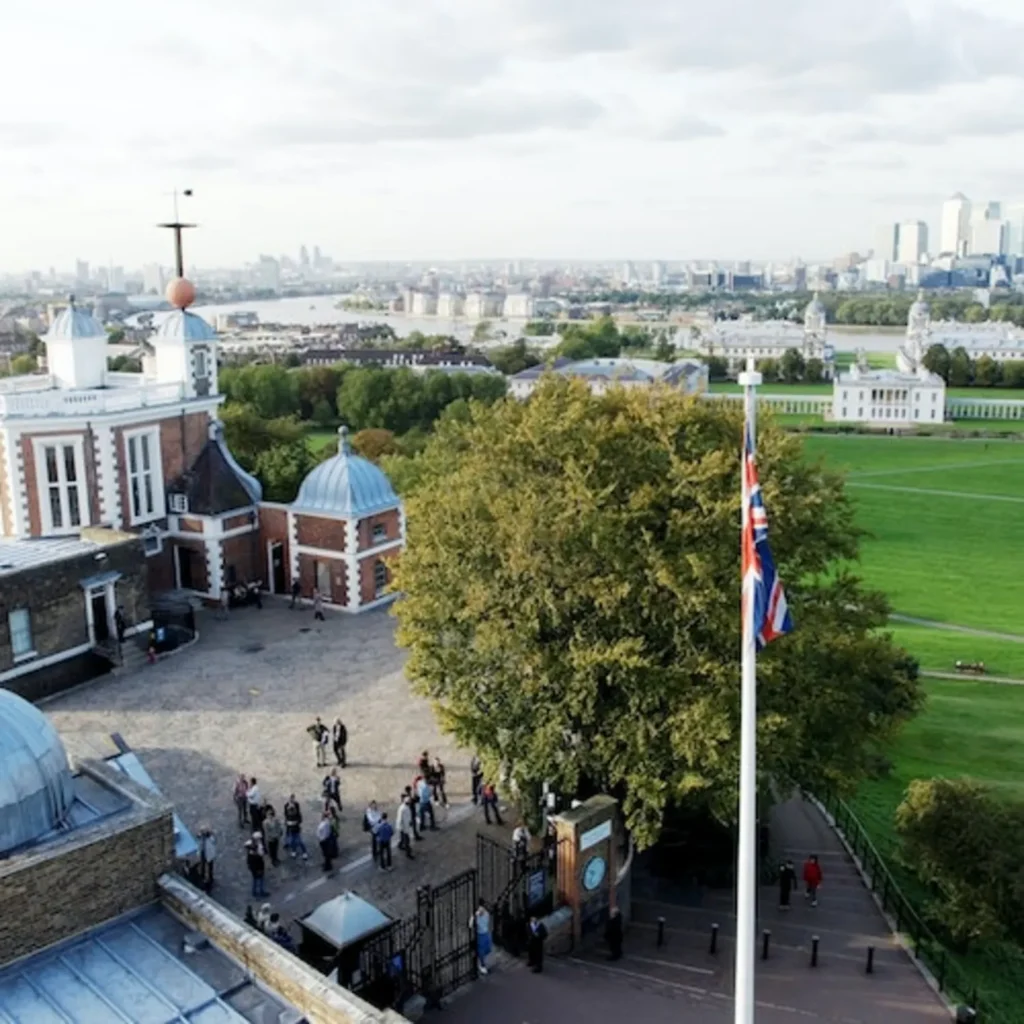
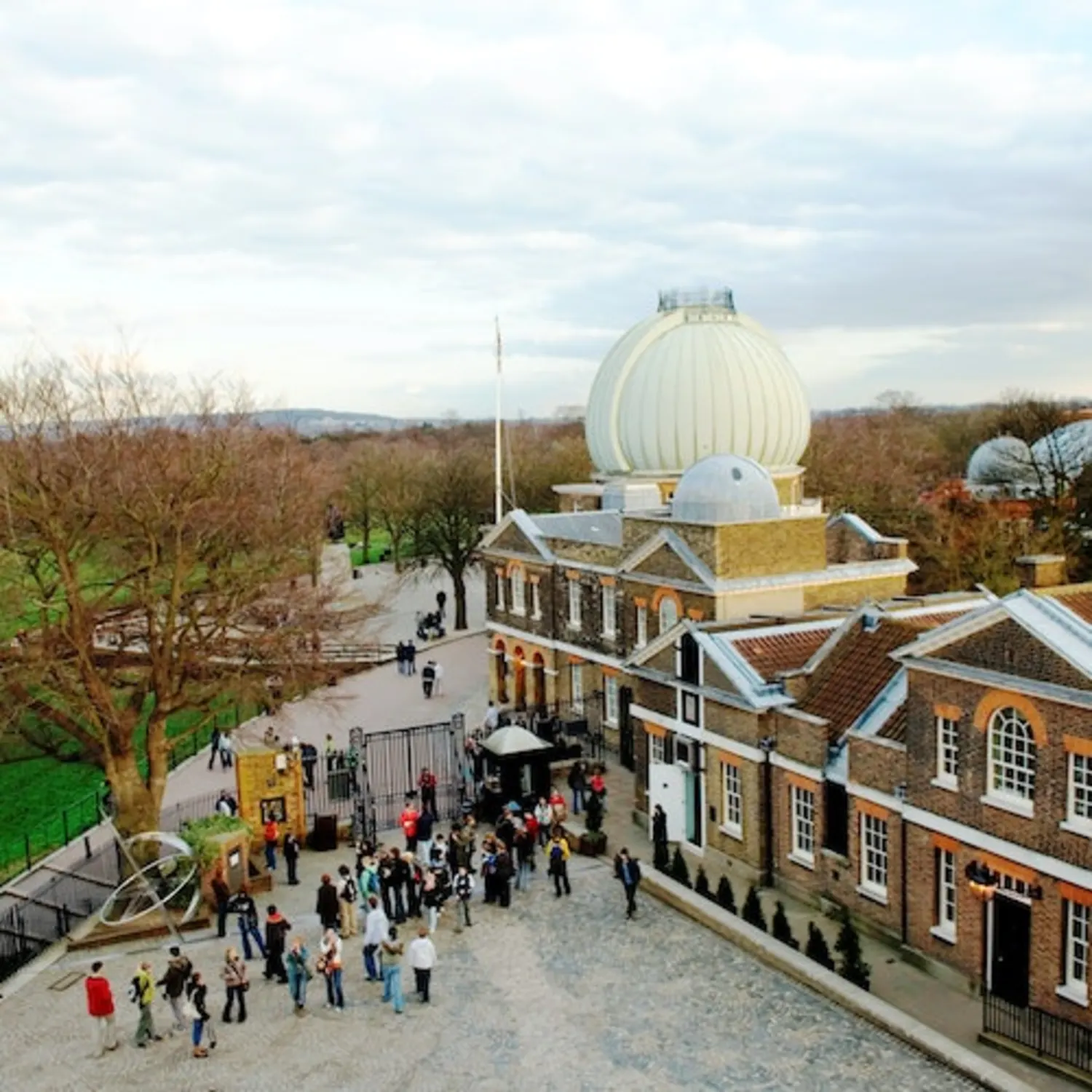
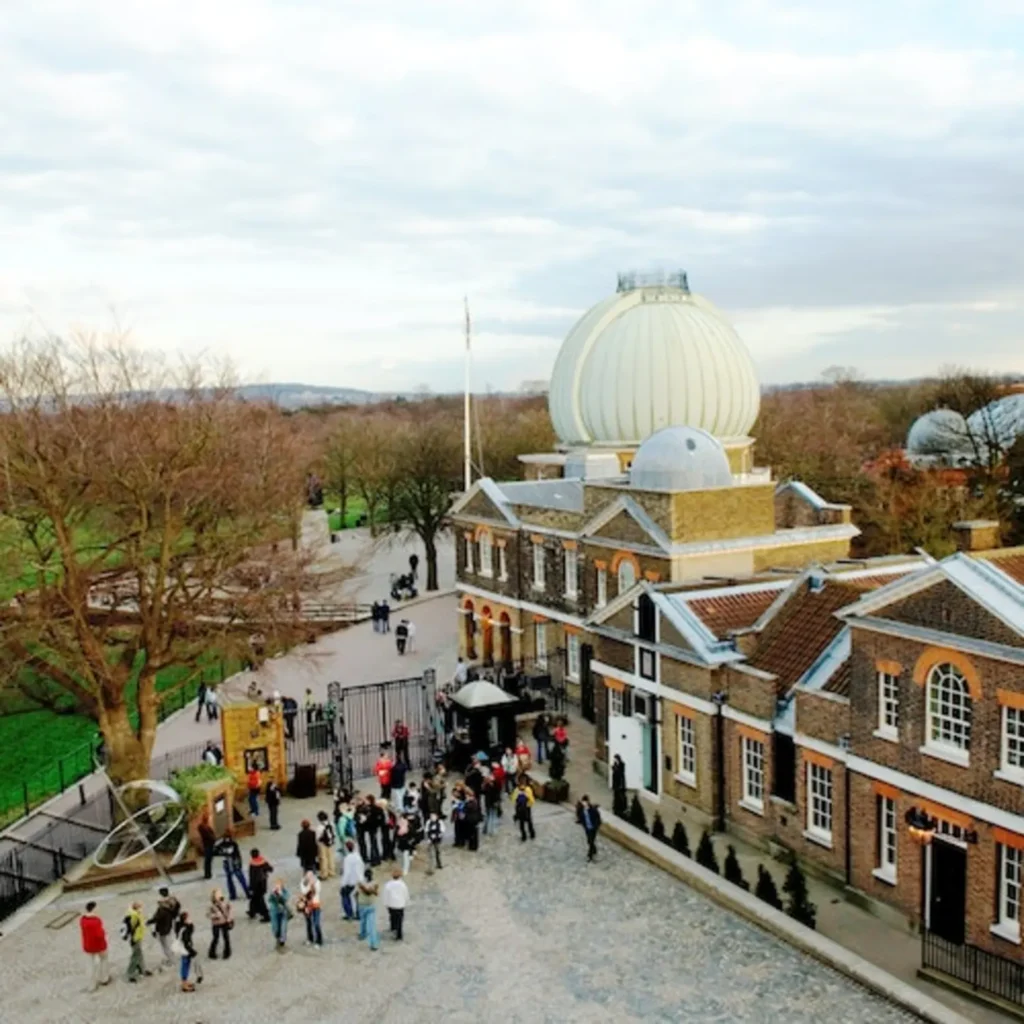
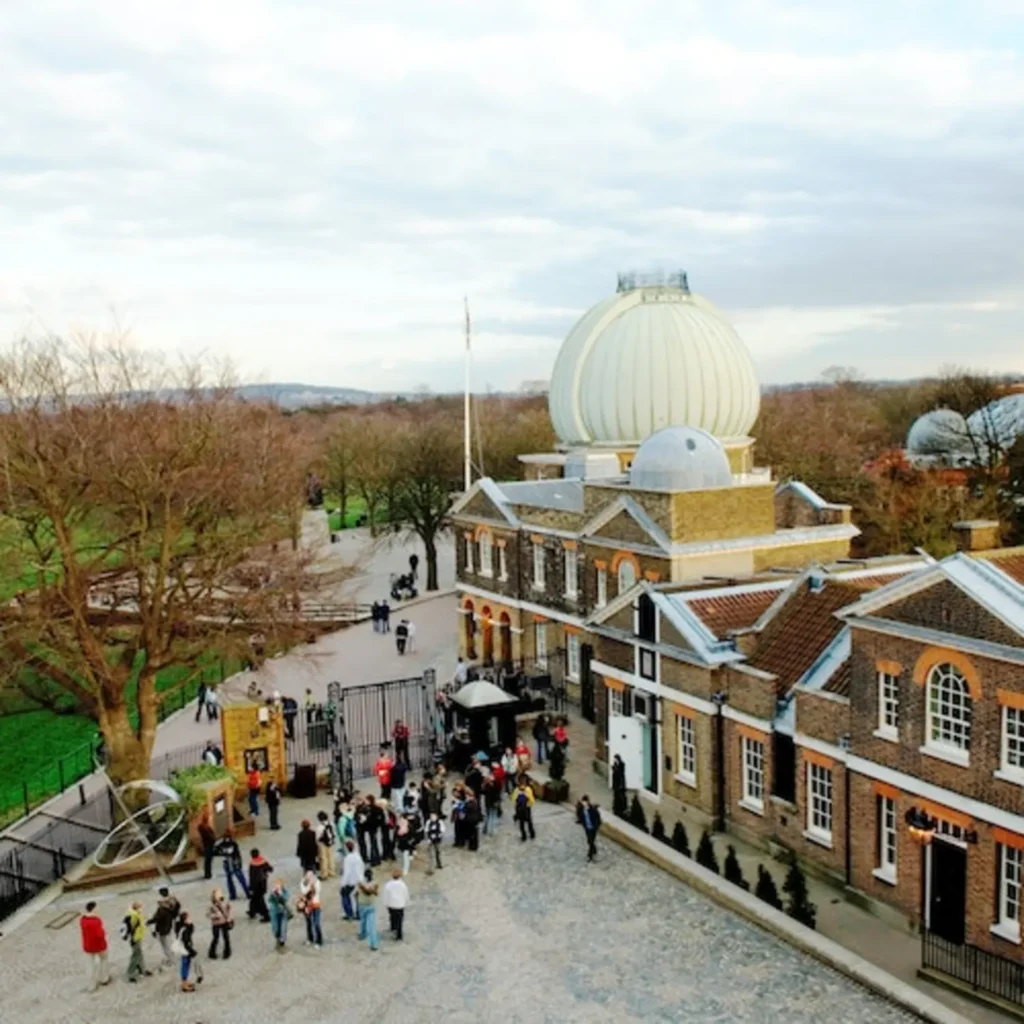
The Royal Observatory Greenwich gates, home to the Shepherd Gate Clock

The Shepherd Gate Clock: Greenwich's First Public GMT Clock

Fixed outside the Observatory gates since 1852, this 24-hour dial was probably the first clock to show Greenwich Mean Time directly to the public, and it still never changes for summer time.

The Clock Everyone Walks Past on the Way to the Gates

Most visitors walk straight past it on their way through the gates, but the Shepherd Gate Clock is one of the most quietly important clocks in the world. Fixed to the wall outside the Royal Observatory Greenwich since 1852, its unusual 24-hour face was probably the first clock anywhere to show Greenwich Mean Time to the public, free, no ticket required. For the Prime Meridian, the Time Ball and the rest of the hill’s story, see Royal Observatory Greenwich’s complete visitor overview.

Five Things to Know Before You Walk Past

Invented by Charles Shepherd, who patented his master-and-slave electric clock system in 1849 and demonstrated it at the 1851 Great Exhibition.

Installed outside the Observatory gates and running from 13 August 1852, at a cost of £75.

A 24-hour analogue dial - probably the first clock to show Greenwich Mean Time directly to the public.

It never adjusts for British Summer Time, so every summer it reads an hour “behind” the clock on your phone.

By 1853, the same master clock also triggered the Observatory’s own Time Ball and sent signals down telegraph lines to railways across Britain.

A Master Clock, and Dials That Obeyed It
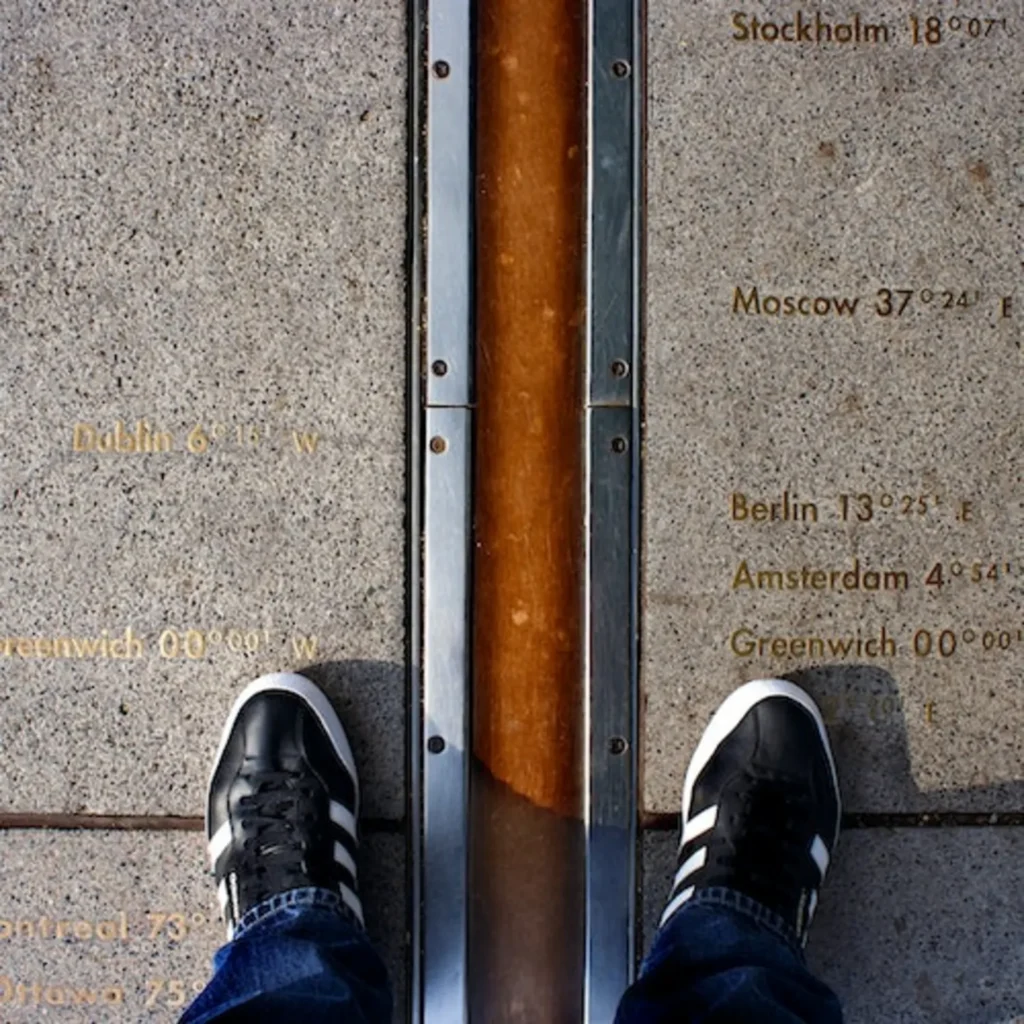
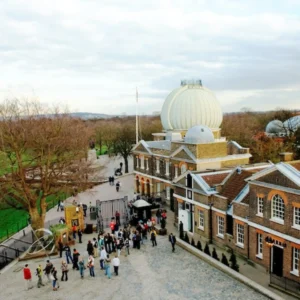
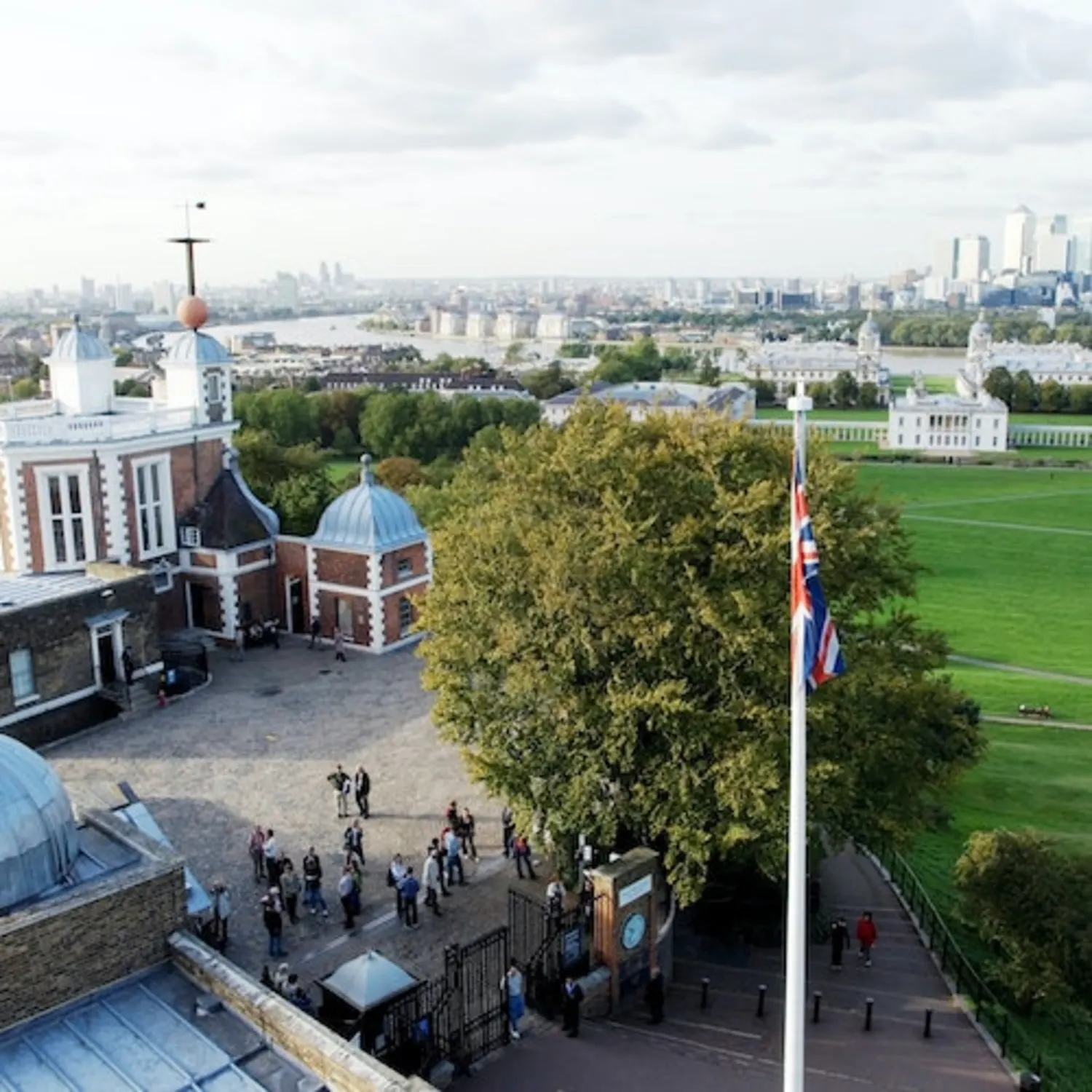
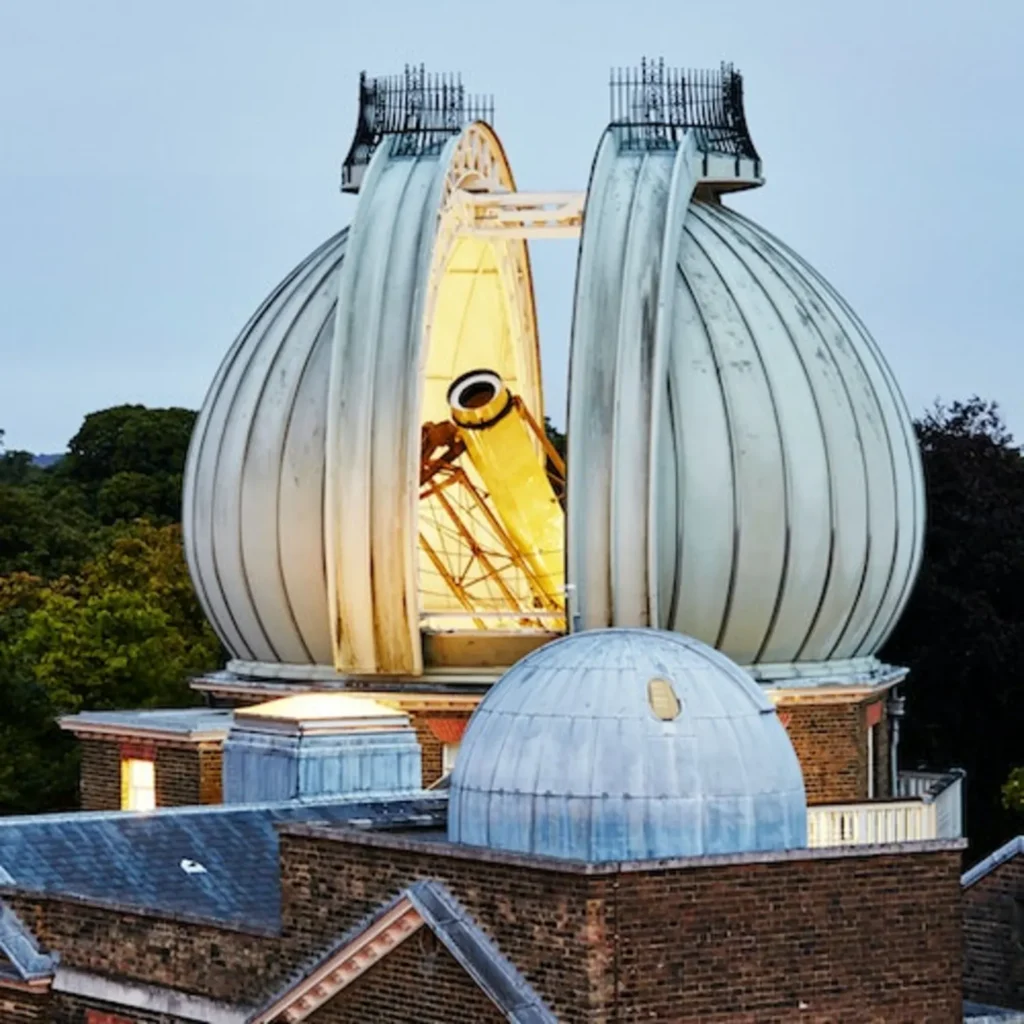
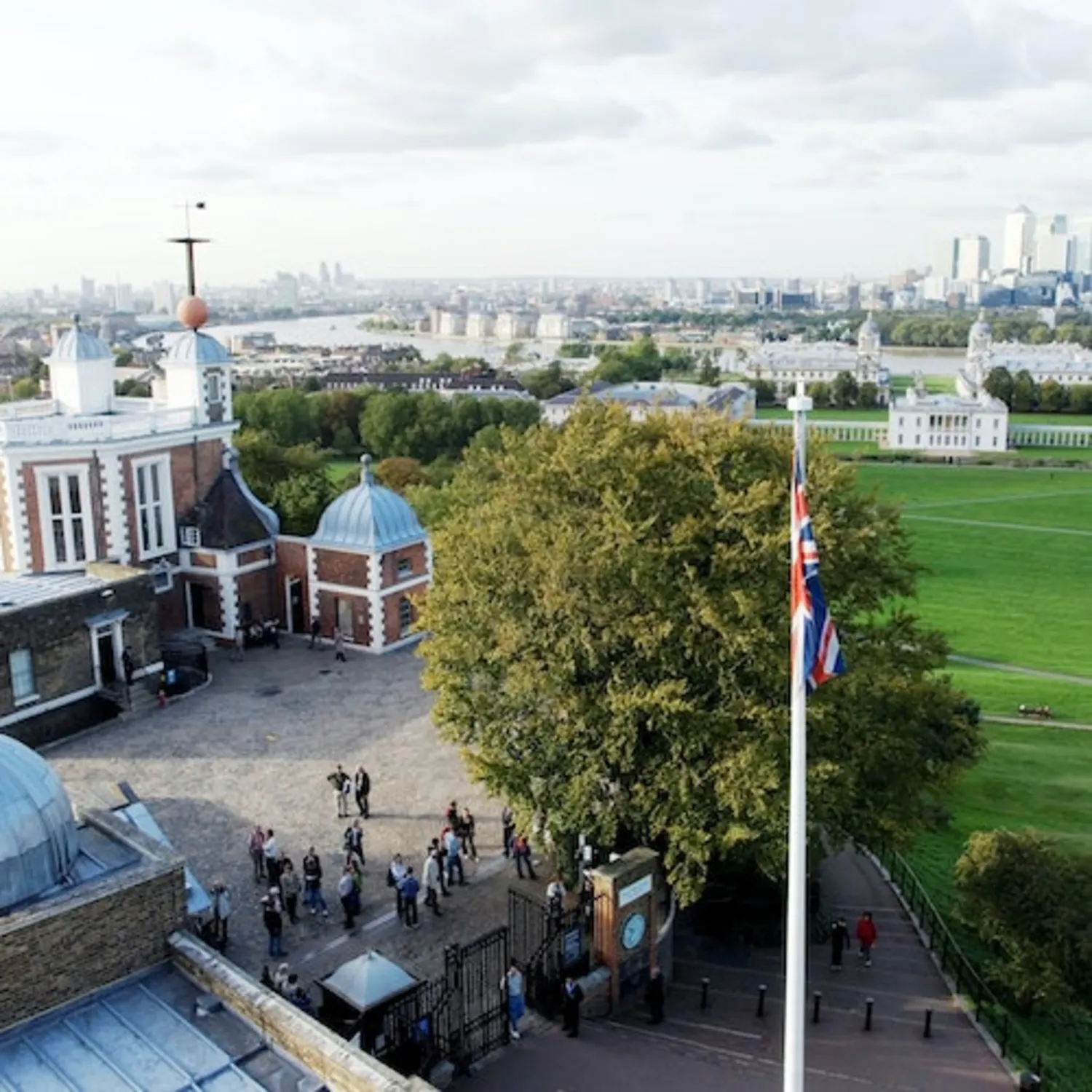
Royal Observatory Greenwich in Greenwich Park

Charles Shepherd was a young engineer with an idea: one master clock could send an electrical pulse to any number of “slave” dials, keeping them all in perfect step without their own mechanisms. He patented the system in 1849 and showed it off at the 1851 Great Exhibition in Hyde Park, where it caught the eye of Astronomer Royal George Airy.

Airy had the gate clock built into the Observatory’s outer wall soon after. It was running by 13 August 1852, cost the Observatory £75, and took its time from the same internal standard clock that, within a year, was also driving the Time Ball and sending Greenwich’s time down telegraph wires to railways across the country.

Bombed in the Blitz, Rebuilt to the Same Design
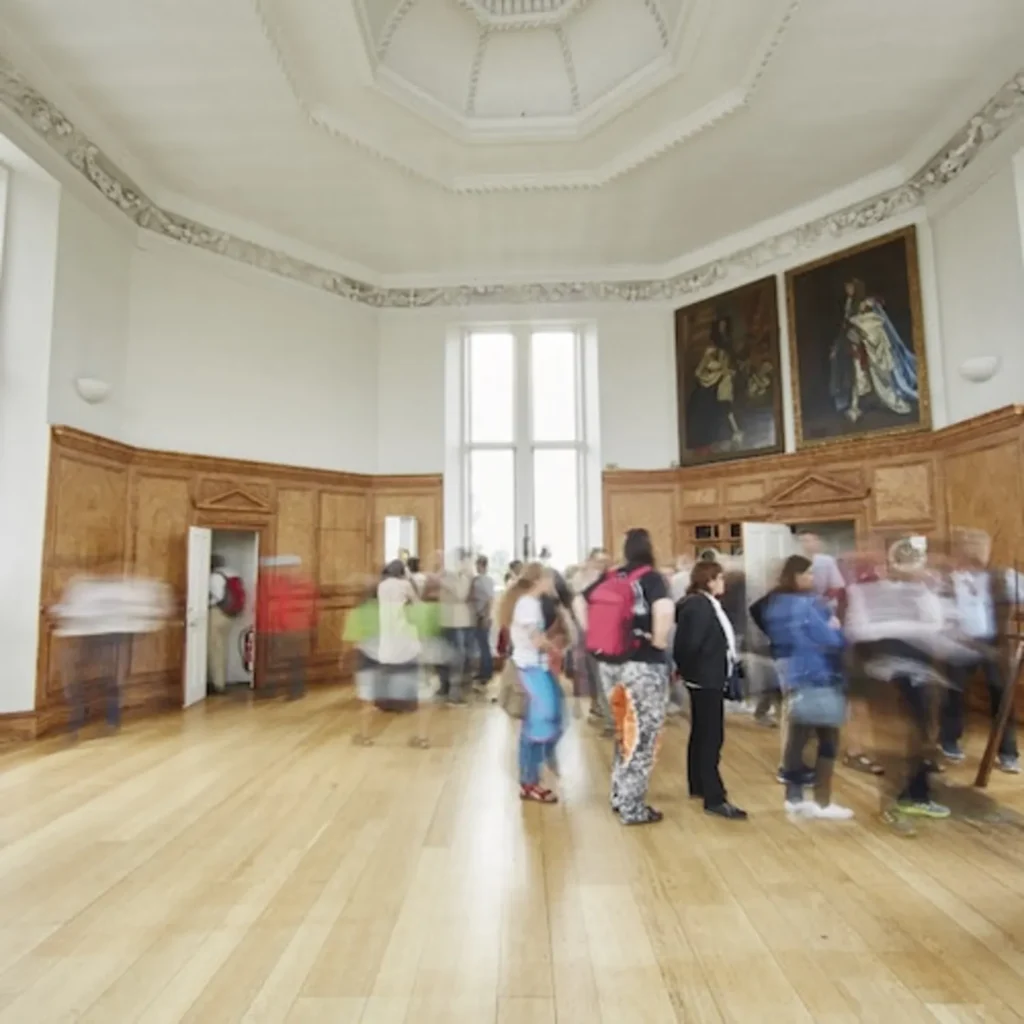
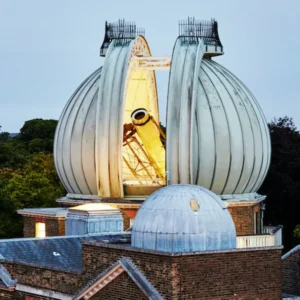
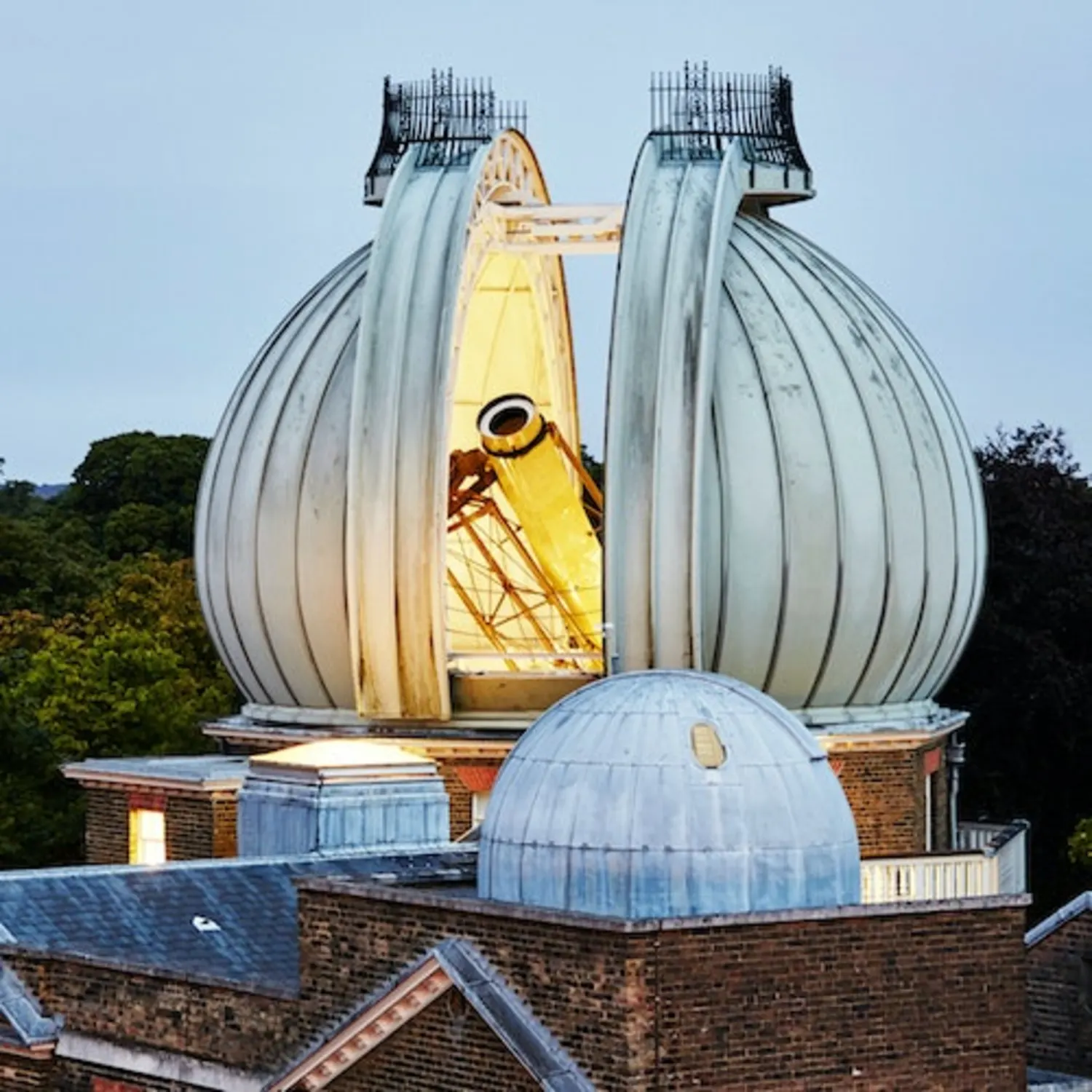
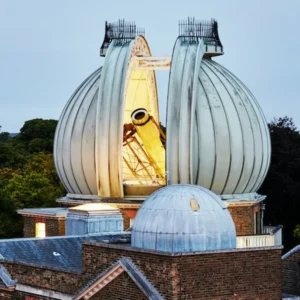
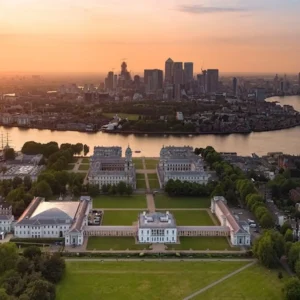
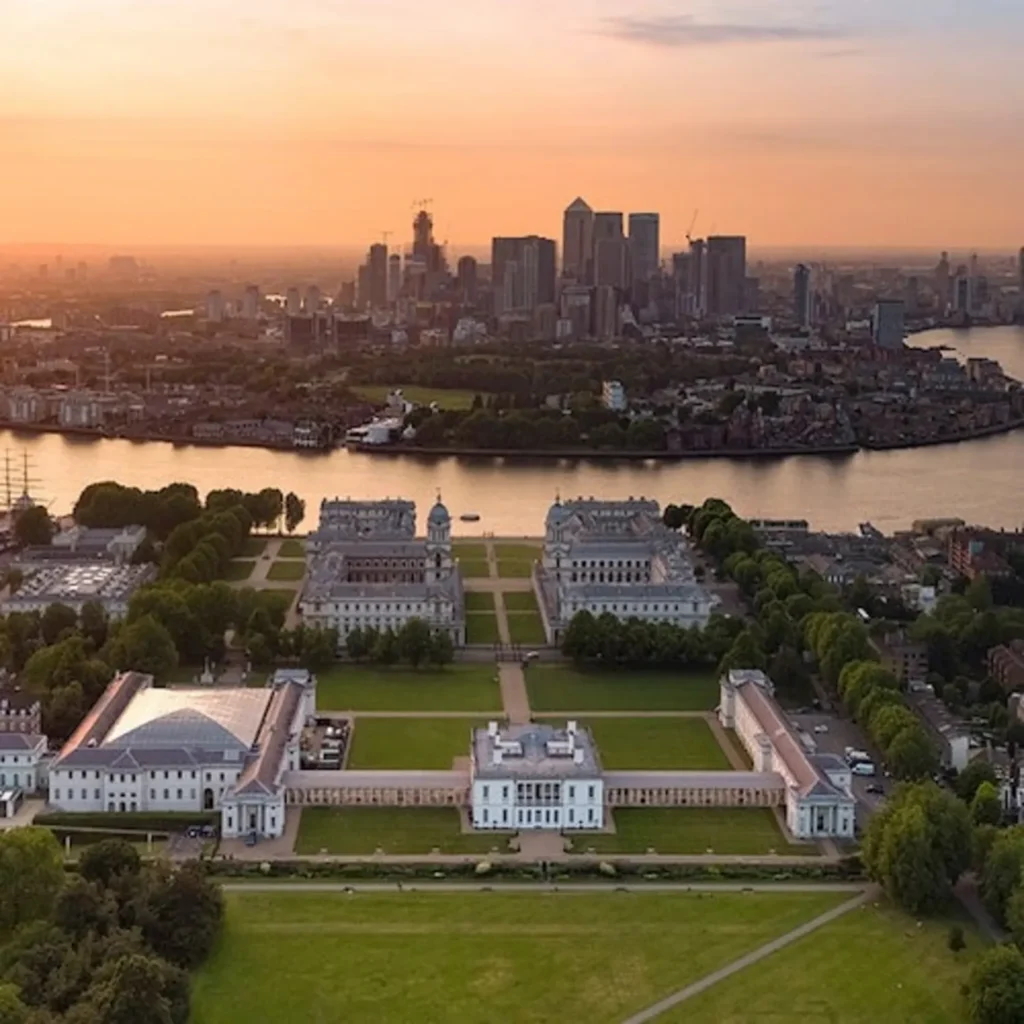
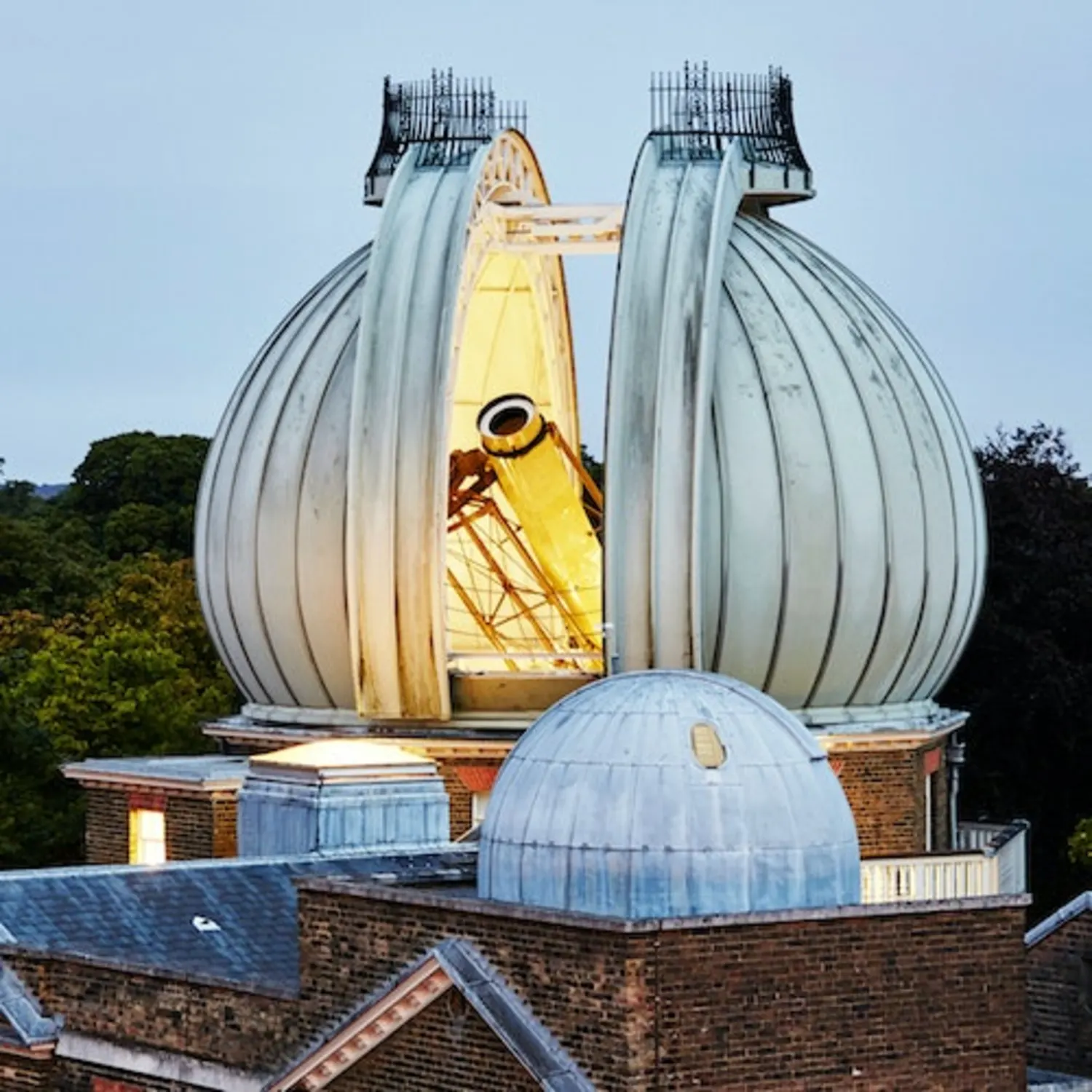
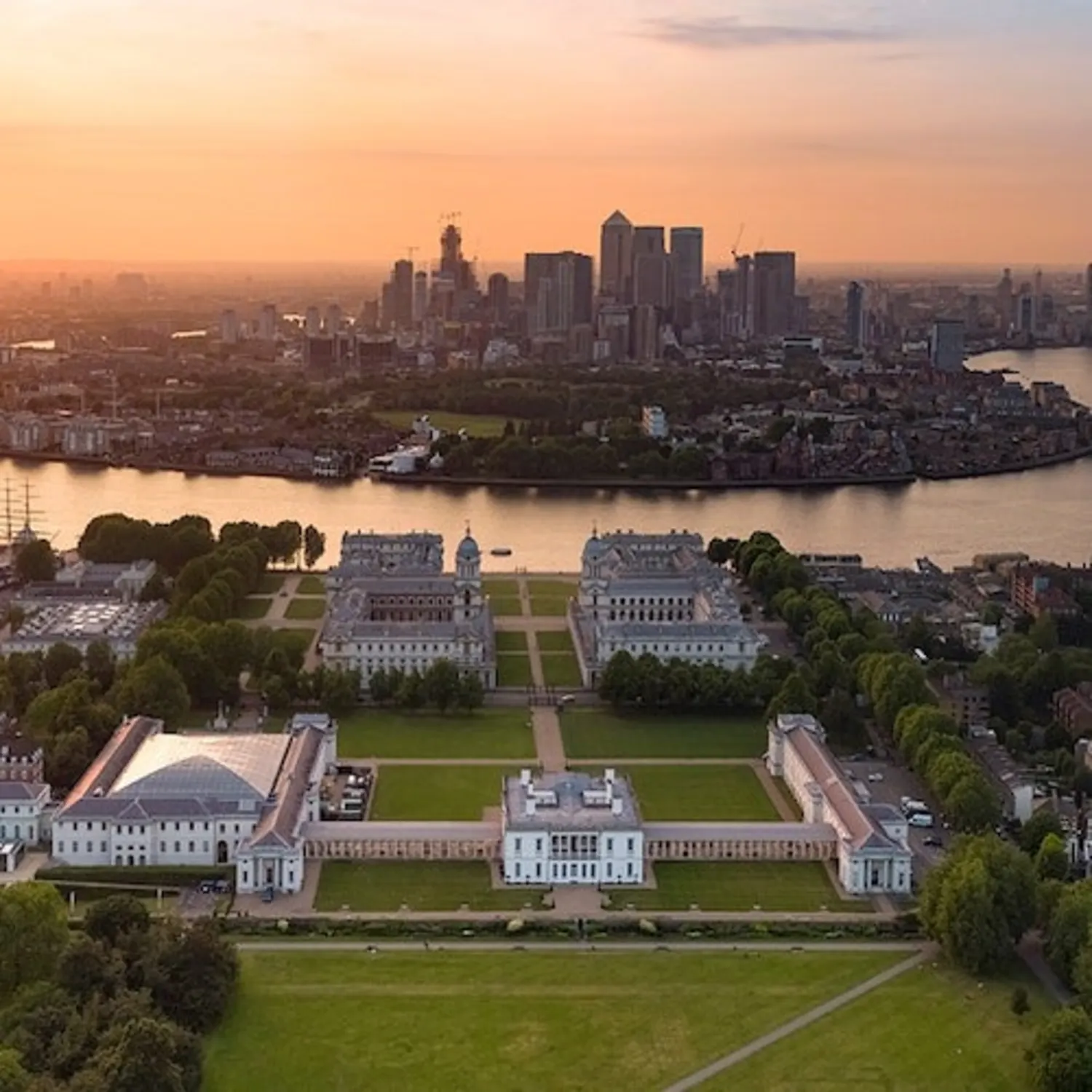
Royal Observatory Greenwich above Greenwich Park

The clock survived the Blitz, but only just. On 15 October 1940, a direct hit destroyed the courtyard gates next to it; the wall above the clock collapsed and the blast bowed its dial outward.

The clock’s workings, tucked safely inside, came through undamaged. Messrs James Cooke and Son of Birmingham built a replacement dial in 1947, close enough to the original that most visitors never notice the difference - though the replica’s face is very slightly domed, and its lettering quietly drops the hyphens from the original “galvano-magnetic-clock” inscription.

Royal Observatory Greenwich: Admission Ticket

Highlights

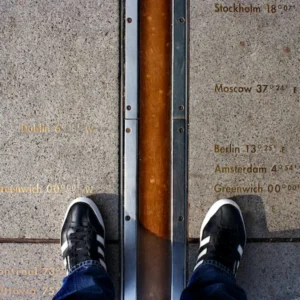
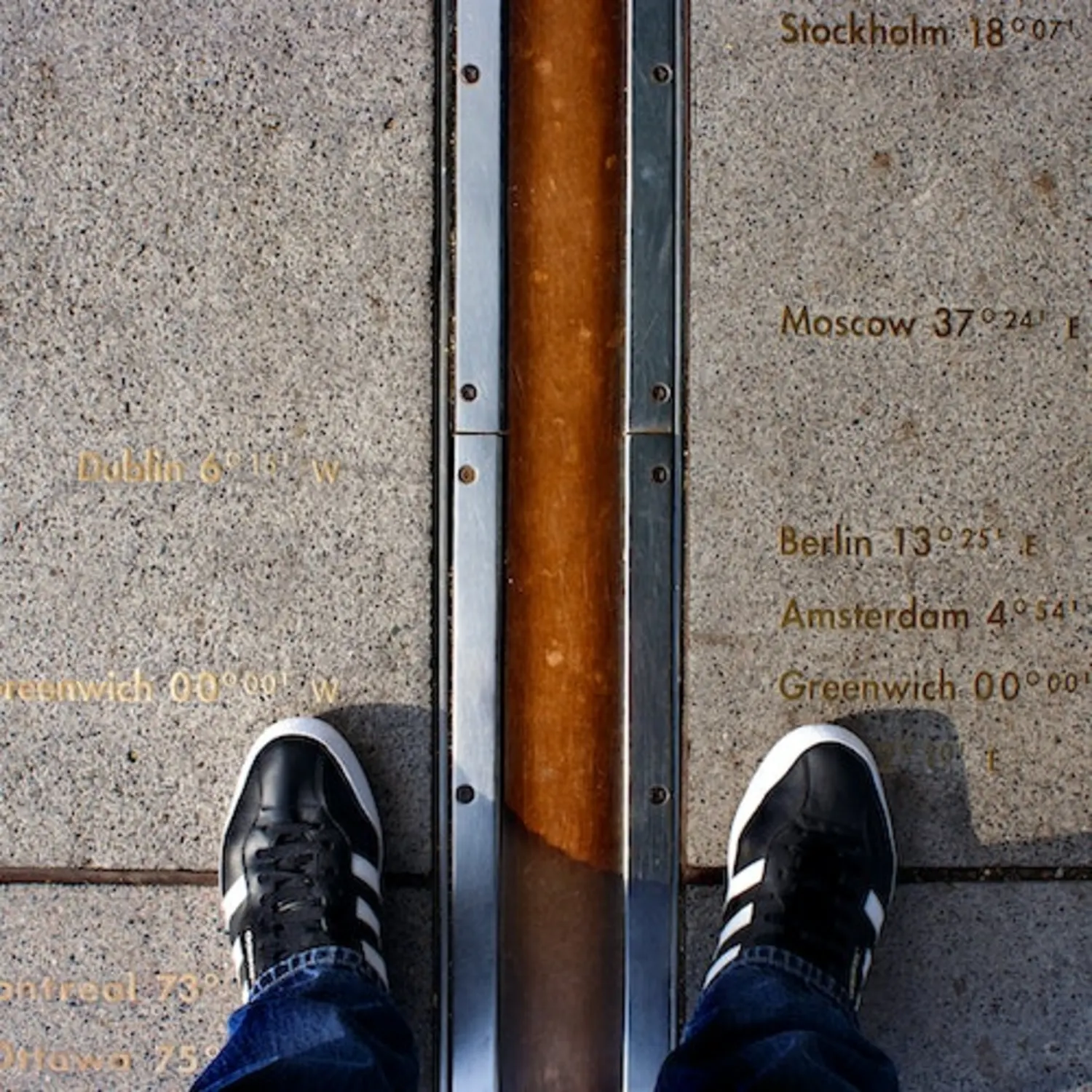
Experience standing on the Prime Meridian, dividing eastern and western hemispheres.

Discover the rich history behind Greenwich Mean Time (GMT) established here.

View remarkable astronomical instruments and exhibits including John Harrison’s timekeepers.

Time your visit to see the Time Ball drop, a historical time signal at 1 PM daily.

Enjoy panoramic views from this iconic observatory site overlooking Greenwich.
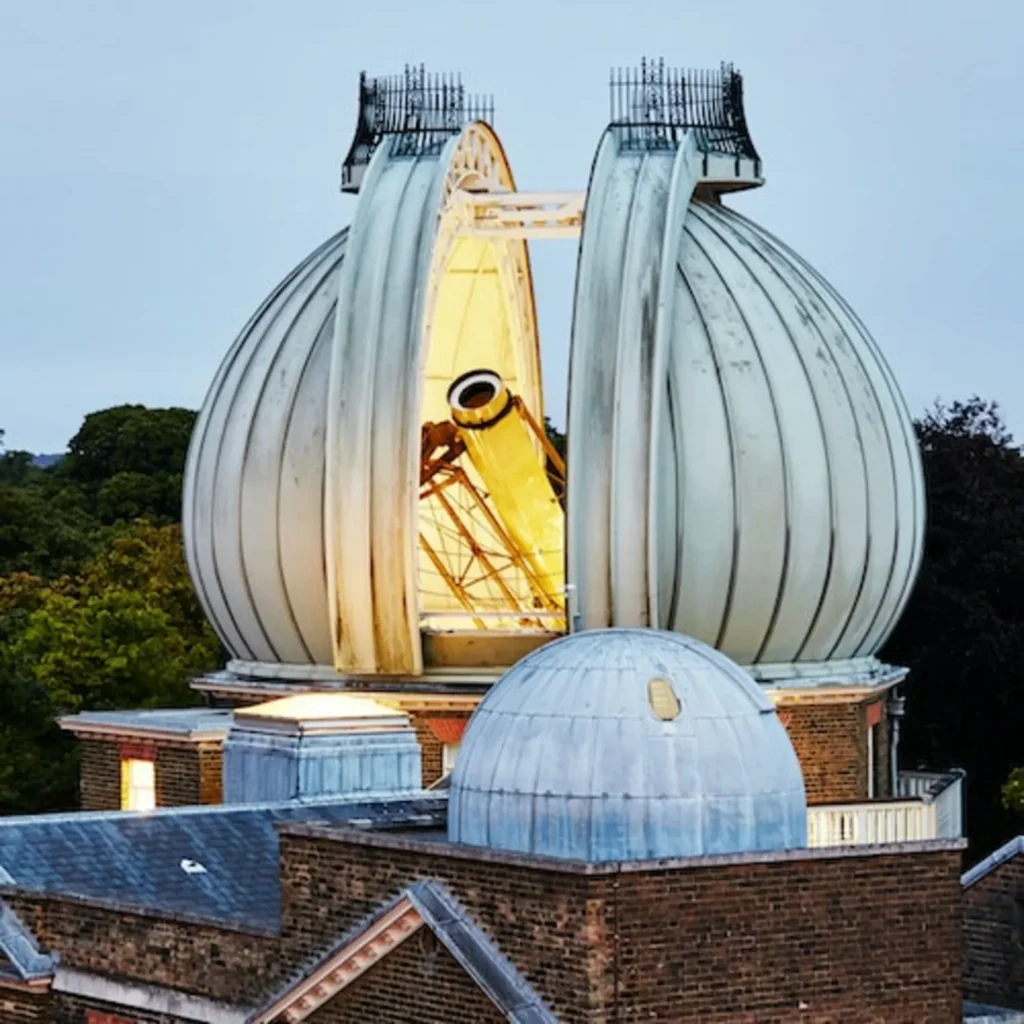
Royal Museums Greenwich Day Pass

Highlights

Entry to four iconic attractions in London’s Greenwich area.

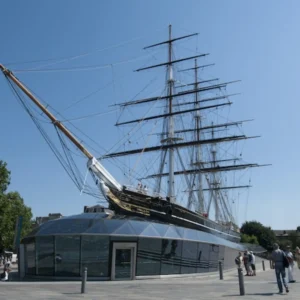
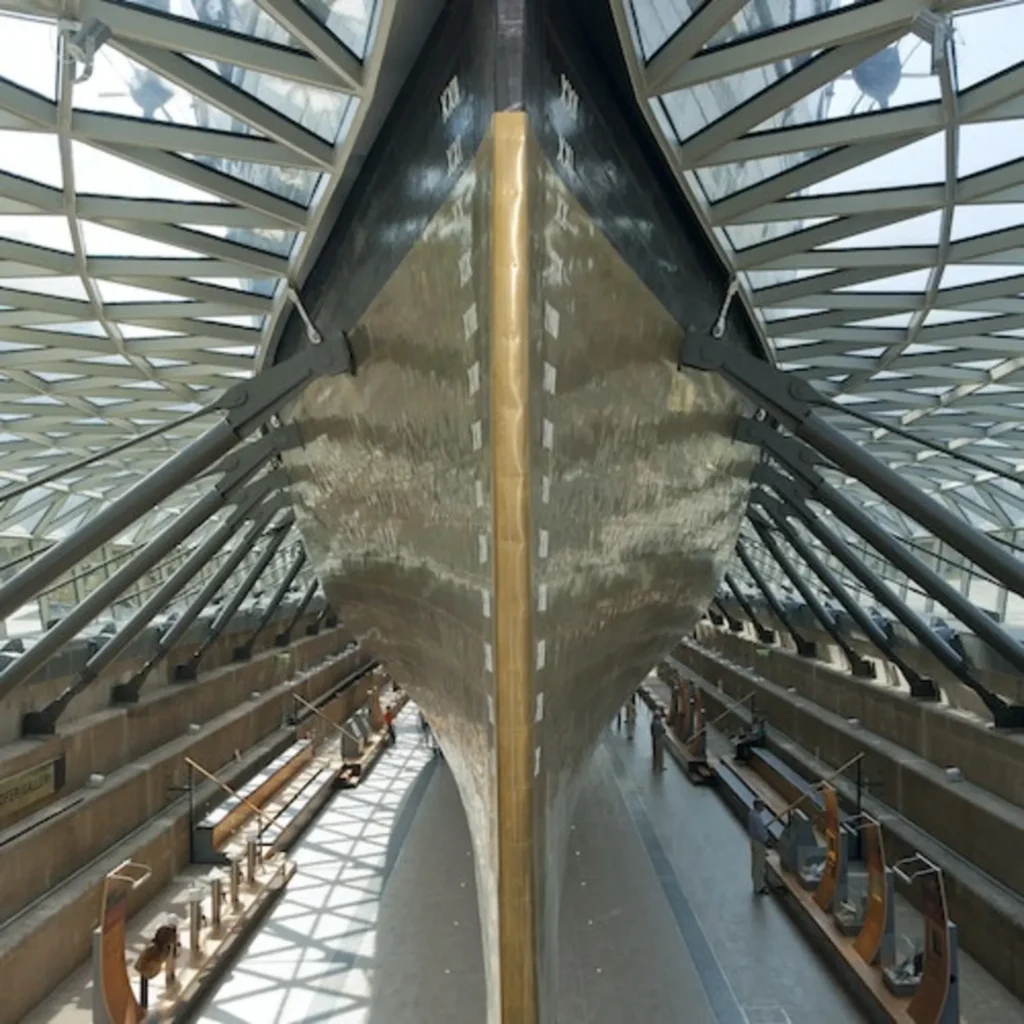
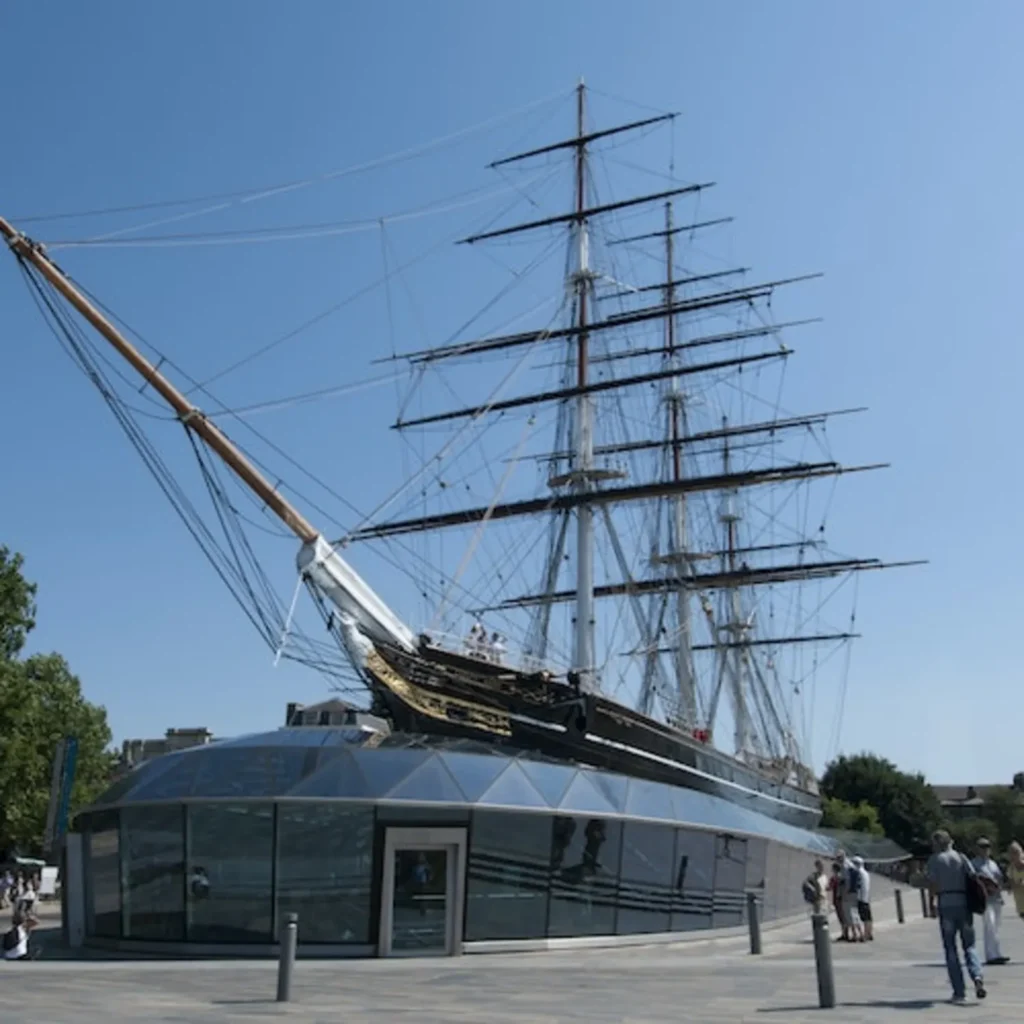
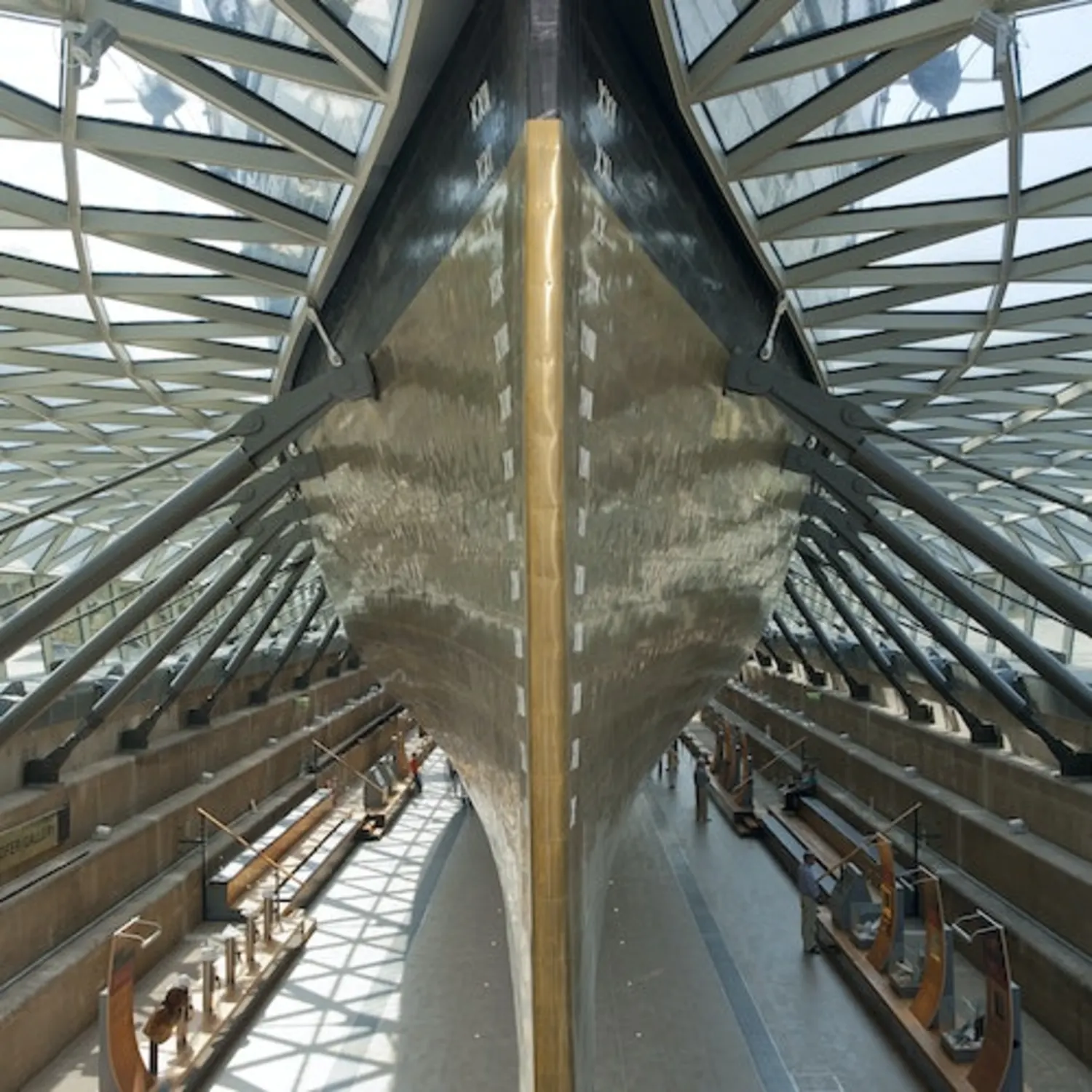
Explore the historic tea clipper, Cutty Sark.

Visit the Royal Observatory and stand on the Meridian Line.

Discover Britain’s maritime heritage at the National Maritime Museum.

Experience 17th-century elegance at the Queen’s House.
Free to See, Any Time You’re on the Hill

Seeing the Shepherd Gate Clock costs nothing and takes no booking - it’s right there on the wall whenever you walk up the hill. The rest of Flamsteed House and the Observatory galleries stay open only until 2 November 2026, before the site closes for the First Light building works.

Questions About the Shepherd Gate Clock

What is the Shepherd Gate Clock?

It's the 24-hour dial fixed to the Royal Observatory Greenwich's outer wall since 1852, built by Charles Shepherd and probably the first clock anywhere to show Greenwich Mean Time directly to the public.

Do I need a ticket to see the Shepherd Gate Clock?

No. It's mounted on the outside of the Observatory wall and free to see any time - you only need a ticket for the rest of the hill, like Flamsteed House and the Prime Meridian.

Why does the Shepherd Gate Clock show a 24-hour dial?

Because it was built to display precise astronomical time without the ambiguity of a 12-hour face - at 1pm the hour hand points straight down instead of straight up, a detail that still confuses first-time visitors.

Does the Shepherd Gate Clock change for daylight saving time?

No, it never has. It shows Greenwich Mean Time year-round, so every summer under British Summer Time it reads an hour behind the clock on your phone.

Was the Shepherd Gate Clock damaged in WWII?

Yes. A direct hit on 15 October 1940 destroyed the courtyard gates beside it and bowed the dial outward. The mechanism survived, and a replacement dial was fitted in 1947, the one visitors see today.

Is the Shepherd Gate Clock the same as the clock that drops the Time Ball?

They're closely related but not identical: both take their timing from the same family of master clocks the Observatory built from 1852 onward, one driving a public dial, the other releasing the red ball on Flamsteed House's roof.

How far did Greenwich time spread thanks to this clock system?

A long way. By 1853 it was feeding railway signals across Britain, and by 1866 it reached Harvard University in the US via a submarine telegraph cable, part of Greenwich's rise as the world's time standard.

This website sells official tickets for this venue. Please note, however, that it is not the official website of the venue.

The images and videos on this website may contain visual elements that have been created or enhanced using AI technology. They are provided for illustrative purposes only.