We are processing your request.
Please, don't close or refresh the page.
The Royal Observatory Greenwich, home of the Time Ball

The Greenwich Time Ball: Why a Red Ball Still Drops at 1pm

Since 1833, a bright red ball on Flamsteed House's roof has risen and dropped daily at the Royal Observatory Greenwich, one of the world's earliest public time signals and the idea behind every New Year's Eve ball drop since.

A Ball of Time Above Flamsteed House’s Roof

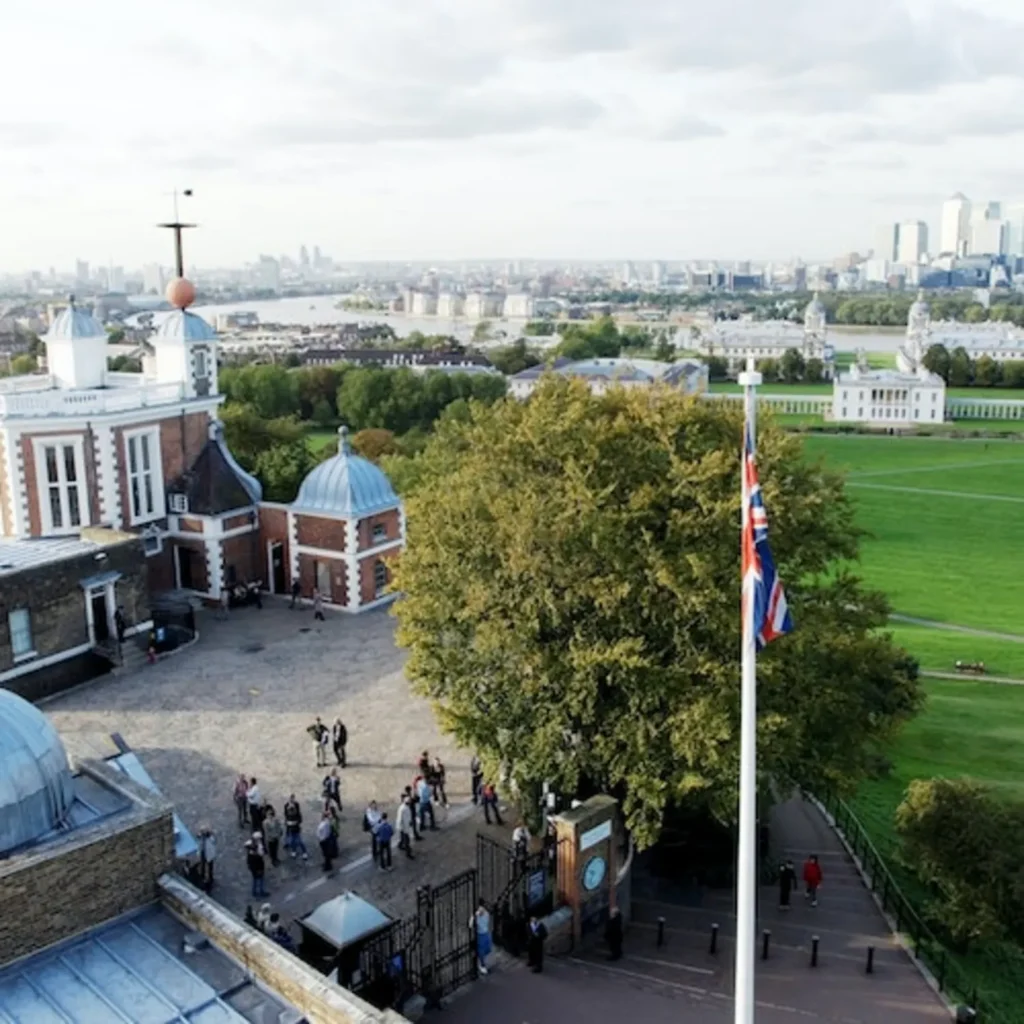
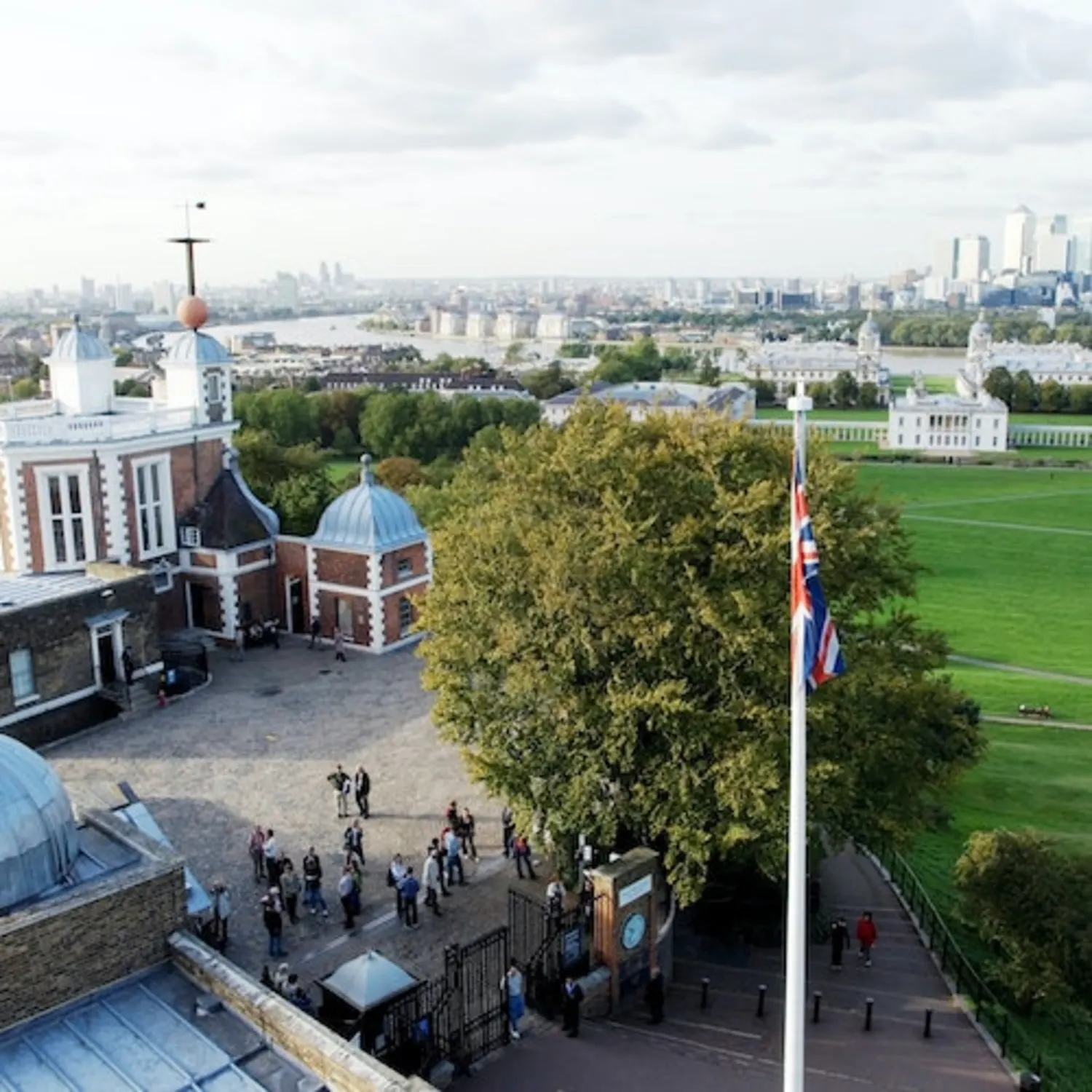
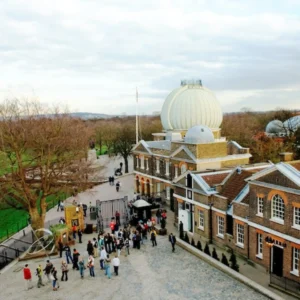
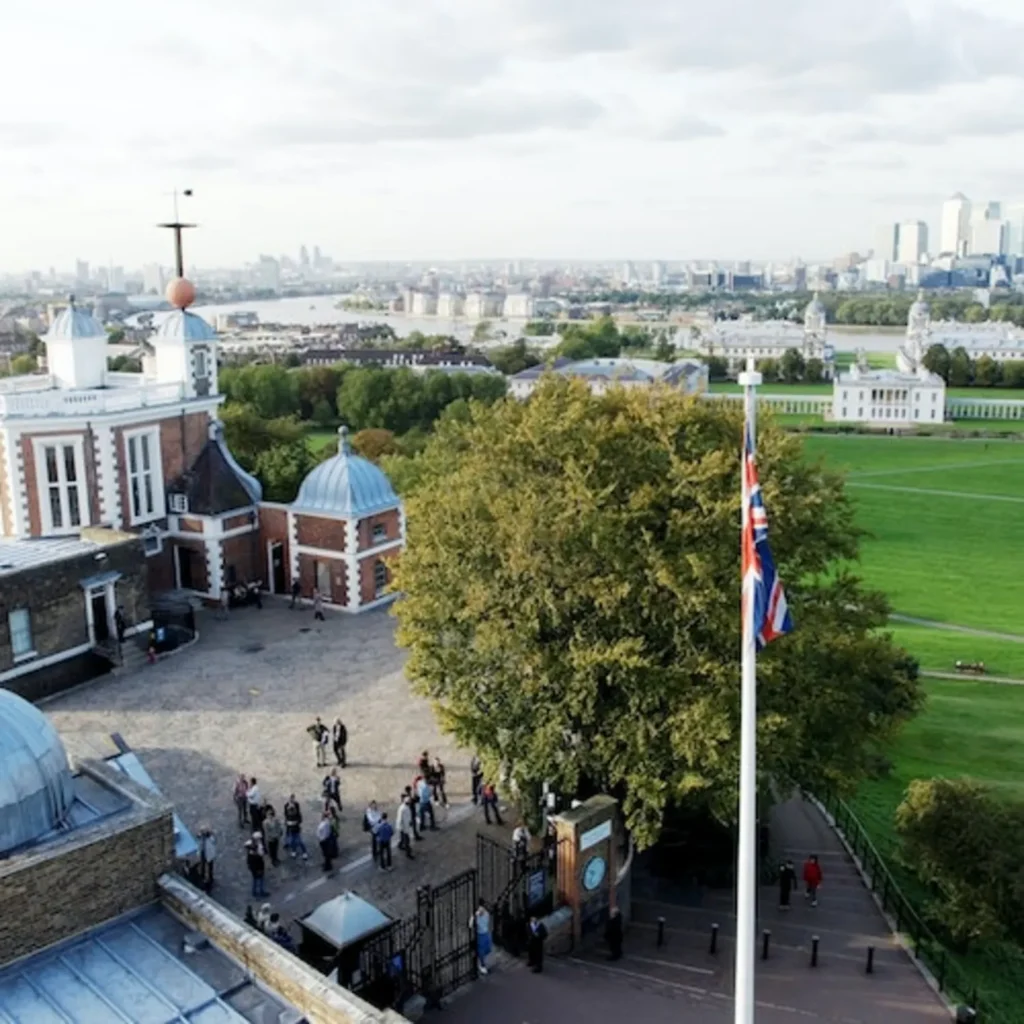
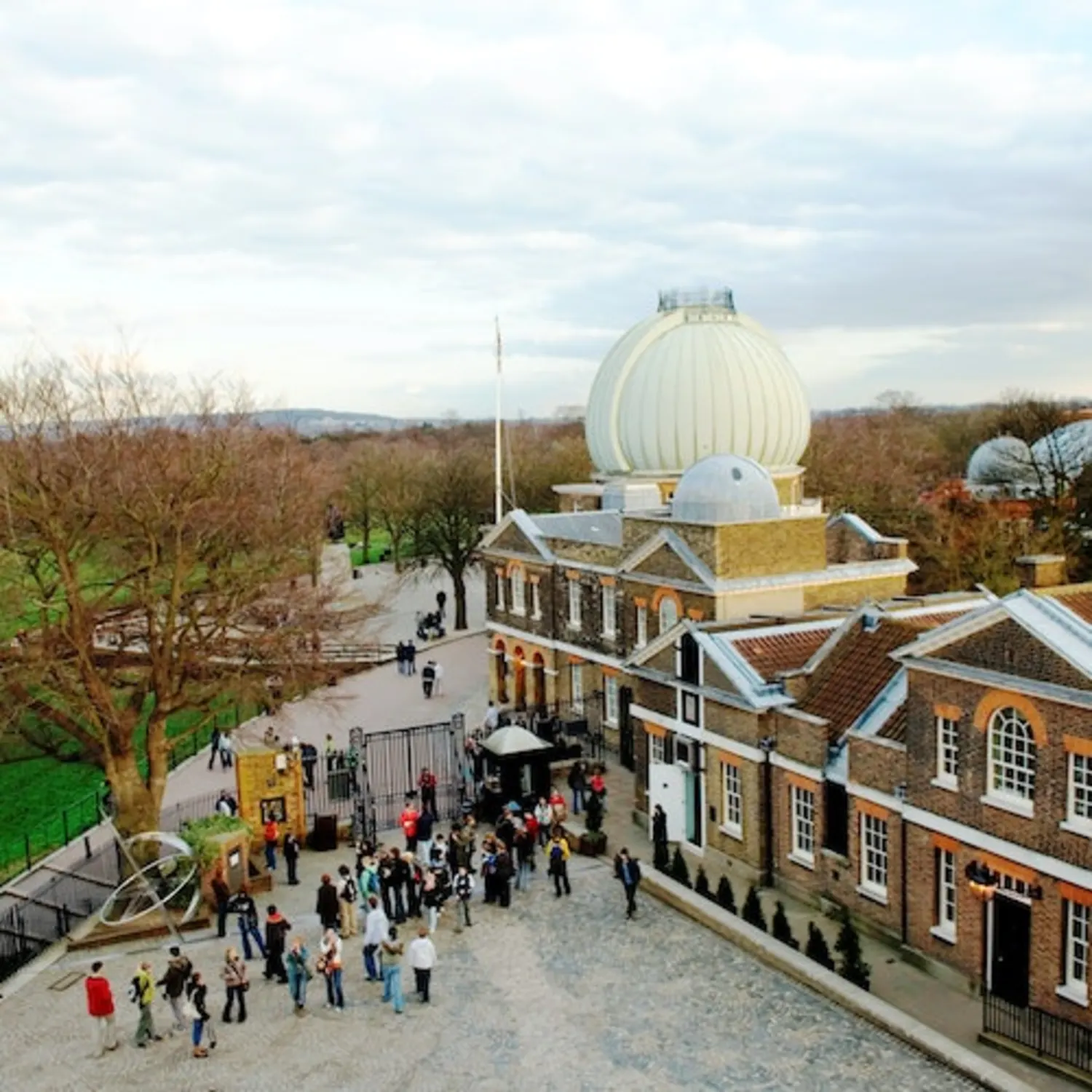
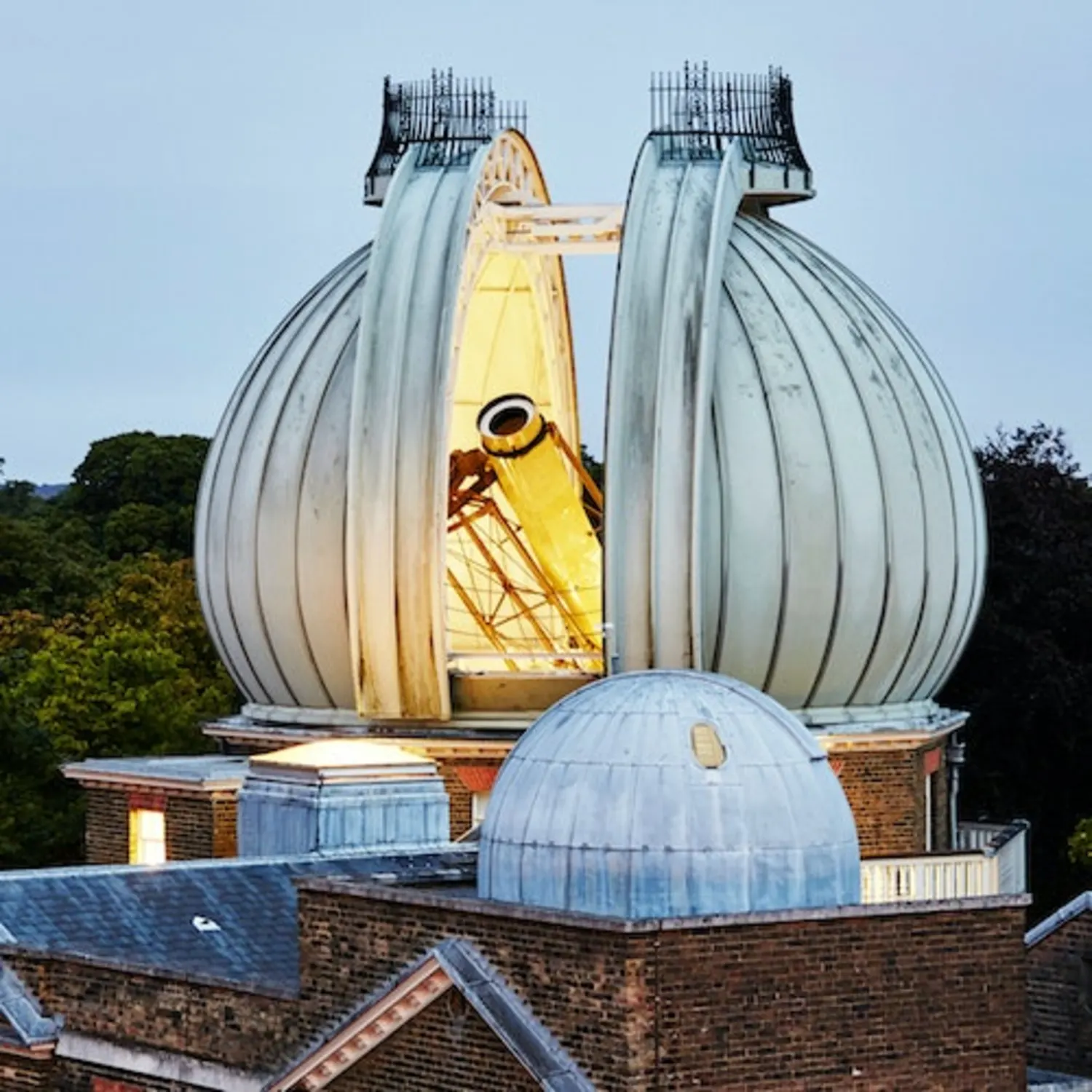
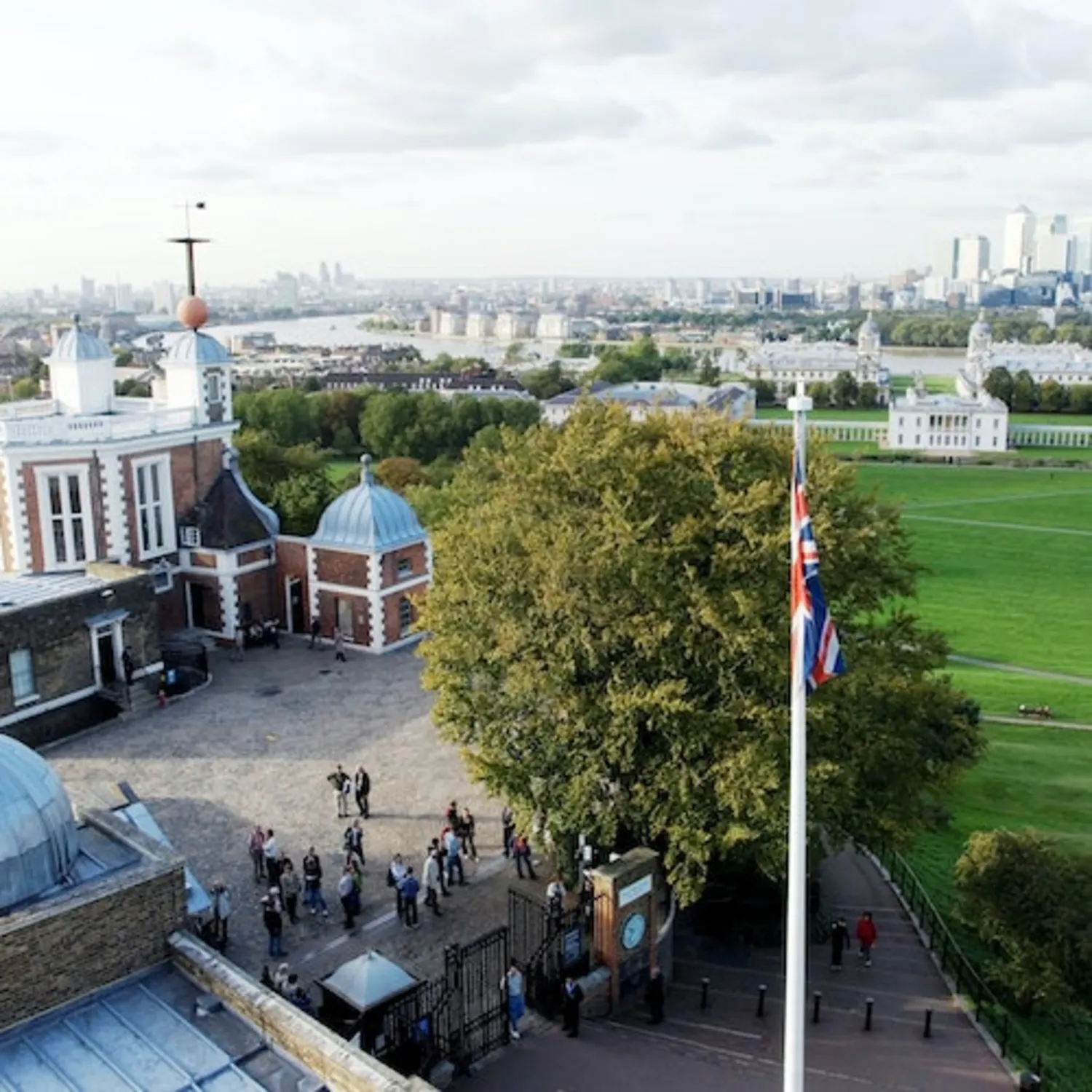
High on Flamsteed House’s roof at the Royal Observatory Greenwich sits a small ball of time, bright red, waiting for one o’clock. It rises halfway up its mast at 12:55, climbs to the top at 12:58, and drops sharply at 1pm, a signal Astronomer Royal John Pond installed in 1833 so ships anchored on the Thames could set their chronometers before heading out to sea. For Flamsteed House, the Prime Meridian and the rest of the hill’s story, see Royal Observatory Greenwich’s complete visitor overview.

One O’Clock, Every Day: Quick Time Ball Facts

Installed in 1833 by Astronomer Royal John Pond, built by the engineering firm Maudslay, Sons & Field out of metal and wood.

The ball rises halfway at 12:55, reaches the top at 12:58, and drops at exactly 1pm, GMT in winter and BST in summer, wind permitting.

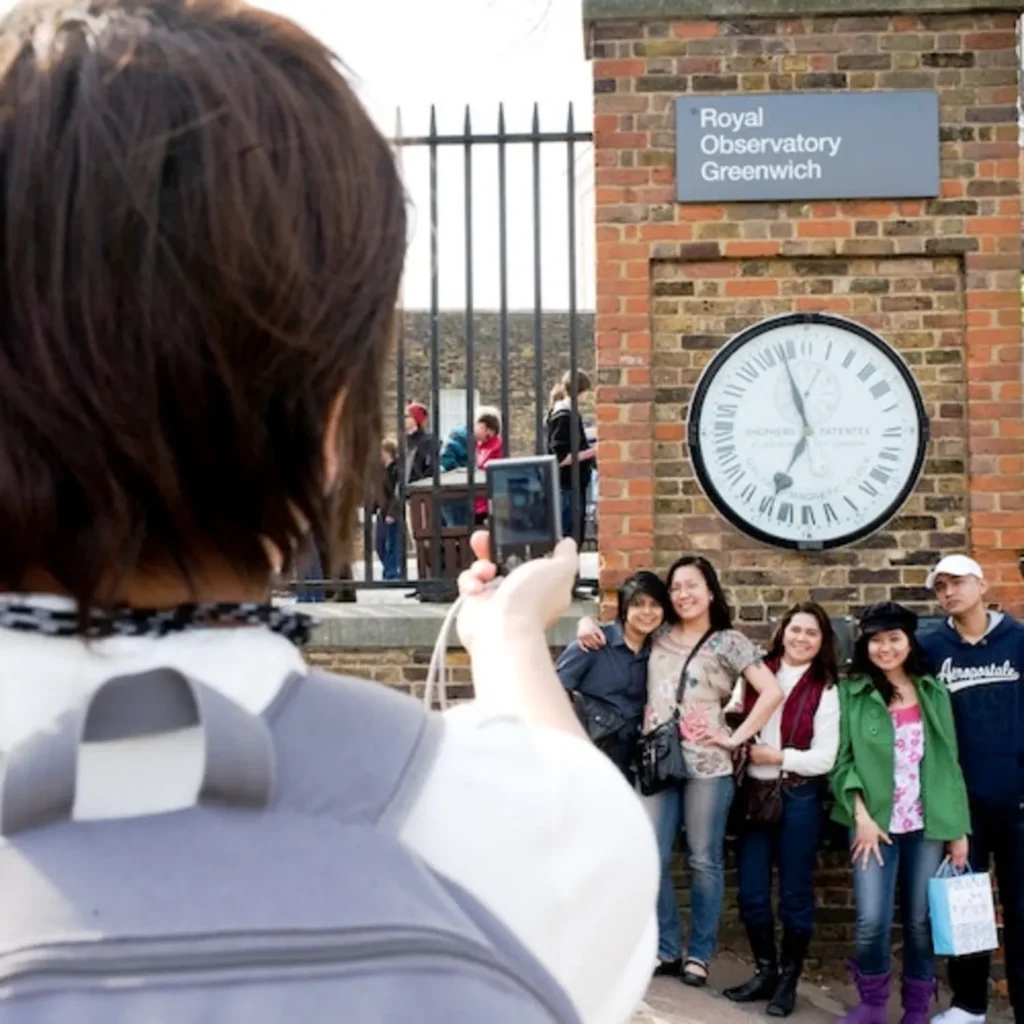
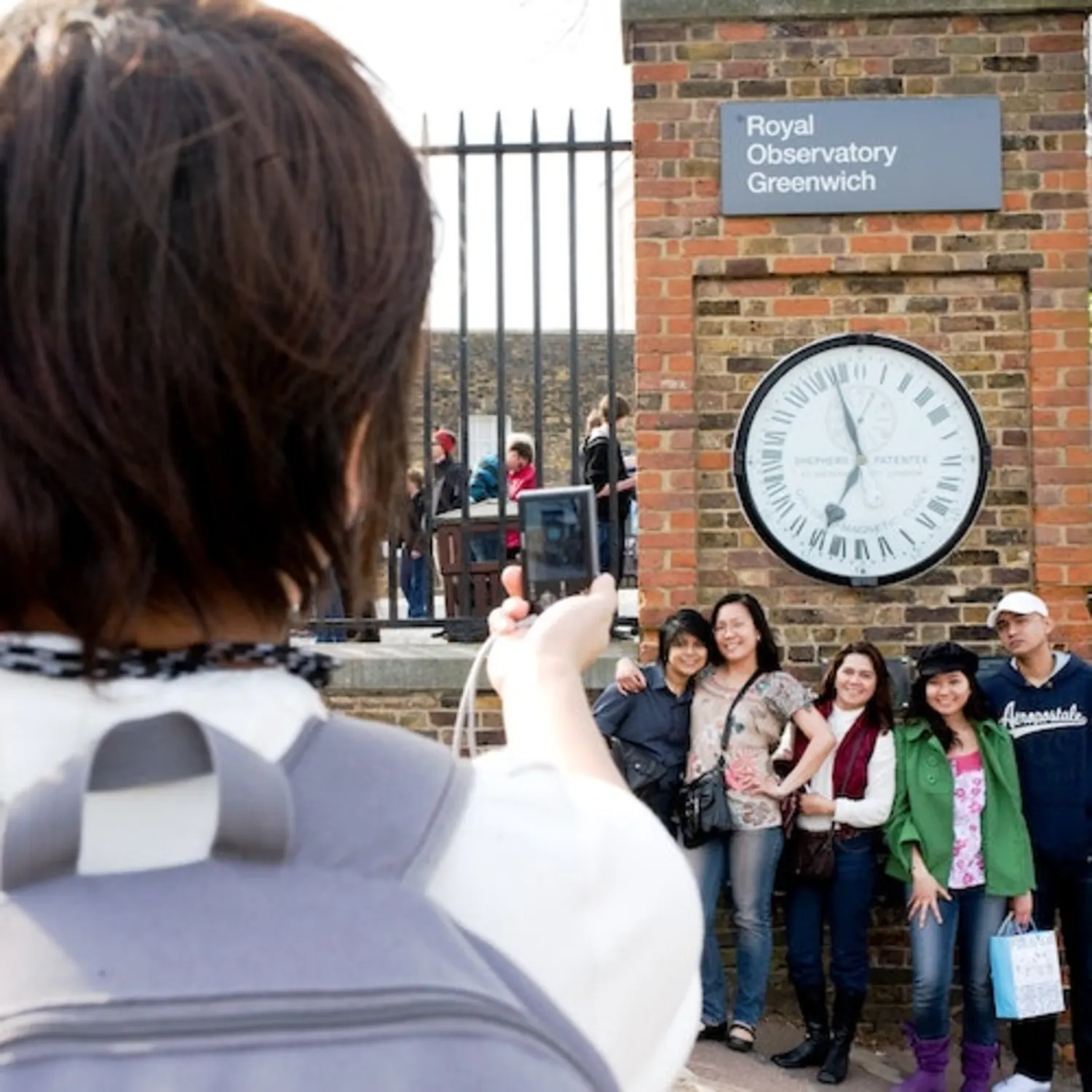
Automated in 1852 by an electric impulse from the Shepherd Master Clock, replacing the original hand-winch an Observatory assistant used to operate.

A winter gale blew the ball clean off the roof and into the courtyard on 6 December 1855 - it was recovered and put back to work.

The same Greenwich telegraph signal also triggered other British time balls, including Deal’s in Kent, from 1855 until 1927.

A Red Ball With One Job: Ships on the Thames
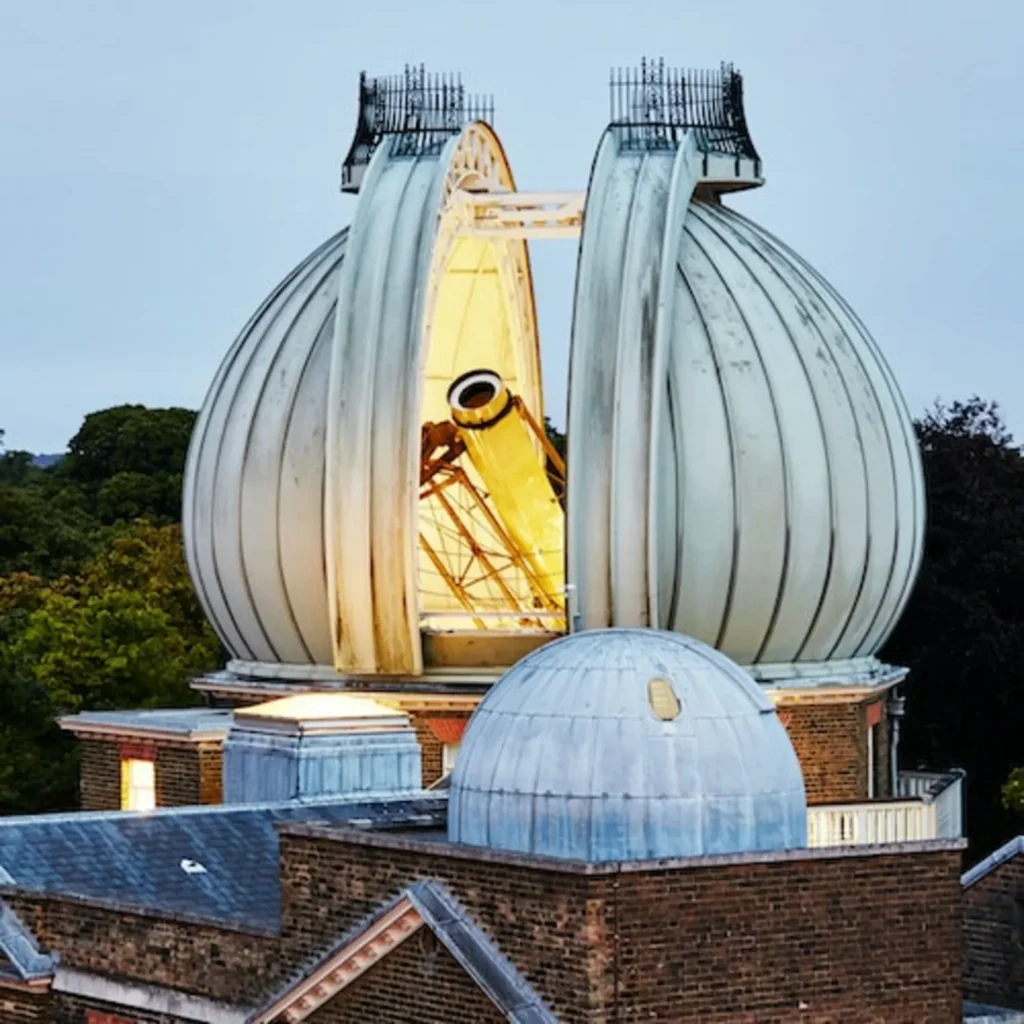
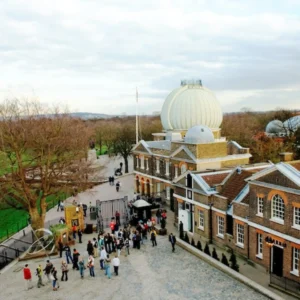
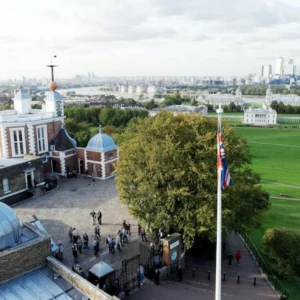
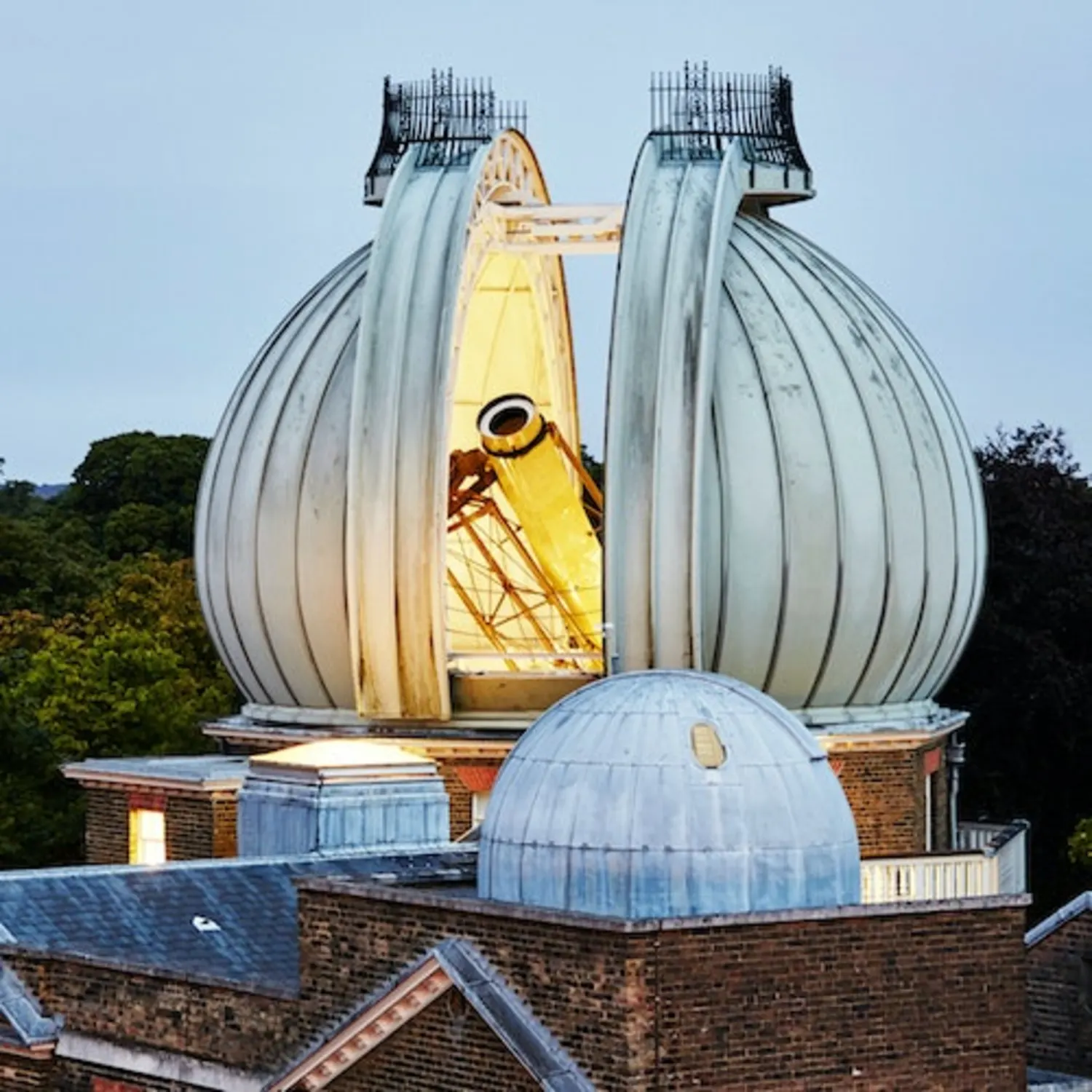
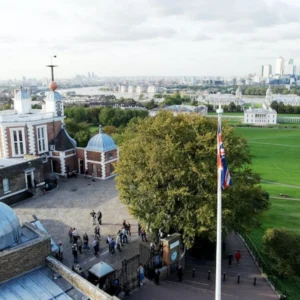
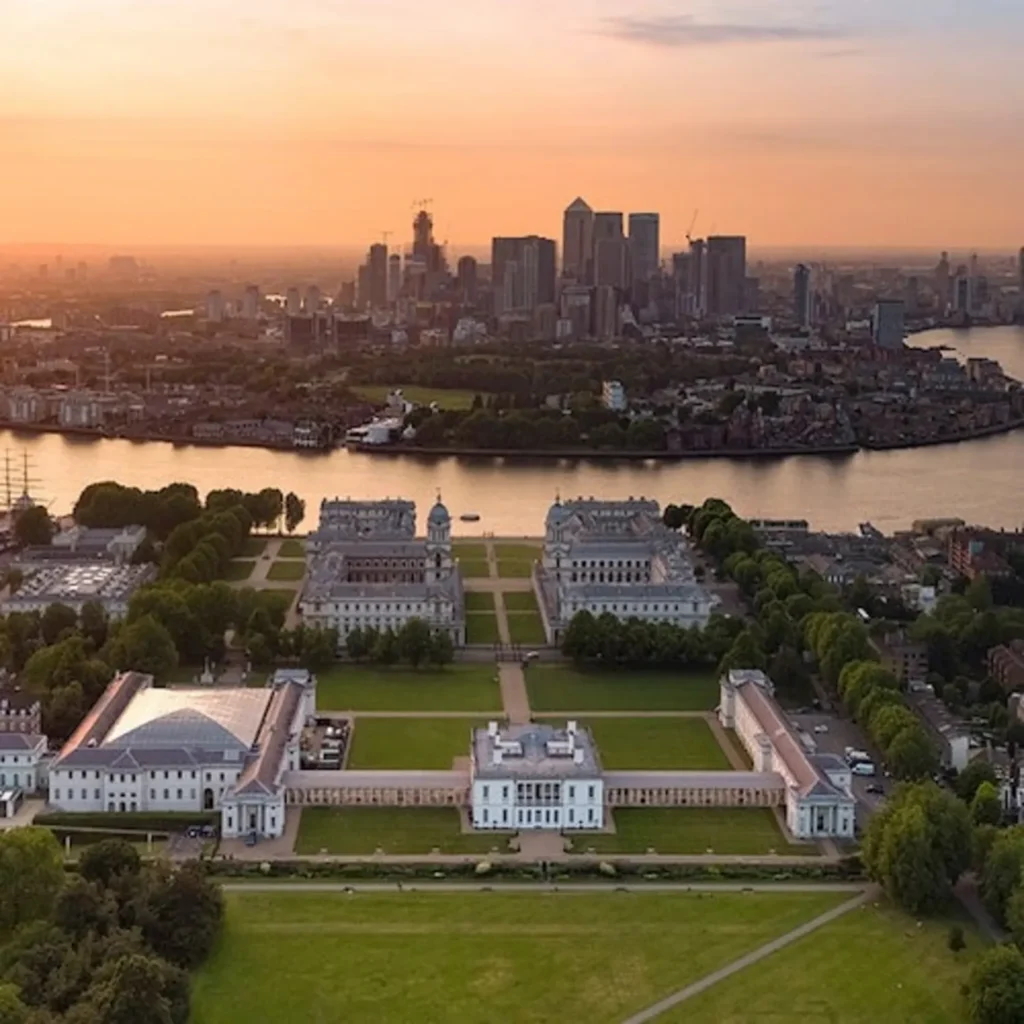
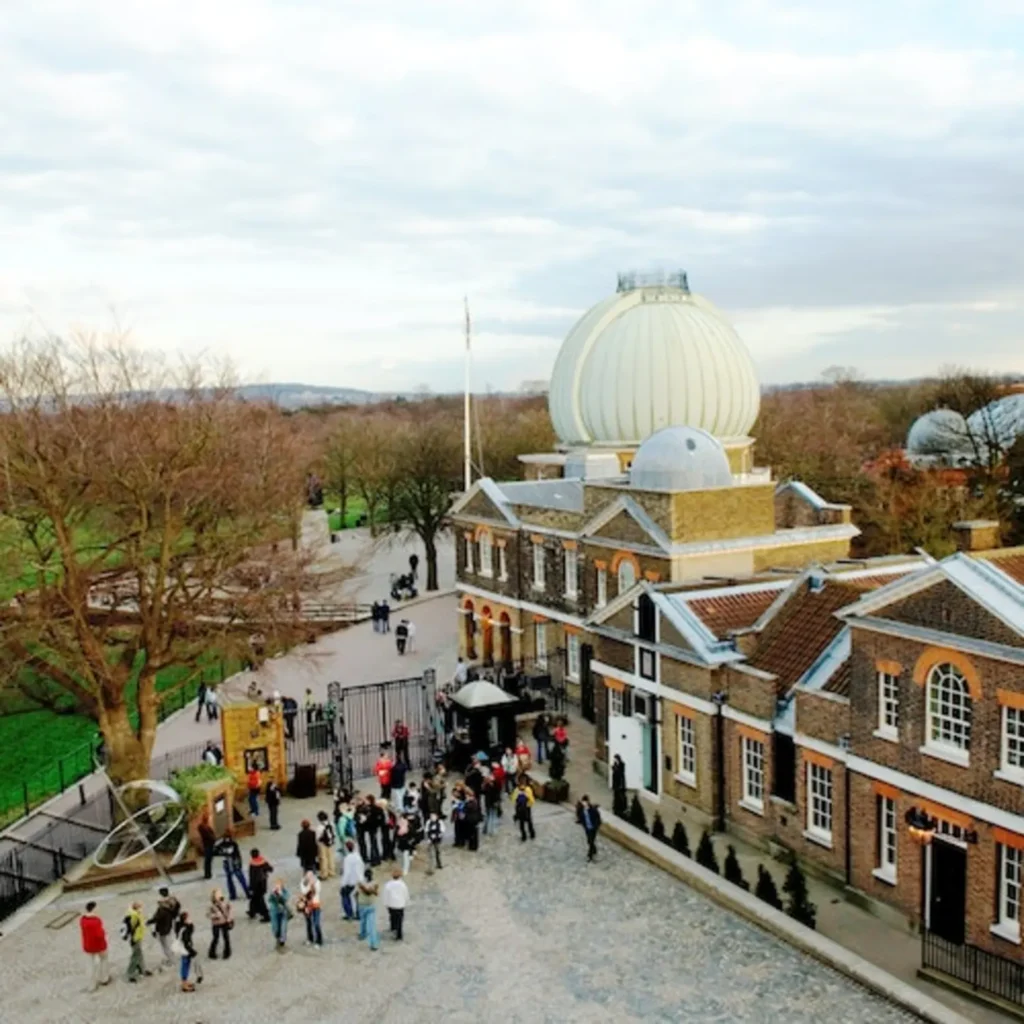
Royal Observatory Greenwich above Greenwich Park

By the early 1830s, the Thames below Greenwich was full of ships whose captains needed exact time to fix their position at sea, and no easy way to get it. John Pond, the sixth Astronomer Royal, fixed a large ball to a mast on Flamsteed House’s roof in 1833, high enough for crews anchored well downriver to see it. An Observatory assistant hauled it up by hand each day and released it at the stroke of one, a visible, unmistakable signal that cost nothing to read and needed no clock of your own.

It worked because Greenwich itself never stopped watching the sky: the ball’s drop was set by the same star observations that defined the meridian in the courtyard below. Ships that set their chronometers against it left the Thames carrying Greenwich’s own time out into the world, decades before radio made that possible any other way.

From Hand-Winch to Radio Clock

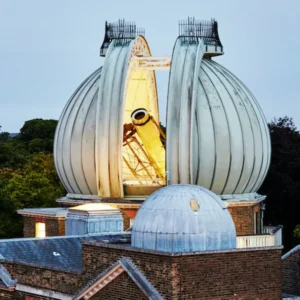
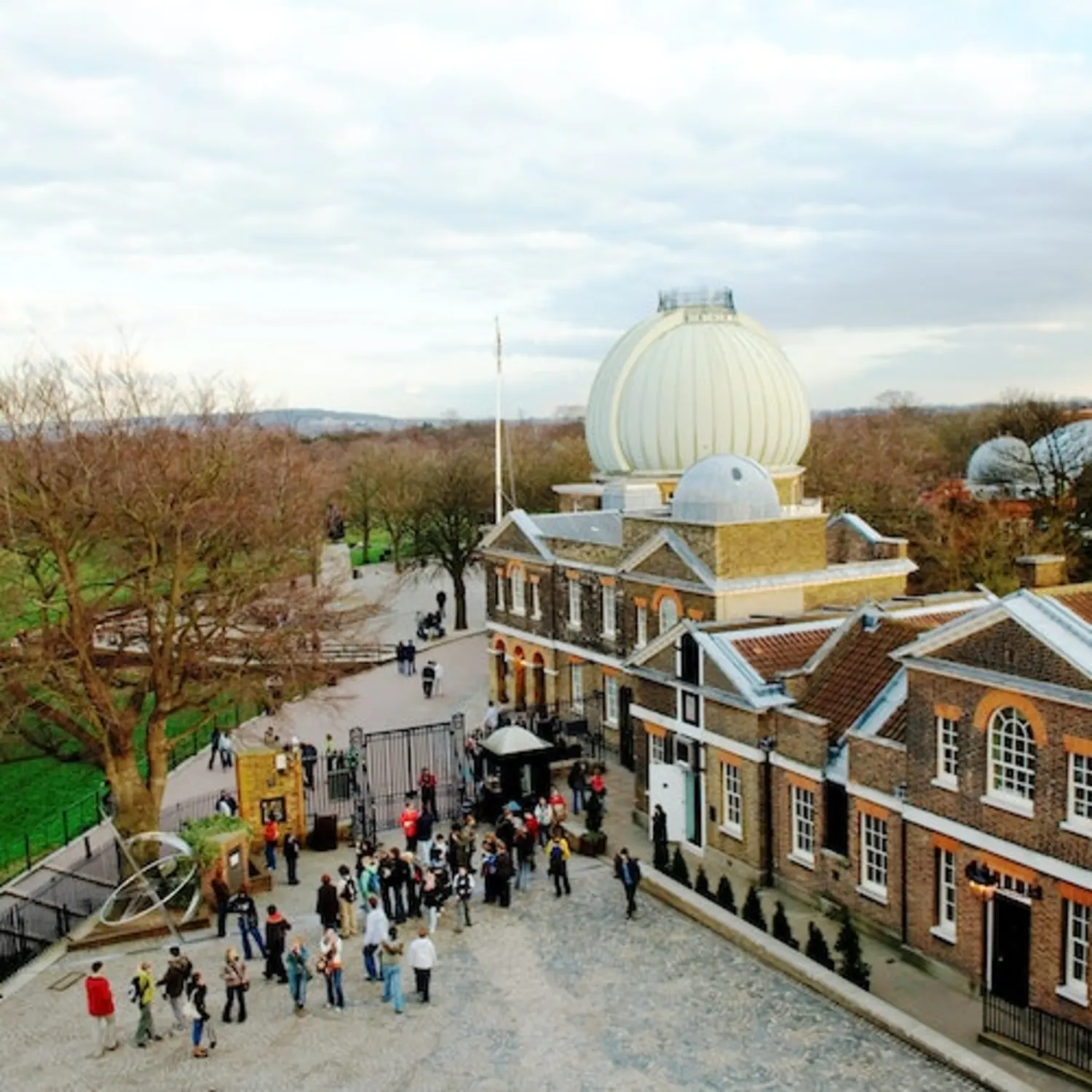
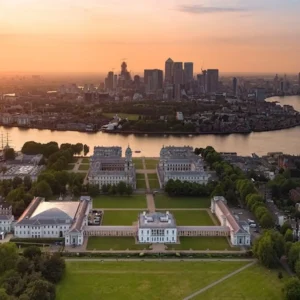
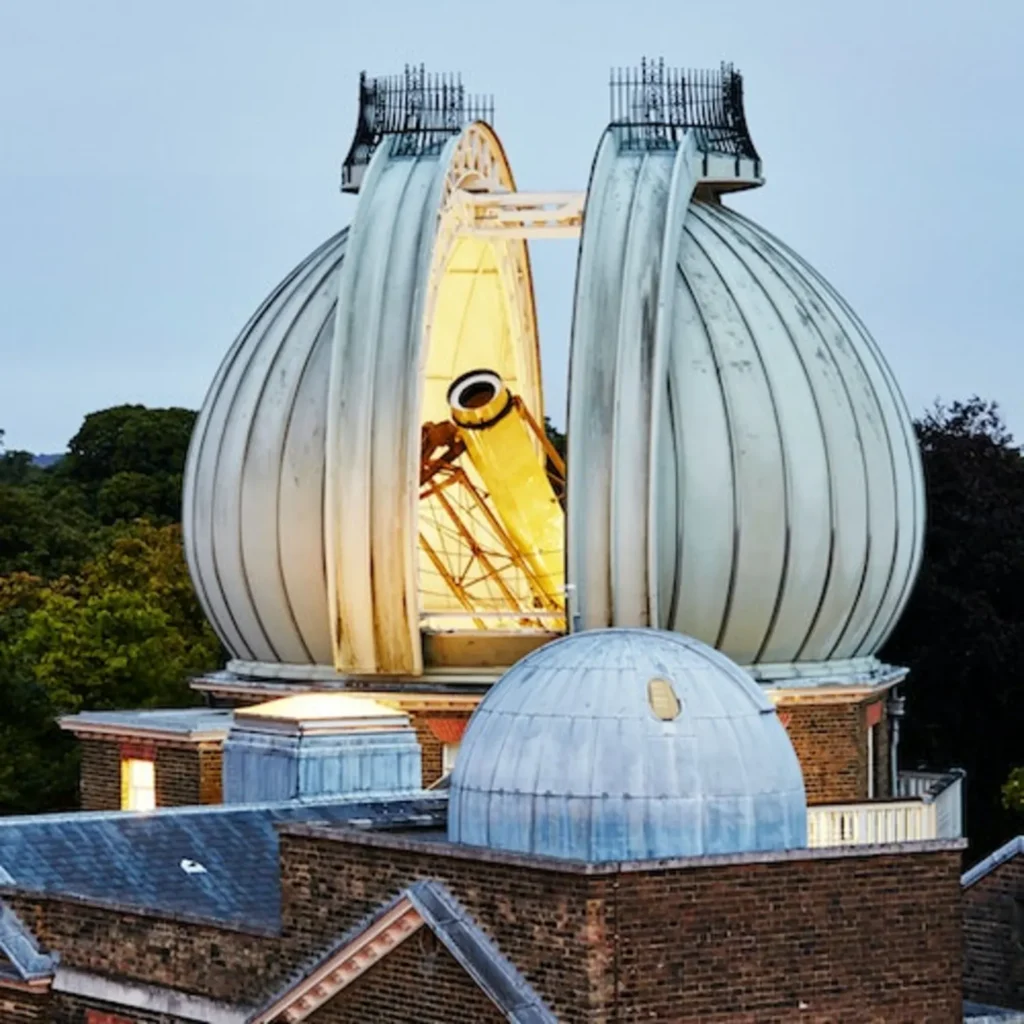
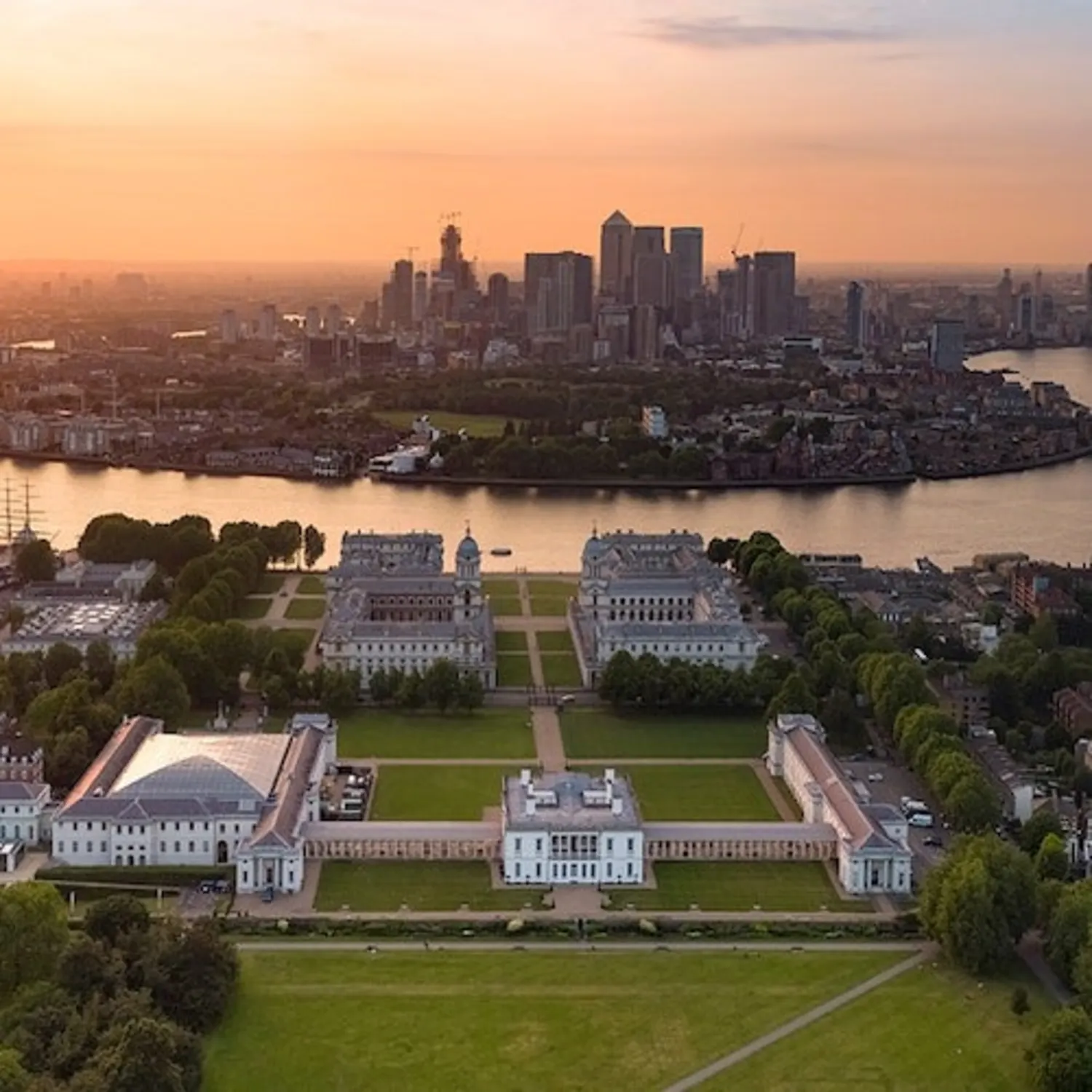
Royal Observatory Greenwich buildings in Greenwich Park

The hand-winch lasted almost twenty years. In 1852, the Observatory wired the ball to the new Shepherd Master Clock, and an electric impulse took over the daily release, the same system that, that same year, began sending Greenwich time down telegraph lines to railways and other time balls across Britain. The ball itself was not indestructible: on 6 December 1855, a winter gale tore it clean off the roof and dropped it into the courtyard below, where it was recovered and put back to work.

The mechanism kept modernising long after that. An electric motor replaced the raising gear in the 1950s, and today a computer clock, reset by a national radio time signal, triggers the drop. What has not changed is the moment itself: the same red ball still falls at 1pm, on the same roof John Pond chose in 1833.

Royal Observatory Greenwich: Admission Ticket

Highlights

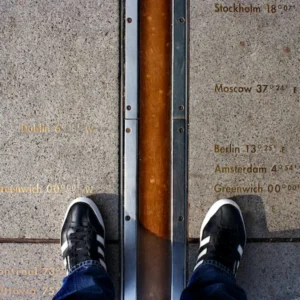
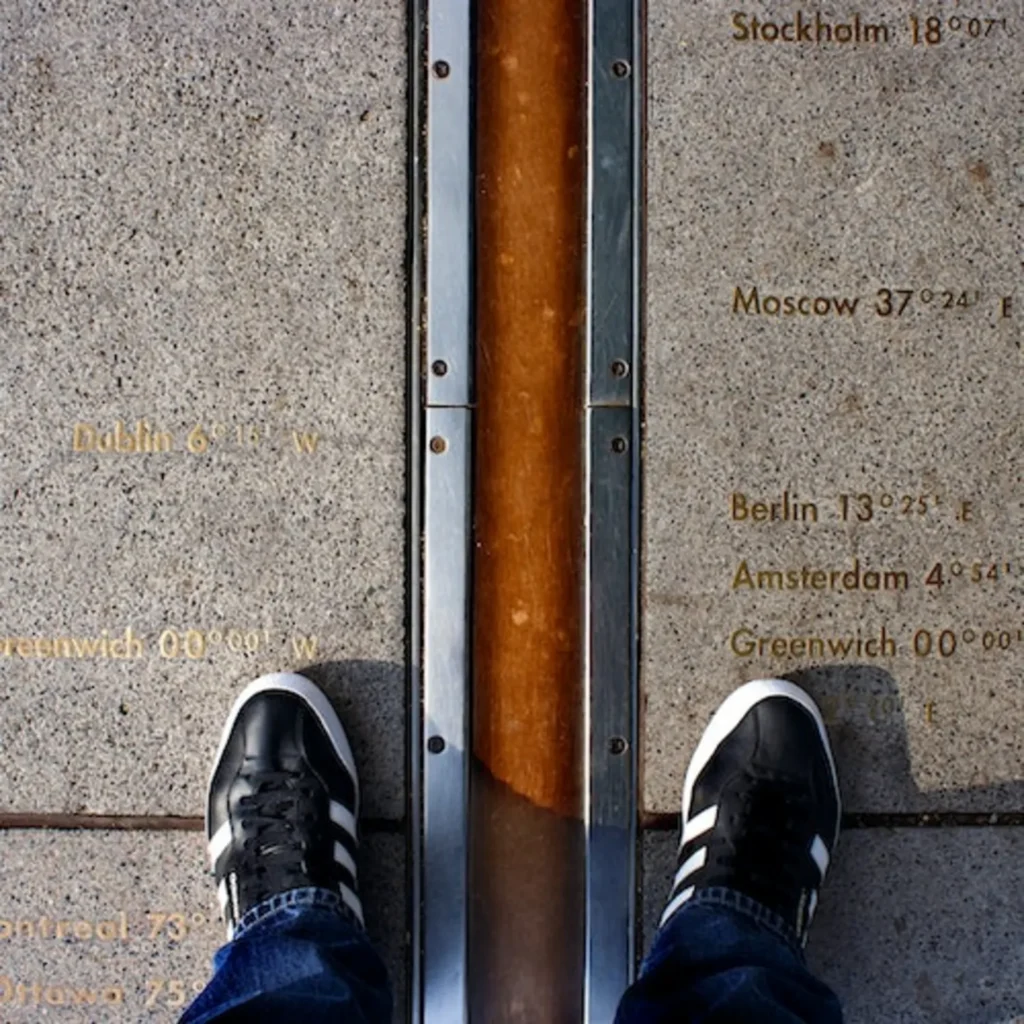
Experience standing on the Prime Meridian, dividing eastern and western hemispheres.

Discover the rich history behind Greenwich Mean Time (GMT) established here.

View remarkable astronomical instruments and exhibits including John Harrison’s timekeepers.

Time your visit to see the Time Ball drop, a historical time signal at 1 PM daily.

Enjoy panoramic views from this iconic observatory site overlooking Greenwich.
Royal Museums Greenwich Day Pass

Highlights

Entry to four iconic attractions in London’s Greenwich area.

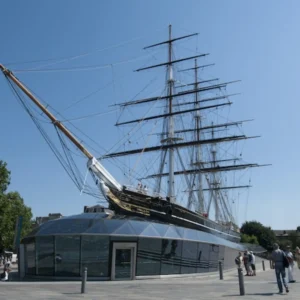
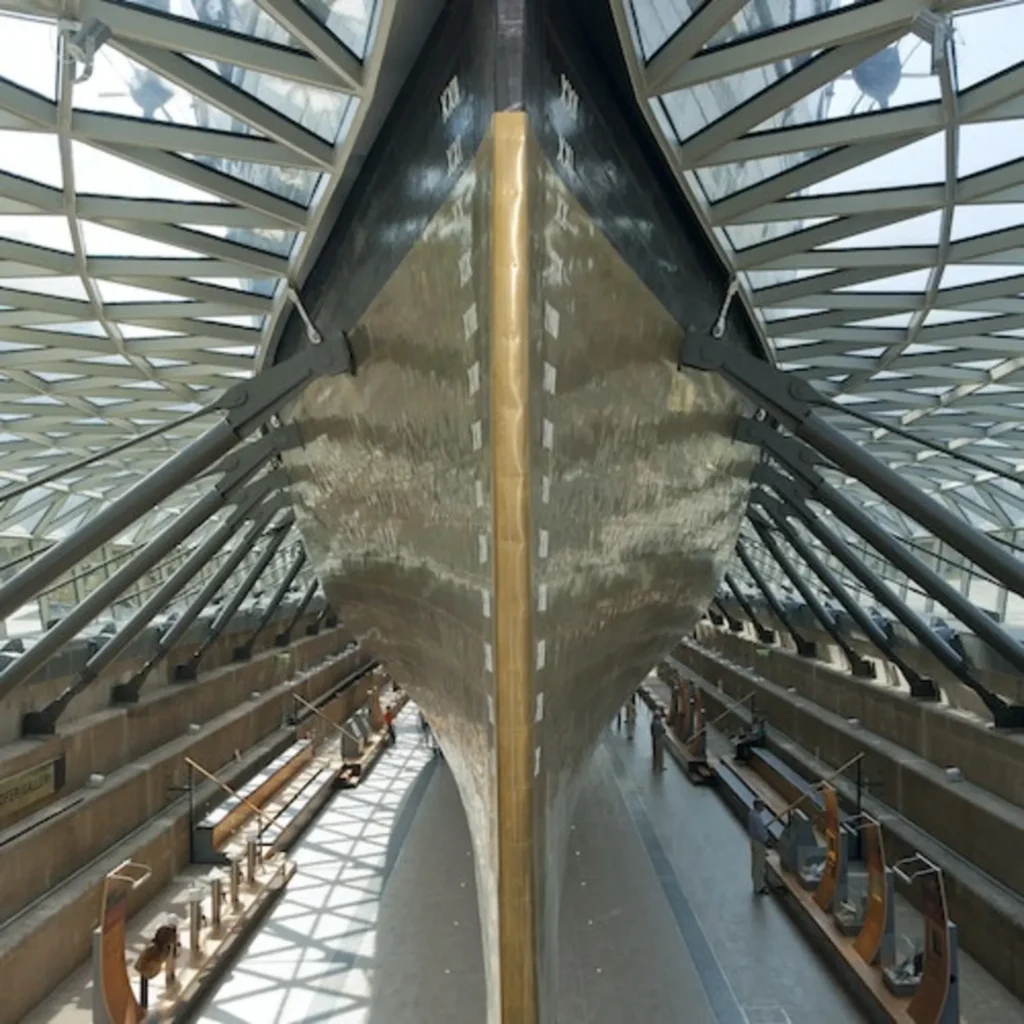
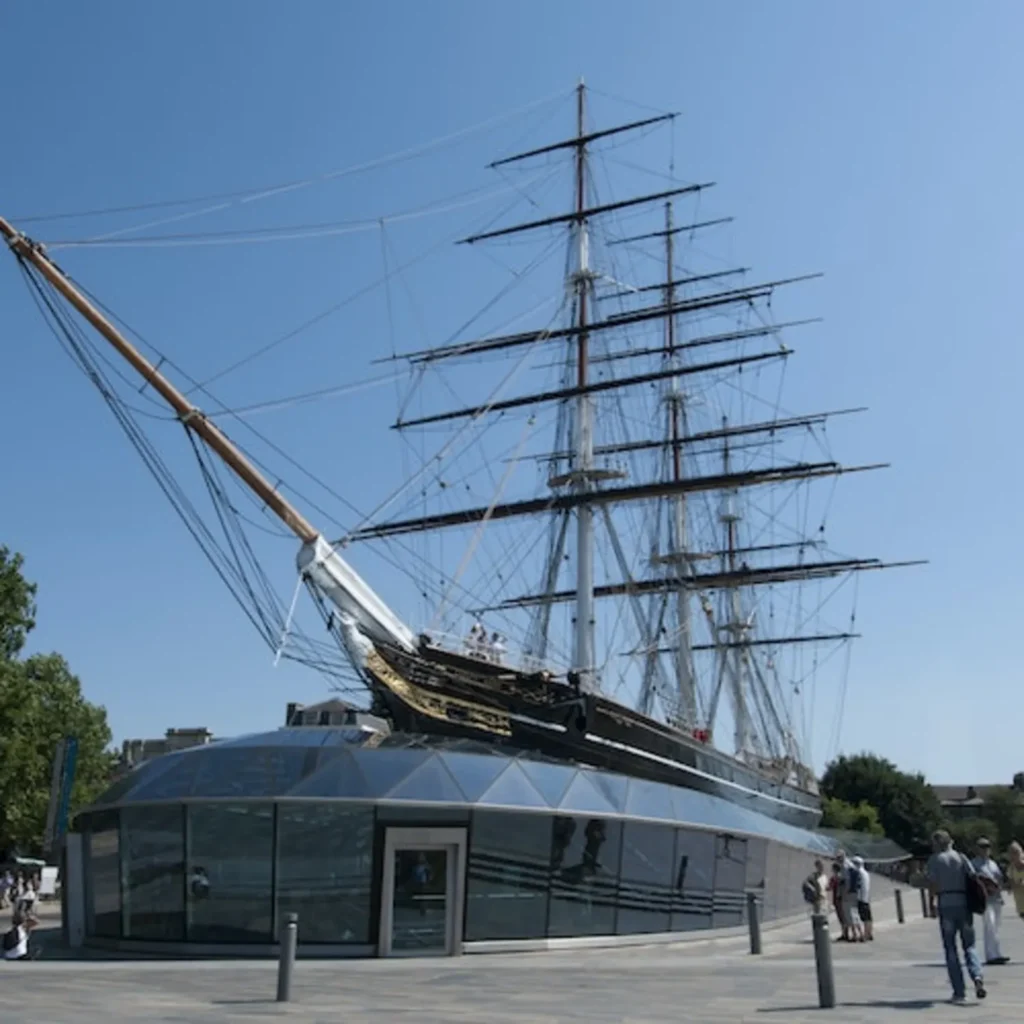
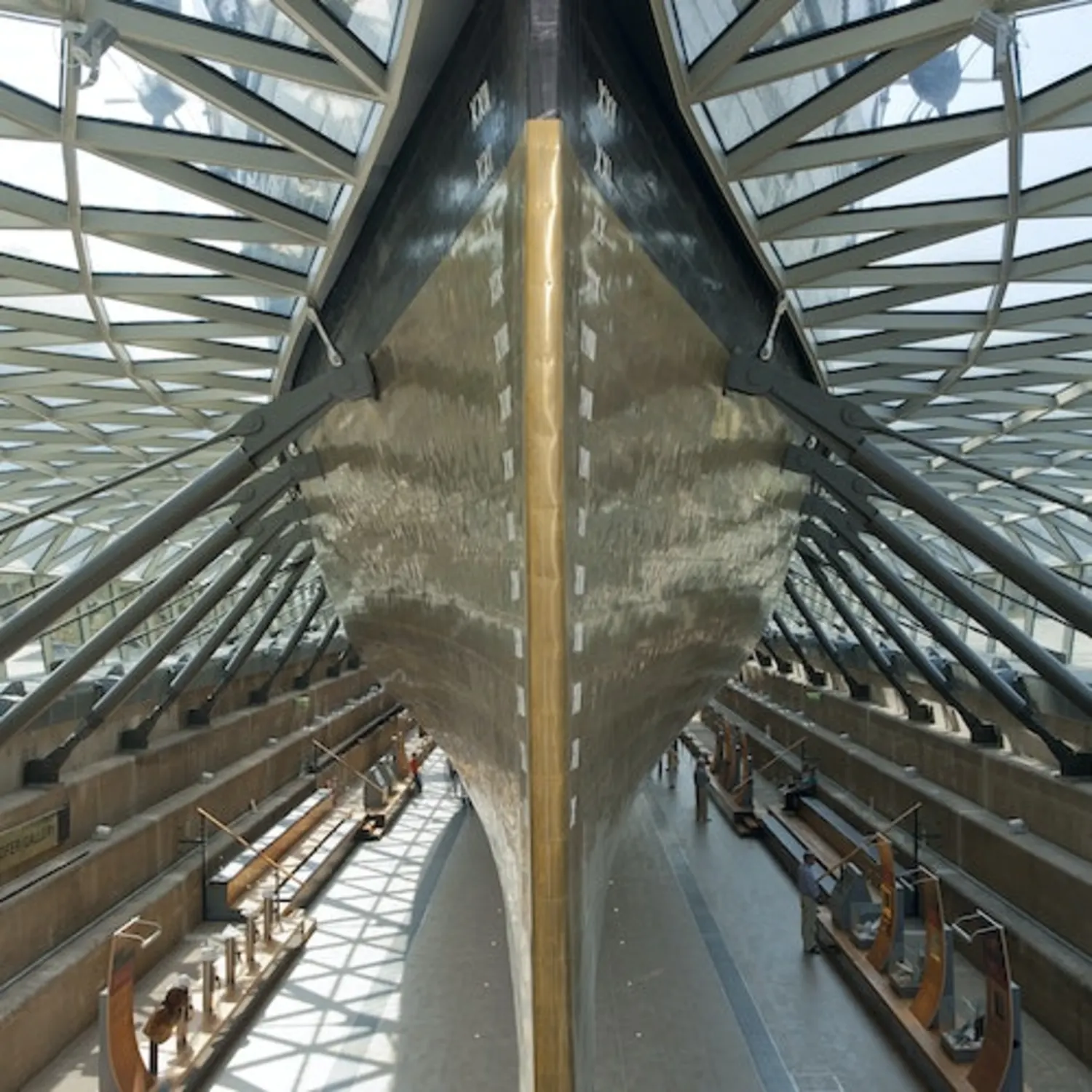
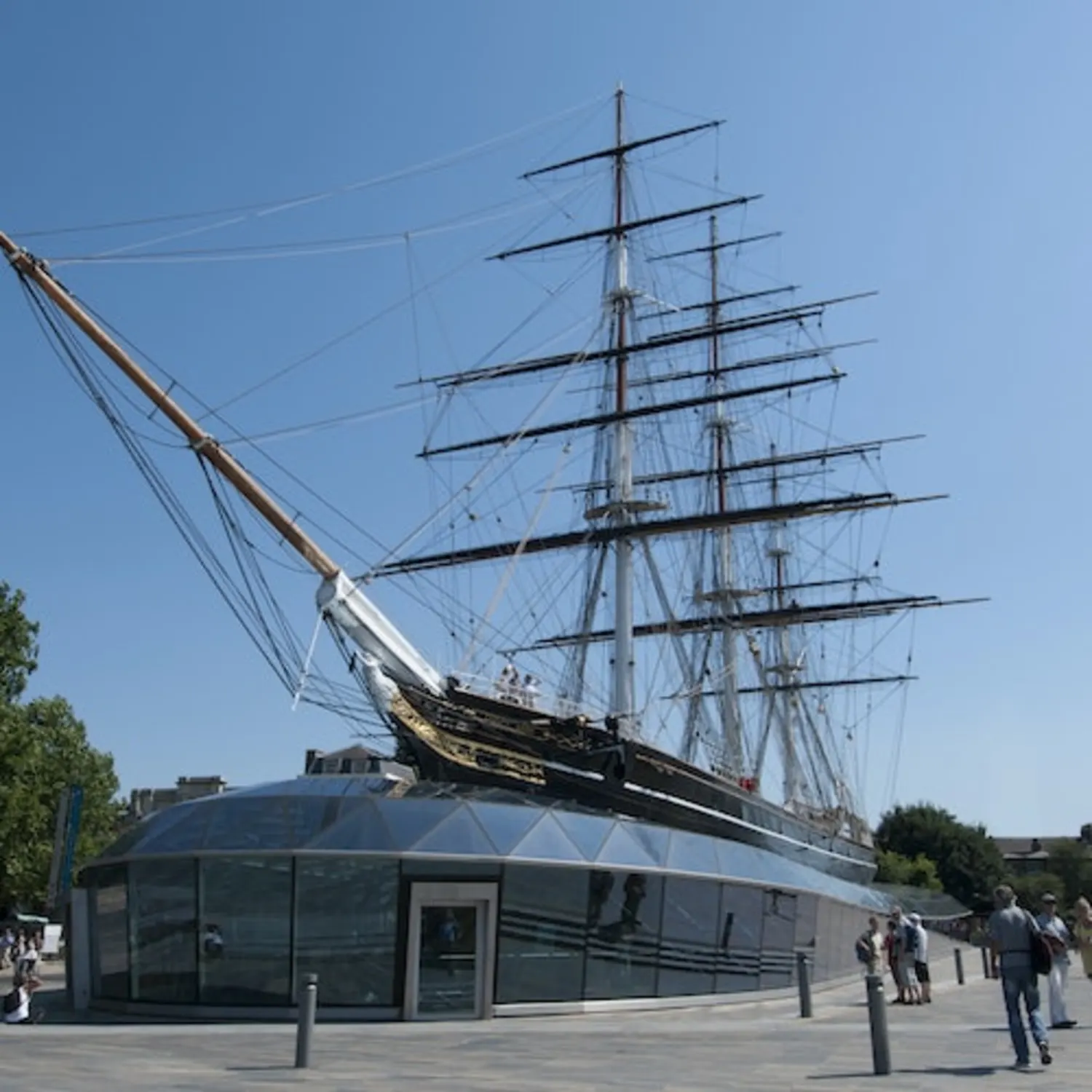
Explore the historic tea clipper, Cutty Sark.

Visit the Royal Observatory and stand on the Meridian Line.

Discover Britain’s maritime heritage at the National Maritime Museum.

Experience 17th-century elegance at the Queen’s House.
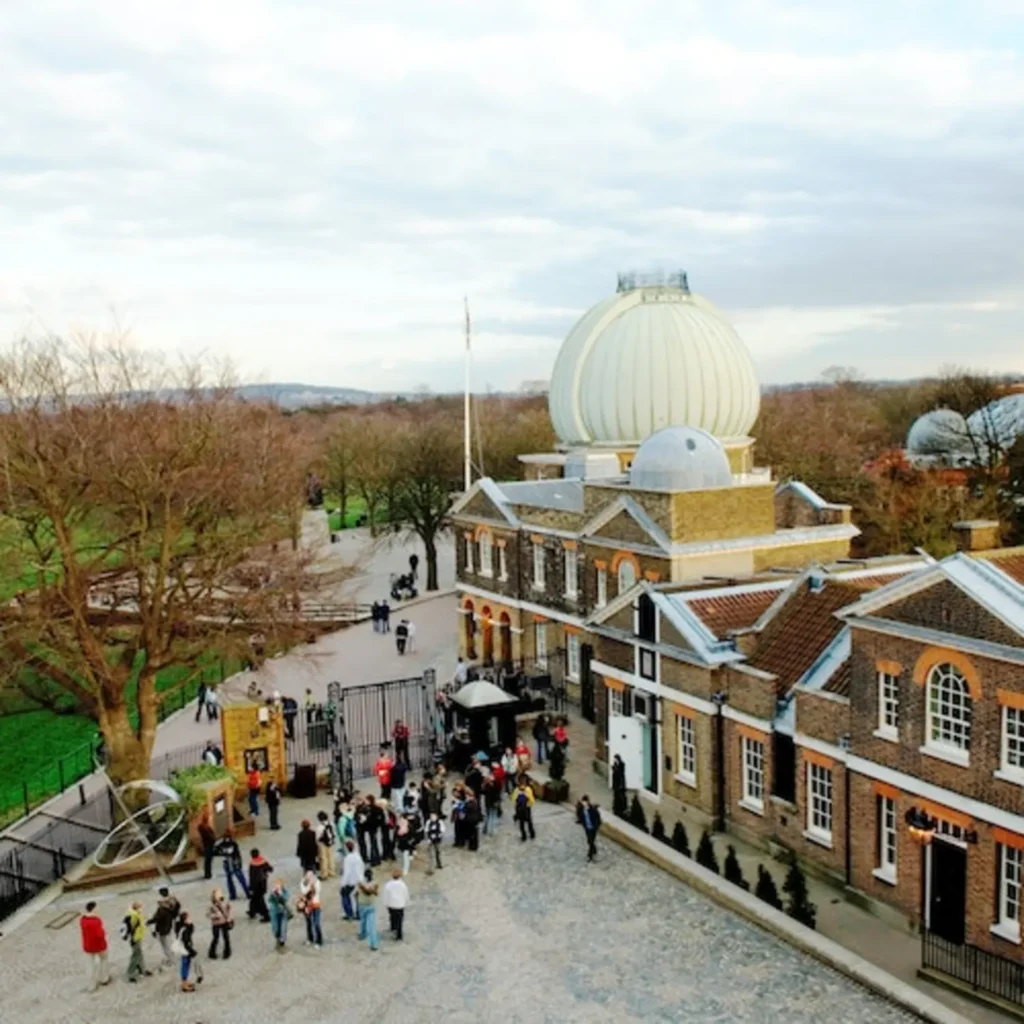
Catch the Drop Before First Light Closes the Hill

The hill stays open, Time Ball included, only until 2 November 2026, before First Light closes the site for the works. Arrive on the hill before 1pm to catch the drop, and remember it is weather-dependent - a strong wind can cancel it for the day.

Questions About the Greenwich Time Ball

What is the Greenwich Time Ball?

It is the bright red ball on Flamsteed House's roof at the Royal Observatory Greenwich, installed in 1833 by Astronomer Royal John Pond so ships on the Thames could set their chronometers by watching it drop.

What time does the Greenwich Time Ball drop?

1pm every day, GMT in winter and BST in summer. It rises halfway up its mast at 12:55 and to the top at 12:58, then drops sharply on the hour, wind permitting.

Is the Greenwich Time Ball the same as the Times Square New Year's Eve ball drop?

No, they're different objects and different events, but they're connected: Times Square's own official history credits Greenwich's 1833 time ball as the origin of the ball-drop idea, adopted for New York's first celebration in 1907.

Was the Greenwich Time Ball the first in the world?

Not quite. A time ball at Portsmouth, first installed in 1829, was actually the earliest to display Greenwich time. Greenwich's own ball, from 1833, is still one of the world's earliest public time signals and by far the most famous.

Is there a Time Ball Tower at the Royal Observatory Greenwich?

No standalone tower here - the ball sits directly on Flamsteed House's own roof. Other British sites, like Deal in Kent, built dedicated Time Ball Towers; Deal's was even triggered by a telegraph signal sent from Greenwich's own master clock, from 1855 to 1927.

How does the Greenwich Time Ball work today?

An electric motor raises it and a computer clock, reset by a national radio time signal, triggers the release, a long way from the original hand-winch. The moment itself hasn't changed: it still drops at 1pm.

Can I watch the Greenwich Time Ball drop with a normal admission ticket?

Yes. It's included with Observatory admission - just be on the hill and watching Flamsteed House's roof before 1pm, since a strong wind can cancel the drop for the day.

This website sells official tickets for this venue. Please note, however, that it is not the official website of the venue.

The images and videos on this website may contain visual elements that have been created or enhanced using AI technology. They are provided for illustrative purposes only.