We are processing your request.
Please, don't close or refresh the page.
London Tickets Royal Observatory Greenwich Great Equatorial Telescope
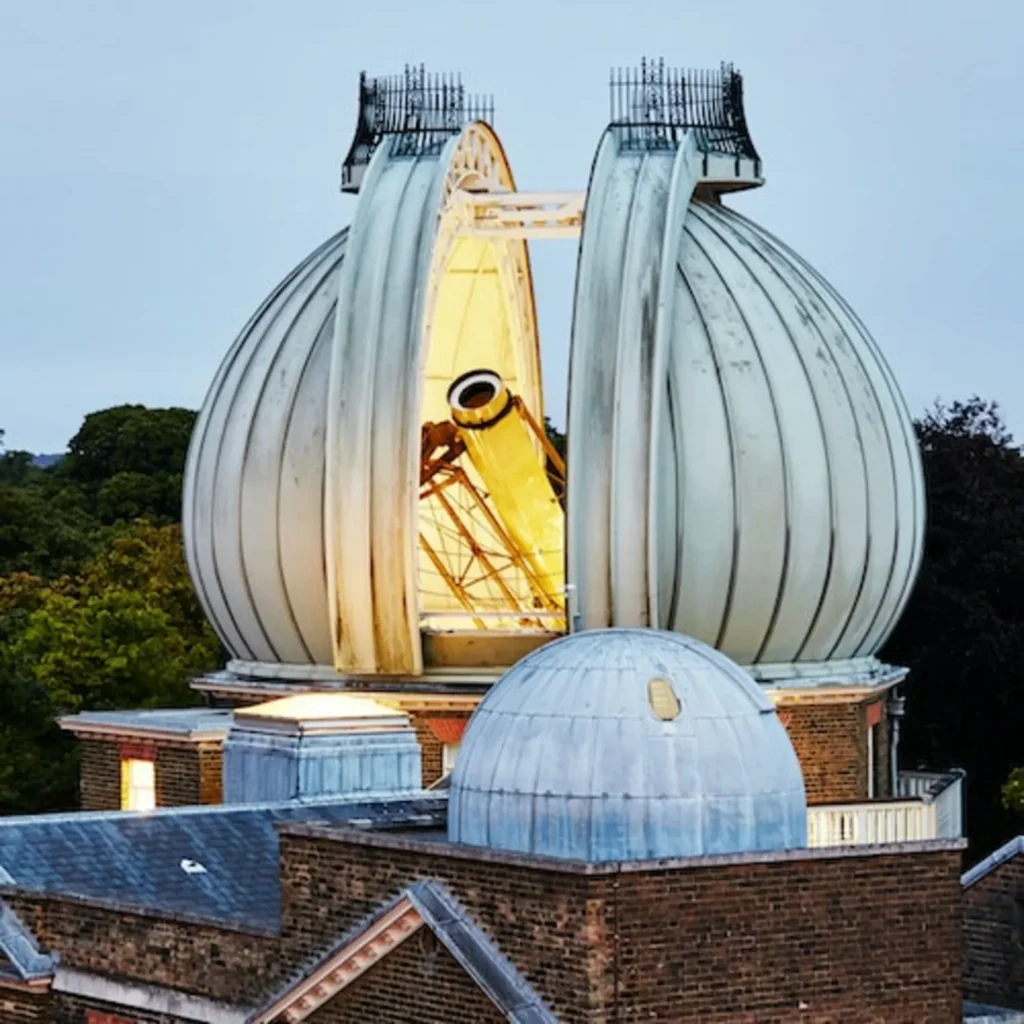
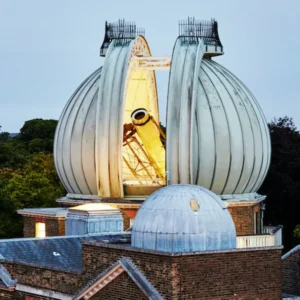
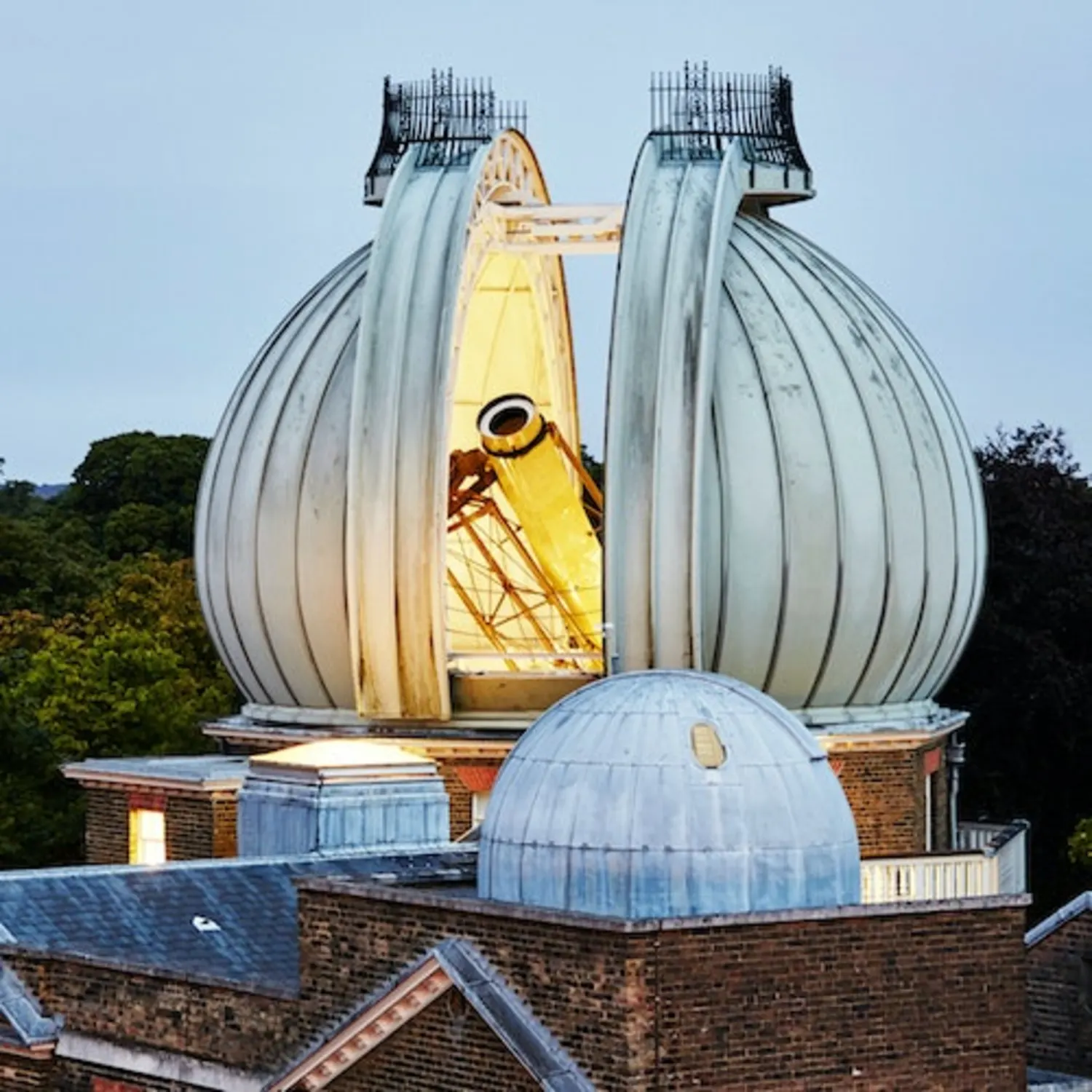
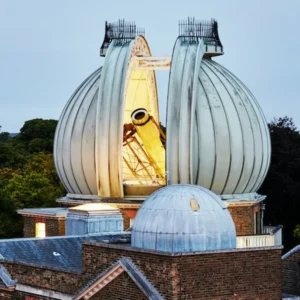
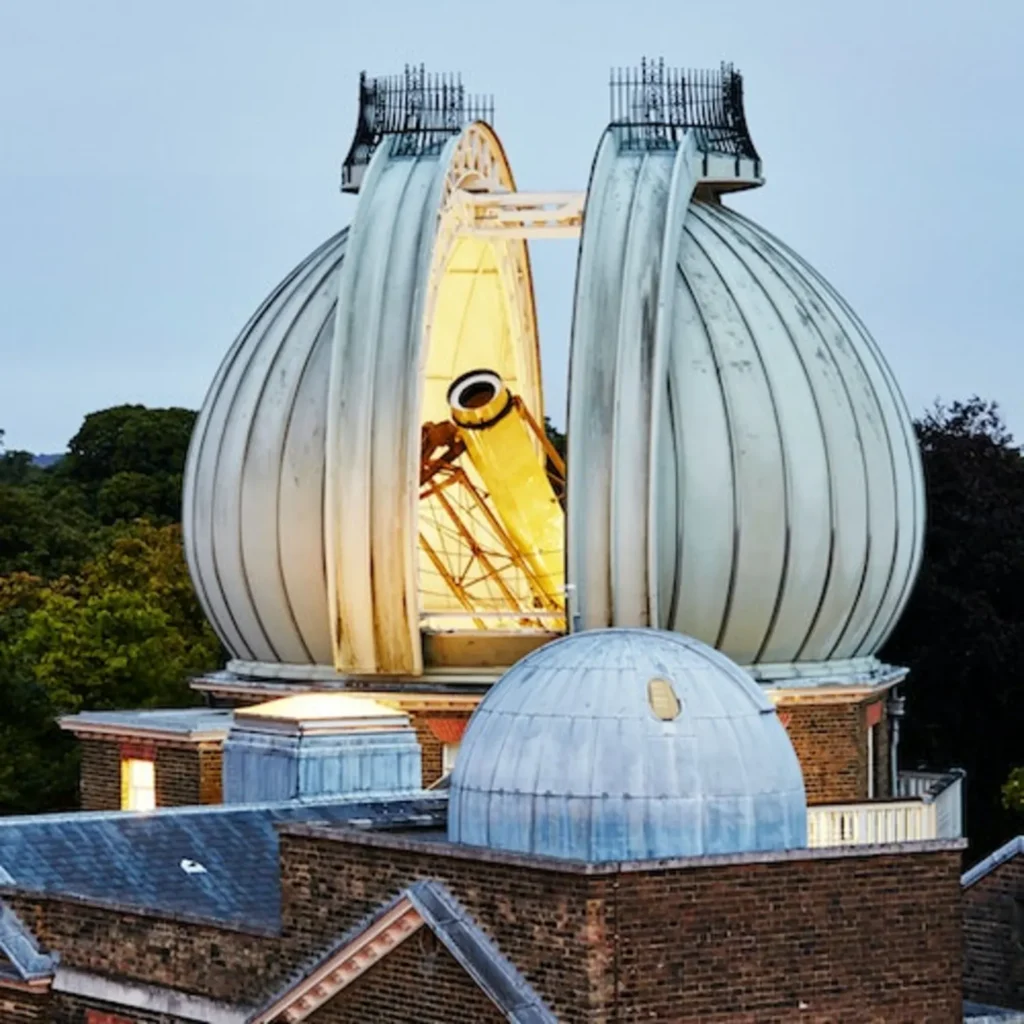
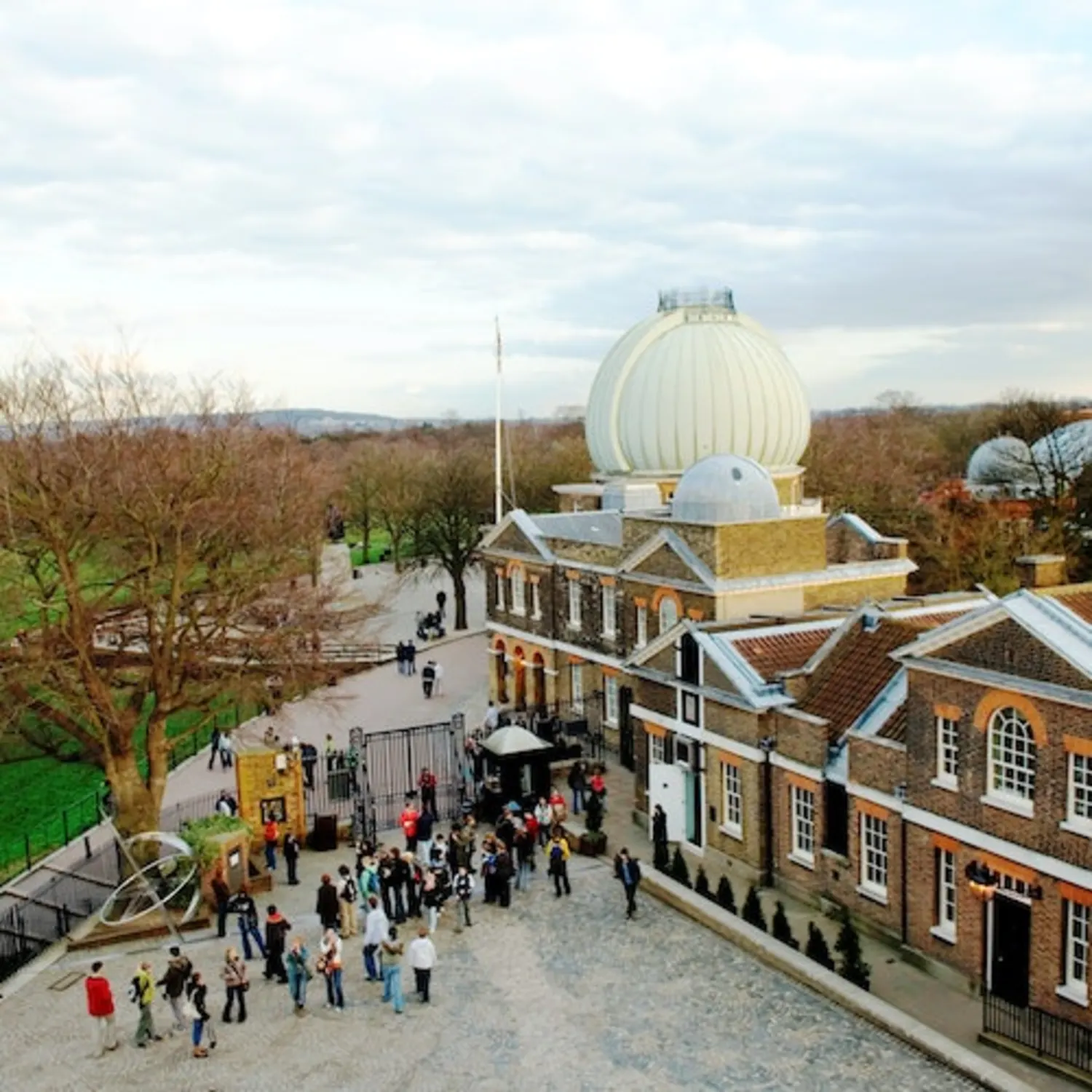
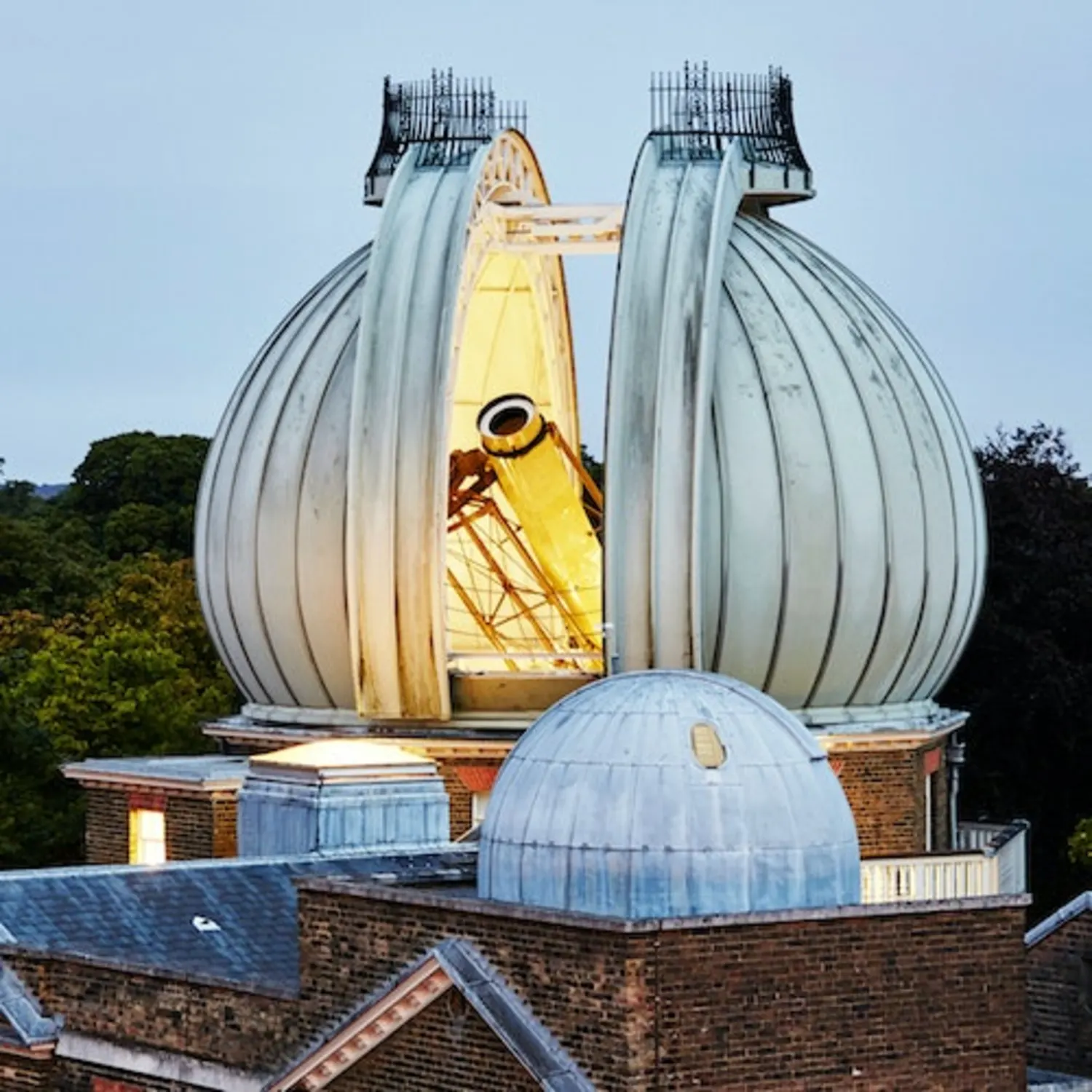
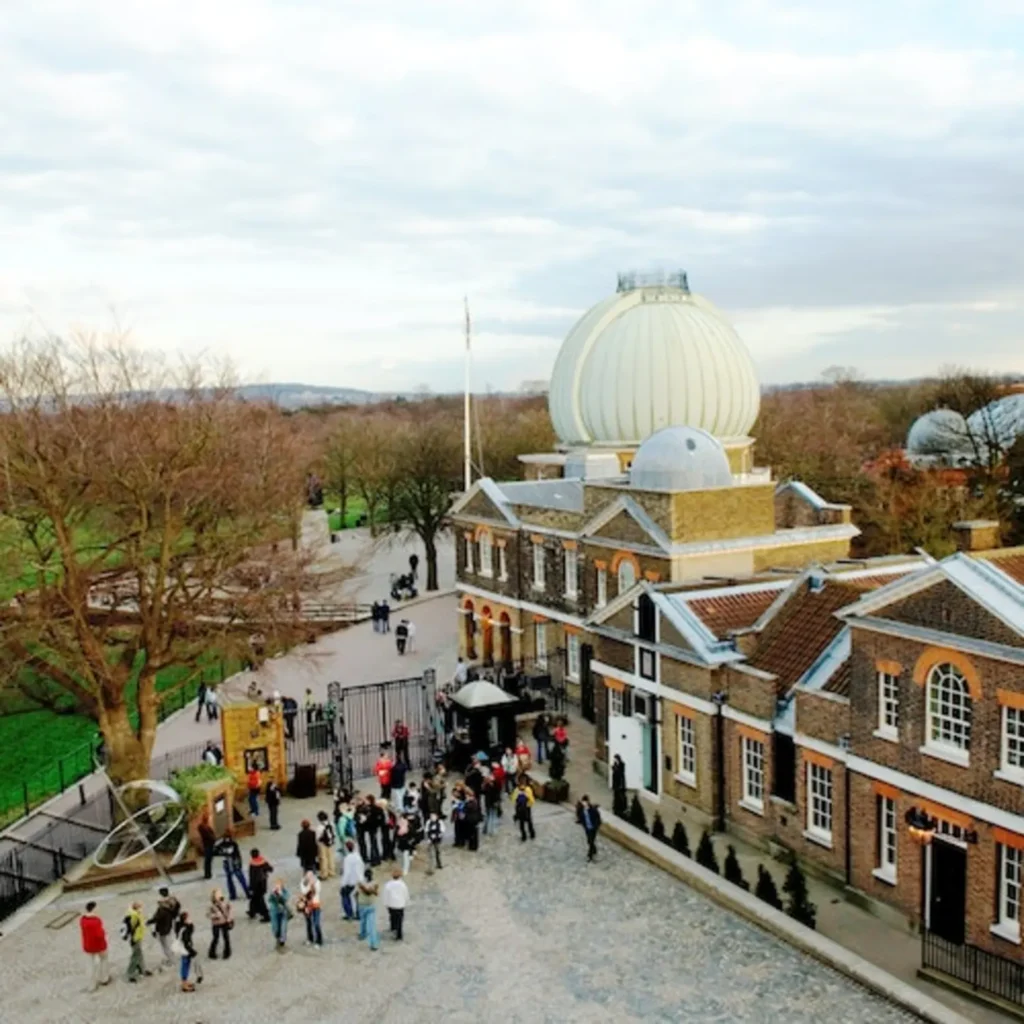
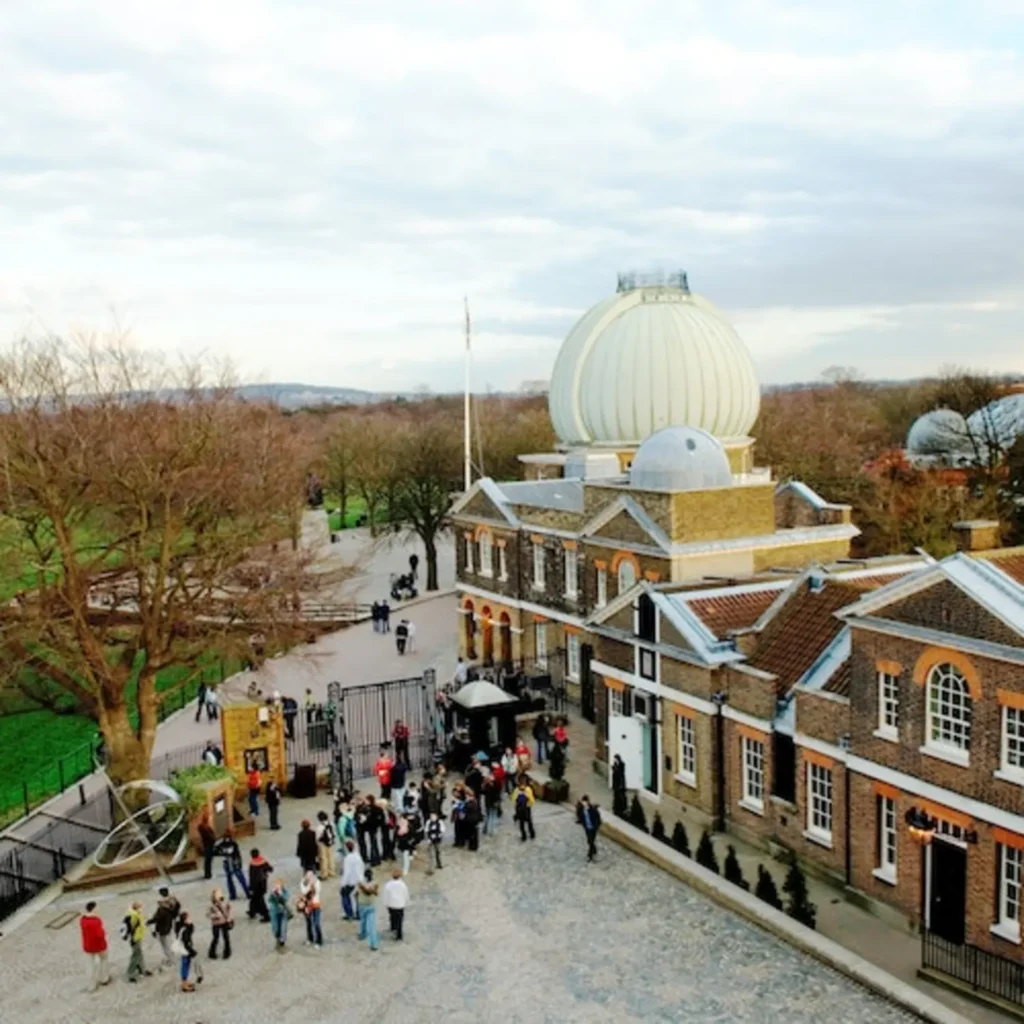
The onion dome of the Great Equatorial Telescope at the Royal Observatory Greenwich

The Great Equatorial Telescope: Britain's Largest Historic Refractor

A 28-inch lens on a tube over eight metres long, housed in the Royal Observatory Greenwich’s onion-shaped dome since 1893, survived a WWII bombing and still points at the sky today.

Britain’s Largest Historic Refractor, Housed in an Onion Dome

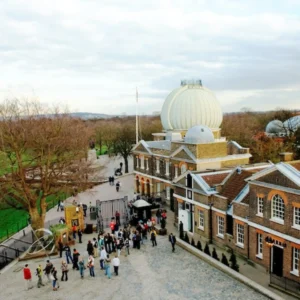
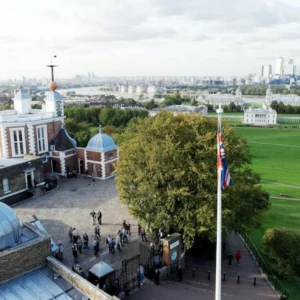
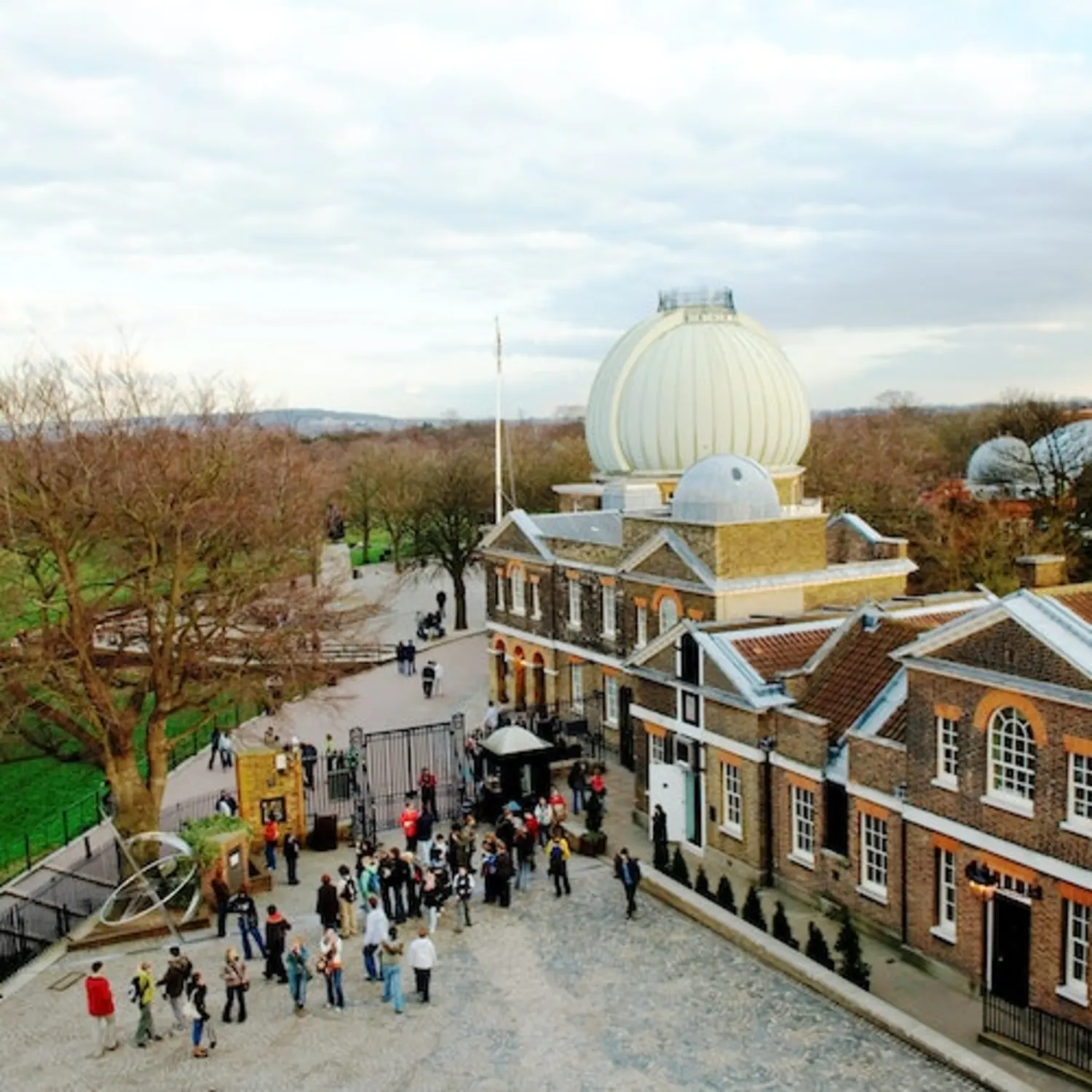
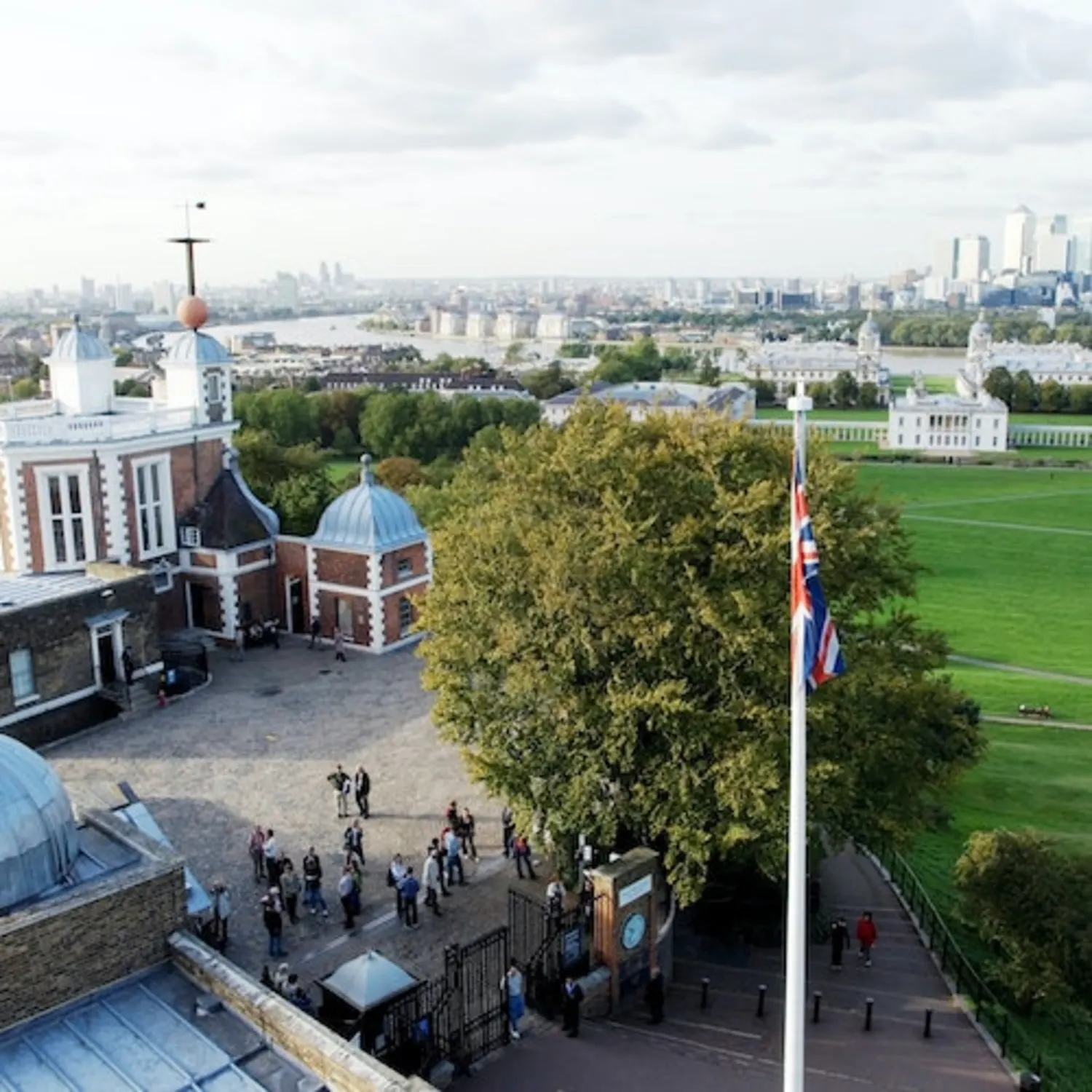
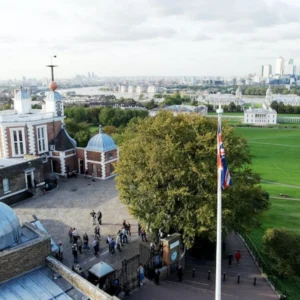
Look up at the Royal Observatory Greenwich from Greenwich Park and one dome stands out: a bulbous, onion-shaped roof at the eastern end of the site, home to the Great Equatorial Telescope. Its 28-inch lens, installed in 1893, is still the largest of its kind anywhere in the UK, decades after it stopped doing serious research and started showing the night sky to visitors instead. For the Prime Meridian, the Time Ball and the rest of the hill’s story, see Royal Observatory Greenwich’s complete visitor overview.

Five Things to Know Before You Look Up The Great Equatorial Telescope

Installed in 1893, built by the Grubb Telescope Company of Dublin for Astronomer Royal William Christie.

A 28-inch (71cm) lens on a tube over 8 metres long - still the largest refracting telescope of its kind in the UK.

Sits inside an onion-shaped dome built the same year, its frame clad in papier-mache, replacing an 1858 cylindrical “drum” dome that famously turned on old cannon balls.

Evacuated in 1939 and its original dome nearly destroyed by a WWII flying bomb in 1944; the telescope itself survived, moved to safety beforehand.

Returned to Greenwich in 1971 under a new dome, and reopened by Queen Elizabeth II on 20 May 1975.

From Cannon-Ball Drum to Onion Dome
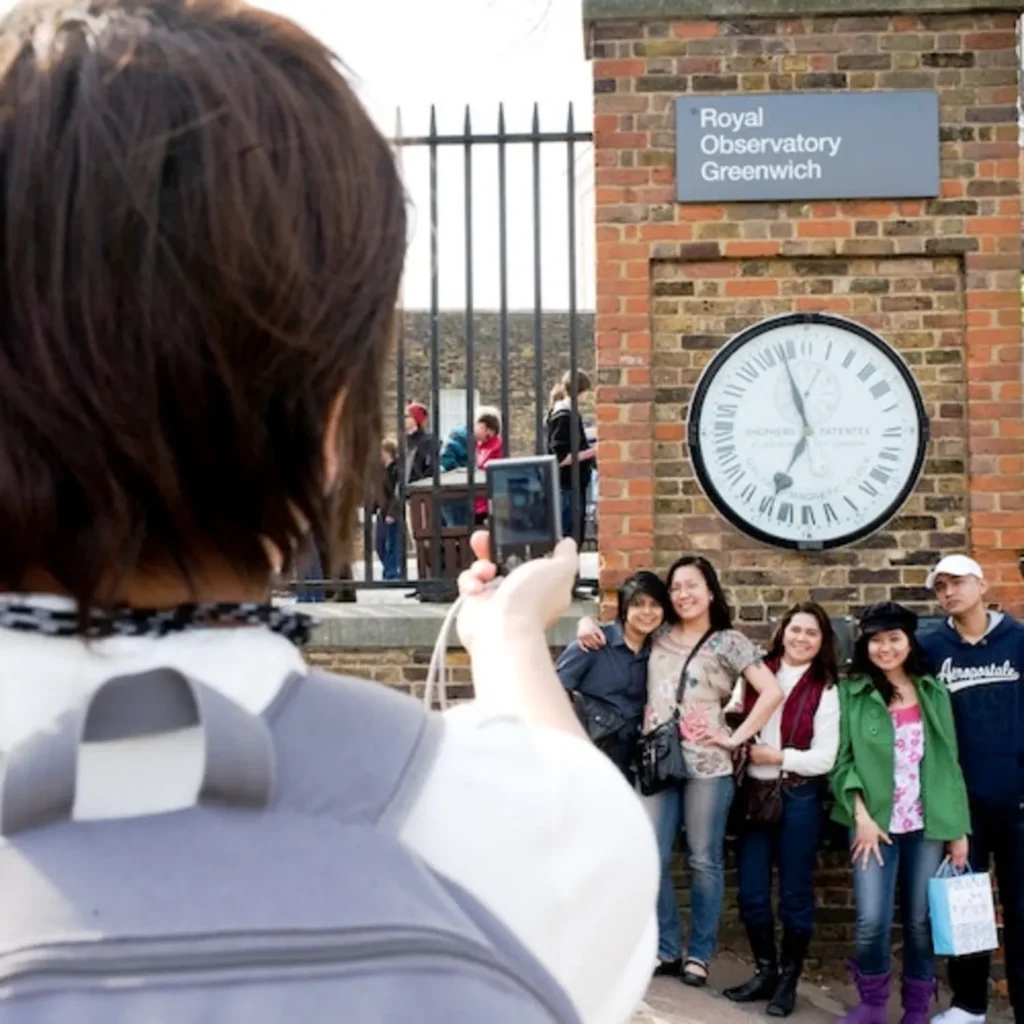
Royal Observatory Greenwich onion dome

The onion dome visitors photograph today isn’t the first one on this spot. In 1858, the Observatory built a cylindrical “drum” dome here for a smaller, 12.8-inch Merz telescope, a structure that turned smoothly on a ring of old cannon balls acting as ball bearings. By the 1880s, that telescope could no longer keep up with what astronomers needed, so Astronomer Royal William Christie secured funding for something far bigger: a 28-inch refractor from the Grubb Telescope Company of Dublin.

The old drum dome couldn’t hold the new instrument, so Christie designed a replacement: an onion-shaped dome, 36 feet across, built with an iron frame clad in papier-mache to keep it light. Completed in April 1893, it’s the shape everyone recognises on the hill today.

Bombed, Evacuated, and Brought Home

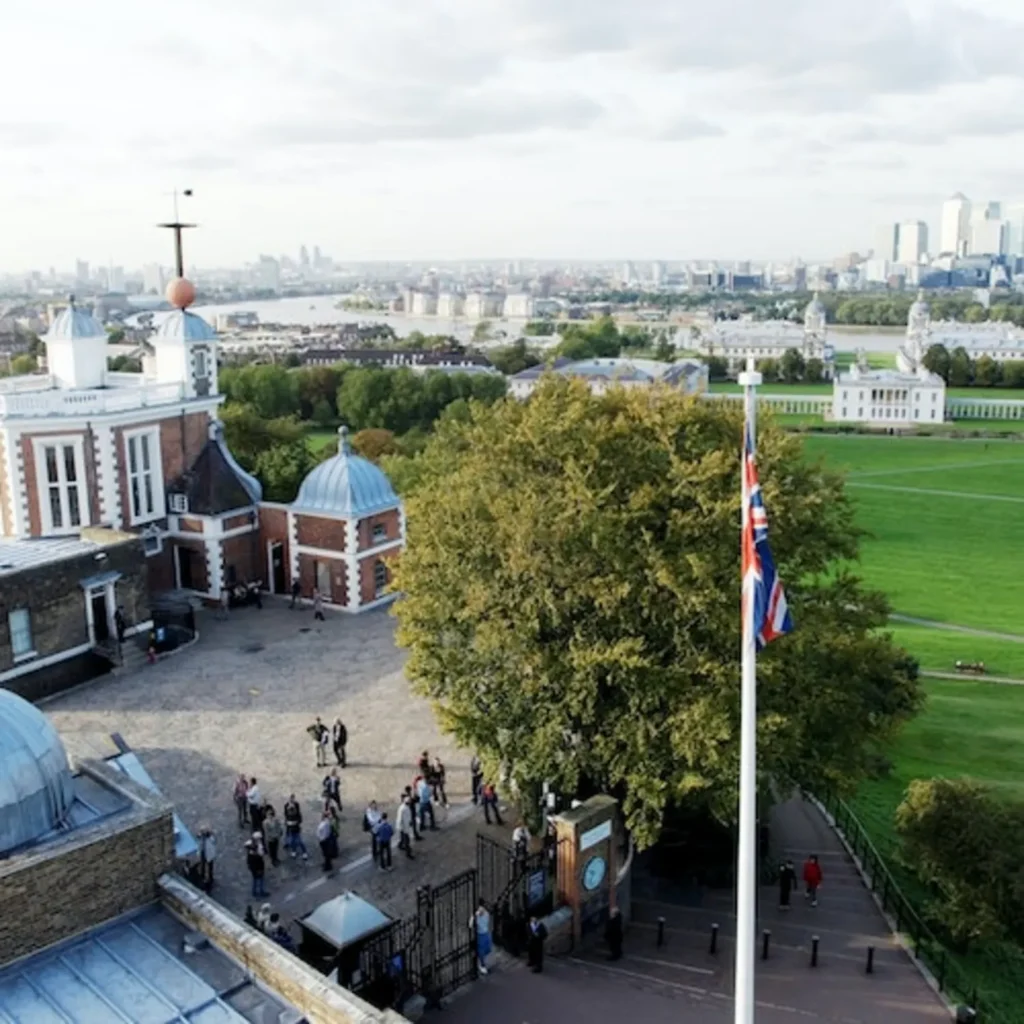
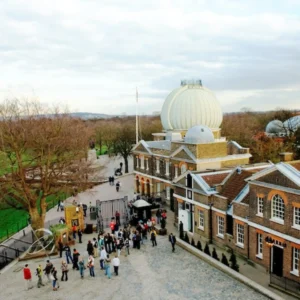
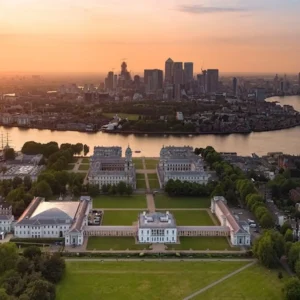
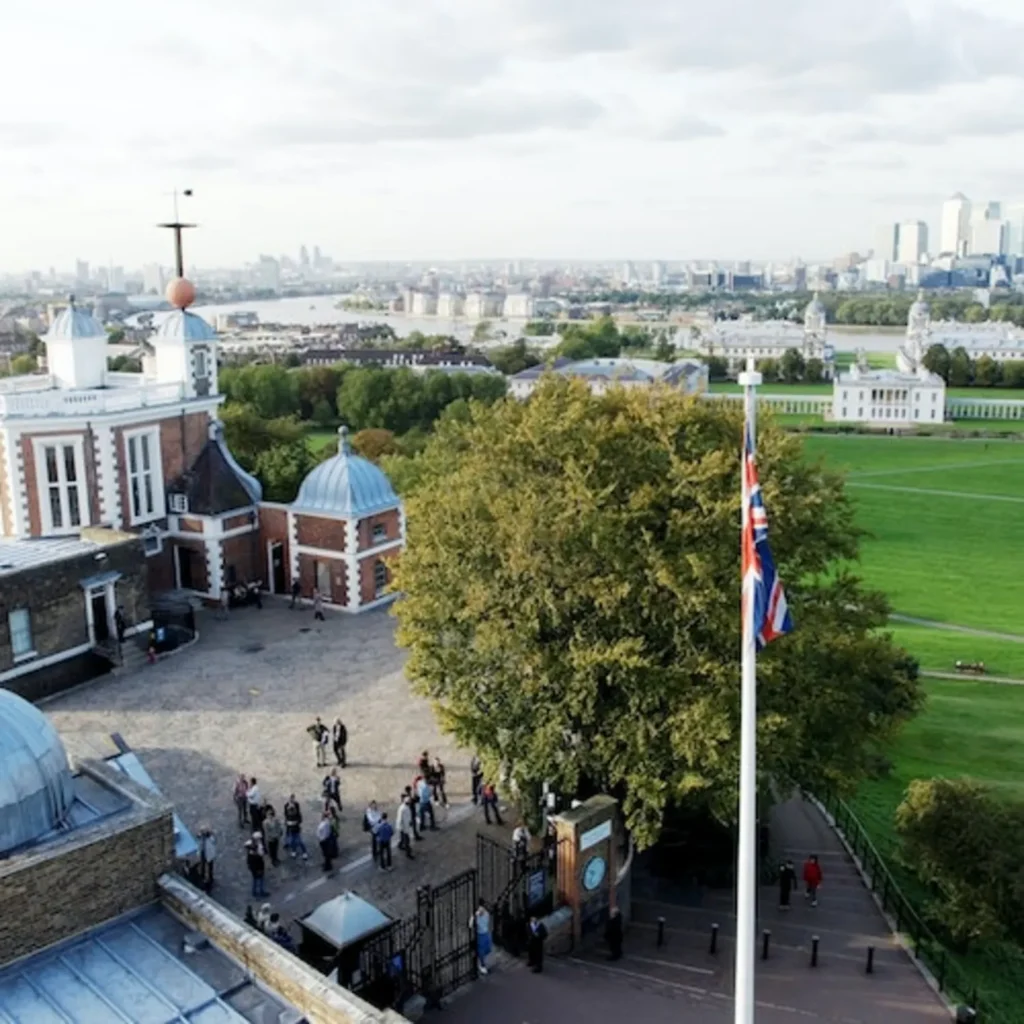
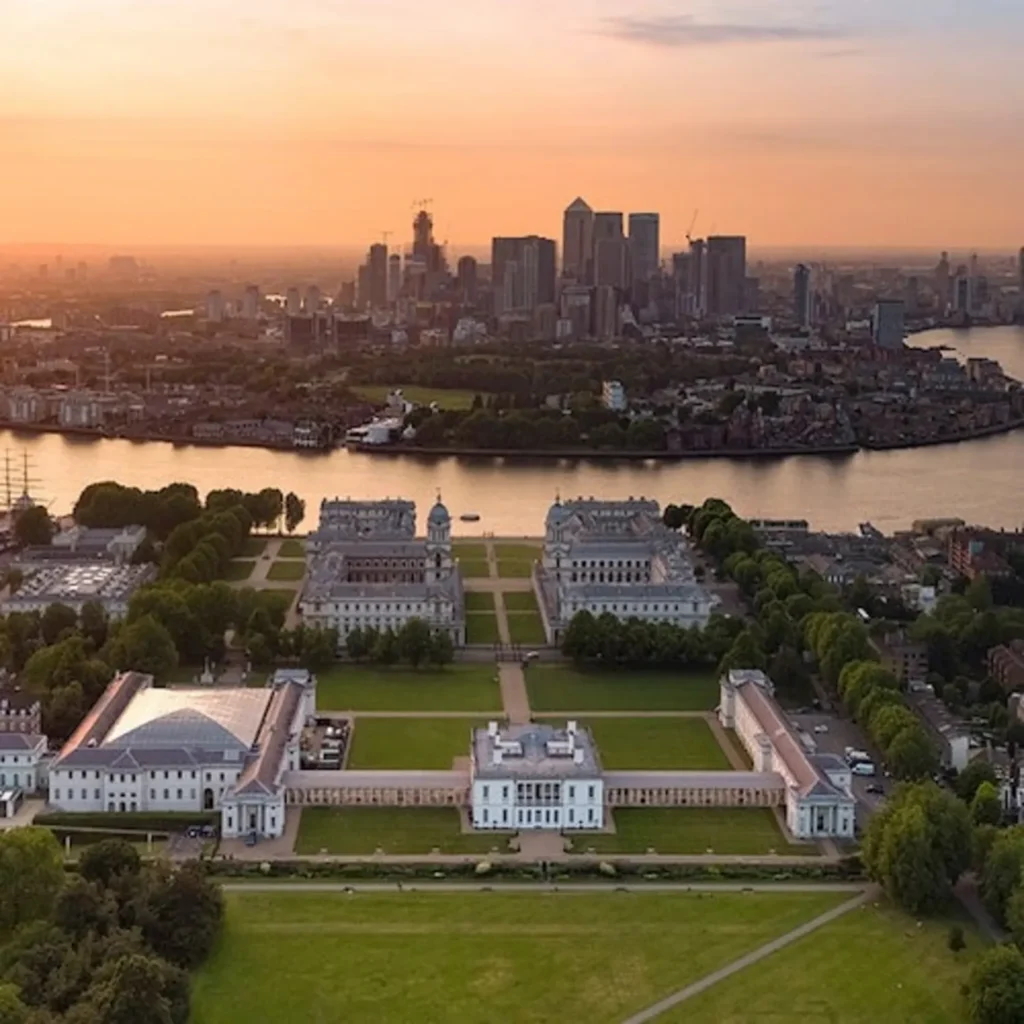
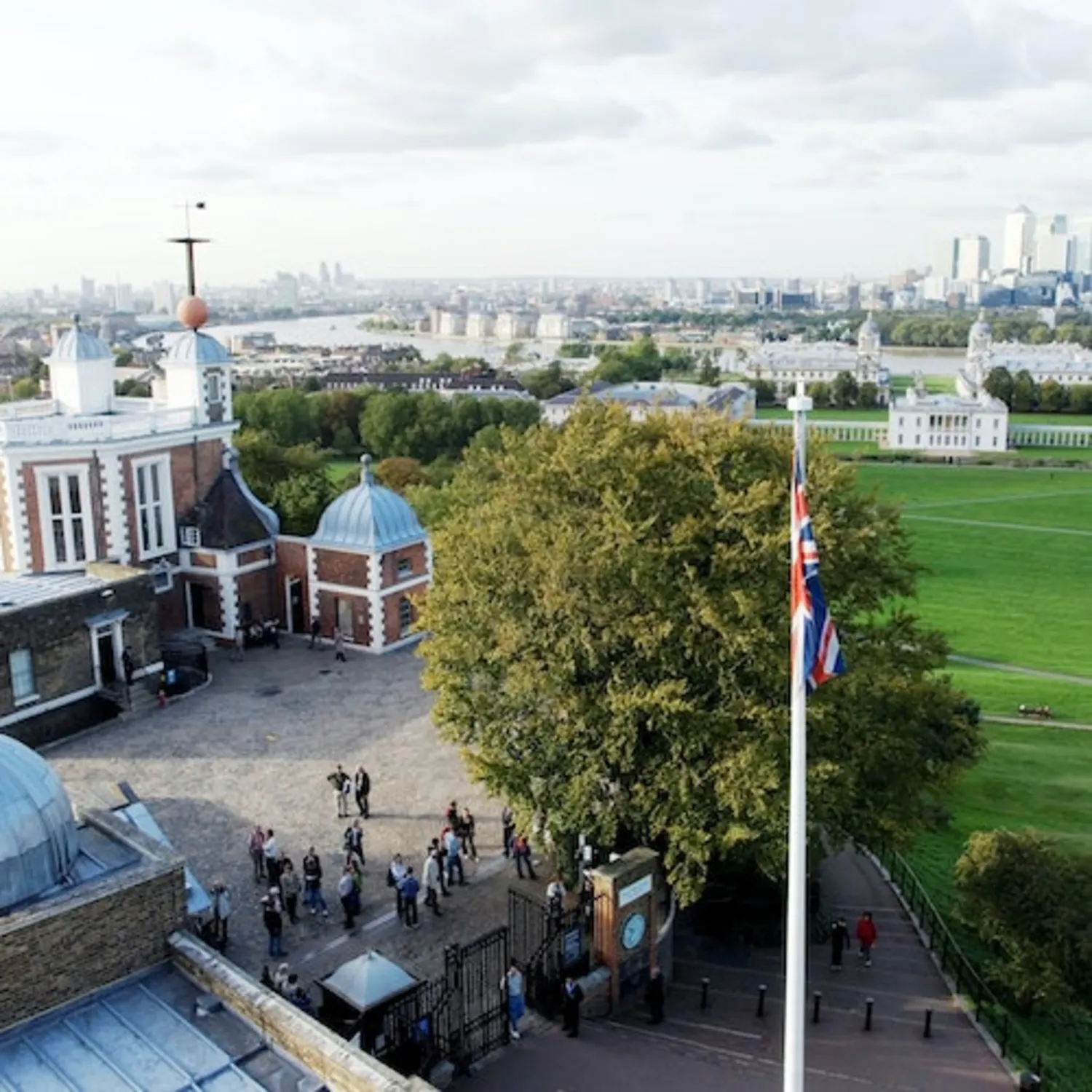
Royal Observatory Greenwich buildings in Greenwich Park

The telescope’s working life nearly ended in the Second World War. It was dismantled and moved to safety in 1939, a decision that turned out to matter: on 15 July 1944, a V1 flying bomb struck the Observatory and left the onion dome almost completely destroyed.

With London’s skies too bright and polluted for serious astronomy anyway, the telescope spent decades away at Herstmonceux Castle in Sussex instead of coming straight home. It finally returned to Greenwich in 1971, was fitted into a new dome completed in 1974, and Queen Elizabeth II officially reopened it on 20 May 1975 - the dome that still stands today.

Royal Observatory Greenwich: Admission Ticket

Highlights

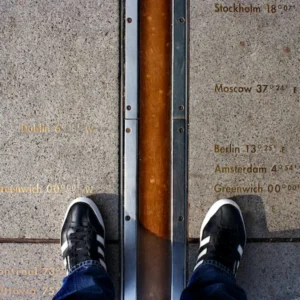
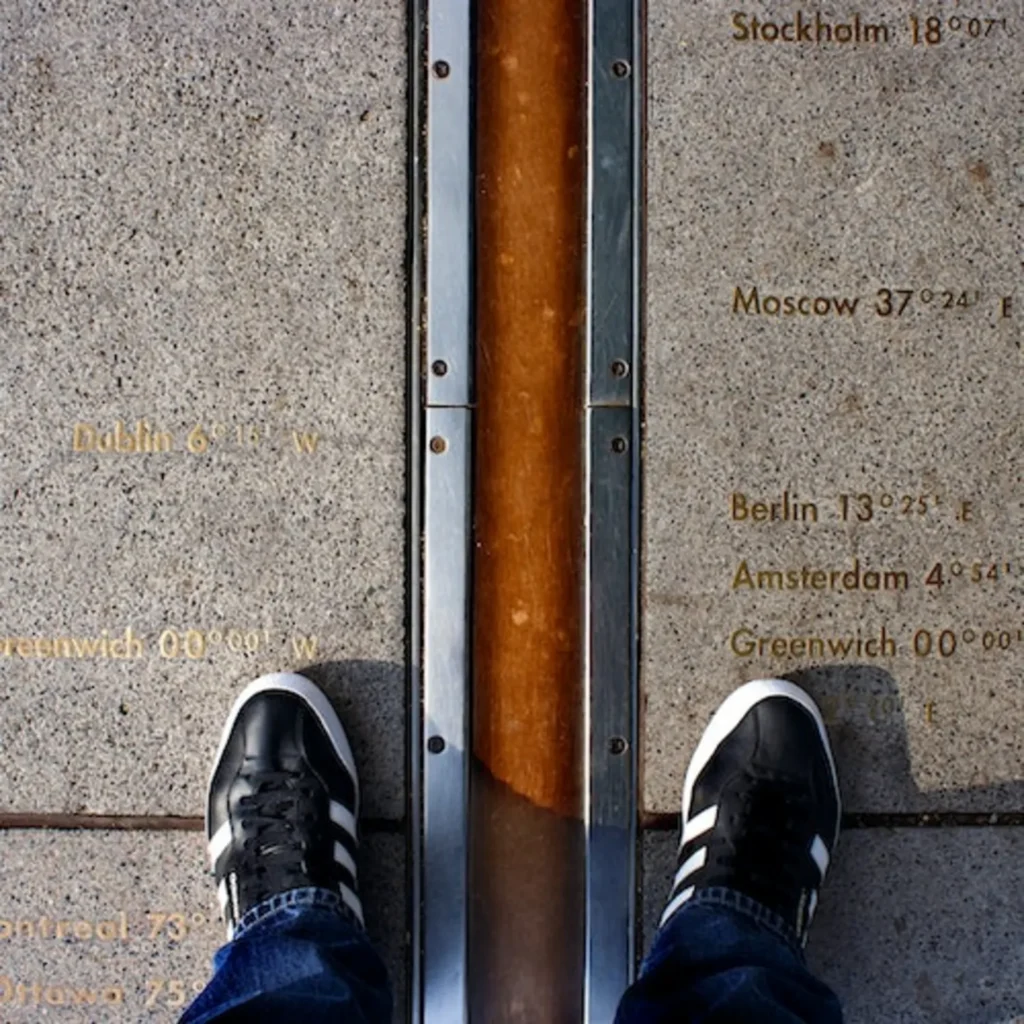
Experience standing on the Prime Meridian, dividing eastern and western hemispheres.

Discover the rich history behind Greenwich Mean Time (GMT) established here.

View remarkable astronomical instruments and exhibits including John Harrison’s timekeepers.

Time your visit to see the Time Ball drop, a historical time signal at 1 PM daily.

Enjoy panoramic views from this iconic observatory site overlooking Greenwich.
Royal Museums Greenwich Day Pass

Highlights

Entry to four iconic attractions in London’s Greenwich area.

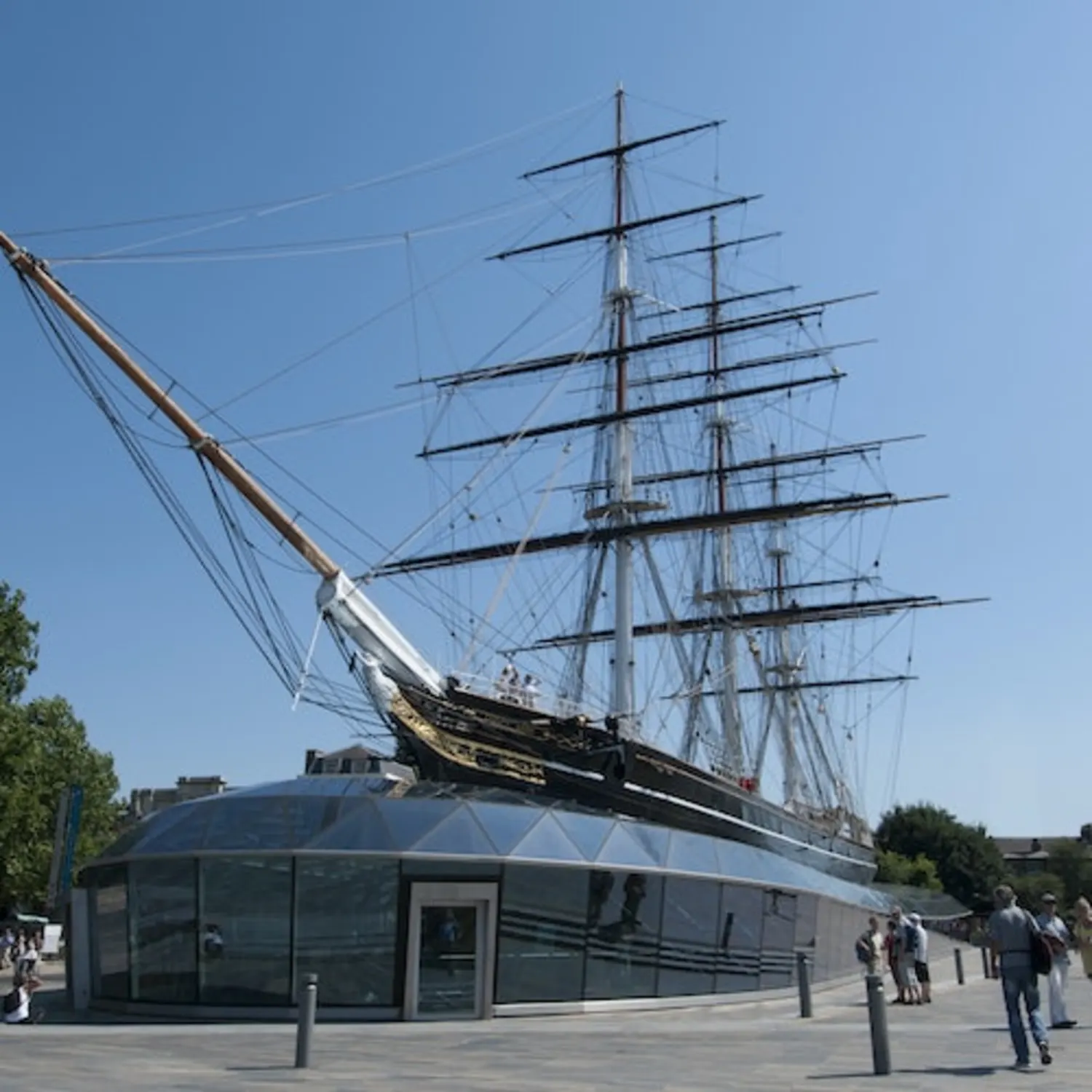
Explore the historic tea clipper, Cutty Sark.

Visit the Royal Observatory and stand on the Meridian Line.

Discover Britain’s maritime heritage at the National Maritime Museum.

Experience 17th-century elegance at the Queen’s House.
See Britain's Largest Historic Telescope Before First Light Closes the Hill

The onion dome and the rest of the hill stay open only until 2 November 2026, before the site closes for the First Light building works. Seeing the Great Equatorial Telescope up close is included in standard Observatory admission - no separate ticket needed to step inside the dome.

Questions About the Great Equatorial Telescope

What is the Great Equatorial Telescope?

It's the Royal Observatory Greenwich's 28-inch refracting telescope, installed in 1893 inside the site's distinctive onion-shaped dome - still the largest telescope of its kind in the UK.

How big is the Great Equatorial Telescope?

Its lens is 28 inches (71cm) wide, on a tube running over 8 metres long, built by the Grubb Telescope Company of Dublin for Astronomer Royal William Christie.

Can I see the Great Equatorial Telescope with a normal ticket?

Yes. Standard Royal Observatory Greenwich admission includes access to the onion dome and the telescope itself - no separate ticket needed to see it up close.

Was the Great Equatorial Telescope damaged in WWII?

The telescope itself survived - it was dismantled and moved to safety in 1939 - but its dome was almost completely destroyed by a V1 flying bomb that hit the Observatory on 15 July 1944.

Is the current onion dome the original one from 1893?

No. The 1893 dome was badly damaged in WWII and later removed; today's dome was completed in 1974, and Queen Elizabeth II officially reopened the telescope inside it on 20 May 1975.

What was in the dome before the 28-inch telescope?

A smaller 12.8-inch Merz refractor occupied the same spot from 1859, inside an earlier cylindrical “drum” dome that turned on a ring of old cannon balls - it was retired once the 28-inch instrument arrived in 1893.

Is the Great Equatorial Telescope still used today?

Yes, though not for serious research anymore. The Observatory runs regular winter astronomy evenings using the historic lens alongside modern computer-guided mounts and cameras.

This website sells official tickets for this venue. Please note, however, that it is not the official website of the venue.

The images and videos on this website may contain visual elements that have been created or enhanced using AI technology. They are provided for illustrative purposes only.