We are processing your request.
Please, don’t close or refresh the page.
London Tickets Tower Of London Lady Jane Grey
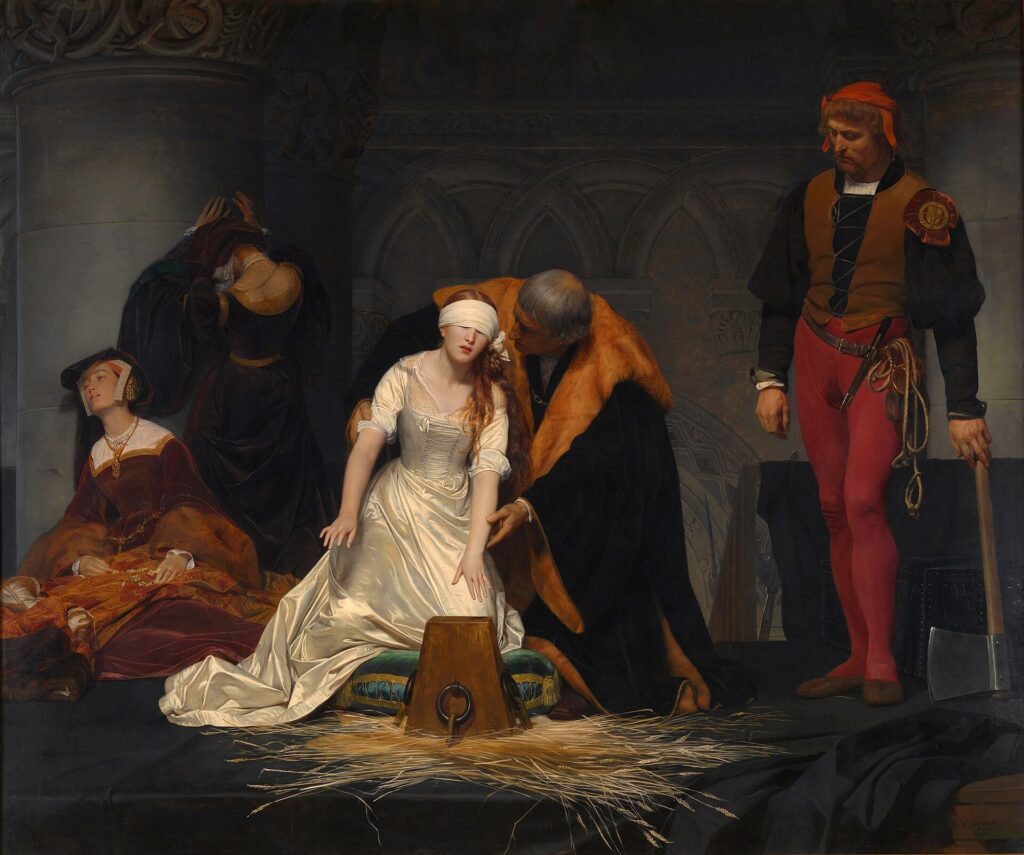
The Execution of Lady Jane Grey by Paul Delaroche

Lady Jane Grey: The Nine Days Queen of the Tower of London

A teenager who read Plato in Greek was named queen by a dying king, refused to make her husband king without Parliament, and lost the throne in nine days. She never left the Tower again.

Who Was Lady Jane Grey?

Lady Jane Grey was the great-granddaughter of Henry VII and one of the best-educated women of her time. Her cousin Edward VI named her his heir to keep his Catholic half-sister Mary off the throne. She was proclaimed queen on 10 July 1553, deposed nine days later and beheaded on Tower Green on 12 February 1554, aged 16 or 17. She is one of the women of the Tower of London whose stories you can still follow inside the walls.

Lady Jane Grey in Brief

She learned Greek, Latin and Hebrew, as well as French and Italian.

She said she found more pleasure in Plato than in hunting in the park.

She was married to Lord Guildford Dudley on 25 May 1553.

She refused to make her husband king without an Act of Parliament.

As a prisoner she is thought to have been held at No 5 Tower Green.

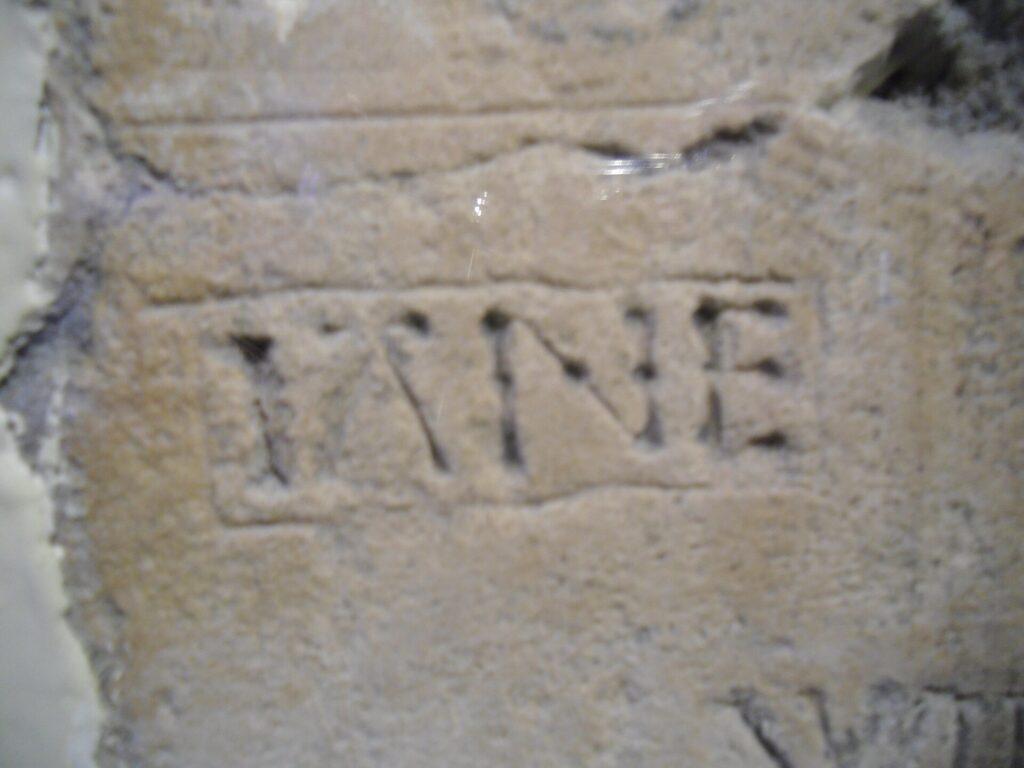
The name IANE carved in the Beauchamp Tower is linked to her.

A Scholar Raised Among Queens

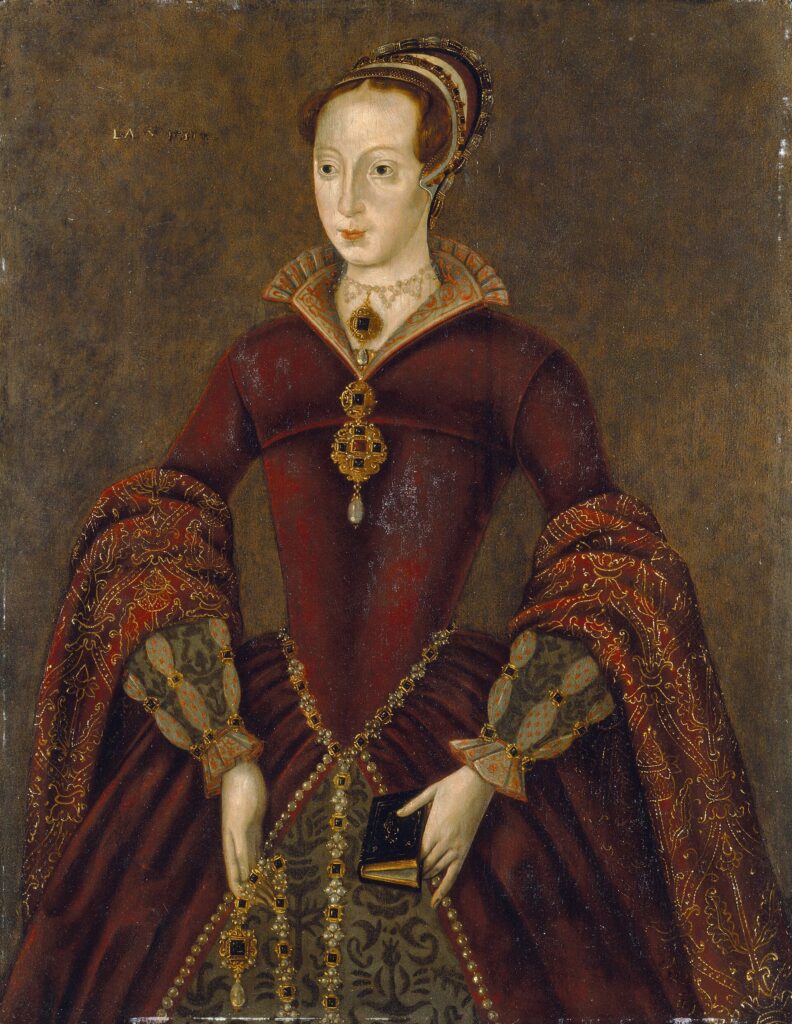
The Streatham portrait, thought to show Lady Jane Grey

Jane was born in 1537, the eldest daughter of Lady Frances Grey, whose mother was Henry VIII’s sister. She was taught at home and became a dedicated student of the classics.

At ten she joined the household of Katherine Parr, the king’s widow, an educated Protestant and a patron of the arts, who oversaw the education of Henry’s children.

With Katherine, Jane grew into an intelligent, pious young woman. Being third in line to the throne also made her a valuable piece in the ambitions of the men around her.

The Nine Days Queen

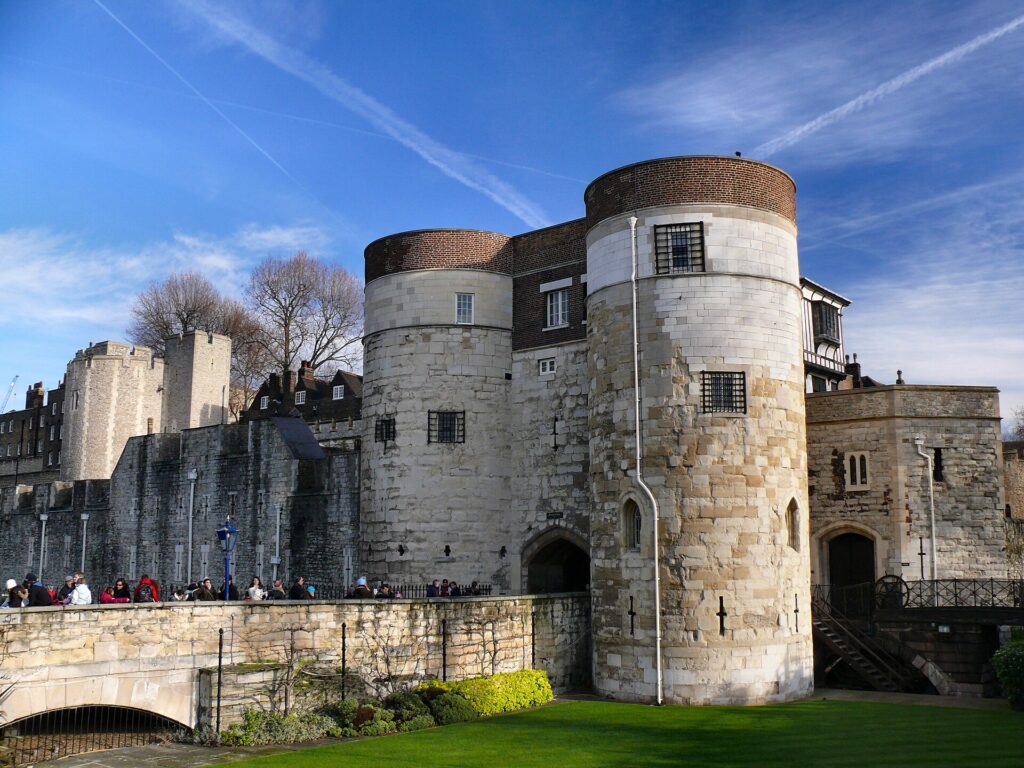
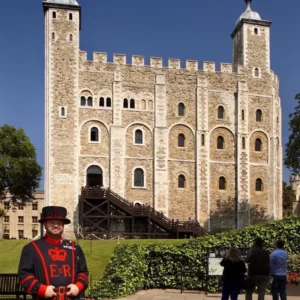
The entrance towers of the Tower of London
Photo: dynamosquito, CC BY-SA 2.0, via Wikimedia Commons

Edward VI died on 6 July 1553. His Devise for the Succession named Jane, and on 9 July she was told she was queen, news that left her distressed. The next day she entered the Tower by barge to prepare for her coronation.

When the crown was brought, she refused to have one made for Guildford. She would not make him king without an Act of Parliament, and made him a duke instead.

Mary Tudor raised an army, and the Council changed sides. On 19 July Mary was proclaimed queen, and Jane’s father left her inside the Tower, now a prisoner.

Lady Jane Grey’s Execution and Grave

The IANE inscription carved in the Beauchamp Tower

Jane and Guildford were convicted of treason in November 1553, but Mary spared them. Then Jane’s father joined Wyatt’s rebellion in 1554, and her existence became a danger to the queen.

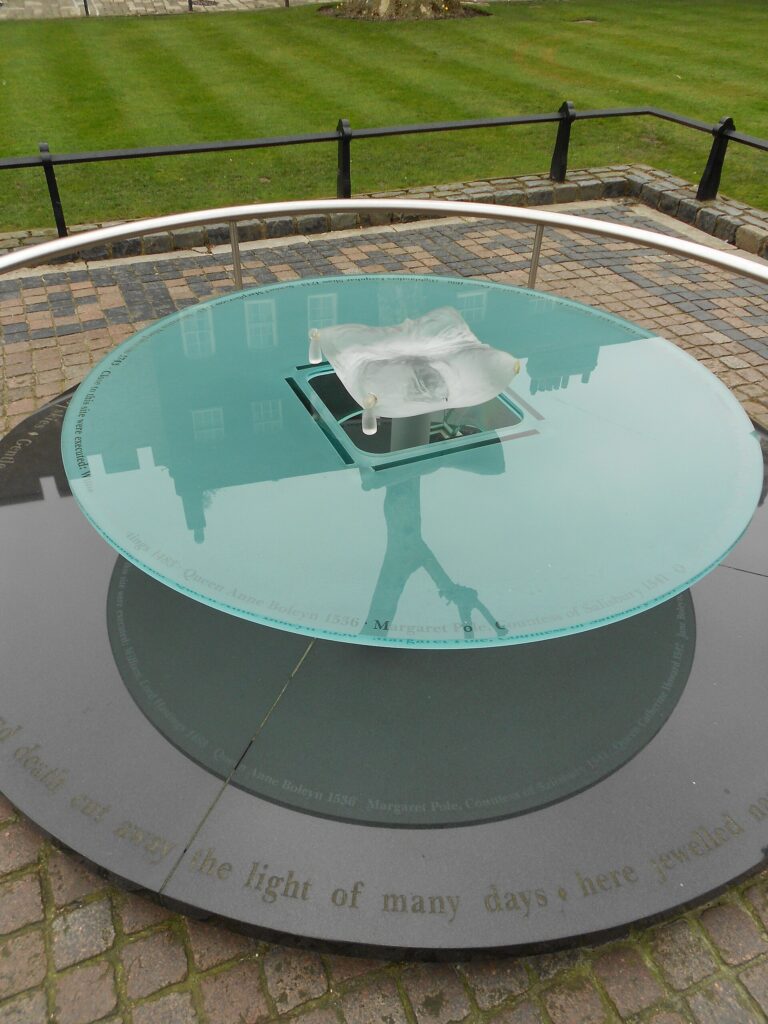
Offered her life if she became a Catholic, Jane refused. On 12 February 1554 Guildford was beheaded on Tower Hill, and an hour later Jane walked to the scaffold on Tower Green, dressed in black, reading a psalm from her prayer book.

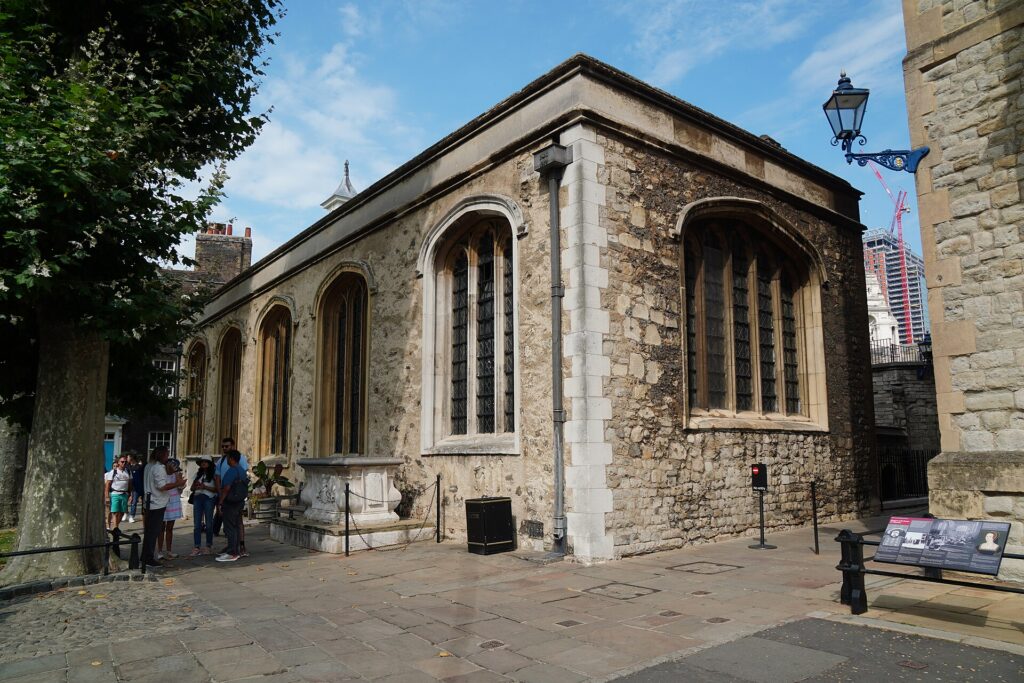
She was buried beneath the altar of the chapel, close to two other beheaded queens, Anne Boleyn and Catherine Howard.

Visiting the Tower of London for Lady Jane Grey
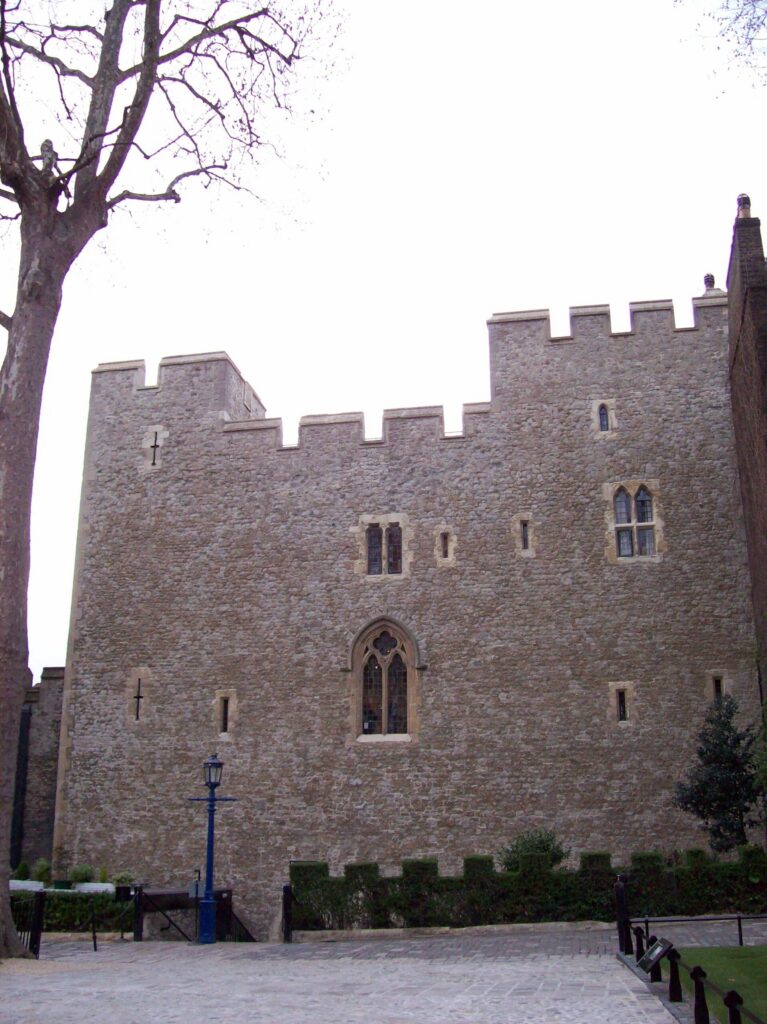
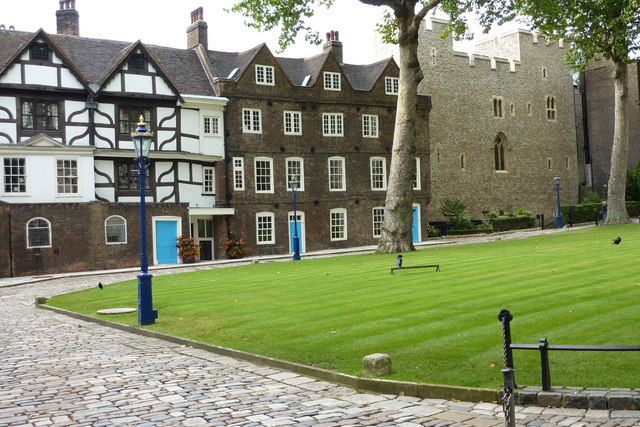
Start on Tower Green, where she lived and died, then climb the Beauchamp Tower to find the carved IANE and the Dudley coat of arms beside the fireplace. Finish in the chapel where she is buried, which holds regular services and can close at times.

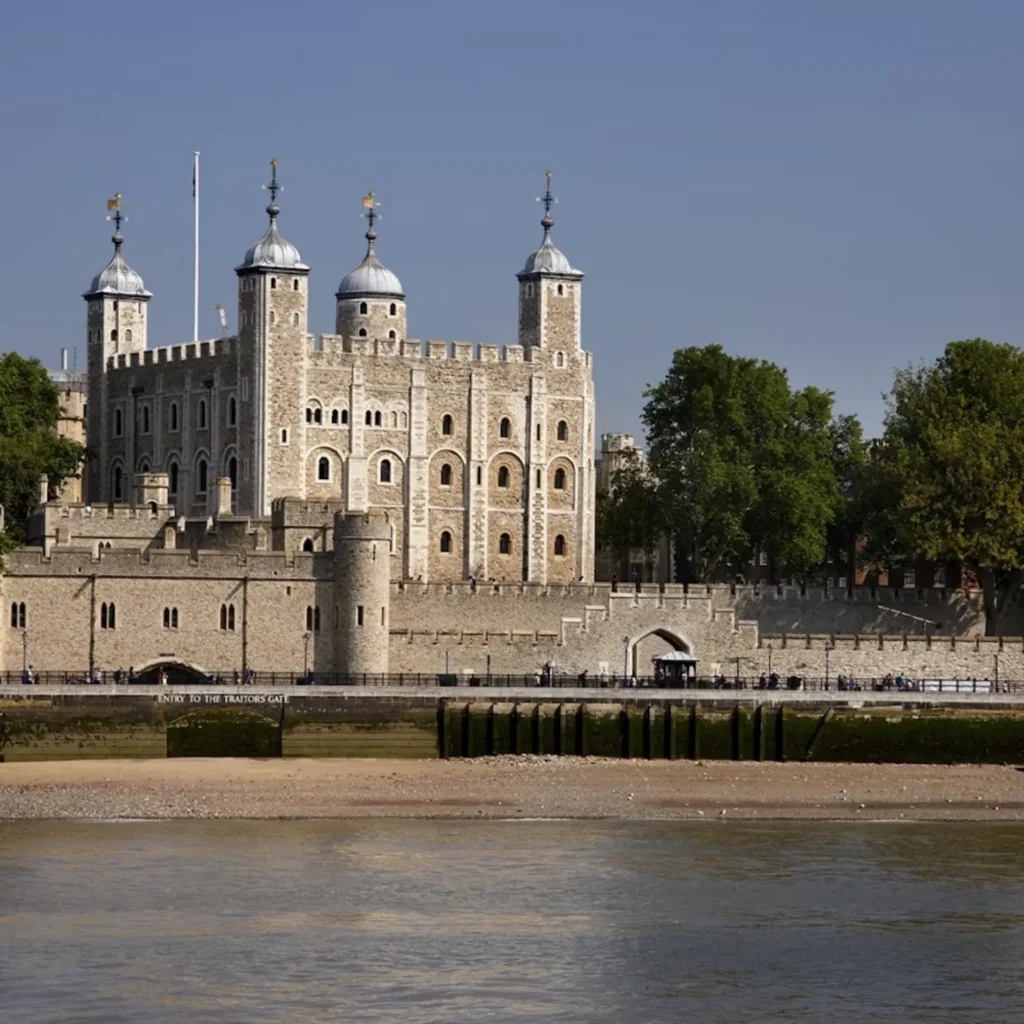
Tower of London: An Iconic and Intriguing Location!

Highlights

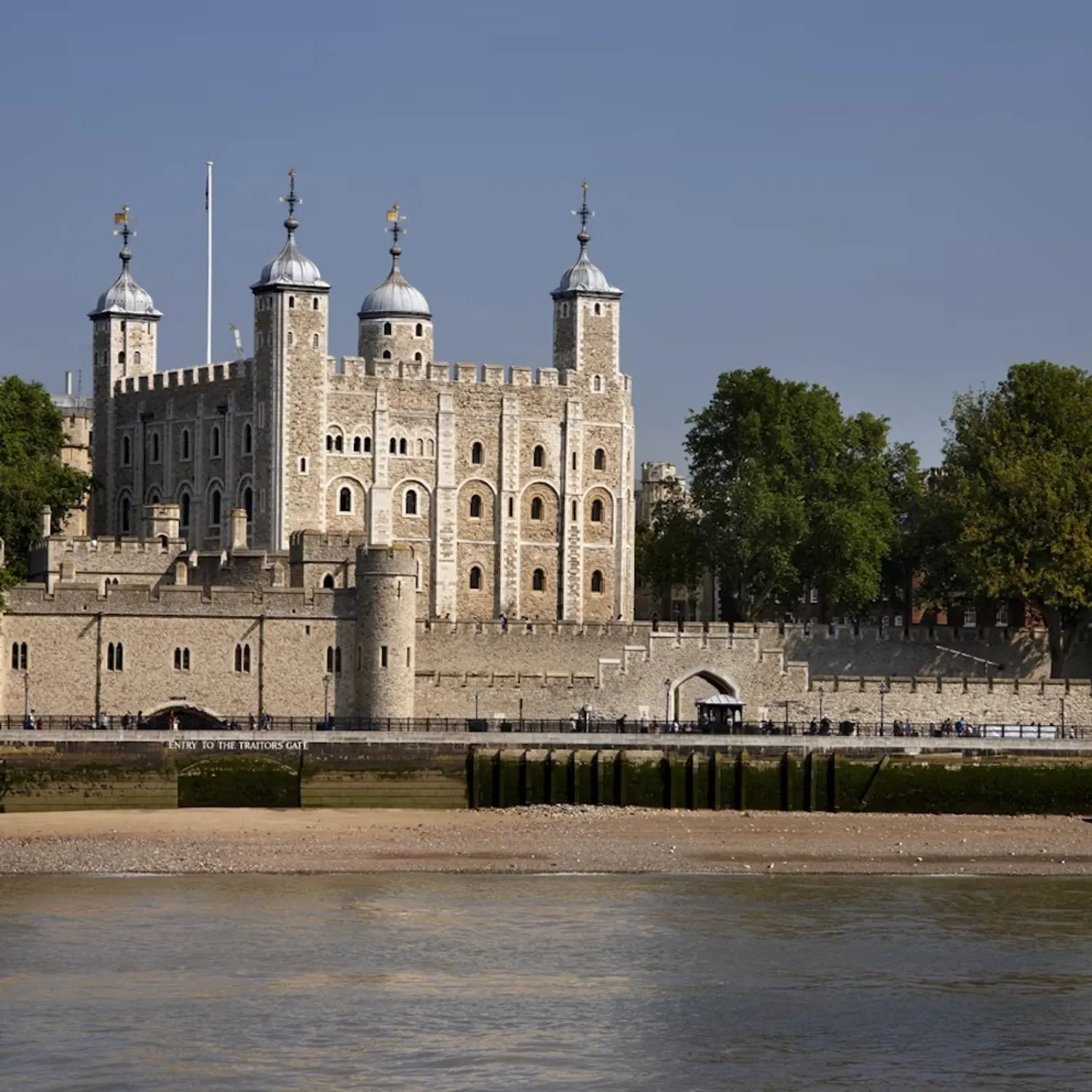
Explore an iconic landmark steeped in political intrigue and royal history.

Discover the newly restored Medieval Palace showcasing stories of monarchs and their households.

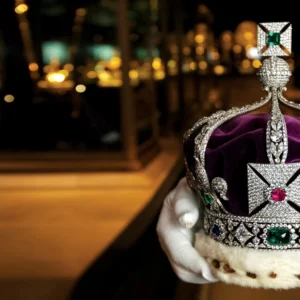
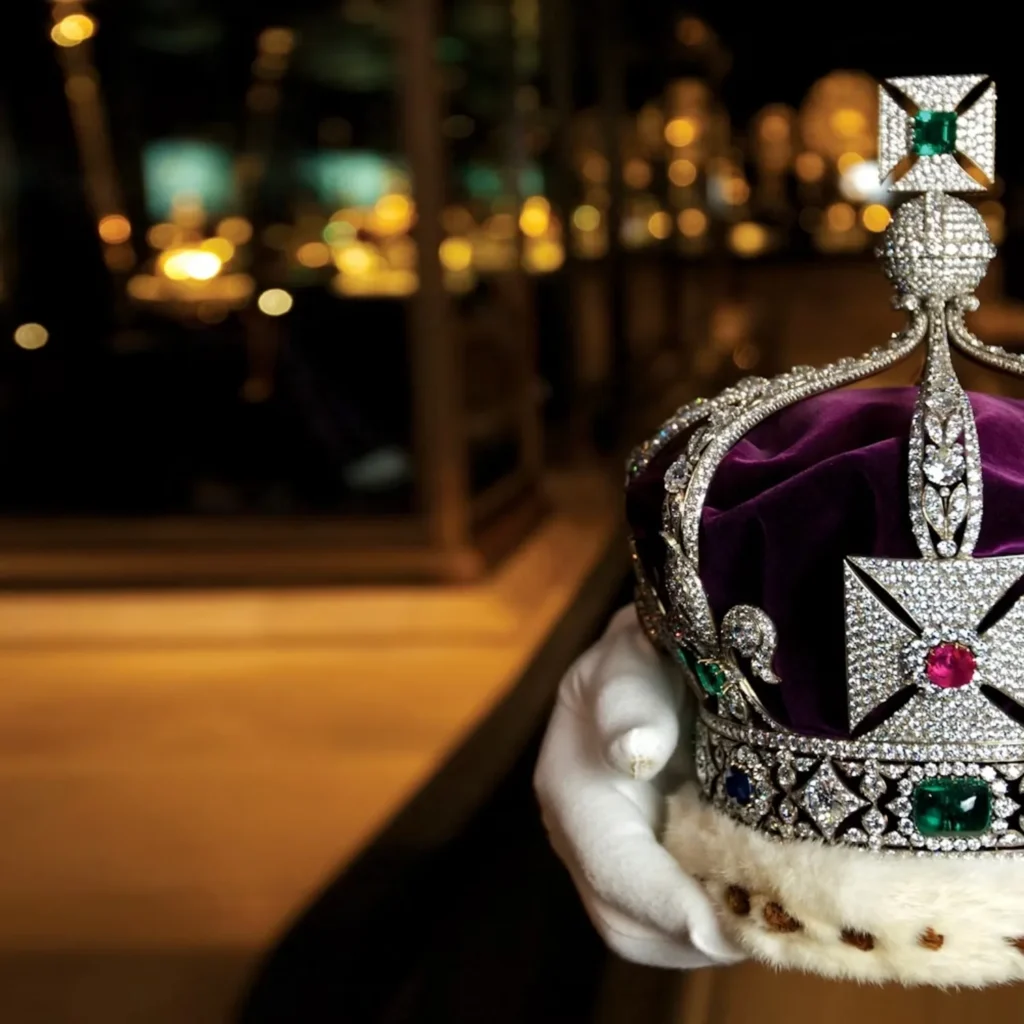
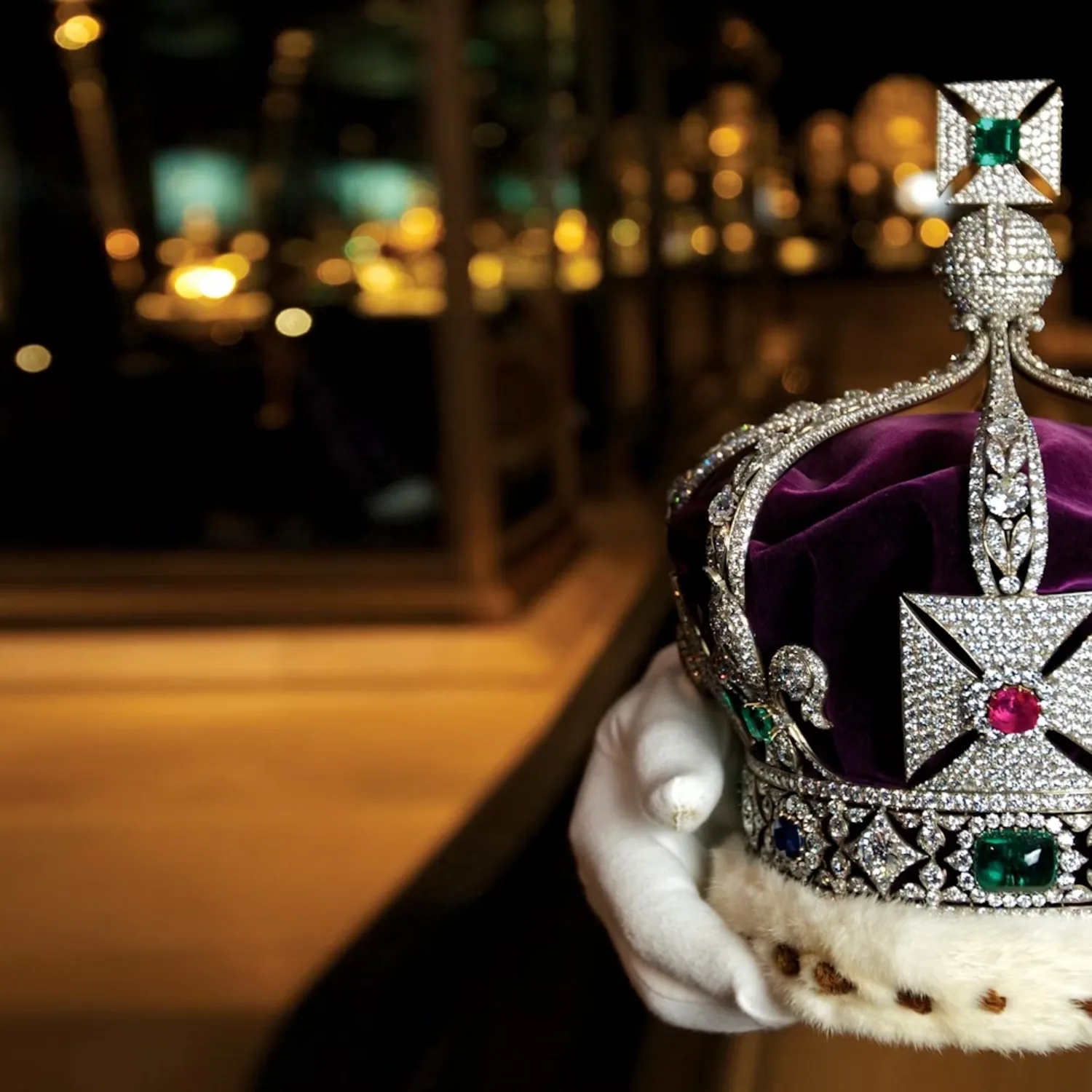
See the Crown Jewels, a highlight of the exhibition.

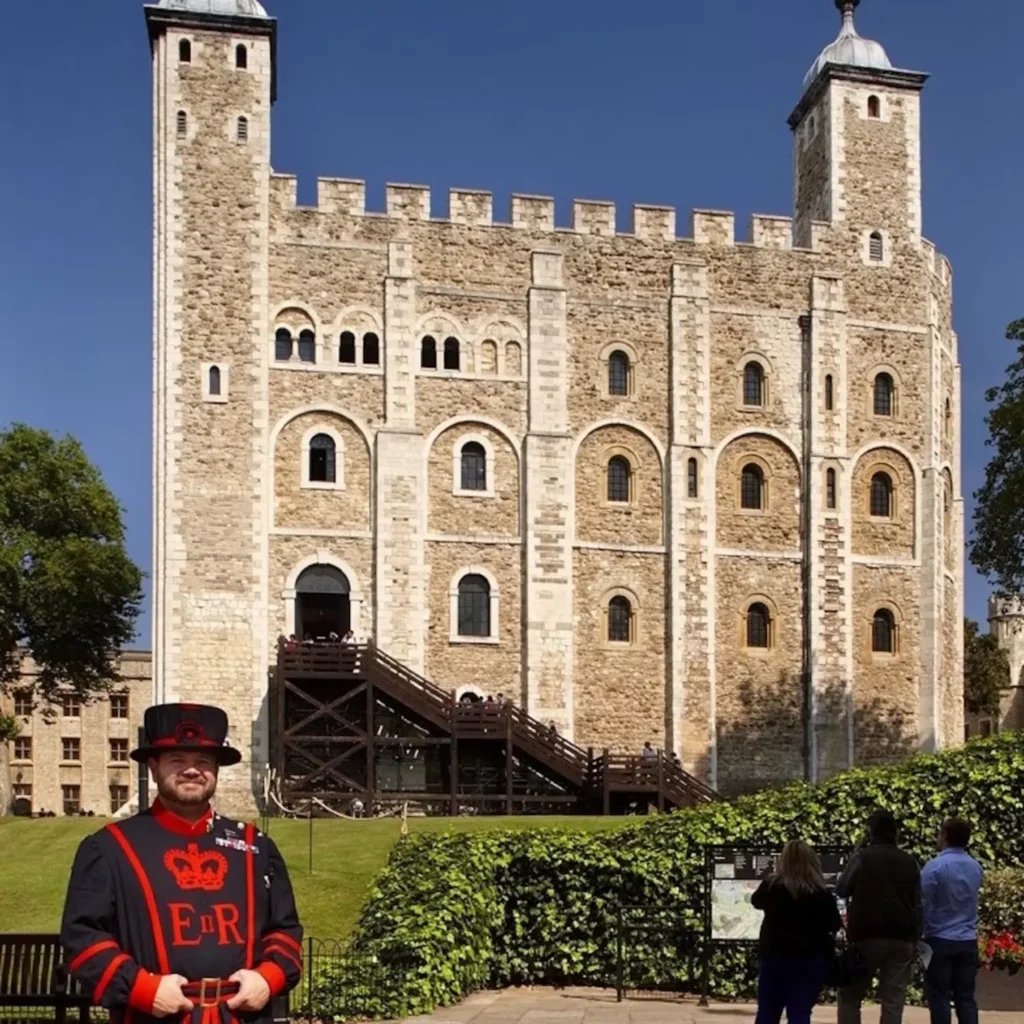
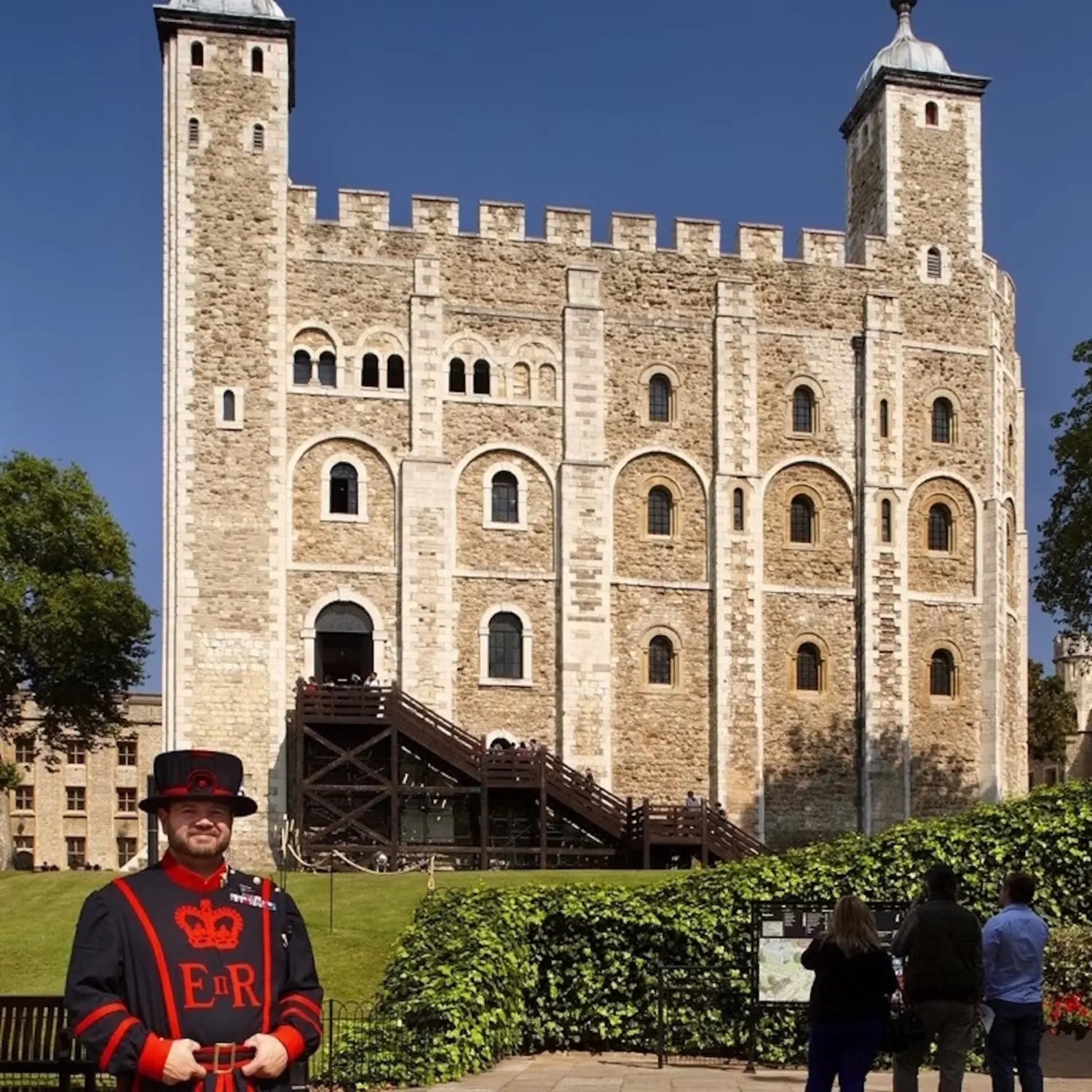
Admire the White Tower with Henry VIII’s oversized armor and London’s oldest church, St John’s Chapel.

Experience thrilling narratives about the Tower’s past, including imprisonment and executions.
Questions About Lady Jane Grey

Why is Lady Jane Grey called the Nine Days Queen?

She was proclaimed queen on 10 July 1553 and replaced by Mary I on 19 July, a reign of nine days.

How old was Lady Jane Grey when she died?

She was 16 or 17. She was born in the autumn of 1537 and executed on 12 February 1554.

Where was Lady Jane Grey executed?

On Tower Green, inside the Tower of London, an hour after her husband was beheaded on Tower Hill.

Where is Lady Jane Grey buried?

Beneath the altar of the Chapel Royal of St Peter ad Vincula at the Tower of London.

Why was Lady Jane Grey executed?

Her father joined Wyatt’s rebellion in 1554, and Mary I saw her as a focus for Protestant plots.

Can you see Lady Jane Grey’s name at the Tower?

Yes. The name IANE is carved low on a wall of the upper chamber of the Beauchamp Tower.

This website sells official tickets for this venue. Please note, however, that it is not the official website of the venue.

The images and videos on this website may contain visual elements that have been created or enhanced using AI technology. They are provided for illustrative purposes only.