We are processing your request.
Please, don’t close or refresh the page.
London Tickets Tower Of London Women Of The Tower Of London
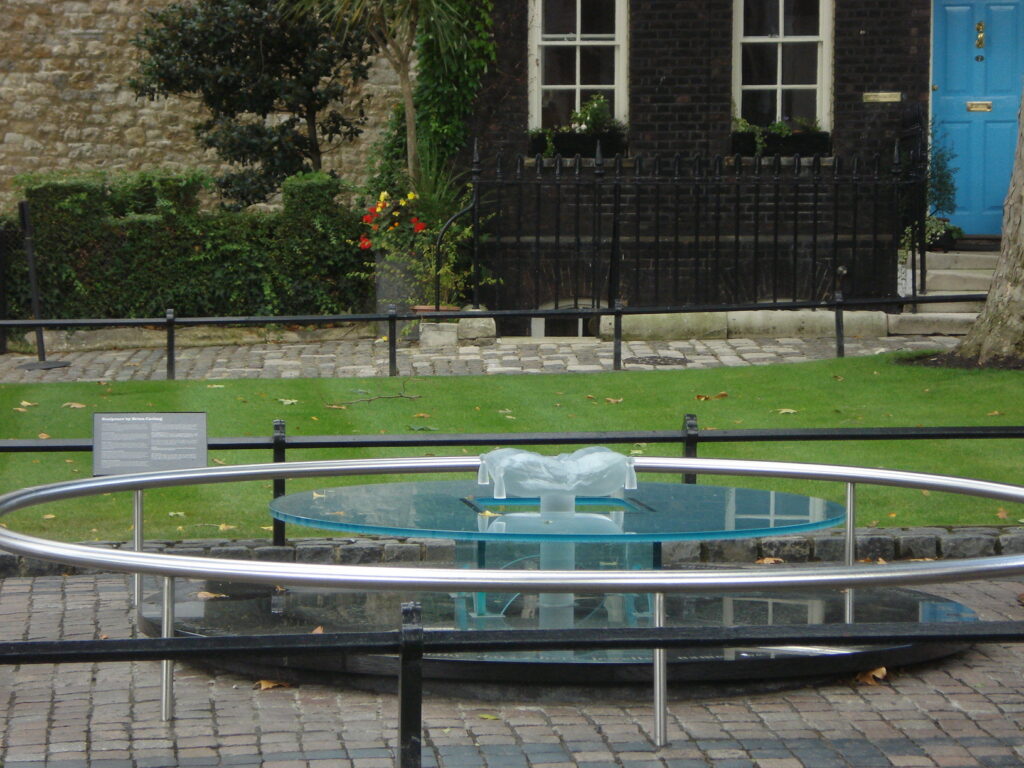
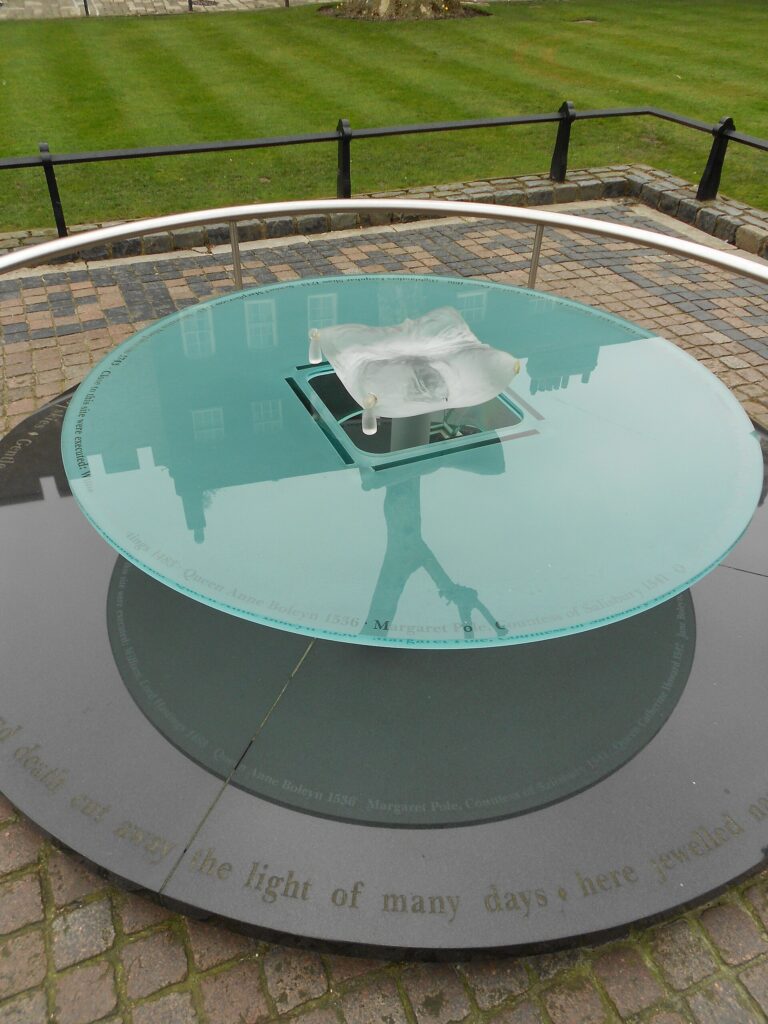
The scaffold site memorial on Tower Green at the Tower of London

Women of the Tower of London: Queens, Prisoners and Tower Green

Three queens were beheaded inside its walls, a countess who held her title in her own right died here at 67, and a princess waited in her mother’s old rooms to learn whether she would live. Their stories meet on Tower Green.

The Women Who Were Too Dangerous to Live

The Tower of London was a royal palace before it was a prison, and women knew it in both roles. Queens stayed here before their coronations, and some came back as prisoners. Only ten people were executed on or near Tower Green, a privilege kept for the high-born, and three of them were queens of England. Their power, their learning or simply their royal blood made them a threat to the men around them. You can stand where they died and where they lie, a short walk from the White Tower and the Crown Jewels.

Women of the Tower of London in Brief

Anne Boleyn prepared for her coronation in the royal lodgings in 1533, and was held in the same rooms three years later.

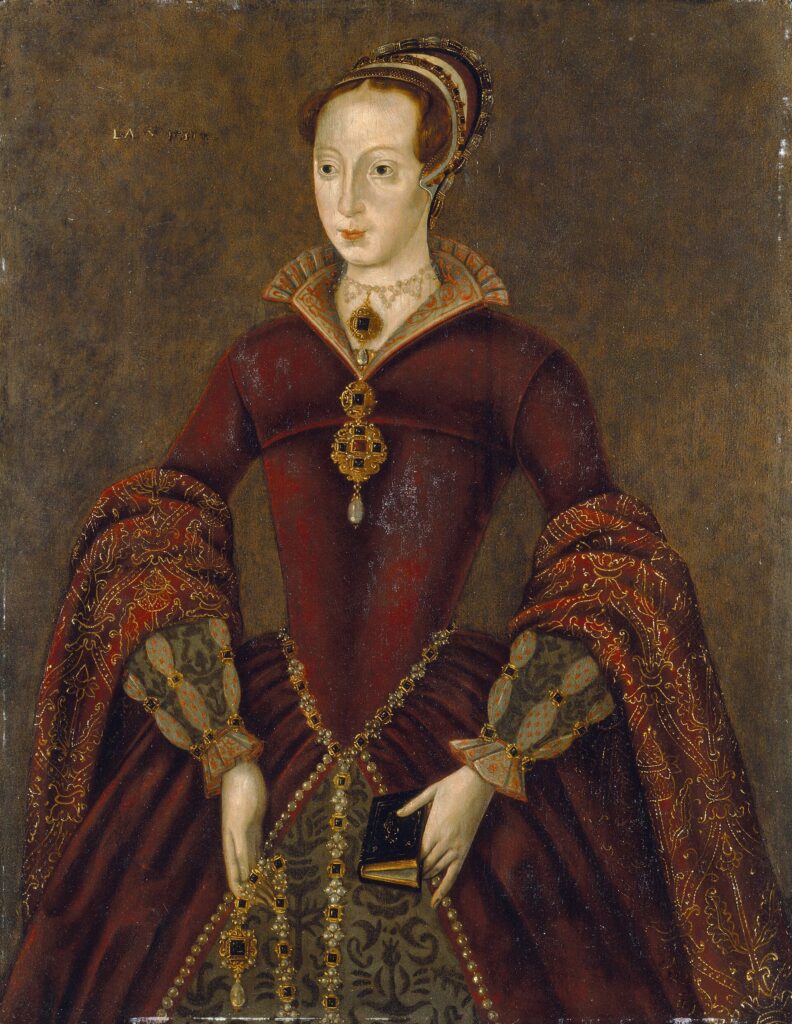
Three queens were beheaded within the walls: Anne Boleyn, Catherine Howard and Lady Jane Grey.

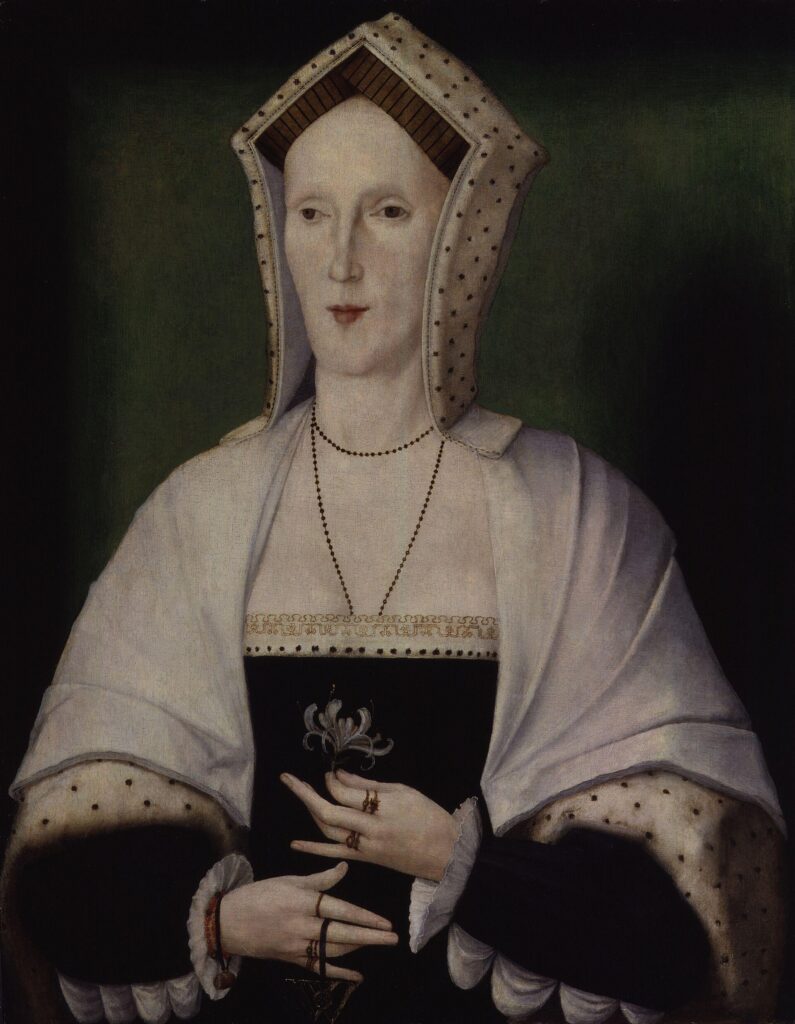
Margaret Pole, Countess of Salisbury, was 67 when she was executed here in 1541.

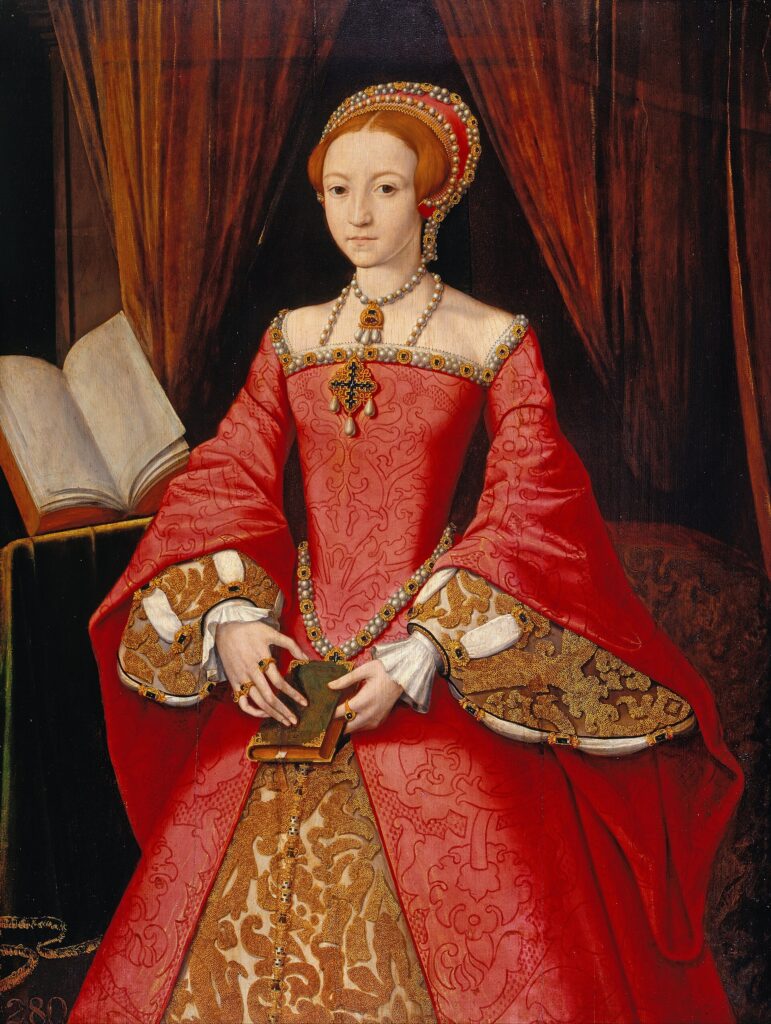
Princess Elizabeth was held here in 1554 and released on the anniversary of her mother’s execution.

A memorial sculpture on Tower Green marks the scaffold site.

The queens’ names and coats of arms are set into a memorial pavement in the chapel.

Queens Before Their Coronation at the Tower of London
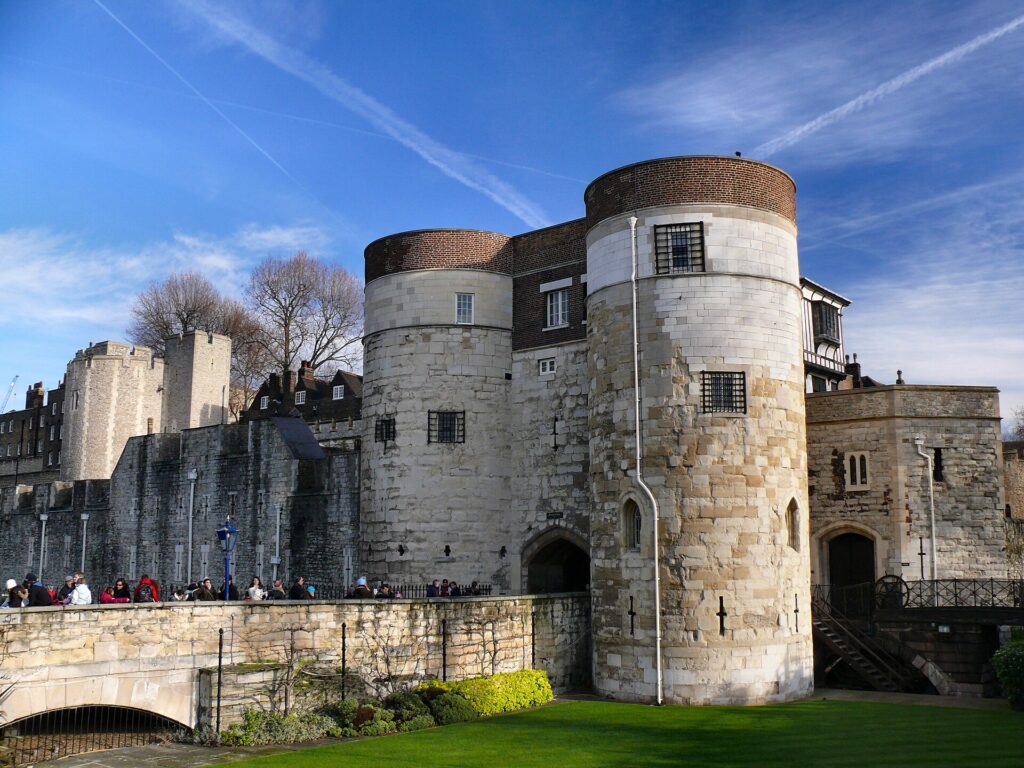
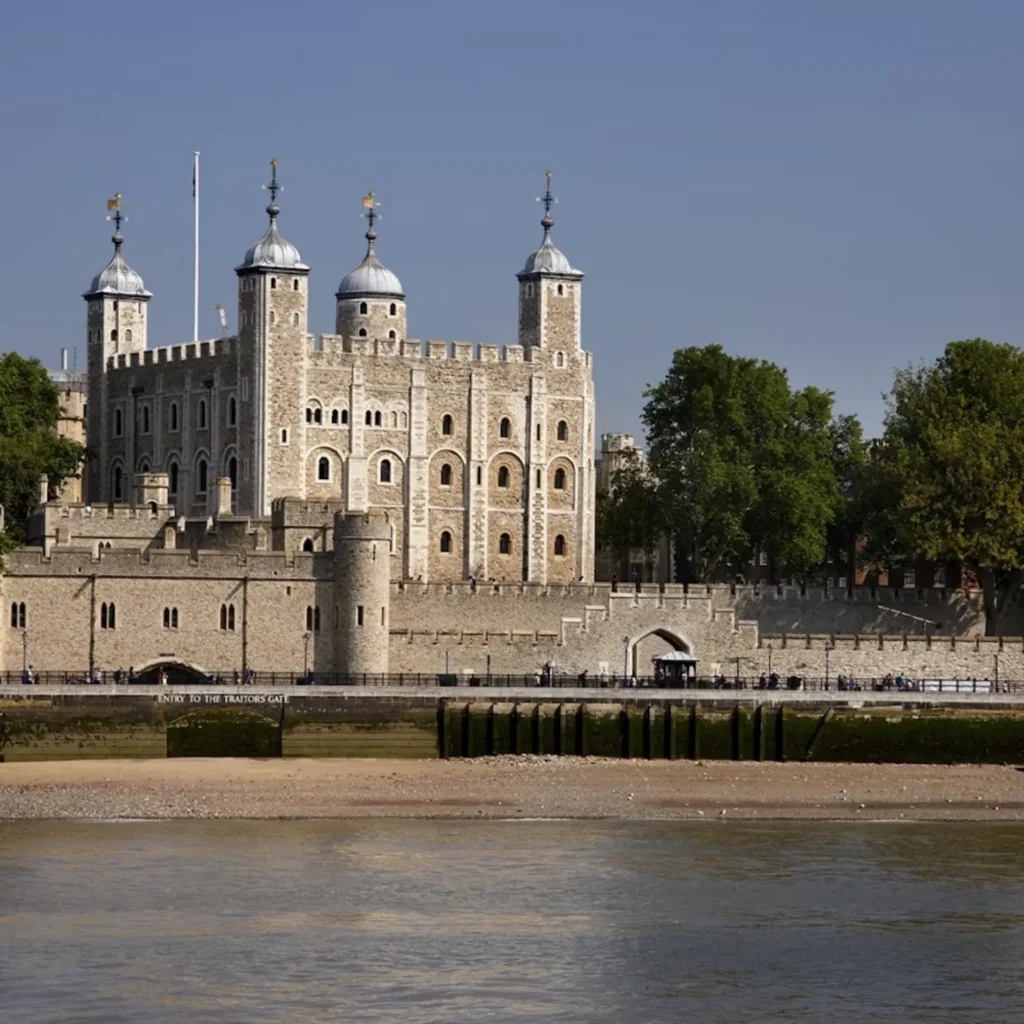
The entrance towers of the Tower of London
Photo: dynamosquito, CC BY-SA 2.0, via Wikimedia Commons

New monarchs traditionally lived in the Tower between their accession and their coronation. In May 1533 Anne Boleyn came by river to prepare in the royal apartments, and she was crowned on 1 June at Westminster Abbey.

Twenty years later Lady Jane Grey arrived by barge in a green and gold gown, her train carried by her mother. She was never crowned. Within a fortnight the palace had become her prison.

Anne’s daughter Elizabeth knew both sides. She was held here as a suspect in 1554, and in January 1559 she returned to prepare for her own coronation.

Tower Green and the Scaffold Site

Tower Green and the scaffold site at the Tower of London

Most of the condemned died in public on Tower Hill, outside the walls. Execution inside the Tower was reserved for people of high rank, or with dangerous popular support, and kept them away from the crowds.

Anne Boleyn died by the clean stroke of a swordsman brought from France. Margaret Pole was less lucky: the young man sent to execute her was said to have hacked at her head and shoulders.

The memorial by the artist Brian Catling stands where Queen Victoria had paving laid to mark the spot, though other accounts place the executions on the parade ground near the White Tower.

The Chapel Royal of St Peter ad Vincula
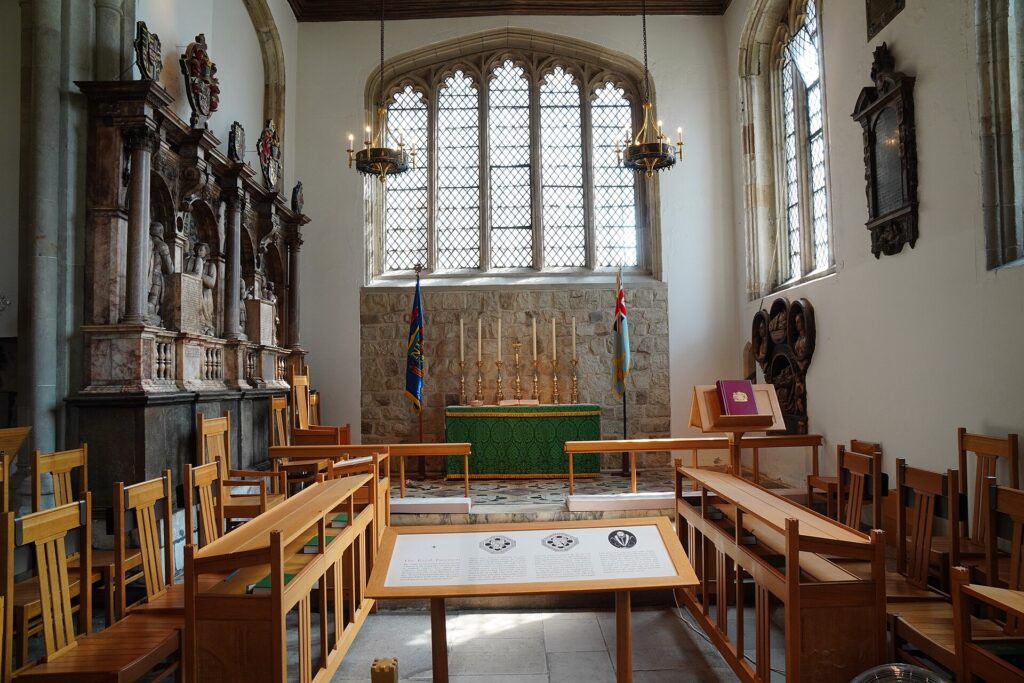
Inside the Chapel Royal of St Peter ad Vincula
Photo: David, CC BY 2.0, via Wikimedia Commons

The chapel beside the green was rebuilt for Henry VIII in 1519 and 1520. Its ceiling is said to be Spanish chestnut, chosen so that Katherine of Aragon could pray under the trees of her homeland.

Anne Boleyn, Catherine Howard and Lady Jane Grey are buried here, with Jane Boleyn, Lady Rochford, and Margaret Pole. Where exactly the queens lie is still a mystery.

During restoration in 1876 remains thought to be Anne’s were found in the chancel. They were reburied near the altar beneath a memorial pavement inscribed with the queens’ names.

Following the Women Around the Tower of London
You come in through the Byward Tower, where Anne Boleyn arrived by barge after her arrest. Walk on to Tower Green and the scaffold site memorial, then into the chapel to find the queens’ pavement, and climb the Beauchamp Tower to look for the name IANE carved into the wall. The chapel holds regular services, so it can close at times during the day.

Tower of London: An Iconic and Intriguing Location!

Highlights

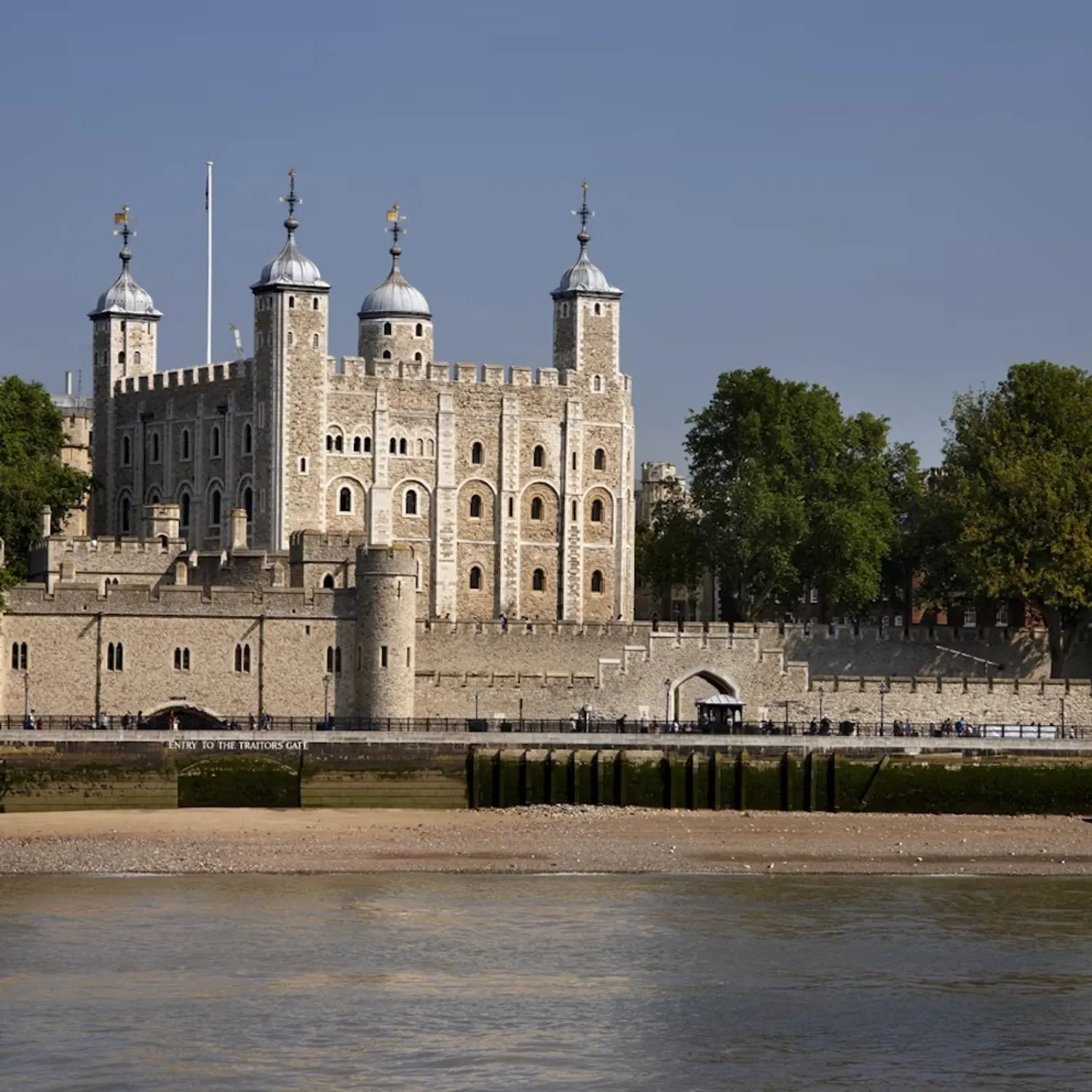
Explore an iconic landmark steeped in political intrigue and royal history.

Discover the newly restored Medieval Palace showcasing stories of monarchs and their households.

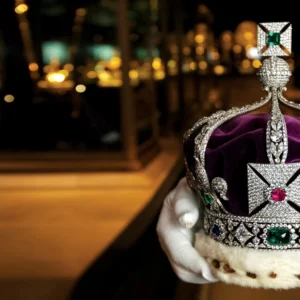
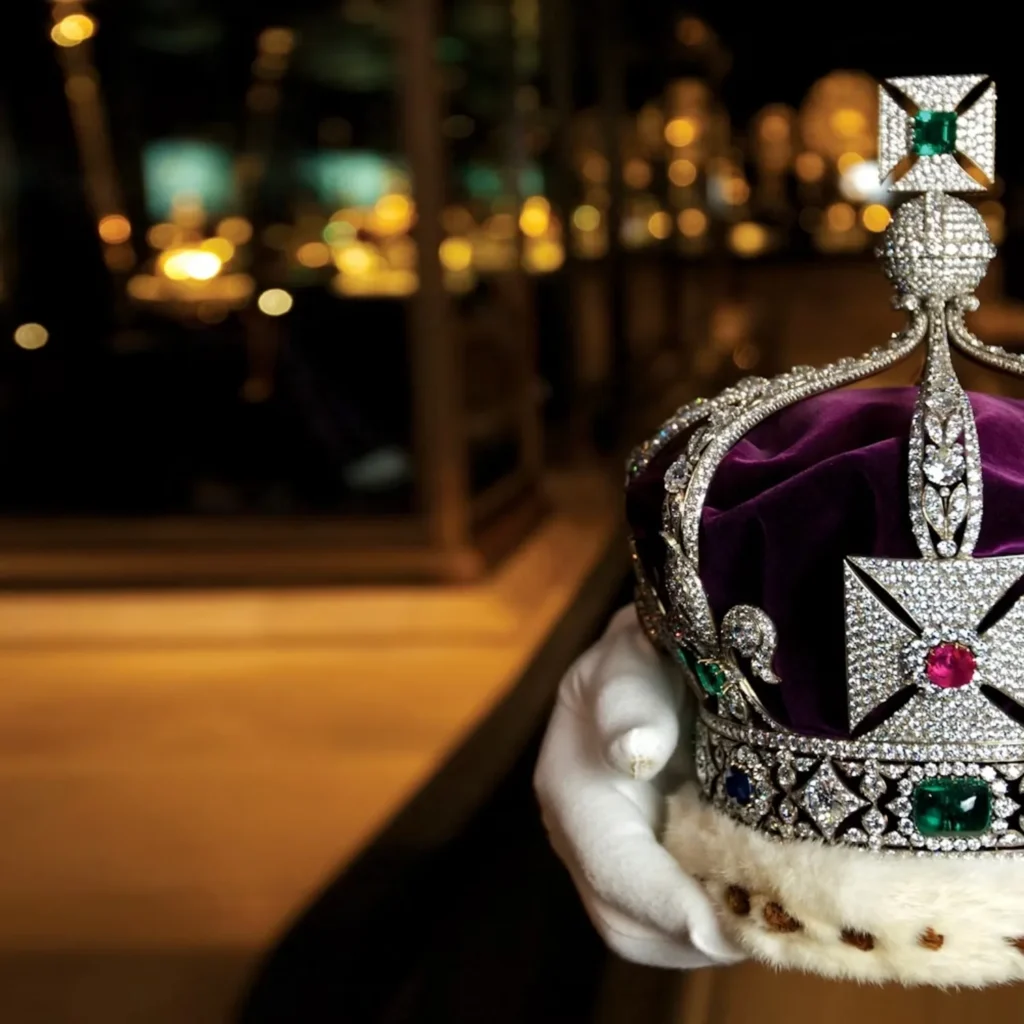
See the Crown Jewels, a highlight of the exhibition.

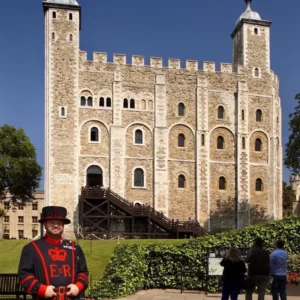
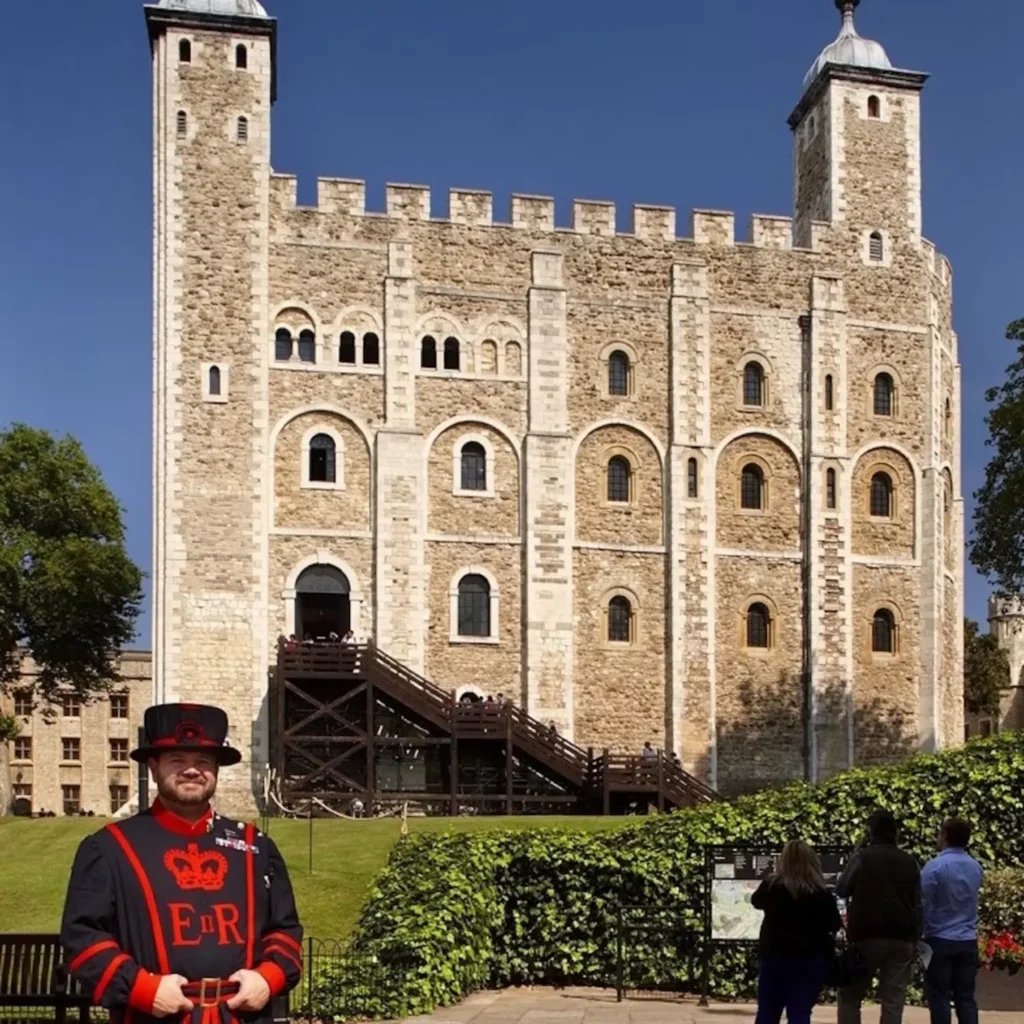
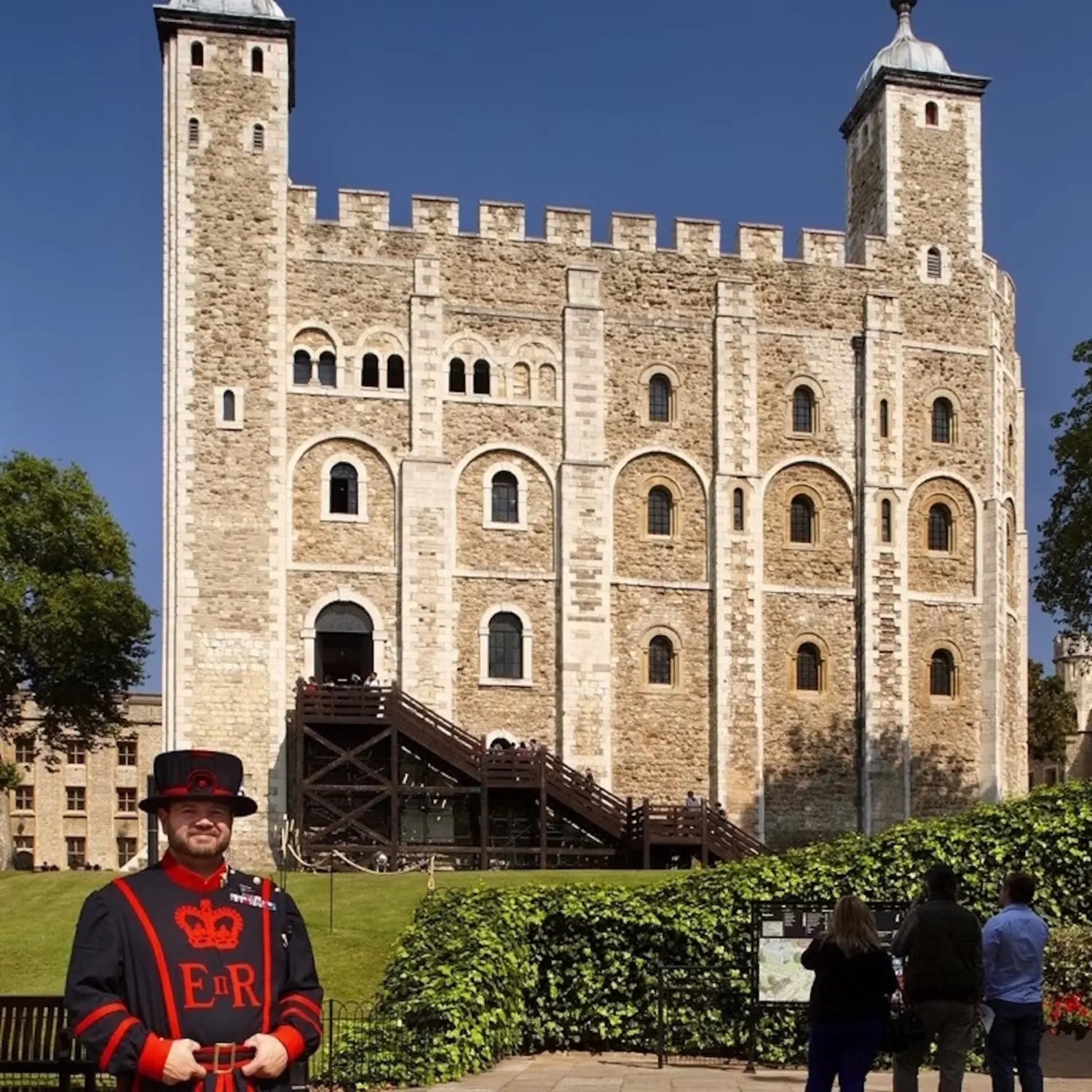
Admire the White Tower with Henry VIII’s oversized armor and London’s oldest church, St John’s Chapel.

Experience thrilling narratives about the Tower’s past, including imprisonment and executions.
Questions About the Women of the Tower of London

Which queens were executed at the Tower of London?

Anne Boleyn in 1536, Catherine Howard in 1542 and Lady Jane Grey in 1554, all beheaded inside the walls.

How many people were executed on Tower Green?

Historic Royal Palaces counts ten people executed on or near Tower Green: seven by beheading and three by firing squad.

Who is buried in the Chapel Royal of St Peter ad Vincula?

Anne Boleyn, Catherine Howard, Lady Jane Grey, Jane Boleyn and Margaret Pole, among others, including Thomas More and John Fisher.

Can you visit Tower Green?

Yes. Tower Green, the scaffold site memorial and the chapel are inside the fortress and included in admission.

Was Elizabeth I imprisoned in the Tower of London?

Yes. Her half-sister Mary I held her there from 17 March 1554 until she was moved to house arrest on 19 May.

Who was Margaret Pole?

Countess of Salisbury, niece of Edward IV and Richard III, and one of only two women in 16th-century England to hold a peerage in her own right.

This website sells official tickets for this venue. Please note, however, that it is not the official website of the venue.

The images and videos on this website may contain visual elements that have been created or enhanced using AI technology. They are provided for illustrative purposes only.