We are processing your request.
Please, don’t close or refresh the page.
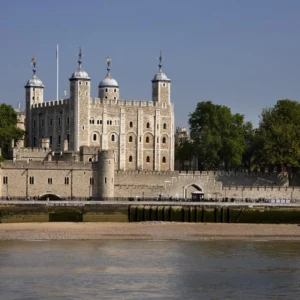
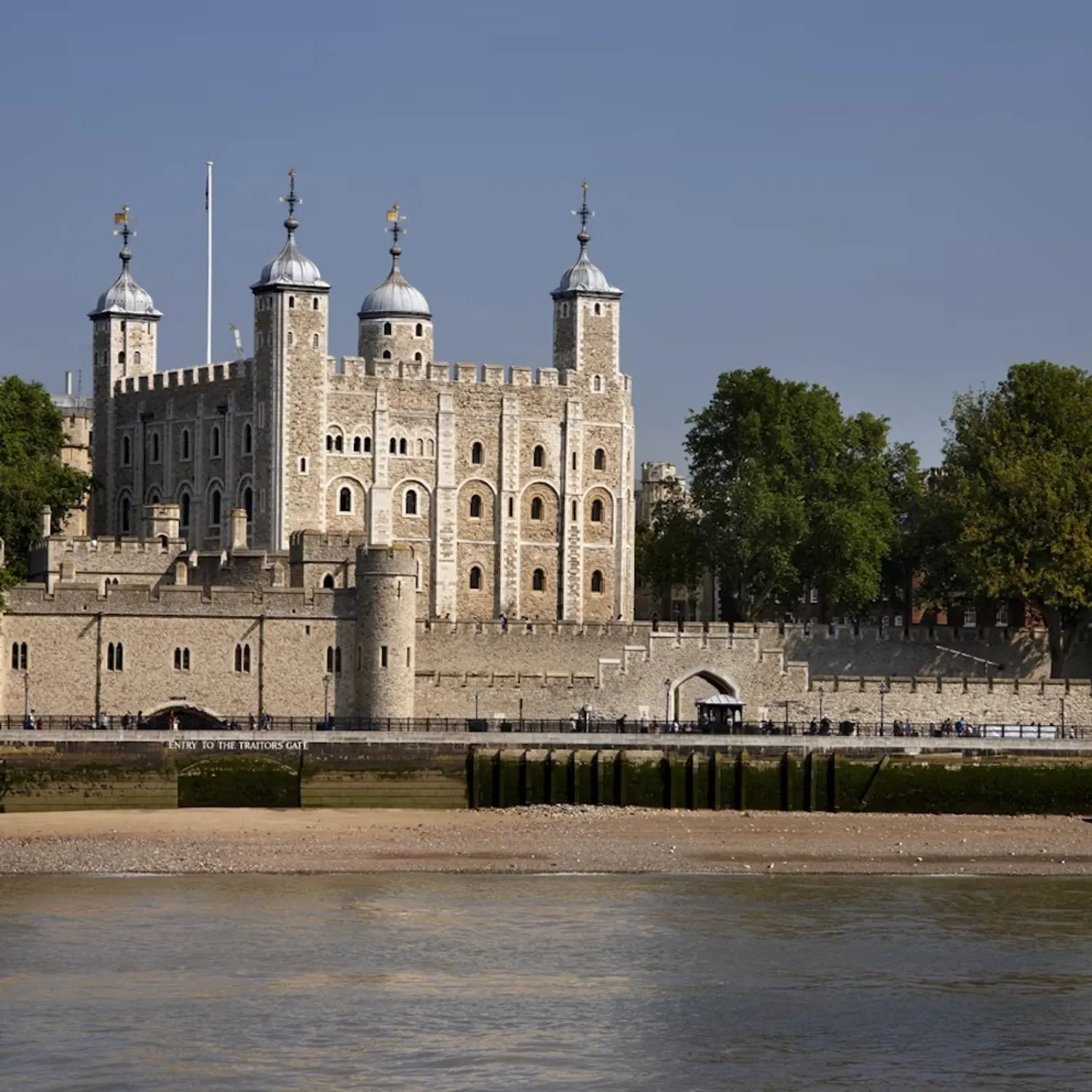
The Tower of London beside the Thames

When Was the Tower of London Built? William the Conqueror's Fortress on the Thames

William the Conqueror began the Tower of London after 1066, and in nearly a thousand years it has been a royal palace, a prison, a mint, a zoo and the home of the Crown Jewels, all inside one fortress on the Thames.

What Is the Tower of London?

The Tower of London is a castle on the north bank of the Thames that William the Conqueror started soon after 1066, to hold down the city he had just taken. For almost a thousand years it has been a royal palace, a fortress, a prison, an armoury, a treasury, a mint and even a zoo, and officially it is still a royal palace today. Historic Royal Palaces runs it, UNESCO lists it as a World Heritage Site, and close to three million people a year come through its gates for the White Tower, the Jewel House and the ravens on the green.

Why the Tower of London Matters

Founded by William the Conqueror at the end of 1066, as part of the Norman Conquest.

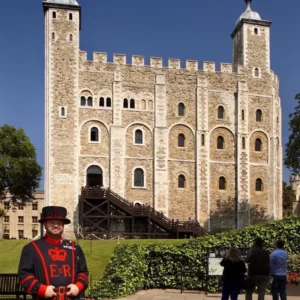
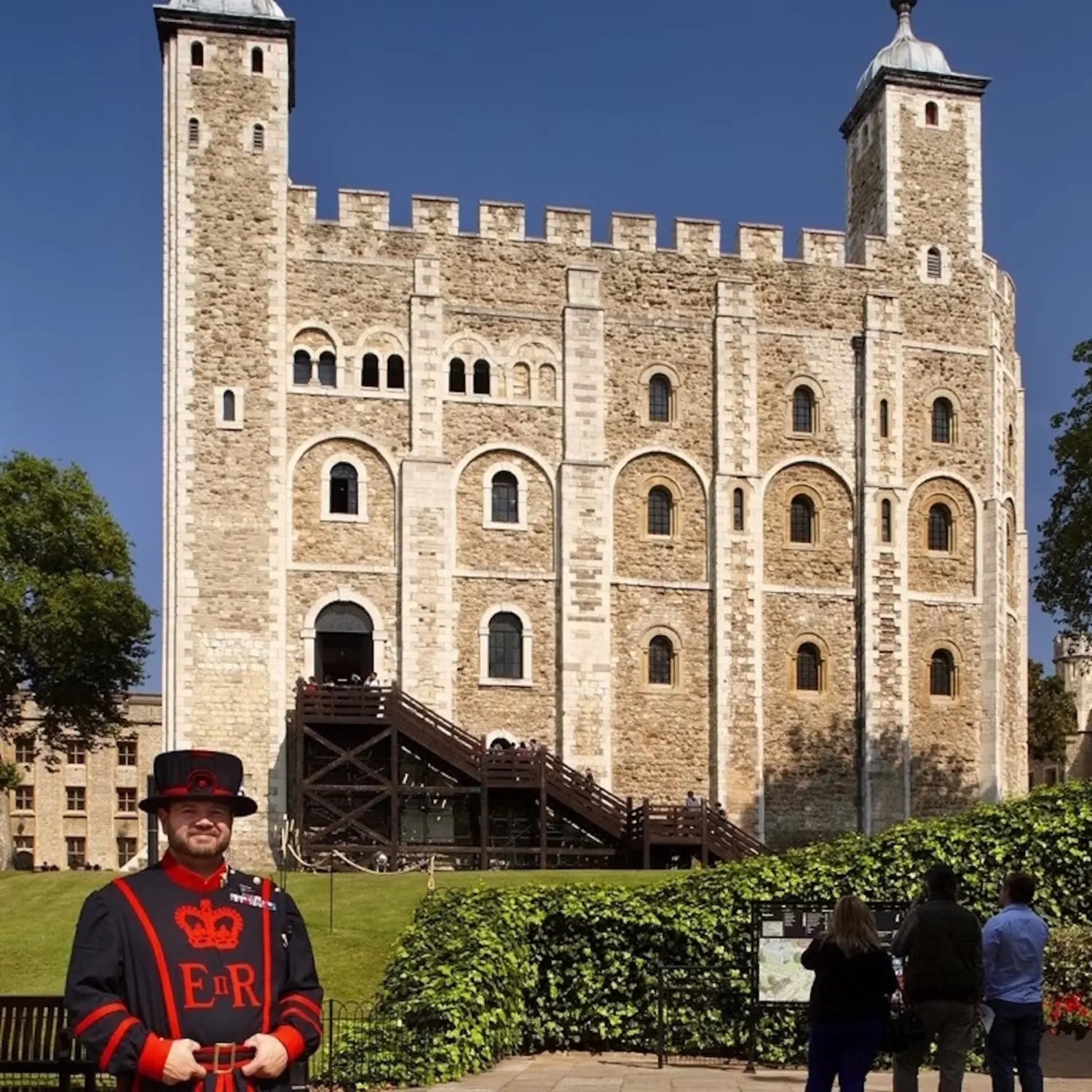
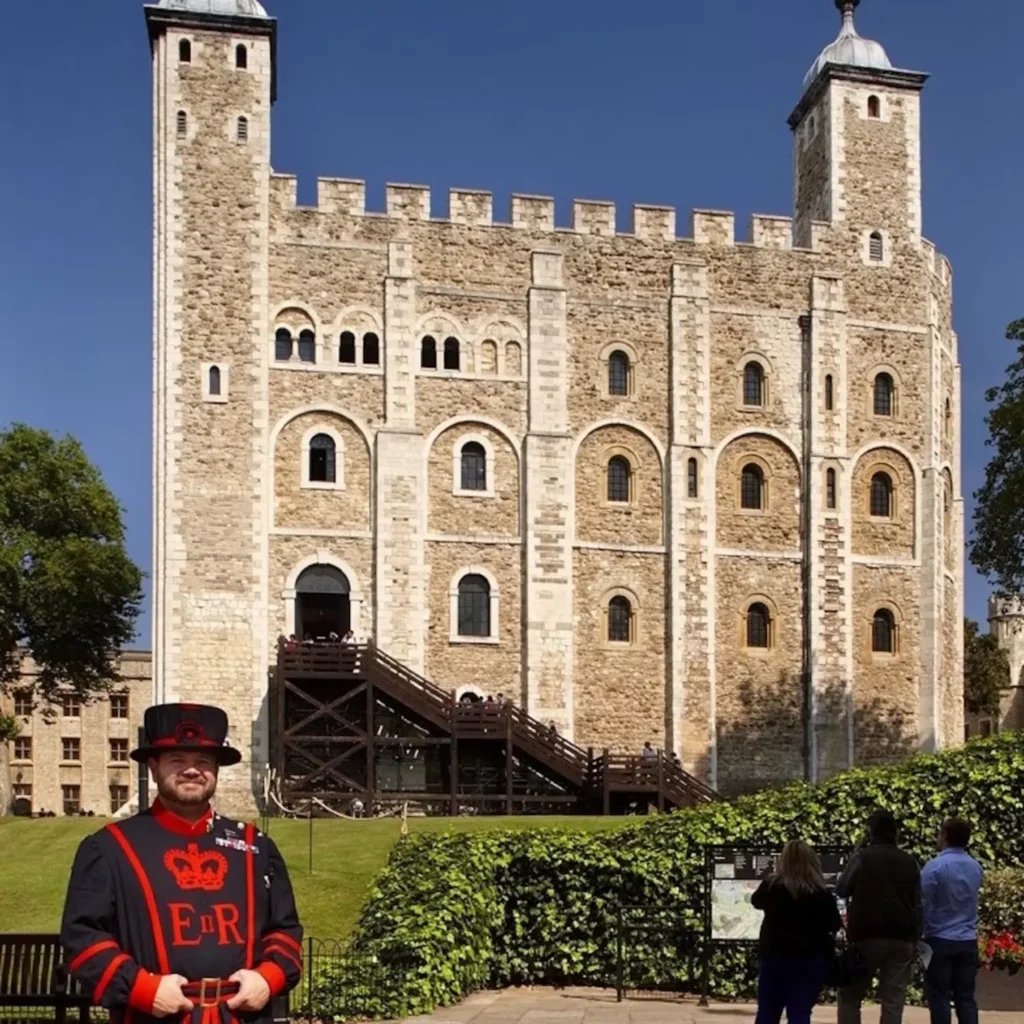
The White Tower, begun around 1078, still stands at the centre: 36 by 32 metres at the base and 27 metres high.

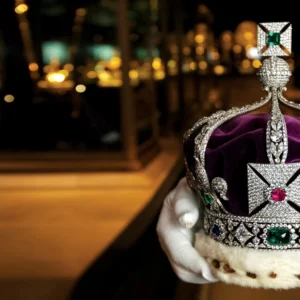
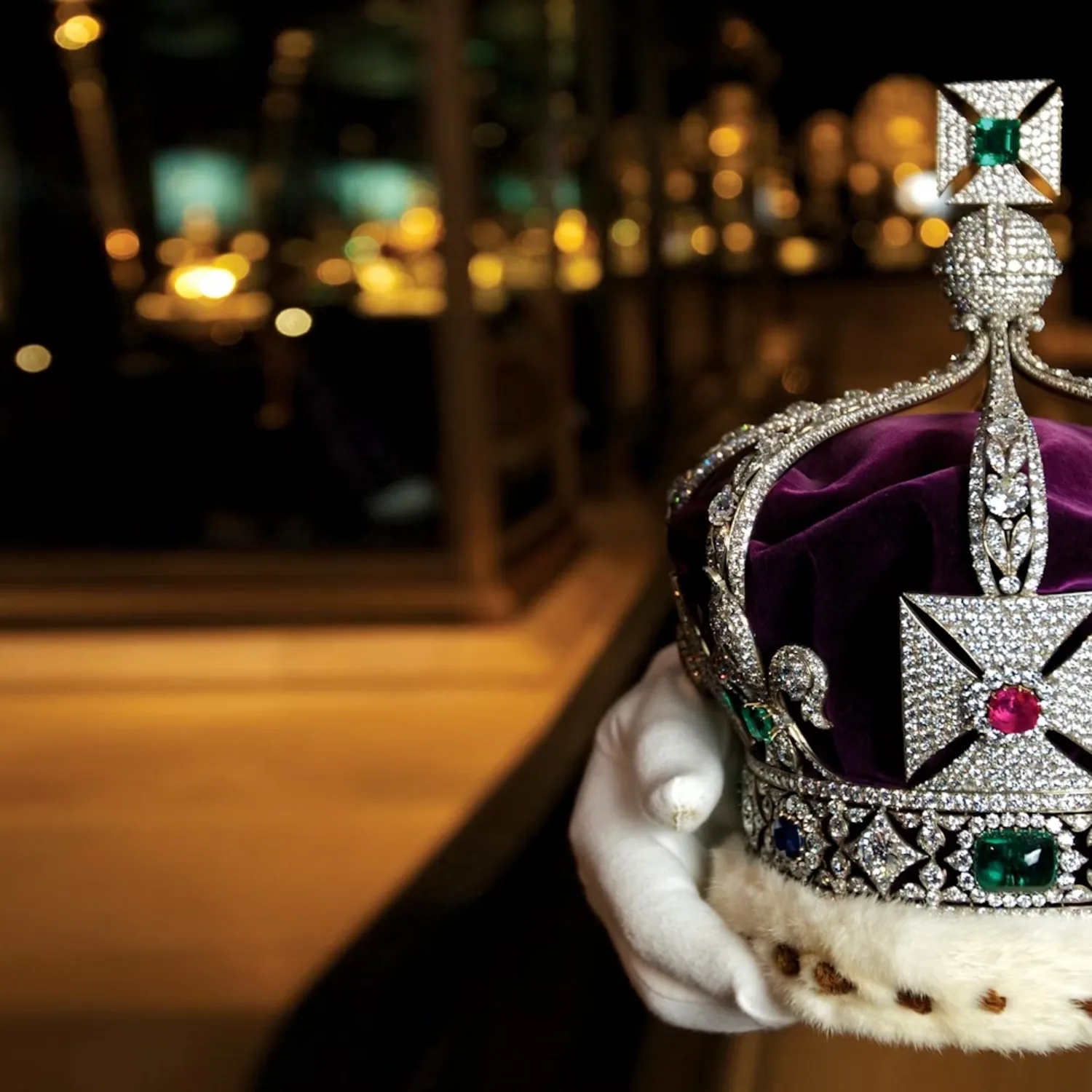
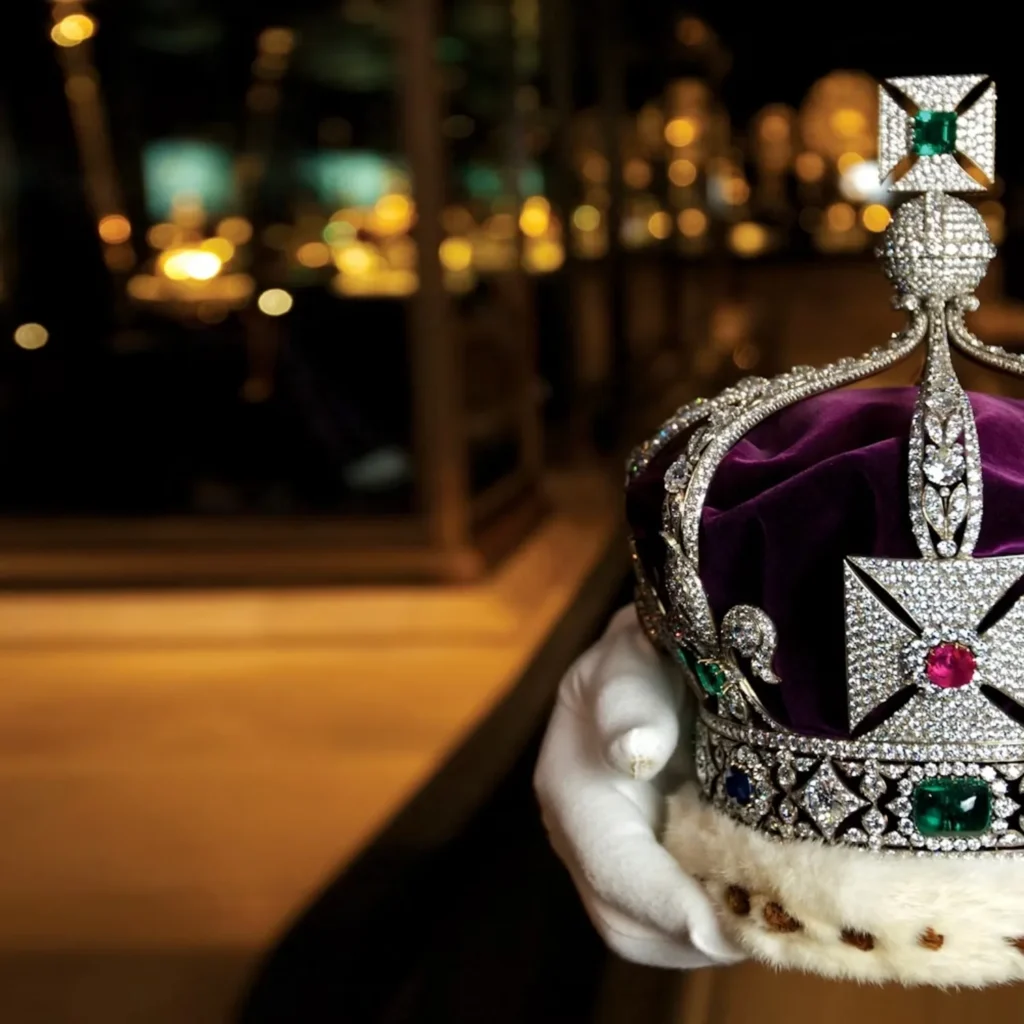
The Crown Jewels have been kept here since the Middle Ages and on public display since 1669.

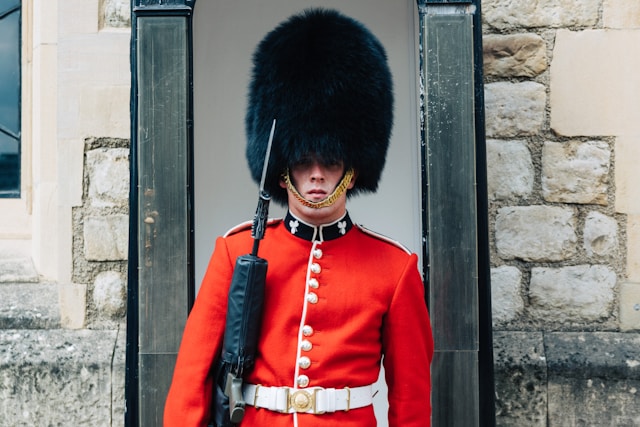
The Yeoman Warders have served as a royal bodyguard since at least 1509.

A UNESCO World Heritage Site since 1988, cared for by Historic Royal Palaces since 1990.

Who Built the Tower of London? William the Conqueror and Bishop Gundulf
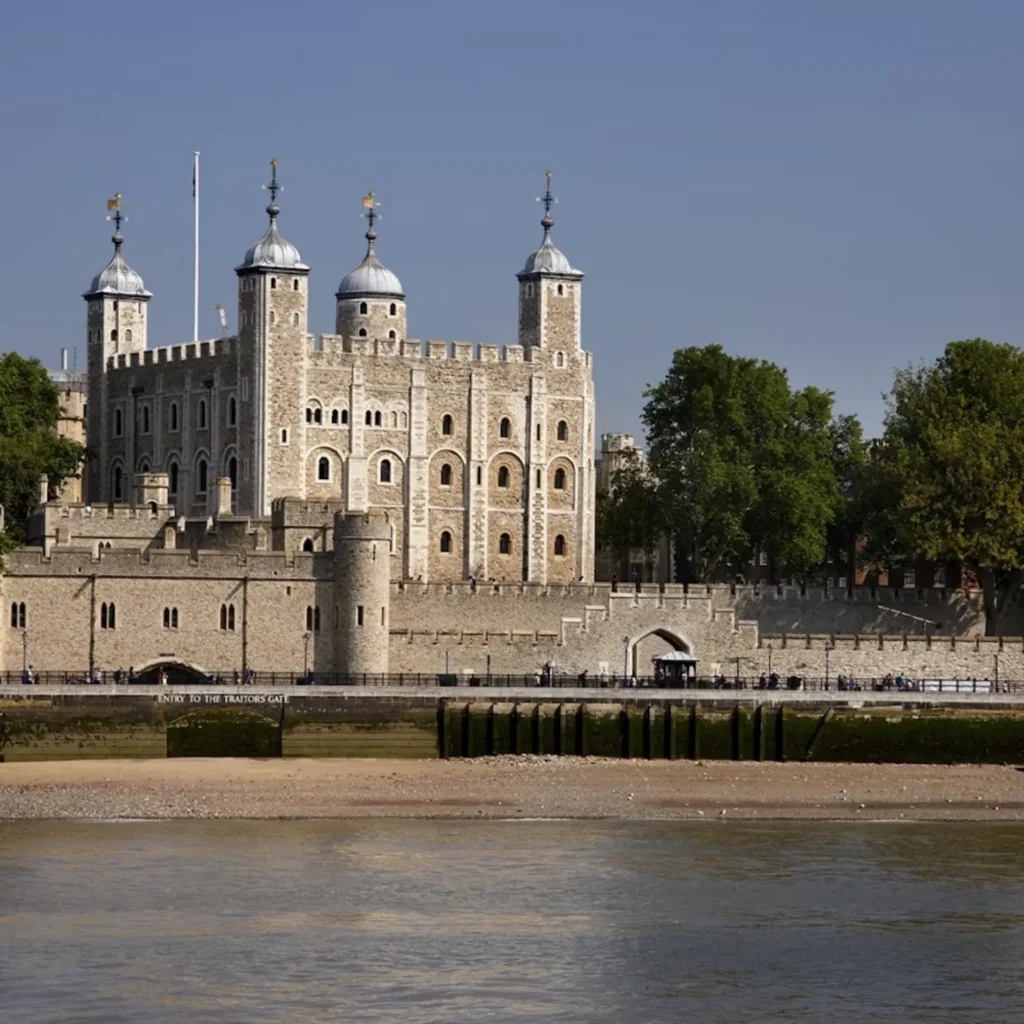
The Tower of London

The Tower started as an occupation. William the Conqueror landed in 1066, took London, and by the end of that year had begun a fortress in the corner of the old city walls, where it could watch both the river and the people living beside it. The first defences were earth and timber, quick to raise and meant to last only until something stronger could replace them.

The something stronger was the great stone keep. Work on the White Tower is usually dated to 1078, under Gundulf, the Bishop of Rochester, whom William put in charge of the building. It measures 36 by 32 metres at the base and rises 27 metres, big enough to hold royal rooms and a chapel, St John's, which is still there inside the keep.

It was built to be seen as much as to be defended. For Londoners used to timber and thatch, a stone tower on this scale was a statement about who now ran the country, and it stayed the heart of the fortress through every later century of building around it.

From Keep to Castle: When the Tower of London Was Built

The Tower of London

The short answer is 1078 for the White Tower, but the Tower of London as it looks today took well over two hundred years. Richard I, in the 1190s, dug the first moat and doubled the size of the castle, pushing its defences out well beyond the old keep and its first ring of walls.

Henry III, who reigned from 1216 to 1272, turned the inner ward into a palace, with new royal lodgings beside the military buildings. His son Edward I finished the job: between 1275 and 1285 he spent about £21,000 on an outer ward and a second ring of walls, turning the Tower into a concentric castle, one line of defence inside another.

Edward's works also gave the Tower its river entrance, a water gate under St Thomas's Tower that later became known as Traitors' Gate. The fortress took on new jobs at the same time: the royal mint was brought together here in 1279, and the Tower of London zoo, a royal menagerie of lions and other animals grew up inside the walls.

Traitors' Gate, the Princes in the Tower and the Scaffold

The Tower of London

From the Middle Ages onward the Tower was also England's most famous prison. Prisoners brought by river came in through the water gate, and it has been called Traitors' Gate since before 1543. Sir Thomas More was one of the men who passed through it on the way to his cell.

Its darkest mystery is the Princes in the Tower. Edward V and his brother Richard were kept here in 1483, aged 12 and 9, and never seen again after that summer, while their uncle took the throne as Richard III. In 1674 workmen found two small skeletons in a wooden box beneath a staircase, and Charles II had them buried in Westminster Abbey. Whether the boys were murdered, and by whom, is still argued over.

Executions inside the walls were rarer than the legends suggest. Only seven people were executed within the Tower before the twentieth century, among them Anne Boleyn, beheaded on 19 May 1536 by a swordsman brought over from France. The last person executed at the Tower was the German spy Josef Jakobs, shot on 15 August 1941.

Tower of London: An Iconic and Intriguing Location!

Highlights

Explore an iconic landmark steeped in political intrigue and royal history.

Discover the newly restored Medieval Palace showcasing stories of monarchs and their households.

See the Crown Jewels, a highlight of the exhibition.

Admire the White Tower with Henry VIII’s oversized armor and London’s oldest church, St John’s Chapel.

Experience thrilling narratives about the Tower’s past, including imprisonment and executions.
Walk the Walls Yourself

All of this sits inside one set of walls on Tower Hill, and a single timed ticket covers the White Tower, the Jewel House and the Yeoman Warder tour when it runs. Give yourself two or three hours, arrive inside your 30-minute slot, and finish on the battlements looking out at Tower Bridge and the river the Normans came to control.

Tower of London Questions: Kings, Prisoners and Ravens

When was the Tower of London built?

William the Conqueror founded it at the end of 1066, and work on the White Tower began around 1078. Richard I, Henry III and Edward I expanded it over the next two centuries.

Who built the Tower of London?

William the Conqueror, who put Gundulf, Bishop of Rochester, in charge of building the White Tower.

What is the Tower of London used for today?

It is a museum and still officially a royal palace and fortress, run by Historic Royal Palaces. It keeps the Crown Jewels and is home to the Yeoman Warders.

Why is it called Traitors' Gate?

Edward I's river entrance under St Thomas's Tower was used to bring prisoners in by boat. It has carried the name Traitors' Gate since before 1543.

What happened to the Princes in the Tower?

Edward V and his brother Richard were last seen in the summer of 1483. Bones found under a staircase in 1674 were reburied in Westminster Abbey, but their fate is still debated.

Who is buried in the Chapel of St Peter ad Vincula?

Anne Boleyn, Catherine Howard and Lady Jane Grey, along with Sir Thomas More, Bishop John Fisher and the Duke of Monmouth.

How many people were executed inside the Tower of London?

Seven before the twentieth century, including Anne Boleyn in 1536. The last execution at the Tower was the German spy Josef Jakobs in 1941.

Why are there ravens at the Tower of London?

Legend says the Crown and Britain will fall if they leave. At least six are kept, plus spares, cared for by the Ravenmaster.

Is the Tower of London a World Heritage Site?

Yes. UNESCO added it to the World Heritage list in 1988.

This website sells official tickets for this venue. Please note, however, that it is not the official website of the venue.

The images and videos on this website may contain visual elements that have been created or enhanced using AI technology. They are provided for illustrative purposes only.