We are processing your request.
Please, don’t close or refresh the page.
Westminster Abbey, London

What Is Westminster Abbey? A Thousand Years of Monks, Kings and Coronations

Founded by Benedictine monks around 960 and rebuilt in Gothic style by Henry III from 1245, Westminster Abbey has crowned every monarch since 1066 bar two and holds some 3,300 burials.

Westminster Abbey in Brief

Westminster Abbey is the church where Britain crowns its kings and queens, and it has been doing so since Christmas Day 1066. Officially it is the Collegiate Church of St Peter at Westminster, a working Church of England church with daily services, but it answers directly to the monarch rather than to a bishop, which makes it a Royal Peculiar. Around it grew a thousand years of history: a Benedictine monastery, a Gothic rebuilding paid for by Henry III, sixteen royal weddings and thousands of burials and memorials. Together with the Palace of Westminster and St Margaret's Church, it has been a UNESCO World Heritage Site since 1987.

Why Westminster Abbey Matters

Around 960, St Dunstan brought the first twelve Benedictine monks to Westminster.

Edward the Confessor's church was consecrated on 28 December 1065, days before his death.

Every monarch since 1066 has been crowned here except Edward V and Edward VIII.

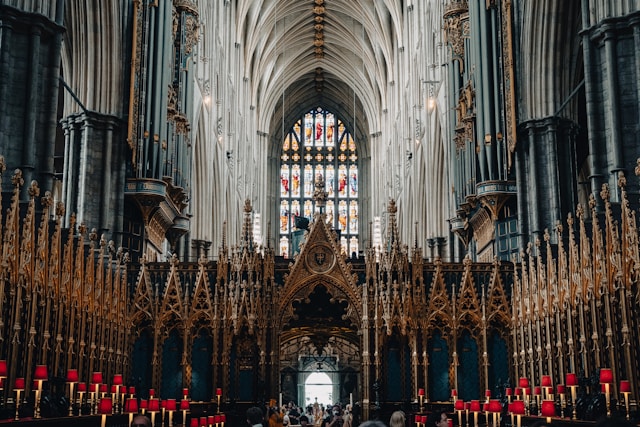
The nave vault rises 102 feet, the highest Gothic nave of any church in England.

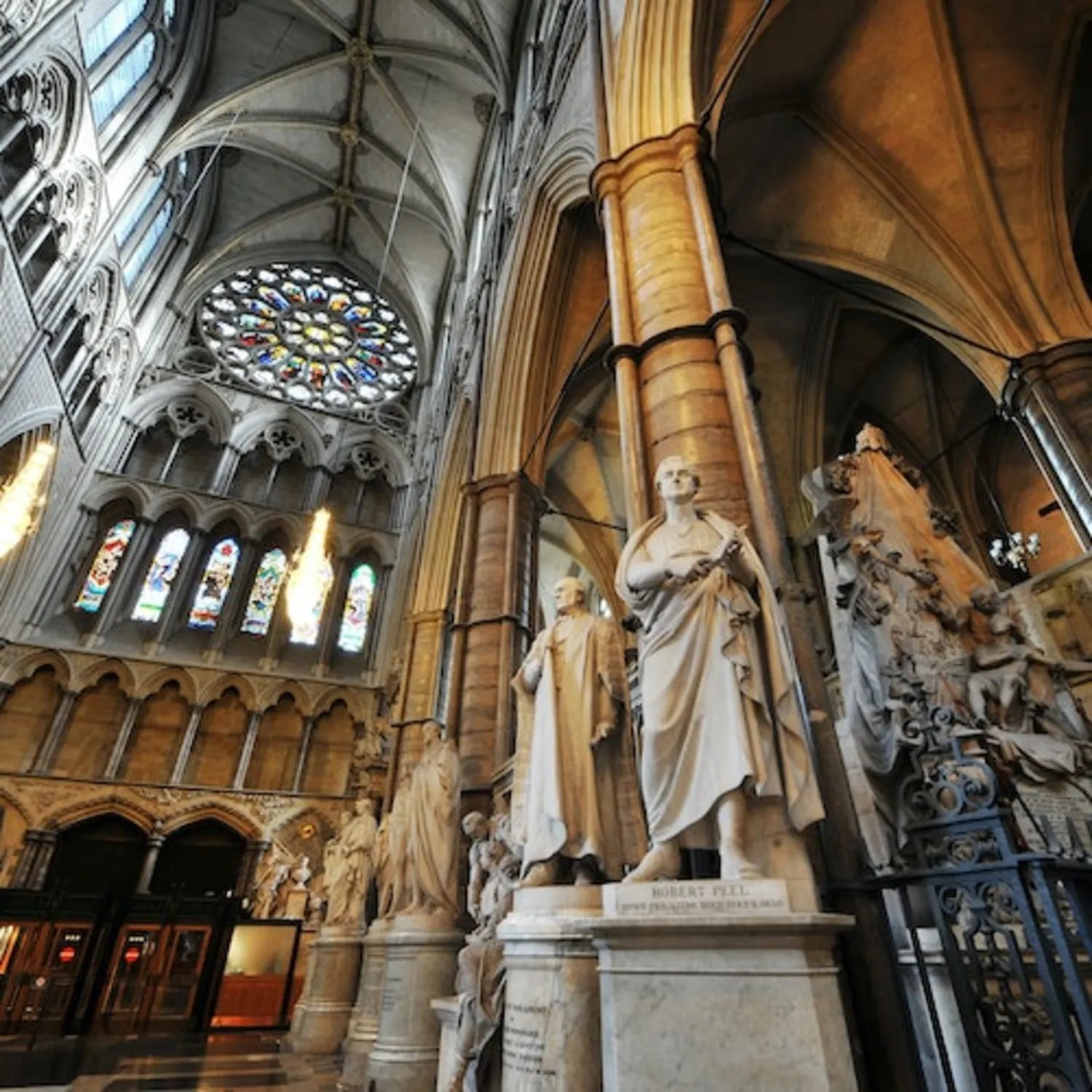
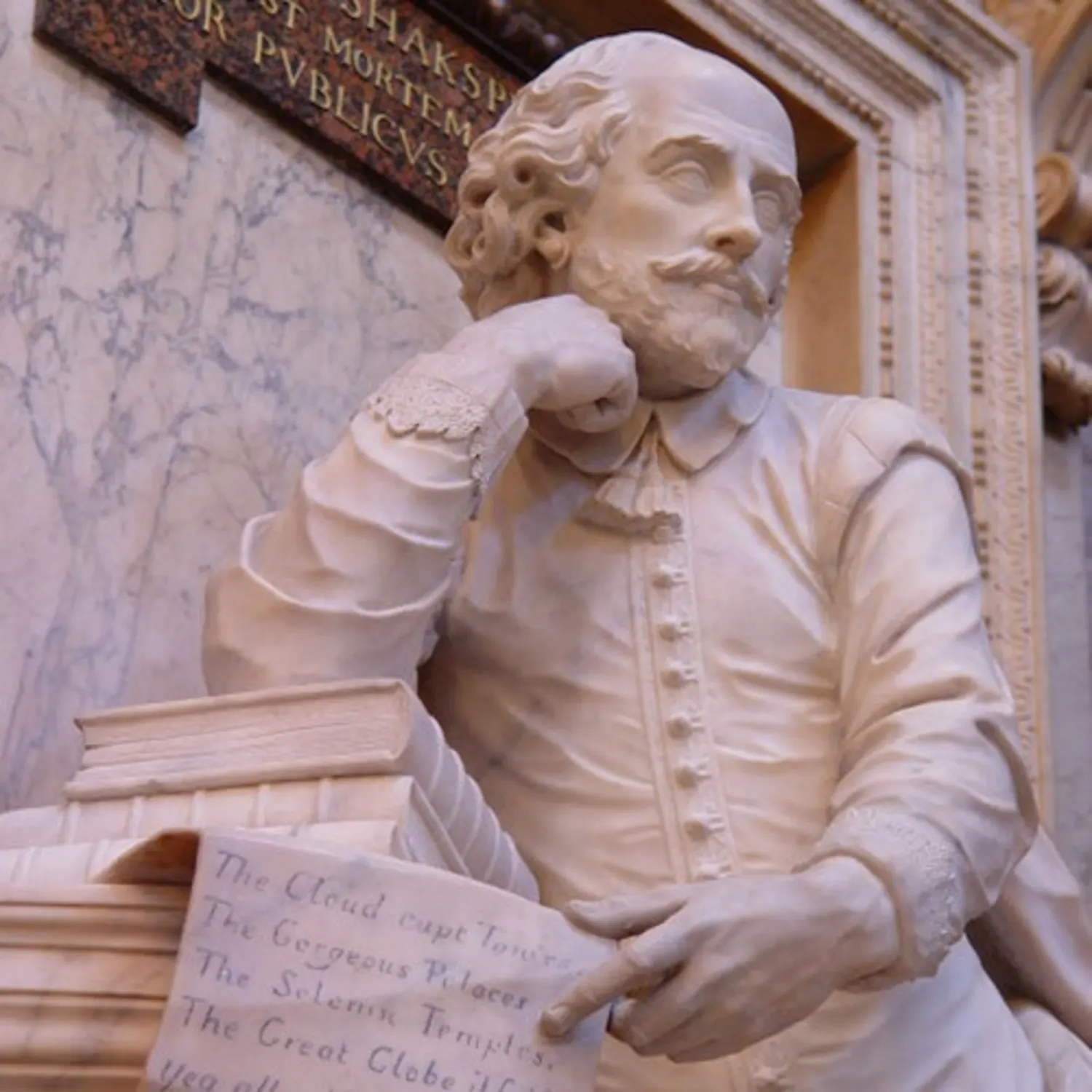
The Abbey has hosted sixteen royal weddings and holds about 3,300 burials and over 600 monuments.

Who Built Westminster Abbey? From St Dunstan's Monks to Edward the Confessor
Westminster Abbey, London

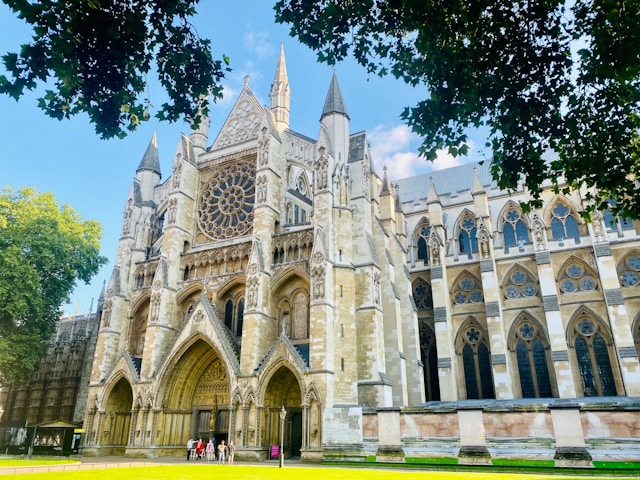
Westminster Abbey began as a small community of monks beside the Thames, well outside the old City of London. Around 960, St Dunstan, Bishop of London, brought the first twelve Benedictine monks here with the support of King Edgar, and their monastery slowly grew in size, wealth and royal favour over the following century.

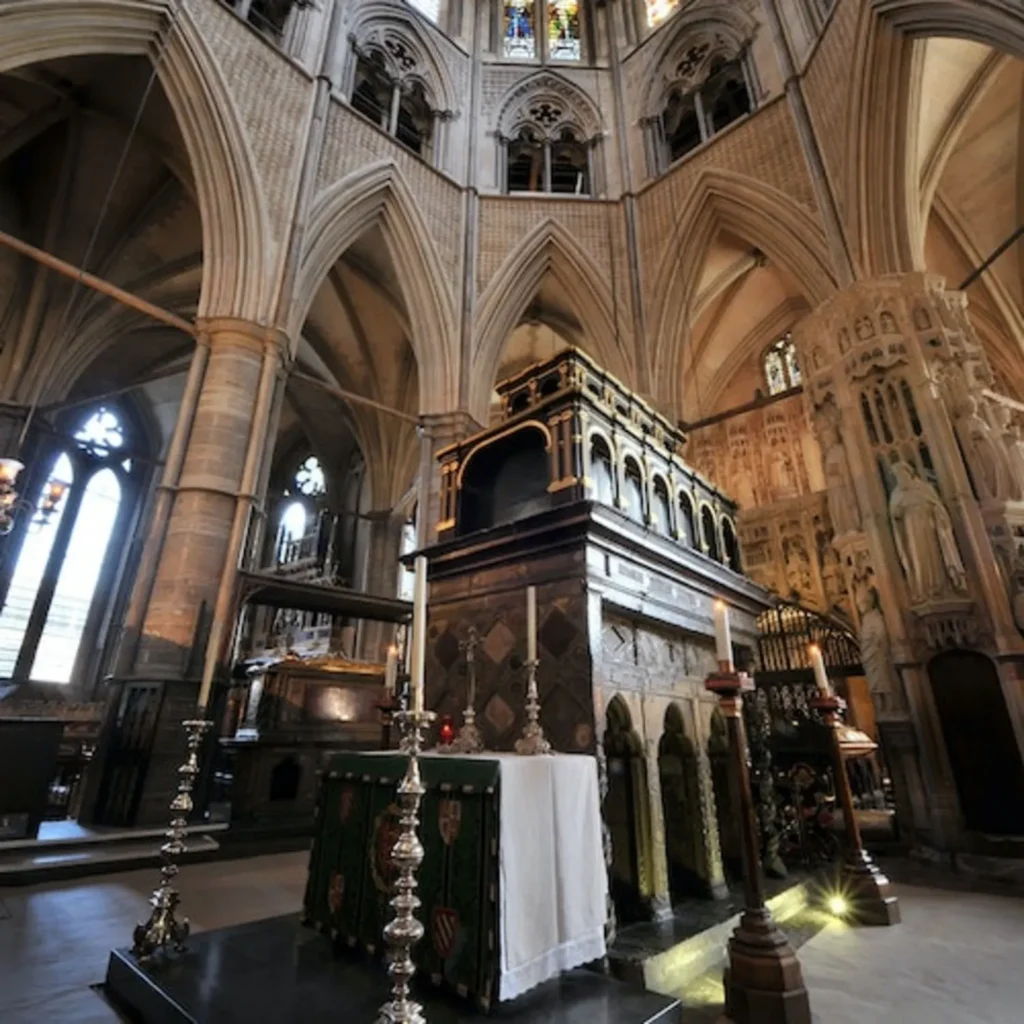
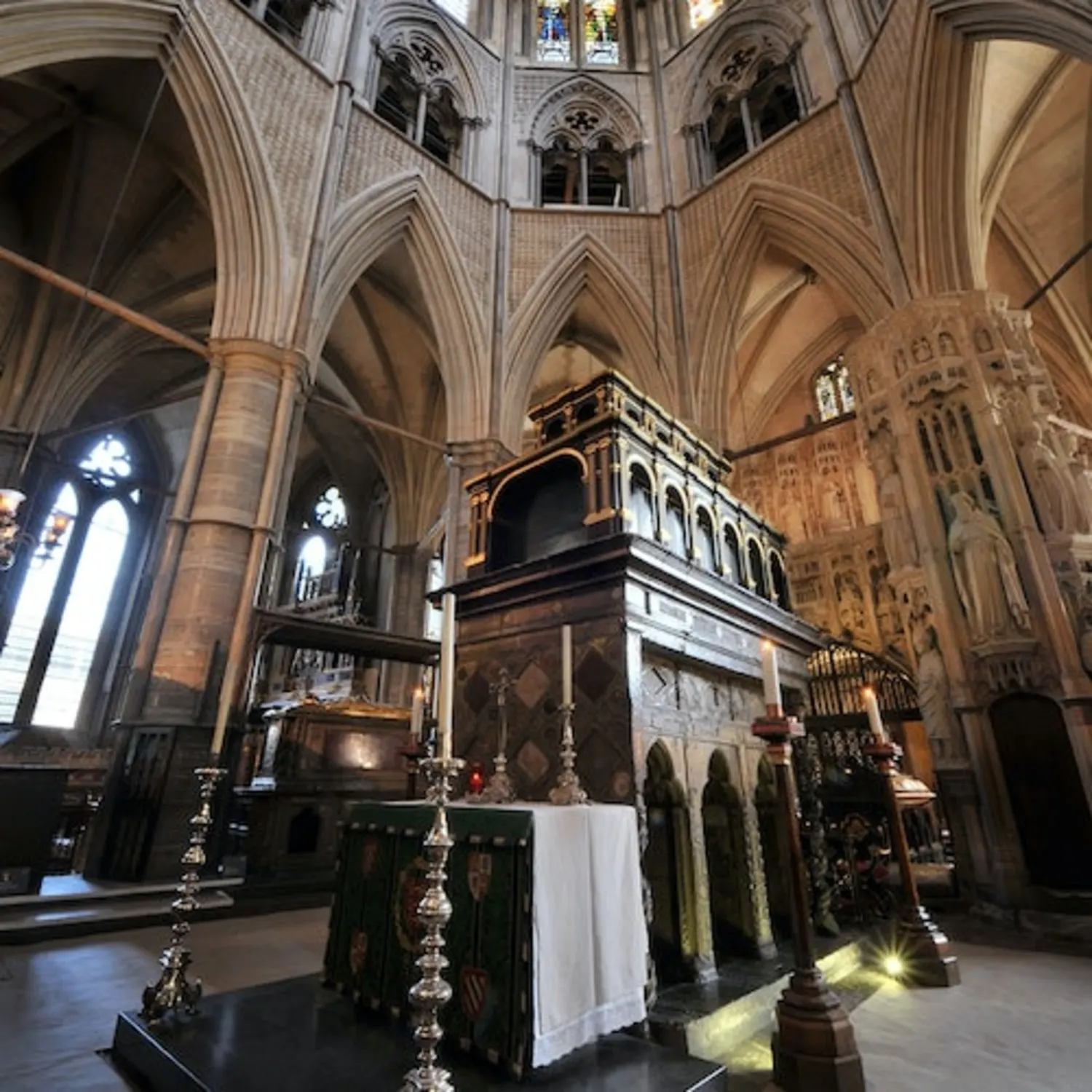
The first great church came from Edward the Confessor. He rebuilt the abbey church in stone, and it was consecrated on 28 December 1065. Edward died only days later and was buried in his new church, and once he was made a saint his tomb turned the Abbey into a place of pilgrimage.

A year later the church found the role it has kept ever since. William the Conqueror was crowned here on Christmas Day 1066, choosing Edward's new church to claim the throne he had just won, and almost every English and British monarch since has followed him through the same doors.

When Was Westminster Abbey Built? Henry III's Gothic Church
Westminster Abbey, London

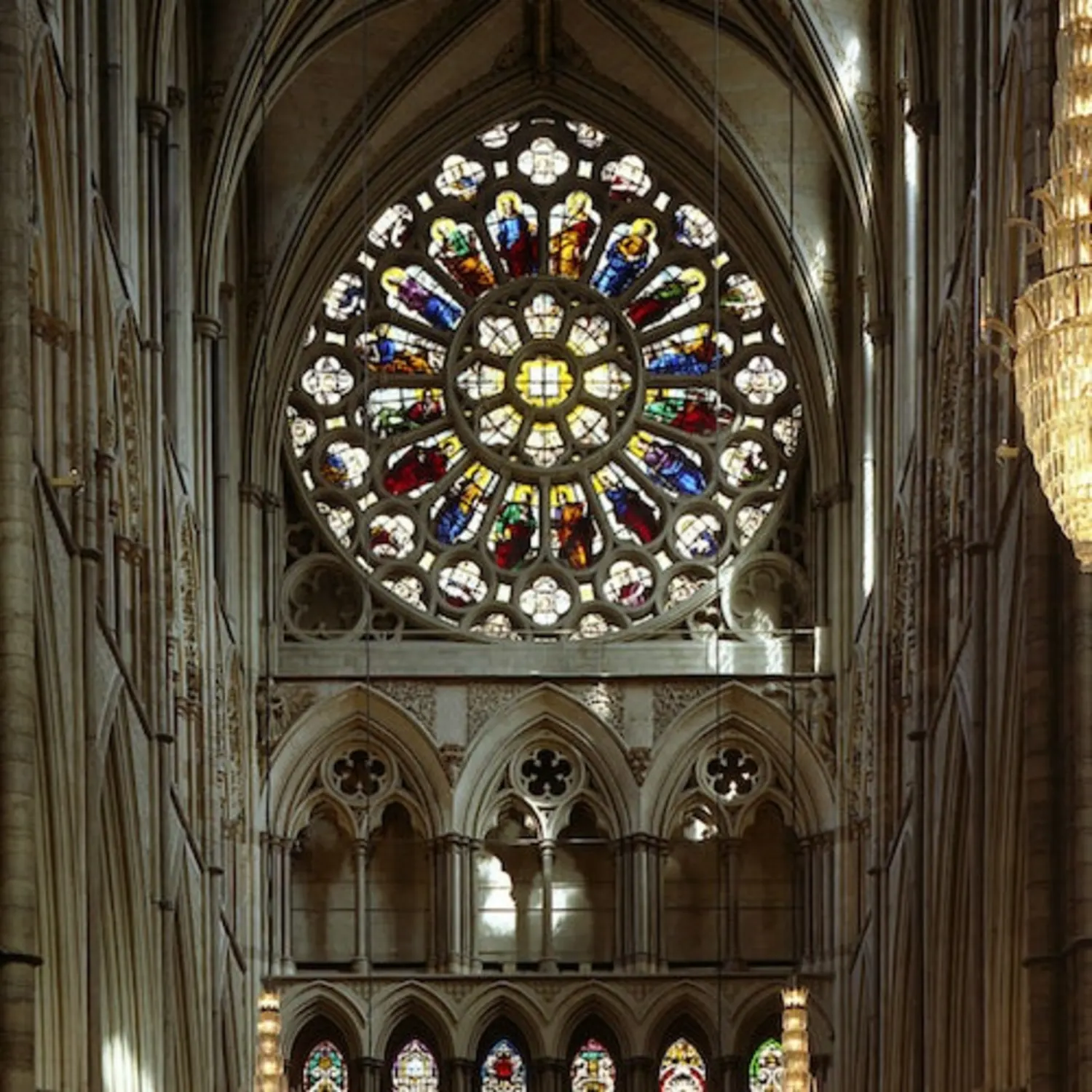
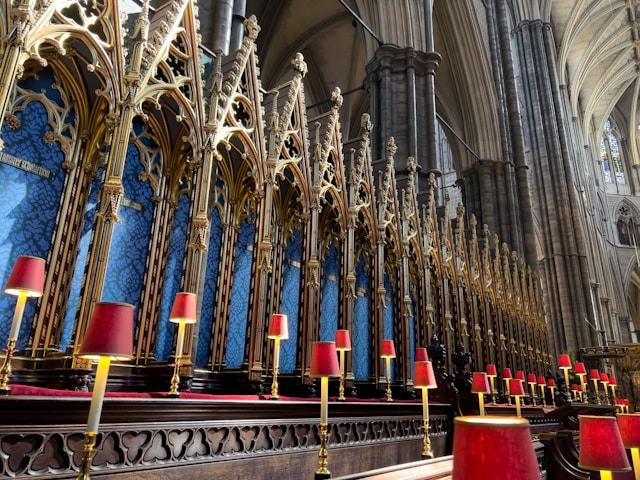
The church you see today is mostly Henry III's. Devoted to Edward the Confessor, Henry began rebuilding the Abbey in 1245, with Henry of Reynes as his master mason, to give the saint a grander shrine in the new Gothic style. The new church was consecrated on 13 October 1269.

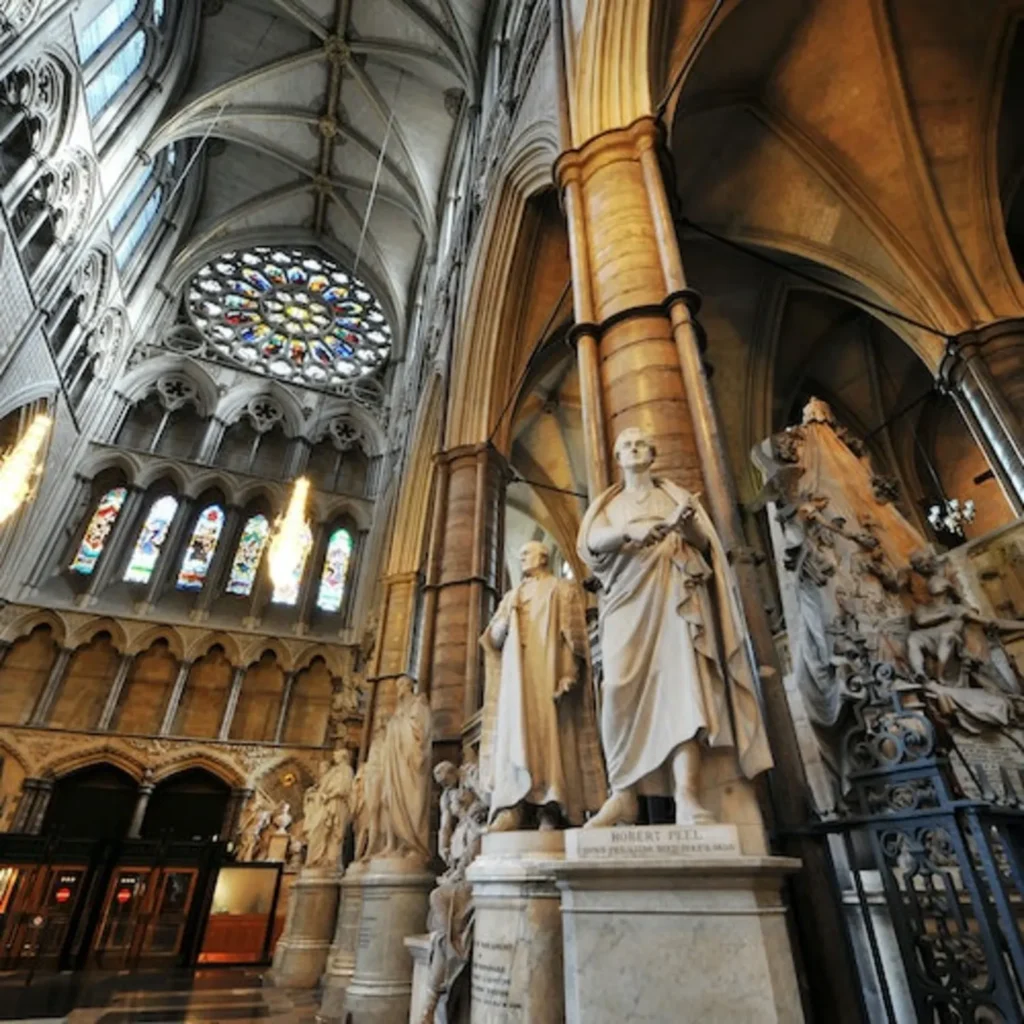
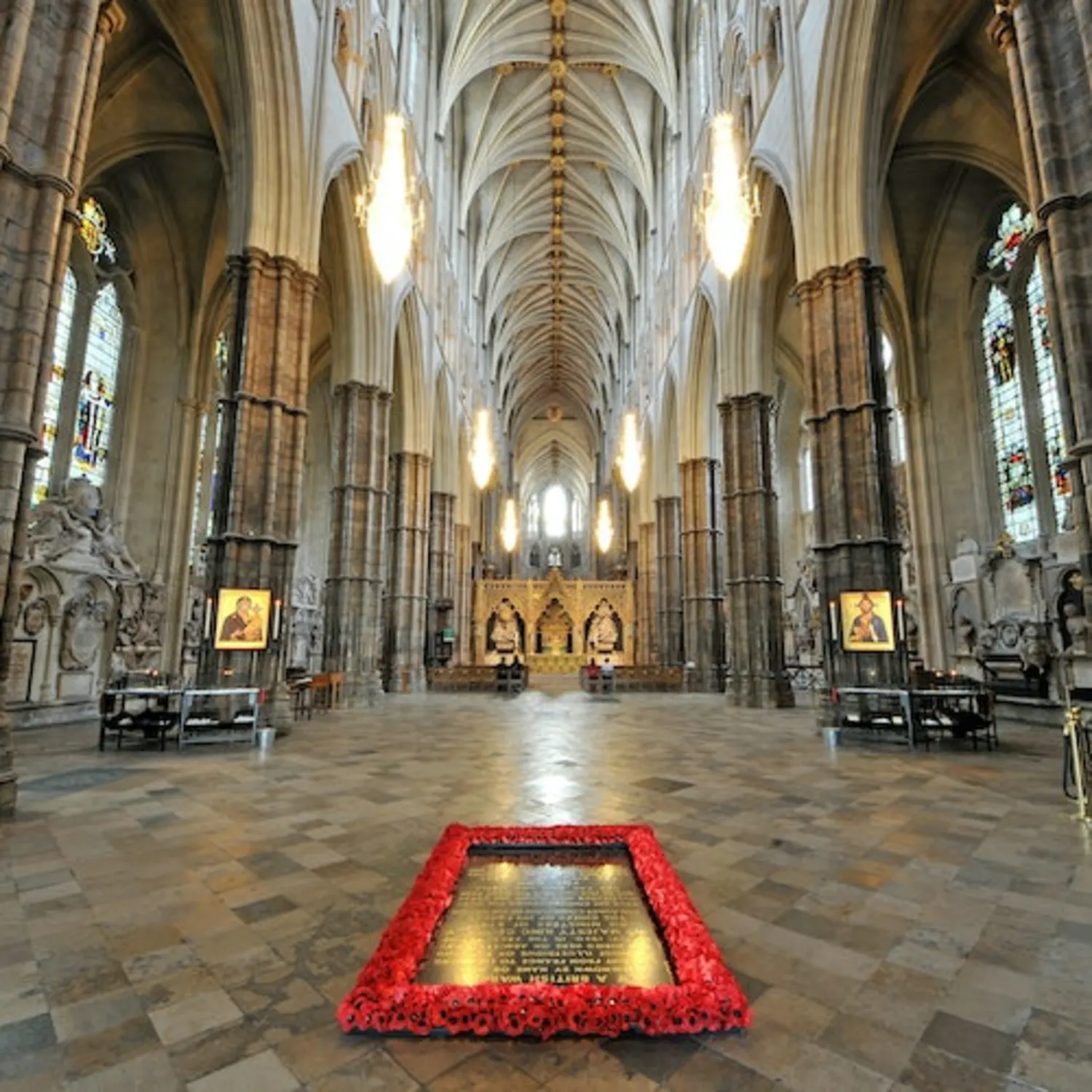
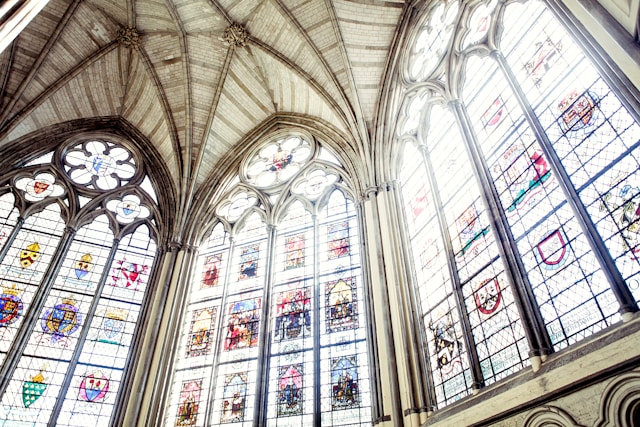
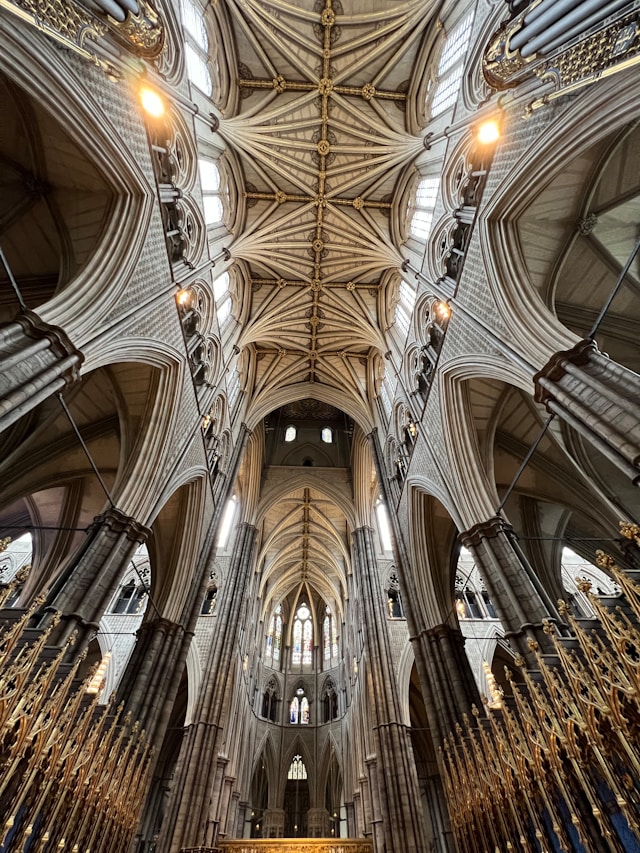
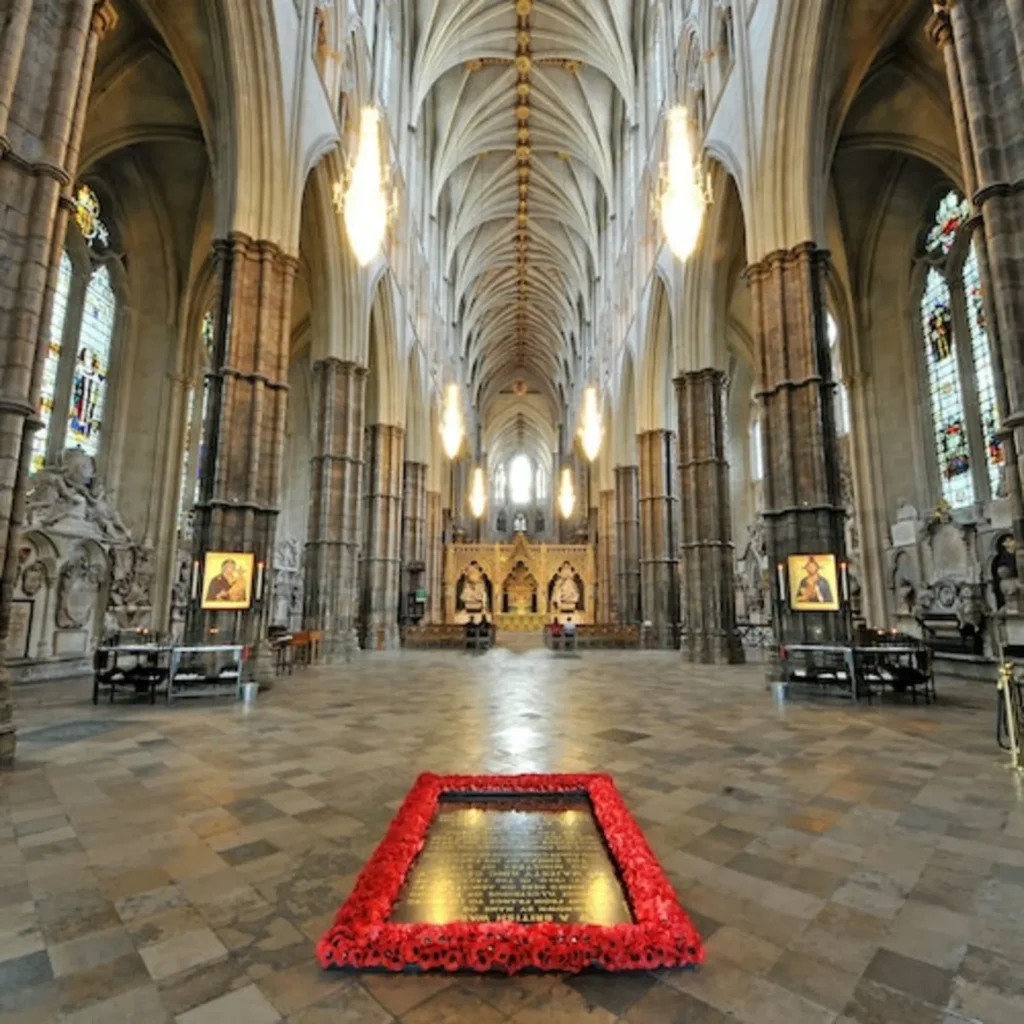
Its height is the thing to notice. The nave vault rises 102 feet, or 31 metres, the highest Gothic nave of any church in England, and work on the nave carried on long after Henry's death. The eastern end gained another masterpiece in the Tudor period: Henry VII's Lady Chapel, consecrated on 19 February 1516.

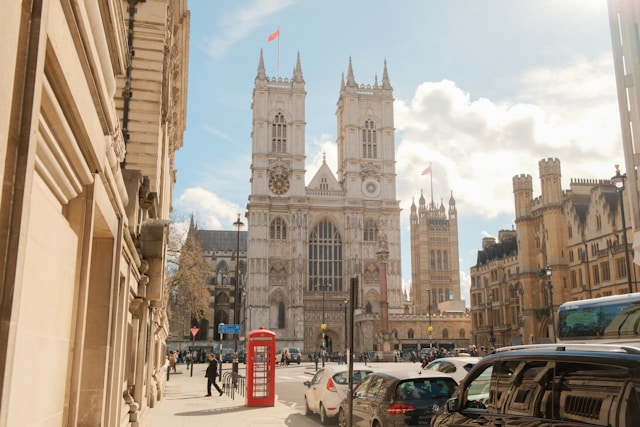
The last major addition came almost five centuries after Henry III started. The western towers were completed in 1745 by Nicholas Hawksmoor, designed to blend with the medieval stonework below them, and they give the Abbey the twin-towered west front it is known for.

How the Abbey Became a Royal Peculiar
Westminster Abbey, London

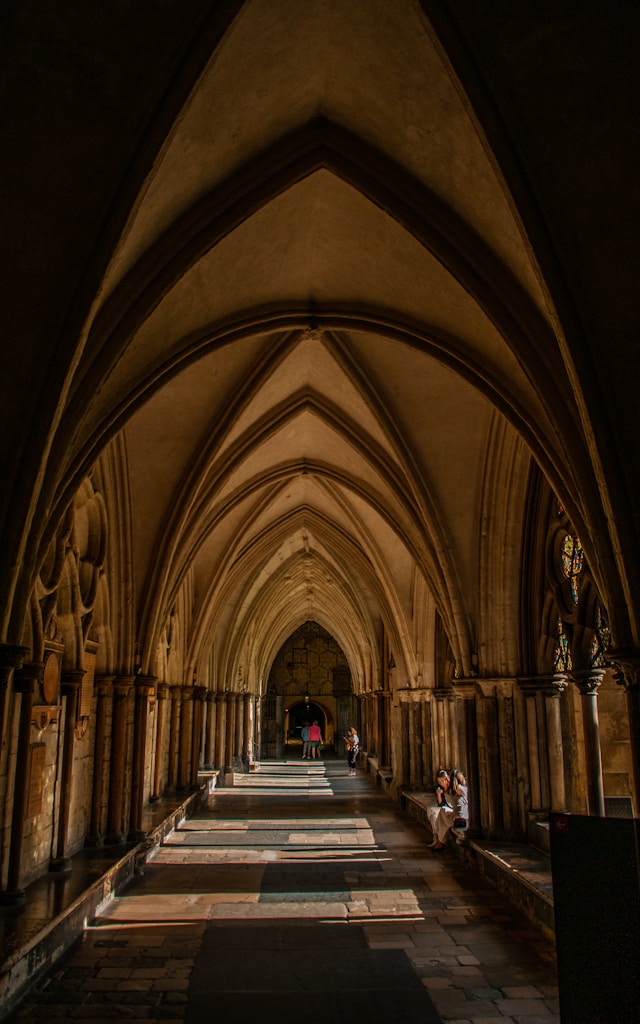
For six centuries the Abbey was a monastery, housing between 30 and 60 monks at a time. That ended with the Reformation: Henry VIII dissolved the monastery on 16 January 1540, when only 24 monks were left, and the last abbot became the first dean of a new cathedral church.

The monks came back once. Mary I restored a Benedictine community under Abbot Feckenham in 1556, but it lasted only until her death in November 1558, when her Protestant half-sister Elizabeth I removed them again. By a charter dated 21 May 1560, Elizabeth created the Collegiate Church of St Peter, still the Abbey's official name.

That settlement is why Westminster Abbey is unusual among English churches. It is a Royal Peculiar, accountable directly to the sovereign rather than to a bishop or archbishop, and although nobody has lived there as a monk for more than four centuries, everyone still calls it an abbey.

Westminster Abbey: Entry Ticket

Highlights

Explore the rich British heritage encapsulated within the Abbey’s walls.

Use an audio guide available in multiple languages to enhance your visit.

Witness the place of significant historical ceremonies including coronations and royal weddings.

Enjoy the freedom to move through the Abbey without time pressure.

Access one of the United Kingdom’s most important Gothic architectural landmarks.
Seeing the Abbey for Yourself

Sightseeing runs from Monday to Saturday, because on Sundays the Abbey is given over to worship. Allow one and a half to two hours to walk from the nave to the Lady Chapel and out through the cloisters, and remember that this is still a working church, so some areas close at short notice for services and state occasions.

Westminster Abbey Questions: Monks, Monarchs and Weddings

When was Westminster Abbey built?

The present church was begun by Henry III in 1245 and consecrated in 1269. Edward the Confessor's earlier church was consecrated in 1065, and monks first settled here around 960.

Who built Westminster Abbey?

Edward the Confessor built the first great church, Henry III rebuilt it in Gothic style from 1245, and Nicholas Hawksmoor completed the western towers in 1745.

How old is Westminster Abbey?

The monastery dates from around 960, which makes the site more than a thousand years old. The current building is over 750 years old.

What is a Royal Peculiar?

A Church of England church that answers directly to the sovereign instead of a bishop. Westminster Abbey has been one since Elizabeth I's charter of 1560.

How many monarchs have been crowned at Westminster Abbey?

Forty since 1066. Edward V and Edward VIII were never crowned.

How many royal weddings have taken place at Westminster Abbey?

Sixteen royal weddings have been held there.

Is Westminster Abbey still an abbey?

No. The monastery was dissolved in 1540, and since 1560 it has been the Collegiate Church of St Peter, though the name abbey stuck.

Is Westminster Abbey a World Heritage Site?

Yes. UNESCO listed it in 1987, together with the Palace of Westminster and St Margaret's Church.

This website sells official tickets for this venue. Please note, however, that it is not the official website of the venue.

The images and videos on this website may contain visual elements that have been created or enhanced using AI technology. They are provided for illustrative purposes only.